

3 Michelin Keys · La Liste Top Hotels · Relais Chateaux Award
A former imperial family retreat in the heart of Fuji-Hakone-Izu National Park, Gora Kadan has earned Michelin 3 Keys (2024) and 94.5 points on La Liste's 2026 hotel ranking. Forty-one rooms span tatami and semi-Western configurations, some with private open-air baths, and rates start from US$848 per night. The Hakone Tozan Line stops 400 metres from the entrance, putting it 85 minutes from central Tokyo by rail.

Pearl is the En Primeur Club membership app, where members save venues, book tables and use the concierge.
Where the National Park Does the Work
There is a particular discipline to the Japanese luxury ryokan that international hotel design has spent decades trying to replicate and rarely managed to equal. The leading examples hold their guests inside a controlled environment where silence, seasonal food, and thermal water do the heavy lifting, and the staff's primary skill is knowing when not to intervene. Gora Kadan sits squarely in that tradition. Set within Fuji-Hakone-Izu National Park, on a site that once served as a retreat for the Japanese imperial family, the property operates at a scale, 41 rooms, that keeps the service ratio tight and the atmosphere genuinely quiet.
Arriving via the Hakone Tozan Line, which stops 400 metres from the entrance, already frames the experience correctly. The rack railway climbs through cedar forest, and by the time guests step onto the platform at Gōra, Tokyo feels considerably further than 85 minutes behind them. That sense of remove is not incidental; it is the core product. The contemporary construction does not compete with the surrounding landscape, it defers to it, with corridors and common spaces oriented around framed views of the Hakone hills rather than inward-facing architectural gestures.
The Imperial Precedent and What It Signals
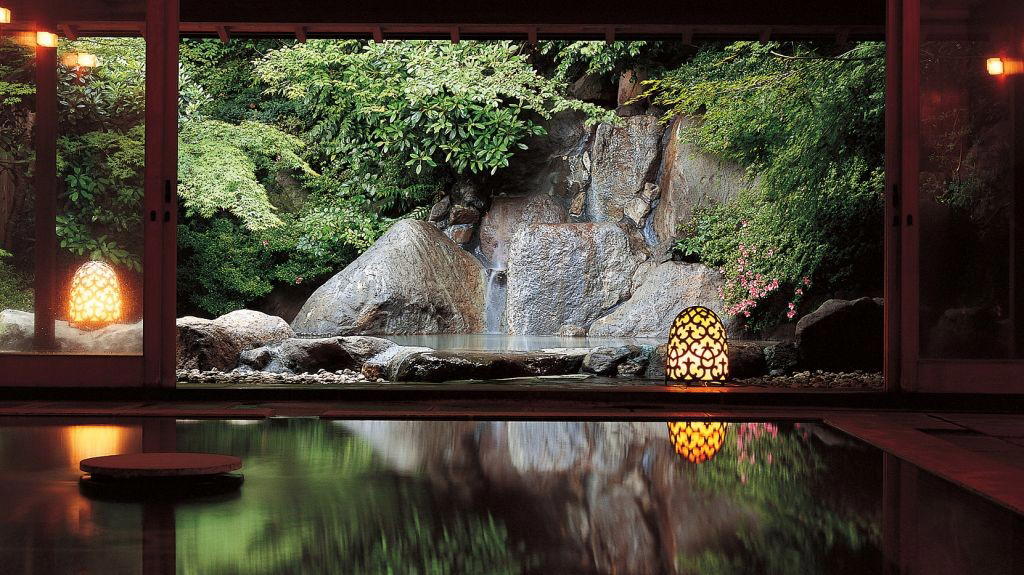
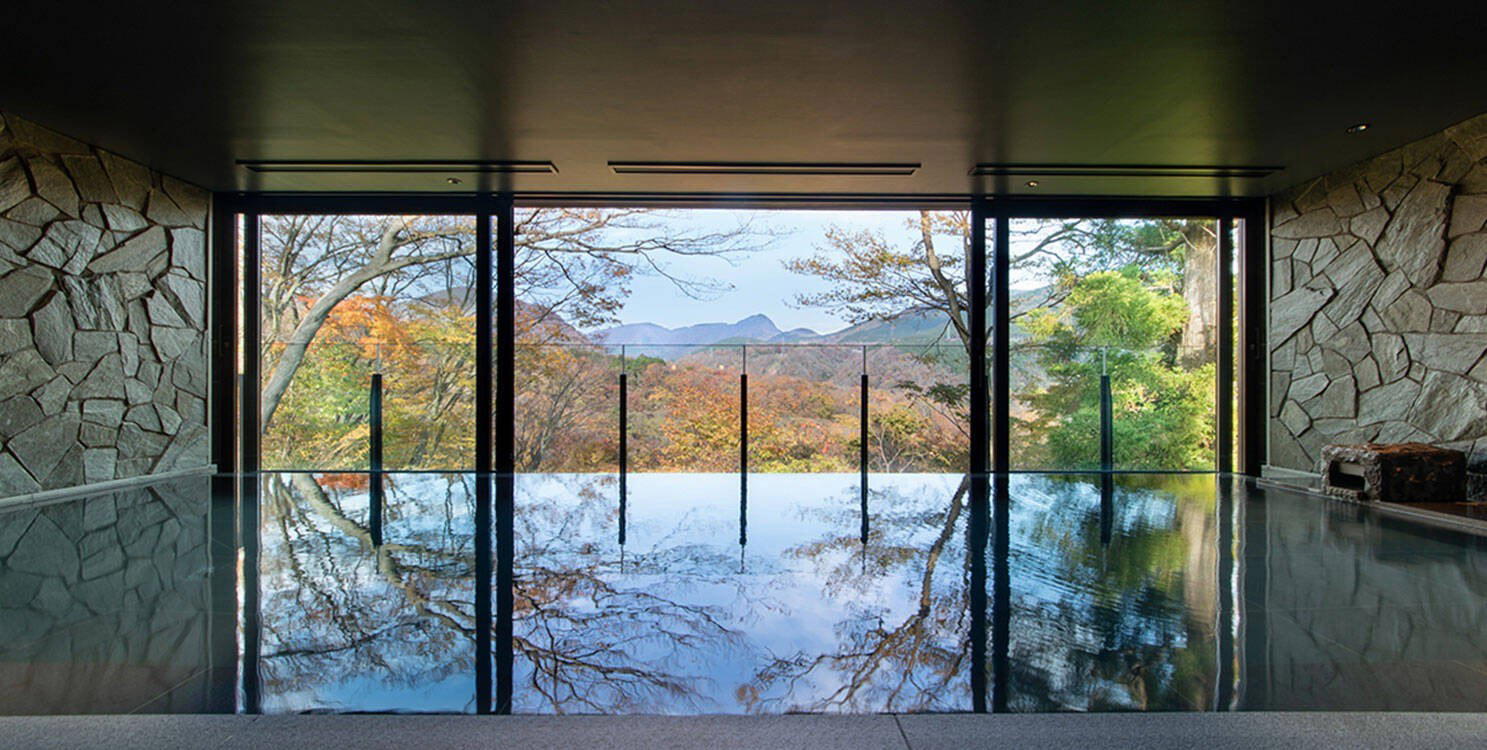
In Japan's hospitality hierarchy, a connection to imperial family use functions as a verifiable credential rather than a marketing footnote. Properties with that history tend to operate with a formality of care that predates modern luxury hospitality as a category. Gora Kadan carries that lineage through its physical setting: the rock formations around the mineral pool, the proportions of the outdoor bathing areas, and the spatial logic of the grounds all reflect a site that was shaped for extended private residence rather than transient guest throughput.
Among Hakone's premium ryokan tier, that origin story places Gora Kadan in a distinct competitive position. The 2024 Michelin 3 Keys designation and a 94.5-point score on the 2026 La Liste hotel ranking are the two most concrete external validators currently attached to the property, both place it in the upper tier of Japanese ryokan nationally, not just regionally.
Service as Restraint
The ryokan service model operates on a logic that differs structurally from the Western luxury hotel. Guests are assigned an attendant, meals arrive at the room or in a private dining space on a schedule set at check-in, and the physical transition between spaces, onsen, room, dining area, is managed so that the guest never needs to initiate a transaction. At its highest expression, this produces something that reads less like service and more like a well-calibrated environment: needs are addressed before they become requests.
Gora Kadan's 41-room scale supports that model in a way that larger properties cannot. The ratio of staff to guests in a ryokan of this size allows the kind of anticipatory adjustment, timing, temperature, dietary preference, that requires sustained attention across a stay rather than a single interaction at check-in. The private onsen access further removes the negotiation of shared spaces from the stay entirely for those rooms that include open-air wooden or stone baths.
For travellers arriving from properties like Bvlgari Hotel Tokyo or switching tracks mid-trip from a city base, the shift in service register is significant. Bvlgari operates on European luxury-hotel logic: visible, responsive, transactional when needed. Gora Kadan operates on ryokan logic: pre-emptive, spatially embedded, calibrated to the rhythm of a two-day stay rather than a business night.
Onsen, Setting, and Seasonal Dining
The thermal bathing infrastructure is not incidental to the Gora Kadan proposition, it is central to it. The mineral pool set among large rocks is the spatial anchor of the property, and the private open-air baths available in select rooms allow guests to maintain the onsen rhythm without coordinating around shared facilities. Hakone's geothermal activity produces waters with genuine mineral variation across the region's properties, and access to private onsen at this tier of ryokan is a meaningful differentiator from mid-market alternatives.
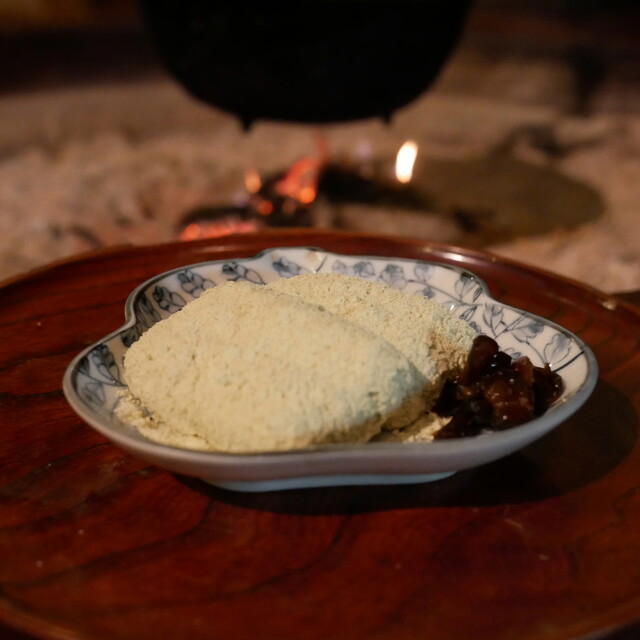
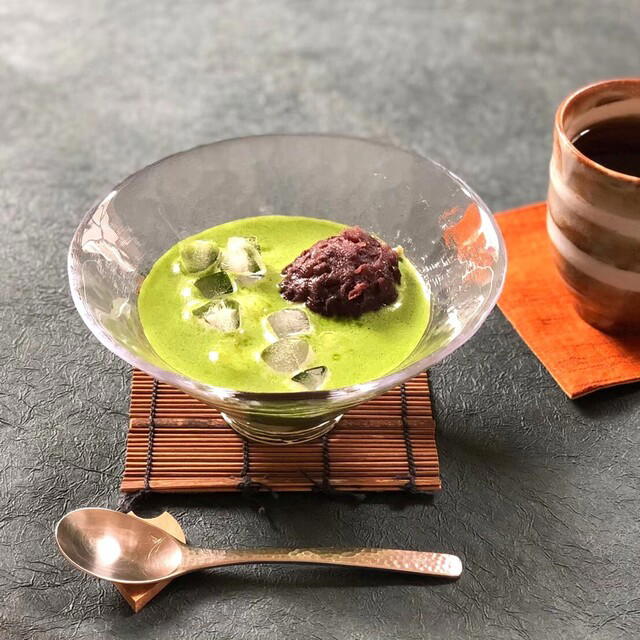
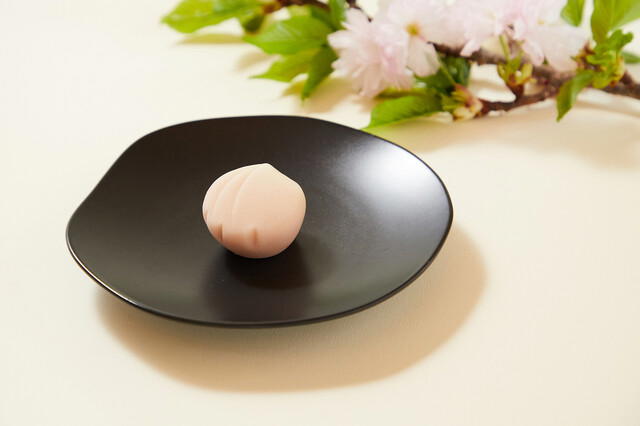
Dining follows the kaiseki logic standard at this level of Japanese hospitality: seasonal, local, formally sequenced, with the kitchen's role being curation rather than spectacle. The menu adjusts with the Hakone seasons, which in practical terms means that a spring visit produces different compositions than an autumn one. The national park setting, with proximity to both Fuji's agricultural zone and the Sagami Bay fishing grounds, gives the kitchen access to produce with genuine regional provenance. Guests who have experienced kaiseki at comparable properties, Amanemu in Mie or Asaba in Izu, for instance, will recognise the structural grammar; what differs is the specific seasonal expression of the Hakone sourcing.
Room Configuration and What to Know Before Booking
The 41 rooms divide between traditional tatami configurations and semi-Western formats, giving the property broader accessibility than a strictly tatami-only ryokan without abandoning the aesthetic continuity of the space. The property is accessible by car via the Tomei motorway southwest from Tokyo (approximately 90 km), but the Hakone Tozan Line from Odawara, itself 15 km from the Tokaido Shinkansen stop, makes a car unnecessary for guests arriving from Tokyo or Kyoto. The nearest major airports are Haneda (100 km) and Narita (170 km).
For travellers considering a multi-property Japan itinerary, Gora Kadan pairs logically with a Kyoto base such as HOTEL THE MITSUI KYOTO on the Shinkansen corridor, or with more remote ryokan experiences at properties like Zaborin in Hokkaido or Araya Totoan in Kaga for guests building a dedicated onsen-culture itinerary. Those looking to extend a national park circuit can cross-reference properties in the region through our full Hakone guide.
Other premium Japanese ryokan experiences worth considering in a broader context include Nishimuraya Honkan in Kinosaki-cho, Sekitei in Hatsukaichi, ENOWA Yufu, and Fufu Kawaguchiko near Fuji, each occupying a different node in Japan's onsen-ryokan geography. Island-based alternatives such as Benesse House on Naoshima, Jusandi in Ishigaki, and Halekulani Okinawa serve a different register of Japanese hospitality for those whose trip extends further south. For guests arriving from or continuing to properties in a different tier entirely, ANA InterContinental Beppu Resort & Spa and Fufu Nikko cover adjacent onsen-resort territory. International comparators for guests mapping Gora Kadan against non-Japanese luxury include Aman Venice and Aman New York, properties that similarly use historical provenance and controlled scale to position above standard luxury-hotel benchmarks.
Cuisine and Recognition
Comparable venues nearby, for context on price, style, and recognition.
| Venue | Cuisine | Price | Awards | Notes |
|---|---|---|---|---|
| Gora KadanThis venue (the venue you are viewing) | Traditional Japanese ryokan with modern luxuries | Not listed | 3 Michelin Keys · La Liste Top Hotels | Not listed |
| Hakone Gora Karaku | Modern Japanese ryokan with luxury onsen facilities | Not listed | 1 Michelin Key | Gora |
| The Hiramatsu Hotels & Resorts Sengokuhara | Exclusive luxury auberge-style resort centered around gourmet dining and onsen experiences | $1,000–1,500 | 1 Michelin Key | Sengokuhara |
| Nazuna Hakone Miyanoshita | Contemporary ryokan with traditional Japanese design elements and cultural authenticity | $200–300 | Not listed | Miyanoshita |
| Fufu Hakone | Small luxury hot spring resort set in Hakone mountains with distinctive room designs inspired by Japanese nature. | Not listed | 1 Michelin Key | Gora |
| Hoshino Resorts KAI Sengokuhara | Contemporary Japanese ryokan blending traditional hospitality with modern luxury and artistic expression; positioned as a creative retreat centered on art, nature, and wellness. | $750–1,000 | Not listed | Sengokuhara, Hakone |
Recognition history
Dated appearances from independent guides and award organizations, with the underlying list record or original source where available.
Michelin 3 Keys
Michelin
La Liste Top Hotels
La Liste
Relais Chateaux Award
Relais Chateaux
Full recognition history (6 entries)
Michelin 3 Keys
Michelin
Relais Chateaux Award
Relais Chateaux
Michelin 3 Keys
Michelin
Continue exploring
More in Hakone
Hotels in Hakone
All hotels in Hakone →
Bars in Hakone
Browse all →
Restaurants in Hakone
All restaurants in Hakone →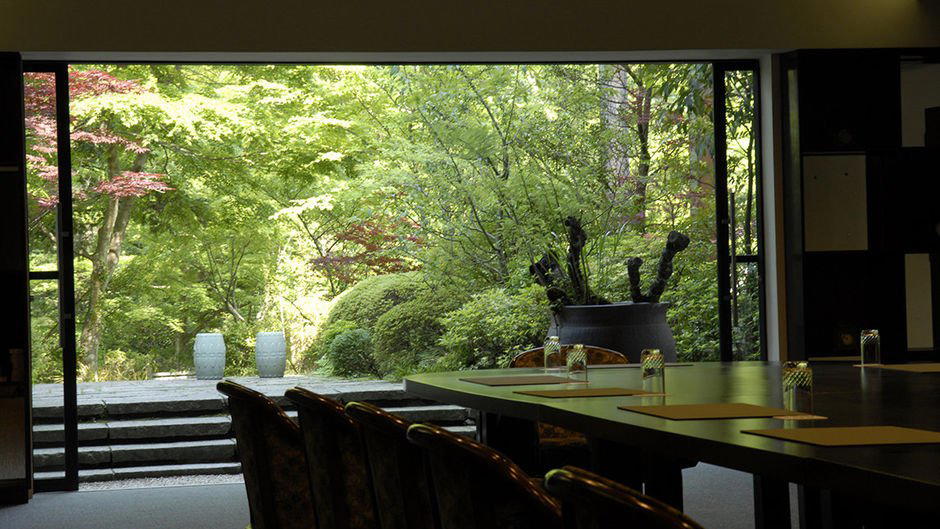
Wineries in Hakone
Browse all →
Details
- Elegant
- Quiet
- Scenic
- Sophisticated
- Intimate
- Ornate
- Honeymoon
- Romantic Getaway
- Wellness Retreat
- Anniversary
- Weekend Escape
- Panoramic View
- Destination Spa
- Garden
- Historic Building
- Wi Fi
- Pool
- Spa
- Fitness Center
- Room Service
- Concierge
- Valet Parking
- EV Charging
- Garden
- Mountain
- Elevator
Serene and traditional Japanese atmosphere with tatami rooms, shoji screens, garden views, and relaxing onsen lighting.