Tabelog 100 #88
Our verdict
フウド occupies a basement space in Kyoto's Nakagyo Ward, operating within a city where sustainability-conscious dining has quietly become a serious editorial subject. With Kyoto's kaiseki tradition as the surrounding context, the restaurant positions itself in a conversation about ethical sourcing and reduced environmental impact that is reshaping how the city's more forward-looking kitchens think about ingredients and waste.

Pearl is the En Primeur Club membership app, where members save venues, book tables and use the concierge.
The menu
What to order
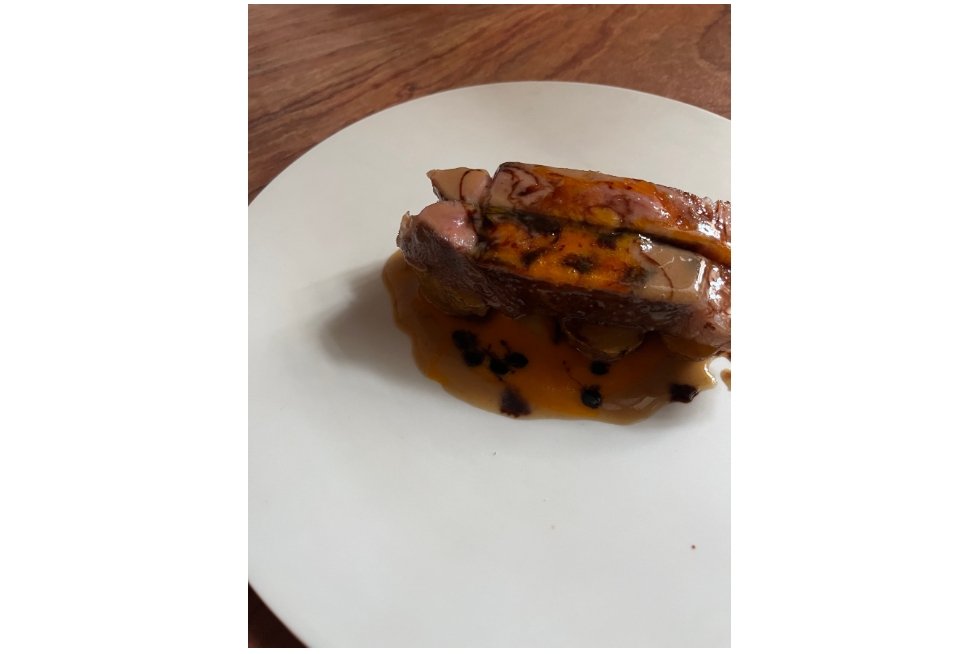
- Saikyo Miso Marinated Foie Gras with Modena Balsamic
- Seasonal Sashimi
- Grilled Yakitori
- Tempura Platter
- Karasumi Spaghetti
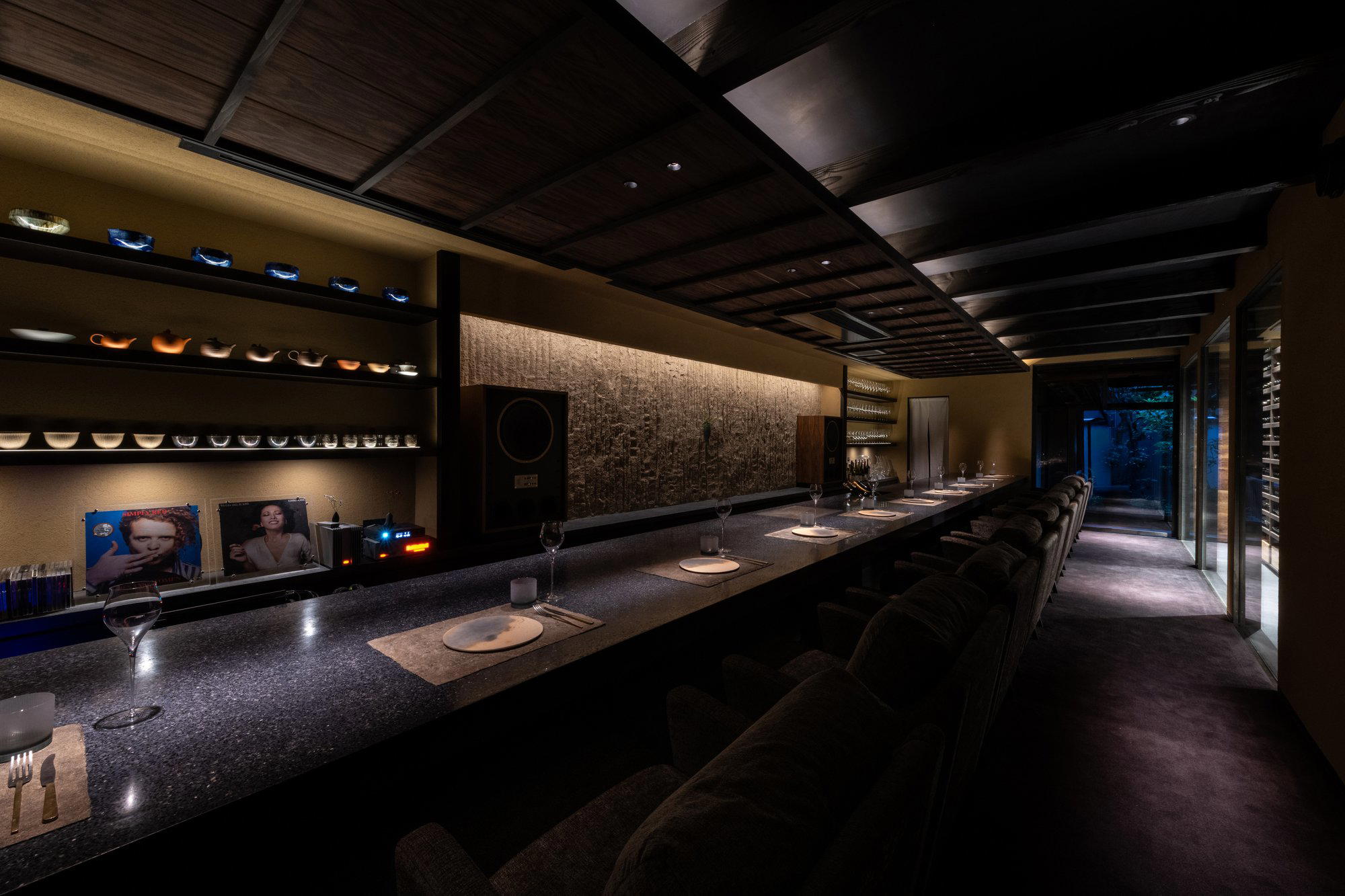
Basement Level, Ground-Level Thinking
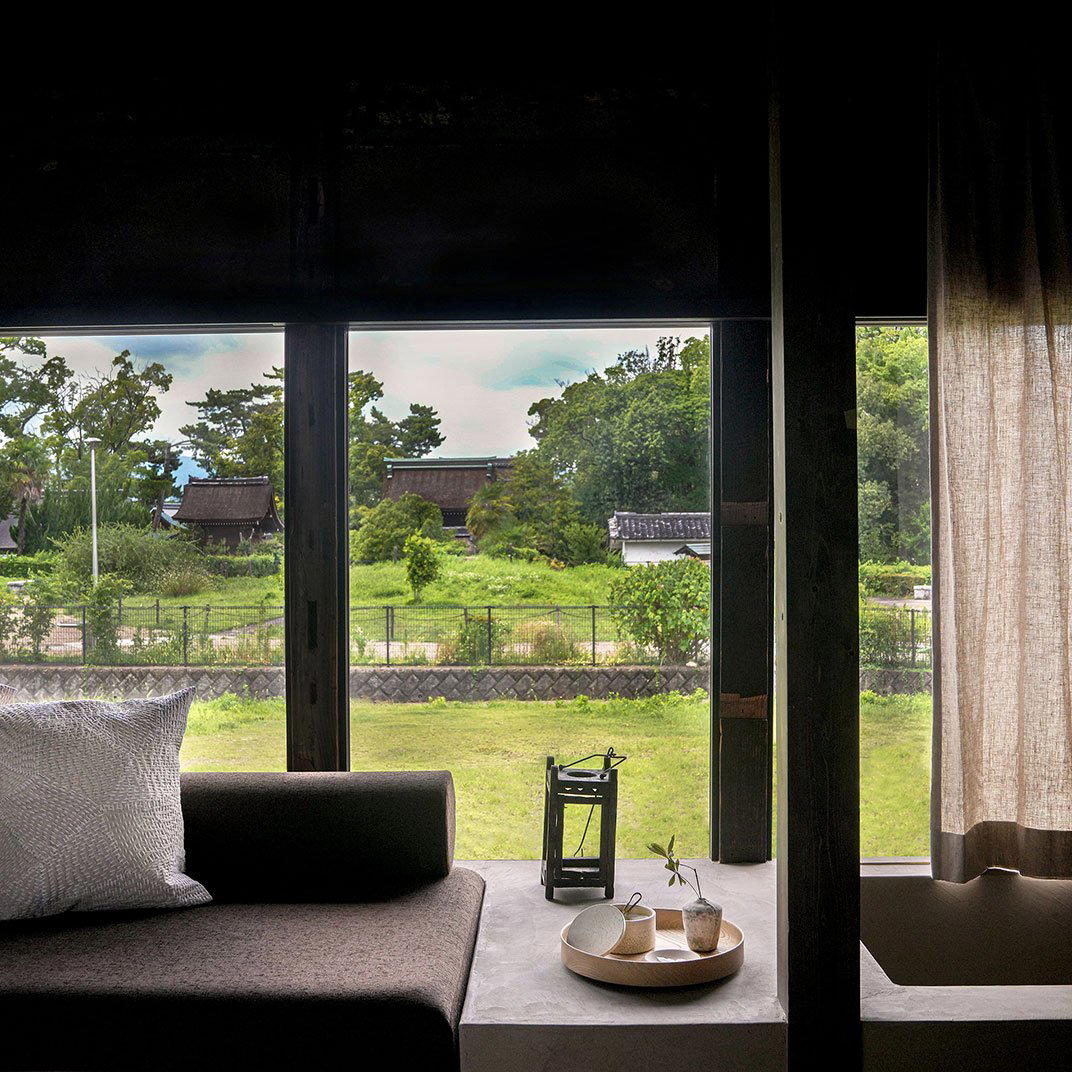
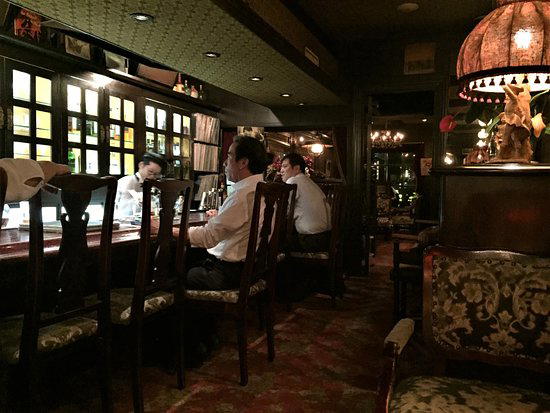
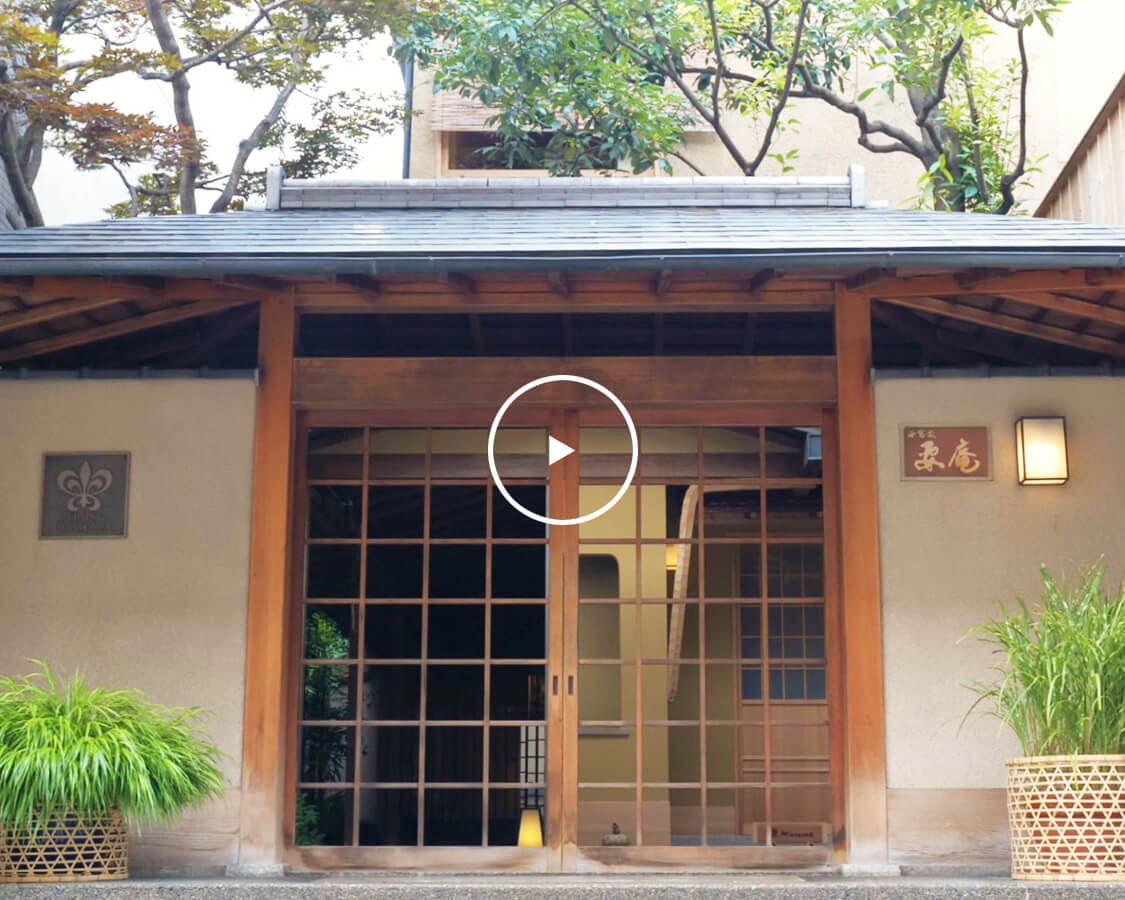
Descend into the B1F of a building on Oikedaitocho in Nakagyo Ward and you arrive somewhere that feels deliberately removed from Kyoto's more ceremonial dining circuits. The neighbourhood sits between the commercial energy of Kawaramachi and the quieter residential blocks near the Oike corridor, not the traditional epicentre of kaiseki culture, but increasingly the area where Kyoto's less theatrical, more considered restaurants have found their footing. That address is itself a signal: this is not a venue built around heritage-room aesthetics or the formal rituals that define places like Gion Sasaki or Hyotei.
Basement dining rooms in Kyoto tend to work in one of two registers: intimate and hushed, or deliberately insular in a way that concentrates attention on the plate. フウド (Fudo) operates in a city where the dominant narrative around fine dining is still shaped by kaiseki's seasonal rigour, a tradition in which every ingredient choice carries cultural weight, and waste is implicitly an act against the philosophy of the season. That cultural backdrop makes sustainability not a marketing position but an inherited expectation, even as individual kitchens interpret it in markedly different ways.
The Sourcing Argument Kyoto Is Having
Across Japan's premium dining tier, the conversation around ethical sourcing has shifted from broad principle to operational specificity. Restaurants at the level of HAJIME in Osaka have made environmental philosophy a structural part of their identity, while newer kitchens in Kyoto and beyond are folding waste reduction and producer relationships into menus without foregrounding them as a narrative. The question of whether sustainability should be visible in the dining experience, or simply embedded in how a kitchen operates, is one the city's more progressive restaurants are answering in different ways.
Kyoto's ingredient culture has always leaned toward kyo-yasai (Kyoto vegetables) and carefully sourced tofu, yuba, and river fish, ingredients tied to place and season rather than industrial supply chains. The city's kaiseki houses, including Kikunoi Honten and Mizai, have maintained those sourcing relationships across generations, which means the ethical sourcing discussion in Kyoto is less a rupture with tradition and more a refinement of it. What differs among newer entrants is the degree to which waste reduction and nose-to-tail or root-to-leaf thinking becomes an explicit kitchen discipline rather than a background assumption.
In that context, フウド occupies an interesting position. The Nakagyo Ward address places it outside the immediate orbit of the established kaiseki houses clustered around Gion and Higashiyama, which gives a restaurant genuine operational independence, the freedom to source, format, and price without measuring itself against the Michelin-weighted canon quite so directly. Comparable moments of geographic repositioning have happened in other Japanese cities: Goh in Fukuoka and akordu in Nara both carved out serious reputations in cities where the weight of established fine-dining hierarchy is lighter, allowing their kitchens to operate on different terms.
What Environmental Consciousness Looks Like at the Plate Level
The most substantive expression of sustainability in a Japanese dining context rarely announces itself. It shows up in how much of a vegetable is actually used, how stock is built from trimmings, how proteins are sourced from producers with traceable practices, and whether the kitchen's relationship with seasonal availability is genuine or theatrical. The kaiseki framework, by design, imposes this discipline through its insistence on shun, the precise moment of seasonal peak, which means a kitchen that takes the tradition seriously is already working within a reduced-waste logic, even before sustainability becomes an explicit frame.
Restaurants further afield that have made this argument most visibly, including Atomix in New York City, which places Korean culinary philosophy inside a tasting-menu format that prioritises narrative and sourcing transparency, demonstrate that the conversation is genuinely global. But in Kyoto specifically, the local version of that conversation is grounded in the city's long-standing producer relationships and the infrastructure of traditional ingredient supply that still functions in ways that have largely disappeared from other Japanese urban centres. Isshisoden Nakamura, operating from a position of deep historical continuity, illustrates how those supply relationships can persist across centuries when the institutional will is there.
Venues at different price points are reaching for the same idea from different directions. Le Bernardin in New York City has long embedded sustainable sourcing into its seafood programme at the premium tier. At the accessible end in Japan, places like Birdland in Sakai and Bistro Ange in Toyohashi show how the principle scales across formats and price ranges. The regional spread matters: 一本杉 川島 in Nanao, 古代山乃 in Sapporo, 湖畔荘 in Takashima, and 庄羽屋 in Nishikawa Machi all represent regional Japanese kitchens working with hyper-local sourcing by necessity as much as philosophy, a different version of the same idea. And Harutaka in Tokyo demonstrates how premium sushi, with its intense focus on provenance and seasonality, participates in the same ethical sourcing argument from a completely different culinary angle.
Know Before You Go
- Address: 加納ビル B1F, Oikedaitocho 590, Nakagyo Ward, Kyoto 604-0942
- Area: Nakagyo Ward, between Kawaramachi and the Oike corridor
- Booking: Contact details not publicly listed, check current platforms or direct search for reservations
- Hours: Not confirmed, check before visiting
- Context: Basement-level space; dress appropriately for a considered dining environment
For a broader picture of Kyoto's dining scene, see our full Kyoto restaurants guide.
Frequently asked questions
How do I find フウド?
フウド is located at Japan, 〒604-0942 Kyoto, Nakagyo Ward, Oikedaitocho, 590 加納ビル B1F, Kyoto.
Is フウド in Kyoto worth visiting for its approach to sustainable Japanese cuisine?
フウド sits in Nakagyo Ward's Oikedaitocho address at basement level, positioning it outside the more visible tier of Kyoto dining rooms that trade on ceremony and décor. For a visitor whose interest is in how a Japanese kitchen actually enacts its sourcing principles, this address is worth the effort.
What dish is フウド famous for?
The kitchen at フウド in Kyoto's Nakagyo Ward does not lean on a single signature dish as a calling card. The editorial focus of the space centres on how ingredients are sourced and how fully each is used, so the menu shifts with what that ethic produces at a given moment.
Do they take walk-ins at フウド?
No booking contact details are publicly confirmed for フウド's Oikedaitocho address in Nakagyo Ward. Given the scale typical of B1F counter operations in Kyoto's premium dining tier, walk-in availability is unlikely to be reliable. Checking current reservation channels directly before visiting is advisable.
What's the defining dish or idea at フウド?
The organising idea at フウド is environmental accountability expressed through the plate: how much of an ingredient is actually used, where it originates, and what that means operationally. Located below street level on Oikedaitocho in Nakagyo Ward, the space signals that the kitchen is not interested in Kyoto's ceremonial dining conventions. The dish is secondary to the argument the sourcing makes.
Can フウド adjust for dietary needs?
Restaurants in Kyoto operating at this level of ingredient specificity typically build menus around what is available and seasonally appropriate, which can limit substitution flexibility. Contacting the venue directly before visiting is the only reliable way to confirm accommodation.
Should I splurge on フウド?
The operational profile, a B1F counter in Kyoto focused on traceable sourcing, places it in a category where the cost reflects ingredient provenance rather than formal ceremony. If the sourcing argument that shapes Kyoto's current premium dining conversation matters to you, the spend is likely to feel proportionate.
Peers Worth Knowing
Comparable venues nearby, for context on price, style, and recognition.
| Venue | Cuisine | Price | Awards | Notes |
|---|---|---|---|---|
| フウドThis venue (the venue you are viewing) | Italian-Japanese Fusion | $50–100 | Tabelog 100 #88 | Not listed |
| en boca Kyoto | Italian-Japanese wood-fired pizza & vegetables | $50–100 | Tabelog 100 #53 | Nakagyō |
| Kyoto Neze | Seasonal Kyoto Italian | $50–100 | Tabelog 100 #8 | Nakagyō |
| IL GARAGE | Modern Italian with Japanese Influences | $150–200 | Tabelog Bronze #129 | Nakagyō |
| 和食晴ル | Kyoto Kappo Izakaya | $50–100 | Not listed | Shinkyō-chō, Shimogyō-ku |
| Tomikyu | Traditional Fugu & Hamo Kaiseki | Not listed | Not listed | Higashiyama |
Recognition history
Dated appearances from independent guides and award organizations, with the underlying list record or original source where available.
Tabelog 100 #88 · No. 88
Tabelog · Tabelog 100 - Italian - WEST - 2025