



3 Michelin Stars · La Liste Top Restaurants · The Best Chef One Knife
Our verdict
Hyotei belongs to Kyoto’s formal kaiseki lineage, where seasonality, spacing and restraint carry more weight than spectacle. Michelin 3 Stars in 2025, La Liste 93 points in 2026 and OAD Highly Recommended recognition place it in the city’s serious dining tier, with Yoshihiro Takahashi attached to a tradition that rewards patience and close attention.

Pearl is the En Primeur Club membership app — saves, bookings, and concierge access live there. Same editors, same standards.
- Address
- 35 Nanzenji Kusakawacho, Sakyo Ward, Kyoto, 606-8437, Japan
- Phone
- +81 75-771-4116
- Hours
- Daily 8–11 AM, 12–4 PM, 5–9:30 PM
- Website
- hyotei.co.jp
- Directions
- Get directions
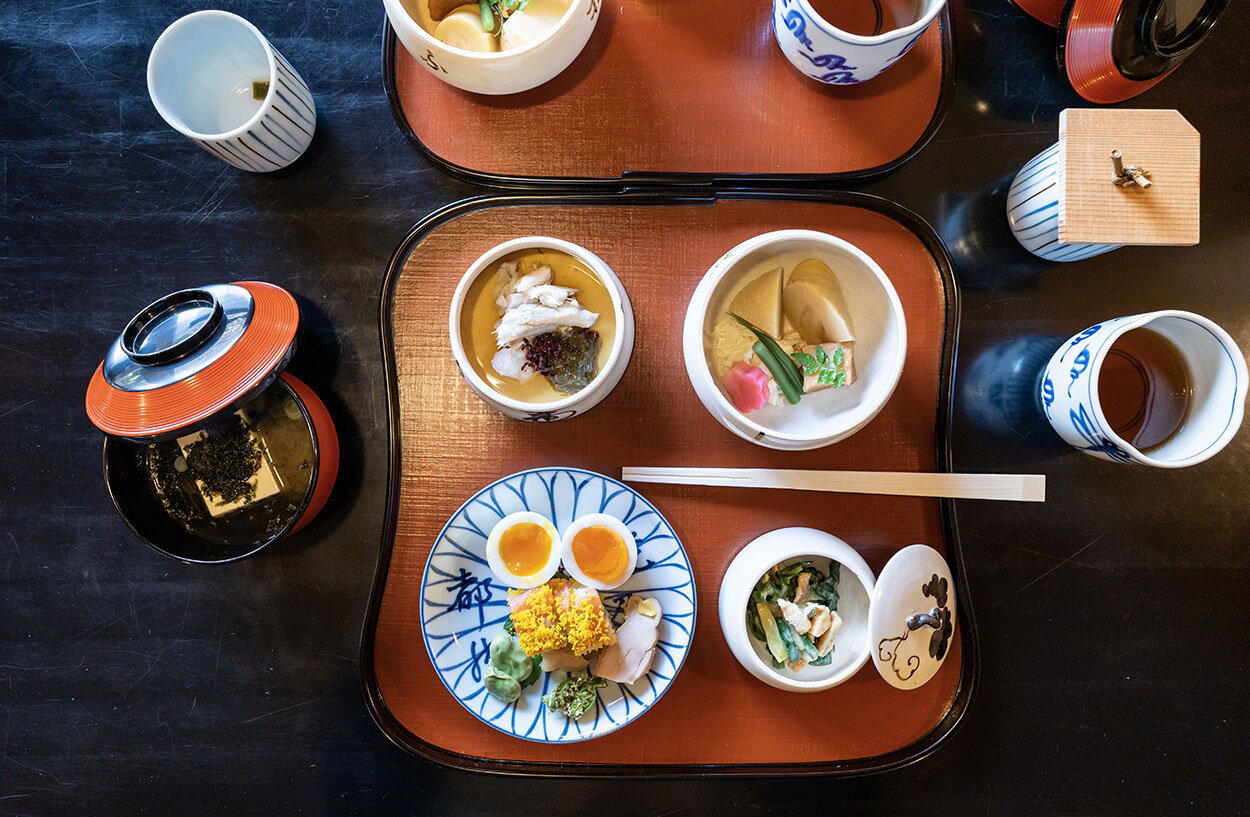
The menu
What to order
- Hyotei tamago (soft-boiled egg)
- Asagayu (rice porridge)
- Wine-marinated tilefish
Approaching Kyoto’s older dining culture, the first impression is not noise or theatre but subtraction: low volumes, controlled pacing, seasonal references that arrive without explanation, and rooms that ask diners to slow down before the first course appears. This is the grammar of older Kyoto hospitality. Hyotei sits inside that grammar rather than outside it, and its reputation is built on the difficult parts of the tradition: sequence, proportion, temperature, lacquer, ceramics, negative space and the refusal to turn luxury into display.
Kyoto dining at this level is often misread as a tasting menu with local ingredients. In Kyoto, the form is closer to cultural editing. A meal can move through season, texture and vessel; the cooking matters, but so does the interval between courses, the way a bowl is presented, and the amount of room left on the plate. That aesthetic, often described through wabi-sabi and restraint, is not decorative language here. It is a working discipline. Hyotei’s place in the city’s dining hierarchy comes from treating those codes as the meal itself, not as atmosphere around the meal.
Kyoto dining at the end of the spectrum where restraint becomes the point
Kyoto has several registers of high-end dining. Some rooms carry a more public-facing rhythm, with counters, introductions and a sense of ceremonial hospitality shaped for diners who want proximity to the kitchen. Other serious Kyoto meals can feel quieter and more architectural, with the experience distributed across room, garden mood, service and course progression. Hyotei belongs to that second register. Its recognition includes OAD acknowledgement in 2026, a useful signal for diners trying to place it within the city’s most discussed dining rooms.
Those credentials matter because dining at this level is not easy to evaluate from a menu description. A counter can signal itself through sourcing, temperature and lineage; a more formal Kyoto room depends on accumulation. A single course rarely carries the argument. The meal asks whether the sequence makes sense, whether seasonal references feel disciplined rather than decorative, and whether luxury has been kept under control. In that sense, Hyotei competes less with trend-led tasting rooms than with other Kyoto houses where formality, historical continuity and seasonal editing define the experience.
Within Kyoto, useful reference points include the classical axis represented by Mizai, Kikunoi Honten, Kodaiji Wakuden and Gion Maruyama, along with more personal or counter-adjacent interpretations such as Sojiki Nakahigashi. Nearby city context also includes other serious Kyoto dining rooms and formal seasonal restaurants. The comparison is not about replacing one with another. It is about choosing the register: formal seasonal cadence, chef-led counter energy, or a more contemporary reading of Kyoto dining.
Seasonality here is structure, not garnish
The most persuasive Kyoto meals do not announce seasonality as a theme; they make it unavoidable through progression. Spring, summer, autumn and winter alter not only ingredients but pacing, vessel choice and the balance between austerity and generosity. Kyoto’s dining culture gives this particular weight because the city’s calendar, hospitality traditions and produce markets have long trained guests to read small seasonal cues. The point is not abundance. The point is timing.
Hyotei’s importance is best understood less as a personality story than as stewardship of a demanding format. In old-line Kyoto dining, individual expression is often measured by how little it disrupts the inherited structure. That makes the experience less immediately legible to diners expecting high-impact signatures, and more rewarding for those who understand that control can be the luxury.
This is also why price tier alone is a poor guide to Kyoto dining. Several restaurants occupy the city’s upper bracket, but they do not offer the same kind of evening. Some lean toward counter intimacy; others toward quiet austerity or polished formality. Hyotei’s recognition places it among Kyoto’s serious classical addresses, yet its appeal is narrower than that phrase might suggest. Diners who want a rapid series of peak bites may prefer a counter built around immediacy. Diners who want the architecture of a meal, with silence and sequence doing real work, are closer to the target audience.
How to read the meal against Kyoto's wider dining scene
Kyoto rewards planning because its strongest dining experiences are not interchangeable. A formal lunch and a late counter dinner can both be expensive and seasonal, yet they answer different questions. Hyotei is for the question Kyoto has asked for centuries: how much can be expressed through restraint before restraint becomes emptiness? The answer depends on the diner’s patience. The room, pacing and service style are part of the experience, not background.
For travellers building a wider itinerary, the sensible approach is to separate categories rather than chase a single hierarchy. Use our full Kyoto restaurants guide to map formal Kyoto dining against other dining styles across the city. Pairing a serious meal with our full Kyoto hotels guide helps with city rhythm, while our full Kyoto bars guide, our full Kyoto wineries guide and our full Kyoto experiences guide round out the city beyond the dining room.
Outside Kyoto, the broader Japanese conversation can be read through different lenses in other cities and abroad. The point is calibration rather than equivalence: Kyoto’s most restrained dining rooms ask for a different kind of attention than most destination dining, and Hyotei belongs to that quieter, more exacting register.
Frequently asked questions
Is Hyotei okay with children?
Hyotei’s Kyoto format suits children who can handle a longer, formal meal. The setting is measured and disciplined rather than casual.
What's the overall feel of Hyotei?
The feel is measured and spare, closer to Kyoto restraint than showmanship. Hyotei reads as a serious dining room built around precision and calm, with OAD recognition in 2026.
How would you describe the cuisine at Hyotei?
Hyotei is best approached as a formal Kyoto dining experience built around seasonality, pacing and restraint.
What's the price range at Hyotei?
Hyotei sits in Kyoto’s serious destination-dining bracket; confirm current pricing directly when booking.
What are Hyotei's hours?
Confirm Hyotei’s current opening hours directly with the restaurant when planning a visit.
What's the address for Hyotei?
Hyotei is located in Kyoto.
A Quick Peer Check
Comparable venues by cuisine and price in the same metro.
| Venue | Cuisine | Price | Awards | Notes |
|---|---|---|---|---|
| HyoteiThis venue — the venue you are viewing | Traditional Kaiseki | $100–150 | 3 Michelin Stars · La Liste Top Restaurants | Not listed |
| Mizai | Traditional Kaiseki | $300–500 | 3 Michelin Stars · La Liste Top Restaurants | Kaiseki, Japanese |
| Sojiki Nakahigashi | Michelin 2-Star Seasonal Kaiseki | $50–100 | 2 Michelin Stars · La Liste Top Restaurants | Kaiseki, Japanese |
| Kikunoi Honten | Kyoto Kaiseki Ryotei | $300–500 | 3 Michelin Stars · La Liste Top Restaurants | Kaiseki, Japanese |
| Kodaiji Wakuden | Luxury Kaiseki | $300–500 | 2 Michelin Stars · La Liste Top Restaurants | Kaiseki, Japanese |
| Gion Maruyama | Kyoto Kaiseki | $200–300 | 2 Michelin Stars · La Liste Top Restaurants | Kaiseki, Japanese |
Recognition history
Dated appearances from independent guides and award organizations, with the underlying list record or original source where available.
Michelin 3 Stars
Michelin
La Liste Top Restaurants
La Liste
Opinionated About Dining Top Restaurants in Japan Highly Recommended
Opinionated About Dining
The Best Chef One Knife
The Best Chef
Full recognition history (10 entries)
La Liste Top Restaurants
La Liste
Michelin 3 Stars
Michelin
Opinionated About Dining Top Restaurants in Japan Ranked #151
Opinionated About Dining
Michelin 3 Stars
Michelin
Opinionated About Dining Top Restaurants in Japan Ranked #116
Opinionated About Dining
Opinionated About Dining Top Restaurants in Japan Ranked #106
Opinionated About Dining
Continue exploring
More in Kyoto
Restaurants in Kyoto
Browse all →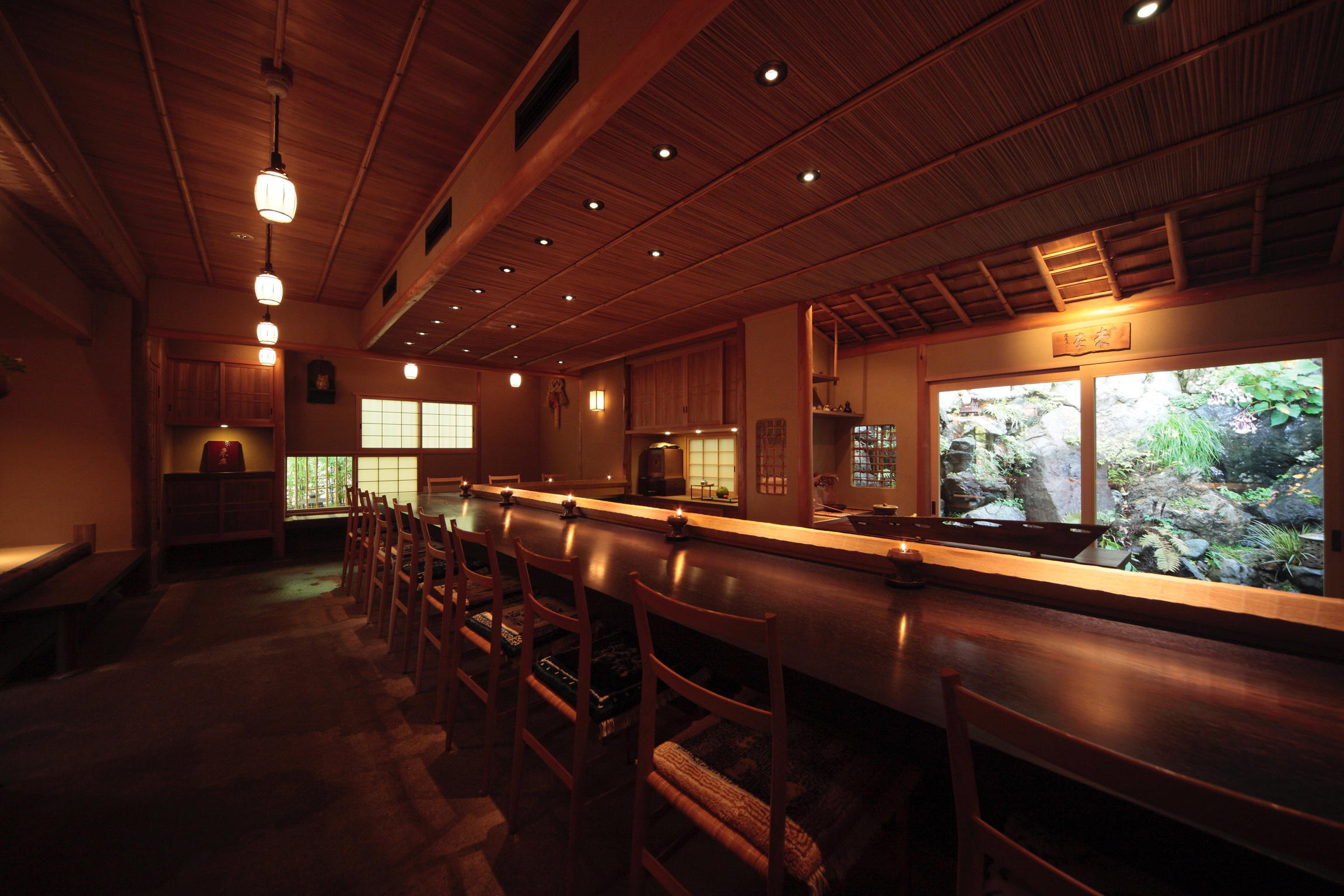

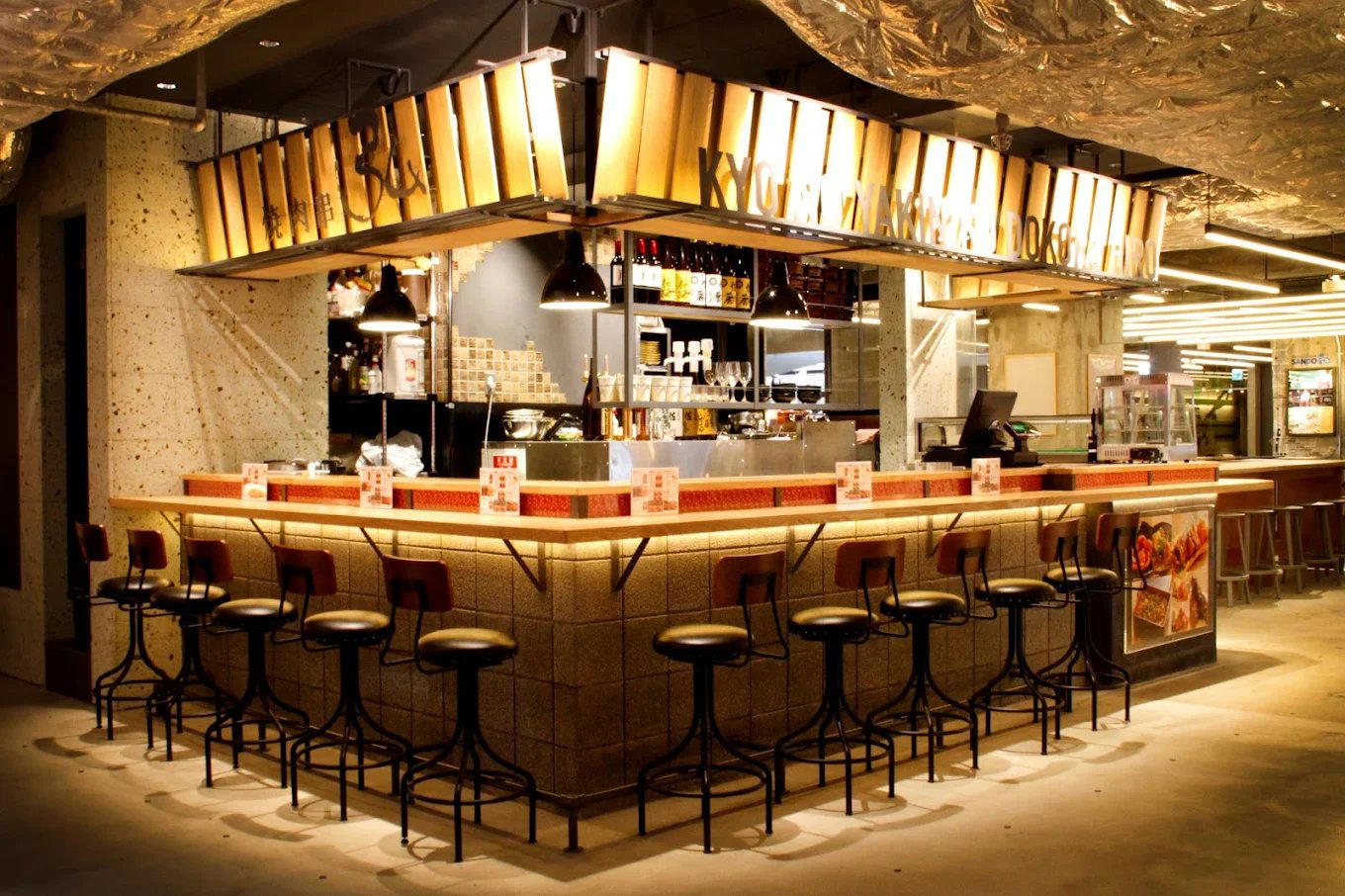
Bars in Kyoto
Browse all →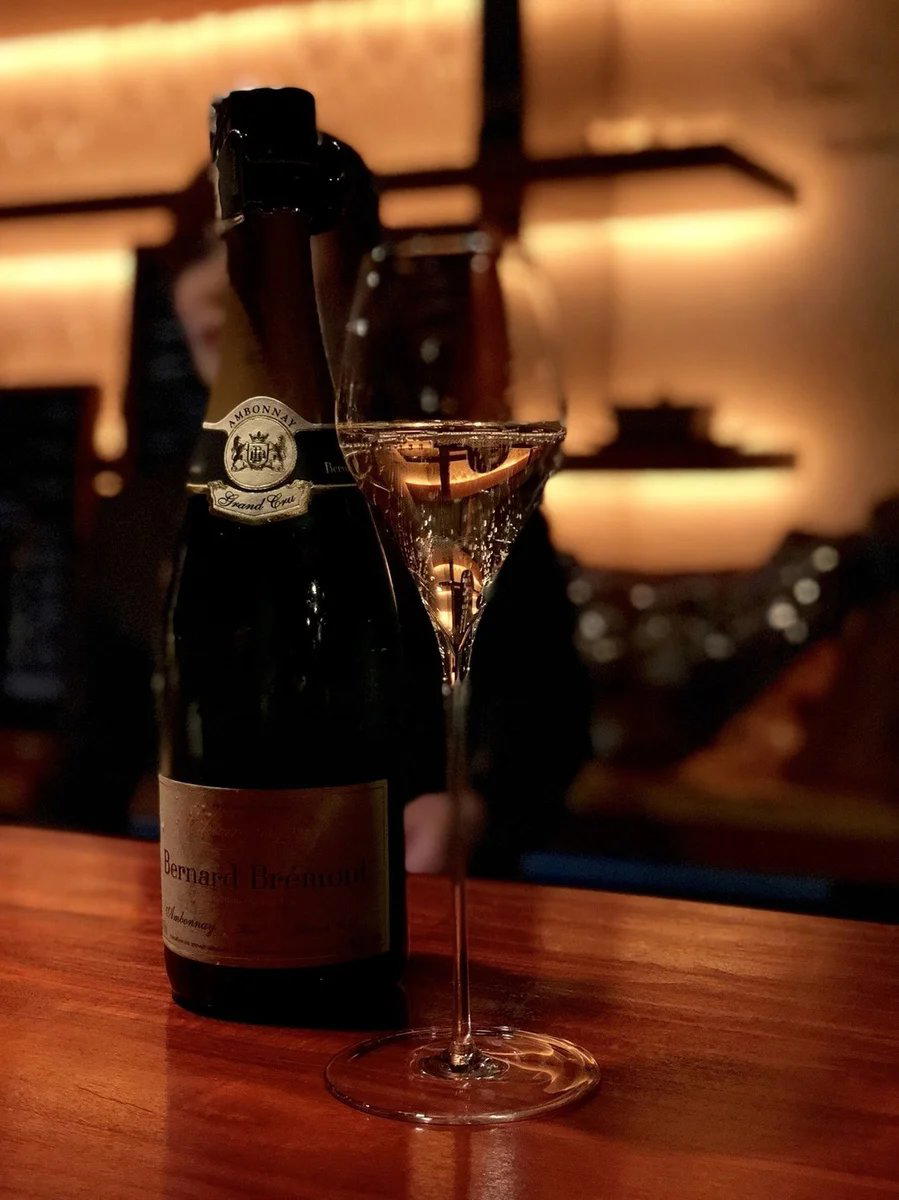
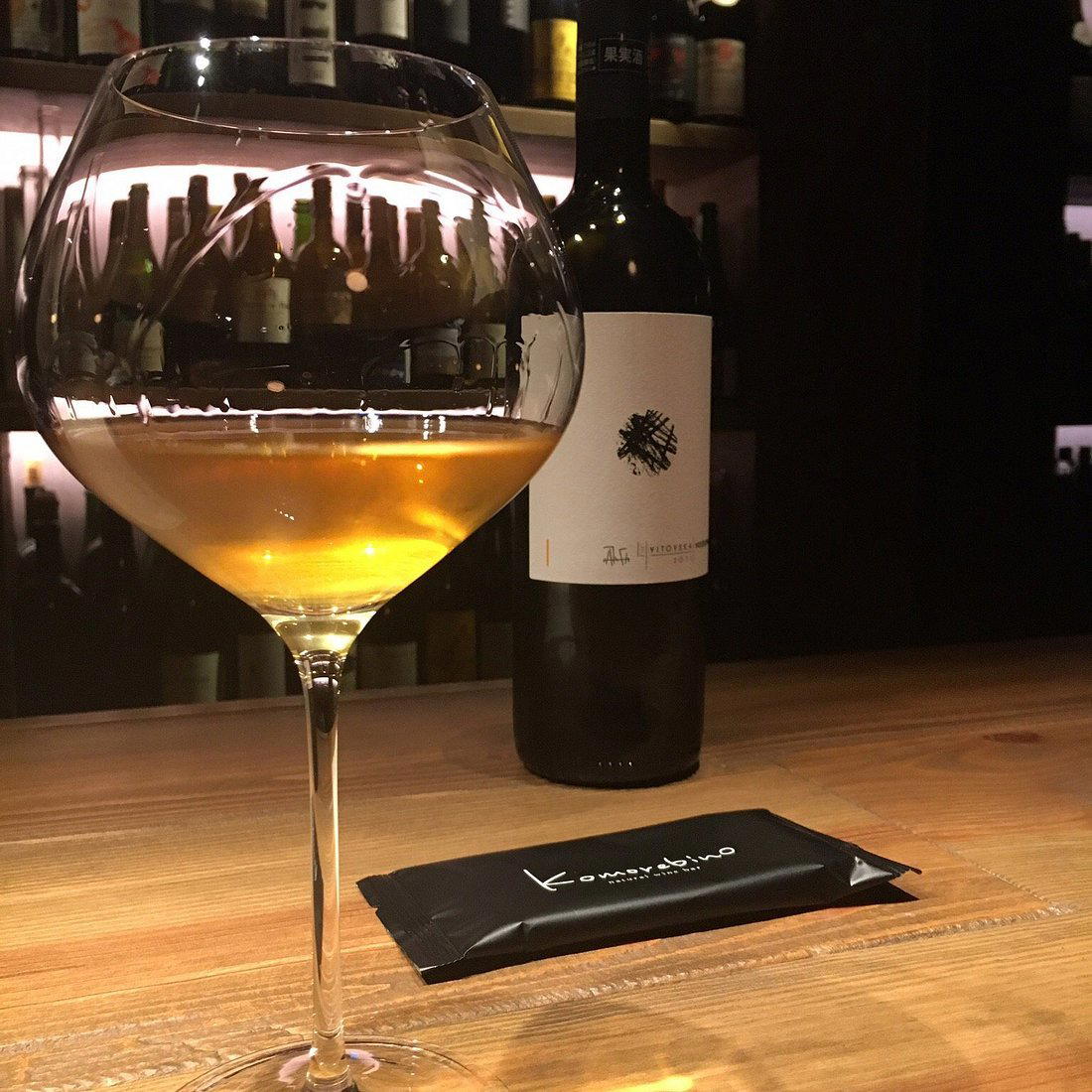


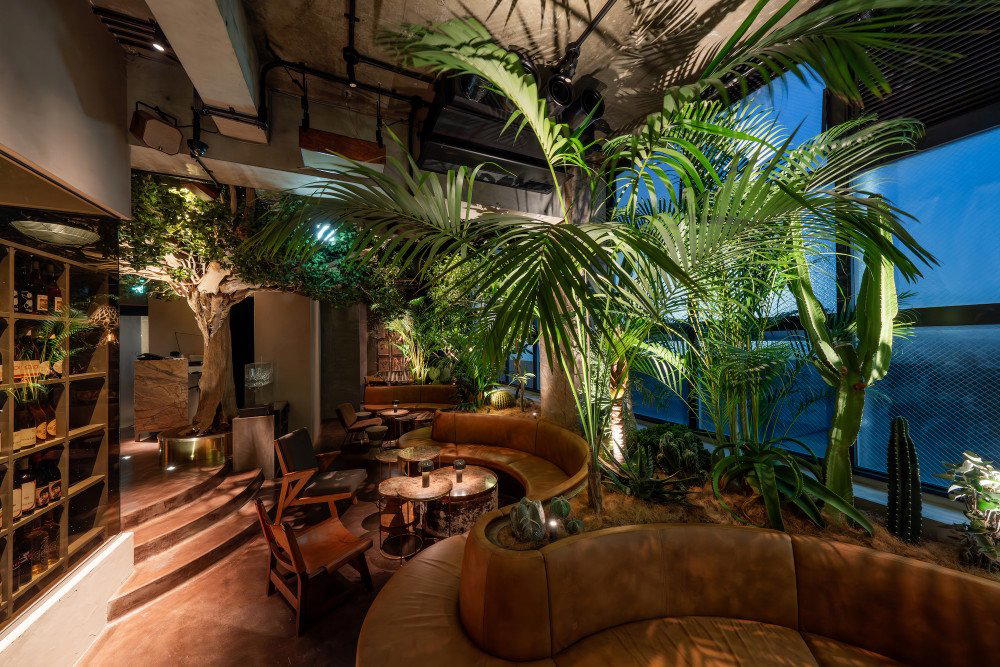
Hotels in Kyoto
Browse all →
Wineries in Kyoto
Browse all →
Details
- Classic
- Elegant
- Quiet
- Intimate
- Scenic
- Special Occasion
- Celebration
- Date Night
- Private Dining
- Garden
- Historic Building
- Courtyard
- Local Sourcing
- Garden
- Tasting Menu
- Set Menu
- Pescatarian Friendly
Current opening hours
- Monday
- 8–11 AM, 12–4 PM, 5–9:30 PM
- Tuesday
- 8–11 AM, 12–4 PM, 5–9:30 PM
- Wednesday
- 8–11 AM, 12–4 PM, 5–9:30 PM
- Thursday
- 8–11 AM, 12–4 PM, 5–9:30 PM
- Friday
- 8–11 AM, 12–4 PM, 5–9:30 PM
- Saturday
- 8–11 AM, 12–4 PM, 5–9:30 PM
- Sunday
- 8–11 AM, 12–4 PM, 5–9:30 PM
Hours can change for holidays and private events. Last verified .
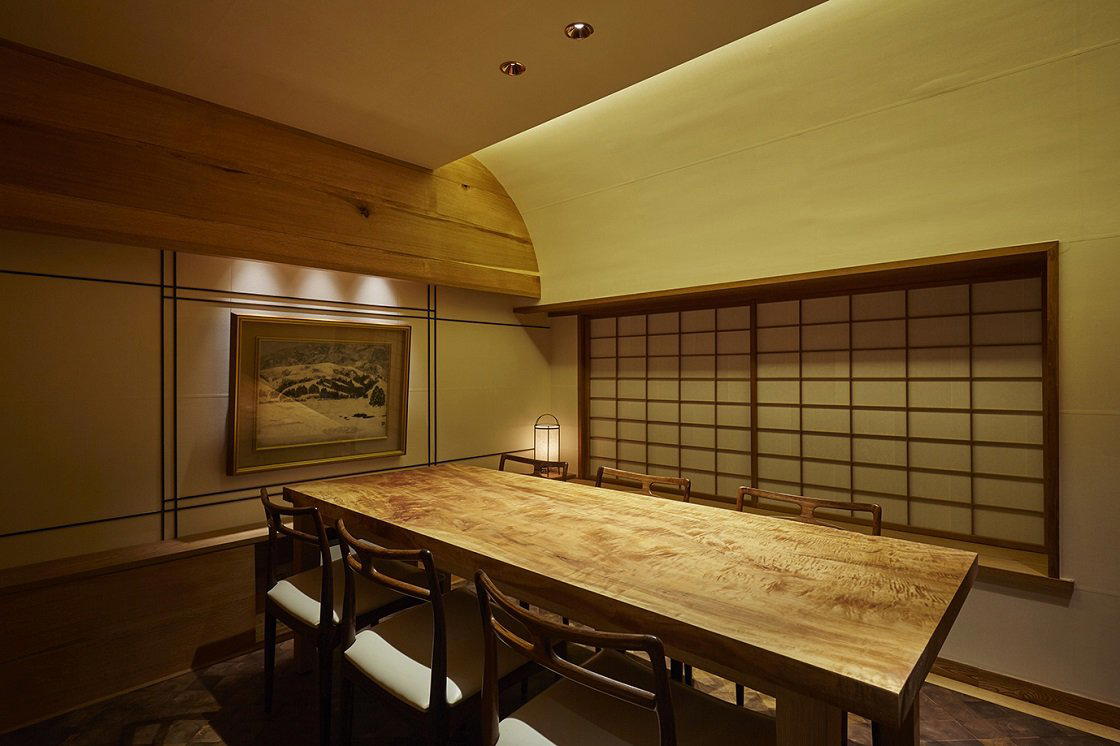
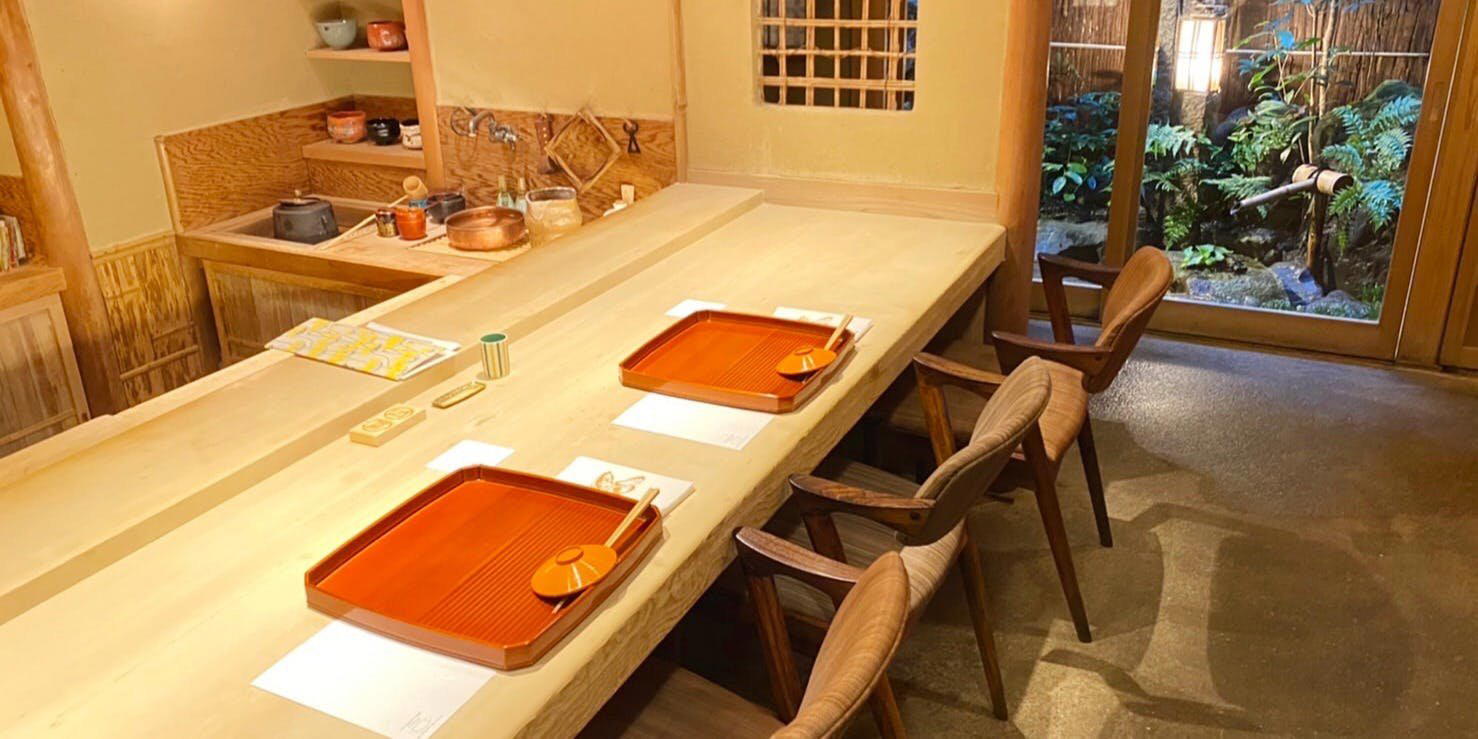
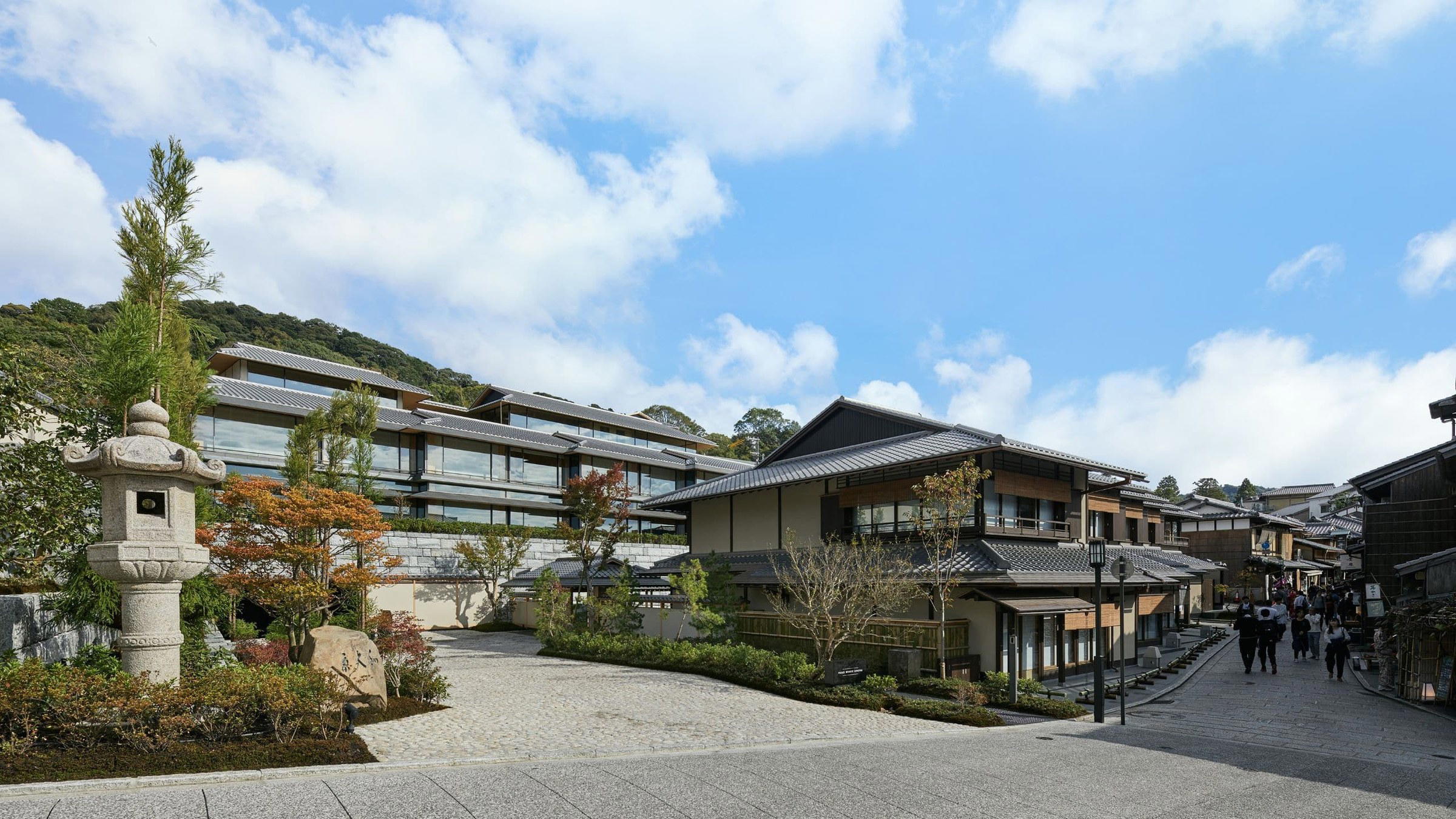
Zen and tranquil with traditional thatched-roof tearooms, each with private garden views and peaceful fountain features; dimly lit traditional Japanese interiors emphasizing harmony, respect, purity, and tranquility.