


2 Michelin Keys · Mr & Mrs Smith Seal of Approval · Tatler Listed in Best Hotels Asia-Pacific
A nine-suite boutique hotel on Shinmonzen-dori designed by Tadao Ando, The Shinmonzen sits in Kyoto's Higashiyama district where the street runs between art galleries and antique dealers. Ando's interiors translate ryokan form into something quieter and more considered, with cypress soaking tubs, tatami, and a restaurant helmed by Jean-Georges Vongerichten. Tatler named it among the Best Hotels Asia-Pacific 2025, and Michelin awarded it two Keys in 2024.

Pearl is the En Primeur Club membership app, where members save venues, book tables and use the concierge.
Shinmonzen-dori and the Architecture of Restraint
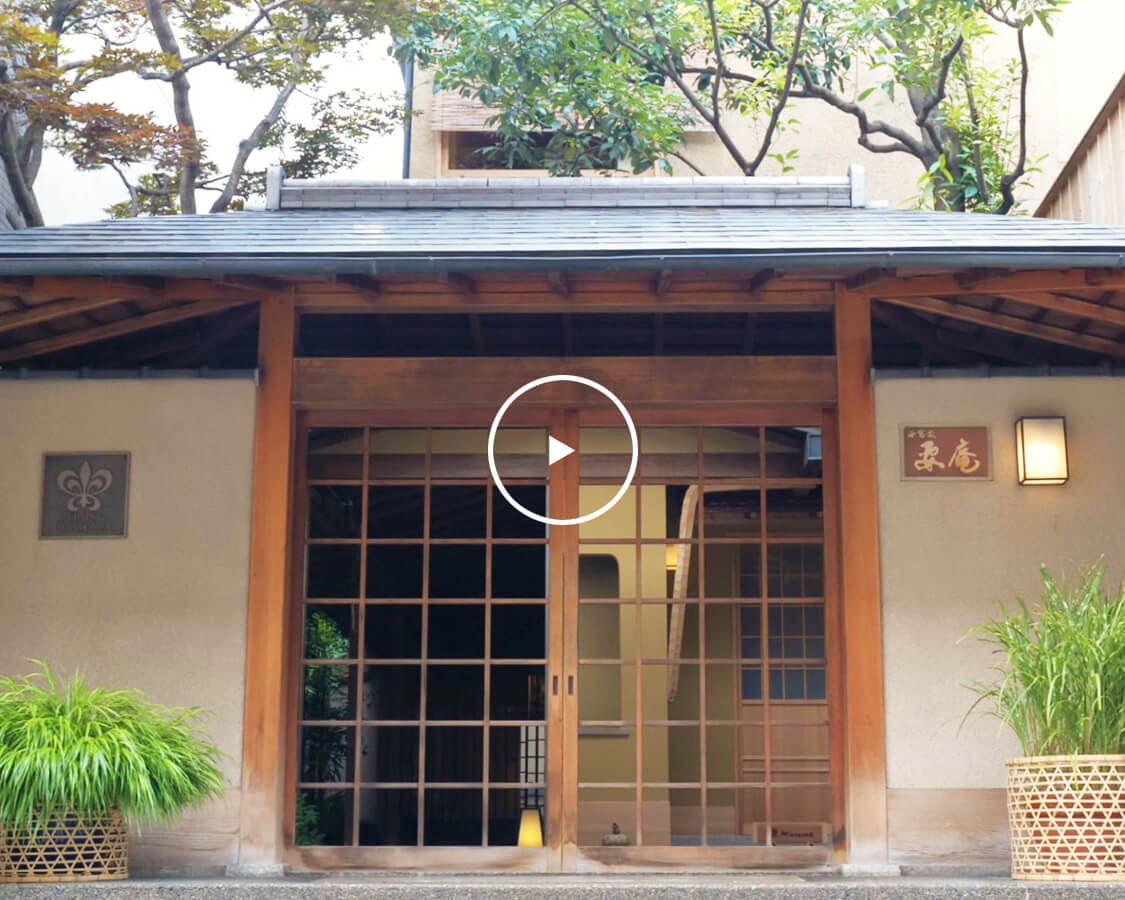
Kyoto's Higashiyama district sorts itself into layers: the broad tourist corridors of Gion, then narrower lanes lined with machiya townhouses, and finally Shinmonzen-dori, a street that runs along the Shirakawa canal and functions, in practice, as an open-air gallery circuit. Antique dealers, woodblock print sellers, and contemporary art spaces occupy the old timber facades here. It is in this context that The Shinmonzen's street-level restraint reads as a deliberate positioning decision rather than modesty. The property's neat timber exterior announces nothing, which is exactly the point.
Within Kyoto's boutique hotel tier, the properties that tend to attract the most sustained critical attention are those that treat architecture as content rather than container. Aman Kyoto deploys its forest setting as the primary experience; Park Hyatt Kyoto uses its hillside position in Higashiyama to frame panoramic views. The Shinmonzen's differentiator is the commission itself: the building is a Tadao Ando project, and that credential places it in a category where the physical environment is authored rather than assembled. Ando's work across Japan, from the Church of the Light in Osaka to the Oval on Naoshima, consistently prioritises silence, materiality, and the manipulation of natural light. Those same values govern the nine suites here.
Inside the Rooms: What the Overnight Stay Actually Delivers
The editorial argument for The Shinmonzen rests substantially on what happens once you close the suite door. The room count, nine suites in total, places this property firmly in the specialist tier of Kyoto accommodation, where intimacy is structural rather than aspirational. At that scale, the hotel cannot rely on amenity volume to justify a rate of $1,477 per night; the rooms themselves have to carry the argument.
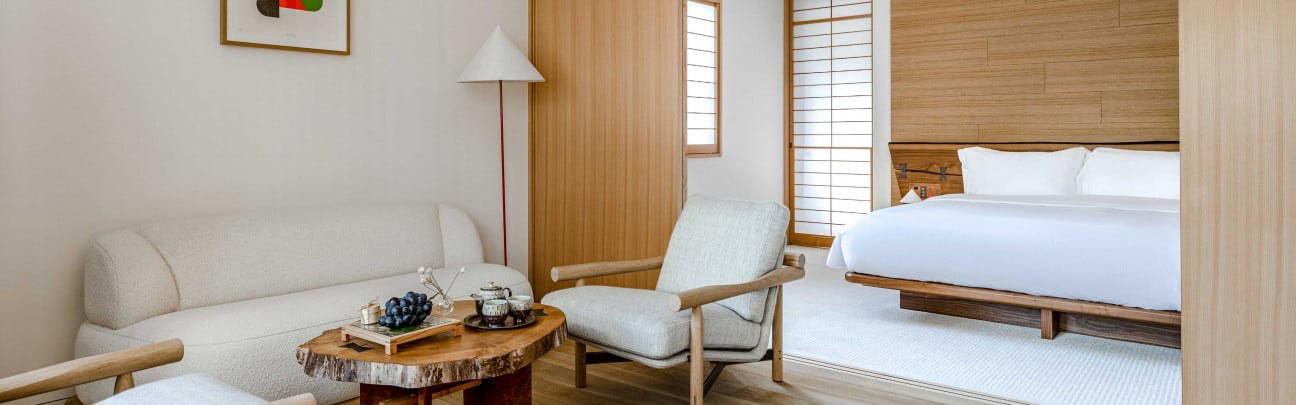
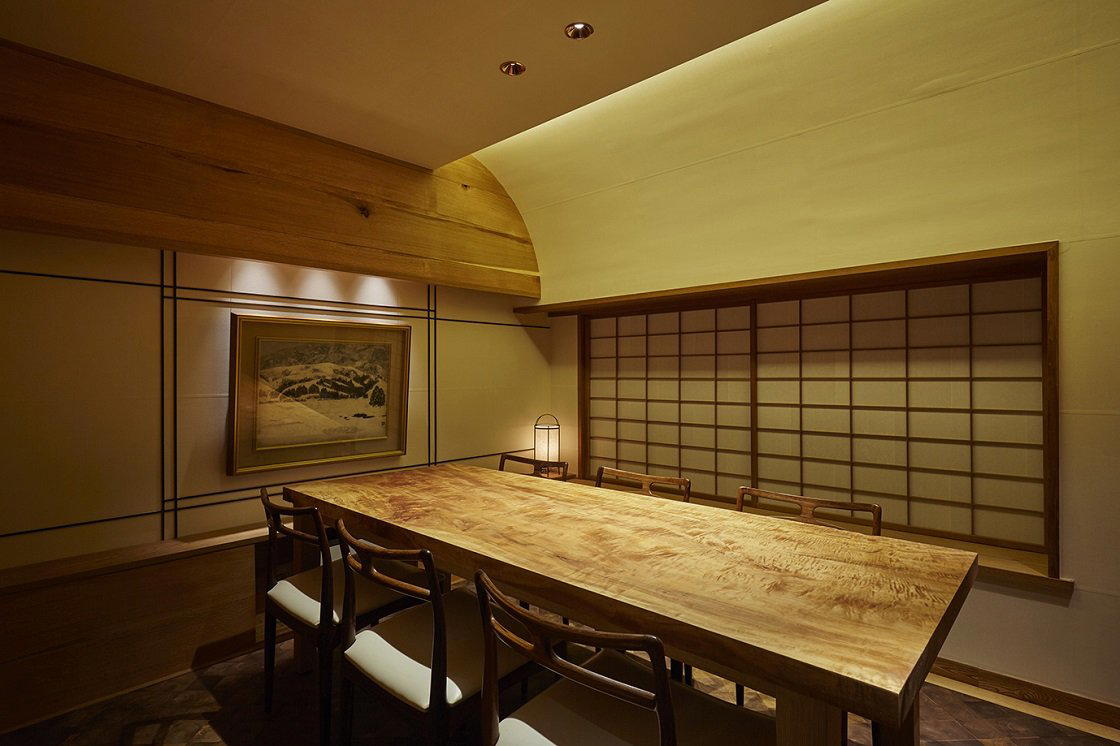
Ando's interior approach pulls from the ryokan vocabulary without reproducing it. Tatami mats, shoji screens, and low-rise wooden furniture establish the formal reference points, but the execution is contemporary: muted lighting calibrated for the evening hours, surfaces chosen for texture over ornament, and a silence that the building's construction makes possible rather than merely promises. Futon beds, complimentary pyjamas, robes, and slippers follow the ryokan convention for sleep preparation, but the marble bathrooms with cypress-wood soaking tubs represent the point at which the property diverges most clearly from traditional inn precedent. The hinoki cypress tub is a sensory object with a long history in Japanese bathing culture, and its presence here in a marble context speaks to the hotel's Franco-Japanese duality.
Ando commissioned artist friends and local craftspeople to produce furniture and objects across the property: modular sofas, sycamore-carved headboards, ceramic cups, and bamboo bento boxes. The effect is a suite where almost every tactile object has a provenance, which is a different proposition from the curated-accessories approach common in international design hotels. Some suites have balconies with river views over the Shirakawa canal, and natural light enters through the shoji panels in a way that changes the room's character across the day. These are the details that make a stay at this price point coherent rather than merely expensive.
For comparable room-as-architecture experiences elsewhere in Japan, the conversation typically includes Benesse House in Naoshima, where the Ando building and the Fukutake art collection are inseparable, and Zaborin in Kutchan, which applies a similar material discipline in a Hokkaido forest setting. In the ryokan tradition specifically, Asaba in Izu and Nishimuraya Honkan in Kinosaki-cho represent the deep-heritage end of the spectrum.
The Food and Drink Program
The Shinmonzen's dining operation reflects the ownership structure in a way that is unusual for Kyoto. The owner's other property is Villa La Coste in Provence, a wine estate that has built its reputation around a combination of landscape, art commissions, and a serious restaurant program. That model has translated directly to Shinmonzen-dori: the formal restaurant here runs a menu developed by Jean-Georges Vongerichten, a New York-based chef whose restaurants across two continents have held sustained Michelin recognition. The combination of a Japanese architectural setting and a French-American chef's culinary framework positions the hotel's restaurant outside the kaiseki circuit that defines Kyoto's fine dining mainstream.
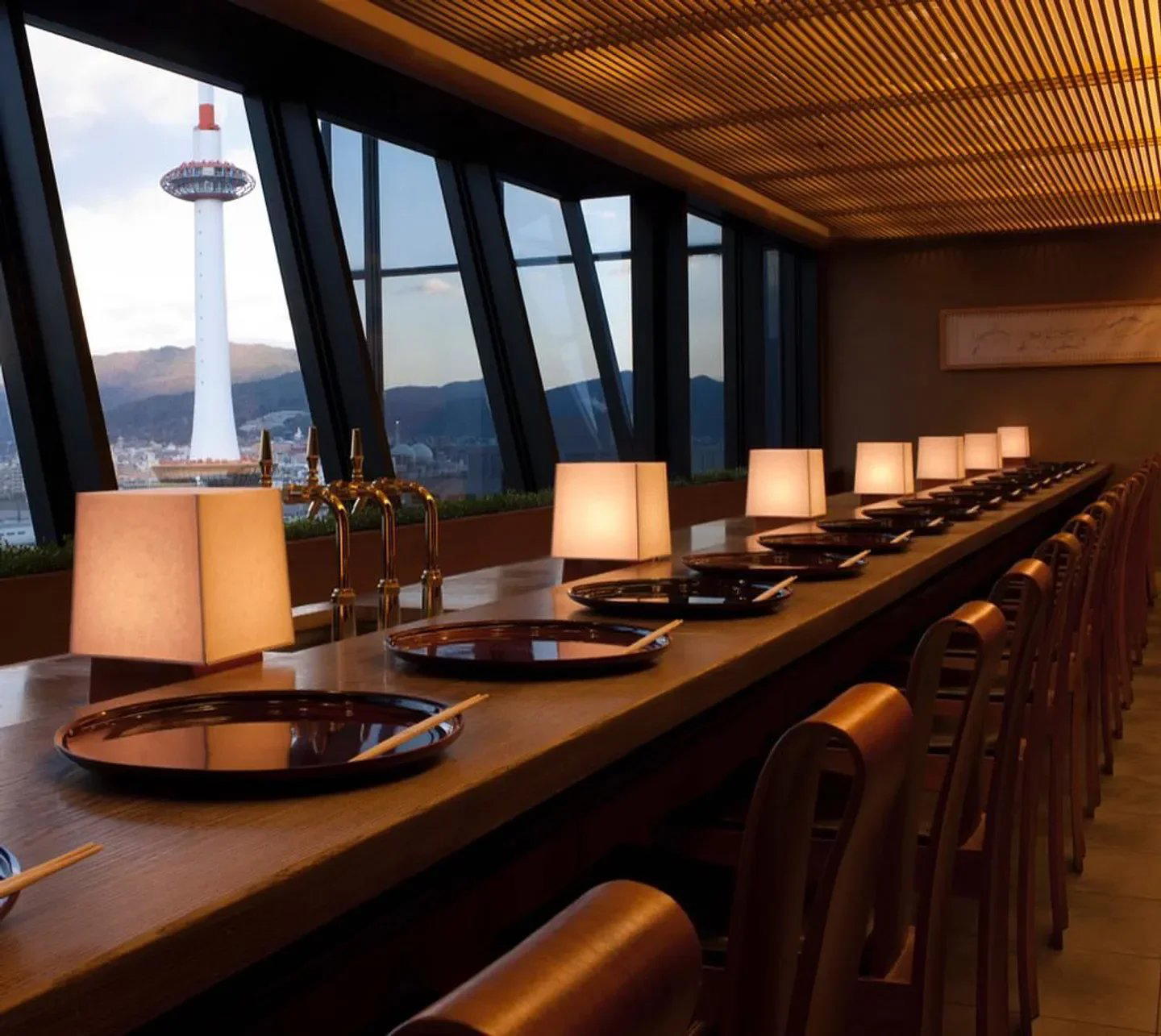
The open-air cafe serves Parisian-style patisserie alongside afternoon tea, which extends the Provencal ownership logic into the daily food program. The Shinmonzen Bar occupies a six-seat space designed by New York architect Stephanie Goto and runs omakase-style cocktail service. When temperatures allow, the bar extends onto a riverside terrace along the Shirakawa canal. In Kyoto's bar context, where the omakase cocktail format has been adopted by a number of small specialist operations, the Shinmonzen Bar's river positioning is a material advantage: the terrace access alone changes the character of an evening drink.
For broader dining context in the city, our full Kyoto restaurants guide covers the kaiseki houses, the standing sushi counters, and the ramen specialists across the major neighbourhoods.
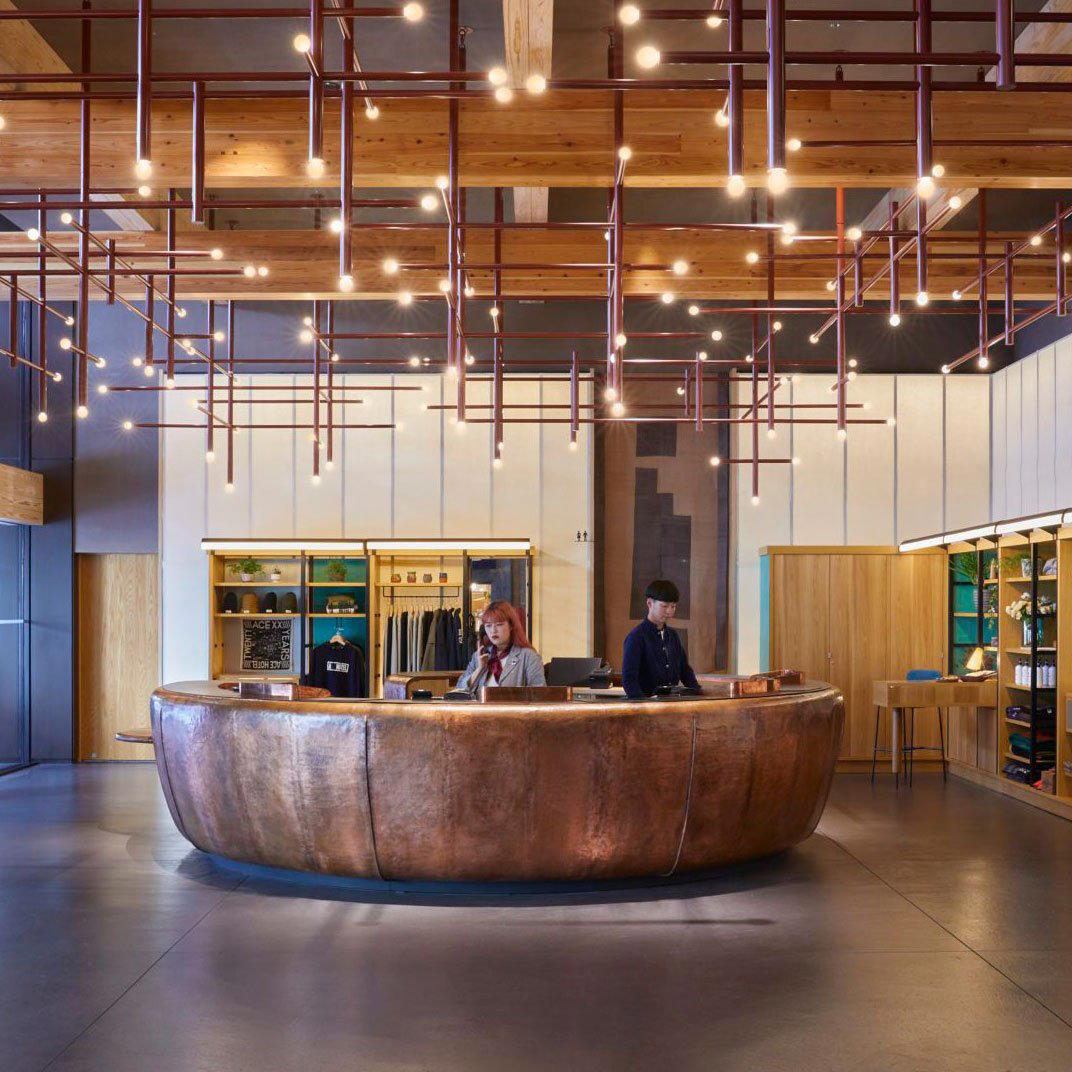
Within Kyoto's high-end hotel tier, The Shinmonzen occupies a specific niche: small-count, design-authored, independently owned, and positioned on a street with genuine cultural character rather than proximity to a major landmark. The Mitsui Kyoto and Four Seasons Hotel Kyoto operate at larger scale with more conventional luxury-brand frameworks. SOWAKA and Fufu Kyoto sit closer to the boutique end of the market but without the architecture commission as a primary credential. Ace Hotel Kyoto and Dusit Thani Kyoto bring international brand DNA to a different segment of the Kyoto market.
The Shinmonzen's 2024 Michelin two-Keys recognition and its inclusion in the Tatler Leading Hotels Asia-Pacific 2025 list place it within a small group of Kyoto properties with sustained international editorial validation. At nine rooms, it does not operate on the economics of occupancy volume; the rate structure and the target guest are calibrated around the kind of traveller who chooses a property for the specific physical experience it offers and books accordingly.
For Japan travel at a similar register, the comparison set extends beyond Kyoto: Amanemu in Mie, Gora Kadan in Hakone, ENOWA Yufu in Yufu, Halekulani Okinawa, Jusandi in Ishigaki, Fufu Kawaguchiko, Fufu Nikko, and Sekitei in Hatsukaichi. For guests whose travel extends to Tokyo, Bvlgari Hotel Tokyo represents the Italian-luxury-in-Japan model.
Planning a Stay
The Shinmonzen is at 235 Nishinocho, Higashiyama Ward, Kyoto 605-0088. The hotel's nine-suite capacity means availability is genuinely limited, particularly during Kyoto's spring cherry blossom period (late March to mid-April) and the autumn foliage season (mid-November). Rates from $1,477 per night place this at the top of Kyoto's independent boutique tier. The address on Shinmonzen-dori puts guests within walking distance of the Gion district, the Shirakawa canal path, and the covered shopping streets of Teramachi and Nishiki. Reservations and further information are available through the hotel's website at theshinmonzen.com, or by phone at +81 75 533 6553.
Cuisine Lens
Comparable venues nearby, for context on price, style, and recognition.
| Venue | Cuisine | Price | Awards | Notes |
|---|---|---|---|---|
| The ShinmonzenThis venue (the venue you are viewing) | Contemporary minimalist design inspired by traditional Japanese ryokan aesthetics, blending Tadao Ando's architectural vision with cosmopolitan luxury and curated contemporary art. | $1,000–1,500 | 2 Michelin Keys · Mr & Mrs Smith Seal of Approval | Not listed |
| Dusit Thani Kyoto | Urban luxury sanctuary fusing Thai and Japanese design | $1,000–1,500 | 1 Michelin Key · La Liste Top Hotels | Shimogyō |
| Six Senses Kyoto | Modern luxury ryokan-inspired with Heian period reinterpretations and Tale of Genji folklore. | $1,000–1,500 | 1 Michelin Key · Mr & Mrs Smith Seal of Approval | Higashiyama |
| The Hotel Seiryu Kyoto Kiyomizu | Renovated historic school building blending Japanese heritage with contemporary luxury | Not listed | 1 Michelin Key · La Liste Top Hotels | Higashiyama |
| MUNI KYOTO by Onko Chishin | Contemporary luxury riverside retreat blending Japanese tranquility with modern design | Not listed | 1 Michelin Key · Michelin Guide New Hotels New Hotel | Ukyō |
| The Ritz-Carlton, Kyoto | Japanese-inspired urban resort | $500–750 | 1 Michelin Key · La Liste Top Hotels | Nakagyō |
Recognition history
Dated appearances from independent guides and award organizations, with the underlying list record or original source where available.
Michelin 2 Keys
Michelin
Mr & Mrs Smith Seal of Approval
Mr & Mrs Smith
Tatler Listed in Best Hotels Asia-Pacific
Tatler
Full recognition history (5 entries)
Michelin 2 Keys
Michelin
Michelin 2 Keys
Michelin
Continue exploring
More in Kyoto
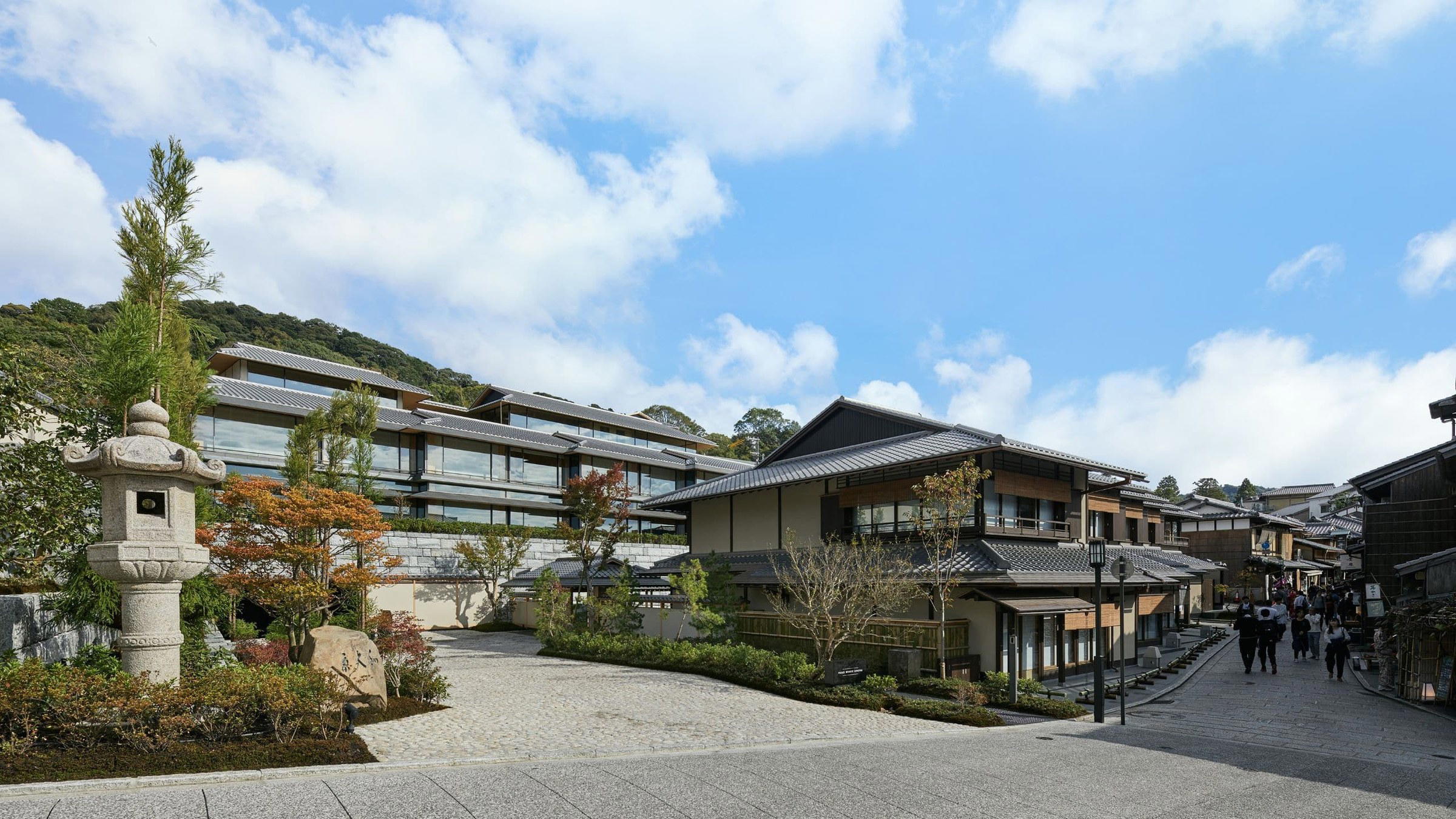
Hotels in Kyoto
All hotels in Kyoto →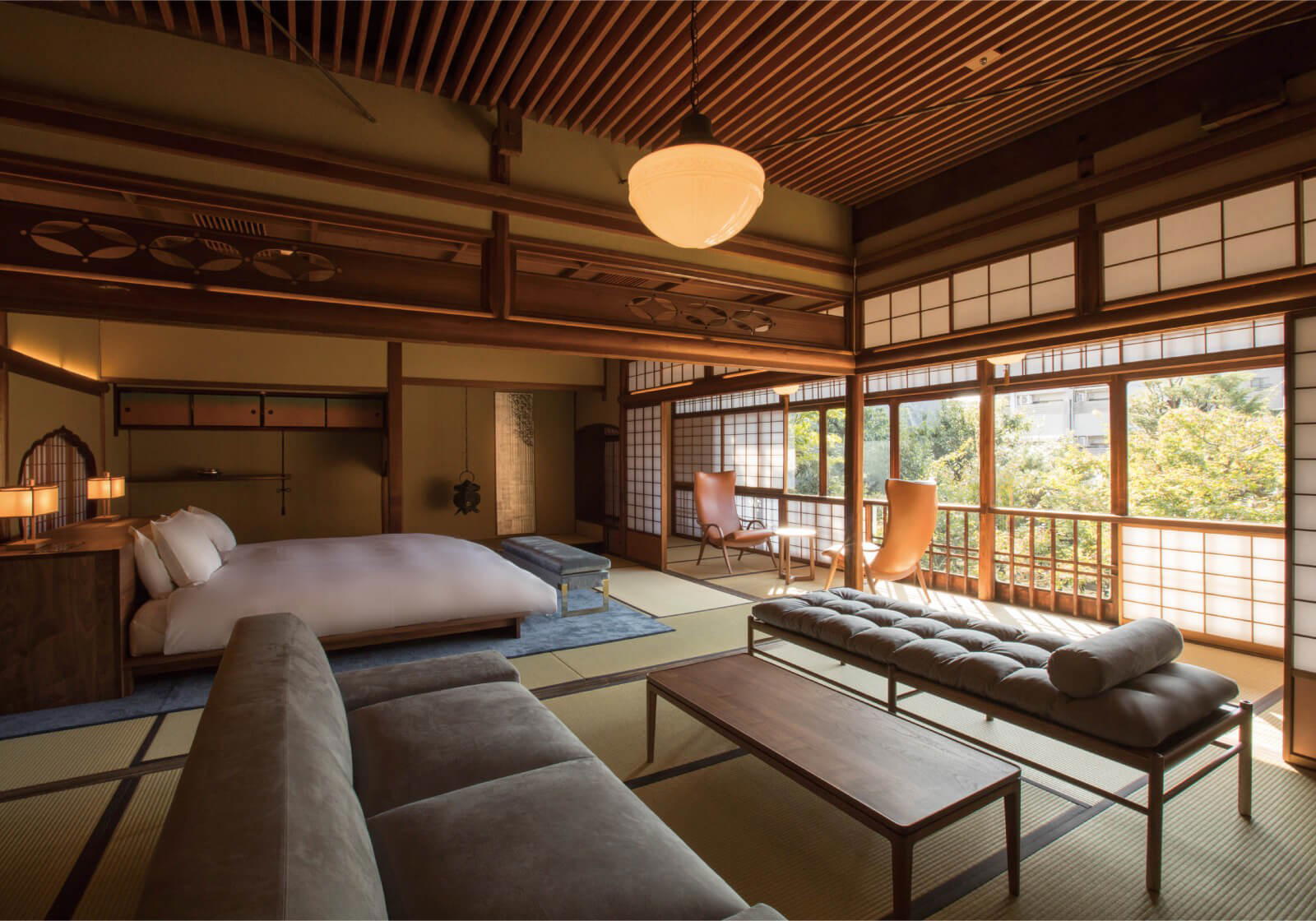
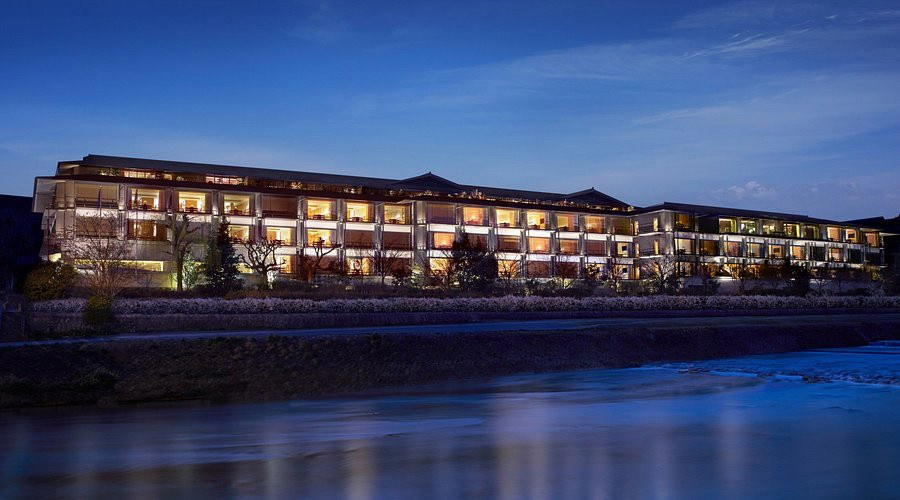
Bars in Kyoto
All bars in Kyoto →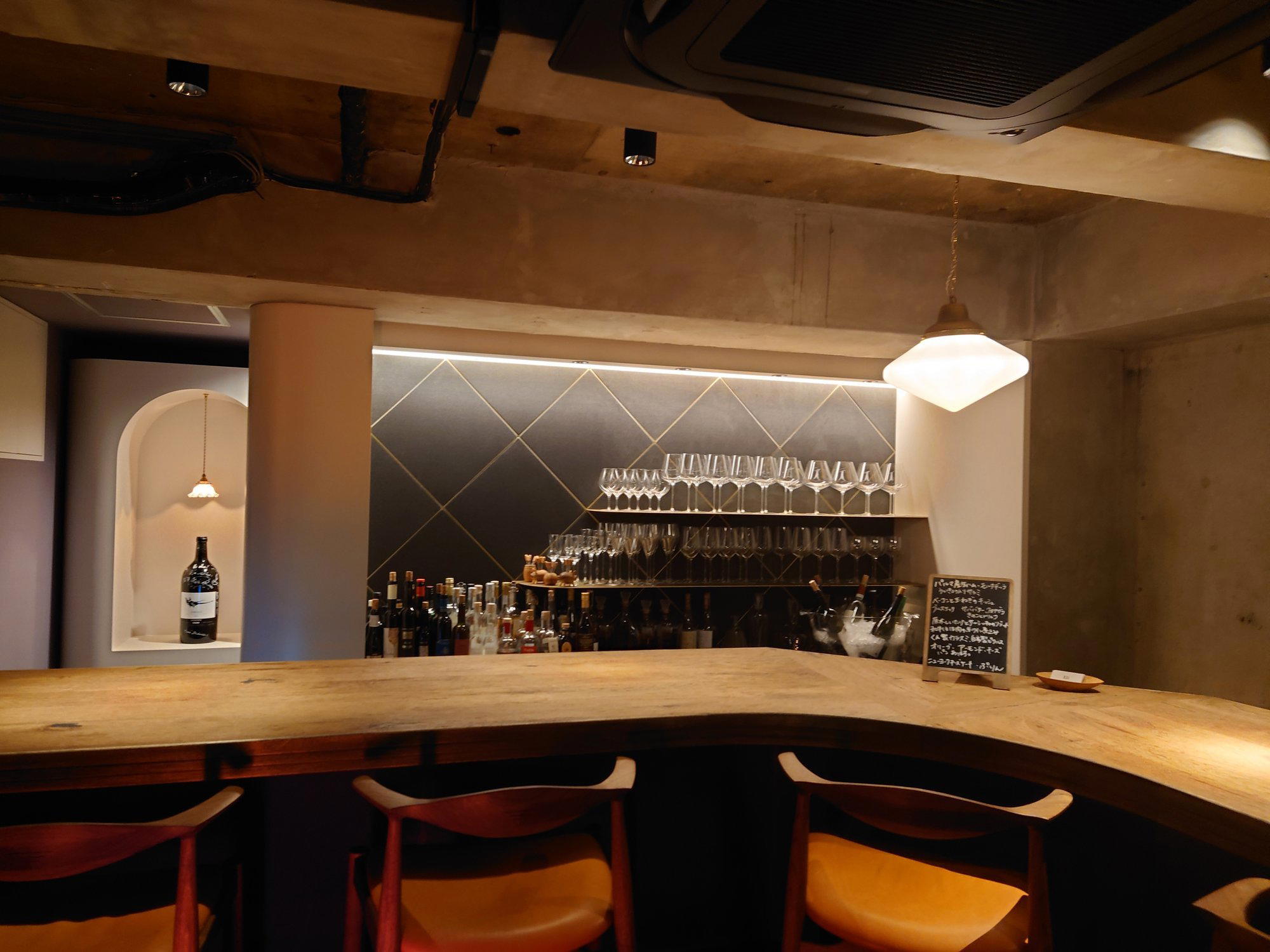
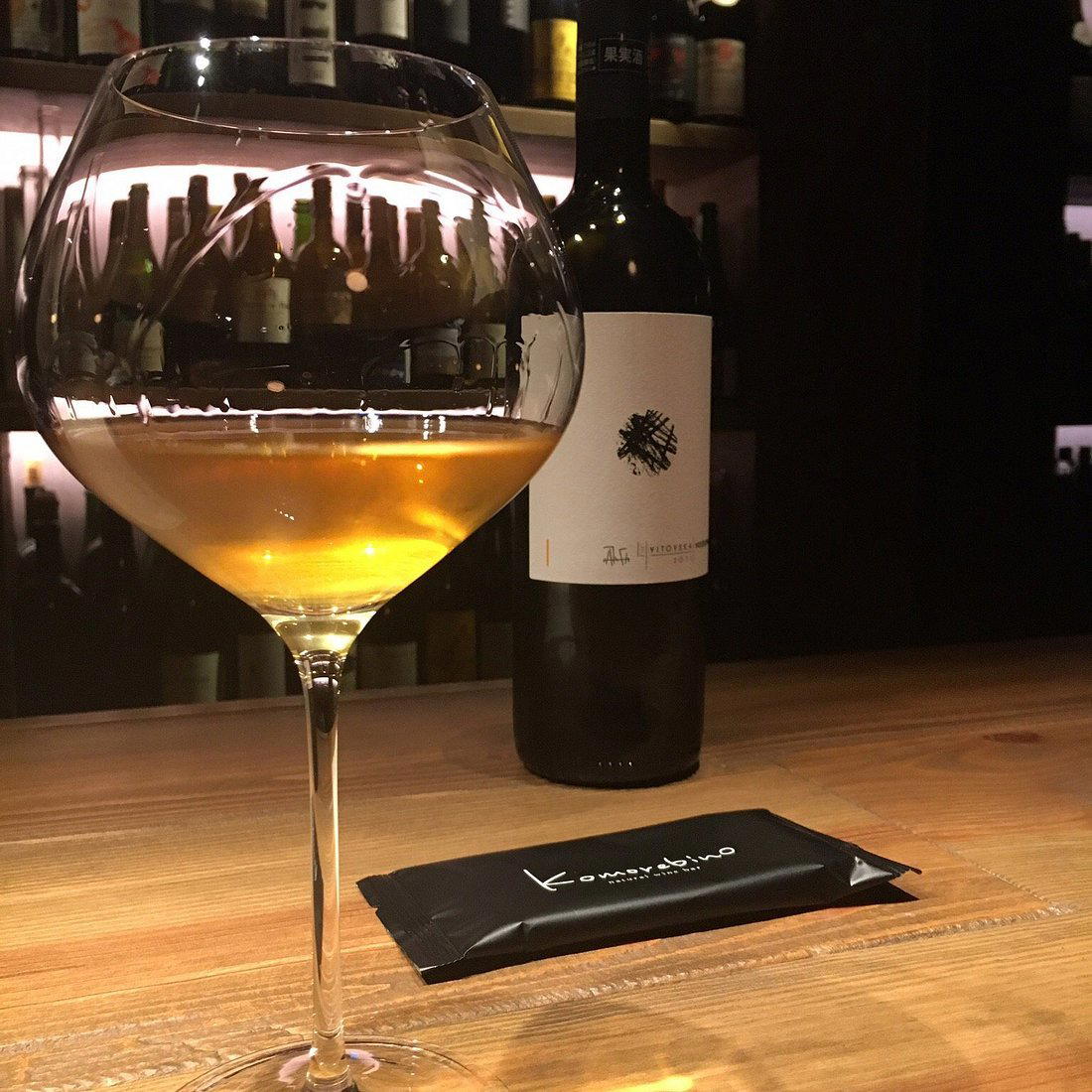
Restaurants in Kyoto
All restaurants in Kyoto →
Wineries in Kyoto
Browse all →
Details
- Intimate
- Elegant
- Minimalist
- Quiet
- Romantic
- Sophisticated
- Romantic Getaway
- Honeymoon
- Anniversary
- Wellness Retreat
- Weekend Escape
- Waterfront
- Butler Service
- Private Dining
- Design Destination
- Historic Building
- Terrace
- Panoramic View
- Wi Fi
- Spa
- Fitness Center
- Room Service
- Concierge
- Waterfront
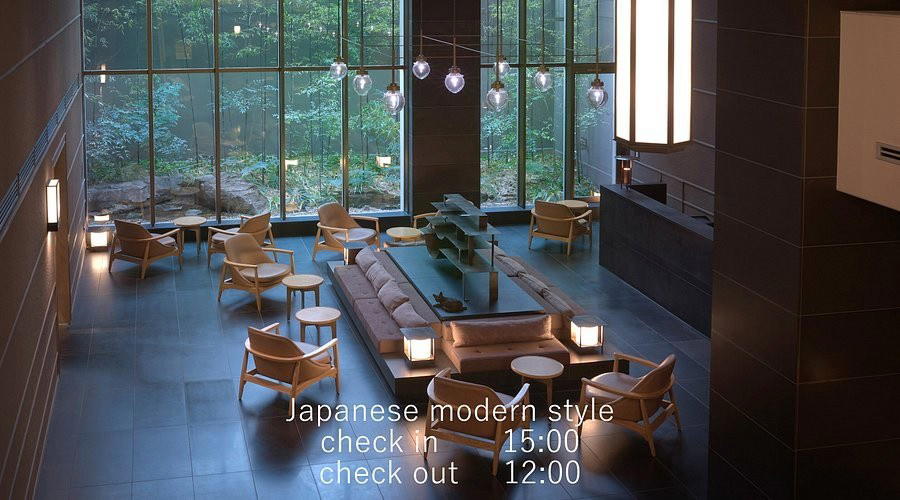
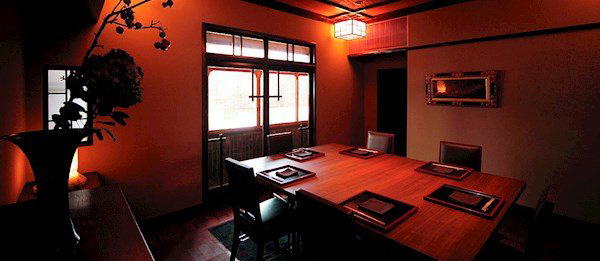
Serene and contemplative with natural light throughout, minimalist interiors featuring tatami mats and shoji screens, warm hinoki wood accents, and soft ambient lighting creating a peaceful, spa-like atmosphere reminiscent of a traditional ryokan.