



World's 50 Best #60 · Tabelog Bronze #86 · The Best Chef One Knife
Our verdict
Goh places Fukuoka’s French dining conversation in a less formal, more exchange-driven register: a borderless omakase built around a single 10-seat communal table. Chef Takeshi “Goh” Fukuyama’s restaurant carries serious recognition, including The Tabelog Award 2026 Bronze, Tabelog 100 for Innovative / Creative cuisine 2025, and Asia’s Best Restaurants #36 in 2025.

Pearl is the En Primeur Club membership app, where members save venues, book tables and use the concierge.
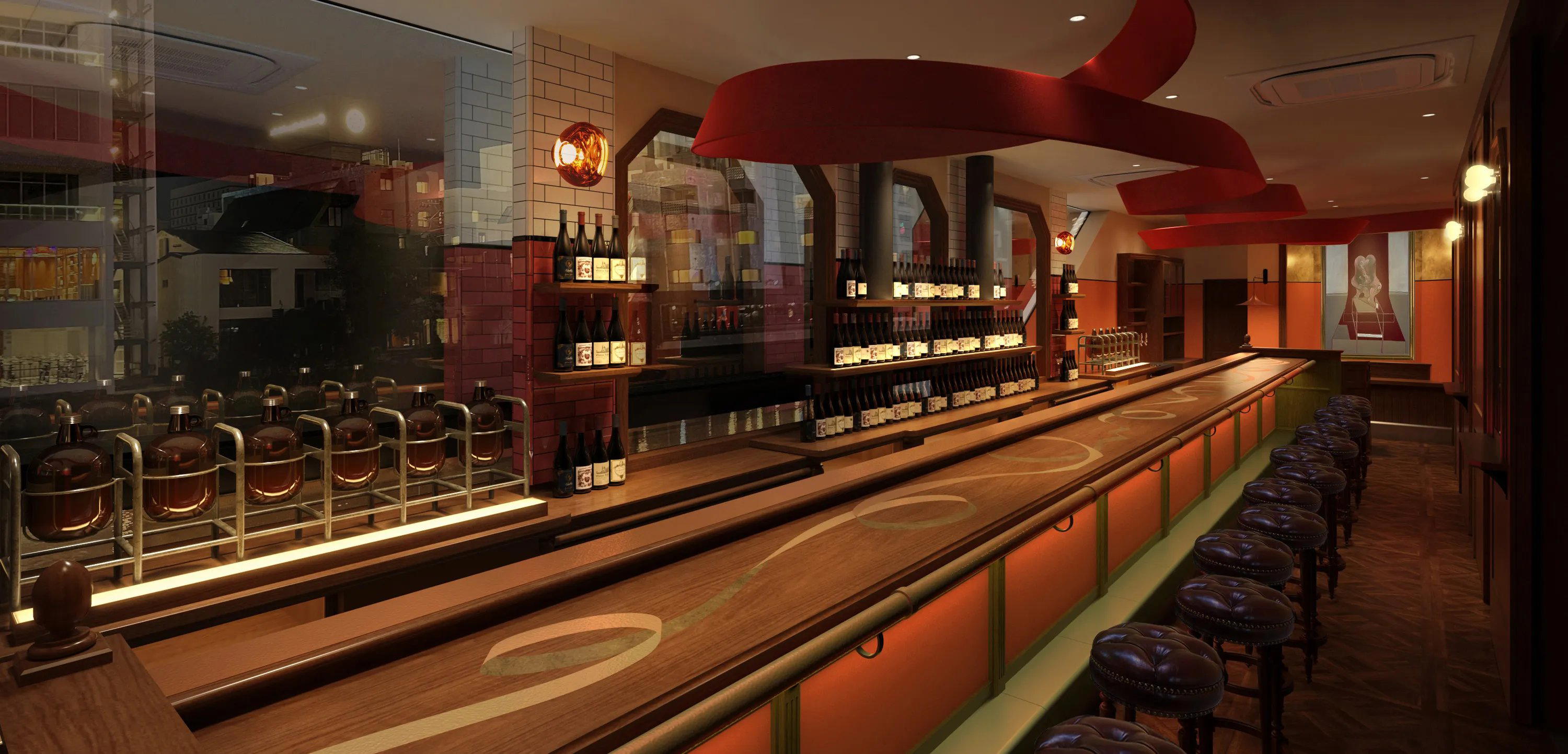
The menu
What to order
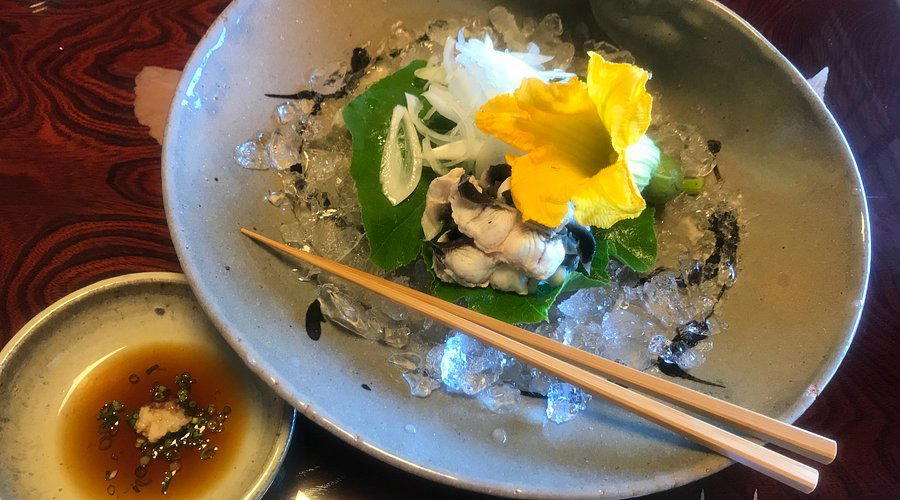
- Abalone with Shiitake Mushroom and Seaweed Powder
- Rice Crab Bouillabaisse
- Foie Gras with Seasonal Japanese Vegetables
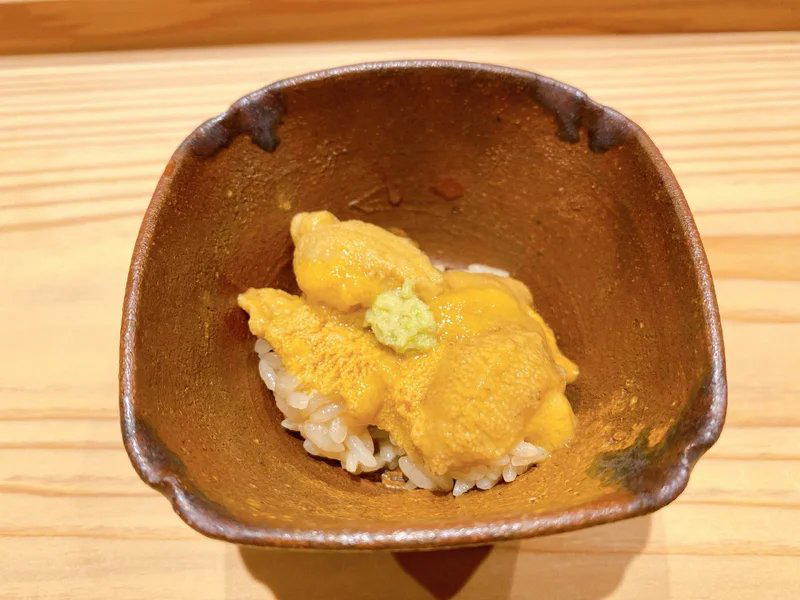
- Uni with White Corn Cream
A small-format dining room in Fukuoka changes the rhythm of French cooking. The cues are not Parisian bistro bentwood chairs, chalkboard specials, and zinc counters; they are closer to contemporary Japan’s omakase culture, where attention tightens and the meal unfolds as a shared sequence. Goh works inside that tension, taking casual French dining’s social logic, conversation across the table, looseness around national borders, appetite over ceremony, and disciplining it through a 10-seat communal format.
That matters in Fukuoka, a city too often reduced to ramen, yatai, and seafood shorthand. Those are real parts of its table culture, but the sharper story is how Fukuoka absorbs outside forms without surrendering scale. French cooking here need not imitate Tokyo luxury architecture or Paris nostalgia. It can be intimate, conversational, and technically ambitious without stiffness. The restaurant’s “borderless cuisine” phrasing is useful because the meal is not trying to pass as orthodox French. French is grammar, not costume.
A communal table that bends the bistro idea toward omakase
The bistro tradition has always depended on proximity: democratic compression rather than polished grandeur, close tables, regulars, a short menu, food meeting wine, and a room where guests felt service tempo. In Japan, that impulse often shifts shape. Counters and small tables replace the noisy dining room; tasting formats replace à la carte sprawl; the chef’s sequencing replaces the blackboard. At Goh, led by Takeshi “Goh” Fukuyama, the single-table setup makes the meal a group experience rather than a private performance.
This is where the restaurant sits apart from safer “French in Japan.” It is not just a French restaurant using Japanese produce, nor a Japanese restaurant borrowing French sauces. The format asks a current question: what happens when bistro sociability is filtered through omakase control? The answer is less about casual price or informal technique than reducing distance between diners, kitchen, and conversation. The room carries the bistro’s social DNA even when the menu structure belongs to contemporary Japan.
Fukuoka has several French-leaning rooms worth reading against this one. Sola Factory and TTOAHISU keep French cooking in the city’s serious dining conversation, while Syn occupies a similar dinner spend bracket at JPY 20,000 to JPY 29,999. The comparison shows Fukuoka’s French scene is not a single lane: some rooms lean polish, some chef-driven intimacy, some hybrid vocabulary. Goh’s evidence point is format: one table, 10 seats, and a menu described through borderless omakase rather than classical choice.
Recognition places the experiment in Japan's serious dining tier
A restaurant can call itself experimental and still say little. The stronger signal is whether independent recognition matches ambition. Here, indicators are unusually dense for a compact Fukuoka dining room: The Tabelog Award 2026 Bronze, selection for Tabelog 100 Innovative / Creative cuisine 2025, a Tabelog score of 3.97, Opinionated About Dining Top Restaurants in Japan Ranked #136 in 2026, and Asia’s Best Restaurants #36 in 2025. None explains the cooking alone, but together they place the restaurant in the national conversation, not only the local one.
The Tabelog classification, Innovative and French, is revealing. In Japan, “innovative” can be a vague container for expensive tasting menus, but in Fukuoka it has sharper use: restaurants not bound to sushi, kaiseki, tempura, yakiniku, or bistro orthodoxy. French technique becomes a toolkit for organizing acidity, fat, heat, and pacing, while Japanese dining culture governs scale and attention. That differs from the old Franco-Japanese cliché, where the story often stopped at imported technique meeting local ingredients.
The city’s broader dining map reinforces the point. 106 South Indian Fukuoka tenjin ten and Afterglow show how Fukuoka’s serious food culture extends beyond Japanese and French categories, with curry and South Indian cooking drawing their own audiences. That makes the French conversation healthier, not weaker. A city with one prestige language overrewards imitation; multiple strong food currents force each serious restaurant to justify its form.
For a Fukuoka dining itinerary, choose this room for format and conversation as much as cuisine type. Diners seeking familiar bistro freedoms, ordering à la carte, lingering over a preferred dish, and keeping the table socially private, will find different grammar here. Diners interested in how French dining ideas have been recoded by Japan’s small-room tasting culture will understand the appeal quickly. The restaurant is not an escape from Fukuoka’s local identity; it expresses how the city processes outside influence.
How to frame it within a Fukuoka trip
Fukuoka rewards compact planning. Its strongest dining experiences are often short hops between Hakata, Tenjin, riverside streets, and small upstairs rooms rather than grand dining districts. For a wider read on the city’s restaurant range, use Our full Fukuoka restaurants guide; for pairing the meal with a stay, Our full Fukuoka hotels guide is the cleaner starting point. The after-dinner question belongs to Our full Fukuoka bars guide, while broader planning sits in Our full Fukuoka experiences guide. Wine-focused travelers can also scan Our full Fukuoka wineries guide, though the city’s strength is more restaurant table than vineyard circuit.
Japan’s wider dining network clarifies the audience. Travelers comparing French formats across Asia might also look at 3 Fils Counter, French in Dubai or 3G Trois Gourmands, French in Ho Chi Minh City, not as direct substitutes, but because they show how French vocabulary changes when removed from France’s own dining codes. Within Japan, the contrast with unrelated genre specialists such as -Grilled beef Sukiyaki- KAMAKURA TANUKIAN 鎌倉 たぬき庵 in Kamakura. 鮪と炭火焼き うお炭 秋葉原店 in Tokyo.cafe in Osaka.know in Kumamoto, (Shoku) Vietnam in Kawasaki, and [Curry Senmon Ten] Maruyama Kyoju. in Sapporo underlines the point: category matters less than format clarity.
The verdict is editorial rather than promotional: this is a Fukuoka address for diners who care about French dining’s evolution outside its home country. The bistro’s old promise was warmth, proximity, and appetite; the contemporary Japanese version can be smaller, more sequenced, and more technically coded. Goh belongs in that latter camp, with enough external recognition to make the argument measurable and enough format discipline to make it distinct within the city’s French conversation.
Frequently asked questions
What part of town is Goh in?
Goh is located in Fukuoka.
What cuisine category does Goh fall under?
Goh serves French cuisine.
What are the operating hours at Goh?
Hours at Goh: Mon: Closed; Tue: 6–10 PM; Wed: 6–10 PM; Thu: 6–10 PM; Fri: 6–10 PM; Sat: 6–10 PM; Sun: 6–10 PM.
What is Goh known for?
Goh is primarily known for French in Fukuoka.
Price and Recognition
Comparable venues by cuisine and price in the same metro.
| Venue | Cuisine | Price | Awards | Notes |
|---|---|---|---|---|
| GohThis venue (the venue you are viewing) | French-Japanese Omakase | $100–150 | World's 50 Best #60 · Tabelog Bronze #86 | Not listed |
| Sushi Osamu | Traditional Japanese Omakase Sushi | $150–200 | Tabelog Bronze #342 | Minami, Traditional Japanese Omakase Sushi |
| Tenzushi Kyomachi | Modern Kyushu-style Omakase Sushi | $300–500 | La Liste Top Restaurants · Tabelog Silver #141 | Kokura, Modern Kyushu-style Omakase Sushi |
| Sagano | Traditional Kaiseki | $200–300 | Not listed | Hakata, Traditional Kaiseki |
| Tsugumi | Seasonal Kyushu Omakase | $200–300 | Tabelog Bronze #483 | Hakata, Seasonal Kyushu Omakase |
| Matsuyama | Seasonal Kyushu Kaiseki Omakase | $300–500 | Tabelog Silver #74 | Kurosaki, Kitakyushu, Seasonal Kyushu Kaiseki Omakase |
Recognition history
Dated appearances from independent guides and award organizations, with the underlying list record or original source where available.
World's 50 Best Asia's Best Restaurants #60
World's 50 Best
Opinionated About Dining Top Restaurants in Japan Ranked #136
Opinionated About Dining
Tabelog Bronze #86
Tabelog
The Best Chef One Knife
The Best Chef
Full recognition history (8 entries)
Opinionated About Dining Top Restaurants in Japan Ranked #284
Opinionated About Dining
Tabelog 100 #90 · No. 90
Tabelog · Tabelog 100 - Innovative / Creative cuisine - 2025
World's 50 Best Asia's Best Restaurants #36
World's 50 Best
Opinionated About Dining Top Restaurants in Japan Ranked #273
Opinionated About Dining
Continue exploring
More in Fukuoka
Restaurants in Fukuoka
All restaurants in Fukuoka →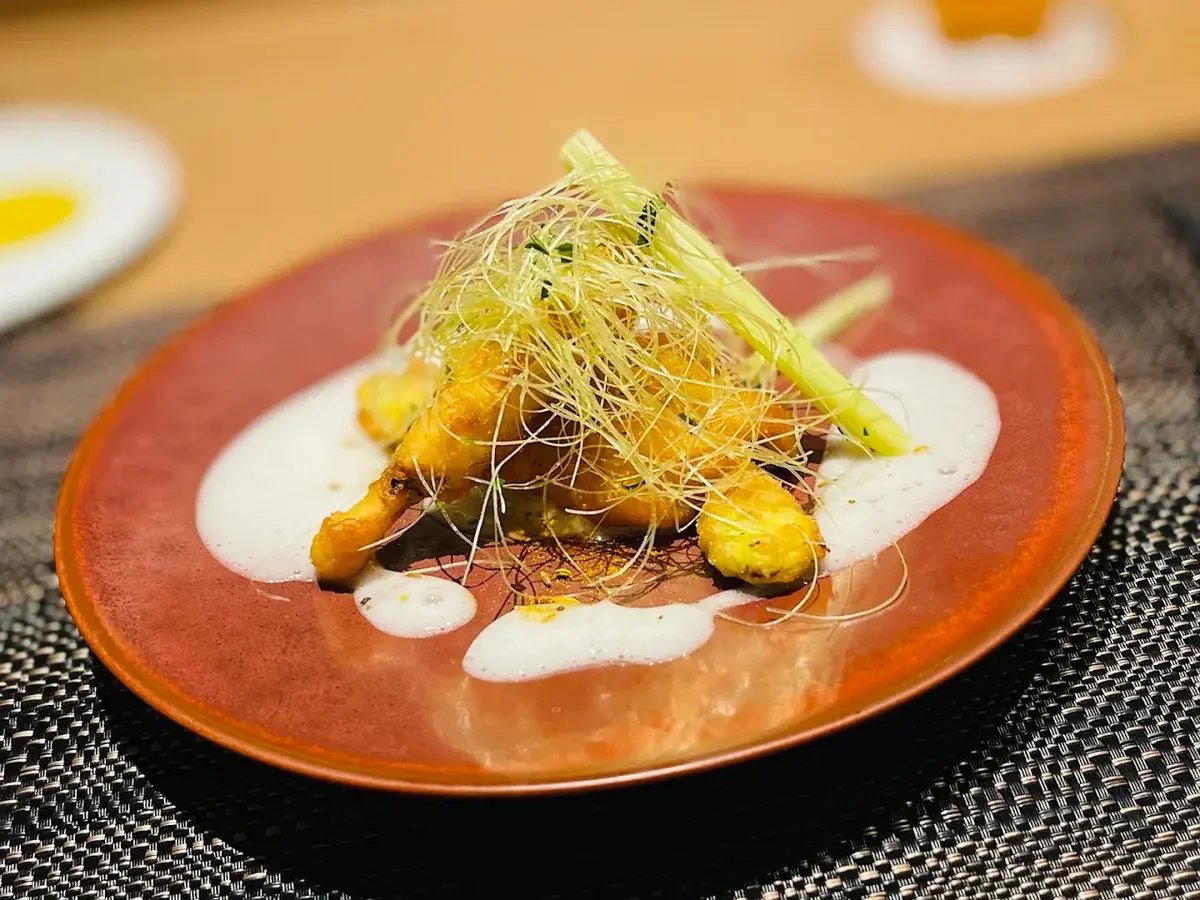
Details
- Intimate
- Elegant
- Sophisticated
- Special Occasion
- Celebration
- Date Night
- Open Kitchen
- Chefs Counter
- Standalone
- Sommelier Led
- Local Sourcing
- Waterfront
- Omakase
- Tasting Menu
- Wine Pairing
Current opening hours
- Monday
- Closed
- Tuesday
- 6–10 PM
- Wednesday
- 6–10 PM
- Thursday
- 6–10 PM
- Friday
- 6–10 PM
- Saturday
- 6–10 PM
- Sunday
- 6–10 PM
Hours can change for holidays and private events. Hours as of .
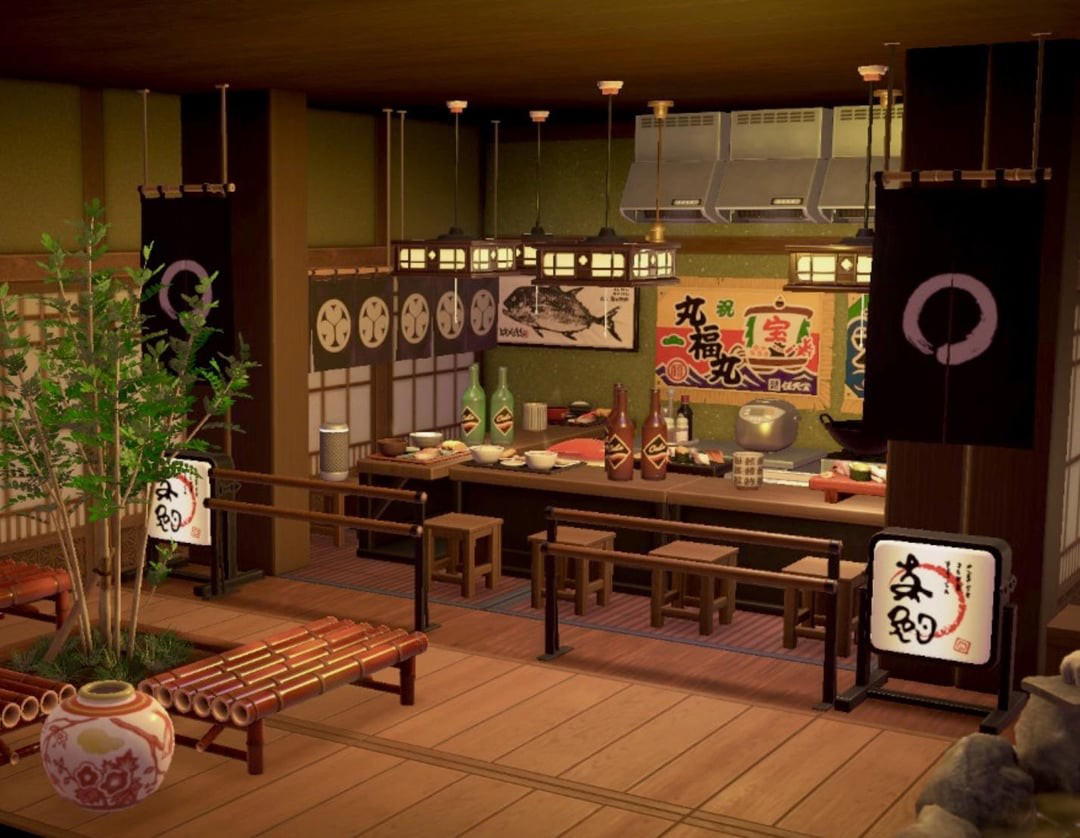
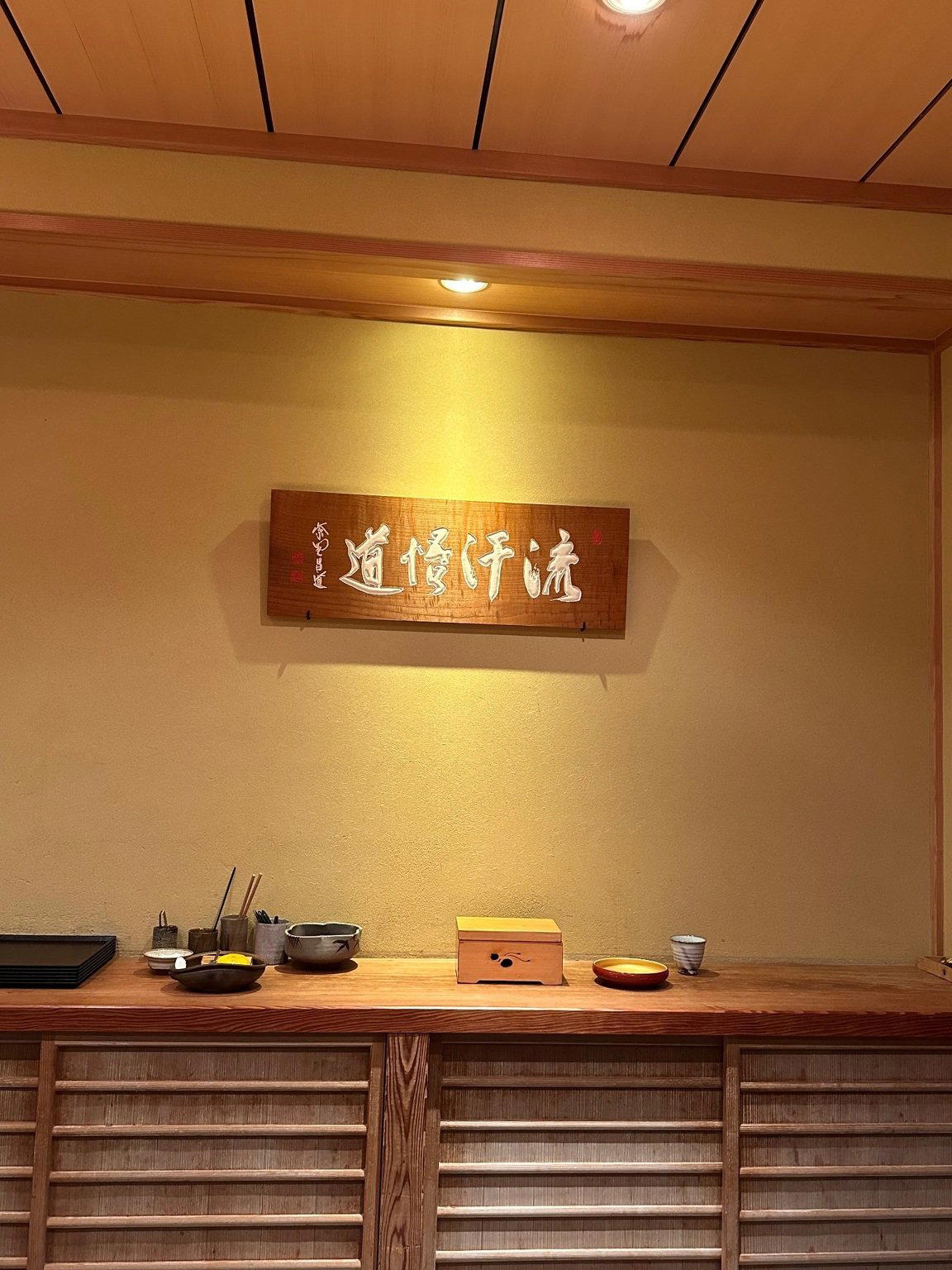
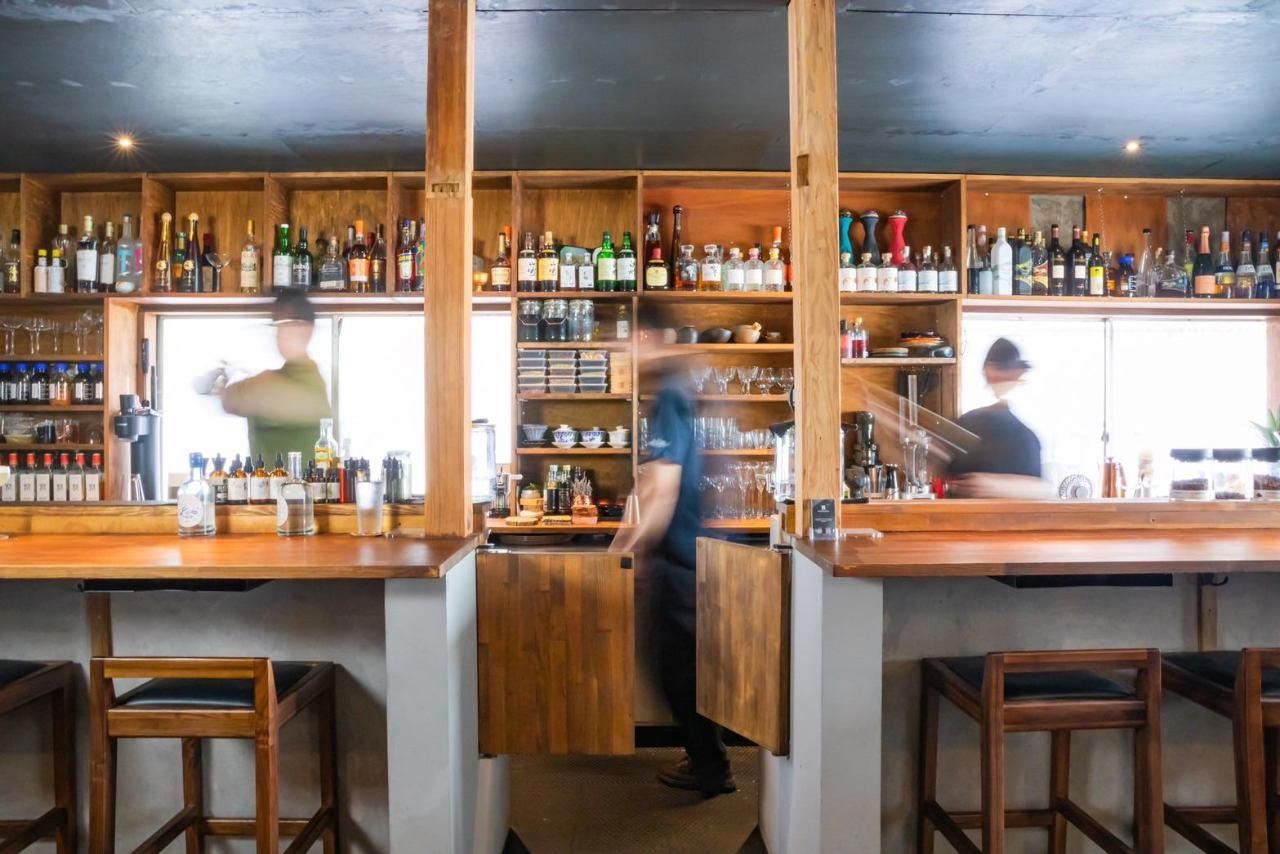
Low-lit, intimate, and warm with a bright, welcoming atmosphere created by the chef's engaging personality; polished communal table with live plating visible to all guests.