




Gion Nishikawa sits in Kyoto’s Higashiyama kaiseki circuit, where Kansai seasonality, private-room formality, and counter precision carry more weight than theatrical reinvention. Chef Masayoshi Nishikawa’s restaurant has Michelin two-star recognition in 2024 and 2025, a 2026 Tabelog Bronze Award, and inclusion in OAD’s Japan recommendations, placing it among Kyoto’s serious Japanese cuisine addresses rather than its tourist-facing dining tier.
Pearl is the En Primeur Club membership app — saves, bookings, and concierge access live there. Same editors, same standards.
- Address
- 473 Shimokawaracho, Higashiyama Ward, Kyoto 605-0825, Japan
- Phone
- +81 75-525-1776
- Website
- gion-nishikawa.co.jp
- Directions
- Get directions
 Saves & bookings on Pearl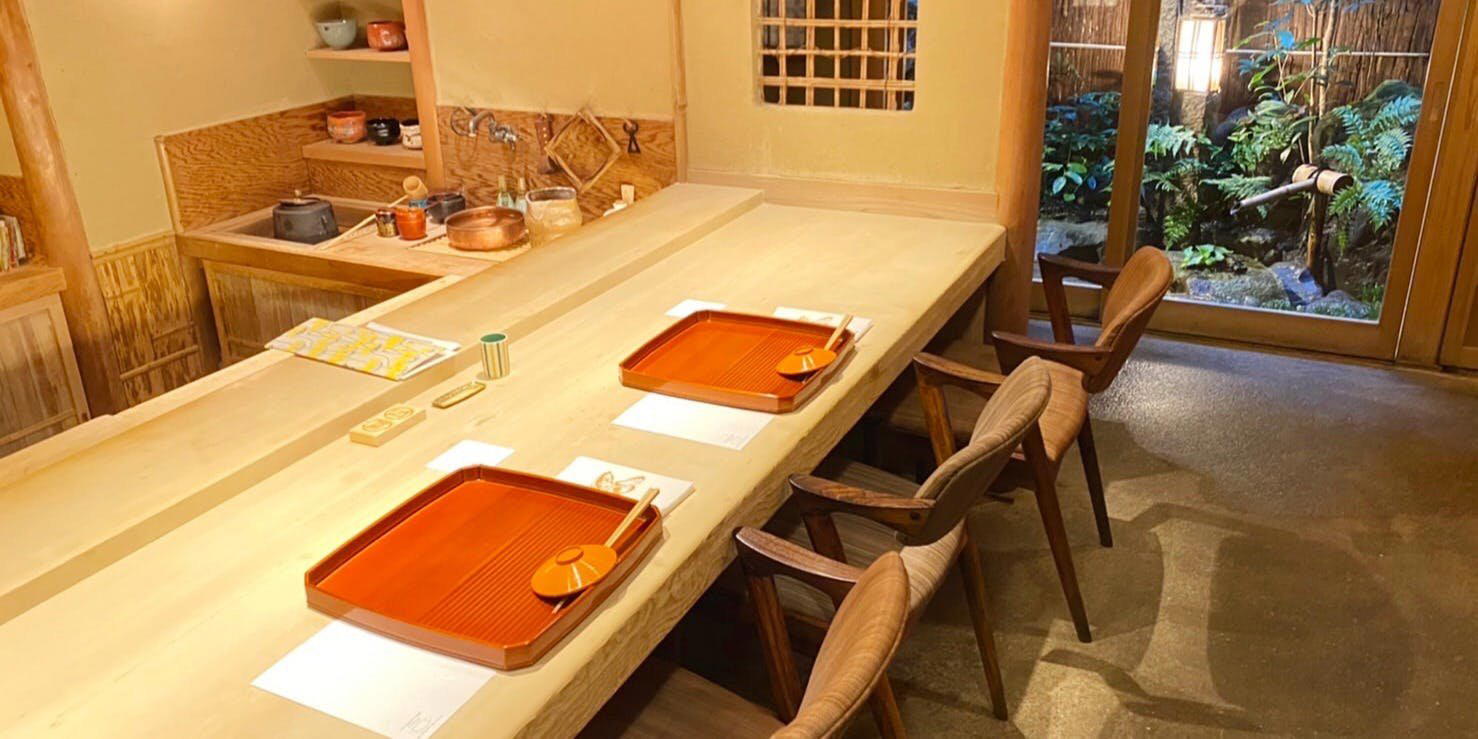
Higashiyama changes the rhythm before dinner begins. The lanes around Kodaiji and Yasaka Shrine slow the city down: tiled roofs, low walls, lantern light, and the quiet pressure of Kyoto tradition. In this part of Gion, kaiseki is not a generic tasting-menu format. It is a regional language, built around season, ceremony, restraint, and the long Kansai habit of making luxury read as control rather than display.
That matters because Kyoto kaiseki asks a different question from Tokyo fine dining. Kanto restaurants often prize intensity, polish, and tight counter choreography; Kansai cooking gives more space to dashi, local vegetables, ceramics, room flow, and the pacing of hospitality. Gion Nishikawa belongs to that Kyoto lineage. Its recognition, including Michelin two-star status in 2024 and 2025, The Tabelog Award 2026 Bronze, and a place on Opinionated About Dining’s 2026 Japan Recommended list, signals a restaurant judged inside Japan’s high-level Japanese cuisine conversation, not merely a picturesque Kyoto address.
Kyoto kaiseki seen through a Kansai lens
Kaiseki in Kyoto is often misunderstood as a parade of small plates. The stronger reading is architectural: a meal moves through temperature, season, vessel, broth, rice, and closing sweetness with a logic that depends on timing and proportion. The Kansai accent is especially visible in the role of dashi and local produce. The point is not loud seasoning; it is the calibration of aroma, texture, and sequence so that each course changes the register without breaking the line.
Within Kyoto, the competitive set is unusually dense. Gion Maruyama, Gion Owatari, Gion Sasaki, Godan Miyazawa, and Hyotei all sit near the same conversation about how formal Japanese cuisine should behave in a city that treats seasonality as civic memory. Gion Nishikawa’s position is not about novelty. It is about belonging to the house-restaurant side of Kyoto kaiseki, where counter seating and private rooms create two different readings of the same cuisine: one closer to craft, the other closer to occasion.
Chef Masayoshi Nishikawa is the necessary credential, but the better story is regional continuity. Kyoto chefs working at this level do not need to imitate Tokyo’s speed or volume. The city’s dining culture rewards patience: spring and autumn demand heavier reservation pressure, seasonal ingredients carry cultural meaning, and the room itself becomes part of the meal’s grammar. Against flashier urban tasting menus, this style can feel almost severe. That severity is the point.
The house-restaurant format keeps ceremony close to the table
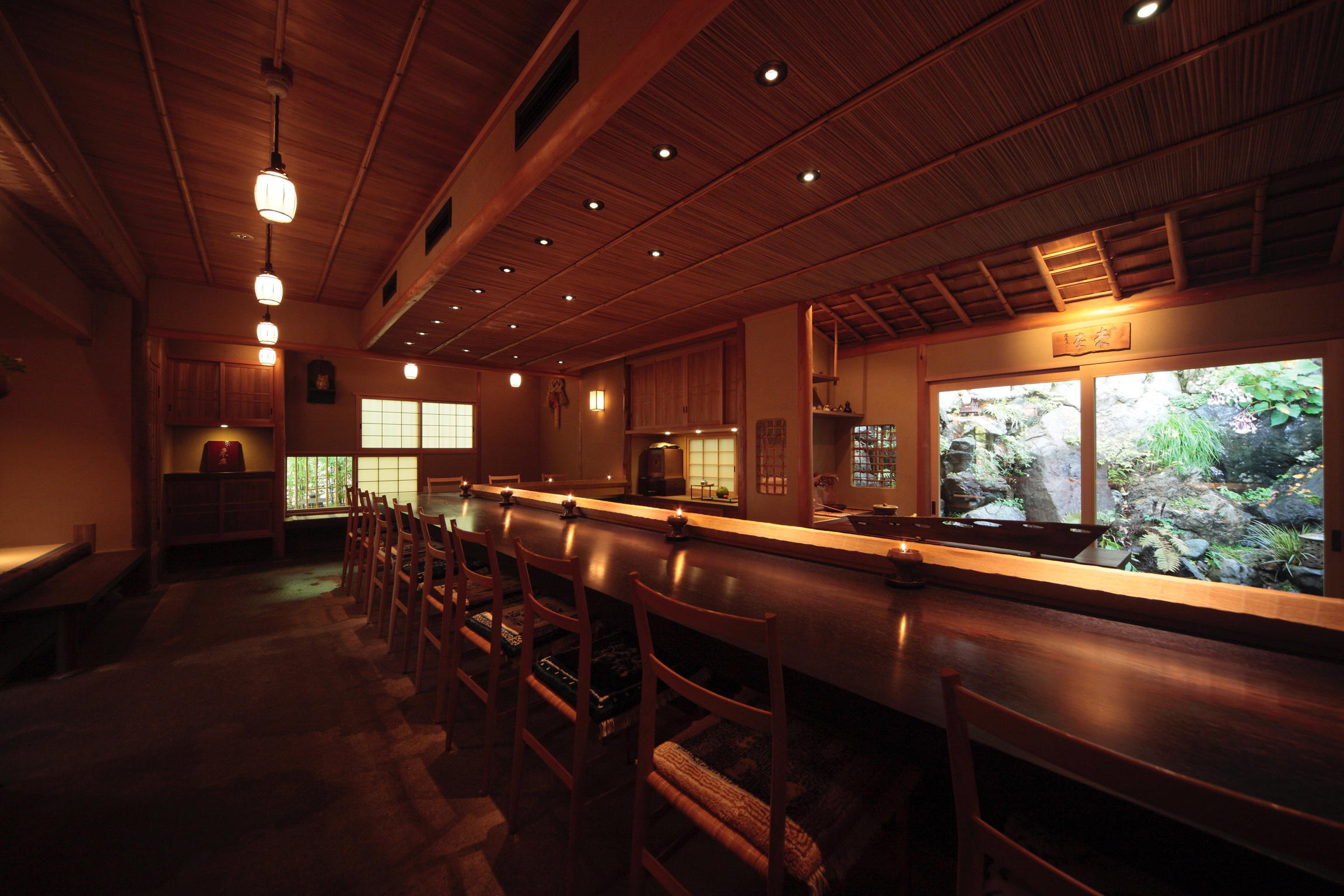
The format shapes the experience before the cooking does. A 27-seat arrangement, including an 11-seat counter plus private rooms, places the restaurant between intimate counter kaiseki and formal group dining. That split is significant in Kyoto. Counter seats expose timing and knife work; private rooms protect conversation and ceremony. Few dining cities make that distinction with as much consequence as Kyoto, where hospitality is often measured by how little friction the guest notices.
The awards profile reinforces the restaurant’s place in the city’s serious kaiseki tier. The Tabelog Bronze run from 2017 through 2026 shows sustained domestic approval across multiple years, while selection for Tabelog Japanese cuisine WEST 100 in 2021, 2023, and 2025 places it inside a regional Japanese-cuisine frame rather than a general fine-dining list. La Liste scored it at 83.5 points in 2025, and OAD ranked it in Japan in prior years before its 2026 Recommended placement. These signals do not make the meal self-explanatory; they tell the reader which yardstick to use. This is a restaurant to compare with Kyoto kaiseki peers, not with hotel dining rooms or international tasting counters.
For travellers building a Kyoto dining itinerary, the distinction matters. A meal here pairs naturally with a broader look at the city’s old capital rhythms: restaurants in Higashiyama and Gion, bars after dinner in central Kyoto, temple-area walking, and ryokan or small luxury hotels that keep the pace coherent. EP Club’s wider city coverage sits in Our full Kyoto restaurants guide, Our full Kyoto hotels guide, Our full Kyoto bars guide, Our full Kyoto wineries guide, and Our full Kyoto experiences guide.
How to read it against Kyoto and beyond
The useful comparison is not whether Kyoto kaiseki is more refined than Tokyo Japanese cuisine. It is how each city defines authority. In Kyoto, authority often comes from continuity, seasonal fluency, and the ability to make formality feel natural. In Tokyo, restaurants such as Ginza Kojyu, Kaiseki, Japanese in Tokyo tend to be read through the capital’s competitive precision and international attention. Abroad, Aburi Hana, Kaiseki, Japanese in Toronto shows how Japanese fine dining changes when removed from Kyoto’s ingredient calendar and cultural setting. The comparison clarifies why Gion Nishikawa’s location is not decorative; Higashiyama is part of the argument.
Kyoto also rewards selectivity. A visitor trying to understand the city through food should not stack kaiseki meals back to back as if collecting labels. Better to separate formats: one formal Kyoto Japanese meal, one counter-led meal, one casual noodle or market stop, one serious bar. For broader contrast across Japan, EP Club’s restaurant archive ranges from -Grilled beef Sukiyaki- KAMAKURA TANUKIAN 鎌倉 たぬき庵 in Kamakura and. 鮪と炭火焼き うお炭 秋葉原店 in Tokyo to.cafe in Osaka.know in Kumamoto, (Shoku) Vietnam in Kawasaki, and [Curry Senmon Ten] Maruyama Kyoju. in Sapporo. Those links are less about substitution than calibration: Kyoto kaiseki occupies a narrow, formal lane in a much wider Japanese dining map.
The editorial case for the restaurant is therefore specific. It suits travellers who want Kyoto cuisine in its regional register: seasonal Japanese cooking, serious domestic recognition, a house setting, and the choice between counter and private-room modes. It is less suited to diners seeking spectacle, heavy explanation, or a menu built around named signatures. In Kyoto, restraint is not a lack of ambition. At this level, restraint is how the city shows command.
Comparable venues nearby, for context on price, style, and recognition.
| Venue | Cuisine | Price | Awards | Notes |
|---|---|---|---|---|
| Gion NishikawaThis venue — the venue you are viewing | Michelin-Starred Kaiseki | $$$$ | Michelin 2 Star | Not listed |
| Ifuki | Sumibi Kappo Kaiseki | $$$$ | Michelin 2 Star | Higashiyama |
| Kikunoi Roan | Seasonal Kyoto Kaiseki | $$$$ | Michelin 2 Star | Shimogyō |
| Gion Maruyama | Kyoto Kaiseki | $$$$ | Michelin 2 Star | Higashiyama |
| Kodaiji Wakuden | Luxury Kaiseki | $$$$ | Michelin 2 Star | Higashiyama |
| Kyokaiseki Kichisen | Kyoto Kaiseki | $$$$ | Michelin 2 Star | Sakyō |
Recognition history
Dated appearances from independent guides and award organizations, with the underlying list record or original source where available.
Michelin 2 Stars
Michelin
Opinionated About Dining Top Restaurants in Japan Recommended
Opinionated About Dining
Tabelog Bronze #320
Tabelog
La Liste Top Restaurants
La Liste
Michelin 2 Stars
Michelin
Opinionated About Dining Top Restaurants in Japan Ranked #182
Opinionated About Dining
Tabelog Bronze
Tabelog
Tabelog 100 #32 · No. 32
Tabelog · Tabelog 100 - Japanese cuisine - WEST - 2025
The Best Chef Two Knives
The Best Chef
Michelin 2 Stars
Michelin
Opinionated About Dining Top Restaurants in Japan Ranked #165
Opinionated About Dining
Opinionated About Dining Top Restaurants in Japan Highly Recommended
Opinionated About Dining
Continue exploring
More in Kyoto
Restaurants in Kyoto
Browse all →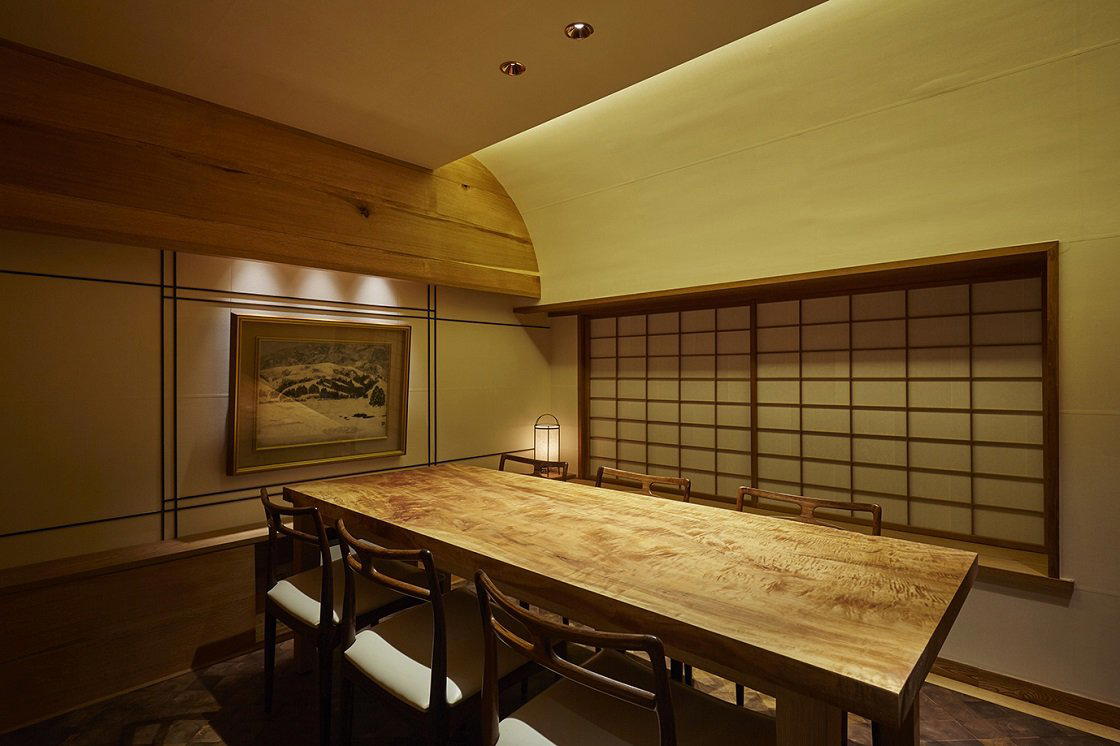
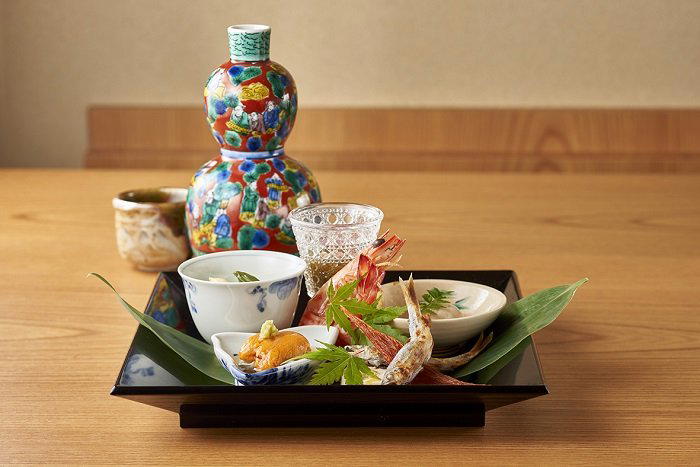
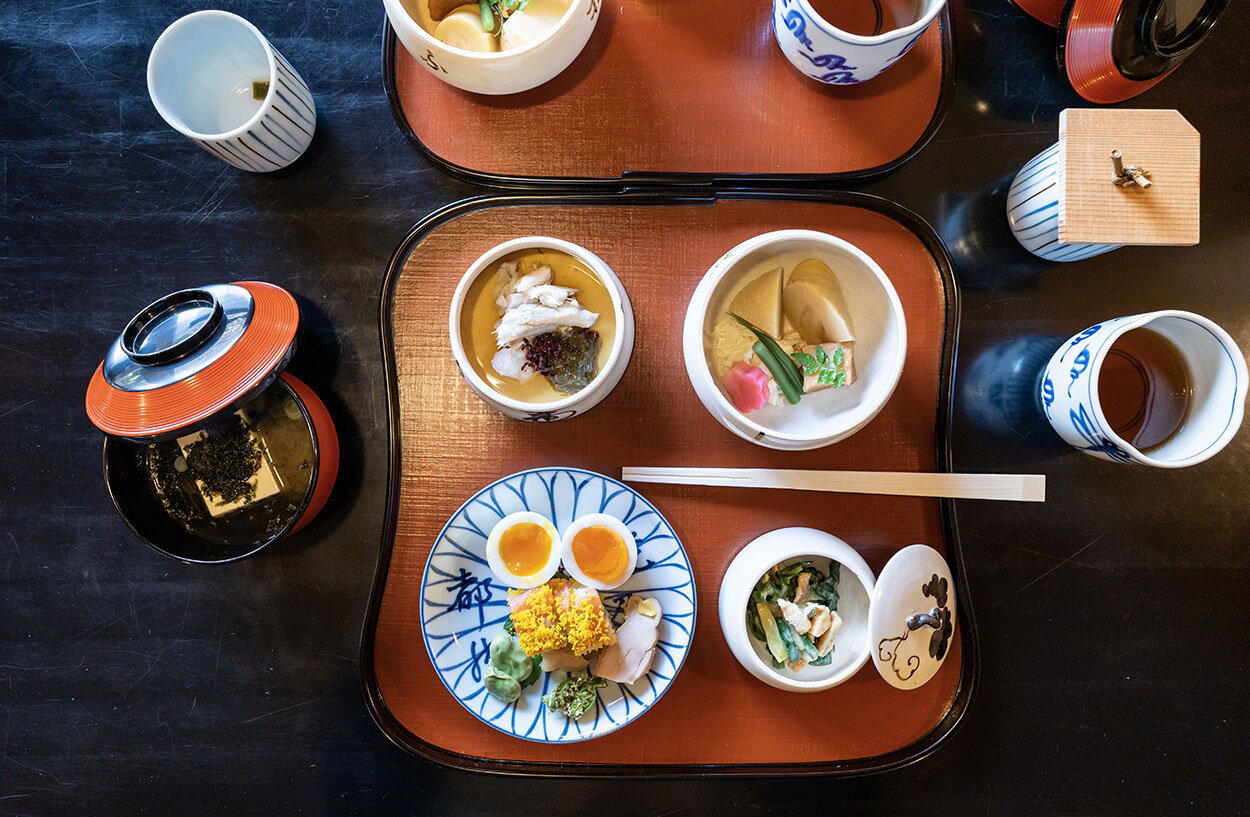
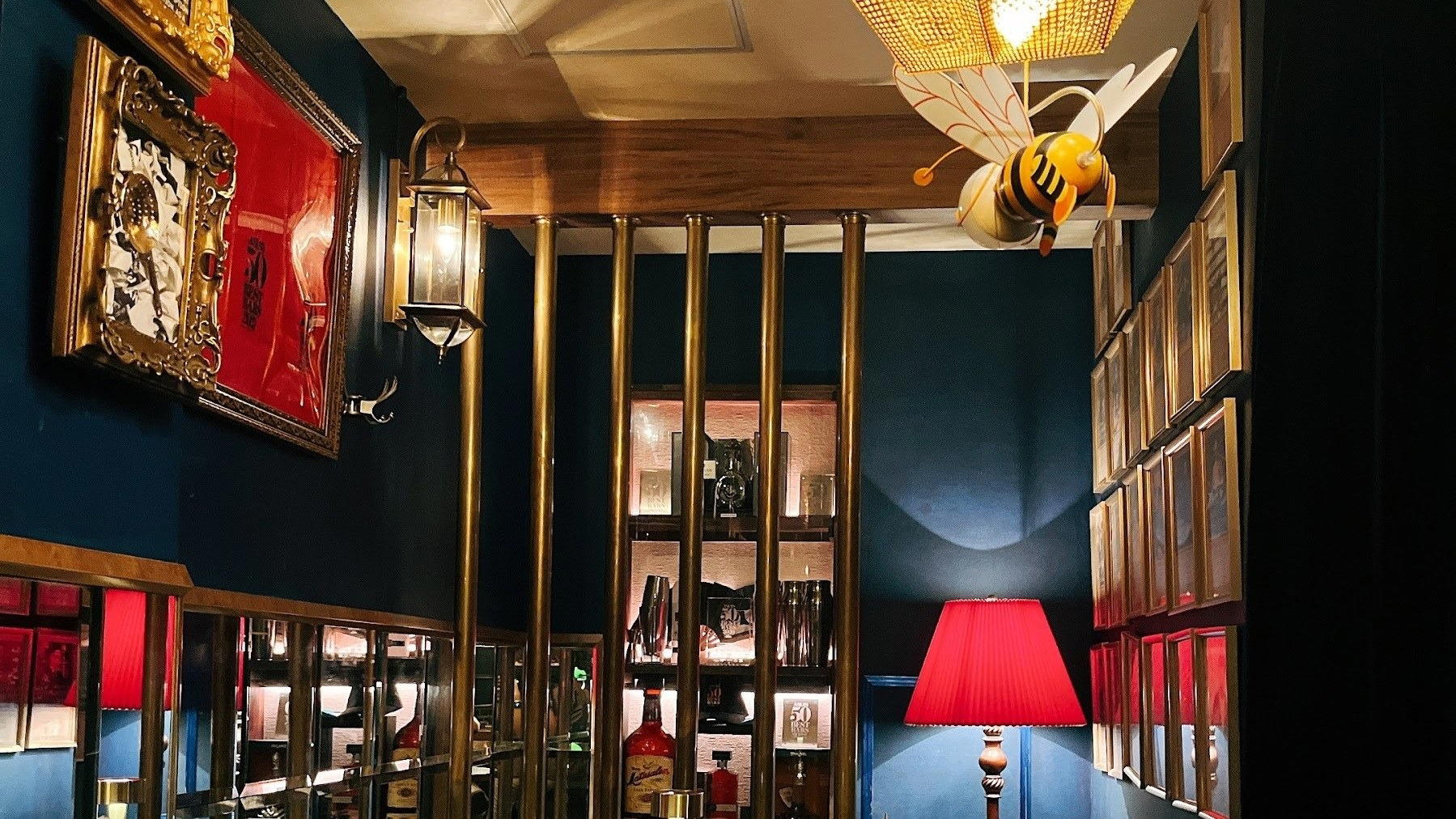
Bars in Kyoto
Browse all →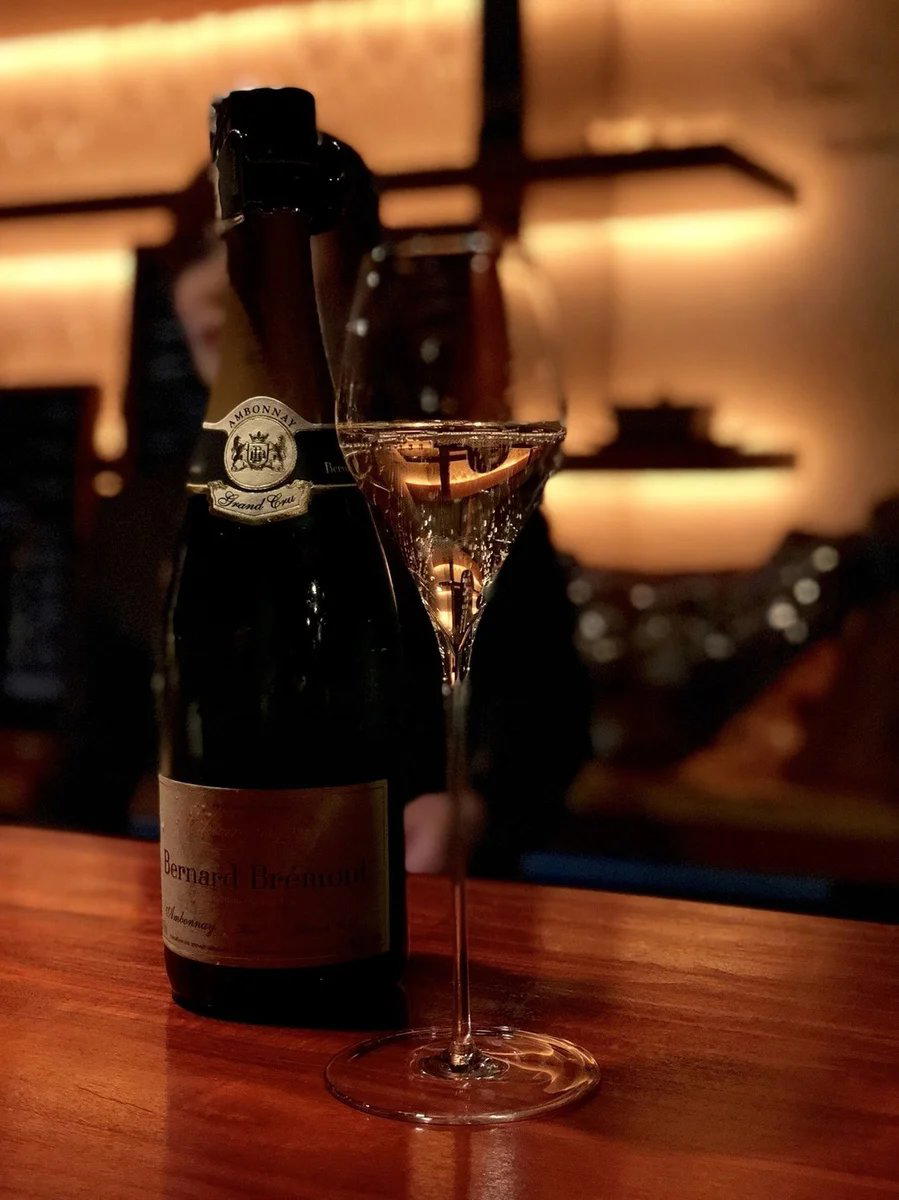
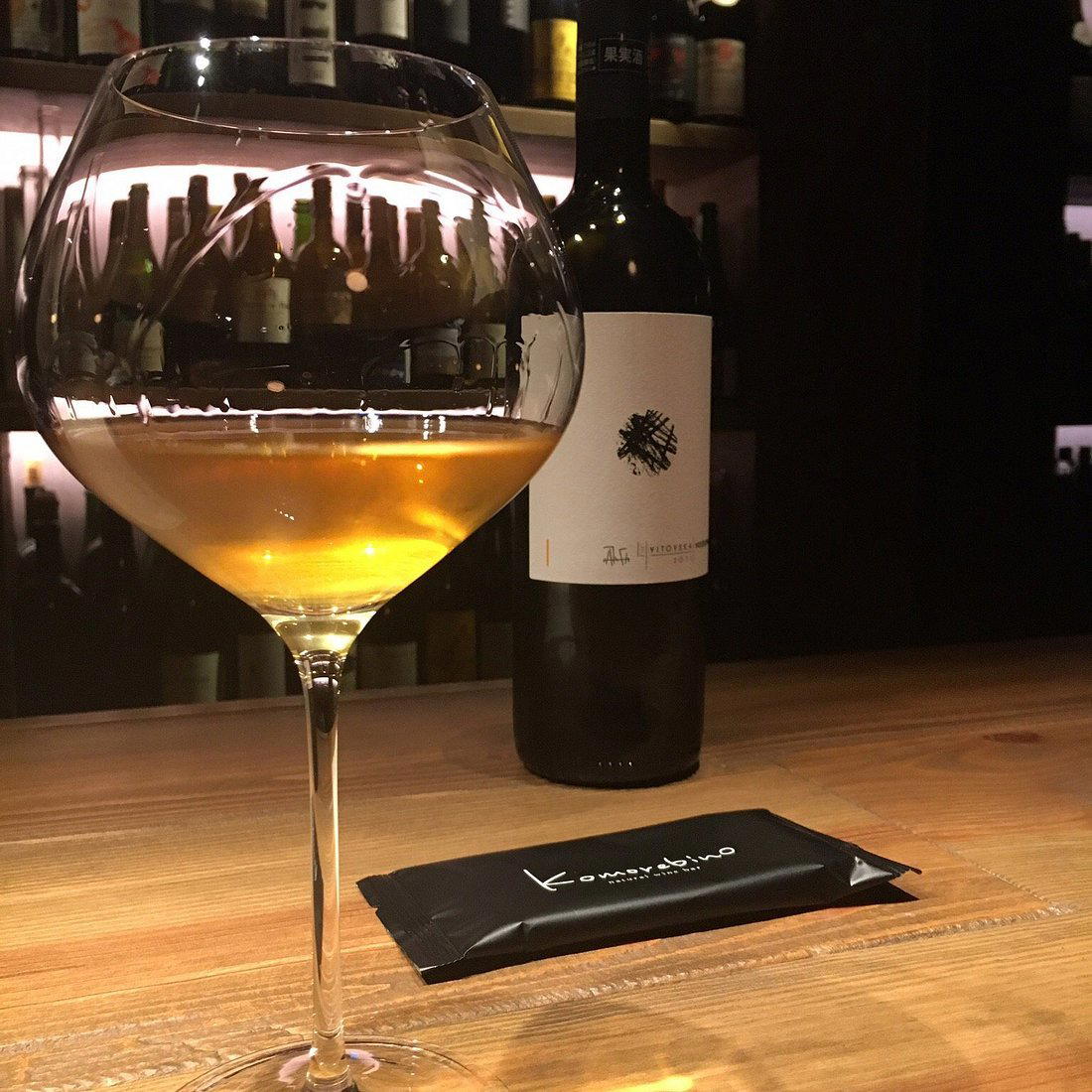

Hotels in Kyoto
Browse all →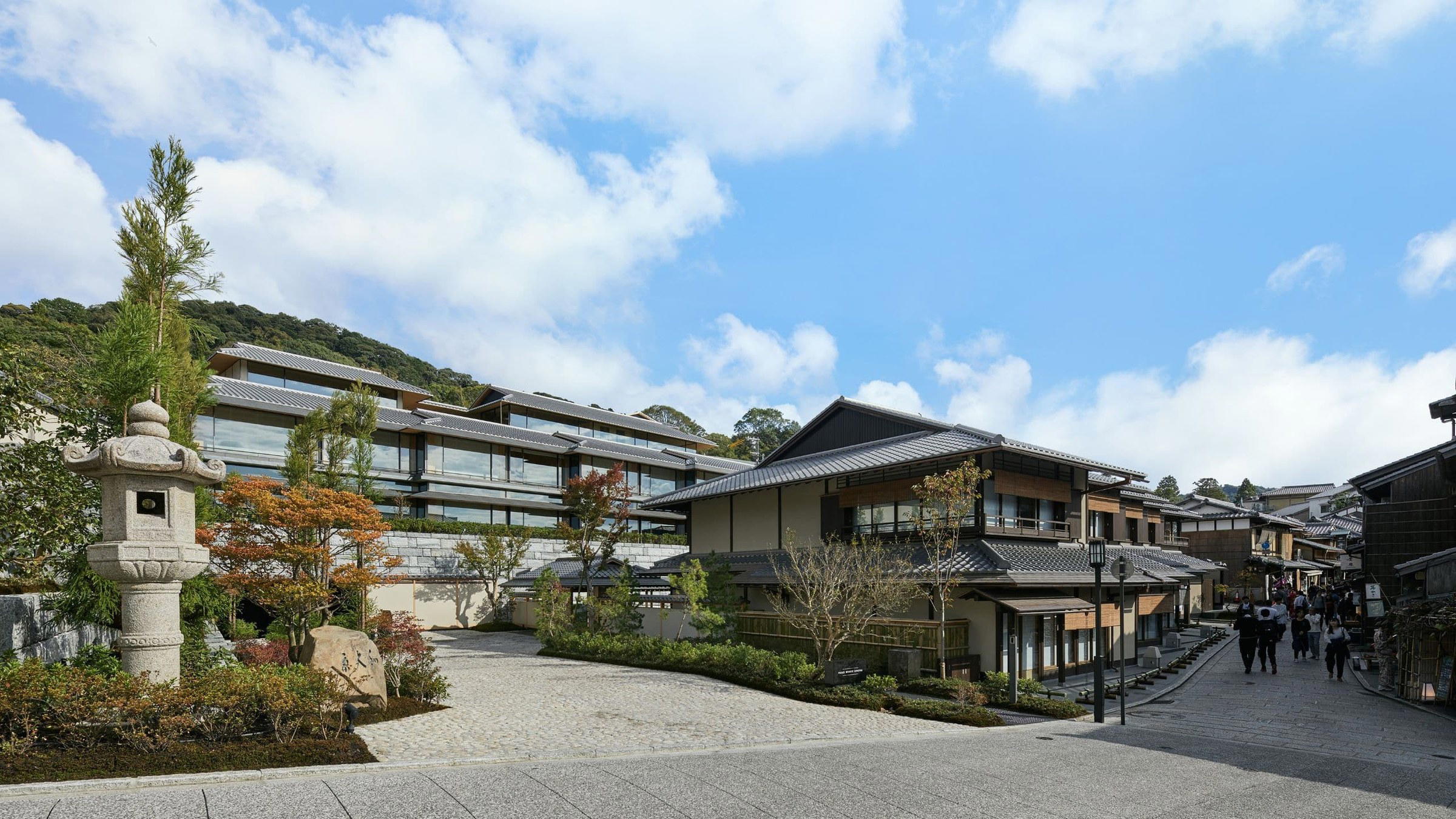
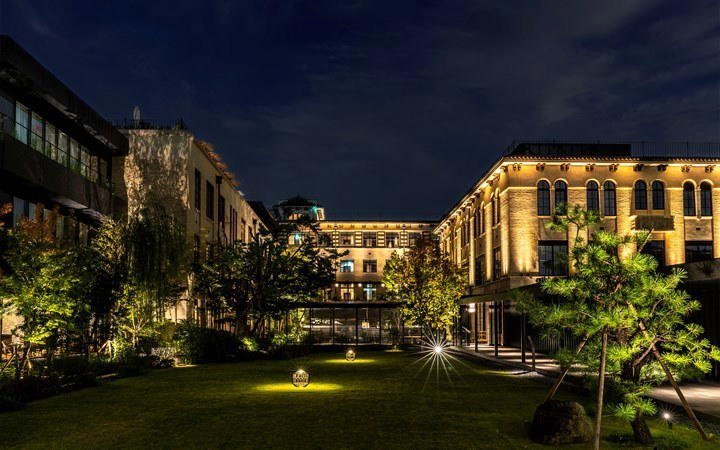
Wineries in Kyoto
Browse all →
At a Glance
- Elegant
- Intimate
- Sophisticated
- Quiet
- Classic
- Special Occasion
- Date Night
- Business Dinner
- Chefs Counter
- Private Dining
- Historic Building
- Sake Program
- Local Sourcing
- Garden
Current opening hours
- Monday
- 6:30–9:30 PM
- Tuesday
- 12–2:30 PM, 6:30–9:30 PM
- Wednesday
- 12–2:30 PM, 6:30–9:30 PM
- Thursday
- 12–2:30 PM, 6:30–9:30 PM
- Friday
- 12–2:30 PM, 6:30–9:30 PM
- Saturday
- 12–2:30 PM, 6:30–9:30 PM
- Sunday
- Closed
Hours can change for holidays and private events. Last verified .
Elegant and relaxing atmosphere with gentle lighting, tatami rooms, sunken seating, and garden views, creating an intimate and sophisticated dining experience.