

1 Michelin Key · Mr & Mrs Smith Seal of Approval · Tatler Listed in Best Hotels Asia-Pacific
The first Ace Hotel in Asia, Ace Hotel Kyoto occupies a Kengo Kuma-designed revision of a 1926 Tetsuro Yoshida telephone exchange in Nakagyo Ward. With 213 rooms, a Michelin-keyed restaurant program, and inclusion in Tatler Best Hotels Asia-Pacific 2025, it positions itself as the city's leading design-forward option for travelers who find heritage luxury hotels either too formal or too predictable.

Pearl is the En Primeur Club membership app, where members save venues, book tables and use the concierge.
A Nakagyo Address and What It Unlocks
Kyoto's hotel geography sorts itself into clear tiers by location. The ryokan belt runs along the eastern wards near Higashiyama and Gion; the international flagships cluster around Higashiyama and the southern museum precincts; and the central Nakagyo Ward sits at the practical core of the city, within walking distance of Nishiki Market, Kawaramachi's shopping and dining, and the covered arcades that connect the two. Ace Hotel Kyoto's address at 245-2 Kurumayacho places it squarely in that central zone, which means guests spend less of their Kyoto time on transit and more of it doing what they came to do.
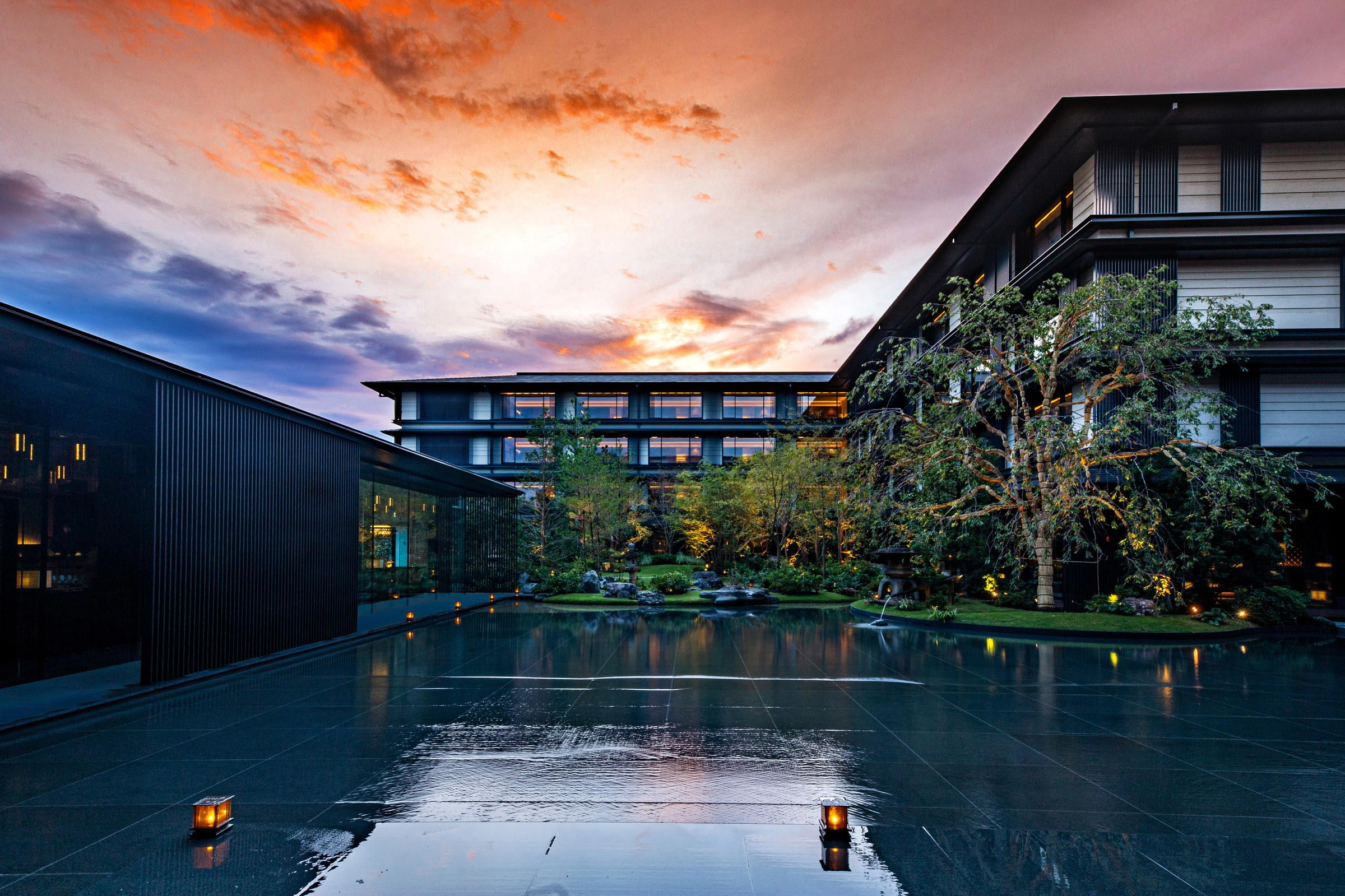
That location advantage is not accidental. The building it occupies, a 1926 telephone exchange designed by Tetsuro Yoshida, already sat at the intersection of old commercial Kyoto and the city's early-modernist civic ambitions. Kengo Kuma's renovation preserved and reinterpreted that history rather than erasing it, which means the hotel carries a neighbourhood story in its bones. For a city as context-conscious as Kyoto, that matters.
The Architecture Is the Argument
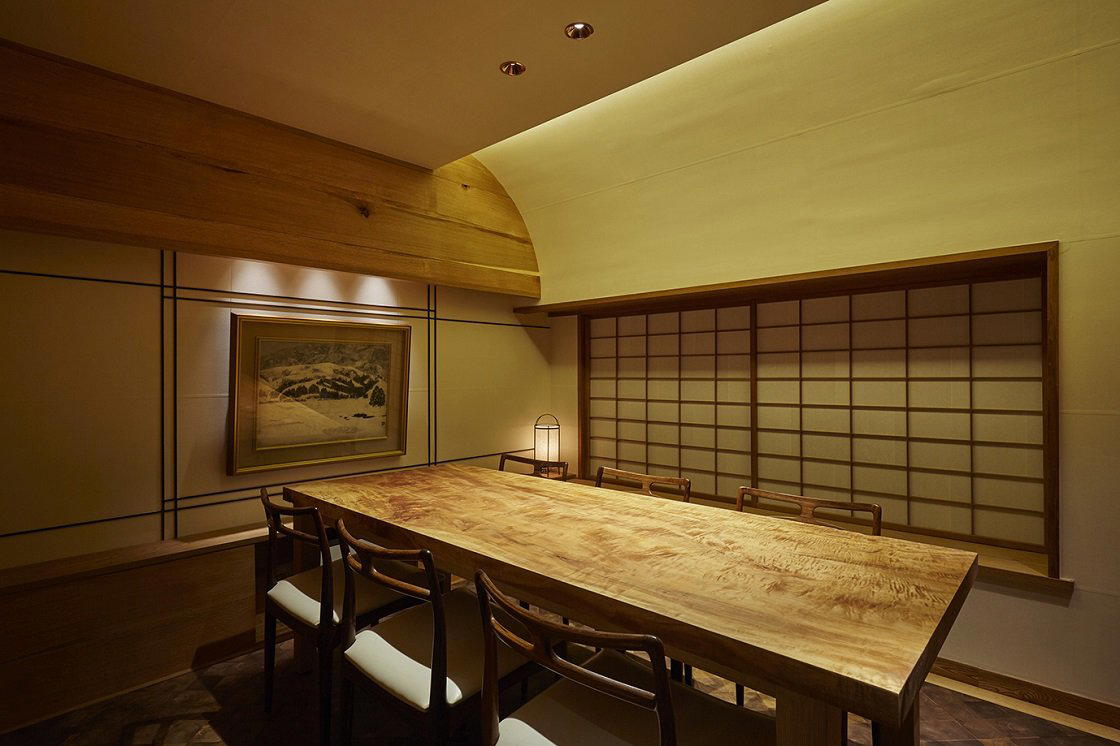
Most international hotel groups entering Kyoto have defaulted to one of two approaches: the ryokan-inflected sanctuary (shoji screens, contemplative gardens, muted stone) or the glass-and-concrete contemporary that treats the city as backdrop rather than reference. Ace Hotel Kyoto, designed by Kengo Kuma with interiors by Commune Design, takes a third route. Kuma's intervention on the Yoshida exchange works with the building's early modernist character rather than against it, producing spaces that feel neither like heritage preservation nor like a foreign import dropped onto Kyoto's streetscape.
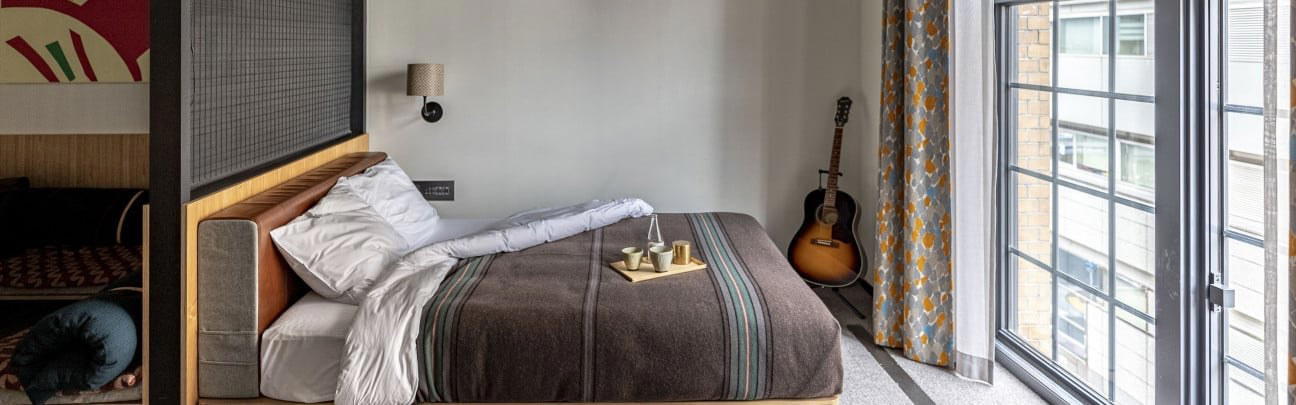
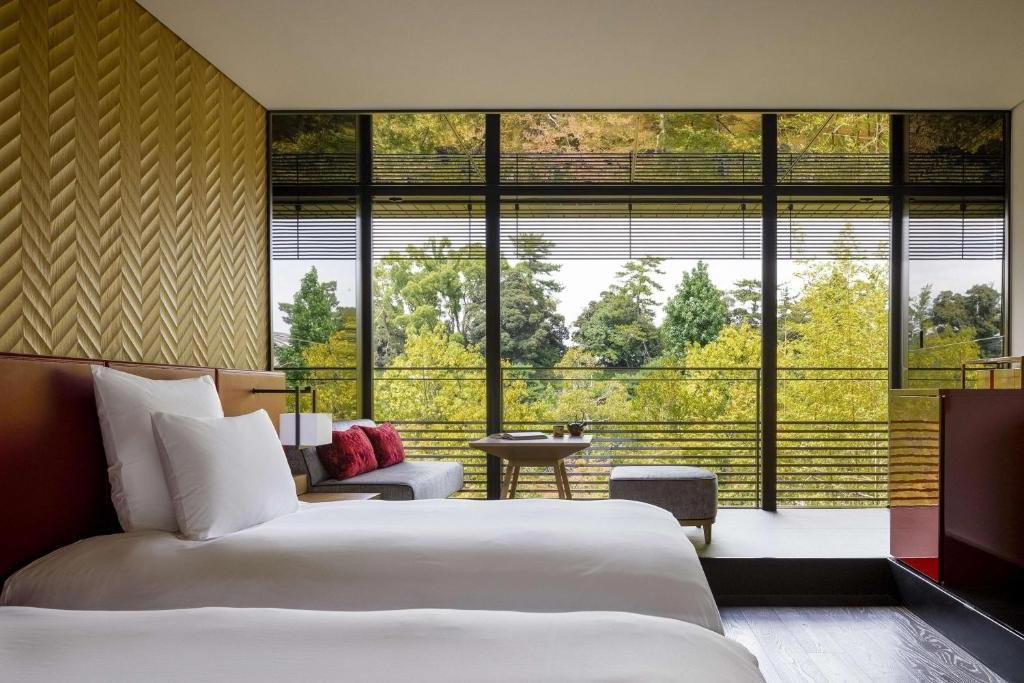
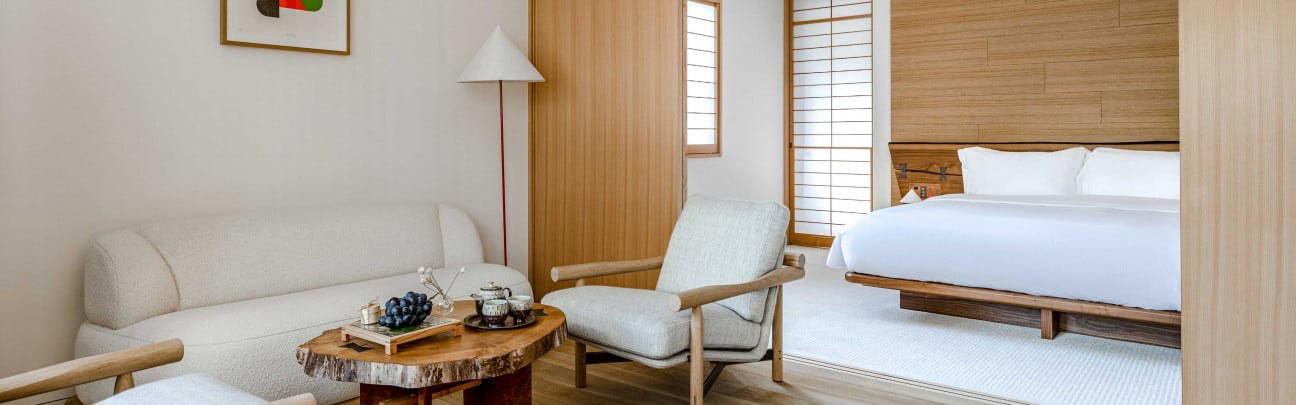
What distinguishes Ace Hotel Kyoto within that group is the explicit rejection of luxury signaling through opulence. The rooms are furnished for a younger, design-literate audience: modernist furniture, in-room turntables, and acoustic guitars as standard features. This is not understatement for its own sake; it reflects a consistent positioning that Ace has applied across its global portfolio, now transplanted to its first Asian outpost.
Tatler Asia's inclusion of Ace Hotel Kyoto in its Leading Hotels Asia-Pacific 2025 list places it in a regional conversation that extends well beyond Kyoto's city limits. In a market where recognition typically flows to heritage-heavy ryokan or international ultra-luxury brands, that acknowledgment signals something about how the design-forward, culture-led tier of hospitality is being received by Asia-Pacific's most influential travel audience.
The Public Spaces and F&B; Program
Where most Kyoto hotels treat their food and beverage operation as ancillary, Ace Hotel Kyoto's program is substantive enough to function as a destination within the destination. The property holds a Michelin Key (2024), a designation applied to the hotel as a whole and reflecting the quality of the overall guest experience, including food and beverage. Two restaurants anchor the offering.
Mr. Maurice operates as an Italian-American restaurant with a rooftop cocktail bar, a format that speaks to Ace's consistent interest in programming public spaces as social infrastructure rather than hotel amenity. The rooftop position matters in this context: Nakagyo's low-rise streetscape means refined sightlines in Kyoto carry more value than in cities where rooftop culture is more common.
Piopiko, a taco bar and cocktail lounge, brings a Los Angeles chef into the mix. The presence of an LA-rooted concept in a Kyoto hotel would read as incongruous in almost any other property; here, it fits the Ace ethos of programming for a globally mobile, culturally promiscuous audience rather than for the visitor seeking a hermetically sealed Japanese experience. Guests at SOWAKA or The Shinmonzen are choosing proximity to the traditional ryokan aesthetic; guests at Ace Hotel Kyoto are choosing something with a different cultural frequency, and the F&B; program reflects that choice honestly.
The lobby also houses Japan's first Stumptown Coffee outlet, a detail that reads as both a brand statement and a practical amenity. In a city where specialty coffee has grown substantially over the past decade, anchoring a hotel lobby with a known specialty operator signals the property's alignment with creative, coffee-literate guests, the same demographic that fills Ace's rooms in New York, London, and Los Angeles.
Kyoto From This Address
The Nakagyo Ward position means the hotel functions as a base for both the eastern temple circuit and the western Arashiyama and Sagano routes, without being strongly optimized for either. Nishiki Market, with its covered street of pickles, tofu, and prepared foods, sits within walking distance, as does the Kawaramachi entertainment and dining district. For guests combining Kyoto with broader Japan travel, the property's proximity to Kyoto Station's Shinkansen connections (reachable by subway from Karasuma Oike, the nearest station) makes it compatible with multi-city itineraries in a way that more peripherally located properties are not.
That practical centrality distinguishes Ace Hotel Kyoto from several of its most obvious peers. Aman Kyoto trades centrality for seclusion near Kinkakuji; Dusit Thani Kyoto and Fufu Kyoto each serve different proximity propositions. The choice between them is partly about style and partly about how a guest plans to move through the city. For guests who want to walk to Nishiki, cycle to Fushimi Inari, and be back at the hotel bar by 10pm without a taxi, the Nakagyo address is an asset that compounds over the length of a stay.
Planning Your Stay
Rates begin at approximately $433 per night, which positions the property at the accessible end of Kyoto's upper-bracket hotel tier; Park Hyatt Kyoto and Four Seasons Hotel Kyoto both sit meaningfully higher. With 213 rooms, Ace Hotel Kyoto carries more inventory than the intimate flagships like The Shinmonzen, which means last-minute availability is more realistic than at tighter properties, though cherry blossom season (late March to mid-April) and autumn foliage season (mid-October to mid-November) will compress that window significantly. For wider Japan context, the hotel is a reasonable staging point for excursions to Gora Kadan in Hakone, Asaba in Izu, or Nishimuraya Honkan in Kinosaki-cho for travelers building multi-stop itineraries. Kyoto's broader hotel and restaurant scene is covered in our full Kyoto restaurants guide.
For travelers prioritizing architecture-led design stays elsewhere in Japan, comparable references in the EP Club portfolio include Benesse House in Naoshima, where the building-art relationship is similarly central to the guest proposition, and ENOWA Yufu in Yufu for a newer design-focused property in a more remote setting. For Ace's own global peer group in the Americas and Europe, Aman New York and The Fifth Avenue Hotel occupy a comparable design-conscious tier in New York City.
A Lean Comparison
Comparable venues nearby, for context on price, style, and recognition.
| Venue | Price | Awards | Notes |
|---|---|---|---|
| Ace Hotel KyotoThis venue (the venue you are viewing) | $200–300 | 1 Michelin Key · Mr & Mrs Smith Seal of Approval | Not listed |
| Garrya Nijo Castle Kyoto | Not listed | 1 Michelin Key | Nakagyō, Modern Japanese luxury boutique blending tradition and contemporary design |
| MUNI KYOTO by Onko Chishin | Not listed | 1 Michelin Key · Michelin Guide New Hotels New Hotel | Ukyō, Contemporary luxury riverside retreat blending Japanese tranquility with modern design |
| ROKU KYOTO, LXR Hotels & Resorts | Not listed | 1 Michelin Key · La Liste Top Hotels | Kita, Mountain resort blending Japanese artisanship with modern luxury |
| Hiiragiya | $500–750 | 1 Michelin Key | Nakagyō, Traditional Japanese ryokan blending Edo-Meiji heritage with modern comforts |
| Suiran, a Luxury Collection Hotel, Kyoto | Not listed | 1 Michelin Key · La Liste Top Hotels | Ukyō, Traditional Japanese luxury ryokan blended with modern amenities |
Recognition history
Dated appearances from independent guides and award organizations, with the underlying list record or original source where available.
Michelin 1 Key
Michelin
Mr & Mrs Smith Seal of Approval
Mr & Mrs Smith
Tatler Listed in Best Hotels Asia-Pacific
Tatler
Full recognition history (5 entries)
Michelin 1 Key
Michelin
Michelin 1 Key
Michelin
Continue exploring
More in Kyoto
Hotels in Kyoto
All hotels in Kyoto →
Bars in Kyoto
All bars in Kyoto →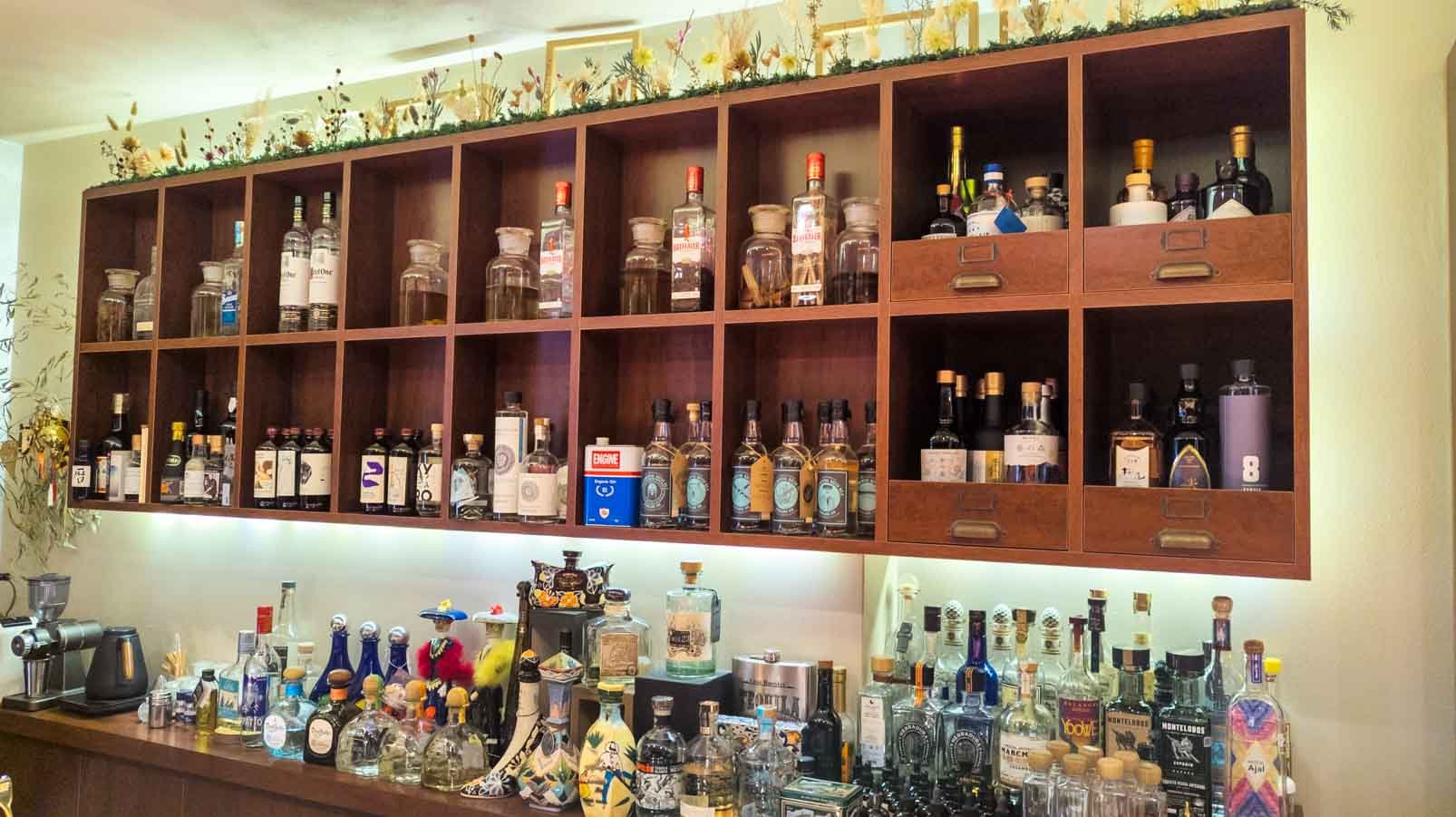
Restaurants in Kyoto
All restaurants in Kyoto →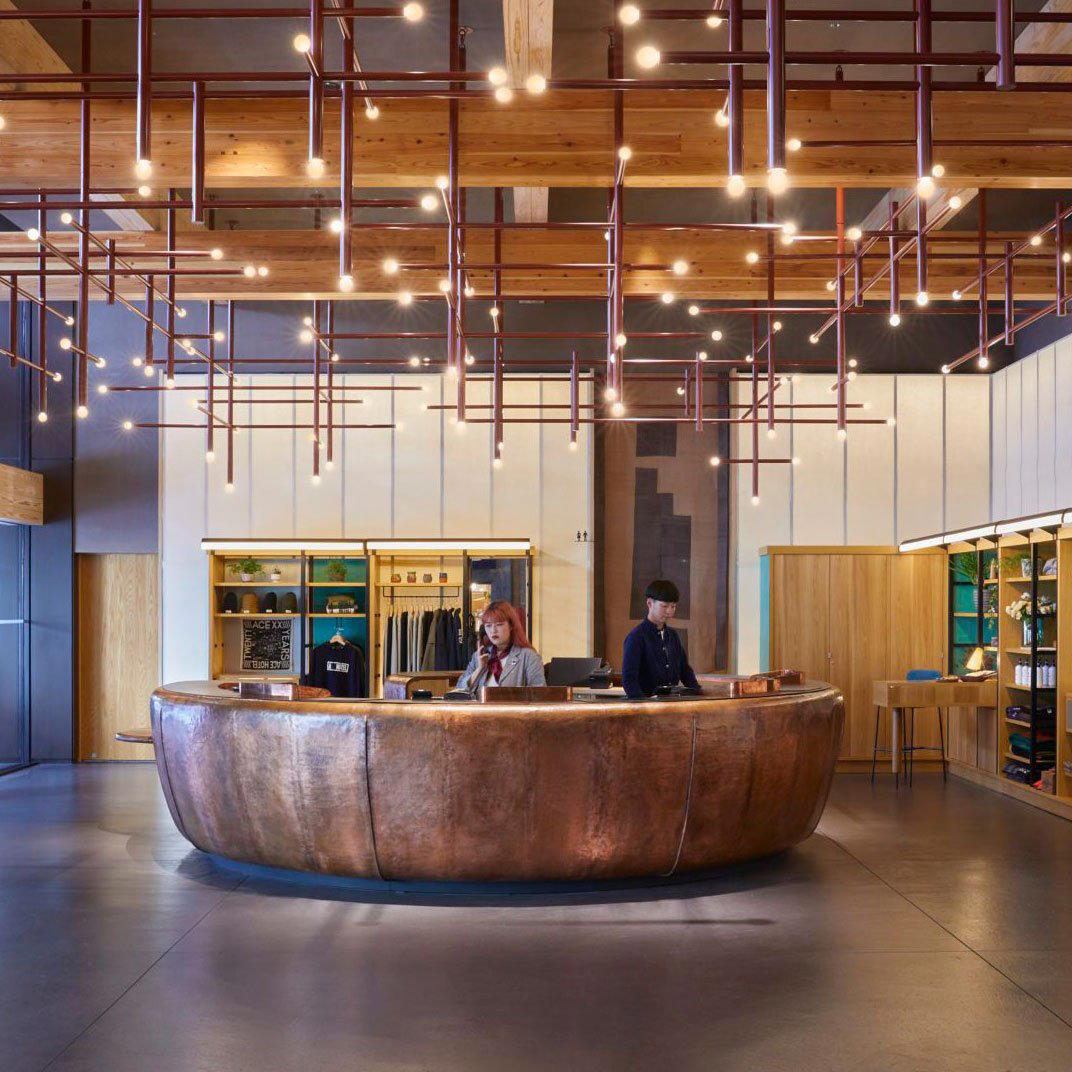
Wineries in Kyoto
Browse all →
Details
- Modern
- Trendy
- Minimalist
- Weekend Escape
- Business Trip
- Garden
- Historic Building
- Design Destination
- Wi Fi
- Fitness Center
- Room Service
- Concierge
- Garden
- Street Scene
- Wheelchair Accessible
- Elevator
- Step Free Entrance
- Accessible Parking
Stylish and relaxed fusion of Japanese and Western elements with natural materials, soft lighting, and a lively yet comfortable lobby atmosphere.