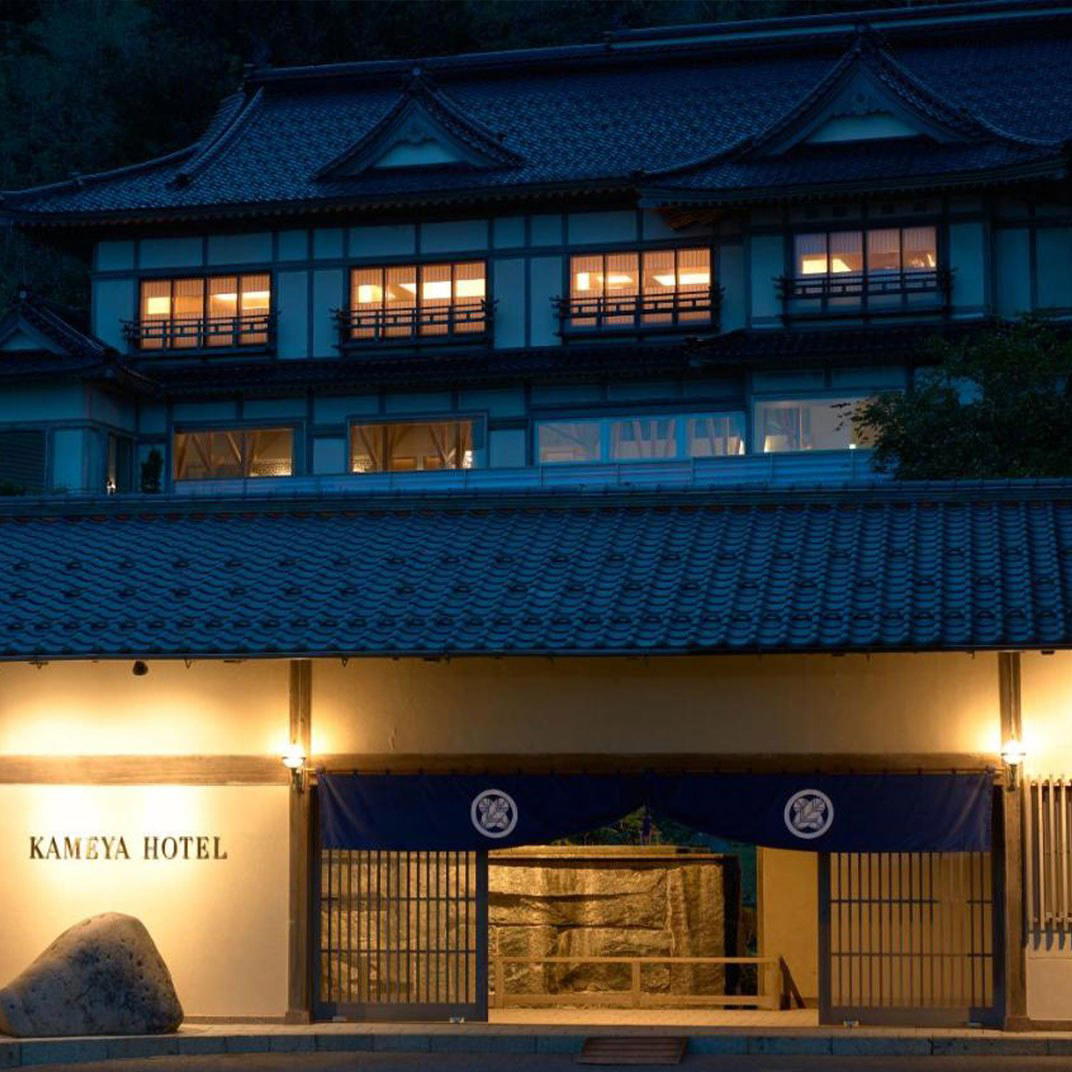
出羽屋
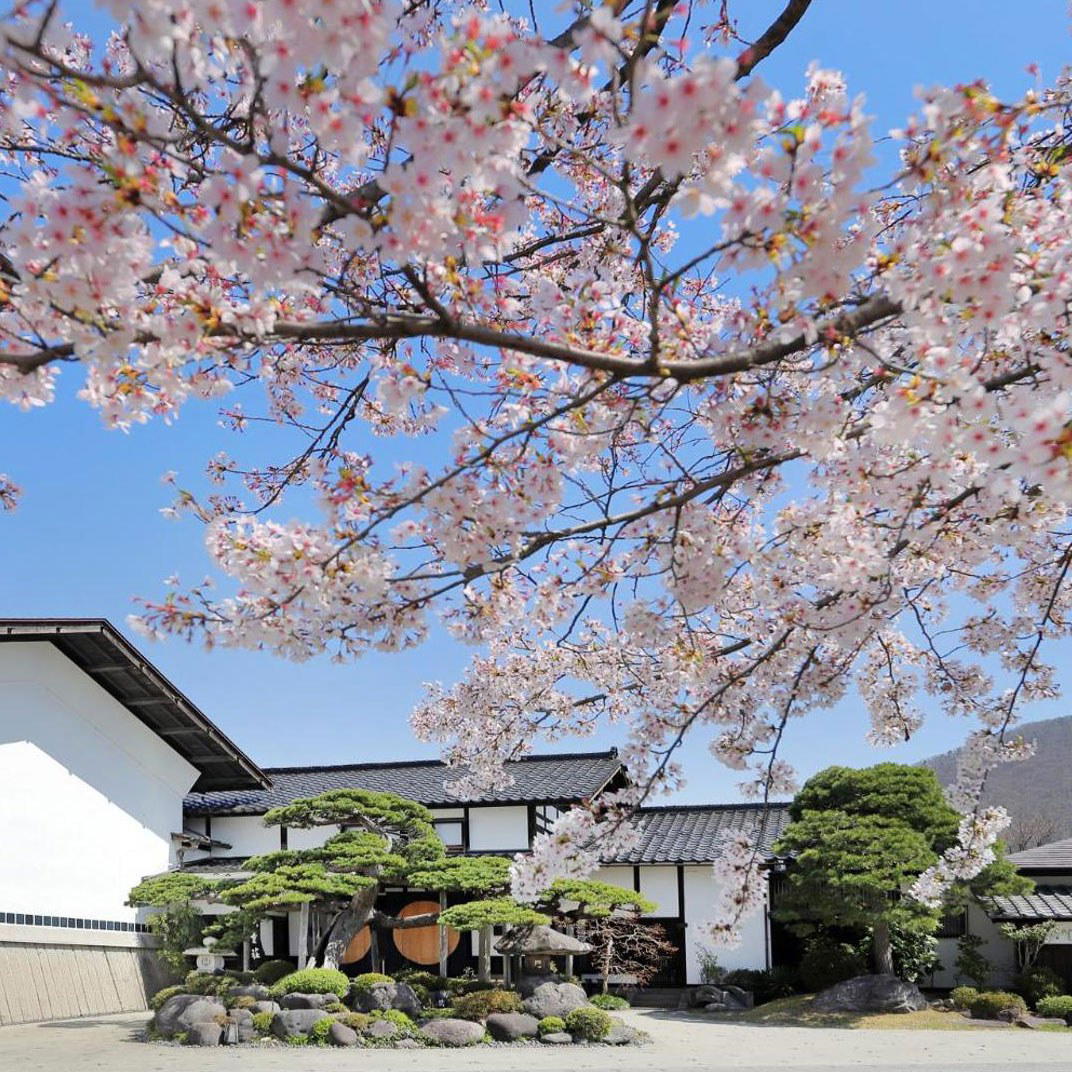
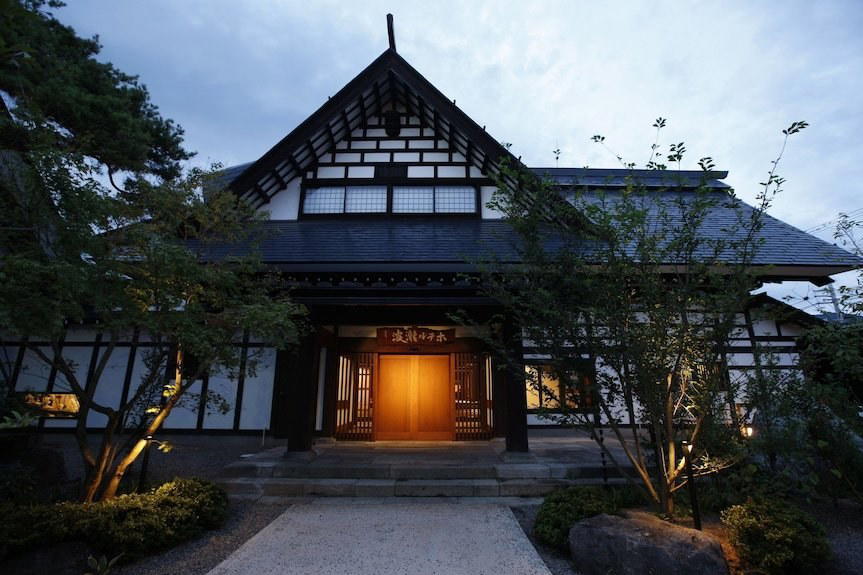
In the Nishimurayama District of Yamagata Prefecture, 峯羽屋 occupies a specific position within rural Tohoku's slow-food tradition, where proximity to mountain ingredients and seasonal agriculture shapes what reaches the table. The surrounding landscape of Nishikawa Machi, known for its rice cultivation and snowmelt water, provides the kind of provenance-first context that defines this category of regional Japanese dining.
Pearl is the En Primeur Club membership app — saves, bookings, and concierge access live there. Same editors, same standards.
- Address
- Japan, 〒990-0703 Yamagata, Nishimurayama District, Nishikawa, Mazawa, 58
- Phone
- +81 237-74-2323
- Website
- dewaya.com
- Directions
- Get directions
 Saves & bookings on Pearl
Mountain Provenance and the Tohoku Table
Yamagata Prefecture sits in a distinct tier of Japanese regional dining that rarely draws the international attention of Kyoto kaiseki or Tokyo omakase, but operates by its own rigorous logic. The Nishimurayama District, where 峯羽屋 is located in Mazawa, Nishikawa Machi, is part of an agricultural corridor defined by snowmelt water from the Gassan massif, cold-climate rice varieties, and a foraging tradition that predates modern restaurant culture. In this context, ingredient provenance is not a marketing position, it is simply the operational reality of cooking in a place where the seasons arrive abruptly and local supply chains are the only reliable ones. For a broader sense of how regional Japanese dining operates across the country, our full Nishikawa Machi restaurants guide maps the local scene in more detail.
What the Setting Communicates Before the Food Arrives
Approaching Nishikawa Machi from the direction of Yamagata City, the topography shifts noticeably as the Mogami River valley narrows and the altitude climbs. Rural Yamagata operates on a different register to urban Japanese dining, there is no ambient hum of a city neighbourhood, no pedestrian foot traffic filtering past the window. The physical environment of this part of Tohoku, with its rice paddies, cedar forests, and winter snowfall among the heaviest in Japan, makes the sourcing question impossible to separate from the atmosphere question. A restaurant embedded here is already making a statement about its supply chain before a single dish is served. This is the same logic that drives destination dining in other ingredient-led regions globally, from the farming hinterlands of coastal Japan to the kind of farm-to-counter formats emerging in places like Lazy Bear in San Francisco, where the sourcing narrative is central to the format rather than incidental to it.
Tohoku's Ingredient Geography and Why It Matters
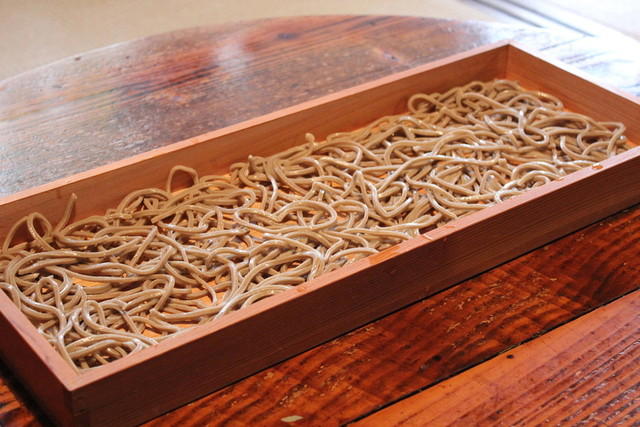
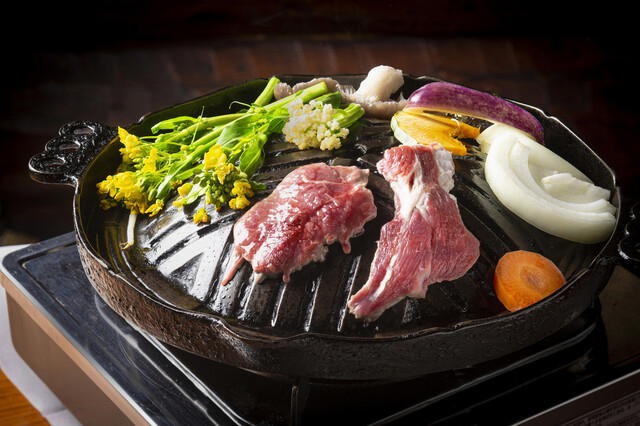
Yamagata Prefecture has a documented claim on several ingredient categories that matter to serious Japanese cooking. Yamagata beef sits within the wagyu designation system alongside better-known regional brands. The prefecture's soba cultivation benefits from the same cold, high-altitude conditions that concentrate flavour in buckwheat. Mountain vegetables, warabi fern, kogomi, and various sansai, arrive in spring in quantities that define the local eating calendar. Nishikawa Machi specifically sits at the foot of Gassan, one of the three sacred mountains of Dewa Sanzan, where the snowmelt water cycle produces conditions suited to cold-water aquatic species and irrigates some of the prefecture's highest-regarded rice fields. These are the raw materials that any kitchen operating in this microregion has access to, and they represent a provenance argument that does not need to be manufactured, it exists by geography.
This is a different conversation from what happens at, say, HAJIME in Osaka, where French technique and innovative structure frame the ingredient story, or at Harutaka in Tokyo, where sourcing is filtered through the specific disciplines of high-end Edomae sushi. Rural Tohoku dining tends to present its ingredients with less formal architecture, the tradition is closer to the material itself. That lack of formal mediation is part of the point.
Regional Dining in Yamagata: The Competitive Context
Yamagata City has Michelin-listed restaurants, and the prefecture's sake breweries have helped establish a food-pairing culture that stretches beyond the city. But the Nishimurayama District is not Yamagata City. Restaurants operating in smaller rural settlements like Nishikawa Machi occupy a different position in the dining ecosystem, they serve local and regional visitors, seasonal travellers drawn by the Gassan hiking season or Dewa Sanzan pilgrimage routes, and occasional out-of-prefecture visitors making deliberate detours. The audience shapes the format, and the format tends toward the accessible rather than the ceremonial. This is not the kaiseki register of Gion Sasaki in Kyoto or the precision tasting format of akordu in Nara. Rural Yamagata dining operates closer to the ingredient source and with considerably less ritual distance between the kitchen and the table.
Other regional Japanese kitchens working in similarly specific terroir contexts include affetto akita in Akita, another Tohoku prefecture with a distinct cold-climate ingredient identity, and aki nagao in Sapporo, where Hokkaido's agricultural breadth informs a different kind of regional cooking. The through-line across all of them is that geography is the primary editorial voice. The chef translates rather than authors.
Practical Considerations for Visiting Nishikawa Machi
Nishikawa Machi is not a drop-in destination. Reaching Mazawa from Yamagata City requires a car or deliberate use of local transport, and the area's dining options reflect a rural timetable rather than an urban one. The Gassan ski area and the Dewa Sanzan pilgrimage circuit bring seasonal traffic, spring and summer for mountain access, winter for skiing, and advance contact with any restaurant in the area is advisable before making the journey. Visitors combining Nishikawa Machi with a broader Tohoku itinerary might also consider restaurants in neighbouring prefectures: Aji Arai in Oita, Ajidocoro in Yubari District, and Amaki in Aichi each represent different facets of Japan's regional dining culture, and planning across multiple stops takes full advantage of a journey this far from the major urban centres. For those building a Japan-wide itinerary that also includes highly decorated urban restaurants, reference points like Goh in Fukuoka, Abon in Ashiya, Akakichi in Imabari, Amegen in Saga, anchoa in Kanagawa, and Arakawa in Hyogo provide useful calibration for how rural Yamagata fits within Japan's broader dining spectrum. For international comparison on what ingredient-led destination dining looks like at a high level, Le Bernardin in New York City demonstrates how sourcing discipline operates in a formally structured format, though the register could not be more different from a rural Tohoku table.
Comparable Venues
Comparable venues nearby, for context on price, style, and recognition.
| Venue | Cuisine | Price | Notes |
|---|---|---|---|
| 出羽屋This venue — the venue you are viewing | japanese | Not listed | Not listed |
| カドヤ食堂 本店 | Classic Osaka Chuukasoba Ramen | $$ | Nishi-Ku / Nishi-Nagahori |
| Boteyan (ぼてやん多奈加) | Square Okonomiyaki Specialist | $$ | Toyama Station area |
| Tengoku | Retro Japanese Cafe | $$ | Asakusa |
| Nagomi (和海) | Specialty Ramen | $$ | Mukogawa |
| Hana Goori Kakigori | Japanese Kakigori (Shaved Ice) | $$ | Roppongi |
Continue exploring