



Kyokaiseki Kichisen belongs to Kyoto’s formal kaiseki tier, where seasonality, dashi, tableware and room protocol matter as much as luxury signals. Its recognition includes Michelin two-star status in 2024 and 2025, La Liste 81.5 points in 2025, and a 2026 Tabelog Award Bronze, placing it among the city’s serious Japanese dining rooms rather than casual temple-district stops.
Pearl is the En Primeur Club membership app — saves, bookings, and concierge access live there. Same editors, same standards.
- Address
- Japan, 〒606-0805 Kyoto, Sakyo Ward, 下鴨糺ノ森森本町五
- Phone
- +81 75-711-6121
- Website
- kichisen-kyoto.com
- Directions
- Get directions
 Saves & bookings on Pearl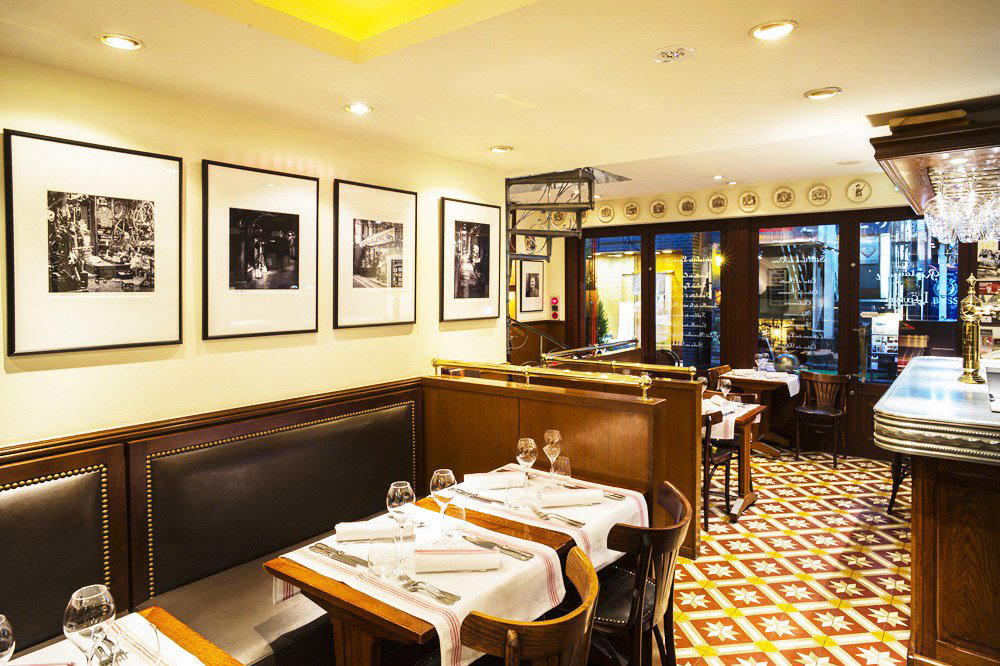
The approach to Shimogamo gives this restaurant a Kyoto setting with unusual force: shrine precinct, old forest and the quieter northern edge of the city, not the denser restaurant streets around Gion or Kawaramachi. That matters because kaiseki is not simply small plates in sequence. In Kyoto, the form is tied to season, ceremony, architecture and the discipline of knowing when not to crowd the table. Kyokaiseki Kichisen works in that register, closer to a cultural dining format than a conventional luxury restaurant.
Kyoto has several styles of high-end Japanese dining. Some rooms lean toward kappo immediacy, with counter conversation and à la minute cooking as the draw. Others preserve older kaiseki grammar: progression, temperature, lacquer, ceramic choice and the steady appearance of seasonal produce as the meal’s argument. In that camp, the question is not whether the cooking feels elaborate, but whether refinement remains legible without becoming theatre.
Kyoto kaiseki measured through dashi, season and restraint
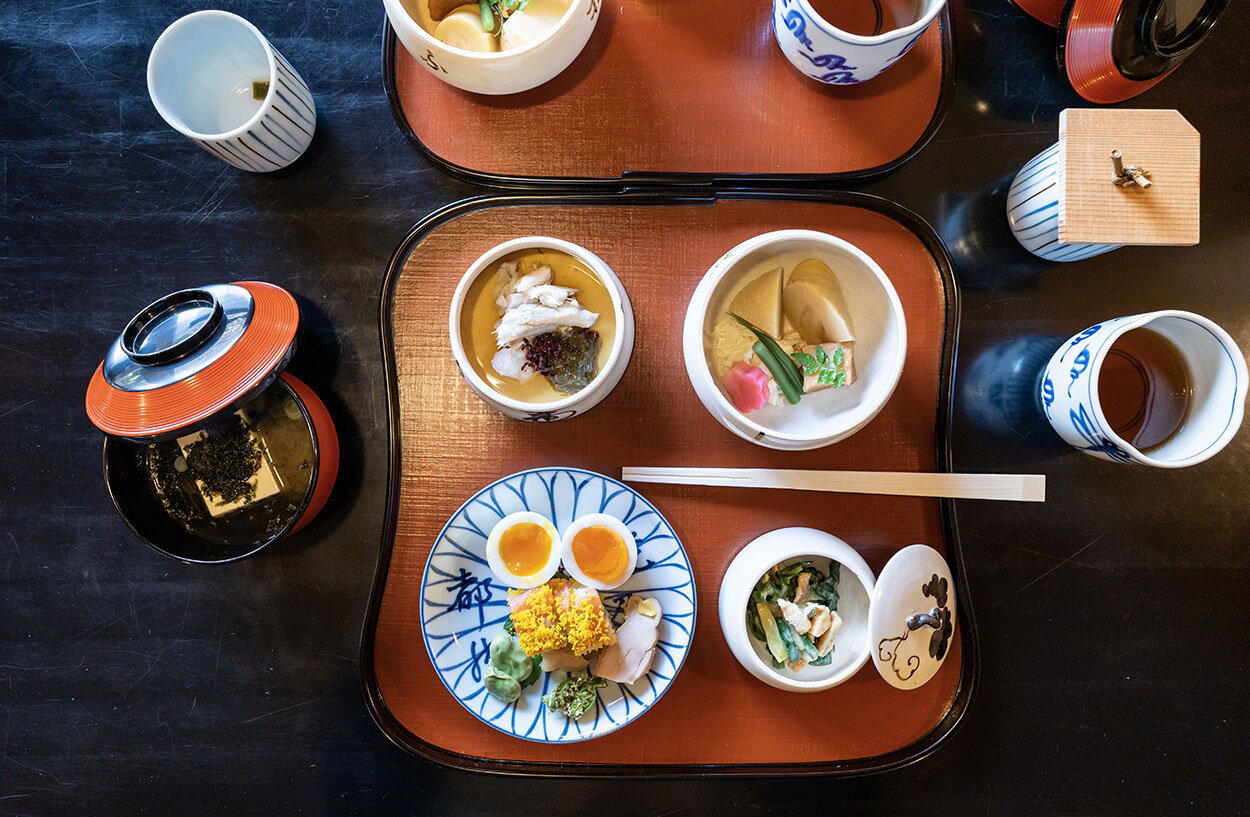
The ingredient logic is the core reason to pay attention. Kyoto kaiseki is built on calibrated dashi, vegetables that carry the month, fish handled for clarity rather than weight, and garnishes that signal the calendar without explanation. The city’s older dining culture prizes precision that can look quiet to diners used to louder tasting-menu formats. The work is in extraction, timing and proportion: broth that frames rather than dominates, rice or soup service that resets the room, and plates that treat produce as the main statement even when seafood is present.
That makes Kyokaiseki Kichisen different from Kyoto restaurants where the thrill is more kinetic. Compared with Shimogamo Saryo, nearby and in a lower price bracket, this address belongs to a more rarefied tier. Kokyu, Tokuha Motonari and Doppo occupy the same broad luxury category, while Nishijin Fujiyoshi offers another route into Kyoto Japanese dining at a gentler tariff. The distinction is not a simple ladder of expense, but a choice between forms: shrine-side kaiseki, counter-led Japanese cooking, and more flexible rooms that bridge restaurant and ryotei traditions.
The recognition profile supports that position. Kyokaiseki Kichisen carries a 2026 Tabelog Award Bronze and has appeared across multiple Tabelog Award years, including a Silver in 2018 and Bronze listings in 2017, 2019, 2020, 2021, 2022 and 2026. It was also selected for Tabelog Japanese Cuisine WEST 100 in 2021 and 2023. Opinionated About Dining placed it at number 186 in Japan in 2025, after number 142 in 2024 and number 136 in 2023. For a Kyoto kaiseki room, that pattern says more than a single accolade: the restaurant has stayed visible to domestic diners and international ranking systems through several seasons of changing restaurant fashion.
A formal room without the hotel-restaurant gloss
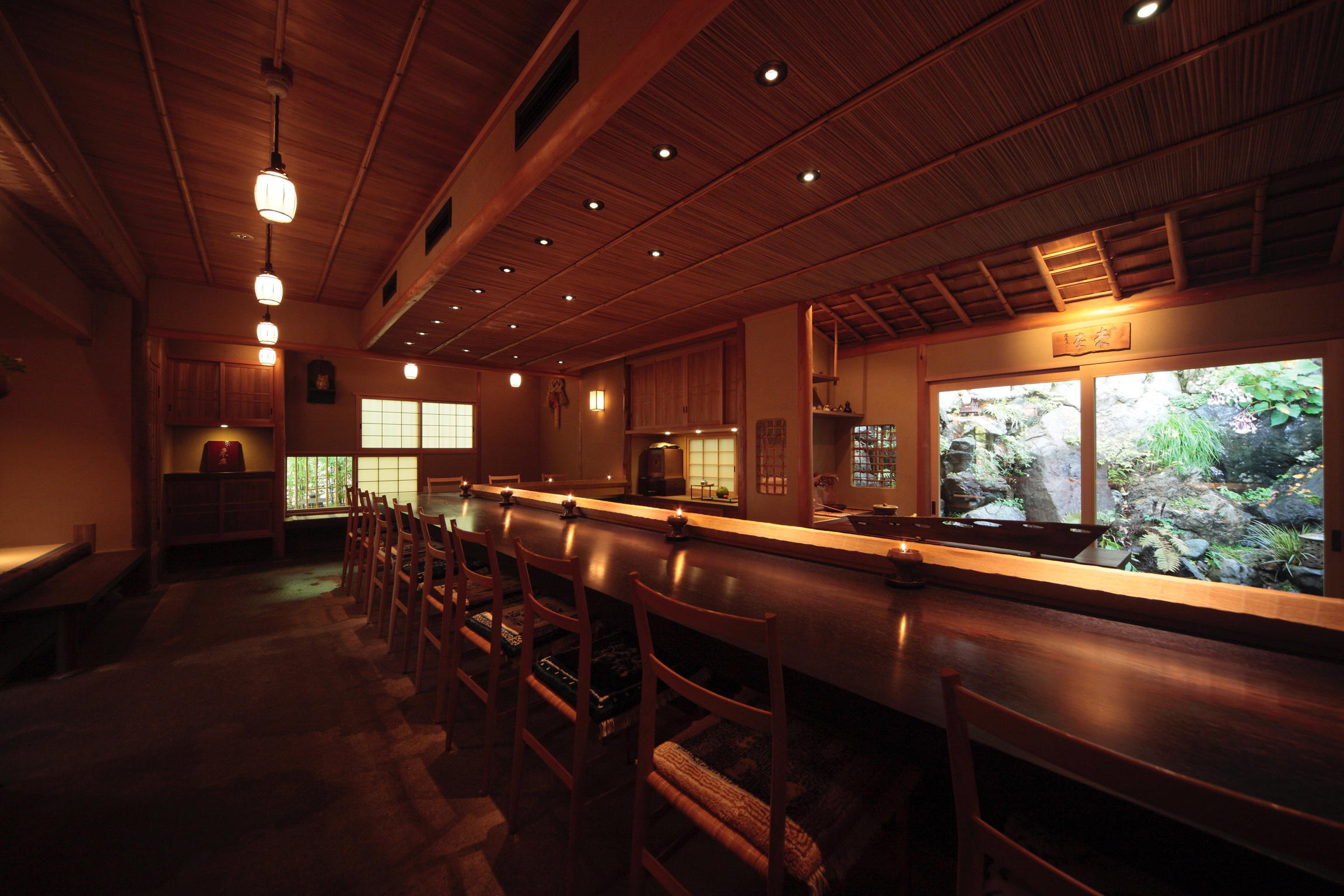
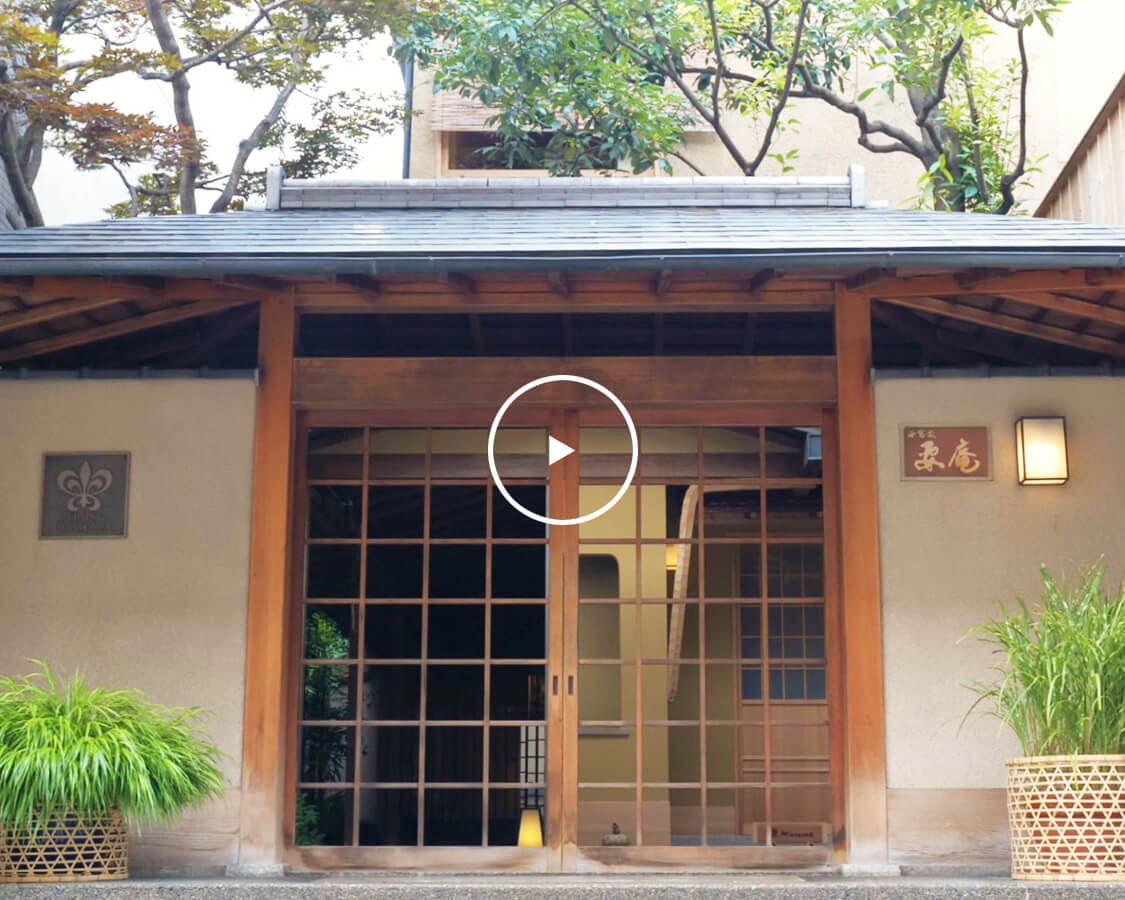
Capacity and configuration shape the experience as much as the food. The restaurant lists a small counter, private rooms for several party sizes, tatami spaces and a tea room, placing it closer to the layered Kyoto model than the single-room tasting-menu format common in newer destination restaurants. Private rooms change kaiseki’s rhythm: conversation lowers, service becomes more choreographed, and the meal reads as a contained occasion rather than a public performance.
Chef Yoshimi Tanigawa is the named figure, but the better way to understand the restaurant is through the tradition he works inside. Kyoto kaiseki does not reward personality-driven excess. It rewards command of sequence, control of temperature, and the ability to let the season read through the materials. The chef’s role is less authorial manifesto than custodian of a form under constant scrutiny from local diners who know the grammar.
The price tier also filters expectations. This is not the Kyoto meal for casual grazing between temples, nor for diners wanting a fast introduction to Japanese cuisine. It sits in the formal Japanese dining bracket where reservations, pacing and ceremony are part of the value. Lunch and dinner are separate opportunities in Kyoto kaiseki culture: lunch can be a cleaner way to read the room and setting, while dinner generally carries the stronger sense of occasion. The restaurant’s structure, including private rooms and a counter, gives different parties different relationships to the meal.
How to place it within a Kyoto trip
For travellers building a serious Kyoto itinerary, this reservation should anchor a quieter day in the north of the city, not be squeezed between transit and nightlife. The surrounding Shimogamo area rewards slower movement, and the format suits guests ready for a measured meal rather than a checklist dinner.
Families have a clearer opening here than at many formal Japanese rooms because a children’s menu is listed, though the setting remains expensive and structured. Children who can sit through a paced Kyoto meal will be better served than those expecting a casual restaurant format. The room is non-smoking, private rooms are available, and payment by major credit card is accepted, reducing some friction that can accompany older Japanese dining rooms.
Readers comparing Kyoto options can use the broader city map to decide how formal they want the meal to be. For nearby Japanese dining references, see Aji Fukushima, Aoikonshin Yamada, Ayanokoji Karatsu, Chiso Aida and Choshoku Kishin. Broader planning sits in Our full Kyoto restaurants guide, with context from Our full Kyoto hotels guide, Our full Kyoto bars guide, Our full Kyoto wineries guide and Our full Kyoto experiences guide.
For a wider Japanese dining frame beyond Kyoto, EP Club also covers -Grilled beef Sukiyaki- KAMAKURA TANUKIAN 鎌倉 たぬき庵 in Kamakura. 鮪と炭火焼き うお炭 秋葉原店 in Tokyo.cafe in Osaka.know in Kumamoto, (Shoku) Vietnam in Kawasaki, [Curry Senmon Ten] Maruyama Kyoju. in Sapporo, 715, Japanese in Los Angeles and 99 sushi bar, Japanese in Alcobendas.
A Tight Comparison
Side-by-side context: comparable cuisine and price.
| Venue | Cuisine | Price | Notes |
|---|---|---|---|
| Kyokaiseki KichisenThis venue — the venue you are viewing | Sakyō, Kyoto Kaiseki | $$$$ | Not listed |
| Gion Matayoshi | Not listed | $$$$ | Higashiyama, Michelin 2-Star Kaiseki |
| Yusokuryori Mankamero | Kamigyō, Yusoku Ryori & Kaiseki | $$$$ | Not listed |
| Gion Maruyama | Higashiyama, Kyoto Kaiseki | $$$$ | Not listed |
| Gion Nishikawa | Higashiyama, Michelin-Starred Kaiseki | $$$$ | Not listed |
| Miyamaso | Shimogyō, Tsumikusa Kaiseki | $$$$ | Not listed |
Recognition history
Dated appearances from independent guides and award organizations, with the underlying list record or original source where available.
Michelin 2 Stars
Michelin
Opinionated About Dining Top Restaurants in Japan Highly Recommended
Opinionated About Dining
Tabelog Bronze #175
Tabelog
La Liste Top Restaurants
La Liste
Michelin 2 Stars
Michelin
Opinionated About Dining Top Restaurants in Japan Ranked #186
Opinionated About Dining
Michelin 2 Stars
Michelin
Opinionated About Dining Top Restaurants in Japan Ranked #142
Opinionated About Dining
Opinionated About Dining Top Restaurants in Japan Ranked #136
Opinionated About Dining
Continue exploring
More in Kyoto
Restaurants in Kyoto
Browse all →
Bars in Kyoto
Browse all →
Hotels in Kyoto
Browse all →
Wineries in Kyoto
Browse all →
At a Glance
- Elegant
- Sophisticated
- Intimate
- Quiet
- Classic
- Date Night
- Special Occasion
- Private Dining
- Historic Building
- Sake Program
- Garden
Current opening hours
- Monday
- 12–2 PM, 6–9 PM
- Tuesday
- 12–2 PM, 6–9 PM
- Wednesday
- 12–2 PM, 6–9 PM
- Thursday
- 12–2 PM, 6–9 PM
- Friday
- 12–2 PM, 6–9 PM
- Saturday
- 12–2 PM, 6–9 PM
- Sunday
- 12–2 PM, 6–9 PM
Hours can change for holidays and private events. Last verified .
Subdued and serene atmosphere in private tatami rooms or counter seating, with graceful service and artistic dish presentations evoking traditional Japanese tranquility.