






World's 50 Best #3 · SCMP 100 Top Tables Bars · Food & Wine Top 10 Global Bars #9
Bar Leone brings Italian-accented cocktail culture into Central’s dense drinking circuit, where the ritual matters as much as the glass: pacing, seating, aperitivo instincts, and late-evening momentum. Its 2026 OAD Casual in Asia ranking at No. 52 gives it a credible regional signal without turning the experience into a trophy stop.

Pearl is the En Primeur Club membership app, where members save venues, book tables and use the concierge.
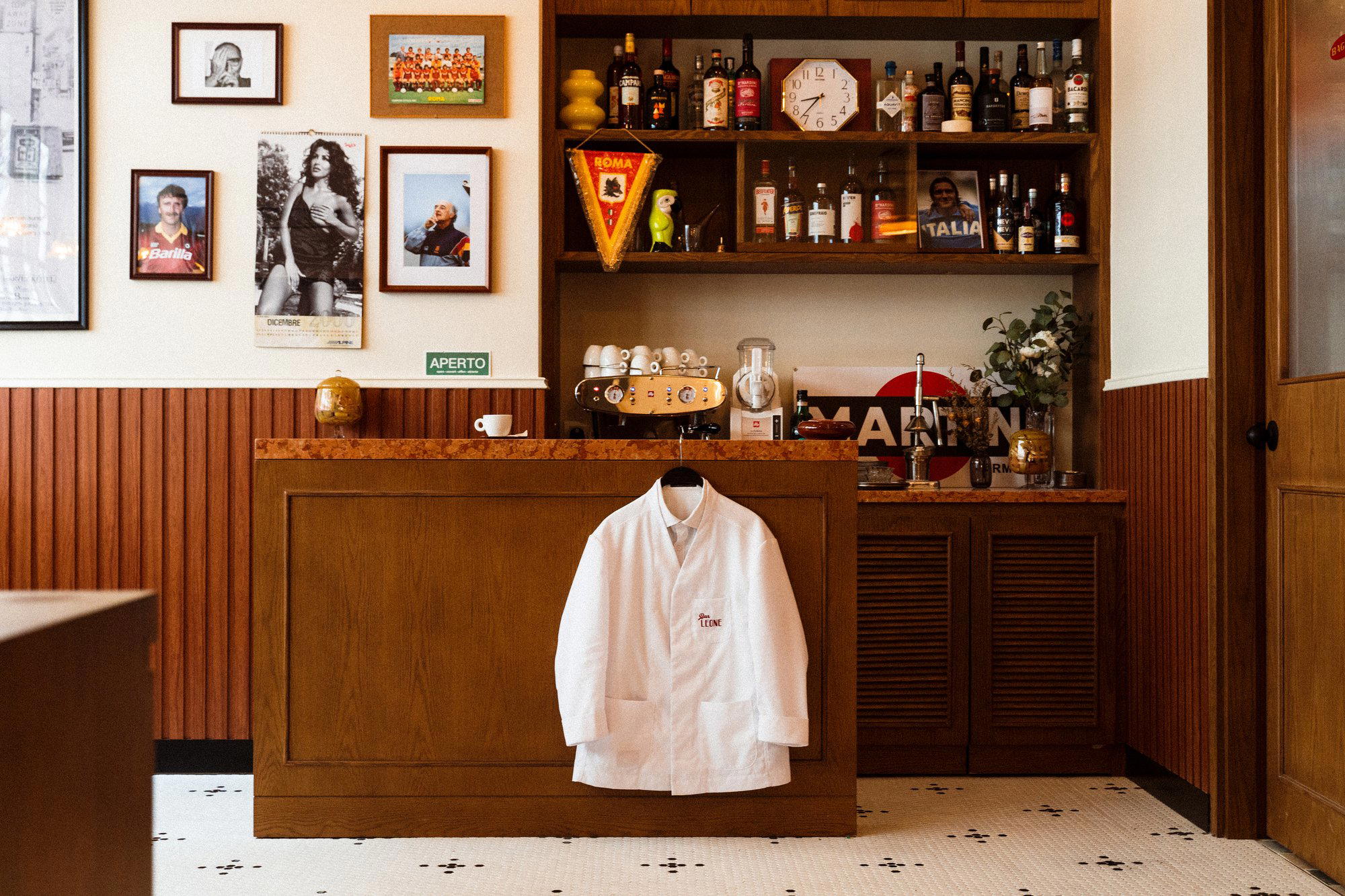
After office hours, Hong Kong changes texture quickly: shutters drop, staircases fill, and drinking routes tighten around narrow streets where the first decision is not what to order, but how to settle in. Bar Leone belongs to that Hong Kong rhythm, a cocktail bar shaped less by spectacle than by the social grammar of a serious bar: arrive with time, read the room, drink in sequence, and let the evening gather speed.
That ritual matters in Hong Kong, whose cocktail culture has long toggled between polished service, technical ambition, and neighbourhood bars with serious drinks behind casual posture. Bar Leone sits in that last broad category. Its recognition as No. 52 on the 2026 OAD Casual in Asia ranking places it in a regional conversation where informality is not the opposite of ambition. This is not a dining room masquerading as a bar, nor a photo-first concept. In a casual category, repeatability, mood, service rhythm, and drink clarity carry the weight.
Cocktail bar manners in a Hong Kong drinking district
The bar reference point changes expectations. In many serious cocktail rooms, guests submit to menu architecture: signatures, clarified serves, distinctive glassware, technical explanations. A more socially paced bar works differently. Pleasure is in cadence. A first drink opens the evening rather than announcing the bartender’s full vocabulary; conversation is part of the format; food, if taken, supports the drinking rather than interrupts it. Lorenzo Antinori’s presence gives the idea authorship without turning the night into a chef-led narrative.
Hong Kong suits this room. The city compresses high spending, late hours, and international drinking habits into small pockets, especially in its busiest drinking areas. The audience is demanding: guests know the difference between good lighting and a disciplined program. Bar Leone’s place in that circuit is built on restraint, not secrecy. Its appeal is the opposite of a password-door performance: public-facing cocktail culture where room tempo and guest pacing matter.
For travellers, that distinction helps. This is not just a pre-dinner stop squeezed between appointments. It makes more sense as the anchor of a night in Hong Kong, either before a later table or after dinner when the city shifts from business traffic to bar traffic. The city rewards sequencing: one evening might begin with a polished dinner elsewhere in Hong Kong; another might move through casual dining, bars, and late-night streets. Avoid treating serious bars as interchangeable nightcaps.
The ranking tells you the category, not the whole experience
OAD’s 2026 Casual in Asia ranking is the cleanest public credential here: Bar Leone is ranked No. 52, with the venue identified as a cocktail bar under Lorenzo Antinori. That matters because casual rankings tend to reward consistency and character rather than formal luxury cues. In Hong Kong, where premium drinking can slide into formality or maximalist presentation, a ranked casual bar carries a different promise: standards legible without ceremony.
The bar also fits a wider regional shift away from speakeasy cosplay. Across Asia, serious cocktail programs have become less dependent on hidden entrances and more confident about plain-spoken hospitality. Technique has not disappeared; it has moved behind the scenes. Guests judge whether the drink list can support a full evening, whether staff can steer without lecturing, and whether the room feels better on the second round than on arrival. Bar Leone’s cocktail-bar framing gives that shift a clear code: convivial pacing, disciplined service, and drinks that work with conversation.
Treat ordering with discipline. Start lighter, let the first round establish the house direction, and resist turning the menu into a checklist. Cocktail bars at this level often reveal more through progression than through a single trophy serve. A guest expecting theatre may miss the point; one who understands pacing will read the room more accurately.
The Hong Kong context also helps place the venue without forcing false comparison. Travellers building a broader city itinerary can use Our full Hong Kong bars guide for drinking rooms across the city, while Our full Hong Kong restaurants guide covers dining. For adjacent planning, Our full Hong Kong hotels guide, Our full Hong Kong experiences guide, and Our full Hong Kong wineries guide map the wider travel frame.
How to fold it into a Hong Kong night
The sharper way to use Bar Leone is as part of a Hong Kong evening rather than a standalone credential chase. The city’s advantage is density: dinner, drinks, and a late walk fit a compact urban pattern, and Hong Kong’s transport habits make cross-city moves easy. A visitor can keep the plan tight around Bar Leone, or contrast it with more local dining references elsewhere in Hong Kong, from casual counters and regional kitchens to old-school dining rooms and family-led itineraries that follow a separate travel pattern.
For drinkers comparing styles across cities, Hong Kong’s bar culture sits between speed and precision: compact rooms, international clientele, and a high tolerance for late evenings. That makes it distinct from some cities’ neighbourhood cocktail models or more tightly choreographed counter cultures elsewhere in Asia. Within Hong Kong, other serious bars underline how accomplished the city’s drinking scene has become, though each belongs to its own format and mood.
The verdict is simple: Bar Leone is for travellers who understand that a cocktail bar’s intelligence is often in restraint. The OAD ranking supplies the external credential; the Hong Kong setting supplies the urban pressure; the cocktail-bar ritual supplies the frame. Treat it as a paced evening, not a box to tick, and the room makes better sense.
Reputation & Price
Comparable venues nearby, for context on price, style, and recognition.
| Venue | Cuisine | Price | Awards |
|---|---|---|---|
| Bar LeoneThis venue (the venue you are viewing) | Cocktail Bar | $30–50 | World's 50 Best #3 · SCMP 100 Top Tables Bars |
Recognition history
Dated appearances from independent guides and award organizations, with the underlying list record or original source where available.
World's 50 Best Asia's Best Bars #3
World's 50 Best
Food & Wine Top 10 Global Bars #9
Food & Wine
Opinionated About Dining Casual in Asia Ranked #52
Opinionated About Dining
SCMP 100 Top Tables Bars
SCMP 100 Top Tables
Tales Spirited Awards Best International Bar Team presented by William Grant & Sons
Tales Spirited Awards
Full recognition history (13 entries)
Tatler Bar of The Year
Tatler
Tatler Listed in Best Bars Asia-Pacific
Tatler
Tatler Best Bar of the Year Hong Kong
Tatler
Top 500 Bars Best Bars #3
Top 500 Bars
World's 50 Best Asia's Best Bars #1
World's 50 Best
World's 50 Best Bars #1
World's 50 Best
World's 50 Best Asia's Best Bars #1
World's 50 Best
World's 50 Best Bars #2
World's 50 Best

Continue exploring
More in Hong Kong
Bars in Hong Kong
All bars in Hong Kong →
Restaurants in Hong Kong
All restaurants in Hong Kong →
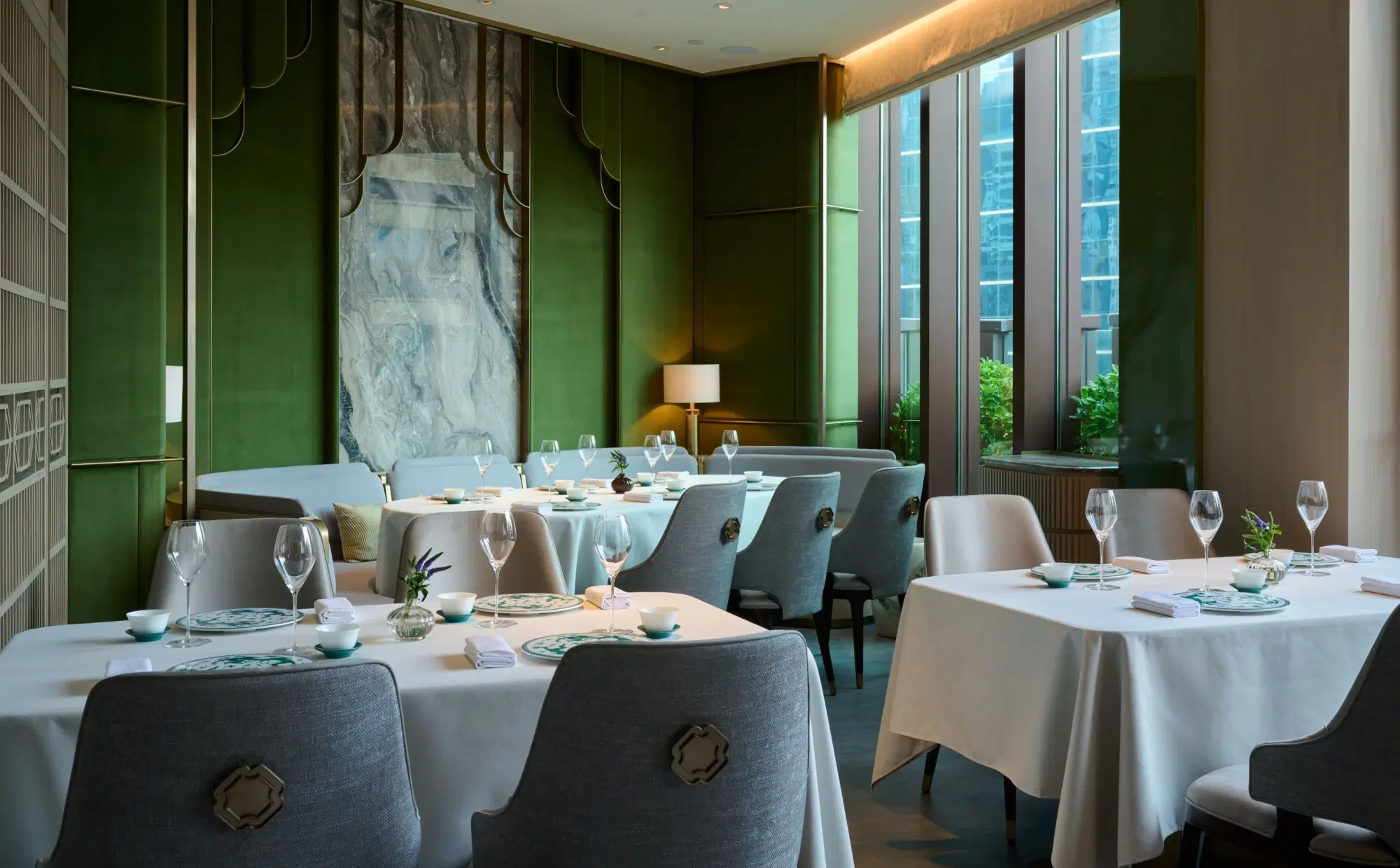
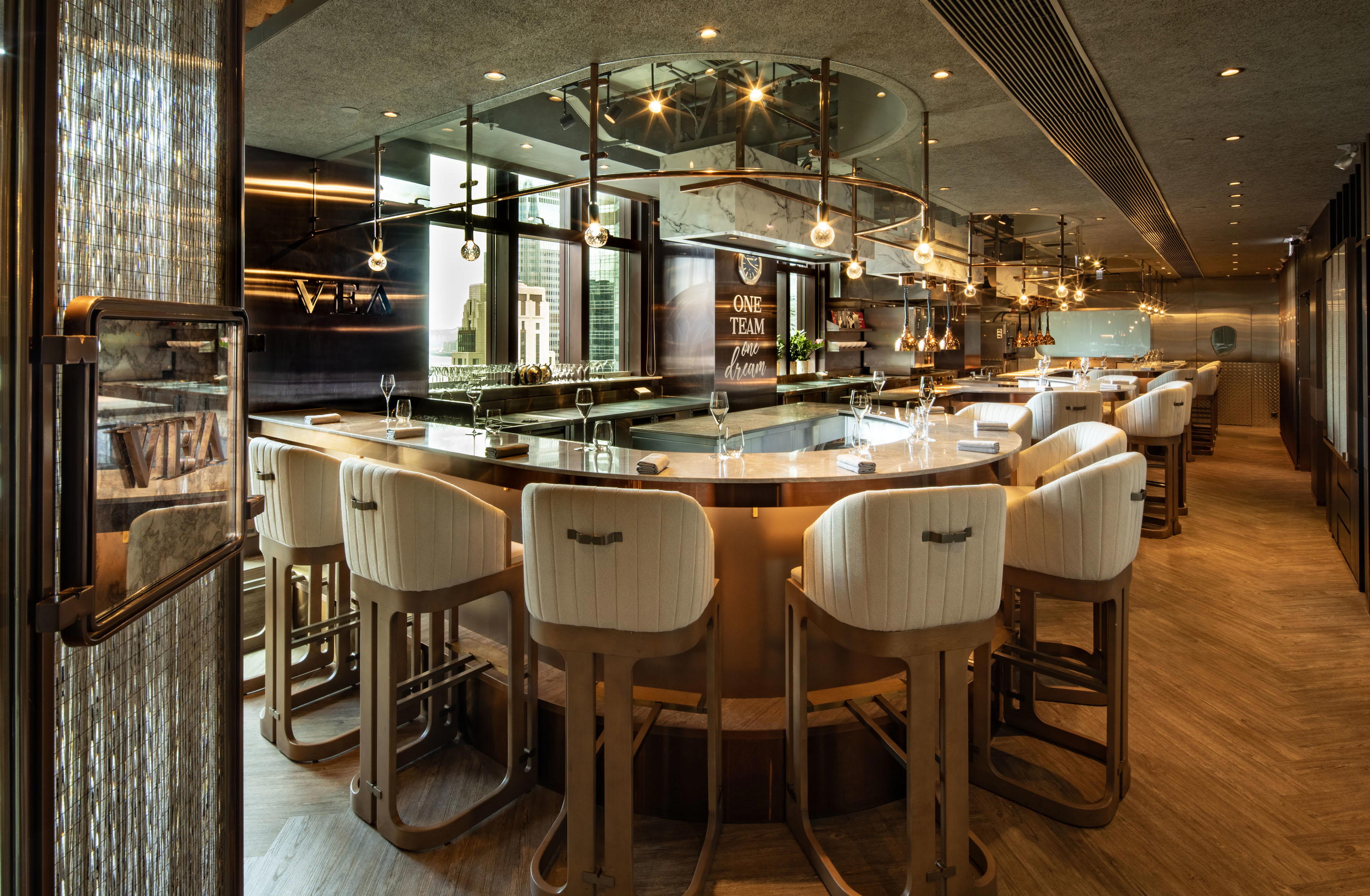
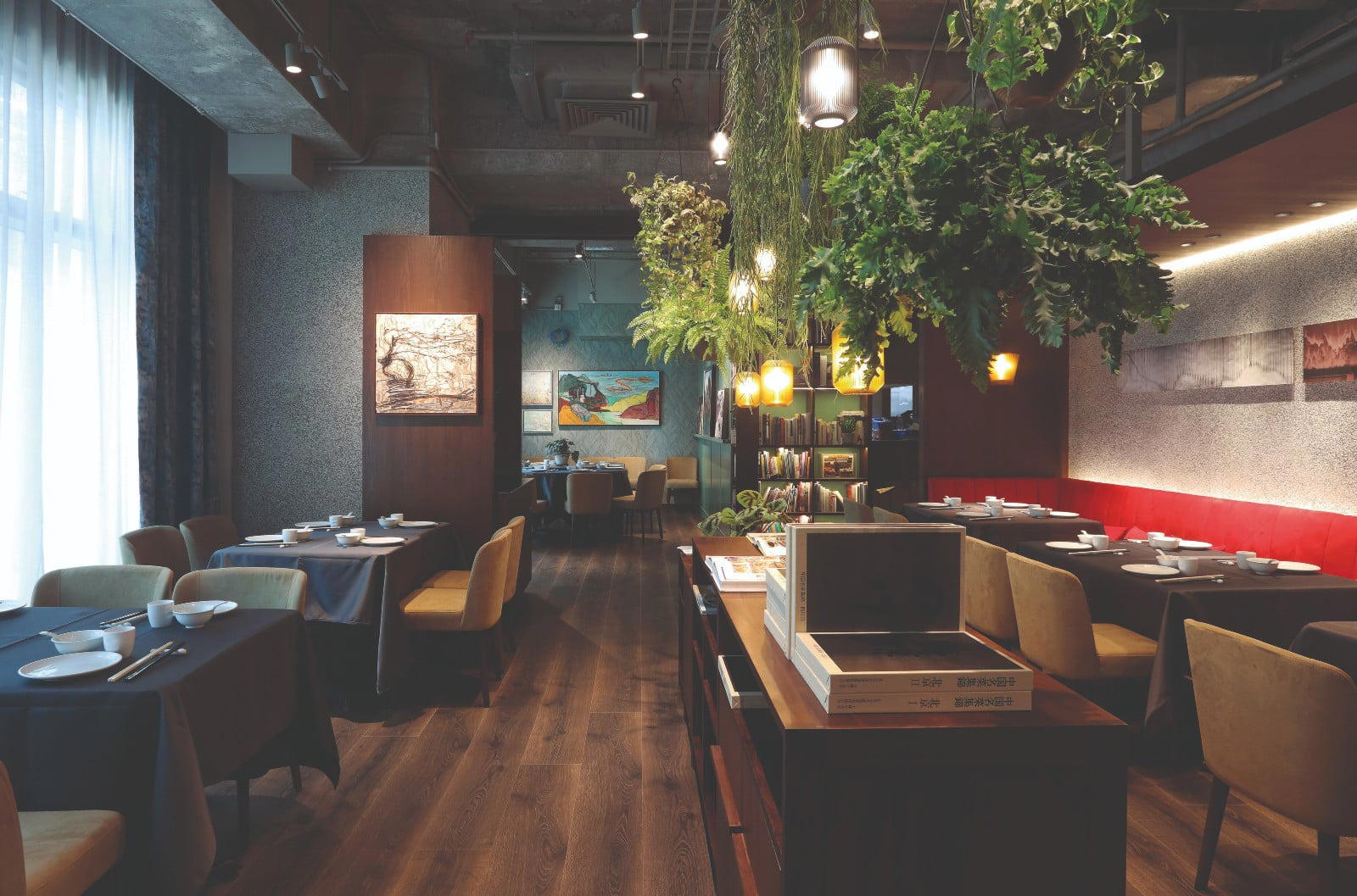
Hotels in Hong Kong
All hotels in Hong Kong →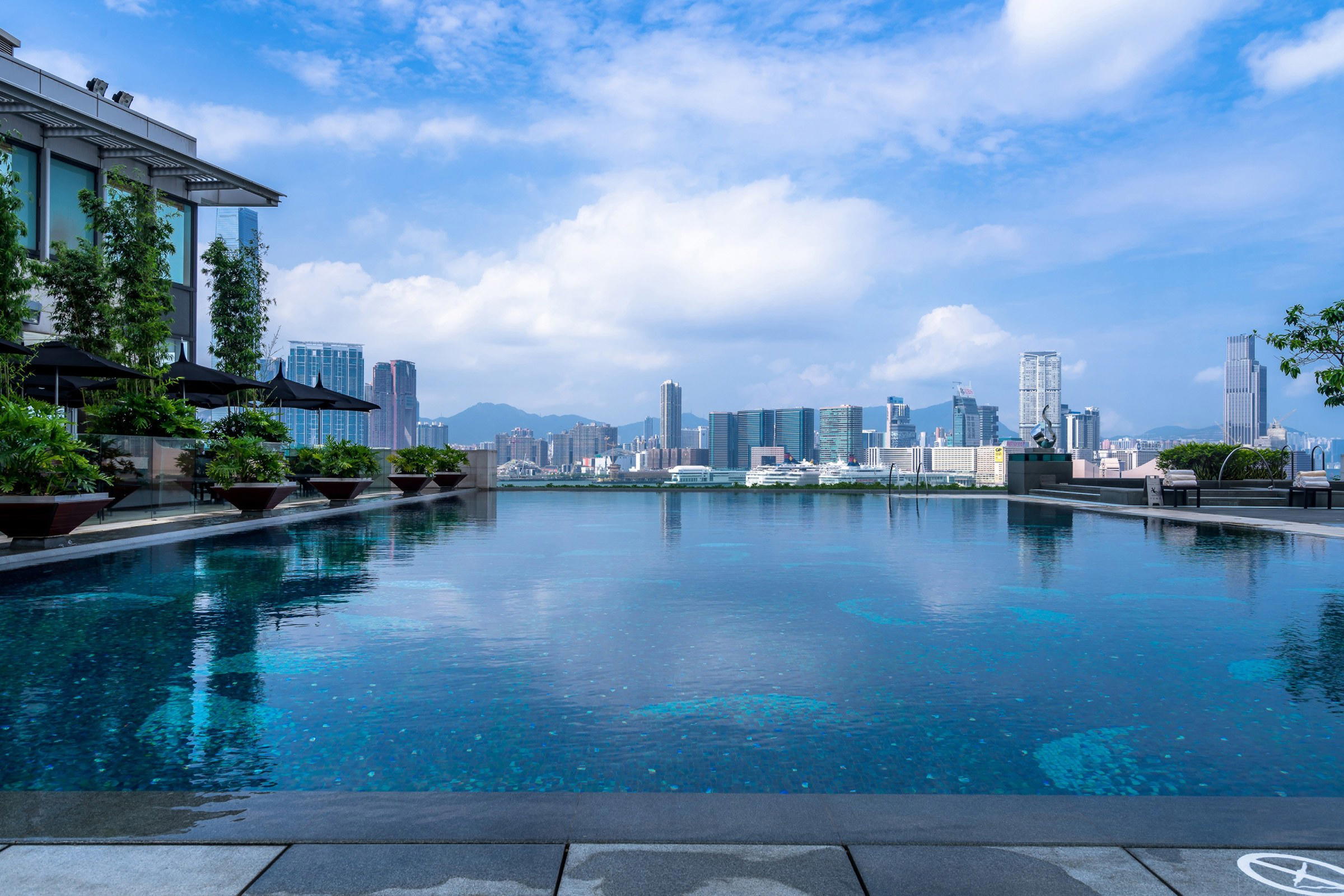
Wineries in Hong Kong
All wineries in Hong Kong →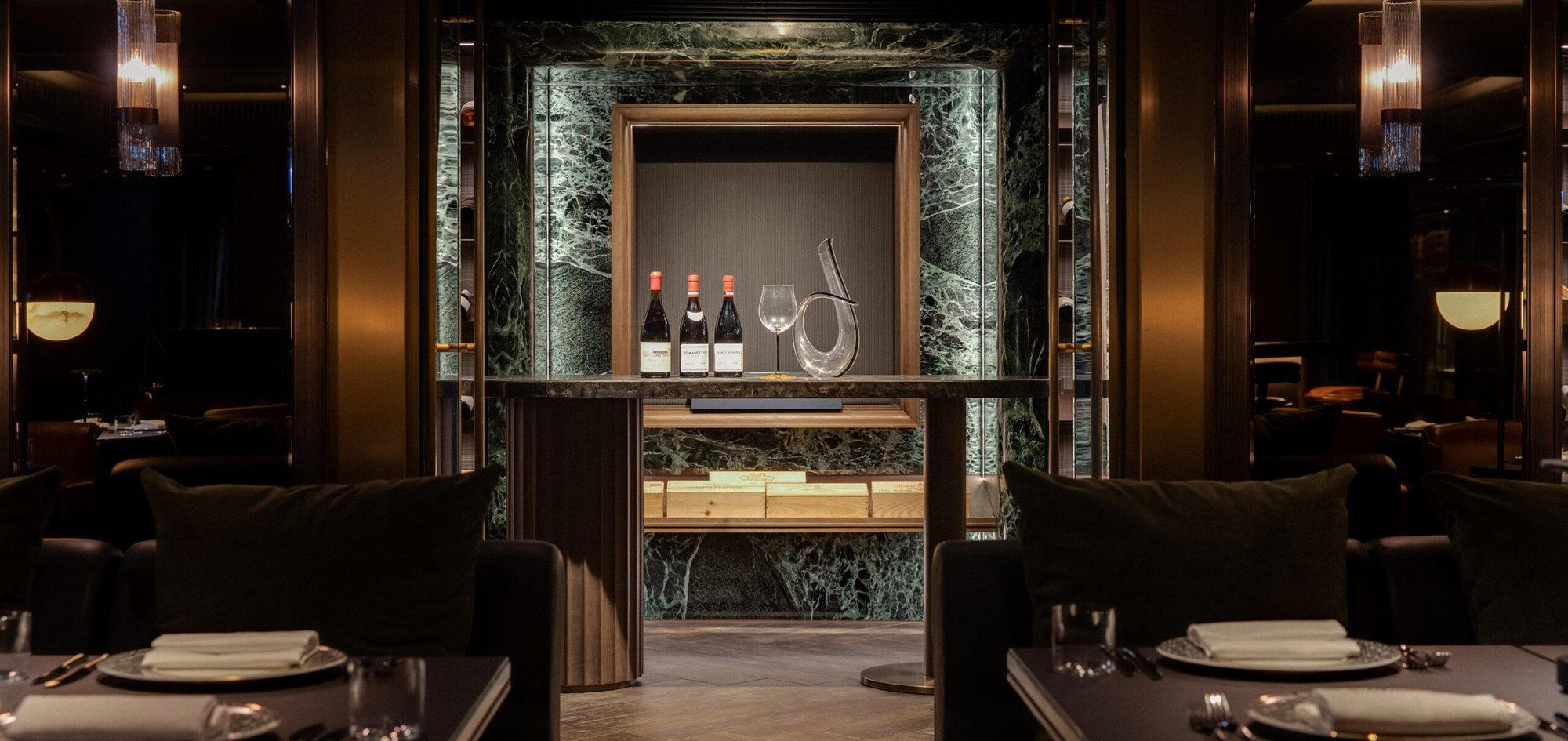
Details
- Lively
- Cozy
- Trendy
- Classic
- Intimate
- Energetic
- Date Night
- After Work
- Casual Hangout
- Late Night
- Group Dining
- Celebration
- Standalone
- Design Destination
- Craft Cocktails
- Cocktails
- Spirits
- Aperitivo
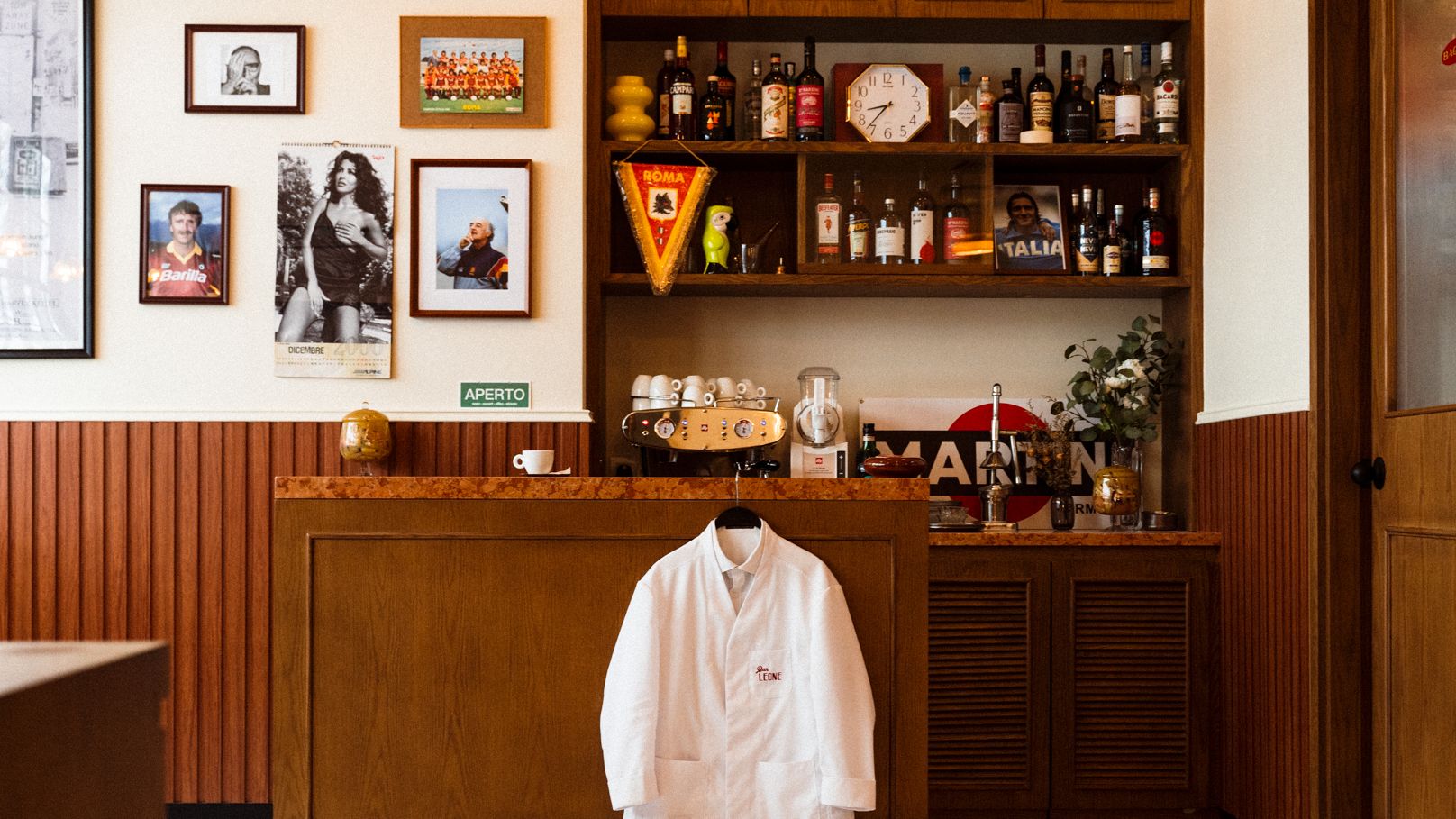
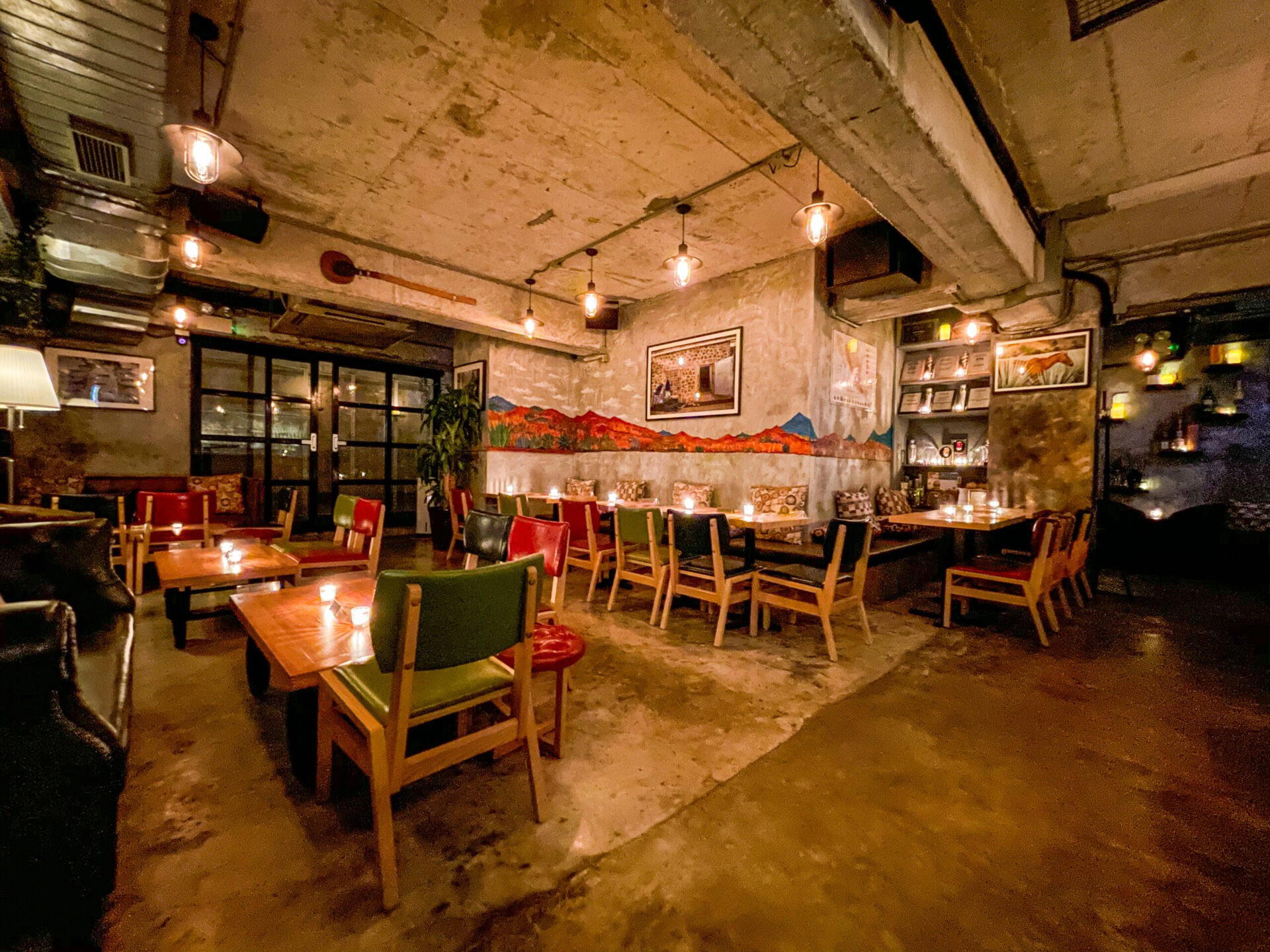
A cozy, caffè-style Roman neighbourhood bar with vintage 1970s Italian pop-culture décor, warm lighting, standing-room energy and a bustling, convivial atmosphere that stays casual despite world‑class accolades.