Bar K6 occupies a second-floor address in Kyoto's Nakagyo Ward, where the craft bar scene has quietly evolved into one of Japan's most considered. The room sits above street level, separating it from the flow of the city below, in the tradition of Kyoto bars that prize discretion over visibility. It operates in a category where the bartender's knowledge and technique carry the full weight of the experience.
 Discover on Pearl
Pearl is the En Primeur Club membership app — saves, bookings, and concierge access live there. Same editors, same standards.
Second-Floor Kyoto, Where the Bar Does the Talking
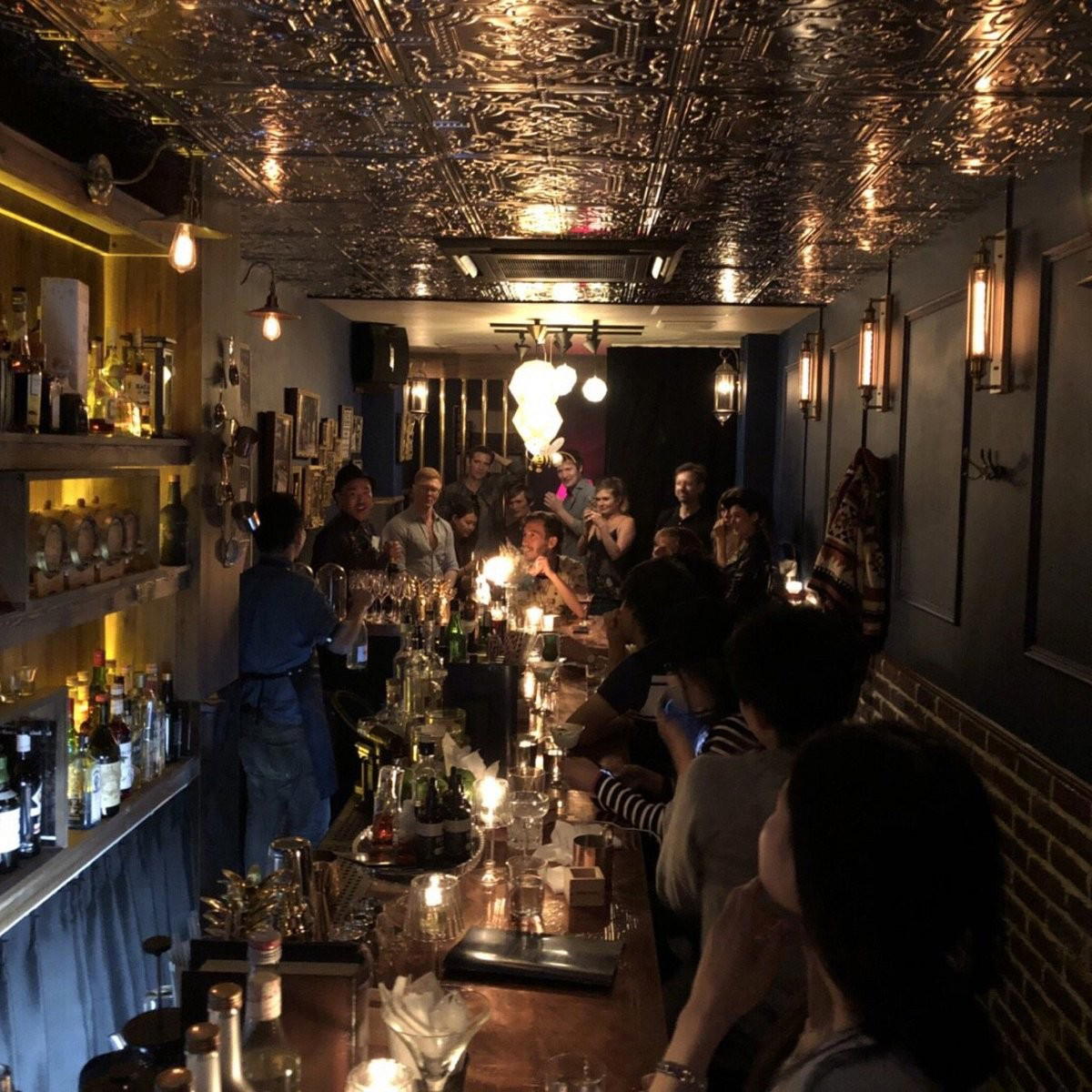
Kyoto's approach to drinking has always differed from Osaka's volume and Tokyo's theatrical ambition. The city's bars tend to sit above street level, behind understated signage, in rooms where conversation and craft take precedence over spectacle. Bar K6, on the second floor of a building in Nakagyo Ward's Higashiikesuchō, follows that logic precisely. The address places it within walking distance of central Kyoto's older commercial corridors, away from the concentrated tourist flow of Gion, in the kind of neighbourhood where regulars arrive knowing exactly what they want and bartenders tend to remember what that is.
This is the structural grammar of a certain type of Japanese bar: the second-floor position signals something deliberate. You have to want to go up. That small act of commitment shapes the room's atmosphere before you've ordered anything. Bars built this way — and Kyoto has a longer tradition of them than most Japanese cities — tend to attract guests who treat the bartender relationship as the point, not a feature.
The Craft Bar Tradition This Room Belongs To
Japan's bartending culture is among the most technically developed in the world, and the evidence for that claim is institutional. Japanese bartenders consistently place at the highest levels of international competition, and the country's bar programmes have influenced cocktail technique globally, from hard-shake methodology to the precision of hand-cut ice. Within Japan, the Kansai region , Osaka, Kyoto, and Nara , operates as a distinct cluster from Tokyo, with its own lineage of bar culture and its own peer set of establishments.
Kyoto's contribution to that cluster is specific: the city's bars have historically leaned toward restraint and hospitality depth over menu size or concept novelty. The best-regarded rooms, such as Bee's Knees and ALKAA, operate on the principle that a focused programme delivered with consistency outperforms a broad one delivered inconsistently. APOTHECA and Bar Cordon Noir extend that pattern in different directions , one toward botanical and herbal structure, the other toward a more classical Western bar tradition. Bar K6 sits within this broader Kyoto craft bar moment, in a city whose bar scene has matured considerably over the past decade without becoming loud about it.
For regional context, the Kansai bar circuit connects to peer establishments across the island: Bar Nayuta in Osaka, Lamp Bar in Nara, and further afield, Yakoboku in Kumamoto. Tokyo anchors that wider picture through rooms like Bar Benfiddich, where the bartender's botanical knowledge functions as the programme itself. Internationally, the model finds a parallel in Bar Leather Apron in Honolulu, another bar where Japanese-influenced technical precision shapes the hospitality frame.
The Bartender at the Centre of It
The editorial angle applied to bars like Bar K6 requires being honest about what the format actually is: a room built around the person behind the bar. This is not a concept bar with a rotating theme or a hotel lounge operating at volume. The physical arrangement of a second-floor bar in Nakagyo Ward, with the street noise filtered out, creates conditions where the bartender's attention is the primary offering. In Japanese bar culture, that attention carries specific obligations: reading a guest's preferences without being asked, calibrating strength and dilution to the individual, and maintaining enough stillness in the room to allow conversation without forcing it.
These are cultivated skills, not ambient qualities. The Japanese bartending tradition treats hospitality as a discipline with the same seriousness applied to technique. A bar in this register is not assembling drinks in isolation; it is managing an extended hospitality interaction where each round builds on information gathered in the last. This is the framework within which Bar K6 operates, whether or not its specific programme or personnel details are documented in the public record. The address, the position in the building, and the neighbourhood context place it firmly within that tradition.
Elsewhere in the Kansai orbit, anchovy butter in Osaka Shi demonstrates how Osaka's bar scene has absorbed similar influences while inflecting them with the city's different social pace. Kyoto's version is quieter, more deliberate, with a higher tolerance for silence between orders. Kyoto Tower Sando represents a contrasting register entirely, where volume and accessibility are the operating model. Bar K6 is not that.
Getting There and Planning the Visit
The bar's address in Nakagyo Ward puts it in a central but non-tourist-saturated section of Kyoto, accessible from the main Kyoto Station corridor and from the Karasuma and Shijo subway lines. Nakagyo Ward covers a broad area, and Higashiikesuchō sits within the ward's eastern portion, close enough to Kyoto's central commercial spine to reach without difficulty but far enough from the obvious landmarks that it rewards guests who have done some navigation. The second-floor location means the entrance at street level requires identification , look for the building number and go up. Hours, booking methods, and current pricing are not confirmed in the available data; contacting the venue directly or consulting an updated local source before visiting is the practical step. For the wider picture of where Bar K6 fits within Kyoto's full dining and drinking picture, the EP Club Kyoto guide covers the city's neighbourhood structure and the peer set of bars and restaurants worth building an itinerary around.
Continue exploring
More in Kyoto
Bars in Kyoto
Browse all →


Restaurants in Kyoto
Browse all →

Hotels in Kyoto
Browse all →

Wineries in Kyoto
Browse all →
At a Glance
- Sophisticated
- Cozy
- Elegant
- Intimate
- Date Night
- Special Occasion
- Standalone
- Seated Bar
- Counter Only
- Craft Cocktails
- Sake
- Whiskey
Sophisticated and chic with warm-colored lighting, jazz music, and a classic old-school vibe; cozy yet sometimes stuffy or smoky.