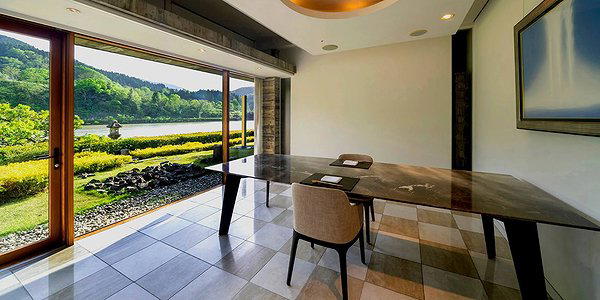
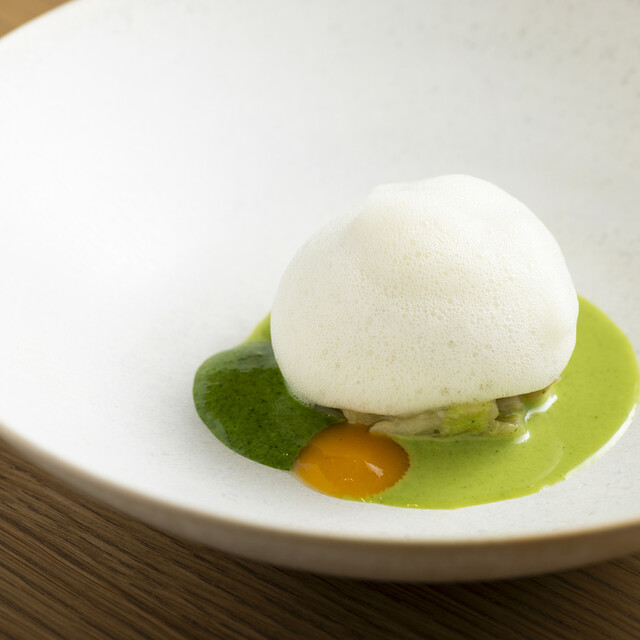
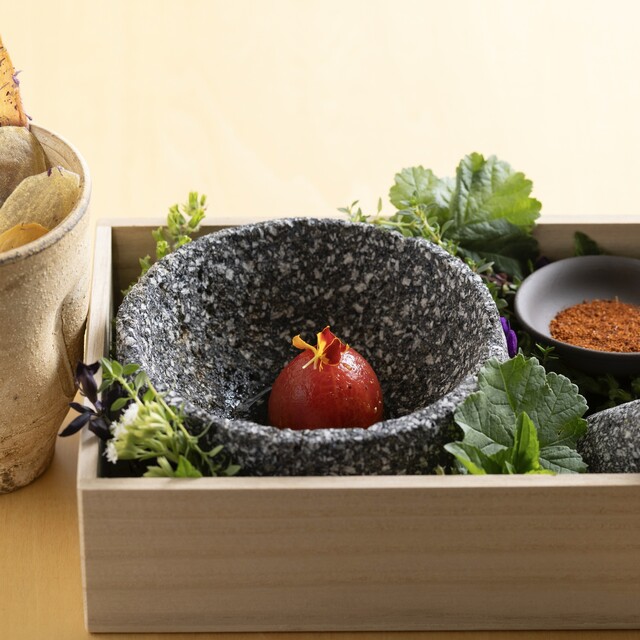
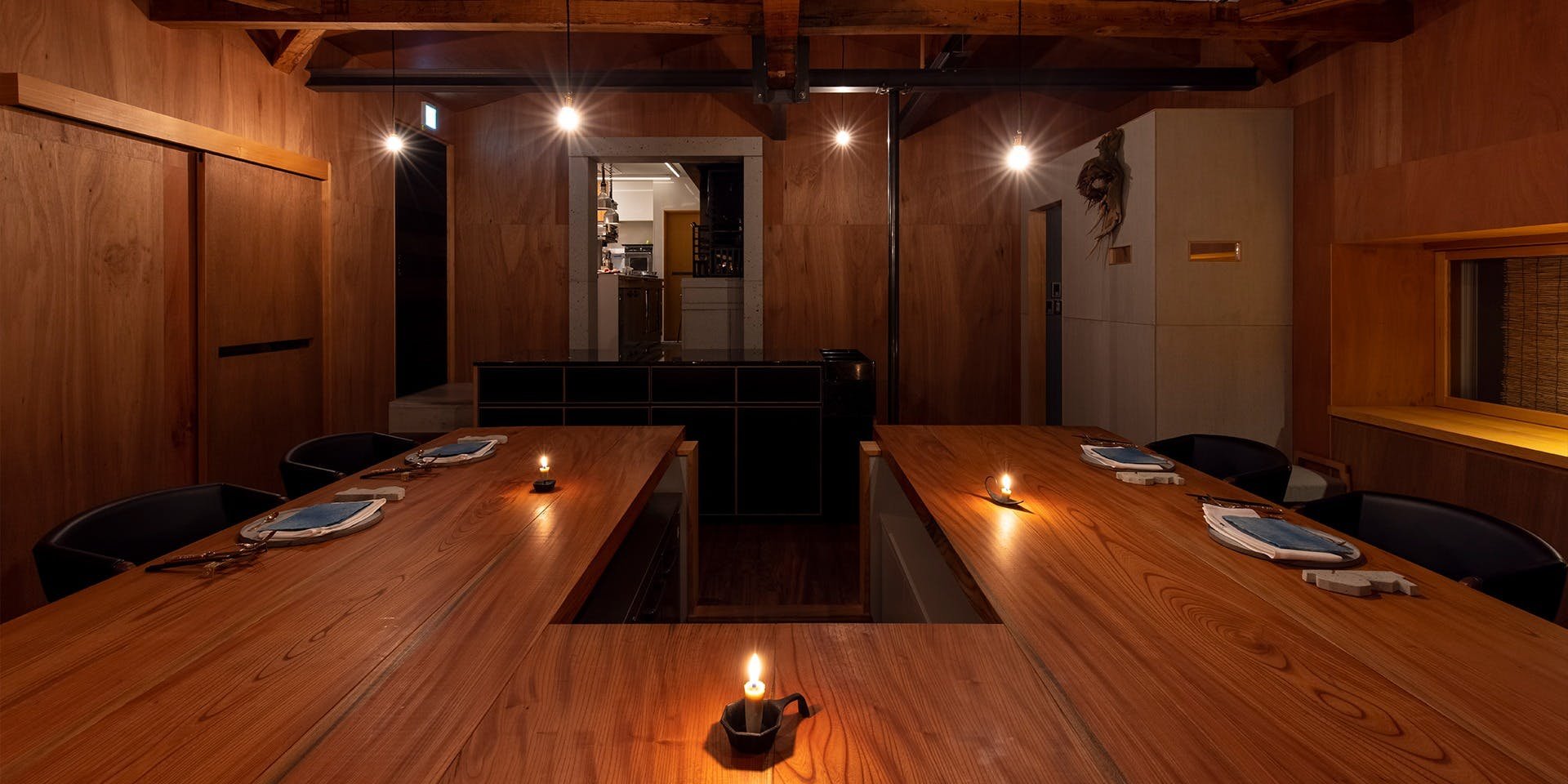
A warm wood counter frames a tea start and kaiseki.
Pearl is the En Primeur Club membership app — saves, bookings, and concierge access live there. Same editors, same standards.
- Address
- 32-1 Ipponsugimachi, Nanao, Ishikawa 926-0806, Japan
- Phone
- +81767583251
- Website
- yoyaku.toreta.in
- Directions
- Get directions
 Saves & bookings on Pearl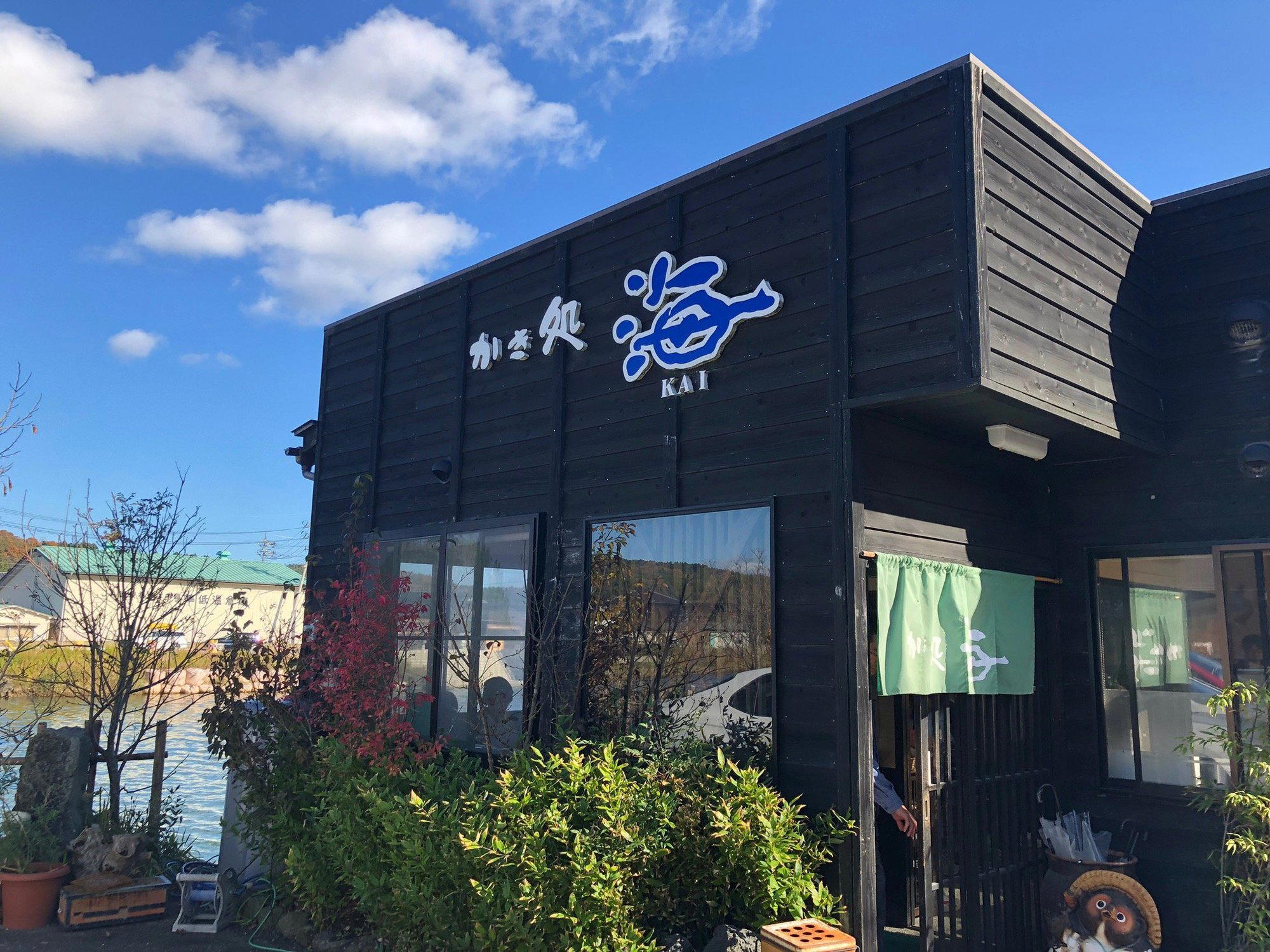
Nanao's Table: What the Noto Coast Puts on the Plate
Nanao sits at the inner curve of the Noto Peninsula, where Nanao Bay functions less as scenery and more as larder. The town's relationship with the sea is structural: the bay is one of Japan's designated "three most beautiful bays," which in practical terms means a concentration of bivalve cultivation, estuarine fish runs, and proximity to Toyama Bay's deep-water species that few prefectural capitals can match. Restaurants operating here draw from that geography as a matter of course rather than as a marketing posture. 一本杉 川嶋, addressed at 32-1 Ipponsugimachi in the heart of Nanao's old merchant district, sits in that tradition.
The Ipponsugimachi Setting
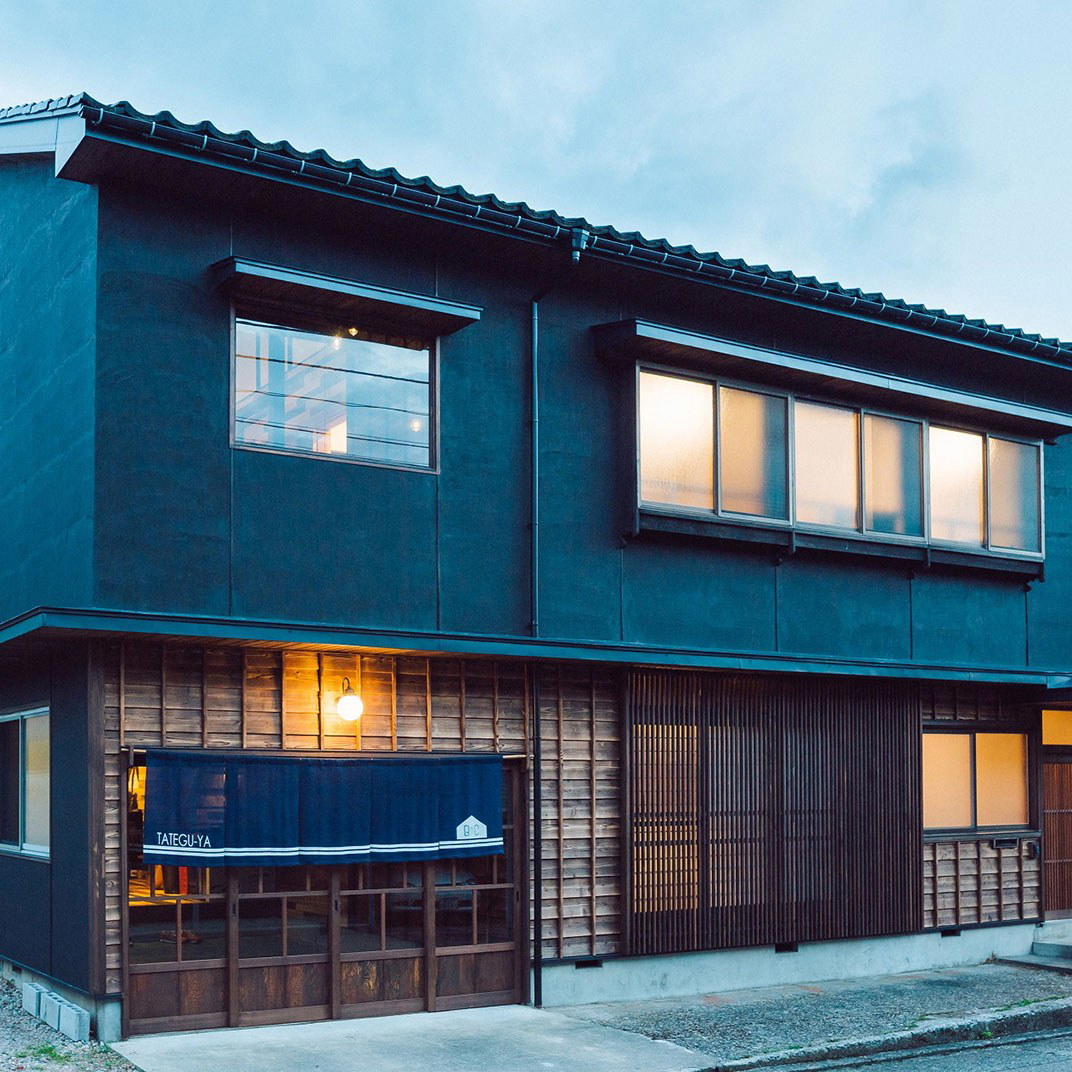
Ipponsugimachi is Nanao's preserved commercial spine: a street of latticed facades, lacquerware shops, and buildings whose proportions date to the Meiji and Taisho periods. Arriving along it in the low afternoon light, when the timber-fronted buildings take on a reddish cast and foot traffic is light, gives a clear sense of what provincial Japan looked like before prefectural highways reorganised town centres around car access. The address at 32-1 places the venue in the denser northern section of this street, where structures sit closer together and the built environment does more editorial work than any interior decor could. In Ishikawa Prefecture, the relationship between a town's craft heritage and its food culture is rarely incidental. Nanao's history as a castle town and port created a merchant class that sustained both fine lacquerware and an expectation of considered cooking.
Ingredient Geography: Why Ishikawa Sourcing Matters
The argument for Ishikawa Prefecture as one of Japan's serious food regions rests on accumulation: Kanazawa's century-old Omicho market, Noto's hand-harvested sea salt, the peninsula's distinctive jibuni duck preparation, and a coastline that produces snow crab, yellowtail, and clams in quantities that supply restaurants well beyond the prefecture. Nanao Bay specifically is among Japan's most productive oyster and clam cultivation zones, and the broader Noto coast provides access to nodoguro (blackthroat seaperch), a fish that commands premium placement on menus from Kanazawa to Tokyo. The dining scene in Nanao itself is smaller and less internationally catalogued than Kanazawa's, which means venues here are drawing from the same ingredient base as their prefectural capital counterparts while operating in a more local register. For context on how Ishikawa-sourced ingredients perform, see Gion Sasaki in Kyoto.
Japan's ingredient-first restaurant culture has increasingly distinguished between venues that source regionally as a branding exercise and those where the supply chain is actually legible in the cooking. The Noto Peninsula, post the January 2024 earthquake that significantly disrupted local producers and infrastructure, has become a region where supporting local sourcing carries additional weight. Many Noto-area food producers rebuilt operations through 2024 and into 2025, and restaurants continuing to draw from those producers are supporting that recovery.
The Nanao Dining Context
Nanao's restaurant field is compact. The city supports a cluster of venues covering Japanese formats from sushi to set-meal kaiseki, with a smaller number of Western-influenced operations. Within that field, neighbours on EP Club's Nanao listings include Kawashima, Villa della Pace, ヴィラ デラ パーチェ, and 幸寿し本店. The presence of European-format venues alongside traditional Japanese options reflects a pattern common in provincial Japanese cities with established tourism infrastructure: the local scene accommodates both domestic visitors seeking regional Japanese cooking and a smaller contingent of international visitors whose itineraries pass through en route to the Wajima lacquerware region or the Suzu coast.
For reference points on what serious regional Japanese cooking looks like at documented tiers, HAJIME in Osaka, Harutaka in Tokyo, and Goh in Fukuoka each represent how regional Japanese produce translates at Michelin-recognised level. For a broader picture of how Japan's regional dining culture performs beyond the major cities, akordu in Nara offers a useful comparison point for how secondary-city venues can build serious programs without metropolitan infrastructure.
Planning a Visit
Nanao is accessible by the Noto Satoyama Kaido expressway from Kanazawa (approximately one hour by car) and by the Noto Railway's Nanao Line, making it a viable day-trip or overnight destination from Kanazawa, particularly for travellers already exploring the Hokuriku region following the opening of the Hokuriku Shinkansen extension to Tsuruga in March 2024. Ipponsugimachi is walkable from Nanao Station, which reduces the logistical friction of visiting the old merchant street. Because the reservation policy is walk-in friendly, visitors should still allow flexibility when planning a meal. This applies broadly across Nanao's smaller operators, many of whom maintain limited online presences and rely on phone or walk-in arrangements. Visitors to the Noto region should also build timing flexibility into any itinerary given the ongoing recovery from the 2024 earthquake, which affected transport and accommodation capacity variably across the peninsula through 2025.
For comparable regional programs in Japan's mid-tier dining tier, 大仙山乃 in Sapporo, 湖畔荘 in Takashima, and 鶴羽屋 in Nishikawa Machi each illustrate how provincial Japanese venues situate themselves within regional ingredient traditions. For a contrasting international frame, Le Bernardin in New York City and Atomix in New York City represent the tier at which Japanese ingredient-sourcing discipline has been absorbed into contemporary fine dining at a global level. Further regional comparisons: Birdland in Sakai and Bistro Ange in Toyohashi show how Japan's secondary-city dining scene sustains distinct programs outside the major urban centres. Blue Ocean Steak in Nakagami District offers a further point of comparison for how regional Japanese venues operate outside conventional fine-dining formats.
Comparison Snapshot
Comparable venues nearby, for context on price, style, and recognition.
| Venue | Cuisine | Price | Notes |
|---|---|---|---|
| 一本杉 川嶋 | japanese | Not listed | Nanao |
| 幸寿し本店 | Traditional Noto Sushi | $$ | Nanao |
| LE MUSEE DE H Wakura ten | Modern Japanese Patisserie Café | $$ | Wakura Onsen |
| 幸寿し 本店 | Traditional Noto Sushi Omakase | $$ | 相生町 |
| Villa della Pace | Farm-to-Table Italian with Noto Peninsula Produce | $$$ | Kasashiho, Noto Peninsula |
| Italian Gelato Cerchio | Italian-style Gelato Shop | $ | Nanao |
Continue exploring