
A reservation-only kaiseki counter on the western shore of Lake Biwa, Korian has earned Tabelog Silver recognition in 2024 and 2025 and sits inside the Tabelog 100 for Japanese cuisine in western Japan. Eight seats, lakeside views, and a kitchen built around funazushi, the ancient fermented carp of Shiga, make it among the more place-specific dining experiences in the region. Lunch and dinner both price between JPY 15,000 and JPY 19,999 listed, with reviewer averages running higher.
Pearl is the En Primeur Club membership app — saves, bookings, and concierge access live there. Same editors, same standards.
- Address
- 2307 Makinocho Kaizu, Takashima, Shiga 520-1811, Japan
- Phone
- +81 740-28-1010
- Website
- korian.jp
- Directions
- Get directions
 Saves & bookings on Pearl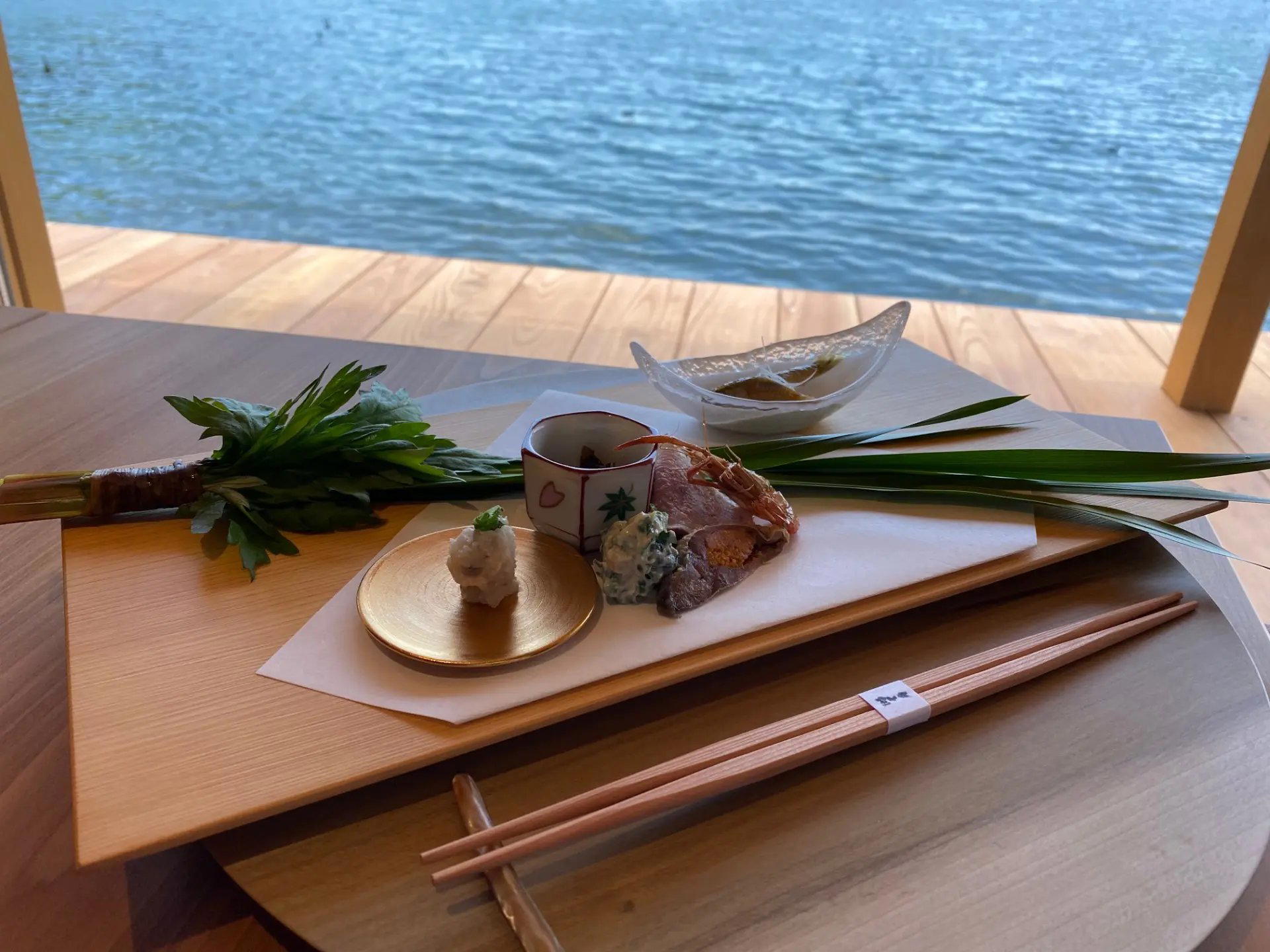
Where the Lake Meets the Kitchen
The Makino coast of Lake Biwa sits roughly 80 kilometres north of Kyoto, where the lake widens and the shoreline straightens into a long screen of cedar and water. Arriving at Korian, the view arrives before anything else, the full western expanse of Japan’s largest lake, shifting colour with the light. This is not incidental scenery. The geography is the premise of the meal. Shiga Prefecture has one of Japan’s most coherent regional food identities, built almost entirely on what the lake produces: freshwater fish, particularly the crucian carp species known as nigoro-buna, the basis for funazushi, a fermented preparation with documented roots stretching back over a thousand years.
That context matters for understanding what Korian is doing at a structural level. In a country where kaiseki has become an export category, available at varying price points from Kyoto hotel dining rooms to urban counters in Tokyo and Osaka, a small, place-anchored counter on a rural lakeshore is operating with a different set of commitments. The ingredient is the argument.
Funazushi Kaiseki: A Fermentation Tradition Built Into the Menu Format
Funazushi is one of Japan’s oldest preserved foods, predating the rice-vinegar sushi that became the dominant form centuries later. The process is labour-intensive and slow: carp are salted, packed with rice, and left to ferment for periods ranging from months to years. The result is sharp, lactic, and deeply savoury in a way that has no easy Western analogue. It is an ingredient that demands either commitment or avoidance, there is no middle register.
Korian builds its kaiseki format around funazushi, which places it in a genuinely narrow category of restaurants nationally. The broader kaiseki tradition in Japan, refined multi-course cooking tied to the tea ceremony aesthetic of restraint and seasonality, is well represented at higher-profile addresses. Gion Sasaki in Kyoto operates at the summit of that format with Michelin recognition. HAJIME in Osaka takes the kaiseki impulse in an innovative French-inflected direction with three Michelin stars. What neither can claim is Korian’s specific grounding in a hyperlocal fermented product that the surrounding region has produced continuously for over a millennium.
The Tabelog platform’s description of the kitchen references “traditional and innovative” treatment of funazushi kaiseki alongside what it calls “Lake Game”, the broader category of lake-sourced produce from Biwa that shapes the seasonal menu. This is not a kitchen that sources regionally as a positioning decision. The sourcing is the defining logic of every course.
Scale, Format, and What Eight Seats Implies
The dining room at Korian holds eight seats in total, configured as a six-seat counter and table seating for two to six, plus a private room that accommodates four to eight people and is available for full private hire. At that scale, every service is functionally intimate. Counter seats face the kitchen. Private room guests face the lake. The house restaurant format, Korian operates from a converted residential structure rather than a purpose-built restaurant building, reinforces the sense that this is a domestic cooking tradition brought to a more concentrated expression, rather than a restaurant concept imposed on a landscape.
For comparison with other small-counter kaiseki formats in Japan, the reservation-only structure and the eight-seat ceiling place Korian closer in operating logic to counters like Harutaka in Tokyo, where seat count controls experience quality, than to larger dining operations where the format is diluted by volume. The key difference is that Korian’s constraint is geographical as much as operational: the funazushi at the centre of the menu is not a product that can be replicated elsewhere at the same quality or with the same narrative authority.
That positions it alongside a small number of Japanese dining destinations that function simultaneously as ryokan-style experiences, where the evening meal, the setting, and an overnight in the property form an integrated sequence rather than a standalone dinner reservation.
The Award Trajectory and What It Signals
Korian’s Tabelog record over the past four years shows a consistent pattern: Bronze in 2023, Silver in 2024, Silver in 2025, and Bronze again in 2026, alongside selection for the Tabelog Japanese cuisine WEST “Tabelog 100” in both 2023 and 2025. The award level oscillates between Bronze and Silver rather than climbing steadily toward Gold, which is where Osaka and Kyoto’s most decorated kaiseki addresses tend to concentrate.
That trajectory is consistent with what Tabelog Silver recognition tends to indicate in regional Japanese dining: a kitchen producing at a standard that draws diners from outside the immediate area, recognised by a broad reviewer base as operating significantly above the local average, but not yet pulling the national critical mass that defines Gold. For a counter in a rural lakeshore town, Silver and consistent Tabelog 100 selection represents substantial recognition.
Comparable Tabelog-recognised kitchens in different regional contexts include Abon in Ashiya, Aji Arai in Oita, and affetto akita in Akita, each anchored to their prefecture’s specific produce in a way that shapes the menu logic from sourcing outward. That regional-anchoring model sits apart from city-based kaiseki counters where sourcing is a choice among options rather than a structural given.
Planning a Meal at Korian
Korian operates Tuesday-closed, with additional closures on the first and third Wednesdays of each month, making it a four-to-five day operation depending on the week. Lunch runs 11:30 to 13:00 and dinner 17:00 to 18:30, service windows that are narrow enough to confirm this is a single-sitting format at each session. Reservations are mandatory; walk-ins are not accommodated. The listed budget runs JPY 15,000 to JPY 19,999 for both lunch and dinner, though reviewer-reported spend averages JPY 20,000 to JPY 29,999, which typically reflects beverage additions and course upgrades. Payment is by credit card (VISA, JCB, AMEX, Diners); electronic money and QR code payments are not accepted.
Makino Station on the JR Kosei Line is approximately 1.3 kilometres from the restaurant, with the Kosei Line connecting to Kyoto in roughly 80 minutes and to Osaka’s Osaka Station in around 90 minutes via Kyoto. Parking is available on site for those arriving by car from Kyoto, Osaka, or Nagoya. Private rooms accommodate four to eight people and can be booked for full private use, which makes Korian a functional choice for business entertainment, Tabelog’s own occasion data flags it as particularly recommended for that use case.
For anyone building a broader itinerary around the Takashima area, the full Takashima restaurants guide covers the wider dining context, while the Takashima hotels guide, bars guide, wineries guide, and experiences guide provide the surrounding picture. Those arriving in Japan specifically for high-end Japanese cuisine might also reference Goh in Fukuoka, akordu in Nara, 1000 in Yokohama, 6 in Okinawa, or Ajidocoro in Yubari District for regional depth across the country. For international reference points in destination dining, Le Bernardin in New York City and Atomix in New York City illustrate how ingredient-led fine dining operates at comparable price levels in a different context.
A Quick Peer Check
Comparable venues nearby, for context on price, style, and recognition.
| Venue | Cuisine | Price | Notes |
|---|---|---|---|
| KorianThis venue — the venue you are viewing | Traditional Funazushi Kaiseki | $$$$ | Not listed |
| Rukawa | Seasonal Kappo Auberge focusing on Shiga lake fish and game | $$$$ | Imazu-cho Hamabun |
| 栃生梅竹 | Traditional Saba Zushi | $$ | 朽木栃生 |
| 川魚の西友 本店 | Traditional Japanese River Fish & Unagi | $$ | 今津町 |
| 湖里庵 | Seasonal Kaiseki Omakase | $$$$ | Takashima |
| スパイス厨房来風 | Handmade Ōmi Beef Curry | $$ | Takashima, Shiga Prefecture |
Recognition history
Dated appearances from independent guides and award organizations, with the underlying list record or original source where available.
Tabelog Bronze #204
Tabelog
Tabelog 100 #30 · No. 30
Tabelog · Tabelog 100 - Japanese cuisine - WEST - 2025
Tabelog Silver
Tabelog
Continue exploring
More in Takashima
Restaurants in Takashima
Browse all →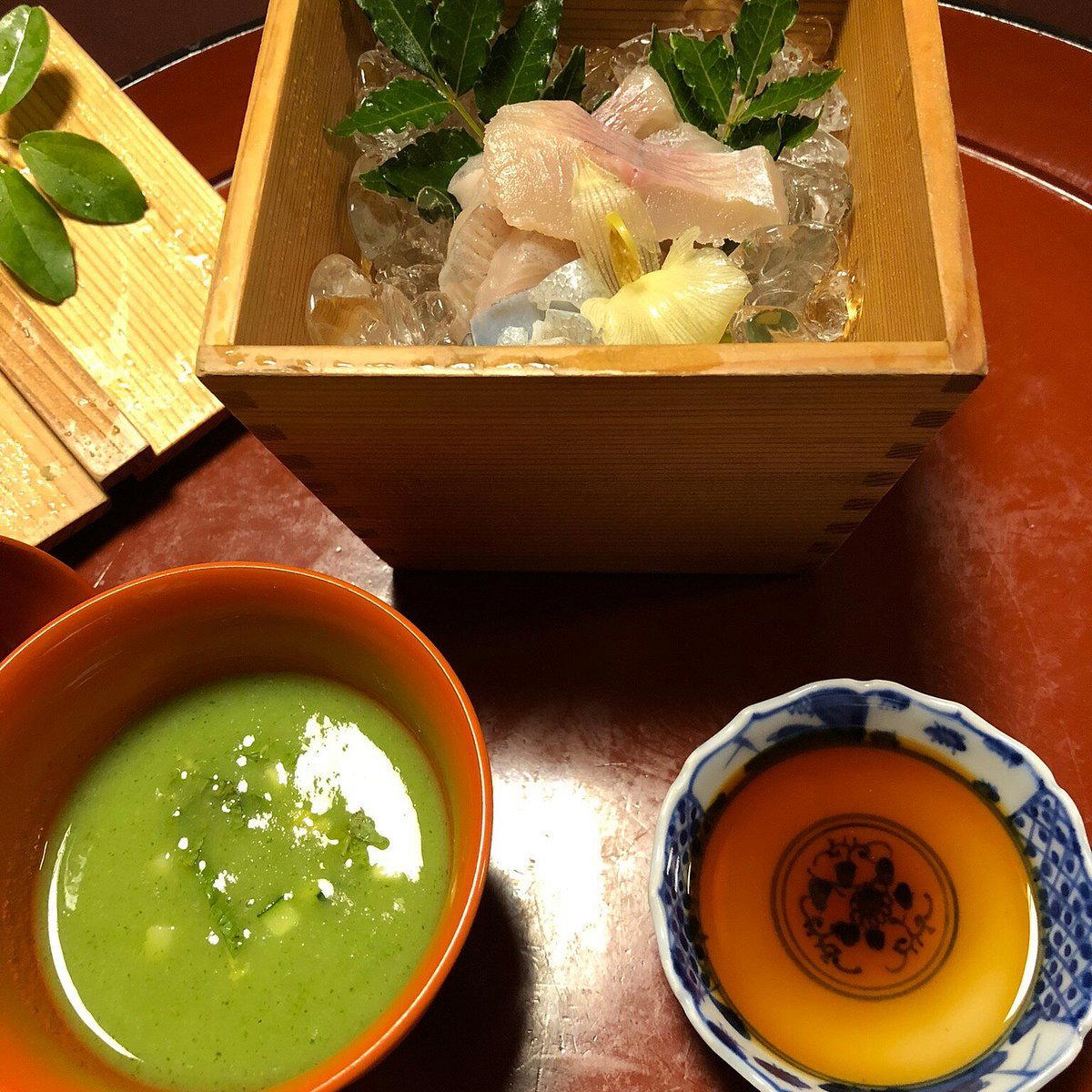
Bars in Takashima
Browse all →
At a Glance
- Historic
- Elegant
- Scenic
- Intimate
- Sophisticated
- Special Occasion
- Waterfront
- Chefs Counter
- Sake Program
- Local Sourcing
- Waterfront
Current opening hours
- Monday
- 12–3 PM, 5–8 PM
- Tuesday
- Closed
- Wednesday
- 12–3 PM, 5–8 PM
- Thursday
- 12–3 PM, 5–8 PM
- Friday
- 12–3 PM, 5–8 PM
- Saturday
- 12–3 PM, 5–8 PM
- Sunday
- 12–3 PM, 5–8 PM
Hours can change for holidays and private events. Last verified .
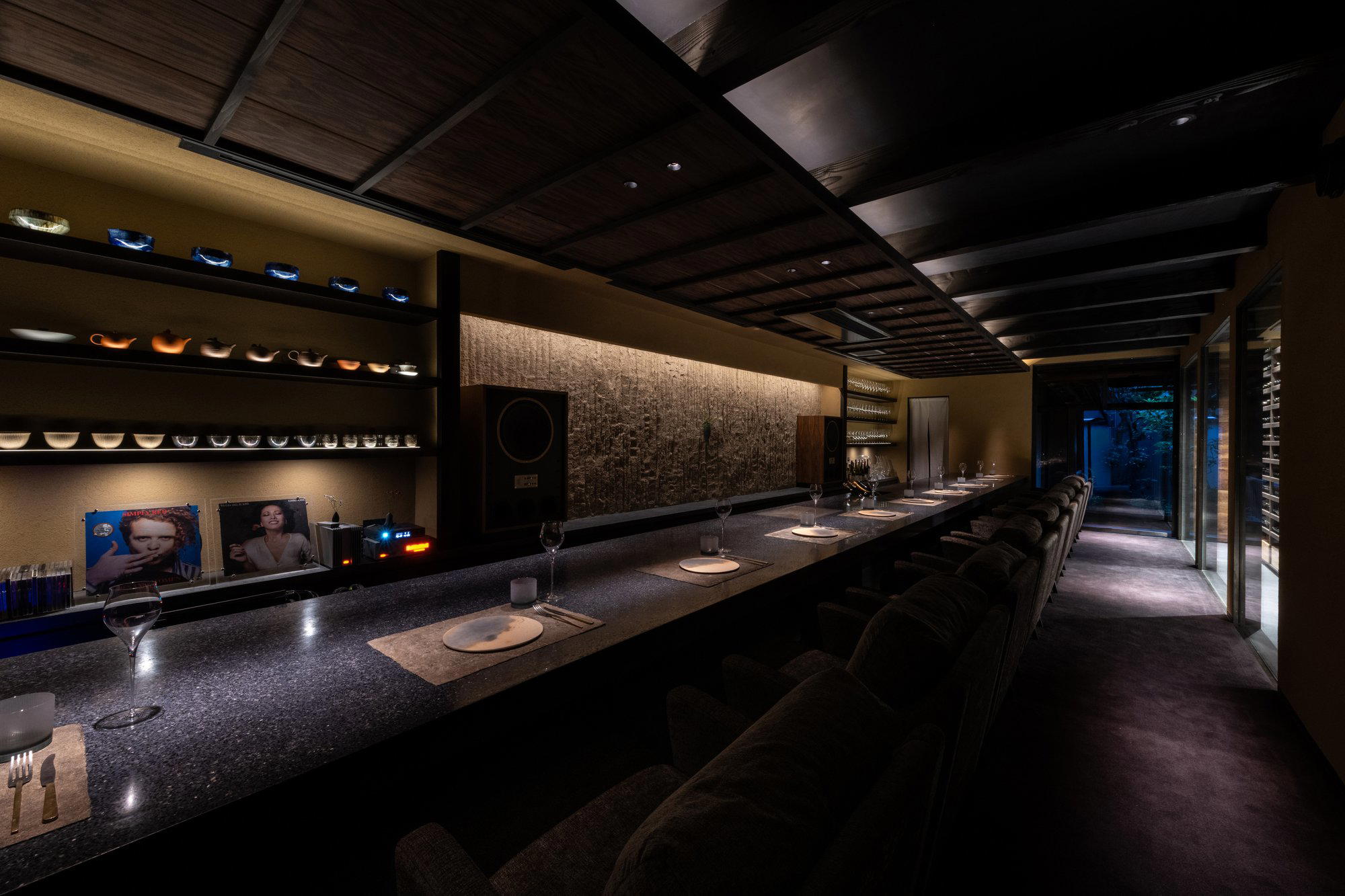
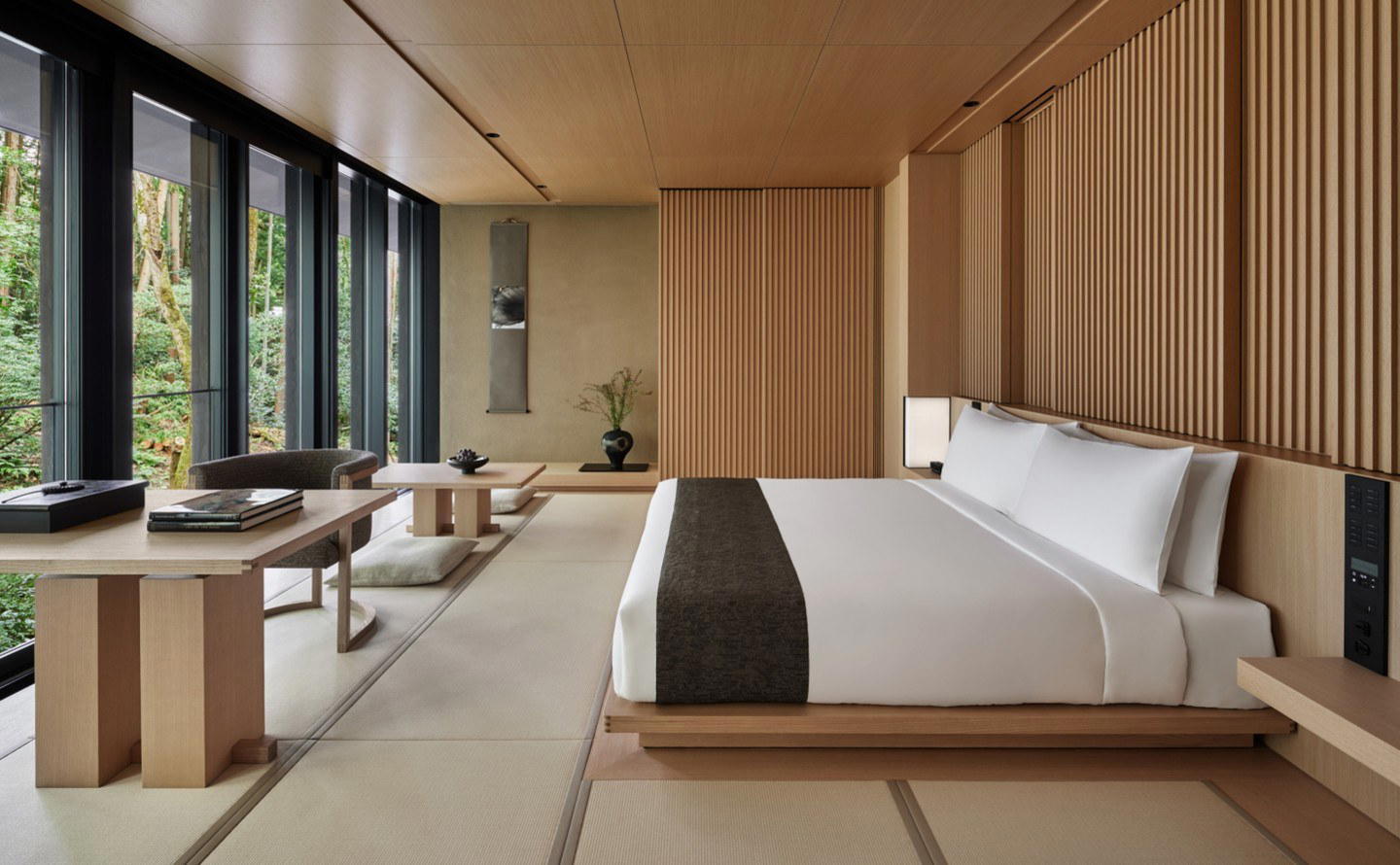
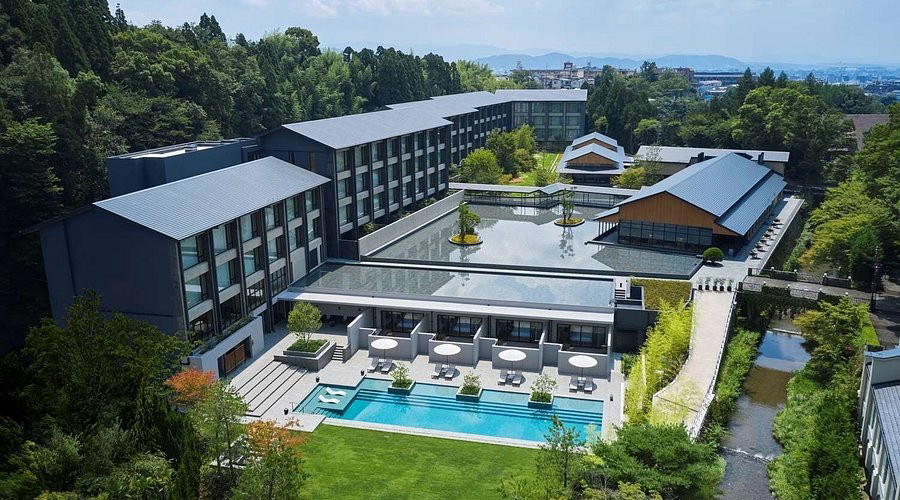
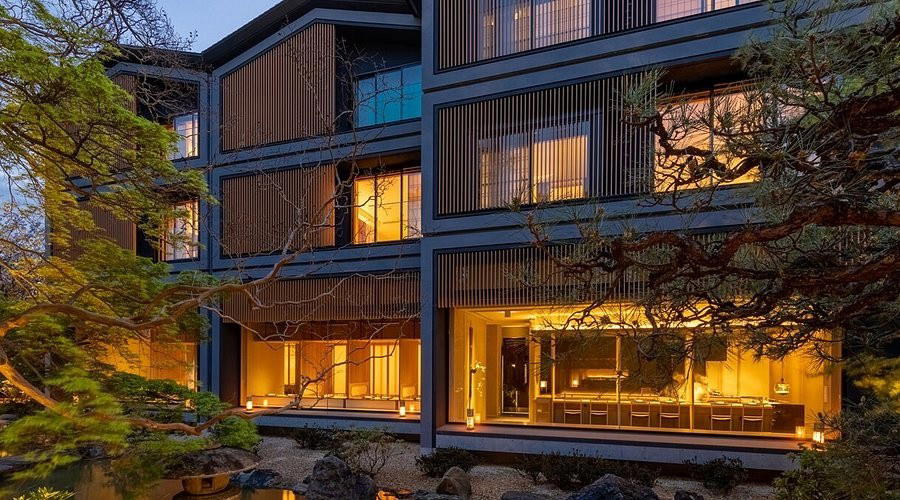
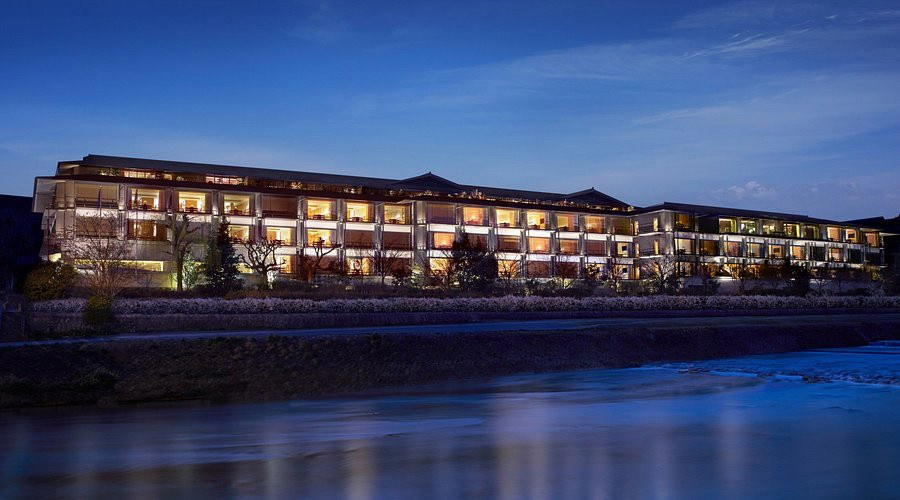
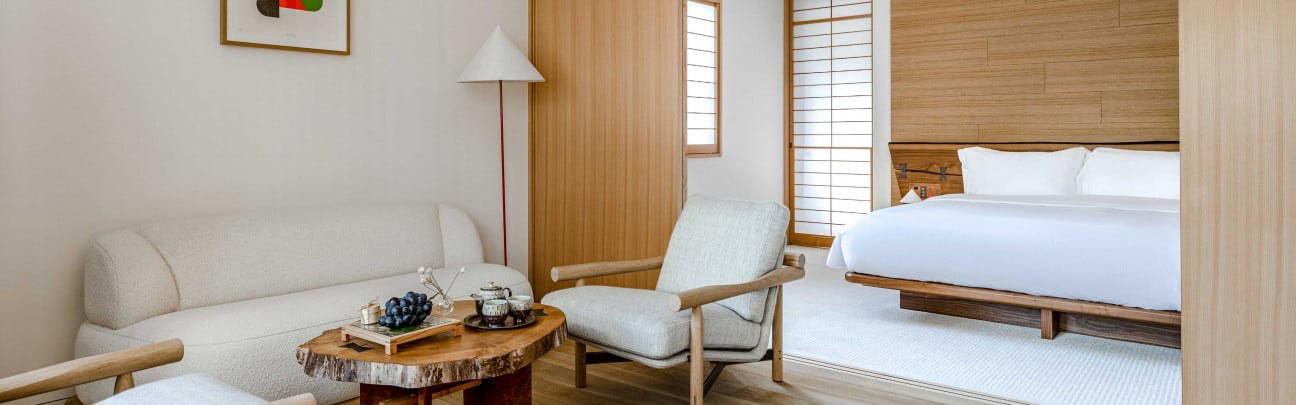
Serene lakeside space with large windows offering panoramic views of Lake Biwa, modern Japanese auberge design emphasizing natural beauty and intimate counter seating.