



Two Michelin stars and seven consecutive Tabelog Awards in a converted house near Nara Park, akordu brings modern Spanish technique to ancient Japan's most storied city. Chef Hiroshi Kawashima's menu is rooted in Nara's ingredients and history, with a wine program weighted toward the Iberian peninsula. Dinner runs JPY 20,000 to 29,999; lunch is a more accessible entry point at JPY 10,000 to 14,999.
Pearl is the En Primeur Club membership app — saves, bookings, and concierge access live there. Same editors, same standards.
- Address
- 70-1-3-1 Suimoncho, Nara, 630-8208, Japan
- Phone
- +81 742-77-2525
- Website
- akordu.com
- Directions
- Get directions
 Saves & bookings on Pearl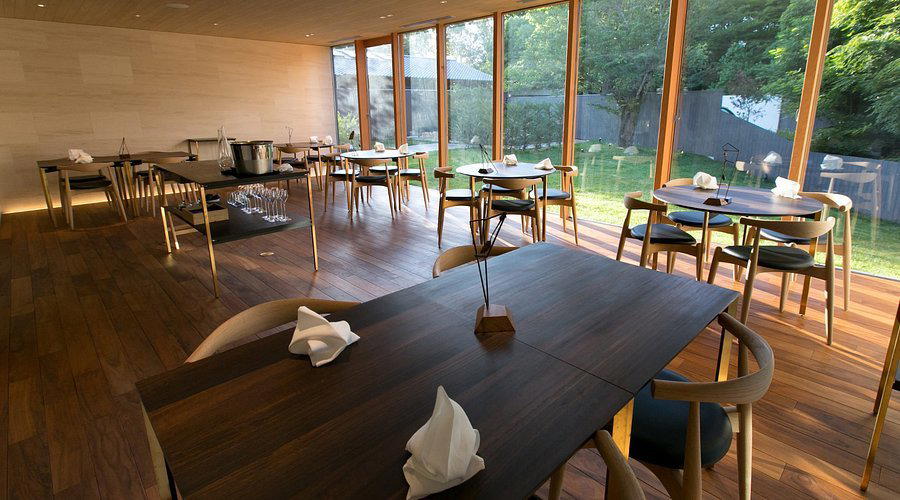
Where Ancient Nara Meets the Iberian Table
Nara's dining scene has long operated in the shadow of Kyoto and Osaka, but the city's restaurant credentials have sharpened considerably over the past decade. The gap between its handful of serious kitchens and those of its neighbours is narrower than the tourist itineraries suggest. What Nara offers that neither Kyoto nor Osaka can replicate is a particular stillness, a city that closes early, moves quietly, and eats with a kind of focused attention. That atmosphere shapes the leading tables here in ways that reward the traveller who stays overnight rather than day-tripping from Osaka.
Within this context, akordu occupies a position that few restaurants in Japan hold: a two-Michelin-star kitchen operating outside the three major metropolitan areas, applying modern Spanish technique to the produce and cultural memory of one of Japan's oldest capitals. Opened in December 2016 and operating from a house-format space in Suimoncho, a short walk from Kintetsu Nara Station, the restaurant has built one of the more consistent award records in regional Japanese dining. Tabelog has recognised it every year from 2020 through 2026, including Silver in 2021, 2022, and 2025. La Liste scored it 84.5 points in 2025 and 83 in 2026. Opinionated About Dining placed it at #473 in Japan in 2024 and #519 in 2025. The 2025 Michelin Guide awarded two stars. Across multiple independent systems, the signal is consistent.
The Wine Program as Lens
Spain's wine regions have taken a generation to be understood outside their home country with the same seriousness that France and Italy command in most markets. In Japan, the shift has been gradual but real: a small tier of restaurants now builds wine programs that take Rioja Reserva, Priorat, Ribera del Duero, and the fino and manzanilla traditions seriously, rather than treating them as novelties between Burgundy pours. akordu's listing as "particular about wine" signals that the program here is not incidental to the menu.
The logic of Spanish cuisine, acid-driven sauces, fish as a serious centre-of-plate protein, shellfish handled with care, umami built through technique rather than volume, translates with unusual coherence to Japanese produce. The fino sherry tradition, with its saline oxidative character, finds natural counterparts in the delicate white-fleshed freshwater and coastal fish that appear in Nara-adjacent waters and markets. Manzanilla's chamomile and seaside notes sit differently against Japanese vegetables than they do against Spanish jamón, and that difference is part of what an Iberian-Japanese kitchen can work with. That focus suggests the kind of acid-mineral pairings that a good Spanish white or a well-chosen fino would address.
For the diner approaching the wine list as an education in Spanish regions, this is a more interesting environment than most: the food provides a genuine test of how Galician Albariño, Basque Txakoli, or a mature Rioja white performs against an entirely different culinary tradition. That comparison is harder to make in a straight Spanish restaurant, where the pairings are already culturally settled.
The Format and the Room
The house-restaurant format places akordu in a category that runs through some of Japan's most serious regional dining. Twenty dining seats and a six-seat private room for a total of 26 means the kitchen is working at a scale where individual courses can receive real attention. The private rooms accommodate four or six; private use of the full space is available for parties of 20 to 50, with a 15% service charge applied to private room bookings on top of the standard 10% service charge.
A small box sits on each table at akordu, containing several cards inscribed with the menu in a poetic style designed to frame what follows. The name itself signals intent: akordu is Basque for "memories," and the kitchen positions its work as a layering of Nara's history, the story of each ingredient, and the diner's own associations. It sets the room apart from the neutral minimalism of many contemporary Japanese tasting menus.
The dress code is smart casual; the room is non-smoking, and children of junior high school age and above are welcome. Parking is available, which matters given the location slightly outside the core tourist walk. The space is described as stylish and relaxed with spacious seating, a combination less common at this price point, where rooms often sacrifice comfort for atmosphere.
Pricing and Planning
Dinner at akordu runs JPY 20,000 to 29,999 by listed price; reviewer spending data suggests the actual cost sits closer to JPY 30,000 to 39,999 at dinner, likely reflecting wine and the service charge. Lunch runs JPY 10,000 to 14,999 and represents the more accessible entry point to the full kitchen's range. The restaurant is reservation-only and closes on Mondays; lunch last orders are at 13:00, and evening last orders at 18:30 for a service that runs to 21:30. Irregular closures do occur.
From Kintetsu Nara Station, the walk takes approximately ten minutes; from JR Nara Station, roughly twenty minutes. The address at Suimoncho places it in the quieter residential fabric east of the main tourist axis, which reinforces the house-restaurant feel. Major credit cards are accepted (Visa, Mastercard, JCB, Amex, Diners Club); electronic money and QR code payments are not.
akordu in the Nara Dining Context
Nara's fine dining tier is small but coherent. NARA NIKON also holds two Michelin stars in the city, working in the Japanese tradition, and represents the parallel track to akordu's Iberian-Japanese hybrid. Oryori Hanagaki, Tsukumo, Ajinokaze Nishimura, and Ajinotabibito Roman round out the upper end of the Japanese-cuisine tier. None of them works the Iberian register, which means akordu holds that position entirely on its own in the city.
The closest regional comparison is HAJIME in Osaka, which operates with its own highly individual approach to European-Japanese synthesis. Further afield, innovative hybrid kitchens like Gion Sasaki in Kyoto and Goh in Fukuoka work comparable creative registers in their own cities. In Tokyo, Harutaka represents a different end of the spectrum entirely, precision Japanese in its purest form, while the innovation-oriented tier internationally includes references like Atomix in New York City and the seafood mastery of Le Bernardin, both useful points of comparison for diners calibrating where akordu sits on a global scale.
What separates akordu from the Osaka-Kyoto competition is location as much as concept. Nara rewards the traveller who allocates an evening to it. A dinner here, planned as the reason to stay in Nara rather than the footnote to a day trip, sits in a different register entirely from the same meal consumed between bullet-train connections. For a city that most visitors process in four hours, a two-star dinner in a house restaurant surrounded by its particular quiet is an argument for slowing down.
Standing Among Peers
Comparable venues nearby, for context on price, style, and recognition.
| Venue | Cuisine | Price | Awards | Notes |
|---|---|---|---|---|
| akorduThis venue — the venue you are viewing | Modern Spanish with Nara Influences | $$$$ | Michelin 2 Star | Not listed |
| Tsukumo | Modern Kaiseki | $$$$ | Michelin 2 Star | Nara |
| Oryori Hanagaki | Two Michelin-Star Kaiseki | $$$$ | Michelin 2 Star | Nara |
| NARA NIKON | Kaiseki | $$$$ | Michelin 2 Star | Nara |
| La Terrasse irisée | Michelin-Starred French with Japanese Influences | $$$$ | Michelin 1 Star | Nara |
| Koikiryori Aji Manso | Kappo | $$$$ | Michelin 1 Star | Nara |
Recognition history
Dated appearances from independent guides and award organizations, with the underlying list record or original source where available.
La Liste Top Restaurants
La Liste
Michelin 2 Stars
Michelin
Opinionated About Dining Top Restaurants in Japan Recommended
Opinionated About Dining
Tabelog Bronze #14
Tabelog
La Liste Top Restaurants
La Liste
Michelin 2 Stars
Michelin
Opinionated About Dining Top Restaurants in Japan Ranked #519
Opinionated About Dining
Tabelog 100 #76 · No. 76
Tabelog · Tabelog 100 - Innovative / Creative cuisine - 2025
Michelin 2 Stars
Michelin
Opinionated About Dining Top Restaurants in Japan Ranked #473
Opinionated About Dining
Opinionated About Dining Top Restaurants in Japan Recommended
Opinionated About Dining
Continue exploring
More in Nara





Bars in Nara
Browse all →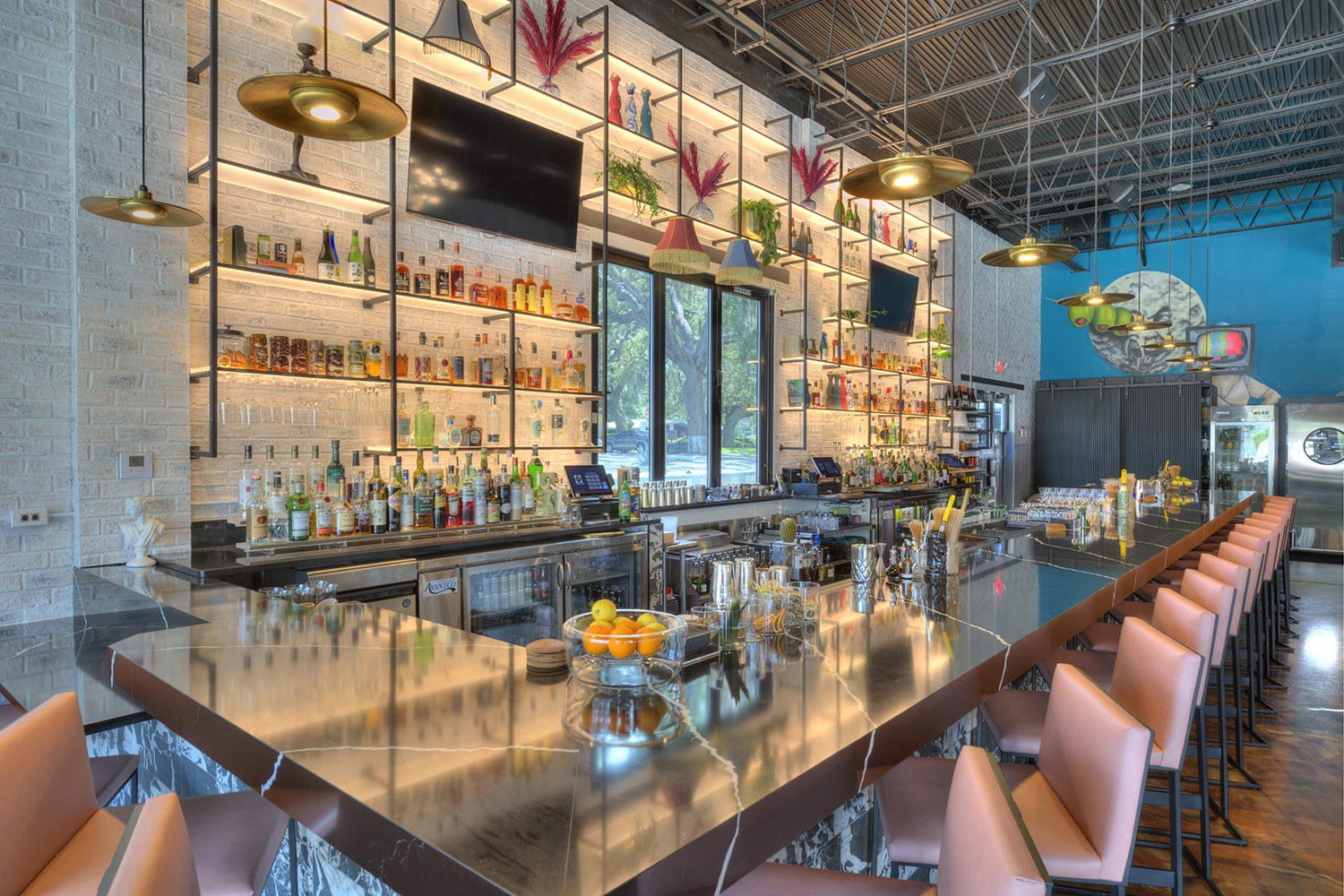

Hotels in Nara
Browse all →




Wineries in Nara
Browse all →
At a Glance
- Elegant
- Sophisticated
- Modern
- Intimate
- Special Occasion
- Date Night
- Celebration
- Open Kitchen
- Private Dining
- Historic Building
- Extensive Wine List
- Sake Program
- Local Sourcing
- Mountain
- Street Scene
Current opening hours
- Monday
- Closed
- Tuesday
- 12–3:30 PM, 6–9:30 PM
- Wednesday
- 12–3:30 PM, 6–9:30 PM
- Thursday
- 12–3:30 PM, 6–9:30 PM
- Friday
- 12–3:30 PM, 6–9:30 PM
- Saturday
- 12–3:30 PM, 6–9:30 PM
- Sunday
- 12–3:30 PM, 6–9:30 PM
Hours can change for holidays and private events. Last verified .
Modern and stylish interior with open space connecting to nature, pleasant views of Mt. Wakakusa, and an elegant, immersive atmosphere.