







3 Michelin Keys · World's 50 Best #5 · La Liste Top Hotels
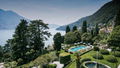
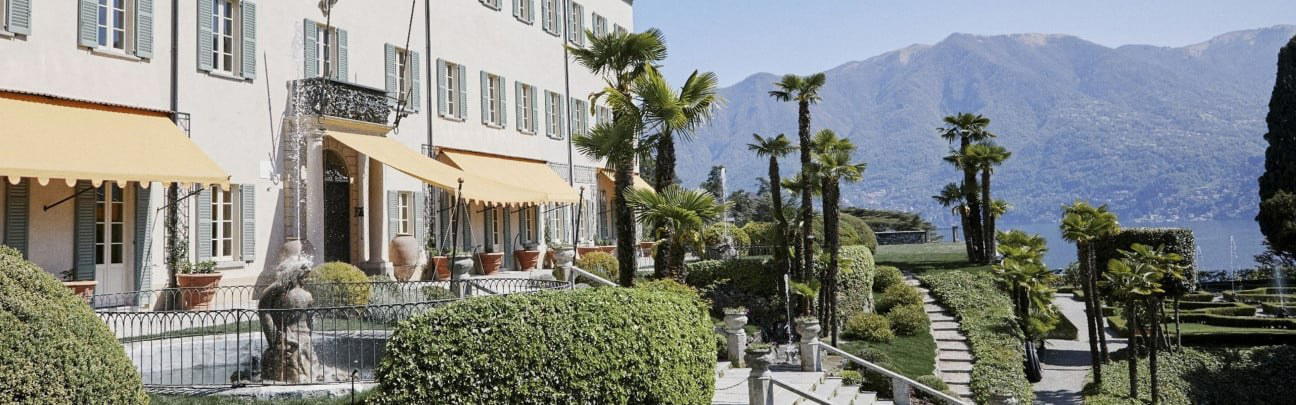
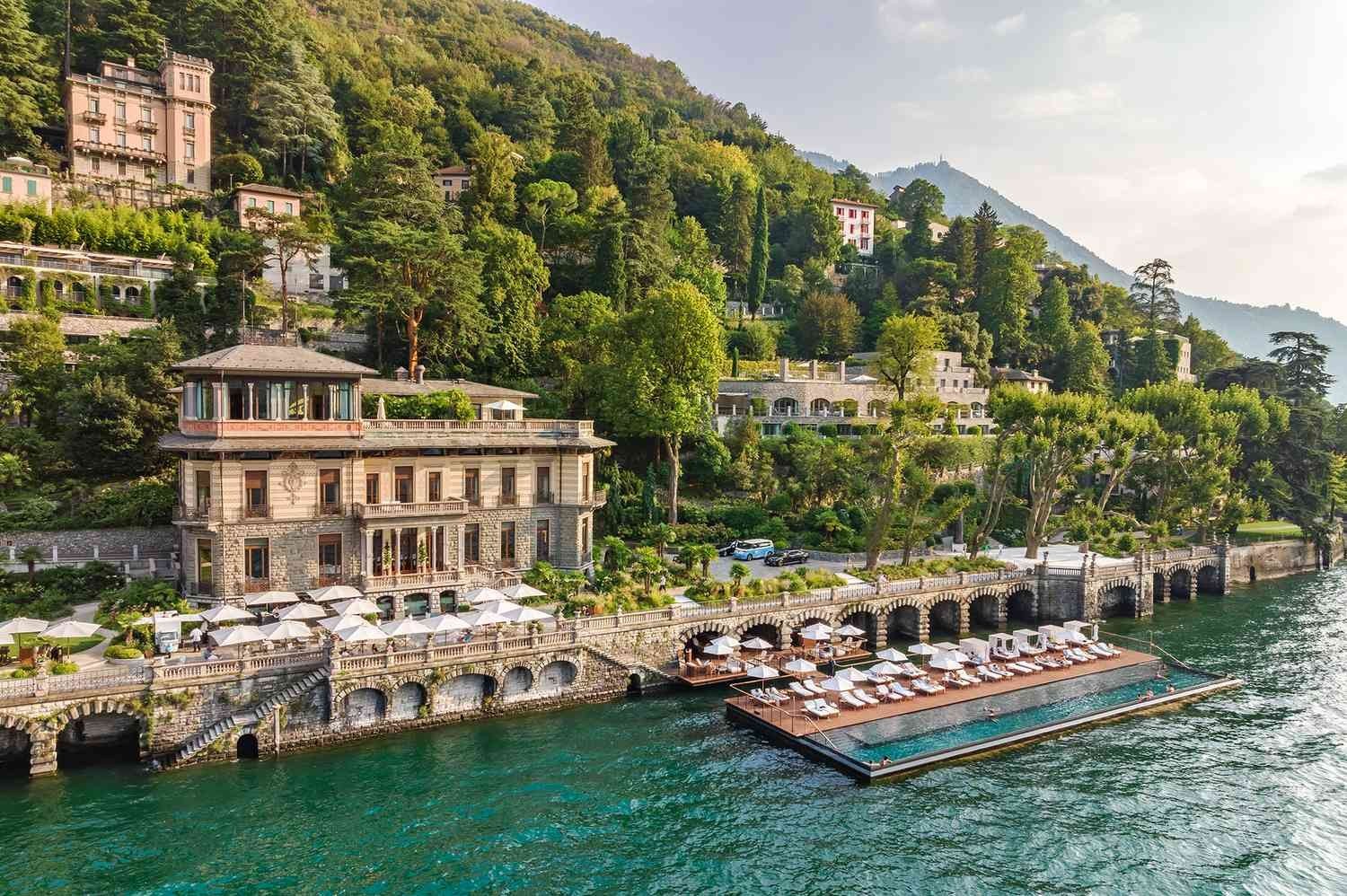
Passalacqua turns Lake Como hospitality back toward the private-villa model: small scale, formal gardens, historic rooms, and a service culture built around choice rather than hotel choreography. With 24 accommodations in Moltrasio and recognition from La Liste Top Hotels 2026 and World's 50 Best Hotels 2025, it sits in the rarefied tier of Italian lake addresses.

Pearl is the En Primeur Club membership app, where members save venues, book tables and use the concierge.
The clearest confirmed impression is not a list of facilities, room counts or rankings, but a sense of residential ease: a place where hospitality is described as unusually accommodating.
the important boundary is precision. Public-facing pages can accumulate claims about architecture, amenities, dining formats, awards and services that need independent confirmation.
The return of the private Como house
Passalacqua is best understood through the idea of the private Como house rather than through unverified specifics about inventory, layouts or facilities. The verified recognition language places it on the shores of Lake Como and presents it as a casa with a strong sense of place.
That matters because Lake Como hospitality is often about more than a room: arrival, setting, rhythm and the feeling of being held by a house all shape the stay. At Passalacqua, the confirmed editorial point is that the property's character is tied to Moltrasio, Lake Como and the Bellini association, not to a checklist of amenities that cannot be verified here.
In a Lake Como set where Il Sereno, Mandarin Oriental, Lago di Como and Villa d'Este speak different dialects of lakeside hospitality, Passalacqua is positioned most naturally as the Moltrasio address with the strongest private-house language in the verified material.
Dining follows the house rather than the restaurant script
The verified recognition does not confirm a cuisine, chef, menu format, price point, service schedule or specific restaurant structure. What it does say is more general but still useful: staff are described as having removed the word “no” from their vocabulary, so meals can be wherever guests want them.
That line supports a careful reading of the dining experience as flexible and house-led, without inventing details about breakfast, lunch, dinner, gardens, producers, chefs or formal restaurant formats. The safer takeaway is that Passalacqua's hospitality is described as highly accommodating, with meals treated as part of the broader stay rather than as a separately verified restaurant program.
How to place it within Moltrasio and the wider Lake Como map
Moltrasio is the location to use when planning around Passalacqua.
The traveller fit is clearest for guests drawn to a smart-casual Lake Como stay with a private-house mood, a Bellini association and service described as unusually flexible.
For broader area planning, EP Club's city rails help: Our full Moltrasio hotels guide, Our full Moltrasio restaurants guide, Our full Moltrasio bars guide, Our full Moltrasio wineries guide and Our full Moltrasio experiences guide separate the lake stay from the dining, drinking and excursion pieces around it.
Within the Lake Como conversation, Passalacqua can be considered alongside Il Sereno, Mandarin Oriental, Lago di Como and Villa d'Este, while other dining and hotel options in Moltrasio can be treated generically unless separately verified.
Fast Comparison
Comparable venues by cuisine and price in the same metro.
| Venue | Cuisine | Price | Awards |
|---|---|---|---|
| PassalacquaThis venue (the venue you are viewing) | There are no bum notes at Passalacqua on the shores of Lake Como, a casa that rivals chez Clooney and was once the home of the composer Bellini. Staff have removed the word ‘no' from their vocabulary, so meals can be wherever you want them, starting with a rose-garden breakfast. Beneath the villa, there are tunnels providing a secret escape route to the marina for anyone feeling especially dramatic. The seven acres include centuries-old cedars and magnolias and even the gym is in an olive grove. And, when you're ready to drag yourself away (it may be a while), Beppe the boatman is waiting to set sail into the sunset.; Standing proudly in the quaint lakeside village of Moltrasio just fifteen minutes from Como town, Passalacqua, a private home since 1787, has been transformed into a once-in-a-century hotel. Each of the 24 distinctive accommodations, housed either in the grand Villa, the ancient Palazz or the romantic Casa al Lago, embodies the enviable lakeside lifestyle that has made Lake Como so beloved through the ages. The mansion has seven acres of lush gardens across eight scenic terraces leading down to the lake shore, its mature trees and stately palms framing the blue expanse sparkling below. Set among the gardens, burbling fountains and centuries-old trees, guests can enjoy a panoramic swimming pool, an open-air gym in the olive grove, a lakeside tennis court, movie nights under the stars and much more. The lavish wellness program is designed to restore the mind, body and soul, offering relaxation and treatment rooms with rituals inspired by the lake's magic. The distinctive approach to dining invites guests to enjoy Italian delicacies when, where and just the way they like. A variety of relaxed dining spaces indoors and out for a farm-to- table exclusive experience. At Passalacqua, it's all about reviving the lost art of travel known as “ villeggiatura ” and making new memories. A place of wonder created from the heart. A celebration of lake and life; On Lake Como, there are five-star luxury hotels, and then there is Passalacqua, which is in a class of its own.; An 18th-century villa on Lake Como that feels like a private home. With terraced gardens and ornate interiors, it captures the timeless romance and grandeur of Italian lake life.; La Liste Top Hotels (2026): 91.5pts; Passalacqua represents the renaissance of Italian luxury hospitality, transforming an 18th-century villa on Lake Como into an unusual resort experience. This intimate property features just 24 rooms and suites within the historic villa and its gardens, each showcasing period antiques, frescoed ceilings, and views of the lake or surrounding mountains. The hotel occupies seven terraced acres of botanical gardens, including rare plants and century-old trees that create a romantic atmosphere. The spa, housed in a historic greenhouse, offers treatments using local ingredients and traditional Italian wellness practices. Multiple dining venues celebrate Lake Como's culinary heritage, with ingredients sourced from the hotel's kitchen garden and local producers. The property's private boat provides access to other lakeside villas and towns, while the infinity pool offers dramatic lake views. Activities include cooking classes, garden tours, and excursions to nearby attractions like Villa del Balbianello.; World's 50 Best Hotels #4 (2025); 24 Rooms; Price: 1,278 Rooms: 24 Rooms Villa Passalacqua, the latest hotel project by the De Santis family – also owners of the Grand Hotel Tremezzo – was designed in the late 18th century for Count Andrea Lucini Passalacqua and quickly became a gathering place for countless prominent figures from the worlds of music, literature, art, and politics. In 1829, Vincenzo Bellini chose it as his residence, composing two of his most famous operas there: Norma and La Sonnambula. Inaugurated as a luxury hotel in 2022, this enchanting property now offers 24 magnificent suites distributed across three distinct buildings, each with its own distinctive character. The main residence, the Villa, features 12 sumptuous rooms adorned with frescoes, stuccoes, and precious decorative details. The eight suites in the Palazz – the former stables – are characterised by a more intimate and welcoming atmosphere, with exposed beams and hand-painted walls. Finally, just steps from the water, Casa al Lago houses four suites, each with its own private garden. The Palazz is also home to the spa, which includes a fascinating wet area carved out of an underground tunnel – one of Passalacqua's many hidden secrets. Every detail and furnishing has been to celebrate the leading Italian craftsmanship: Rubelli and Fortuny fabrics, Barovier & Toso glass chandeliers, Barbini mirrors, and Beltrami bed linen made from a natural material derived from birch trees that is softer than silk. If the interiors recreate the magic of an aristocratic, refined, and intimate stay, the terraced gardens are equally enchanting: an elegant Italian garden, a solarium with pool, a delightful rose garden, a meditation area well-suited for yoga, and even a henhouse where guests can collect fresh eggs for breakfast. Two luxurious Riva motorboats take guests out to explore the lake, while on the culinary front, Chef Viviana Varese offers an authentic “home-style” dining experience inspired by particularly genuine Italian traditions, using fresh ingredients sourced directly “from the garden to the table.”; There was also an overwhelming response for Collegio alla Querce, Auberge Resorts Collection, housed in three adjacent Renaissance-era buildings in the hills just north of Florence. The property opened in 2023 as part of the Auberge Resorts Collection, transforming a former Jesuit seminary and two historic villas into a luxury hotel. The 83 rooms and suites are spread across the three buildings, each offering views of the Tuscan countryside or the historic courtyard. The interiors blend original architectural details like frescoed ceilings and stone walls with contemporary luxury. The hotel features multiple restaurants, including a fine-dining establishment in the former chapel and a casual poolside eatery. A comprehensive spa offers treatments using local ingredients, while the infinity pool overlooks the rolling hills. The property includes 18 acres of manicured gardens, olive groves, and walking trails. Florence's art treasures and historic center are just a 15-minute drive away.; Michelin 1 Key (2024); World's 50 Best Hotels #1 (2023) | Not listed | 3 Michelin Keys · World's 50 Best #5 |
| Il Sereno | Not listed | $1,500–2,500 | 2 Michelin Keys · La Liste Top Hotels |
| Mandarin Oriental, Lago di Como | Not listed | $1,000–1,500 | Michelin Selected · La Liste Top Hotels |
| Mandarin Oriental, Lago di Como | Not listed | $1,000–1,500 | Michelin Selected · La Liste Top Hotels |
| Villa d'Este | Not listed | Not listed | 2 Michelin Keys · La Liste Top Hotels |
| Villa d'Este | Not listed | Not listed | 2 Michelin Keys · La Liste Top Hotels |
Recognition history
Dated appearances from independent guides and award organizations, with the underlying list record or original source where available.
Michelin 3 Keys
Michelin
World's 50 Best Hotels #5 · No. 5
World's 50 Best · 2026 World’s 50 Best Hotels 1-50
La Liste Top Hotels
La Liste
Conde Nast Gold List
Conde Nast
Fodor's Most Incredible Hotels in the World
Fodor's
Full recognition history (14 entries)
Mr & Mrs Smith Seal of Approval
Mr & Mrs Smith
Virtuoso Luxury Hotel Partner
Virtuoso
Michelin 3 Keys
Michelin
Preferred Hotels Member
Preferred Hotels
Robb Report The 50 Greatest Luxury Hotels on Earth #13
Robb Report
World's 50 Best Hotels #4
World's 50 Best
Michelin 1 Key
Michelin
World's 50 Best Hotels #2
World's 50 Best
World's 50 Best Hotels #1
World's 50 Best
Passalacqua
Featured Guides
Continue exploring
More in Moltrasio
Hotels in Moltrasio
All hotels in Moltrasio →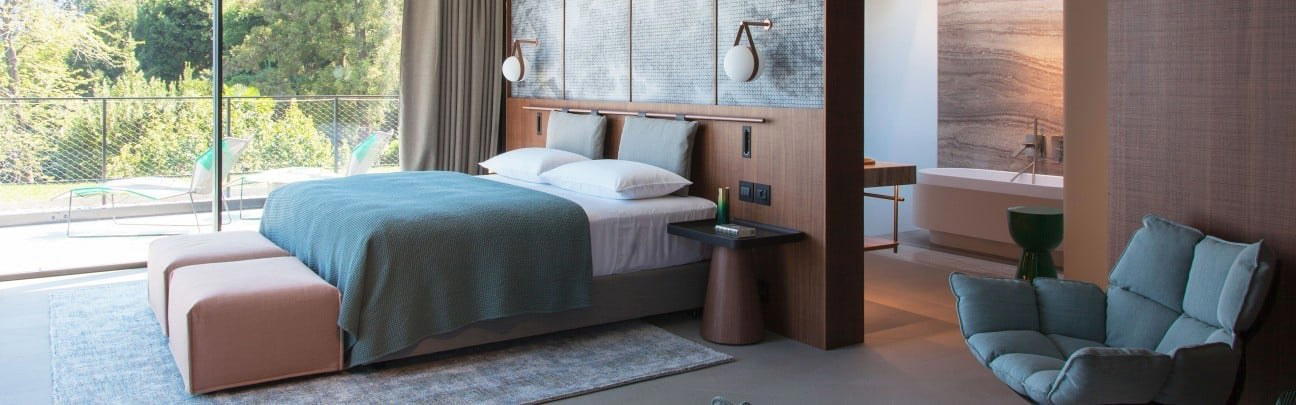
Bars in Moltrasio
Browse all →

Details
- Romantic
- Elegant
- Scenic
- Ornate
- Sophisticated
- Intimate
- Classic
- Honeymoon
- Romantic Getaway
- Anniversary
- Weekend Escape
- Waterfront
- Panoramic View
- Private Villa
- Historic Building
- Garden
- Terrace
- Pool
- Spa
- Fitness Center
- Room Service
- Concierge
- Wi Fi
- Garden
- Sauna
- Tennis
- Restaurant
- Waterfront
- Garden
- Elevator
- Wheelchair Accessible
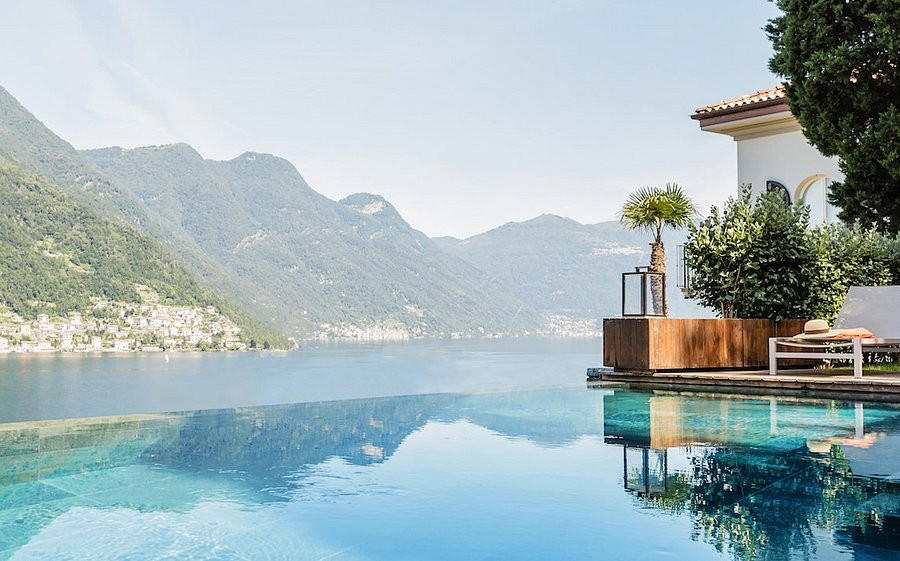
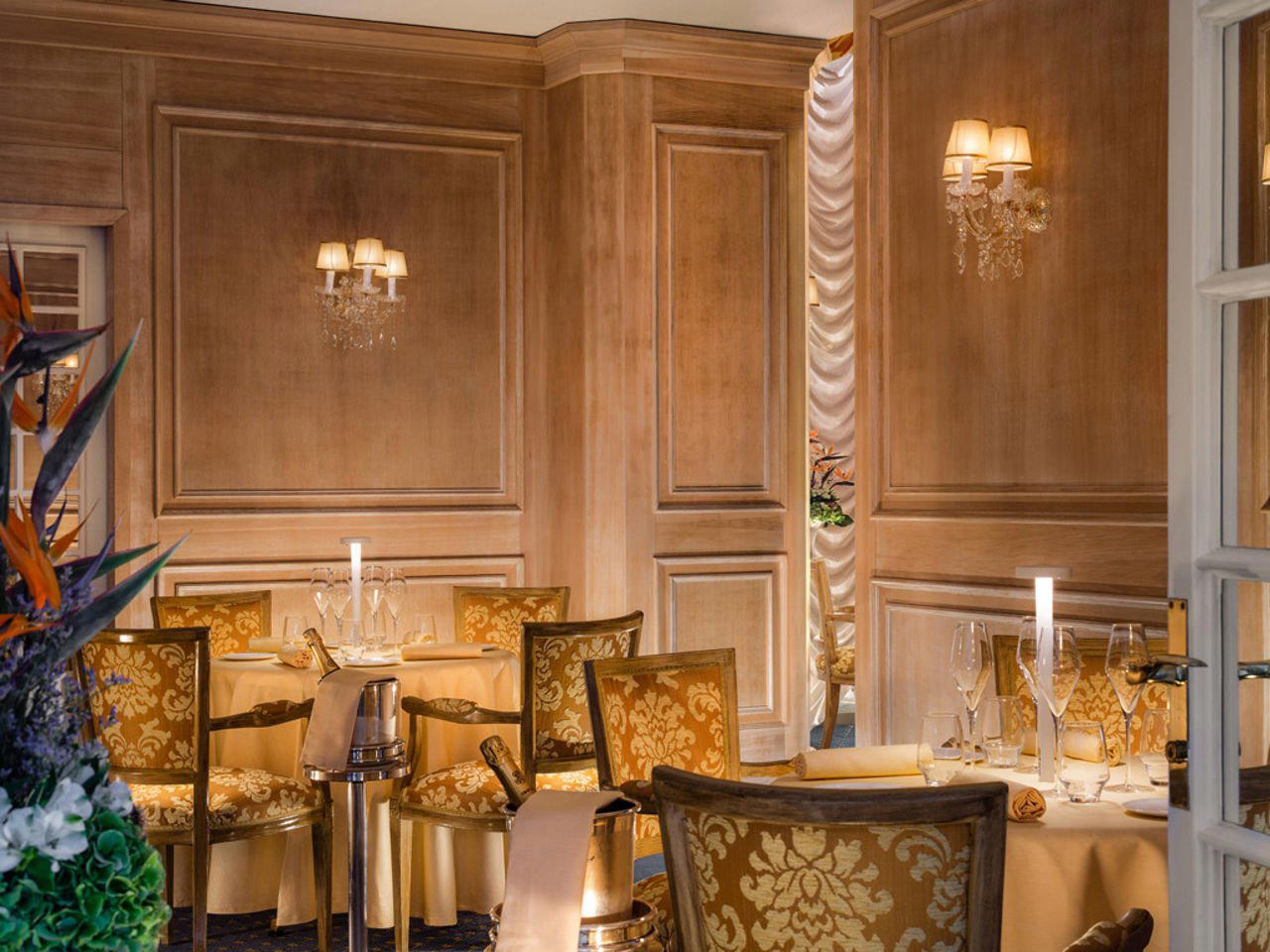
Tranquil and elegant with natural light, panoramic lake views framed by ancient trees, classic decor featuring Carrara marble, chandeliers, antiques, and a serene atmosphere praised in guest reviews.