
Tabelog 100 #74
Our verdict
Birdland serves authentic Neapolitan pizza in Sakai with casual, conversational service and an open kitchen; Tabelog ranked it #74 on the 2025 100 list.

Pearl is the En Primeur Club membership app, where members save venues, book tables and use the concierge.
A Name, an Address, and a Gap in the Record
In Sakai, Fukui, a small city on the Sea of Japan coast, roughly midway between Kanazawa and Fukui city, the dining scene operates largely outside the networks that feed international restaurant coverage. Venues here are not chasing the Michelin circuit that concentrates attention on Osaka, Kyoto, and Tokyo. They exist for a local and regional audience, and that insularity shapes everything about how they present themselves, how they price, and how they expect guests to behave at the table. Birdland sits at 4 Chome-19-21 Mikunicho Midorigaoka in that city, and the address alone tells you something: this is a residential and light-commercial strip, not a dining district built around foot traffic or tourism infrastructure.
The practical reality for a traveller approaching Birdland is that the information architecture around it is sparse. That absence is not unusual for this tier of the Hokuriku dining scene, where proprietors often prefer walk-in relationships, phone reservations managed through local networks, or simply a sign on the door. It is, however, worth understanding before you plan a trip around a single reservation.
The Ritual of Eating in Smaller Japanese Cities
In Japan's secondary and tertiary cities, the dining ritual carries different conventions than the high-ceremony counters of Ginza or the performance-kitchen restaurants that draw destination diners to HAJIME in Osaka. In places like Sakai, the meal is often shaped by the proprietor's rhythm rather than a fixed service format. Courses, if offered, may be communicated verbally. The assumption is repeat custom: a patron who has been before understands the pace, the rotation of seasonal ingredients, and the house preferences around sake pairing or local spirits. First-time visitors from outside the region are sometimes treated warmly but pragmatically, the restaurant is not performing for them.
This is the tradition that informs reading a place like Birdland correctly. The name itself, English, avian, carrying a faint jazz-era resonance, suggests a proprietor with a specific cultural reference point, possibly a music inclination, possibly a nod to the New York club of the same name. Whether that surfaces in the room's design or the soundtrack is not something the public record confirms, but it marks the venue as something other than a default izakaya or kaiseki house.
Compare this positioning to what happens at the upper tier of regional Japanese dining: venues like Gion Sasaki in Kyoto or Harutaka in Tokyo operate with documented omakase formats, published pricing, and international reservation systems.
Sakai's Dining Context
Sakai, Fukui should not be confused with Sakai in Osaka Prefecture, which is a major city with its own distinct dining character. Sakai, Fukui is a coastal town whose food culture draws from the Sea of Japan's seasonal hauls: crab in winter, particularly the male snow crab known as echizen-gani, which carries a protected geographic designation and drives significant seasonal tourism to the Fukui coast between November and March. Any serious restaurant operating in this geography during those months is, knowingly or not, participating in one of Japan's more codified seasonal dining rituals.
That seasonal context matters more here than in a city with year-round diversity of supply. If Birdland operates in the seafood or Japanese category, which the address and regional context would suggest as a reasonable hypothesis, though not a confirmed fact, then winter reservations during crab season would carry entirely different stakes than a summer visit. This pattern repeats across the Hokuriku coast, from the restaurants of Kanazawa to the smaller houses along the Obama and Tsuruga bays.
These venues collectively define what the local dining circuit offers, and understanding Birdland means situating it among them rather than measuring it against Le Bernardin in New York City or Lazy Bear in San Francisco, which operate in entirely different registers of scale, media exposure, and reservation architecture.
Across Japan's regional cities more broadly, the pattern of small, proprietor-led restaurants with minimal digital footprints repeats from Goh in Fukuoka to akordu in Nara to Abon in Ashiya and further out to affetto akita in Akita, Aji Arai in Oita, Ajidocoro in Yubari District, and Akakichi in Imabari. The absence of a booking platform or a published menu is not a signal of quality in either direction, it is a signal of audience.
Planning a Visit: What to Prepare For
The address places Birdland in a residential pocket of Midorigaoka, which requires either a car or a taxi from central Sakai. Without published hours or a confirmed booking method, the approach most likely to succeed involves calling ahead if a local contact can facilitate Japanese-language communication, or arriving at a conventional dinner hour, typically 18:00 to 19:00 in this part of Japan, and accepting the possibility of a wait or a full house. Japanese regional restaurants of this type rarely post English-language information, and translation apps on arrival are a more practical tool than trying to research in advance from outside Japan.
The broader Sakai dining scene, including the venues noted above, is covered in our full Sakai restaurants guide, which provides comparative context for planning a multi-venue visit to the region rather than a single-restaurant trip.
Frequently asked questions
Where exactly is Birdland?
Birdland is located at 4 Chome-19-21 Mikunicho Midorigaoka, Sakai, Fukui 913-0048, Japan, Sakai.
Is Birdland in Sakai, Fukui the same as the famous Birdland yakitori restaurant in Tokyo?
No. The Birdland at 4 Chome-19-21 Mikunicho Midorigaoka, Sakai, Fukui is a separate venue with no documented connection to the Ginza yakitori counter of the same name. The Sakai location carries no published awards, chef attribution, or cuisine classification, placing it in an entirely different category from the Tokyo operation.
What's the must-try dish at Birdland?
In smaller Fukui Prefecture restaurants of this address profile, seasonal local produce from the Sea of Japan coast, including fish and regional vegetables, tends to anchor the kitchen, but any specific dish recommendation would require direct confirmation from the venue.
How hard is it to get a table at Birdland?
Birdland operates without a published phone number, website, or listed hours, which means there is no confirmed public booking channel. Visitors planning a trip to the Midorigaoka address in Sakai, Fukui should plan for in-person inquiry or seek local assistance, as is common with smaller independent restaurants in Fukui's secondary cities.
What is Birdland known for?
Birdland's public record is thin: a residential Midorigaoka address in Sakai, Fukui, a city on the Sea of Japan coast between Kanazawa and Fukui city. No awards, cuisine classification, or chef attribution appear in documented sources. That absence is itself a signal, this is a neighbourhood-level operation with no apparent interest in external visibility.
Style and Standing
| Venue | Cuisine | Price | Awards | Notes |
|---|---|---|---|---|
| BirdlandThis venue (the venue you are viewing) | Authentic Neapolitan Pizza | $30–50 | Tabelog 100 #74 | Not listed |
| Kawaki | Echizen Crab Specialist | $500+ | Not listed | Seafood |
| Oga | Premium Bluefin Tuna Omakase | $300–500 | Tabelog Bronze #331 | Not listed |
| Osamuchan | Yakiniku Omakase | $100–150 | Tabelog Bronze #343 | Not listed |
| æ¥æ¬æç å³ææ | Japanese Restaurant | Not listed | Not listed | Not listed |
| æ±é | Japanese Restaurant | Not listed | Not listed | Not listed |
Recognition history
Dated appearances from independent guides and award organizations, with the underlying list record or original source where available.
Tabelog 100 #74 · No. 74
Tabelog · Tabelog 100 - Italian - WEST - 2025
Continue exploring
More in Sakai
Restaurants in Sakai
All restaurants in Sakai →
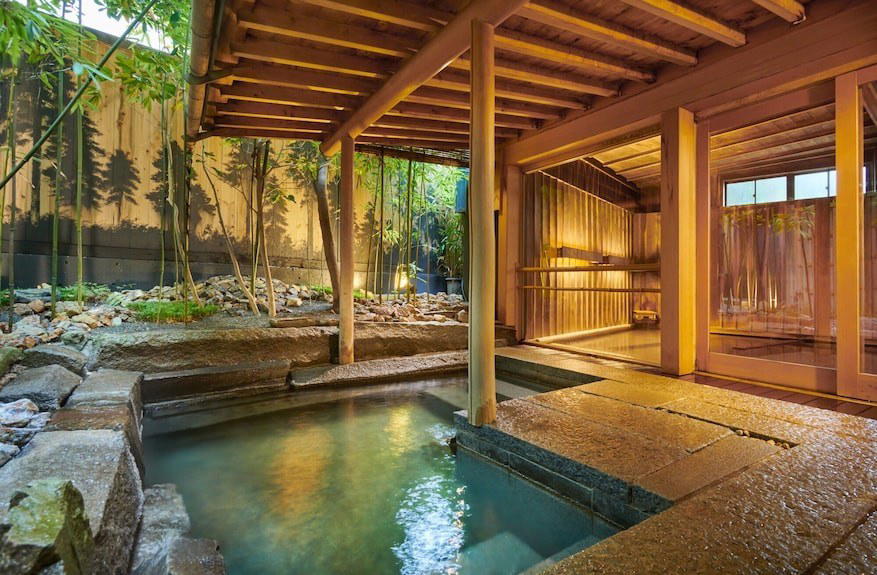
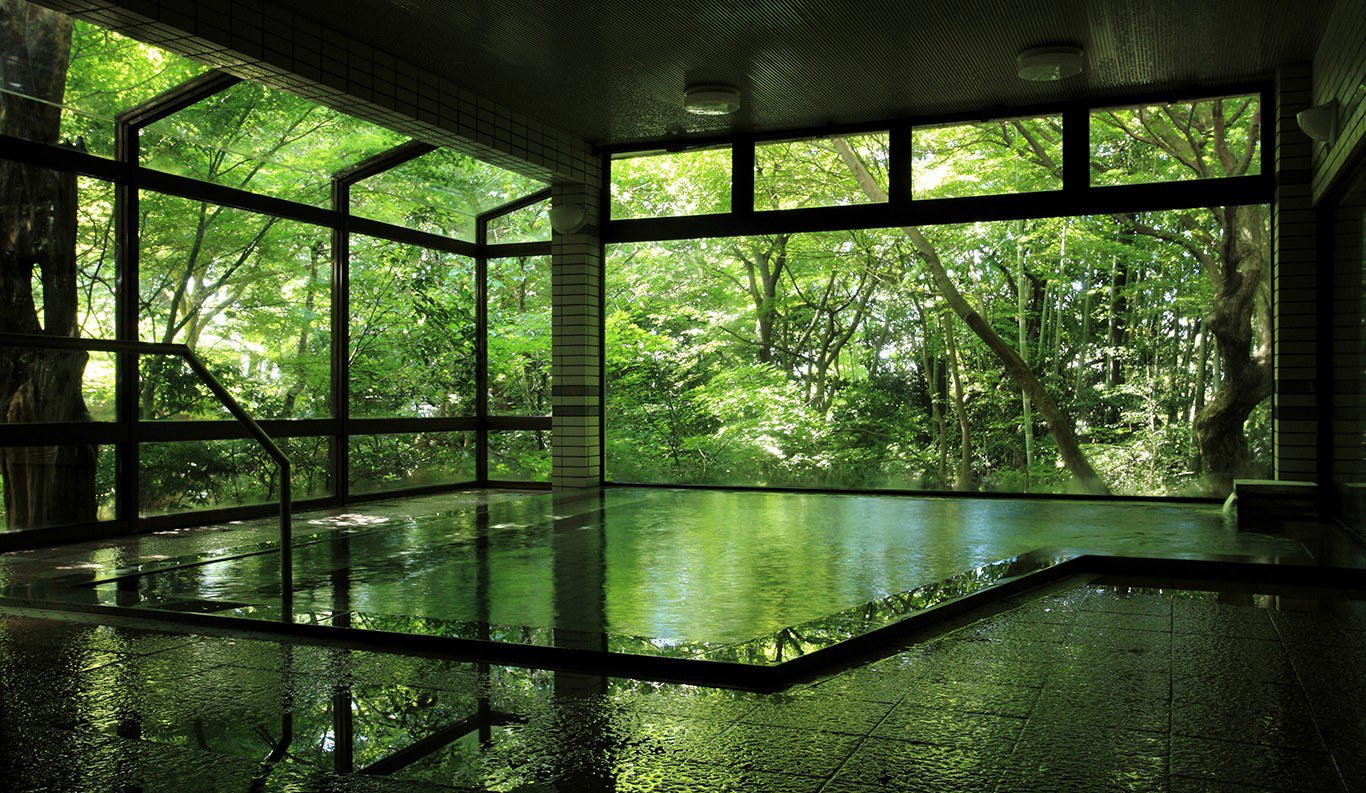
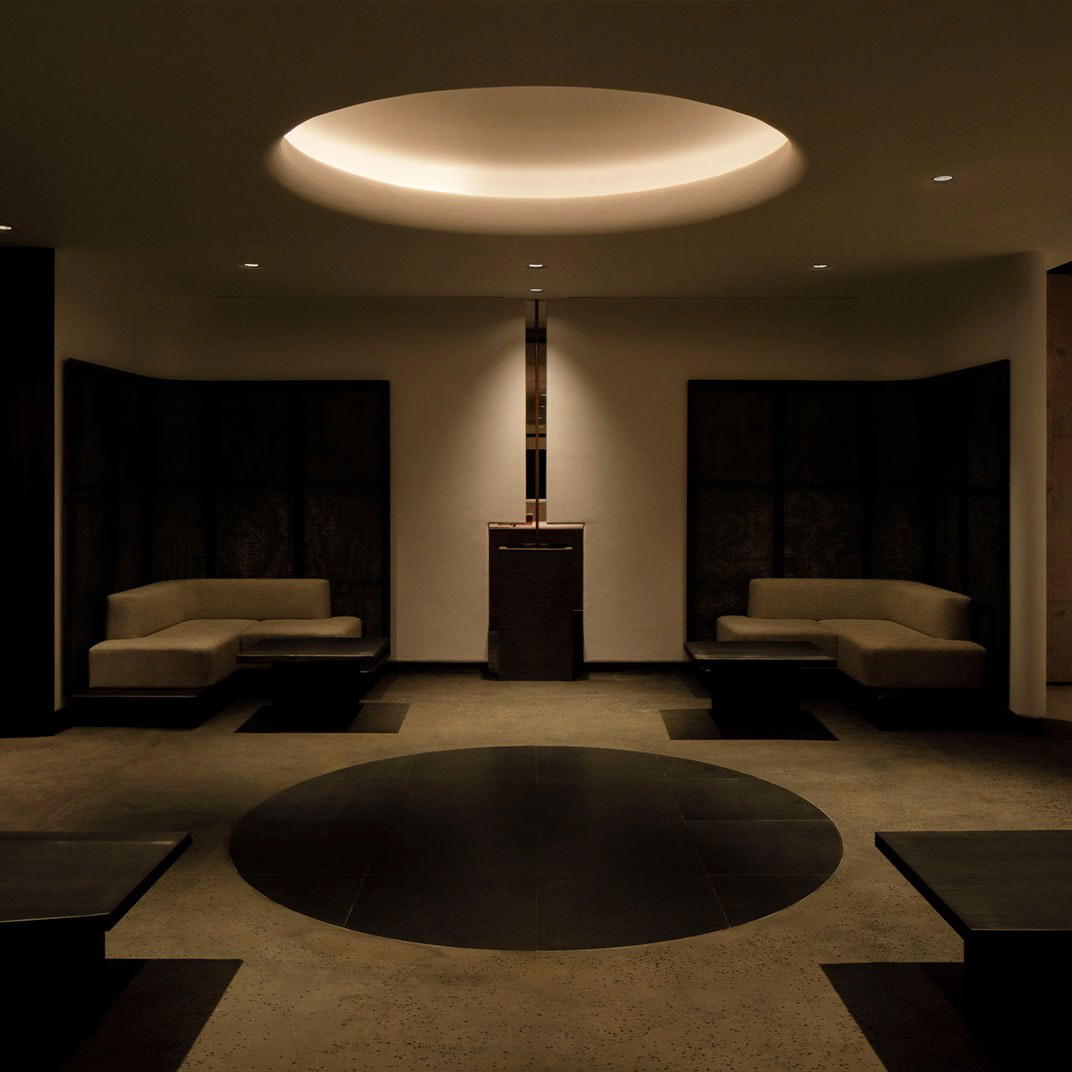
Details
- Cozy
- Rustic
- Casual Hangout
- Family
- Open Kitchen
- A La Carte
Current opening hours
- Monday
- Closed
- Tuesday
- 11 AM–3 PM, 5–9 PM
- Wednesday
- 11 AM–3 PM, 5–9 PM
- Thursday
- Closed
- Friday
- 11 AM–3 PM, 5:30–9 PM
- Saturday
- 11 AM–3 PM, 5:30–9 PM
- Sunday
- 11 AM–3 PM, 5:30–9 PM
Hours can change for holidays and private events. Hours as of .
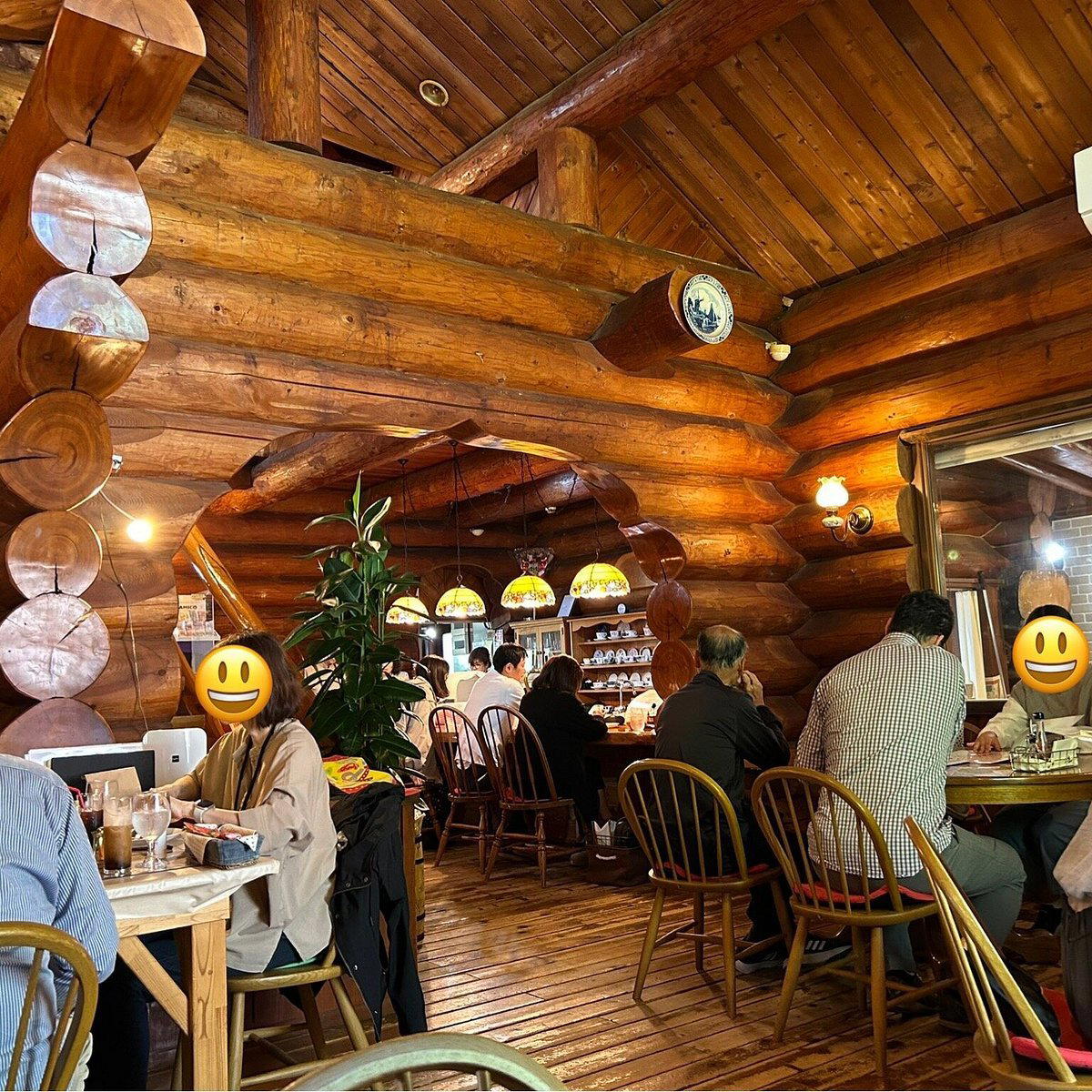
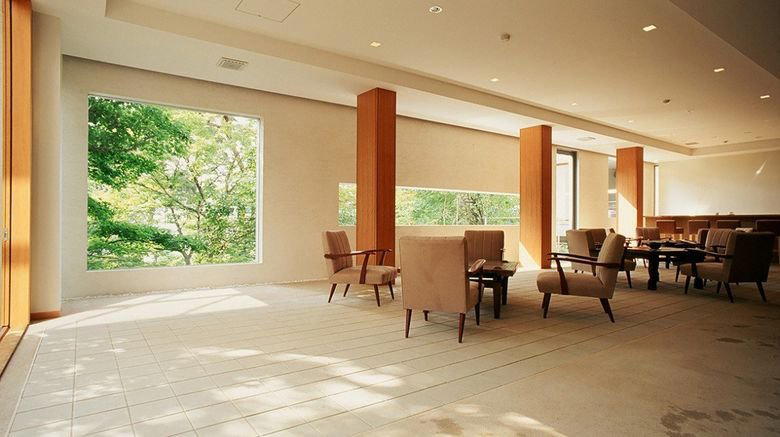
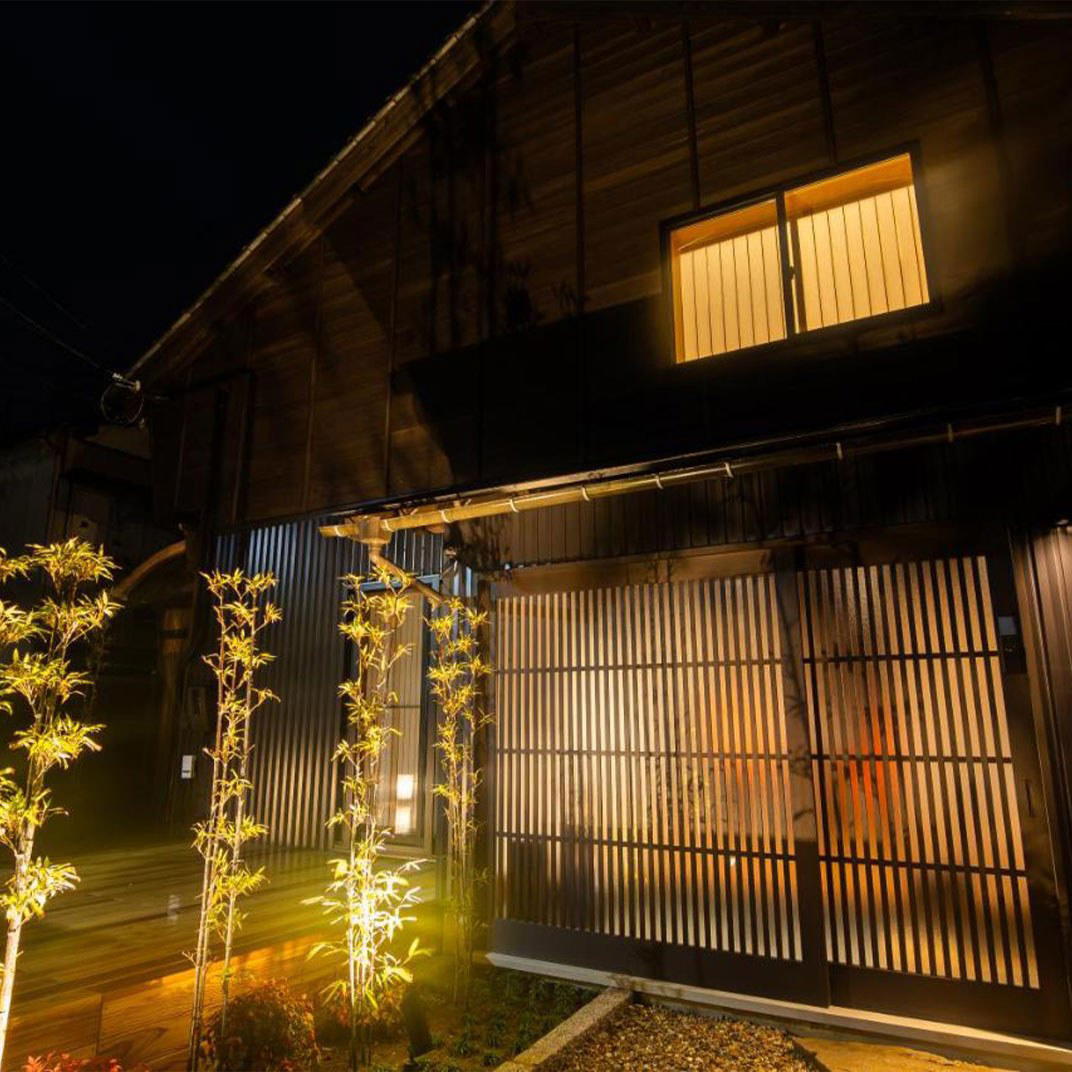
Cozy and warm atmosphere reminiscent of Campania, with a log-house vibe that elevates the wood-fired pizza experience.