



1 Michelin Star · World's 50 Best #76 · Tabelog Bronze #44
Our verdict
A Michelin-starred Italian restaurant in Kyoto's Sakyo Ward, cenci sits at the intersection of Italian technique and Japanese fermentation traditions, drawing on domestic produce, sake lees, and kombu-based stocks to build a menu that earned Tabelog Bronze recognition from 2020 through 2026 and a place in Asia's 50 Best Restaurants in 2025. Dinner runs ¥20,000–¥29,999 per person; reservations open two months out.

Pearl is the En Primeur Club membership app, where members save venues, book tables and use the concierge.
The menu
What to order
- Kyoto pork with porcini mushrooms and Tasmanian grain mustard
- Matsutake mushroom spaghetti
- Hokkaido oyster risotto
- Chestnut ice cream
- Prosciutto with gingko crepe and house-made mozzarella
Italian in Kyoto, on Kyoto's Terms
Sakyo Ward sits on the eastern edge of Kyoto, stretching from the canal-threaded streets near Heian Shrine northward through the forested hills that separate the city from its older, quieter self. The neighbourhood draws a different crowd from the high-traffic temple circuits of Higashiyama, quieter, more residential, with enough culinary density to sustain serious diners without the mid-afternoon tourist surge. It is in this part of the city, in a house-restaurant format on a backstreet near Shogoin, that one of Japan's more closely watched Italian tables has been running since December 2014.
The Italian restaurant category in Japan is now one of the most competitive in Asia. Tokyo has long anchored the field, with Ginza and Aoyama addresses competing directly with European peers for press attention and awards recognition. But the western Japan scene, Osaka, Kobe, and Kyoto, has developed a distinct character, one shaped less by the European-trained chef who replicates a metropolitan Italian model and more by cooks who have decided that Japanese ingredients are not just permissible in Italian cooking but structurally central to it. cenci, under chef Ken Sakamoto, is one of the clearest articulations of that position.
The Arc of a Meal
The format at cenci is course-based, running through lunch and dinner seatings with narrow windows, service opens at 12:00 for lunch with a last food order at noon, and at 18:00 for dinner with last food order at 18:30. Those tight windows are characteristic of Japanese counter-and-course restaurants that treat timing as part of the experience rather than a logistical compromise. With 26 seats across counter, tables, and a private room, the room is never large enough to absorb late arrivals or extended service variation; the pace is fixed.
Through-line of the menu is the intersection of Italian course logic with Japanese fermentation and stock techniques. Kombu kelp and bonito-based dashi, foundational to Japanese washoku cooking, enter where Italian technique would traditionally call for animal stocks. Sake lees and malted rice miso, both products of Japan's fermentation traditions, are applied in a register that Italian cooking would reach for aged dairy or cured fat. The result is a set of dishes that follow the appetiser-primi-secondi arc of Italian course structure while carrying flavour profiles that are distinctly Japanese in depth and restraint. Cured hams and cheeses arrive from producers selected for compatibility with this approach rather than for European provenance.
Sourcing philosophy extends to the vegetable program. Nonstandard and foraged vegetables appear in fermented form; citrus prunings, parts of the tree typically discarded, add sourness and brightness as garnish. This is not Italian-Japanese fusion in the hybrid sense that became fashionable in the early 2000s: it is an argument that Italian cooking, at its structurally sound core, is a framework for expressing local produce, and that Japanese produce is among the most expressive in the world. The fish-focused approach listed in Tabelog's food notes reinforces the point: Japan's coastal and freshwater supply offers quality that Italian coastal kitchens would recognize, and the menu treats fish accordingly.
Wine program is noted as a particular focus, with a sommelier on staff and a selection that, based on the drinks listing, runs toward wine with sake also available. The combination of Italian-framed courses and Japanese fermented beverages is increasingly common at the premium end of the Kyoto dining market, reflecting both the sophistication of the local sommelier community and the growing international recognition of sake as a serious pairing option.
Recognition and Where It Sits
cenci's awards record is one of the more consistent in western Japan's Italian category. Tabelog Bronze recognition in 2020, 2021, 2025, and 2026, combined with repeated selection for the Tabelog Italian WEST Top 100, places it in a peer group that includes the most-reviewed Italian addresses in the Osaka-Kyoto-Kobe corridor. The Tabelog score of 4.16 as of 2026 and a Google aggregate of 4.6 across 365 reviews suggest alignment between specialist platform assessment and broader diner experience, a combination that is not always guaranteed at restaurants operating at this level of culinary ambition.
The most externally significant recognition came in 2025, when cenci was listed at number 63 in Asia's 50 Best Restaurants (an extended list entry), and ranked 135th in Opinionated About Dining's Japan list for 2024, rising to 168th in the 2025 iteration. Comparison venues in the broader Kyoto scene, Gion Sasaki and Ifuki at three and two Michelin stars respectively, both kaiseki, operate at a higher price point (¥¥¥¥) and within Japan's own culinary tradition. cenci's ¥¥¥ positioning and Italian frame give it a different competitive identity, one oriented toward international dining travelers and Kyoto residents looking outside the kaiseki circuit.
For travelers comparing Italian addresses across Japan, the relevant peer restaurants include HAJIME in Osaka, which operates at the far end of the experimental spectrum in the same western Japan region, and akordu in Nara, which applies a similar logic of European technique meeting Kansai ingredients in a different prefectural context. Beyond Japan, 8 1/2 Otto e Mezzo Bombana (Hong Kong) represents the Asia Italian table that works from European provenance and three Michelin stars outward, while Frasca Food & Wine in Boulder shows how Italian regional cooking can be reinterpreted through a specific local terroir in a very different geography. cenci's position in that broader conversation is as the most fully Japanese articulation of the Italian course format currently holding Michelin recognition in the Kansai region.
Other Italian Addresses in Kyoto
The Kyoto Italian scene beyond cenci includes several addresses worth mapping. Bini and Vena represent different approaches within the city's Italian tier. BOCCA del VINO and DODICI fill out a category that, while smaller than Tokyo's, has developed genuine depth over the past decade. For Italian cooking that crosses over with Japanese kaiseki logic at a different price point, TAKAYAMA is another Kyoto address drawing on similar source material.
Diners extending their Kyoto trip across genres and formats can reference our full Kyoto restaurants guide, our full Kyoto bars guide, our full Kyoto hotels guide, our full Kyoto wineries guide, and our full Kyoto experiences guide for broader trip planning. For Japan itineraries beyond Kyoto, Harutaka in Tokyo, Goh in Fukuoka, 1000 in Yokohama, and 6 in Okinawa cover the range of premium dining outside the Kansai corridor.
Planning Your Visit
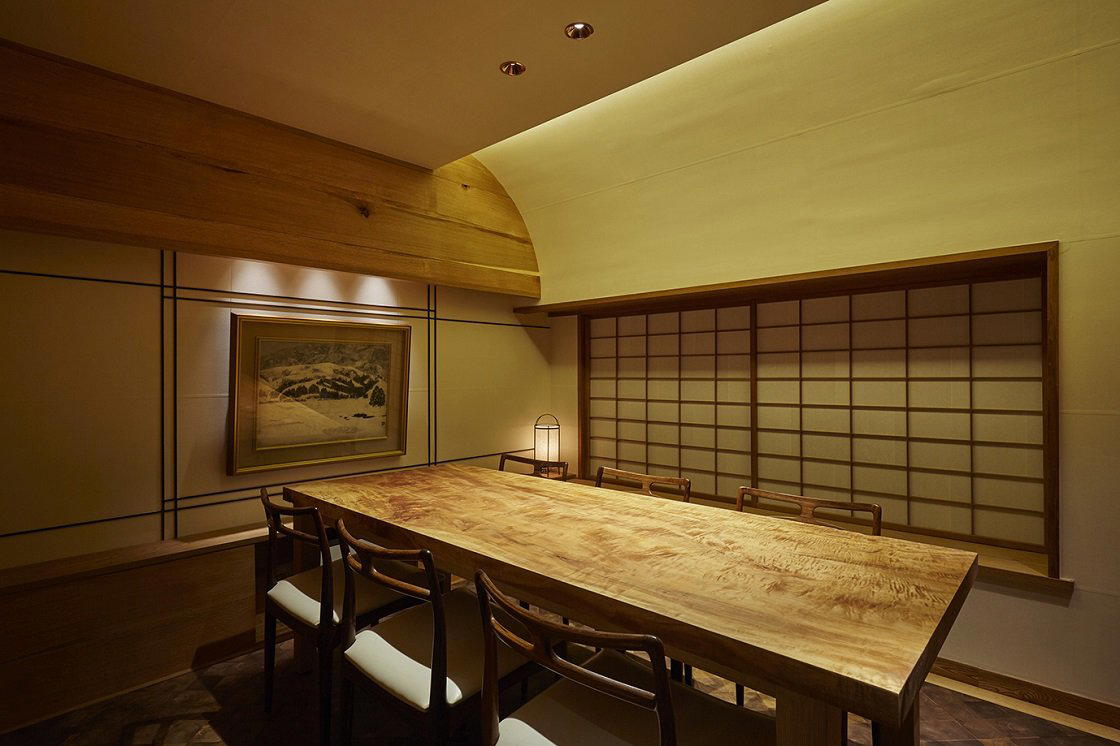
cenci is reservation-only, and the booking window opens two months in advance on the same calendar day. Dinner runs ¥20,000–¥29,999 per person; lunch is ¥10,000–¥14,999. A 10% service charge applies. The restaurant accepts major credit cards (Visa, Mastercard, JCB, Amex, Diners) but not electronic money or QR code payment. The 26-seat room includes four counter seats, two six-leading tables, four single tables, and a private room that accommodates five or more guests; the entire space can be reserved for private events of 20 to 50 people.
The restaurant is a 12-minute walk from Keihan Jingu Marutamachi Station and 15 minutes from Higashiyama Station on the Subway Tozai Line. There is no on-site parking; the nearest public lot closes at 21:30, which makes it unsuitable for dinner guests. The restaurant is wheelchair accessible and has free Wi-Fi. Dress code asks that guests avoid overly casual attire; sandals specifically are flagged as potentially unsuitable. Children under 12 are not accommodated at dinner; lunch in the private room is available for children six and older. The restaurant is closed Monday and Tuesday.
What People Recommend at cenci
The consistent thread across diner accounts of cenci is the internal coherence of the progression, the way each course positions the next rather than presenting as a sequence of disconnected set pieces. The fermented and fish-focused elements draw particular attention: dishes built on kombu stocks and sake lees carry a depth that sits differently from what standard Italian course restaurants in Japan typically deliver. The wine and sake pairing options, overseen by an on-staff sommelier, are noted as a meaningful part of the experience rather than incidental. The restaurant's Michelin star (2024), Tabelog Bronze recognition across multiple years, and position at number 63 on the Asia's 50 Best extended list (2025) collectively frame what to expect: a course meal with serious technique, strong sourcing credentials, and a clear point of view about what Italian cooking can mean when it is built on Japanese ingredients from the ground up.
Frequently asked questions
What are cenci's hours?
Hours at cenci: Hours: Monday Closed Tuesday Closed Wednesday 12–12:30 pm, 6–6:30 pm Thursday 12–12:30 pm, 6–6:30 pm Friday 12–12:30 pm, 6–6:30 pm Saturday 12–12:30 pm, 6–6:30 pm Sunday 12–12:30 pm, 6–6:30 pm.
The Short List
| Venue | Cuisine | Price | Awards | Notes |
|---|---|---|---|---|
| cenciThis venue (the venue you are viewing) | Innovative Italian-Japanese Fusion | $100–150 | 1 Michelin Star · World's 50 Best #76 | Not listed |
| Gion Sasaki | Modern Kaiseki | $300–500 | 3 Michelin Stars · La Liste Top Restaurants | Kaiseki, Japanese |
| Ifuki | Sumibi Kappo Kaiseki | $200–300 | 2 Michelin Stars · La Liste Top Restaurants | Kaiseki |
| Kyokaiseki Kichisen | Kyoto Kaiseki | $200–300 | 2 Michelin Stars · La Liste Top Restaurants | Japanese |
| Miyamaso | Tsumikusa Kaiseki | $500+ | 2 Michelin Stars · La Liste Top Restaurants | Japanese |
| Kyo Seika | Modern Chinese Fine Dining | $150–200 | 1 Michelin Star · Tabelog Bronze #216 | Chinese |
Recognition history
Dated appearances from independent guides and award organizations, with the underlying list record or original source where available.
Michelin 1 Star
Michelin
World's 50 Best Asia's Best Restaurants #76
World's 50 Best
Opinionated About Dining Top Restaurants in Japan Highly Recommended
Opinionated About Dining
Tabelog Bronze #44
Tabelog
Full recognition history (11 entries)
Opinionated About Dining Top Restaurants in Japan Ranked #168
Opinionated About Dining
Tabelog Bronze
Tabelog
Tabelog 100 #63 · No. 63
Tabelog · Tabelog 100 - Italian - WEST - 2025
World's 50 Best Asia's Best Restaurants #63
World's 50 Best
Michelin 1 Star
Michelin
Opinionated About Dining Top Restaurants in Japan Ranked #135
Opinionated About Dining
Opinionated About Dining Top Restaurants in Japan Highly Recommended
Opinionated About Dining
Continue exploring
More in Kyoto
Restaurants in Kyoto
All restaurants in Kyoto →
Bars in Kyoto
All bars in Kyoto →
Hotels in Kyoto
All hotels in Kyoto →
Wineries in Kyoto
Browse all →
Details
- Elegant
- Intimate
- Sophisticated
- Quiet
- Date Night
- Special Occasion
- Celebration
- Open Kitchen
- Private Dining
- Historic Building
- Design Destination
- Sommelier Led
- Farm To Table
- Local Sourcing
- Organic
- Tasting Menu
- Counter Dining
- Wine
- Sake
- Allergy Accommodating
Current opening hours
- Monday
- Closed
- Tuesday
- Closed
- Wednesday
- 12–3 PM, 6–9:30 PM
- Thursday
- 12–3 PM, 6–9:30 PM
- Friday
- 12–3 PM, 6–9:30 PM
- Saturday
- 12–3 PM, 6–9:30 PM
- Sunday
- 12–3 PM, 6–9:30 PM
Hours can change for holidays and private events. Hours as of .
Warm and inviting space with aged iron, solid wood, and brick elements crafted by staff; chic and charming with a serene, relaxing atmosphere featuring a high ceiling and mezzanine floor.