

3 Michelin Stars · La Liste Top Restaurants · Tabelog Bronze #176
Our verdict
Founded in the first year of the Taisho era, Kikunoi Honten sits at the formal centre of Kyoto's kaiseki tradition, holding three Michelin stars and consistent Tabelog Bronze recognition since 2018. Under chef Yoshihiro Murata, the Higashiyama ryotei operates across 120 seats and ten tatami rooms, with dinner averaging JPY 30,000–39,999. La Liste placed it at 95 points in 2026, positioning it among Japan's most documented kaiseki addresses.

Pearl is the En Primeur Club membership app — saves, bookings, and concierge access live there. Same editors, same standards.
- Address
- Japan, 〒605-0825 Kyoto, Higashiyama Ward, Shimokawaracho, 459
- Phone
- +81 75-561-0015
- Hours
- Daily 12–12:30 PM, 5–7:30 PM
- Website
- kikunoi.jp
- Directions
- Get directions
- Booking
- Book on the venue's website
Where Higashiyama Sets the Terms for Kaiseki
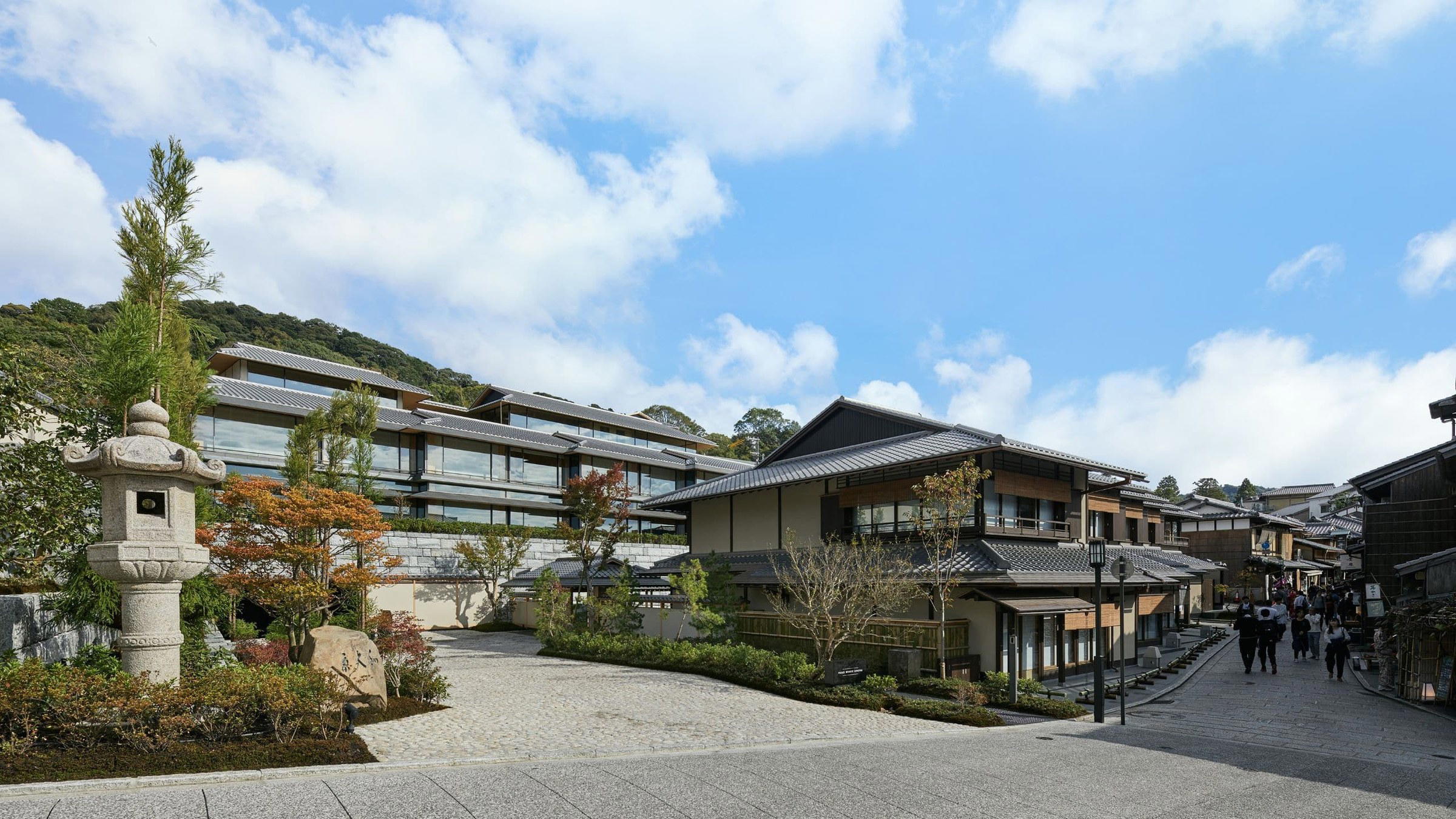
The approach to Kikunoi Honten runs through Higashiyama Ward, one of Kyoto's most intact historic corridors, where the density of shrines, machiya townhouses, and stone-paved lanes makes the neighbourhood feel less like a tourist district and more like a preserved argument for a particular way of living. In this setting, the ryotei format has always carried extra weight. A kaiseki meal in Higashiyama is not simply dinner; it is an encounter with a culinary grammar that Kyoto codified over centuries and has spent the intervening time defending from dilution.
Kikunoi Honten, at 459 Shimokawaracho, has occupied this position since the Taisho era, placing it among the oldest continuously operating kaiseki houses in a city where longevity is itself a form of credential.
The Kaiseki Framework and Where Kikunoi Sits Within It
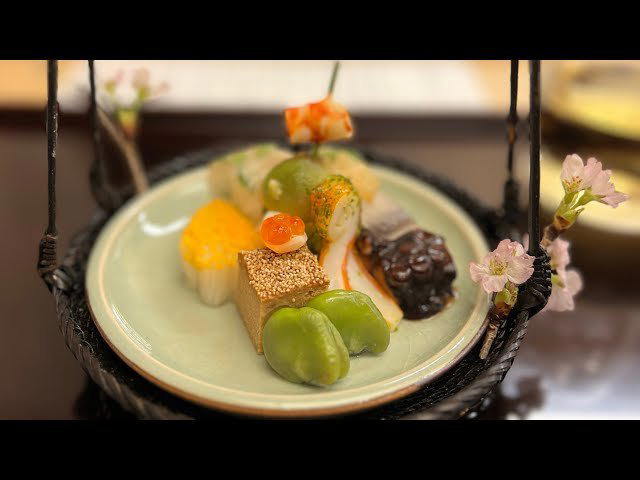
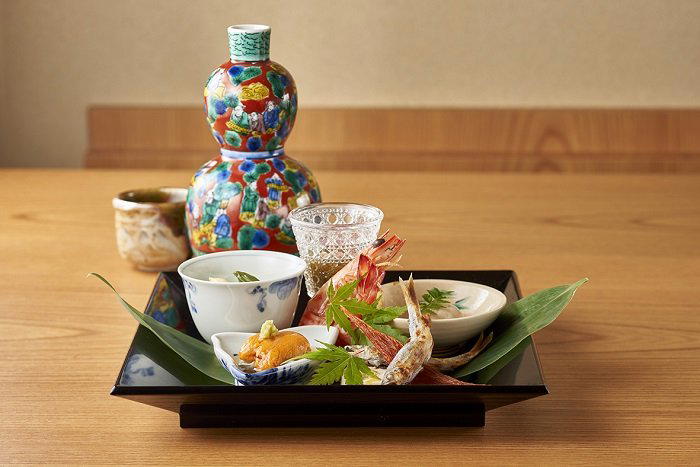
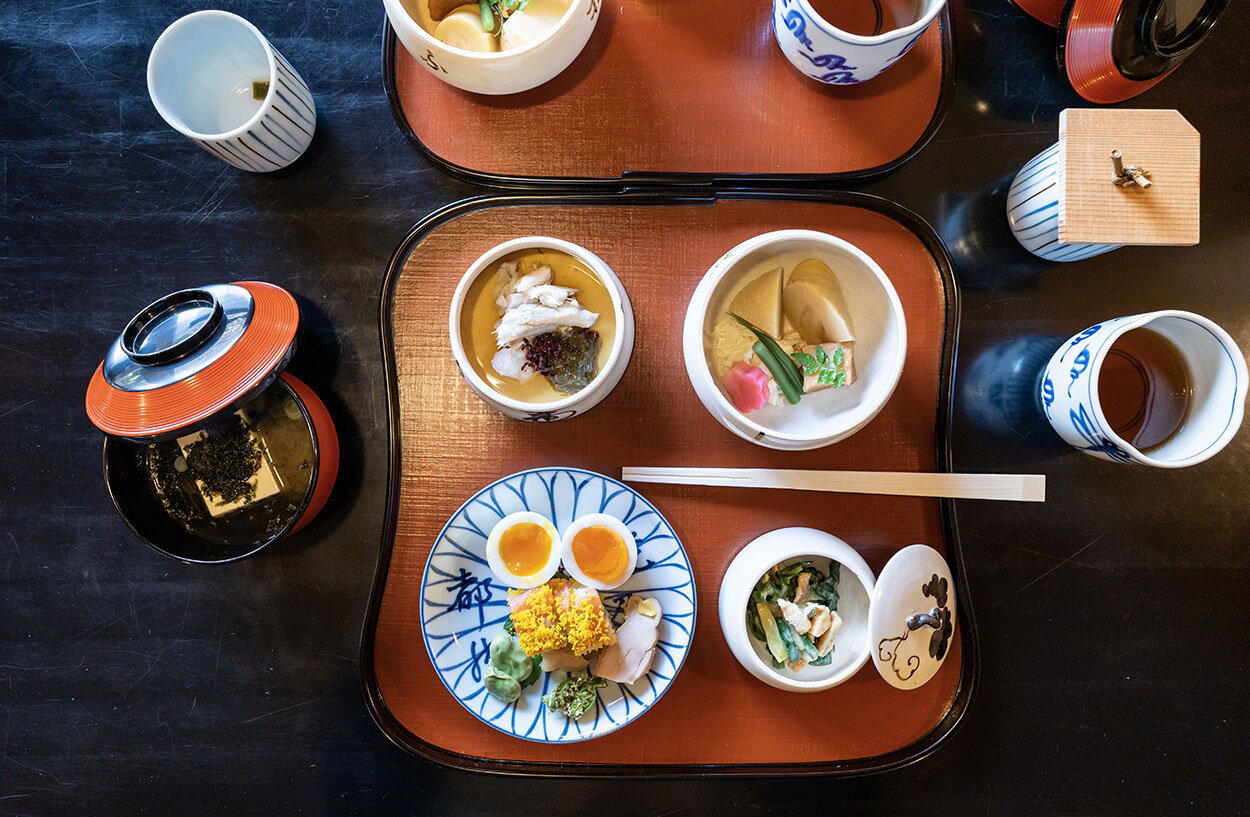
Kaiseki is among the most codified meal formats in any culinary tradition. Each course sequence, from sakizuke appetiser through hassun, yakimono, and rice service, follows a logic tied to seasonality, visual composition, and the specific context of the meal's setting. The format emerged from tea ceremony culture and reached its architectural peak in Kyoto's ryotei during the Edo and Meiji periods. What distinguishes top-tier kaiseki today is not departure from that structure but mastery of execution within it, combined with the capacity to absorb contemporary influences without losing the underlying discipline.
Kikunoi Honten holds three Michelin stars as of 2025, a rating it shares at the Kyoto kaiseki level with Gion Sasaki. Other three-star kaiseki addresses in the city include Hyotei, another multi-generational ryotei that operates in a similarly formal register. Mizai sits at the two-star tier, as does Ifuki. This concentration of Michelin recognition at the kaiseki category's upper end is specific to Kyoto in a way that holds for no other Japanese city: the format is native here, and the city's evaluators and diners treat it accordingly.
La Liste rated Kikunoi Honten at 95 points in 2026 and 94.5 in 2025, a consistent positioning that places it inside the top tier of Japan's documented fine dining addresses. On Opinionated About Dining, it ranked 114th among Japanese restaurants in 2024 and 126th in 2023, with movement in a competitive field of several hundred serious contenders. Tabelog has recognised it with a Bronze Award every year from 2018 through 2026, and it has been selected for the Tabelog Japanese Cuisine WEST Top 100 in 2021, 2023, and 2025. Its Tabelog score sits at 4.18, against a dinner budget of JPY 30,000–39,999 and lunch at JPY 20,000–29,999.
Chef Yoshihiro Murata and the Internationalisation of Ryotei Culture
The broader story of kaiseki's global recognition runs partly through chef Yoshihiro Murata. Where many ryotei have kept their practice directed at a domestic audience, Murata has used Kikunoi as a platform for demonstrating that the ryotei format can absorb international engagement without losing its structural integrity. La Liste notes that the kitchen occasionally incorporates Western ingredients, introducing a contemporary register that stops short of fusion and reads instead as a controlled extension of the tradition's existing logic of seasonal adaptation.
What sets Kikunoi's approach to succession apart from many peers is its training programme for overseas chefs. Rather than limiting knowledge transfer to Japanese nationals, Murata has brought in international trainees specifically to pass on service and cooking philosophy, treating the ryotei's continuity as a project with a wider audience. This approach aligns with a broader shift in Japanese fine dining toward deliberate internationalisation, visible in how the country's most documented restaurants have engaged with global media, awards organisations, and visiting chefs over the past two decades.
Scale, Format, and the Private Room Question
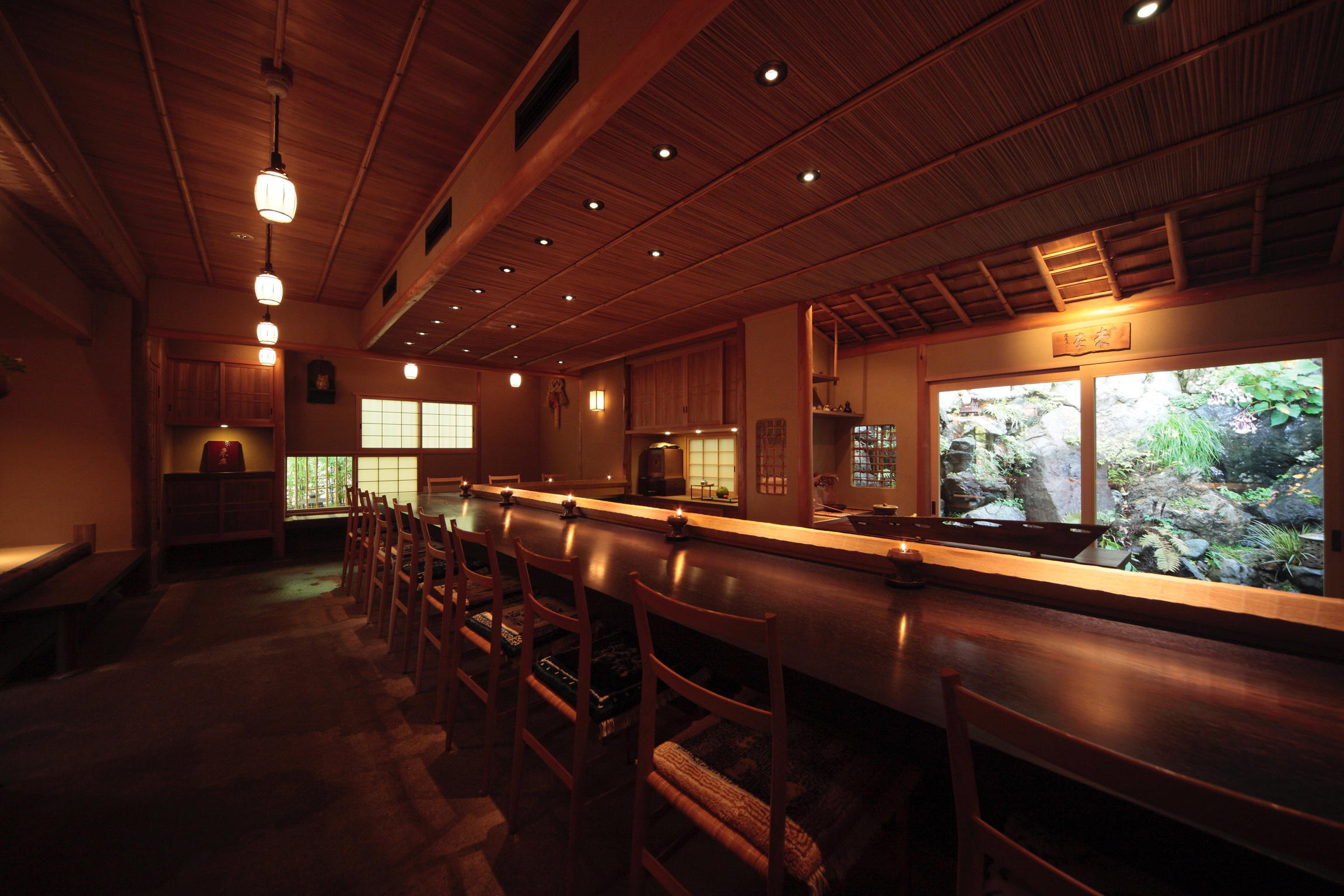
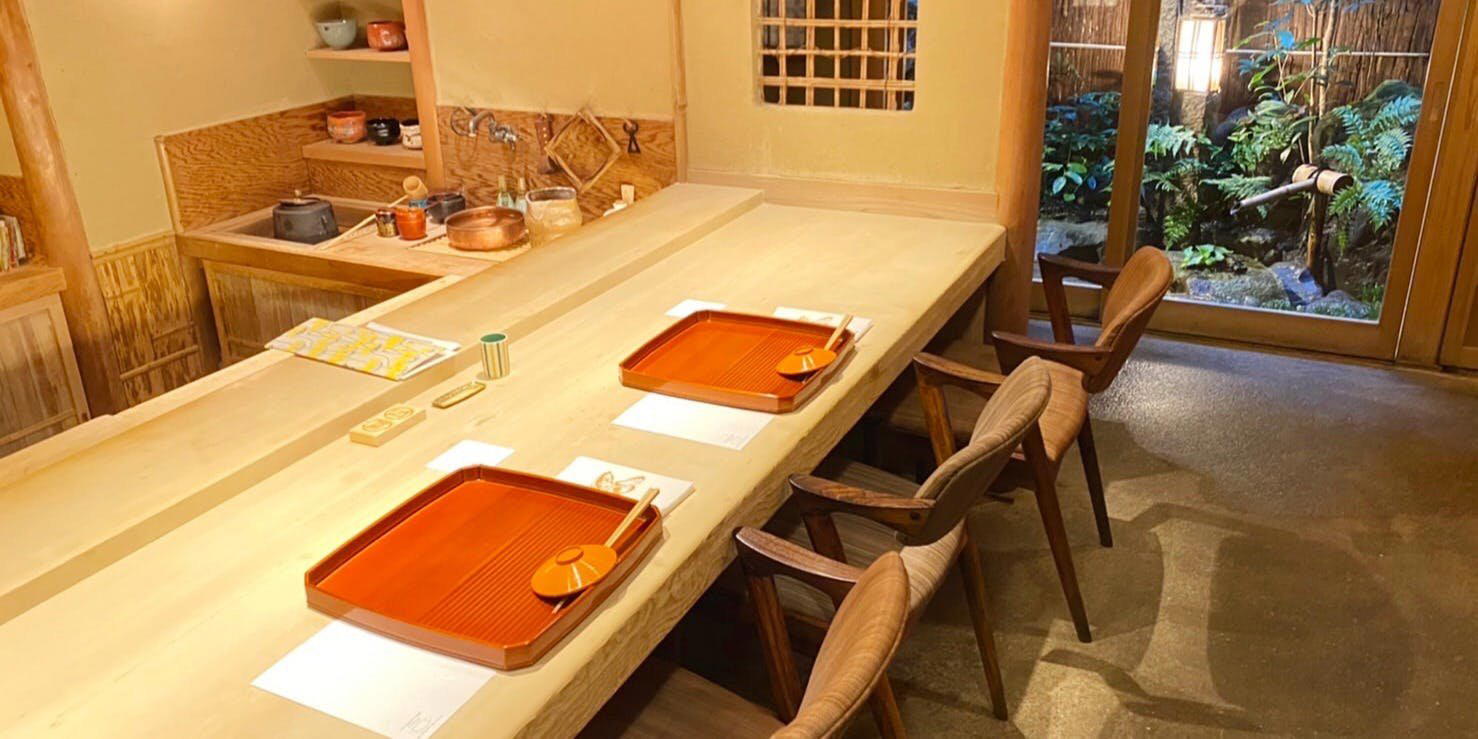
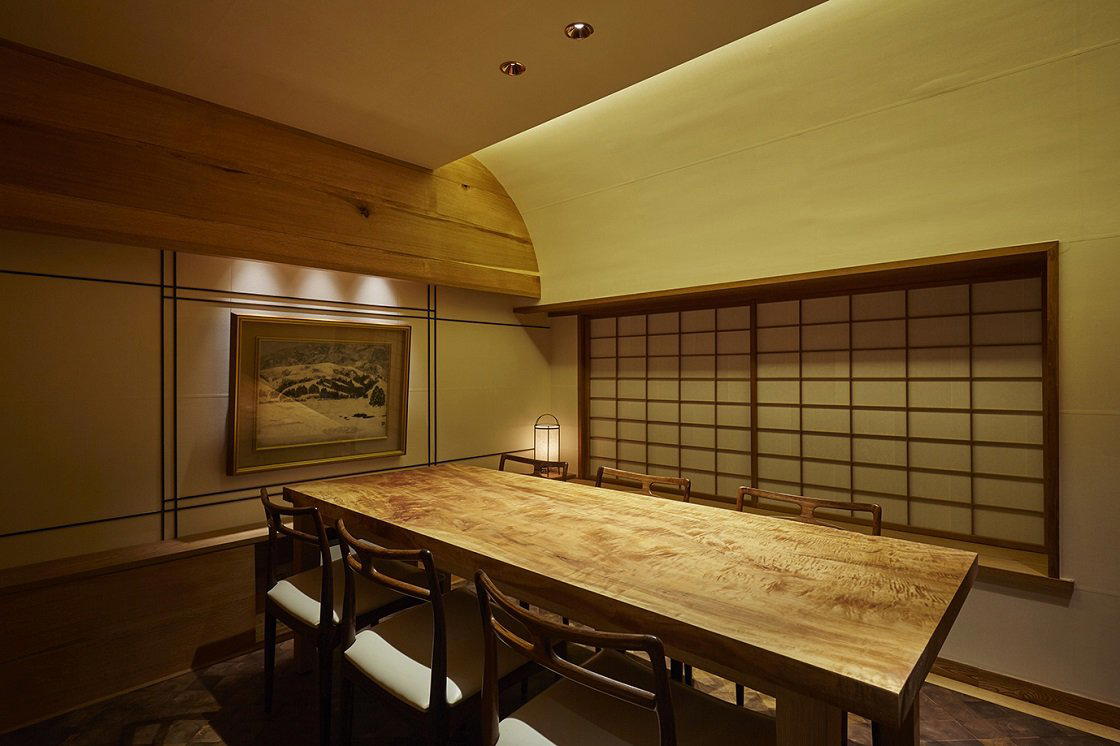
Most kaiseki counters in Kyoto's high-end tier seat between eight and twenty guests, with intimacy treated as a feature of the format. Kikunoi Honten operates differently: 120 seats across ten tatami rooms, with private dining configurations available for parties from four to over thirty. This scale places it in a different operational category from smaller ryotei like Gion Nishikawa or Gion Maruyama, which tend to operate with fewer rooms and more restricted group capacity.
The private room structure is particularly relevant for corporate or ceremonial dining, a segment where Kyoto's ryotei have historically served a specific function. Sealing a business relationship or marking a formal occasion in a tatami room, with a kaiseki sequence curated to the season, remains a convention in Japanese professional culture that has no equivalent in Western hospitality. Kikunoi's capacity across multiple room sizes means it can accommodate both small private groups and substantially larger gatherings within the same formal framework.
Service carries a 15% charge, which is standard for ryotei at this level and reflects the staffing model: multiple attendants per room, kimonoed service, and a pacing that treats the meal as an extended event rather than a transactional dining experience. Credit cards (VISA, JCB, AMEX) are accepted. Parking is available, which is relevant given the address sits roughly 920 metres from Higashiyama Station.
Kyoto's Three-Star Kaiseki Field in Context
In the Michelin three-star kaiseki bracket in Kyoto, each house has a distinct character. Hyotei leans on a lineage stretching back over 450 years and a particular emphasis on the morning kaiseki format. Gion Sasaki, under Hiroshi Sasaki, has attracted attention for a more personal approach to seasonal expression. Kikunoi operates at larger scale with a more internationally visible profile, a combination that suits travellers who want both the full ryotei format and the kind of documented reputation that travel research confirms in advance.
For kaiseki in a different register, Mizai at the two-star level represents a tighter, more intimate format. Visitors exploring kaiseki across Japan's regions can extend comparisons to RyuGin in Tokyo or Kanda in Tokyo, both of which operate within the same formal Japanese cuisine tradition but carry distinct Tokyo inflections. HAJIME in Osaka represents a creative departure from kaiseki orthodoxy that sharpens appreciation for houses like Kikunoi that maintain stricter adherence to the form.
For those building broader Japan itineraries, EP Club covers Harutaka in Tokyo, akordu in Nara, Goh in Fukuoka, 1000 in Yokohama, and 6 in Okinawa, spanning the range of Japanese fine dining across regions.
Know Before You Go
Address: 459 Shimokawaracho, Higashiyama Ward, Kyoto, 605-0825, Japan
Hours: Monday–Sunday, 12:00–14:00 and 17:00–20:00. Closed on irregular days and Year-end/New Year holidays.
Price range: Dinner JPY 30,000–39,999; Lunch JPY 20,000–29,999 (per person, before 15% service charge)
Reservations: Available; advance booking advised. Contact via the restaurant's website at kikunoi.jp or by phone: +81-75-561-0015
Payment: Credit cards accepted (VISA, JCB, AMEX)
Seats: 120 across 10 tatami rooms. Private rooms available for 4, 6, 8, 10–20, 20–30, and 30+ guests.
Getting there: Approximately 920 metres from Higashiyama Station. On-site parking available.
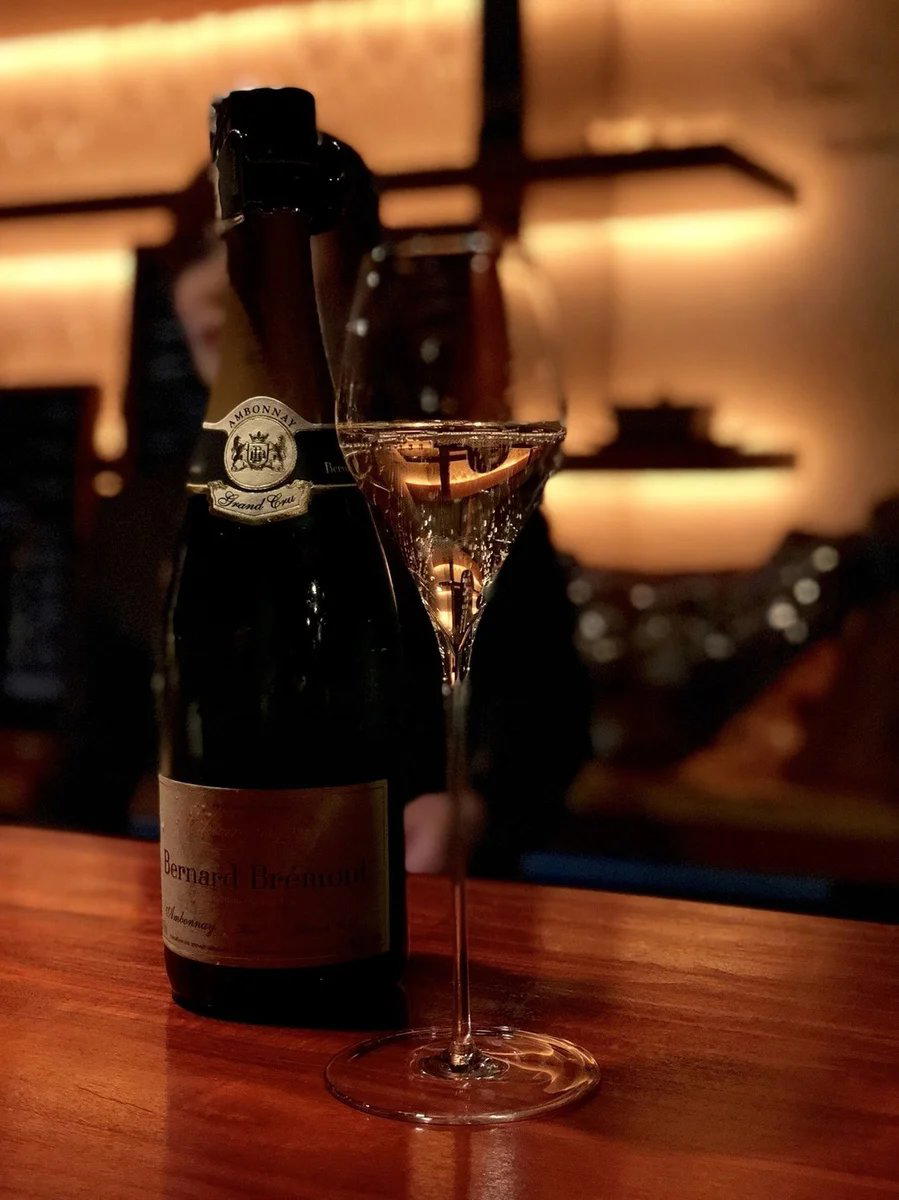
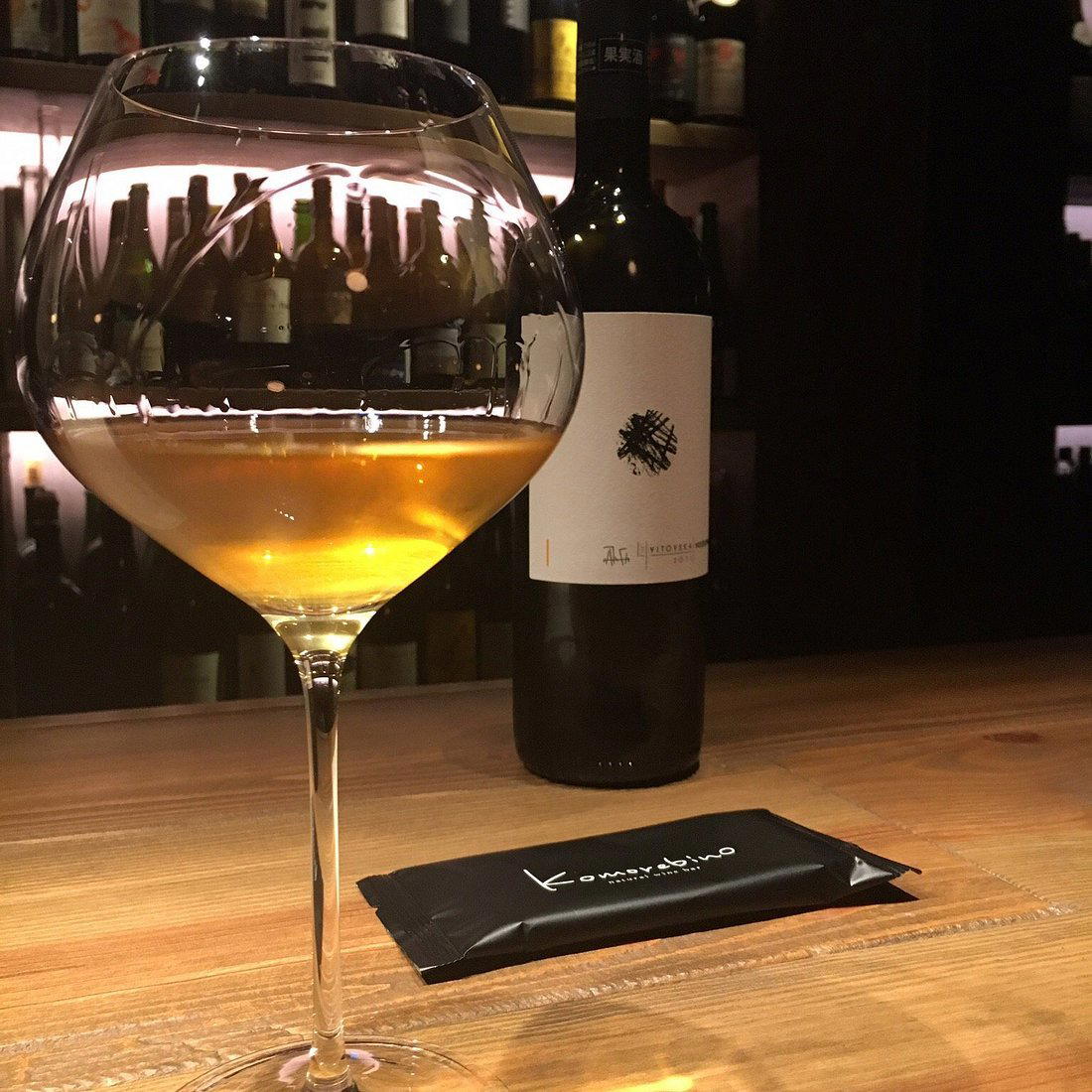
Drinks: Sake (Nihonshu) and wine available
Explore more Kyoto: Our full Kyoto restaurants guide | Hotels | Bars | Wineries | Experiences
Frequently asked questions
Who is the chef at Kikunoi Honten?
The chef associated with Kikunoi Honten is Yoshihiro Murata.
Where is Kikunoi Honten located?
Kikunoi Honten is located at Japan, 〒605-0825 Kyoto, Higashiyama Ward, Shimokawaracho, 459, Kyoto.
What's the best thing to order at Kikunoi Honten?
Kikunoi Honten operates a set kaiseki format, so the kitchen determines the course sequence according to the season. There is no à la carte selection to navigate. Dinner runs JPY 30,000–39,999 per person before the 15% service charge, while lunch sits in the JPY 20,000–29,999 range — the latter being the more accessible entry point into the same three-Michelin-star kitchen.
How would you describe the cuisine at Kikunoi Honten?
In Context: Similar Options
Comparable venues nearby, for context on price, style, and recognition.
| Venue | Cuisine | Price | Awards | Notes |
|---|---|---|---|---|
| Kikunoi HontenThis venue — the venue you are viewing | Kyoto Kaiseki Ryotei | $300–500 | 3 Michelin Stars · La Liste Top Restaurants | Not listed |
| Hyotei | Traditional Kaiseki | $100–150 | 3 Michelin Stars · La Liste Top Restaurants | Sakyō |
| Gion Sasaki | Modern Kaiseki | $300–500 | 3 Michelin Stars · La Liste Top Restaurants | Higashiyama |
| Mizai | Traditional Kaiseki | $300–500 | 3 Michelin Stars · La Liste Top Restaurants | Higashiyama |
| Ogata | Kaiseki Omakase | $200–300 | 2 Michelin Stars · La Liste Top Restaurants | Shimogyō |
| Isshisoden Nakamura | Traditional Kyoto Kaiseki | $200–300 | 3 Michelin Stars | Nakagyō |
Recognition history
Dated appearances from independent guides and award organizations, with the underlying list record or original source where available.
Michelin 3 Stars
Michelin
La Liste Top Restaurants
La Liste
Tabelog Bronze #176
Tabelog
Opinionated About Dining Top Restaurants in Japan Ranked #153
Opinionated About Dining
The Best Chef Two Knives
The Best Chef
Full recognition history (12 entries)
La Liste Top Restaurants
La Liste
Michelin 3 Stars
Michelin
Tabelog Bronze
Tabelog
Tabelog 100 #7 · No. 7
Tabelog · Tabelog 100 - Japanese cuisine - WEST - 2025
Michelin 3 Stars
Michelin
Opinionated About Dining Top Restaurants in Japan Ranked #114
Opinionated About Dining
Opinionated About Dining Top Restaurants in Japan Ranked #126
Opinionated About Dining