Our verdict
Located in Sapporo's Chuo Ward, 夕仟山乃 operates within a city whose food culture is defined by Hokkaido's extraordinary ingredient supply. The restaurant sits in the Minami 3-jo area, a dining district where serious kitchens draw directly from the island's farms, seas, and mountains. For visitors building an itinerary around Hokkaido's sourcing depth, it warrants attention alongside the city's stronger-documented counters.

Pearl is the En Primeur Club membership app, where members save venues, book tables and use the concierge.
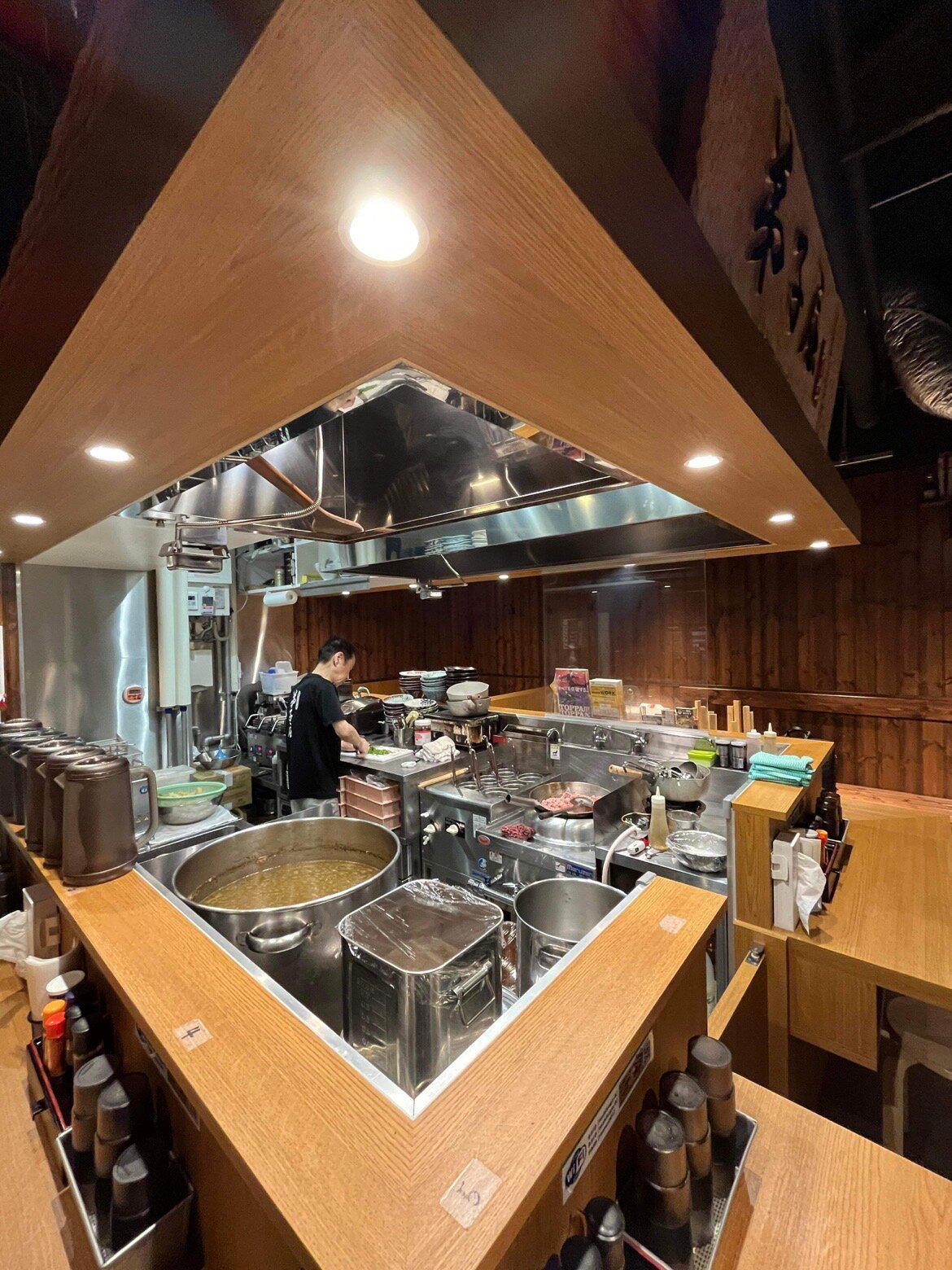
Where Hokkaido's Larder Meets the City Counter
Sapporo occupies a particular position in Japan's dining map. Unlike Tokyo or Osaka, where restaurants import prestige ingredients from across the country and abroad, the city's leading kitchens operate with a geographical advantage that few places in Japan can match: Hokkaido itself. The island produces some of the country's most sought-after dairy, seafood, and produce, and the proximity of that supply chain to Sapporo's restaurant district shapes what ends up on the plate in ways that are structural, not decorative. Corn harvested from Furano farms, sea urchin pulled from the waters off Rishiri and Shakotan, Wagyu raised on Tokachi grasslands, these are not garnishes. They are the architecture of what Hokkaido-rooted cooking looks like at its most direct.
夕仟山乃 sits in Chuo Ward's Minami 3-jo corridor, a stretch of central Sapporo where serious eating establishments operate within close proximity of each other. The address, Minami 3 Jonishi, 8-chome, places it in a district that includes several of the city's more considered kitchens, from kaiseki rooms to specialist counters. This concentration matters less as a convenience and more as a signal: the neighbourhood draws a dining public that reads menus carefully and returns repeatedly.
The Sourcing Logic Behind Hokkaido Dining
Hokkaido's ingredient culture creates a specific kind of pressure on restaurants that choose to work within it seriously. When the supply is this good and this close, the editorial question shifts from what is available to what is chosen and why. Kitchens that anchor their menus to seasonal Hokkaido produce are making a curatorial argument, that the island's rhythm, its cold winters, its short but intense summers, and its fishing calendars, should determine what appears at the table and when.
This is the tradition that defines Sapporo's most serious dining tier. Compare it to the approach at Hanakoji Sawada (Kaiseki), where the kaiseki format imposes its own seasonal structure on local ingredients, or Arima (Sushi), where the counter format foregrounds the quality of individual fish above all else. Each approach is different, but the underlying logic, Hokkaido as source material, the restaurant as interpreter, runs through all of them. The editorial angle 夕仟山乃 occupies within this context is not yet documented in the public record with the specificity that would allow firm claims about menu philosophy or sourcing relationships. What the address and category establish is its positioning within a district where that expectation already applies.
Chuo Ward and the Sapporo Dining Tier
Sapporo's dining scene has developed a recognisable internal structure over the past decade. The Susukino area anchors the city's late-night and informal eating, while Chuo Ward's western blocks, particularly around Minami 3-jo and Minami 4-jo, have consolidated a layer of more deliberate restaurants. These are not necessarily the city's most decorated addresses. Hidetaka and Higebozu represent different points in the city's range, and the competitive set for any Chuo Ward kitchen now includes neighbours that take their sourcing and format seriously. That pressure tends to produce better cooking.
Nationally, Sapporo sits in an interesting position relative to Japan's other serious dining cities. HAJIME in Osaka and Harutaka in Tokyo represent the upper tier of their respective cities' formats, while Gion Sasaki in Kyoto and Goh in Fukuoka demonstrate how regional cities can develop globally recognised kitchen reputations. Sapporo's comparable advantage is not yet as internationally visible, but the ingredient story is arguably stronger than most. The gap between Sapporo's source material and its international profile represents a genuine imbalance that its better kitchens are slowly correcting.
Beyond Japan's main island circuit, places like akordu in Nara show how smaller-city restaurants can build serious reputations on hyper-local sourcing. The pattern holds across Japan's provincial dining: proximity to supply, combined with format discipline, produces the conditions for serious cooking. Sapporo has both.
The Limits of What Can Be Said
The public record on 夕仟山乃 is thin by the standards of Sapporo's more-documented rooms. This is not unusual for a certain tier of Japanese restaurant that operates primarily through word-of-mouth and local reputation rather than international review cycles. Kitchens like aki nagao have built profiles through repeated critical engagement; others accumulate local standing without translation into the kind of English-language documentation that feeds international itinerary planning.
For comparators further afield, restaurants like Le Bernardin in New York City or Atomix in New York City, the documentation trail is dense and multi-sourced. That depth allows confident critical positioning. For 夕仟山乃, the honest assessment is that the address and district context establish plausibility as a serious eating address, but the specific claims that would support a stronger recommendation require verified sourcing that is not currently available.
This is not a reason to exclude it from consideration. Japanese restaurants operating in Sapporo's Chuo Ward without major award profiles often fall into one of two categories: neighbourhood specialists with deep local loyalty, or newer establishments still accumulating a track record. Either scenario is worth investigating for a visitor willing to do the groundwork rather than follow a mapped itinerary.
Planning a Visit
夕仟山乃's address in Minami 3 Jonishi, Chuo Ward, places it within easy reach of Sapporo Station and the city's central subway network. The Minami 3-jo area is walkable from both Odori Station and Susukino Station on the Namboku and Tozai lines, making it accessible without a taxi for most central hotel locations. Given the absence of confirmed booking methods or operating hours in the public record, contacting the venue directly or checking third-party reservation platforms before visiting is the appropriate approach. Sapporo's dining scene is busiest from June through October and again during the Yuki Matsuri snow festival period in February, when table availability across the city tightens. For a wider view of the city's eating options across formats and price points, the full Sapporo restaurants guide covers the documented field in more detail. Visitors building broader Hokkaido itineraries might also note that restaurants in smaller cities across the island, including 一本杉川嶋 in Nanao, 湖南農塾 in Takashima, and 鳥羽屋 in Nishikawa Machi, demonstrate how far Hokkaido's ingredient culture extends beyond the capital city's dining district.
Frequently asked questions
Where is 古今山ä¹ located?
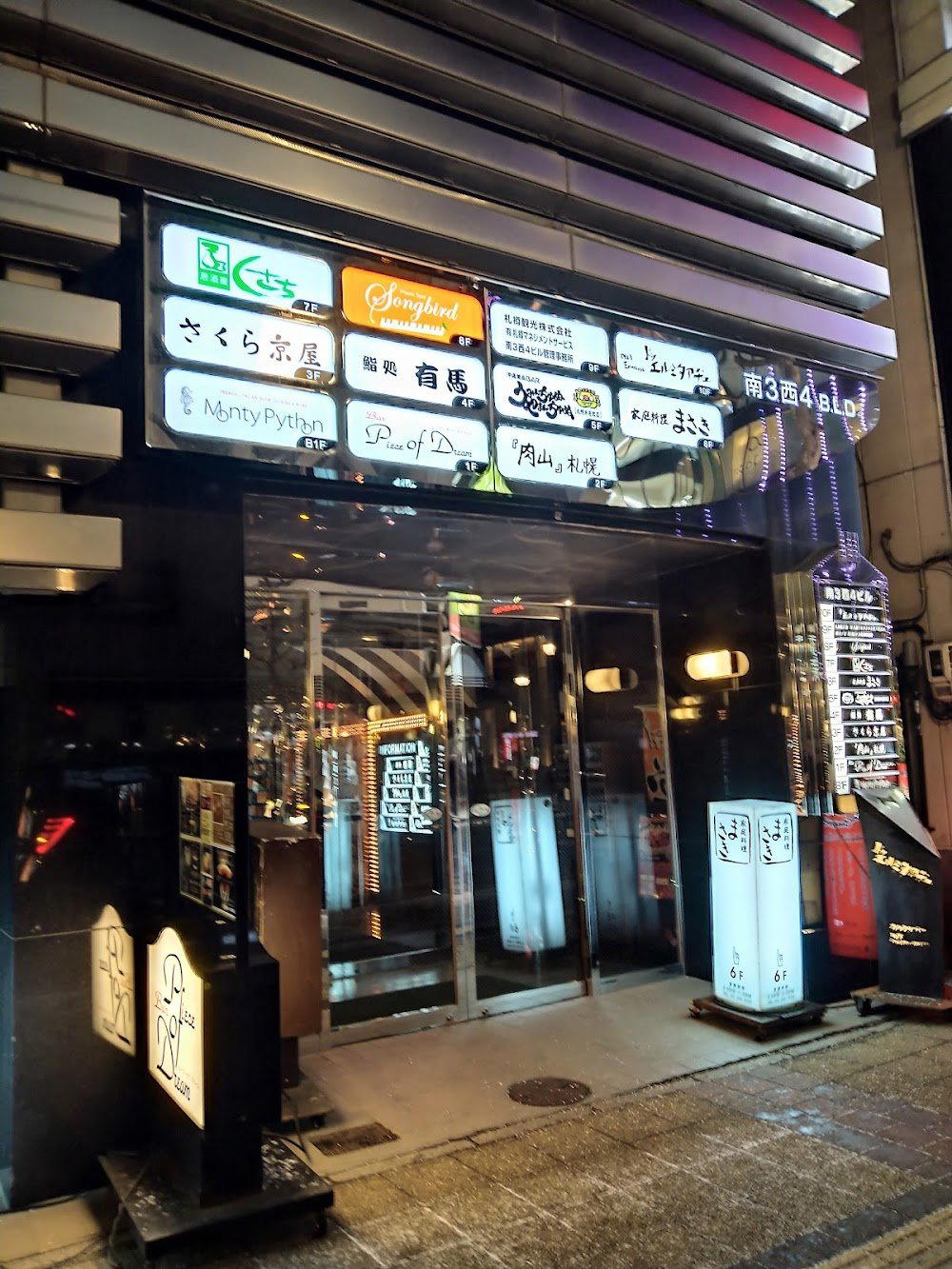
古今山ä¹ is located at Japan, 〒060-0063 Hokkaido, Sapporo, Chuo Ward, Minami 3 Jonishi, 8 Chome−7 大洋ビル, Sapporo.
What is the atmosphere like at 夕仟山乃?
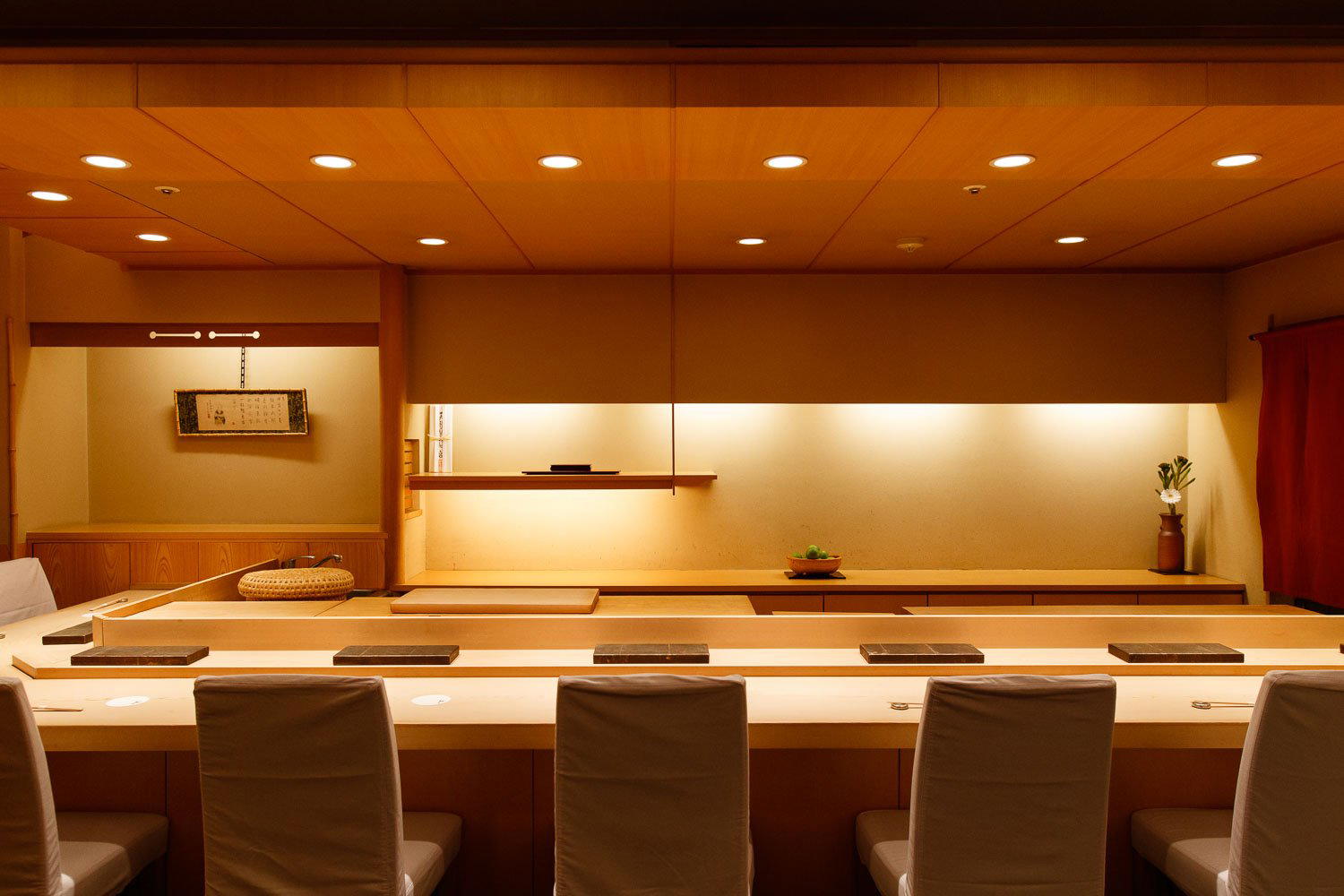
夕仟山乃 sits in Minami 3 Jonishi, Chuo Ward, a part of Sapporo known for smaller, operator-led rooms rather than large hotel dining. That neighbourhood context points toward an intimate, focused setting rather than a high-volume floor. The public record holds limited detail on interior specifics, so visiting without fixed expectations is advisable.
Do I need a reservation for 古今山ä¹?
Reservations are recommended for 古今山ä¹ in Sapporo. Confirm current policy via the venue's official channels.
What do critics highlight about 古今山ä¹?
古今山ä¹ is best approached by focusing on the core concept and signature offerings.
Can 古今山ä¹ adjust for dietary needs?
Dietary accommodations can vary. Flag restrictions in advance via the venue's official channels.
How It Stacks Up
| Venue | Cuisine | Price | Awards |
|---|---|---|---|
| å¤ä»å±±ä¹This venue (the venue you are viewing) | Creative Japanese Omakase | $50–100 | Not listed |
| Arima | Hokkaido Ezo-mae Omakase Sushi | $100–150 | Tabelog Bronze #26 |
| Hanakoji Sawada | Michelin-Starred Kaiseki | Not listed | Tabelog 100 #6 |
| Le Musee IDEA | Contemporary French with Hokkaido Ingredients | Not listed | Tabelog Bronze #241 · We're Smart World 3 Radishes |
| Nukumi | Contemporary Kaiseki | $150–200 | Tabelog Bronze #330 |
| Menya Saimi | Sapporo Miso Ramen | $1–10 | Tabelog 100 #36 |
Continue exploring
More in Sapporo
Restaurants in Sapporo
All restaurants in Sapporo →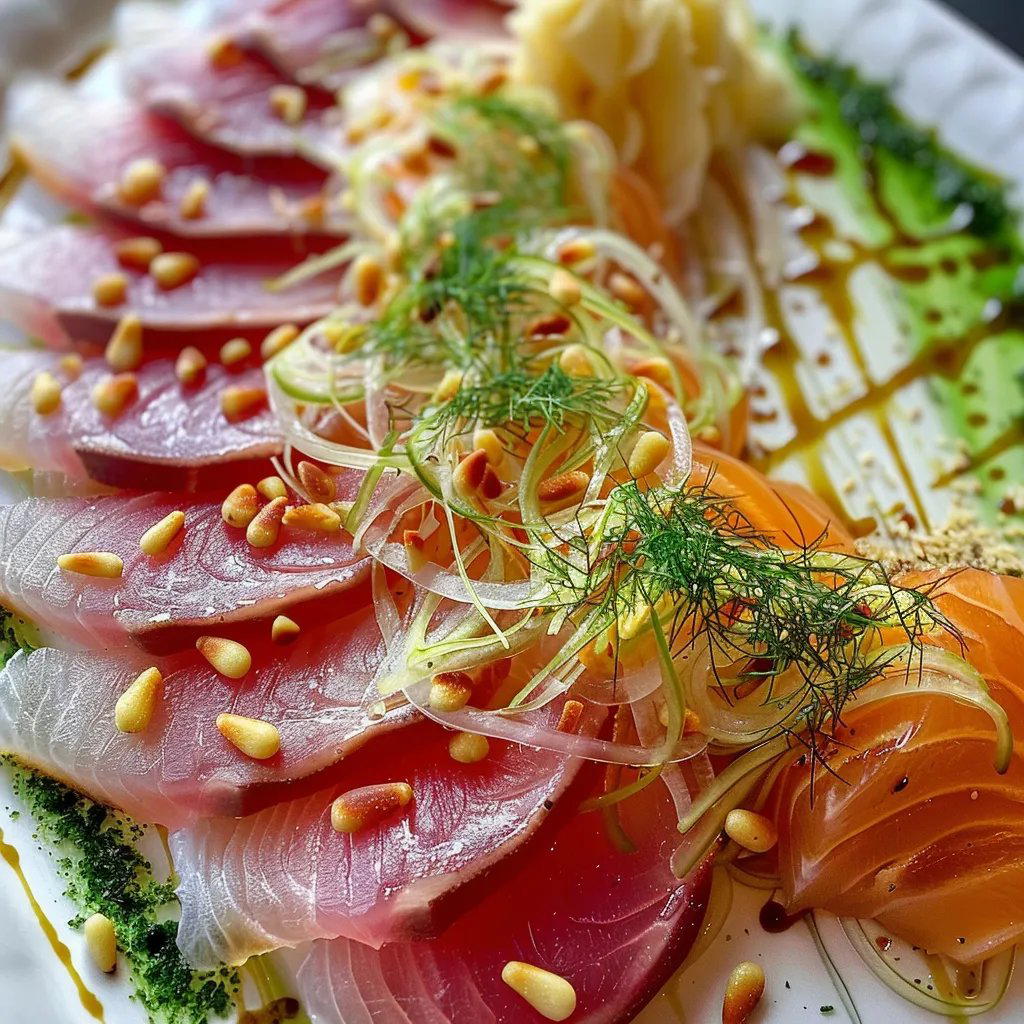
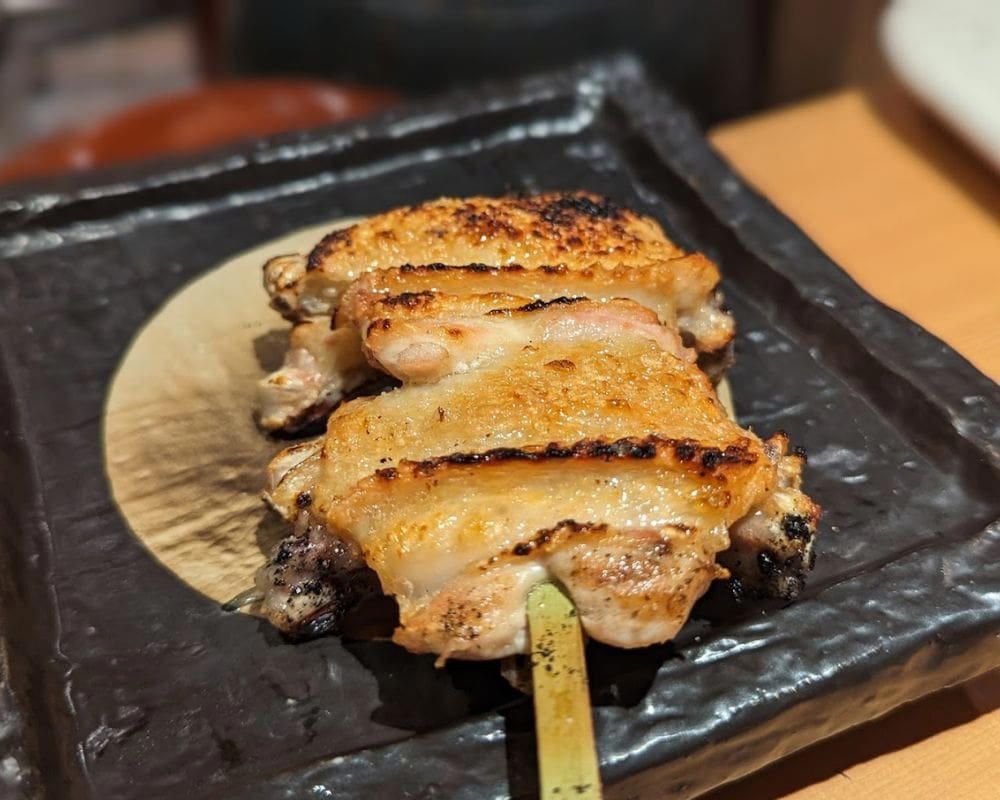
Bars in Sapporo
All bars in Sapporo →
Details
- Intimate
- Sophisticated
- Date Night
- Business Dinner
- Special Occasion
- Standalone
- Sake Program
- Local Sourcing
- Omakase
- Set Menu
- Tasting Menu
- Sake
Relaxed and unpretentious, with an emphasis on enjoying Japanese cuisine without formality.