

1 Michelin Key · Relais Chateaux Award
Tobira Onsen Myojinkan sits in the Japanese Alps above Matsumoto, combining traditional onsen bathing with kaiseki cuisine and mountain architecture at rates from US$637 per night.

Pearl is the En Primeur Club membership app — saves, bookings, and concierge access live there. Same editors, same standards.
- Address
- 明神館-8967 Iriyamabe, Matsumoto, Nagano 390-0222
- Phone
- +81 263-31-2301
- Website
- tobira-group.com
- Directions
- Get directions
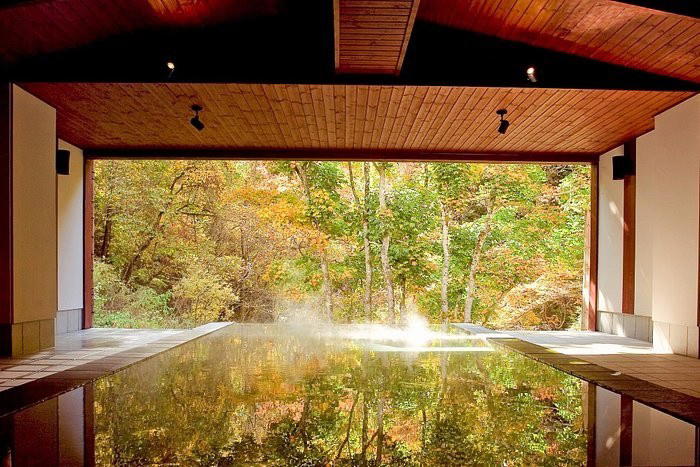
Where the Alps Shape the Architecture
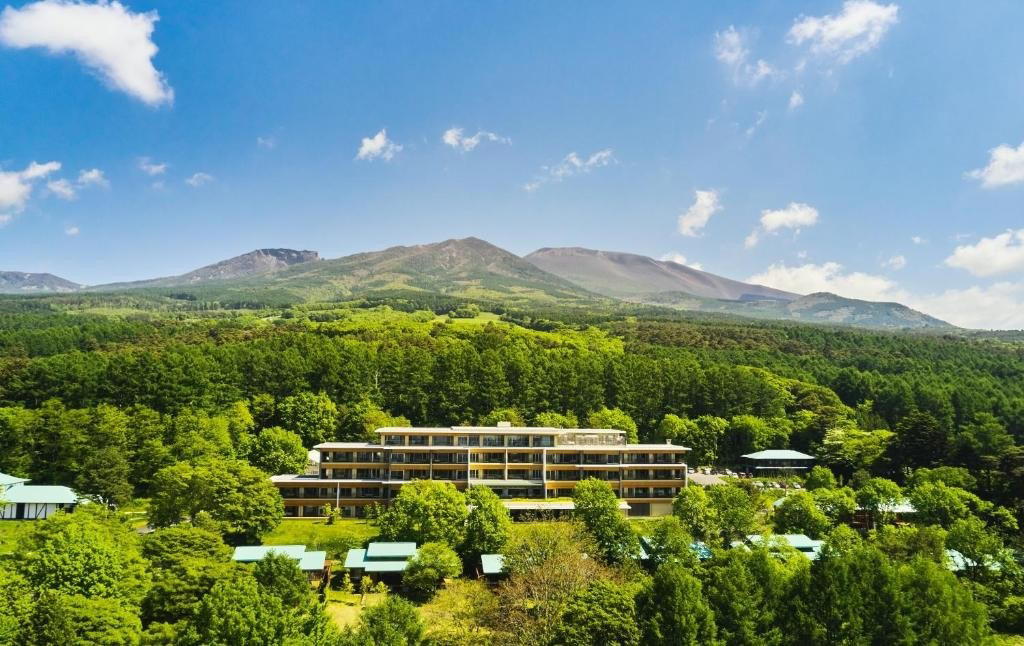
Japan's ryokan tradition has always been inseparable from its terrain. The leading examples are not buildings that happen to sit near nature — they are structures that read differently depending on whether you approach them in snow, autumn colour, or the green compression of summer. Tobira Onsen Myojinkan, positioned in the Nagano highlands above Matsumoto at GPS coordinates 36.1858, 138.0822, belongs to this category. The approach from Matsumoto city — either by taxi (roughly JPY 5,500 to 6,000 from the East Exit) or via the property's complimentary shuttle departing at 15:15 or 16:30, takes you progressively deeper into alpine topography, and by the time you arrive, the shift in altitude and atmosphere has already begun doing its work before you step inside.
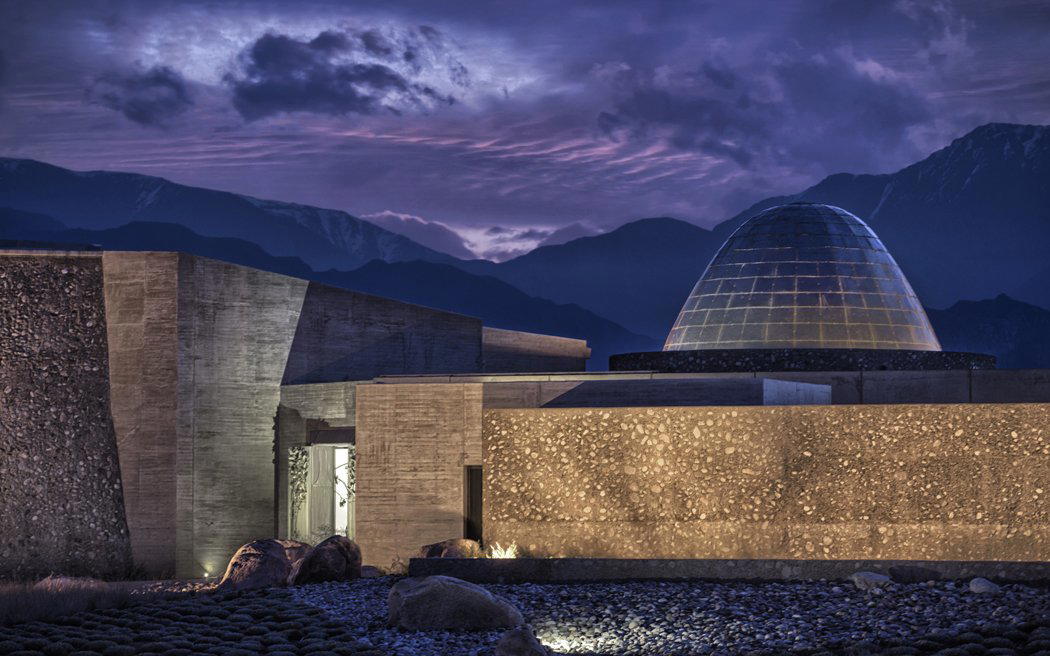
The physical language of mountain ryokan like Myojinkan differs from the flatter, more manicured aesthetic of hot-spring resorts in places like Hakone or the Izu Peninsula. Properties such as Gora Kadan in Hakone and Asaba in Izu operate within softer, more temperate landscapes that tend to produce a refined, almost delicate architecture. Alpine properties face a different brief: the materials must hold against cold winters, the sightlines are vertical rather than horizontal, and the snow load shapes roof pitches and structural choices that become visual signatures in themselves. At Tobira, the Japanese Alps are not backdrop, they are building code.
The Thermal Waters in Context
Onsen culture in Japan is one of the few hospitality traditions where the product is entirely geological. The water chemistry at Tobira, which gives the area its name and identity, is what regional visitors have sought out for generations, and premium ryokan in onsen districts succeed or fail largely on how well their bathing architecture channels that resource. The distinction between indoor and outdoor baths (rotenburo) matters considerably here: mountain-setting rotenburo, where guests bathe against a backdrop of forested ridgelines or snow-covered peaks depending on the season, represent one of the more direct encounters with alpine environment available within the structure of luxury accommodation.
Across Japan's premium onsen tier, which includes properties like Amanemu in Mie, ENOWA Yufu in Yufu, and Zaborin in Hokkaido, the defining differentiator is rarely the water temperature alone. It is the relationship between the bathing environment and the surrounding architecture: how the transition from interior corridor to outdoor bath is handled, whether natural materials (stone, hinoki cypress, unfinished timber) reinforce or contradict the landscape logic, and whether the property treats the thermal source as amenity or as organizing principle. Myojinkan's position in the Tobira onsen zone places it within one of Nagano Prefecture's established thermal corridors, giving it a geological credibility that newer resort developments in the region cannot simply purchase.
Kaiseki and the Alpine Pantry
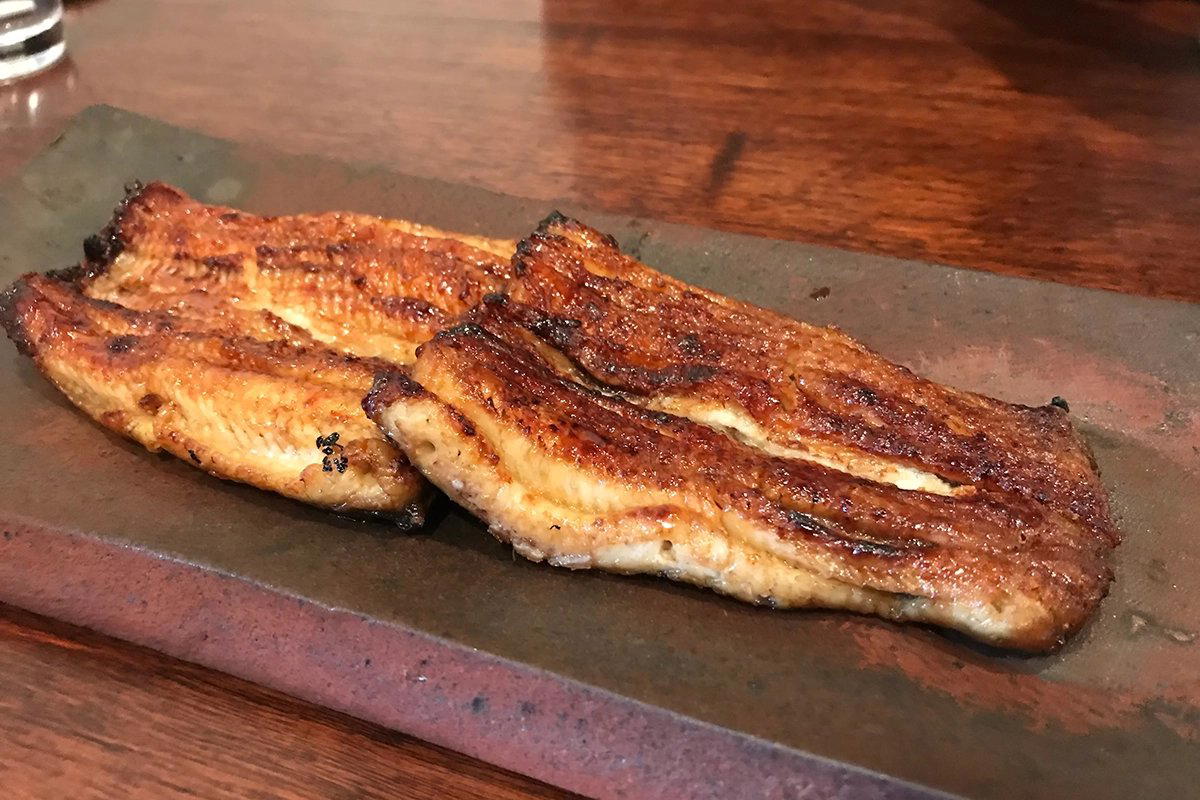
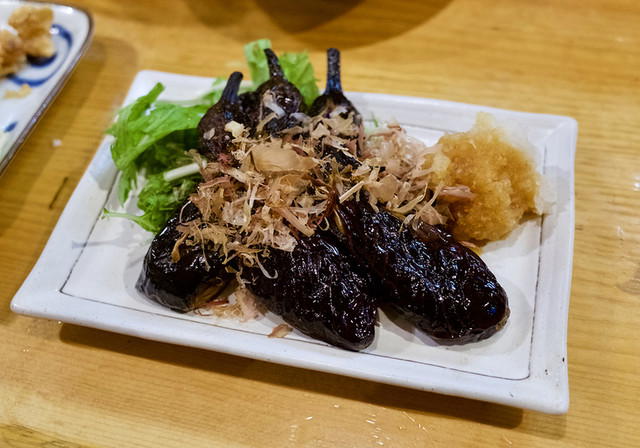
The kaiseki tradition that defines dining at properties like Myojinkan is not a fixed menu format, it is a seasonal discipline. Each course is calibrated against what the surrounding region produces at a given point in the year, and mountain prefectures like Nagano bring a specific pantry to that equation: river fish, foraged mountain vegetables (sansai), buckwheat, and game that simply do not appear at the same quality in coastal ryokan settings. This is the material argument for staying in an alpine onsen property rather than, say, one of the design-forward coastal properties like Azumi Setoda in Onomichi or Benesse House in Naoshima, the kitchen draws on a different ecological zone entirely.
At properties in this tier, kaiseki is typically served in-room or in a dedicated dining space, with the sequence of small courses running through raw, simmered, grilled, steamed, and rice-based preparations. The ritual is as architectural as it is culinary: the lacquerware, the ceramic choice, the garnish temperature, and the pacing between courses are all deliberate design decisions that extend the aesthetic logic of the ryokan into the meal itself. For guests arriving from urban Japan, or from internationally positioned city hotels like Bvlgari Hotel Tokyo or HOTEL THE MITSUI KYOTO, this shift in register is significant. The ryokan dinner is not a restaurant experience appended to a hotel stay; it is continuous with the bathing, the room, and the landscape.
Getting There and Planning Your Stay
Matsumoto is reachable by multiple routes. Shinshu Matsumoto Airport sits approximately 23 kilometres from the onsen area, while JR Matsumoto Station is 16 kilometres away. Travellers arriving by air from Tokyo typically use Haneda (approximately 251 kilometres) or Narita (approximately 308 kilometres), with rail connections via the JR Azusa limited express from Shinjuku being the most common approach. By road, the Nagano-do Expressway to Matsumoto Interchange connects to Route 67 toward Tobira Onsen. The property's shuttle service, departing from Matsumoto Station East Exit at either 15:15 or 16:30, is the most direct option for guests arriving by train, and communicating your preferred departure time at the point of reservation is recommended. Rates begin from US$637 per night, placing Myojinkan within the mid-to-upper band of premium Japanese ryokan, below the pricing of international-brand onsen properties but above the entry-level ryokan tier. For more options in the area, see our full Matsumoto restaurants guide.
How Myojinkan Sits Within the Wider Ryokan Tier
Japan's premium ryokan market has stratified considerably over the past decade. At the leading end sit properties with international brand affiliations or architectural commissions with significant cultural weight, Araya Totoan in Kaga, Nishimuraya Honkan in Kinosaki-cho, and Beniya Kofuyuden in Awara each represent this tier in their respective regions. Below them sits a category of regionally embedded properties where geological location and long-standing local reputation carry more weight than design pedigree. That is a coherent position. Not every premium ryokan stay needs to be a design statement; sometimes the argument is the water, the altitude, and a dinner that takes three hours and never once requires you to choose from a menu.
For comparison, properties like Atami Izusan Karaku in Atami, Bettei Otozure in Nagato, Bettei Senjuan in Minakami, and Fufu Kawaguchiko in Fujikawaguchiko each make their own regional case, hot springs tied to specific geological zones, kaiseki menus that reflect local agriculture, and architectural choices that respond to the specific terrain. Myojinkan's terrain is among the more dramatic in this peer group, and for guests whose priority is the Japanese Alps specifically, that geography is the deciding factor. Properties like Fufu Nikko, Halekulani Okinawa, Jusandi in Ishigaki, and Sekitei in Hatsukaichi-shi each sit in coastal or subtropical zones that produce a fundamentally different sensory and dietary logic. The choice between them is a choice between distinct ecologies, not just distinct aesthetics.
A Quick Peer Check
| Venue | Awards |
|---|---|
| Tobira Onsen MyojinkanThis venue — the venue you are viewing | 1 Michelin Key · Relais Chateaux Award |
| Bvlgari Hotel Tokyo | 3 Michelin Keys · World's 50 Best #24 |
| Aman Kyoto | 2 Michelin Keys · World's 50 Best #74 |
| Aman Tokyo | 2 Michelin Keys · World's 50 Best #11 |
| Amanemu | 3 Michelin Keys · La Liste Top Hotels |
| Four Seasons Hotel Tokyo at Otemachi | 3 Michelin Keys · La Liste Top Hotels |
Recognition history
Dated appearances from independent guides and award organizations, with the underlying list record or original source where available.
Michelin 1 Key
Michelin
Relais Chateaux Award
Relais Chateaux
Full recognition history (4 entries)
Michelin Selected
Michelin
Relais Chateaux Award
Relais Chateaux
Continue exploring
More in Matsumoto
Hotels in Matsumoto
Browse all →

Bars in Matsumoto
Browse all →
Restaurants in Matsumoto
Browse all →
Details
- Quiet
- Scenic
- Elegant
- Classic
- Cozy
- Romantic Getaway
- Wellness Retreat
- Anniversary
- Panoramic View
- Destination Spa
- Wi Fi
- Pool
- Spa
- Room Service
- Concierge
- Valet Parking
- Sauna
- Hot Tub
- Mountain
- Garden
- Wheelchair Accessible
- Elevator
- Step Free Entrance
- Accessible Parking
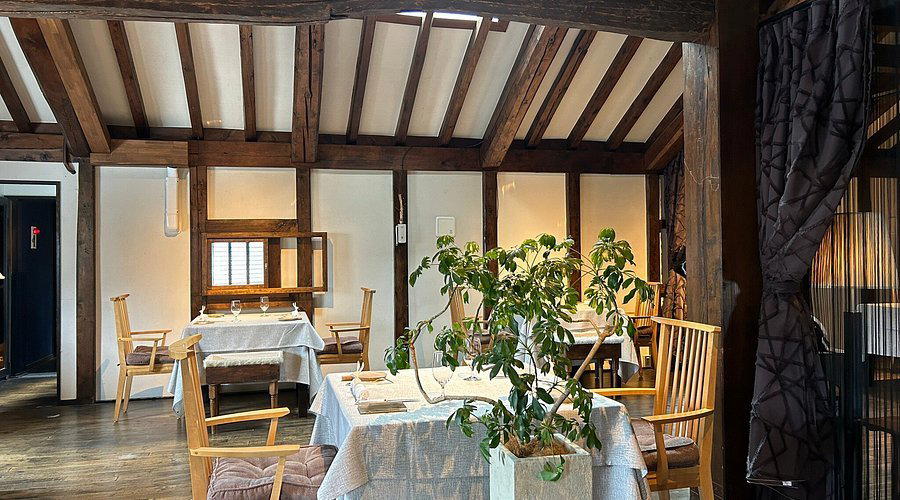
Serene and tranquil atmosphere with forest views, tatami rooms, and relaxing hot spring baths surrounded by nature.