
2 Michelin Keys
The Hiramatsu group's flagship mountain retreat in Nagano's Kitasaku District earns a Michelin 1 Key (2024) with 37 rooms positioned against the forested slopes of the Okuchichibu range.

Pearl is the En Primeur Club membership app, where members save venues, book tables and use the concierge.
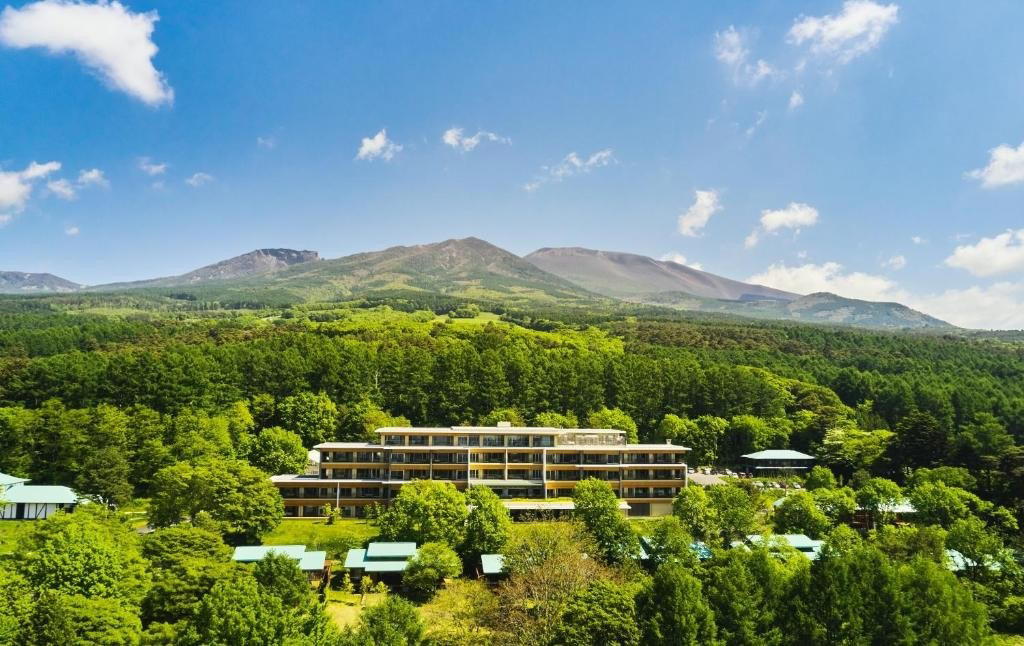
Mountain Architecture as Editorial Statement
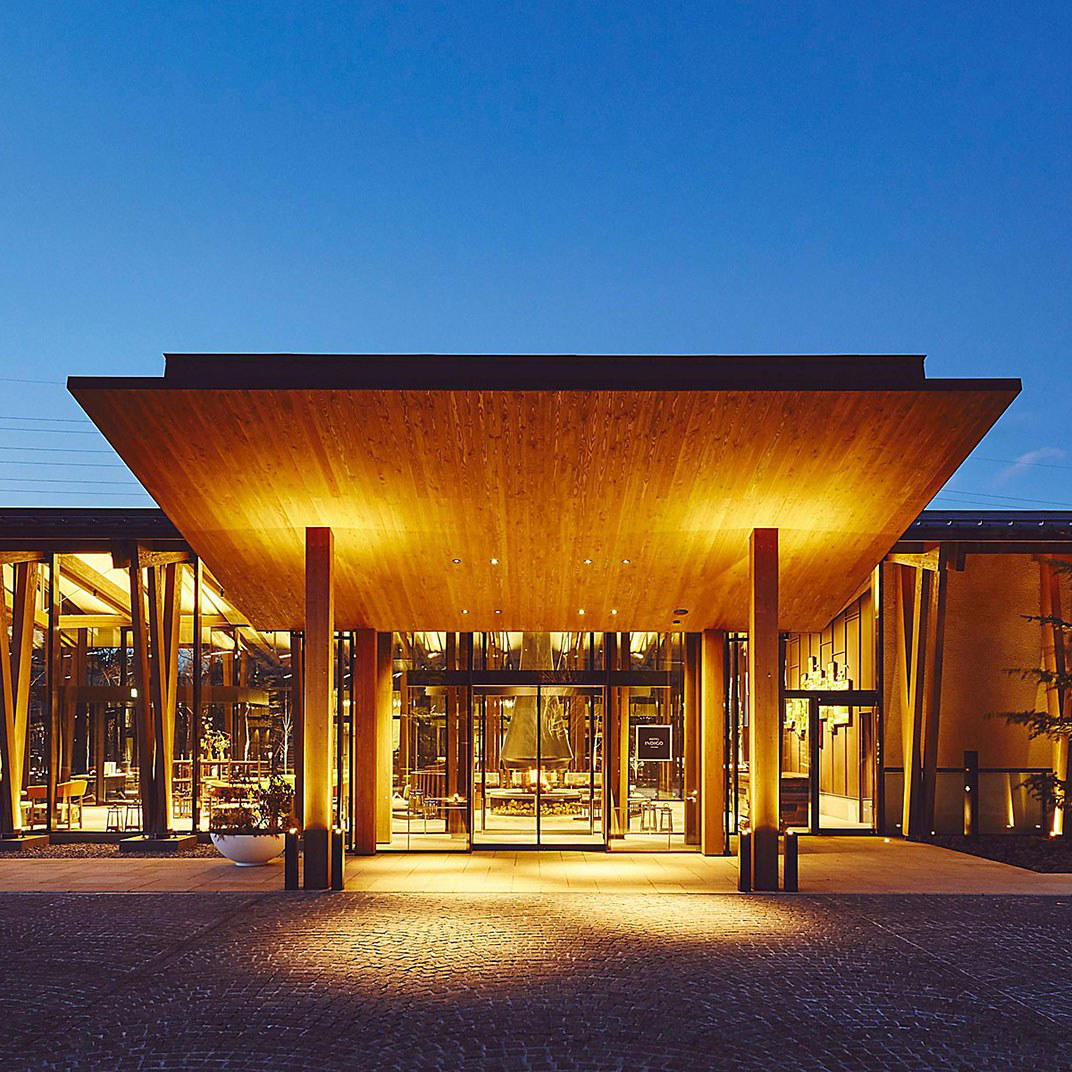
There is a particular discipline required to build a resort in the Japanese highlands without overwhelming the landscape it is meant to celebrate. The Hiramatsu Karuizawa Miyota, situated in Shiono, Miyota, within Nagano's Kitasaku District, represents the Hiramatsu group's answer to that problem: keep the room count controlled, keep the sightlines clear, and let the Okuchichibu mountains do the heavy lifting. At 37 rooms, the property sits in a tier of Japanese mountain retreats where restraint in scale is itself a design decision, producing a guest-to-landscape ratio that larger competitors in the region cannot match.
The Okuchichibu range occupies an interesting position among Japan's mountain destinations. Close enough to Tokyo to serve as a genuine long-weekend proposition, and less technically demanding than the Japanese Alps further into Honshu, these mountains attract a different kind of traveller than the altitude-seeking visitors who push toward Kamikochi or Hakuba. The terrain here rewards stillness rather than exertion, and the architecture of the Hiramatsu property is calibrated to that register. For comparable mountain-proximity design thinking applied to different geographies, properties like Zaborin in Kutchan and Bettei Senjuan in Minakami occupy a related niche, each using a constrained footprint to intensify the relationship between built space and natural setting.
Floor-to-Ceiling: The Case for the Room
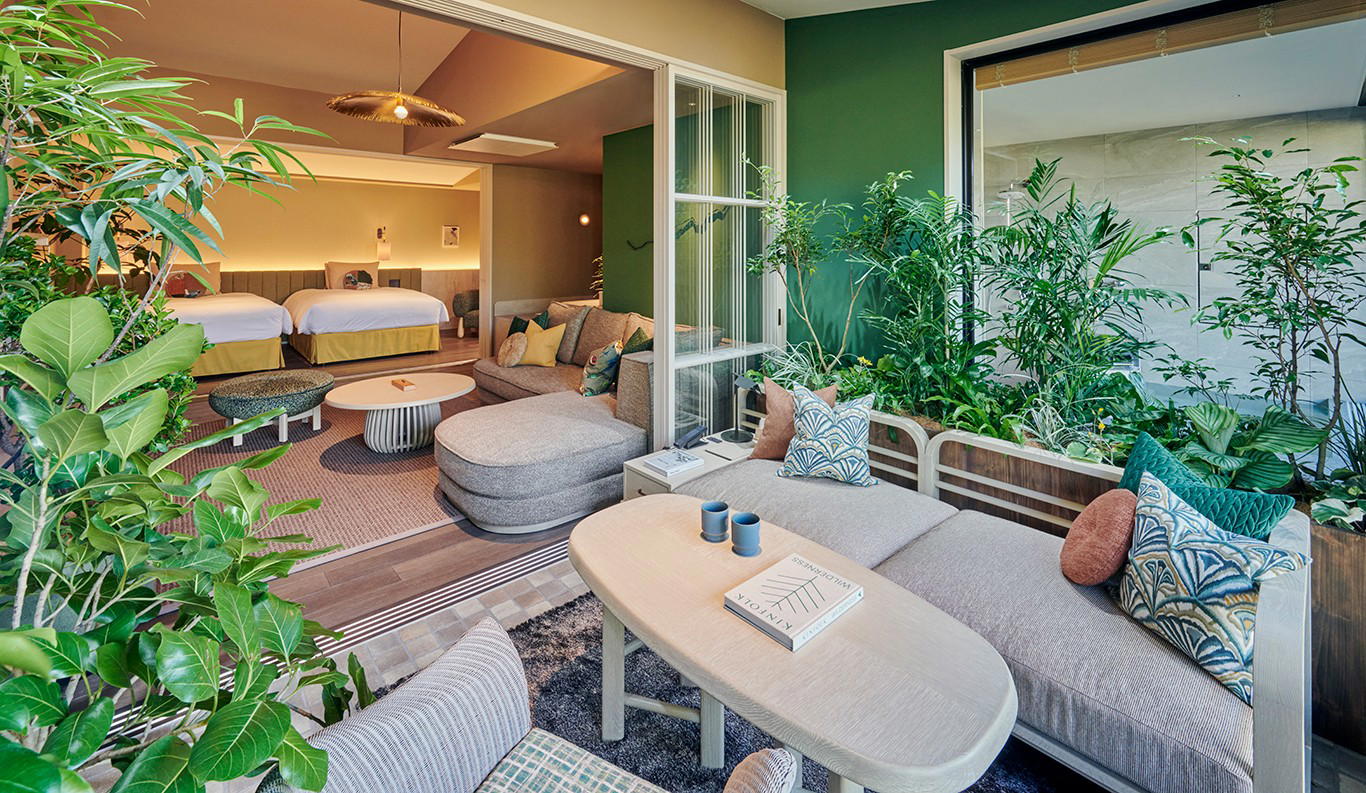
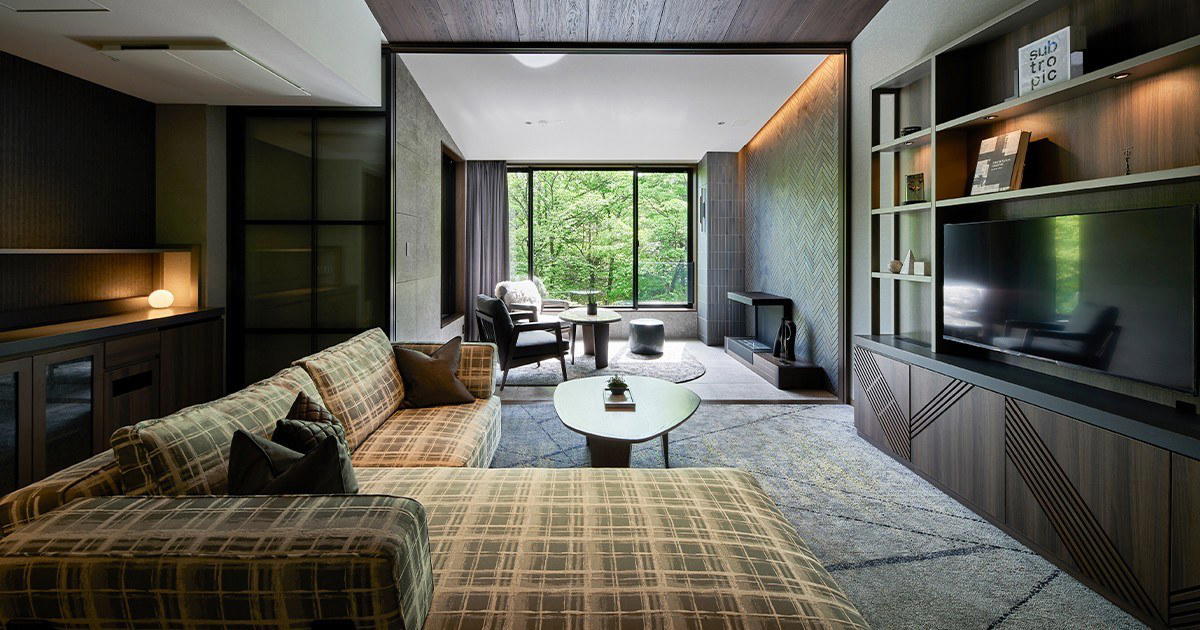
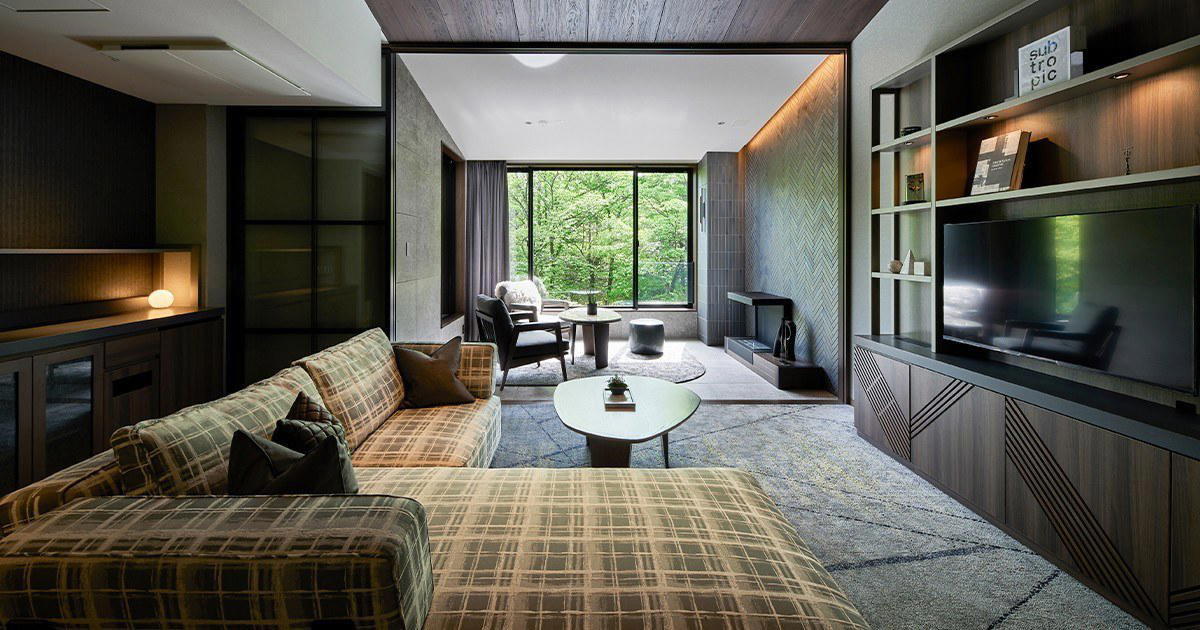
In Japan's premium onsen resort category, the room is not incidental to the experience, it is the primary one. The Hiramatsu Karuizawa Miyota builds its rooms around that premise directly, with floor-to-ceiling glazing that frames the Okuchichibu slopes as a continually shifting composition. The view changes with weather and season in ways that turn the window into something closer to a curated installation than a standard architectural feature. Hot-spring baths extend the room experience into soaking ritual, a format that Japan's finest ryokan and resort traditions have refined across centuries.
The logic of the 37-room ceiling becomes clearest here. Rooms of this configuration, where the orientation, the glazing angle, and the onsen access are all individually considered, cannot simply be multiplied without degrading the offer. Properties operating in this format, whether Gora Kadan in Hakone or Asaba in Izu, share the same underlying logic: the room count is a quality signal, not a market limitation. At Miyota, that number sits at 37, which places it at the larger end of the boutique mountain-resort tier without crossing into volume territory.
Pricing is available on request, which in the Japanese premium resort context typically signals a rate structure that varies meaningfully by room type, season, and meal plan configuration. The on-request model also implies a preference for direct dialogue over automated booking channels, a pattern common among properties where the booking conversation itself begins the guest experience. Readers considering Fufu Kawaguchiko or Fufu Nikko as alternatives will find pricing models with similar opacity at the premium end.
The Lounges: Deliberate Slowness as Programme
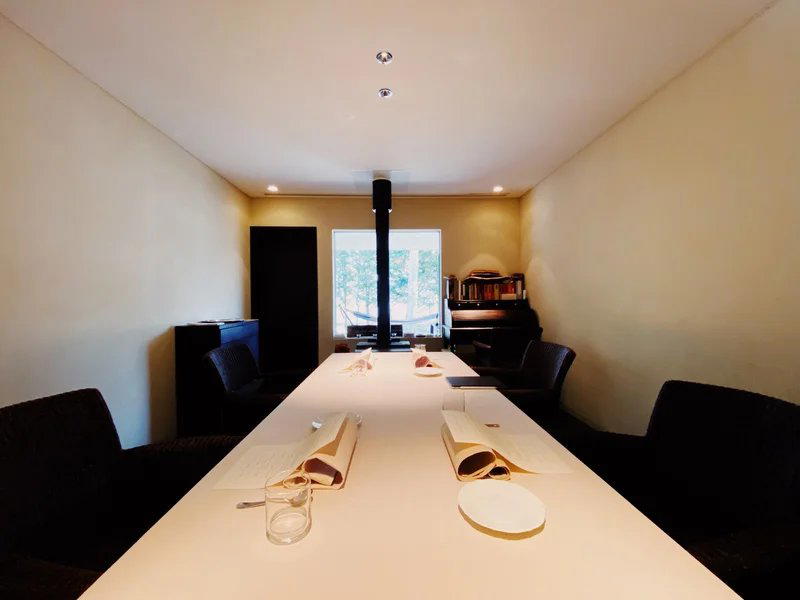
Japan's leading mountain properties tend to resist the temptation to fill every hour with scheduled activity. The Hiramatsu Karuizawa Miyota takes that restraint seriously. Multiple lounges distribute the communal space across different modes of occupation: hi-fi record listening sessions for those who want curated sound as the dominant sensory frame; art book collections for slower, visual engagement; and open orientations toward the mountainside for guests whose primary intention is simply to watch the seasons shift. This is a recognisable programme philosophy among Japan's more considered retreat properties, the deliberate cultivation of unhurried time as the core offering rather than an amenity among many.
The hi-fi listening room in particular reflects a sensibility that has emerged in premium Japanese hospitality over the past decade, where analog audio, vinyl, high-resolution playback systems, carefully chosen acoustics, has become a secondary cultural signature alongside the primary landscape offering. Properties that have incorporated this kind of curated quietude tend to attract guests who are self-selecting against the itinerary-heavy travel model, and the design of the public spaces reinforces that self-selection by providing no obvious pressure point toward activity.
Michelin Recognition and Peer Positioning
The Michelin 2 Keys rating awarded to Hiramatsu Karuizawa Miyota in 2025 places it in a defined tier of Japanese hotel recognition. Michelin's Keys programme, introduced to assess hotels on a comparable framework to the restaurant star system, evaluates architecture, service, overall experience, and the consistency of those elements across a stay. A single Key at this property's scale and format represents validation of the room-plus-landscape-plus-service integration rather than any single standout component.
Among Japanese mountain and onsen resort properties, that recognition aligns Hiramatsu Karuizawa Miyota with properties like Araya Totoan in Kaga and Nishimuraya Honkan in Kinosaki-cho, which operate in the same register of historically grounded, architecturally considered Japanese hospitality. The Hiramatsu group's flagship positioning also places this property in conversation with internationally oriented luxury hotels, Bvlgari Hotel Tokyo and HOTEL THE MITSUI KYOTO represent the urban end of that premium Japanese hospitality spectrum, while the Miyota property itself holds down the mountain-retreat position within a tiered national portfolio.
For context on how Japan's resort landscape stratifies at the leading end, Amanemu in Mie represents the international-brand, large-site approach to Japanese onsen luxury, while properties like ENOWA Yufu and Benesse House in Naoshima demonstrate how design-led Japanese hospitality branches into art-world adjacency. Hiramatsu Karuizawa Miyota occupies a distinct position: domestic-brand confidence, mountain-resort specificity, and a design approach that positions nature as the primary architecture.
Seasons and Timing
The Okuchichibu area moves through pronounced seasonal changes, and the property's emphasis on watching the seasons shift is not a generic gesture toward nature. Autumn foliage in the Japanese highlands typically peaks between late October and mid-November, and this window is among the most competitive booking periods for mountain properties in the greater Kanto and Chubu region. Summer at this elevation brings cooler temperatures than Tokyo, making the property a natural heat-relief destination from July onward. Winter brings snow conditions that shift the visual character of the room-facing views entirely, and the hot-spring bath becomes a more central feature rather than an optional one.
Guests planning around seasonal peaks should approach booking with lead time in mind. The on-request pricing structure suggests that availability is managed directly with the property, and waiting for a standard booking window to open is likely not the appropriate approach for high-demand periods. For those comparing nearby options, our full Miyota guide covers the broader context of the area's accommodation and dining, including seasonal considerations specific to the Kitasaku District.
Planning a Stay
The property sits at 375-723 Shiono, Miyota, Kitasaku District, Nagano. Karuizawa Station on the Hokuriku Shinkansen line provides the primary rail access point, with the journey from Tokyo running approximately seventy to eighty minutes at shinkansen speed. Miyota Station, one stop east of Karuizawa on the Shinano Railway, is the closer rail stop to Shiono, though ground transport from either station to the property will require advance arrangement. Pricing is available on request from the property directly, and given the format, 37 rooms, premium mountain positioning, Michelin 2 Keys, rate expectations should be calibrated accordingly. For reference on the broader international premium resort tier, Aman Venice and Aman New York operate at similar on-request price architecture, where transparency of rate is secondary to the directness of the guest relationship.
At-a-Glance Comparison
Comparable venues nearby, for context on price, style, and recognition.
| Venue | Cuisine | Price | Awards | Notes |
|---|---|---|---|---|
| The Hiramatsu Karuizawa MiyotaThis venue (the venue you are viewing) | Contemporary luxury resort blending Japanese hospitality with European design sensibilities, emphasizing natural materials and forest integration. | $750–1,000 | 2 Michelin Keys | Not listed |
| The Capitol Hotel Tokyu | Luxury boutique hotel blending traditional Japanese architectural elements with contemporary minimalist design and high-end furnishings. | $300–500 | 2 Michelin Keys · La Liste Top Hotels | Chiyoda |
| Fufu Nikko | Small luxury resort inheriting stylistic beauty of Japan with modern architecture and private setting. | Not listed | 2 Michelin Keys | Tamozawa |
| Fufu Kawaguchiko | Modern luxury forest resort ryokan | Not listed | 2 Michelin Keys | Fujikawaguchiko Onsen-kyo |
| Nishimuraya Honkan | Traditional Japanese luxury ryokan with 165-year heritage, combining authentic tatami-mat rooms with contemporary comfort and refined hospitality. | Not listed | 2 Michelin Keys · Relais Chateaux Award | Kinosaki Onsen |
| The Tokyo Edition Toranomon | Boutique luxury hotel designed by Kengo Kuma blending minimalist sophistication with Japanese tranquility. | Not listed | Michelin Selected · World's 50 Best #45 | Minato |
Recognition history
Dated appearances from independent guides and award organizations, with the underlying list record or original source where available.
Michelin 2 Keys
Michelin
Full recognition history (3 entries)
Michelin 2 Keys
Michelin
Michelin 1 Key
Michelin
Continue exploring
More in Miyota
Hotels in Miyota
All hotels in Miyota →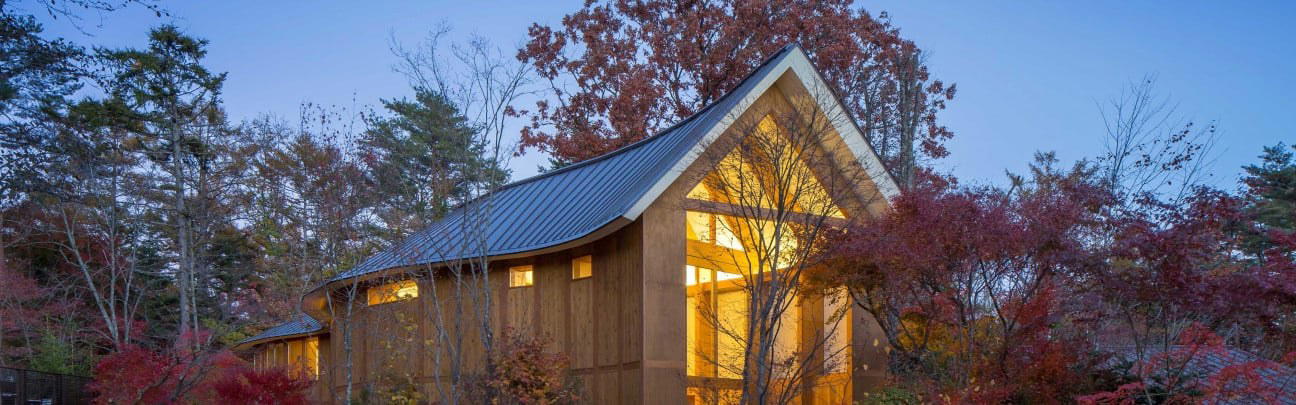
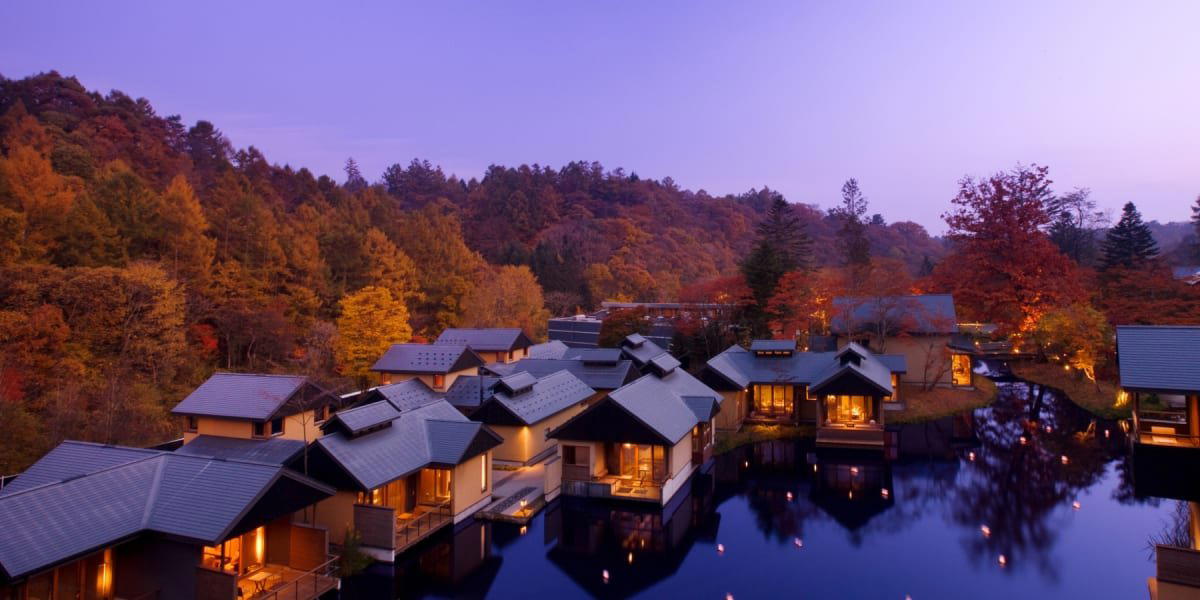
Restaurants in Miyota
Browse all →
Wineries in Miyota
Browse all →

Details
- Romantic
- Quiet
- Elegant
- Scenic
- Sophisticated
- Romantic Getaway
- Wellness Retreat
- Anniversary
- Honeymoon
- Private Villa
- Destination Spa
- Garden
- Terrace
- Panoramic View
- Private Dining
- Wi Fi
- Spa
- Fitness Center
- Room Service
- Concierge
- Valet Parking
- EV Charging
- Restaurant
- Mountain
- Garden
- Wheelchair Accessible
- Elevator
Serene and refined with soft natural light, forest views, and a sense of time slowing down; contemporary art installations blend with natural materials throughout public spaces.