

We're Smart World 3 Radishes · Relais Chateaux Award
Our verdict
A Relais & Châteaux ryokan in the Japanese Alps outside Matsumoto, Tobira Onsen Myojinkan combines traditional onsen bathing with kaiseki cuisine rooted in Nagano's mountain seasons. Chef Masahiro Tanabe's restaurant Nature builds its menus around local vegetables and macrobiotic principles, earning a 4.4/. Access from Matsumoto Station is straightforward via the property's complimentary shuttle service.

Pearl is the En Primeur Club membership app — saves, bookings, and concierge access live there. Same editors, same standards.
- Address
- 8967 Iriyamabe, Matsumoto, Nagano 390-0222
- Phone
- +81 263-31-2301
- Website
- tobira-group.com
- Directions
- Get directions
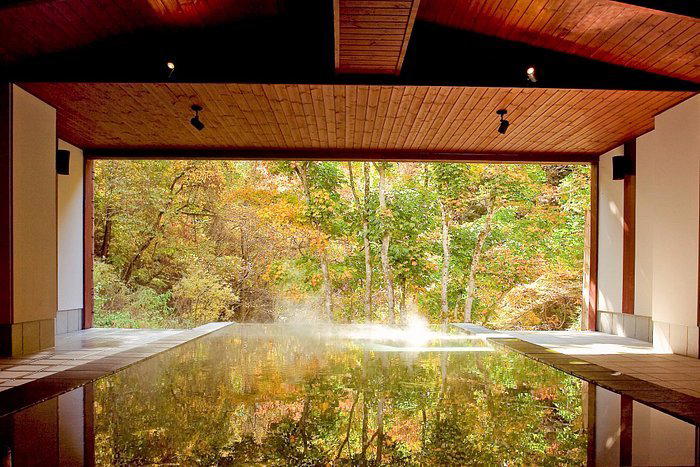
Mountain Elevation and the Logic of Restorative Dining
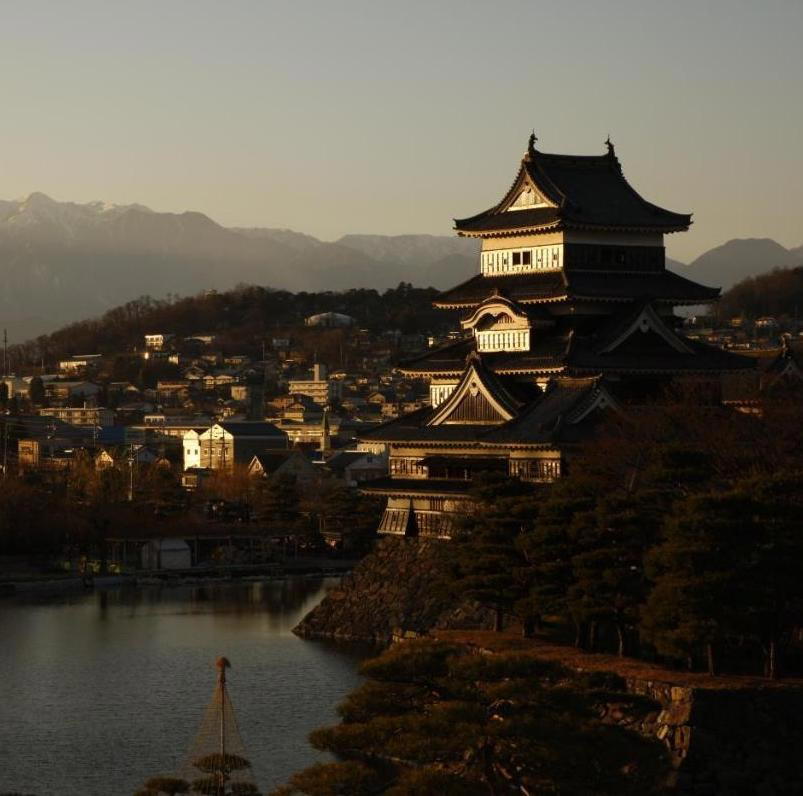
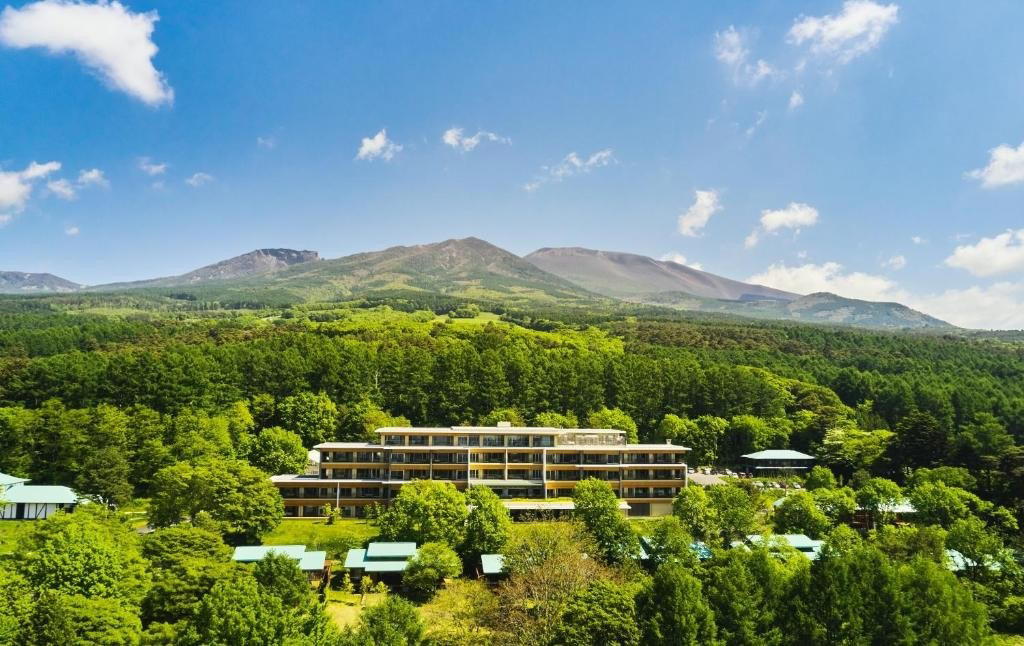
The road from Matsumoto city into the Tobira hot spring area climbs steadily through forested terrain, leaving the castle town behind and entering a quieter register of the Japanese Alps. Arriving at a ryokan at altitude in Nagano Prefecture carries a particular kind of sensory contrast: the hiss and mineral weight of onsen water, the drop in ambient temperature, the absence of city noise. That physical shift is not incidental to the dining experience here. At Tobira Onsen Myojinkan, a Relais & Châteaux property approximately 16 kilometres from Matsumoto Station, the two are designed to work together.
Japan's onsen ryokan tradition has always treated food as part of recovery rather than as a standalone destination meal. That framing distinguishes the kaiseki at properties like Myojinkan from urban fine dining in a meaningful way. Where a Tokyo counter like Harutaka in Tokyo or a precision-driven kaiseki in Kyoto such as Gion Sasaki is optimised for a single meal experience, the mountain ryokan structures its cuisine across an evening meal and morning meal, calibrated to the rhythm of soaking, sleeping, and the cold morning air.
The Regional Lens: Nagano's Vegetable Culture
Central Honshu, and Nagano in particular, occupies a distinct position in Japan's regional food culture. Unlike the coastal prefectures that anchor their cuisine in seafood, or the Kansai corridor where dashi technique and subtle seasoning define identity, Nagano's food tradition draws heavily from altitude agriculture. Short growing seasons and cool temperatures produce buckwheat, root vegetables, mountain greens, and fermented foods with a depth that rewards simplicity rather than technique-heavy transformation.
This is the raw material that Chef Masahiro Tanabe works with at the property's restaurant, Nature. The approach aligns with macrobiotic principles and what the Relais & Châteaux designation describes as symbiosis with local seasons. Dishes arrive with a structural restraint that echoes the mountain context rather than competing with it. This is not the highly compositional kaiseki found at urban properties such as HAJIME in Osaka, where French-influenced precision and visual architecture carry considerable weight. Nor does it share the hyper-local but intensely technical register of Goh in Fukuoka. The Nagano mountain version is quieter: vegetables as the primary vocabulary, preparation methods that preserve rather than amplify, and a seasonal calendar that shifts genuinely rather than symbolically.
This regional approach has parallels elsewhere in Japan's interior. Properties in mountainous Tohoku, such as those near affetto akita in Akita, share a similar logic of altitude-driven produce and fermented preservation techniques. The Kansai kaiseki tradition that formalised in Kyoto centuries ago was itself a response to a landlocked city, but it evolved into a codified high aesthetic. Nagano's version remains more grounded, less codified, and arguably more legible as a direct expression of its environment.
The Relais & Châteaux Framework and What It Signals
Globally, the collection skews toward properties where food and lodging are inseparable, which aligns naturally with the ryokan format. For Myojinkan, the designation places it in the same category tier as properties such as akordu in Nara, where dining ambition and a distinct regional identity reinforce each other.
In practical terms for the traveller, Relais & Châteaux membership means the food is taken seriously at an institutional level, not merely as a hotel amenity. This is not a restaurant you drop into for dinner. The structure here is a full ryokan stay, with meals embedded in the experience.
Matsumoto as a Base and the Broader Dining Scene
Matsumoto sits at an interesting intersection in Japanese travel. It is accessible enough from Tokyo (roughly 2.5 hours by limited express train via Shinjuku) to function as a weekend destination, yet far enough removed from the Kansai-Kanto dining corridor that its food scene operates with considerable independence. The city's kaiseki restaurants tend to reference Nagano ingredients and mountain tradition rather than competing directly with Kyoto refinement or Tokyo technical precision. For the full picture of dining options in the city, our full Matsumoto restaurants guide maps the range from formal kaiseki to neighbourhood dining.
Within Matsumoto's higher-end dining tier, Hikariya-Nishi represents the city's Japanese kaiseki in a historic machiya townhouse setting, offering a useful comparison point for travellers deciding between a city dinner and the full mountain-stay experience. The logic of choosing Myojinkan over a city kaiseki restaurant is essentially the logic of immersion versus destination dining: the onsen property offers a context that no city restaurant can replicate, while the city options allow more flexibility in planning. For wider context on accommodation in the area, our full Matsumoto hotels guide covers the range of options at different price points and formats.
The broader regional comparison also extends to coastal and international registers. Properties in southern Japan such as 6 in Okinawa operate with a fundamentally different ingredient palette, while internationally influenced fine dining at 1000 in Yokohama represents the urban-contemporary end of Japanese dining ambition. Myojinkan sits at neither extreme. Its reference points are local and seasonal, its format is traditional, and its audience is the traveller who has already decided that a mountain ryokan with serious food is the correct answer to a specific kind of travel need.
Getting There and Planning the Stay
Myojinkan sits at GPS coordinates 36.1858, 138.0822, roughly 16 kilometres from JR Matsumoto Station. The property runs a complimentary shuttle bus departing from the East Exit of Matsumoto Station twice daily, at 15:15 and 16:30. Guests arriving by other means should communicate their transport arrangements at the time of reservation. Taxi fare from the East Exit runs approximately JPY 5,500 to 6,000. By car, the route uses the Nagano-do Expressway to Matsumoto Interchange, then Route 67 toward Tobira Onsen. For air access, Shinshu Matsumoto Airport is approximately 23 kilometres from the property, with Nagoya Chubu at 200 kilometres and Tokyo Haneda at 251 kilometres as the major international gateways.
For travellers planning a wider Matsumoto itinerary, our full Matsumoto experiences guide, bars guide, and wineries guide cover the surrounding region. Matsuka is another Matsumoto address worth considering for those spending additional nights in the city. Reservations at Myojinkan should specify shuttle timing at the point of booking to avoid arrival complications.
Frequently asked questions
Where exactly is Tobira Onsen Myojinkan?
Tobira Onsen Myojinkan is located at 8967 Iriyamabe, Matsumoto, Nagano 390-0222, Matsumoto.
What distinctions does Tobira Onsen Myojinkan have?
Tobira Onsen Myojinkan has received recognition including: Chef Masahiro Tanabe can go all out with the many vegetables in restaurant “Nature”. Fully symbiotic with the seasons of the Matsumoto region and in the spirit of "Mount fuji" and macrobiotic cuisine, each dish arrives on your plate in simp….
What should I order at Tobira Onsen Myojinkan?
Restaurant Nature does not operate as an à la carte venue. Chef Masahiro Tanabe constructs kaiseki-format meals around Nagano's seasonal produce, shaped by macrobiotic principles and what the region yields at the time of your stay. The menu arrives with the course rather than as a selection, so the question of what to order is answered by the season and the kitchen. Guests staying at this Relais & Châteaux property dine within that framework as part of the overnight experience.
Category Peers
| Venue | Cuisine | Price | Awards | Notes |
|---|---|---|---|---|
| Tobira Onsen MyojinkanThis venue — the venue you are viewing | French-inspired Kaiseki | Not listed | We're Smart World 3 Radishes · Relais Chateaux Award | Not listed |
| Harutaka | Sushi | Not listed | Michelin 3 Star | Not listed |
| RyuGin | Modern Kaiseki | $500+ | 3 Michelin Stars · World's 50 Best #41 | Kaiseki, Japanese |
| HAJIME | French, Innovative | Not listed | Michelin 3 Star | Not listed |
| L'Effervescence | French | Not listed | Michelin 3 Star | Not listed |
| HOMMAGE | Innovtive French, French | Not listed | Michelin 2 Star | Not listed |
Recognition history
Dated appearances from independent guides and award organizations, with the underlying list record or original source where available.
Relais Chateaux Award
Relais Chateaux
We're Smart World 3 Radishes
We're Smart World
Continue exploring
More in Matsumoto
Restaurants in Matsumoto
Browse all →
Bars in Matsumoto
Browse all →
Hotels in Matsumoto
Browse all →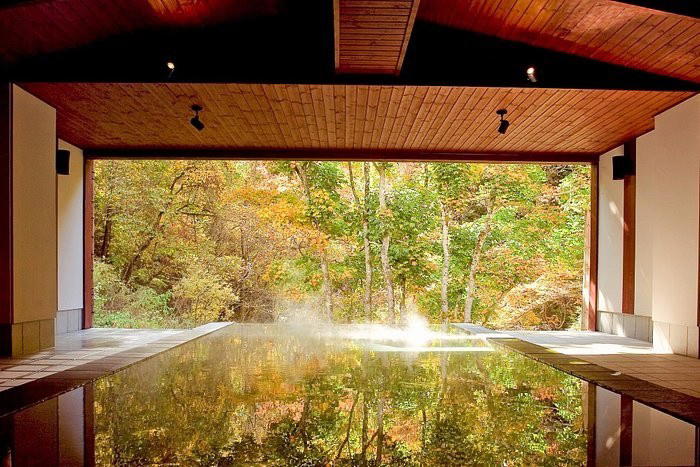

Details
- Romantic
- Quiet
- Elegant
- Scenic
- Intimate
- Sophisticated
- Date Night
- Special Occasion
- Historic Building
- Sake Program
- Local Sourcing
- Organic
- Mountain
- Garden
- Tasting Menu
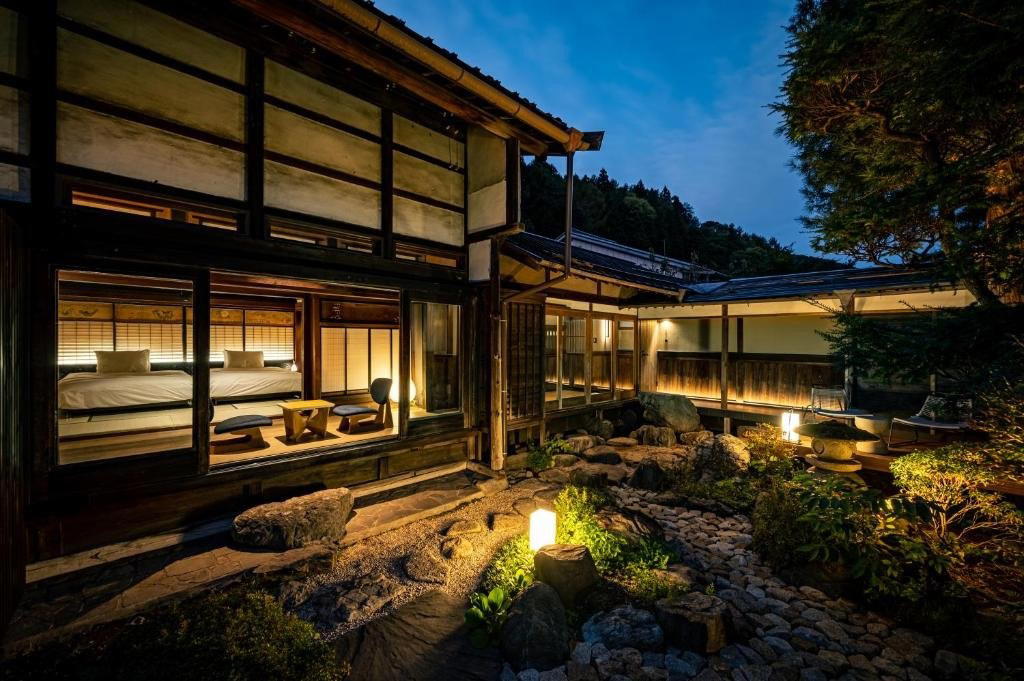
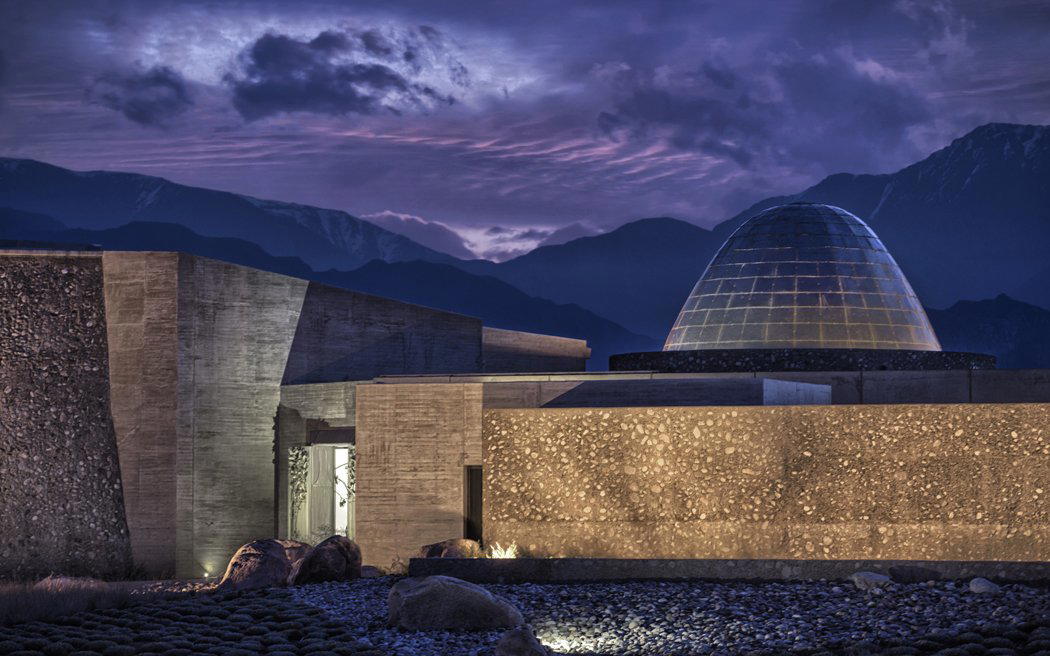
Low-key, glowy lighting creating a romantic and relaxing atmosphere amidst forested mountains.