
A Michelin-recognised ryokan at the western edge of Honshū, Bettei Otozure occupies mountain terrain near Nagato City in Yamaguchi Prefecture. Its 18 suites blend tatami-floor traditions with considered modern design, floor-to-ceiling views of the Japanese countryside, and both communal and private open-air bathing. Rates are available on request, and reservations require assistance from the EP Club team.
Pearl is the En Primeur Club membership app — saves, bookings, and concierge access live there. Same editors, same standards.
- Address
- 2208 Fukawayumoto, Nagato, Yamaguchi 759-4103
- Phone
- +81 837-25-3377
- Website
- otozure.jp
- Directions
- Get directions
 Saves & bookings on Pearl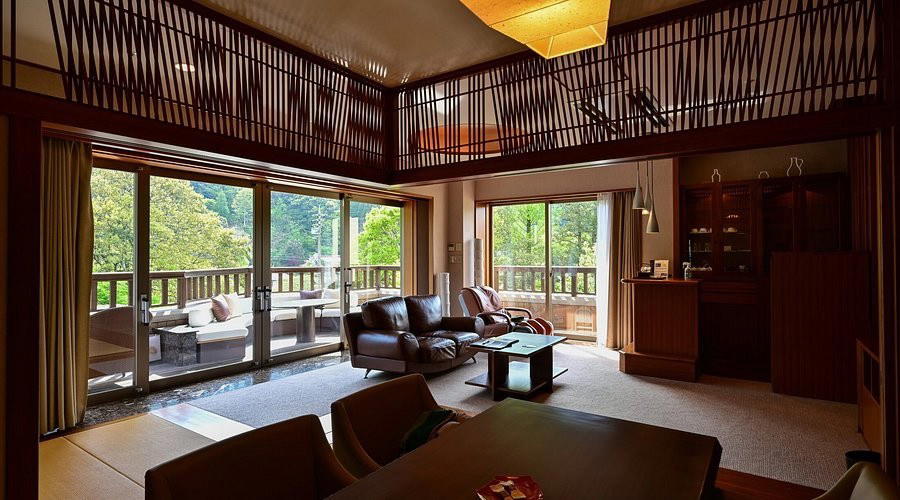
At the Far End of the Main Island
The western reaches of Honshū do not draw the same reflex attention as Kyoto, Tokyo, or the better-known onsen towns of Hakone and the Izu Peninsula. Yamaguchi Prefecture sits at the geographic margin of Japan's main island, a position that works, in hospitality terms, as both a filter and a credential. The guests who reach Nagato City have made a deliberate choice. That self-selection shapes what a property here can be: quieter, more grounded in place, less concerned with the theatre of accessibility.
Bettei Otozure sits in the mountains near Nagato City, in the Fukawa Yumoto hot-spring district — an area with a long history of thermal bathing that predates the modern ryokan category by centuries. The property earned a Michelin One Key designation in 2024, a recognition that applies to hotels rather than restaurants and signals a level of character, setting quality, and hospitality consistency that Michelin's inspectors deemed worth marking. For a property this far outside the primary travel circuits, that credential carries particular weight: it confirms the place is operating at a standard that justifies the distance. For comparable ryokan recognised in this tier, EP Club also tracks Gora Kadan in Hakone, Asaba in Izu, and Araya Totoan in Kaga.
Design That Holds Two Traditions in Suspension
The premium ryokan category has spent two decades working through a design problem: how to carry the weight of a deeply codified hospitality tradition without becoming a museum piece. The solutions vary widely. Some properties lean into pure historical authenticity, sourcing antique tansu and commissioning handmade washi panels. Others abandon the tension entirely and produce something closer to a boutique hotel with tatami floors. Bettei Otozure positions itself in the more demanding middle ground.
The suites combine tatami-style floor-level furnishings — the low tables, the layered futon arrangement, the spatial logic that derives from centuries of Japanese domestic design, with Western furniture considered enough to read as deliberately chosen rather than retrofitted. The result is closer to a ryokan reconsidered for a design-conscious contemporary guest than to either a period reproduction or a hybrid compromise. Electronic amenities and the comfort infrastructure of a luxury hotel are present, but the arrangement of the space keeps them from displacing the primary experience.
That primary experience is the view. Floor-to-ceiling windows frame the surrounding Japanese countryside with the kind of deliberateness that suggests the windows were always the architecture and the room was built to support them. In the mountain terrain of Fukawa Yumoto, the landscape shifts across seasons with the density and colour change that makes rural Yamaguchi genuinely different in April, August, November, and February. The windows do not romanticise this, they simply present it at full scale.
It is a different project from the urban luxury represented by Bvlgari Hotel Tokyo or Hotel The Mitsui Kyoto, and deliberately so.
The Bathing Architecture
In the ryokan tradition, bathing is not amenity, it is the primary organisational logic of the stay. Fukawa Yumoto is a proper hot-spring district, which means the thermal water feeding Bettei Otozure's baths carries the mineral content and temperature characteristics of a geologically active source rather than a mechanically heated pool. The property operates both communal baths and private outdoor bathing en suite, which gives guests the option of the traditional shared-water ritual or the more contemporary preference for private open-air immersion.
The open-air private bath, where guests soak in thermal water with the mountain setting immediately surrounding them, has become the defining feature of the high-end onsen ryokan category over the past decade. Properties from Amanemu in Mie to Fufu Kawaguchiko near Fuji have built their spatial identities around it. At Bettei Otozure, with 18 rooms across mountain terrain, the scale remains small enough that both options feel considered rather than managed.
Getting There from the Main Network
Japan's rail network makes Yamaguchi Prefecture more reachable than its position on a map might suggest. The Shinkansen runs to Shin-Yamaguchi, with connections that place the wider prefecture within a few hours of Osaka or Hiroshima. From Nagato Yumoto JR station, the property is 15 minutes by car, and Bettei Otozure offers a free transfer service for guests who arrange it in advance, a detail worth confirming at the time of booking. Travellers arriving by air can use Yamaguchi Ube Airport (UBJ), approximately 70 minutes by car, or Fukuoka International Airport (FUK), approximately 150 minutes by car. Fukuoka is the more useful gateway for international connections.
The property does not accept children under 13. This age restriction is a deliberate calibration of the guest environment rather than a logistical constraint, and it shapes the tenor of the stay accordingly. For families with younger children seeking comparable quality in Japan's ryokan category, Fufu Nikko or Nishimuraya Honkan in Kinosaki may be more suitable starting points.
Rates and Reservations
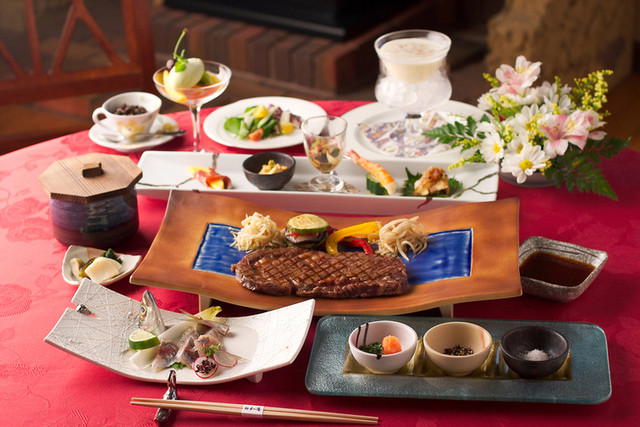
Pricing at Bettei Otozure is available on request, with rates beginning at JPY 134,200 per night. At that entry point, the property occupies the upper tier of Japan's premium ryokan category, a bracket where the room rate typically includes kaiseki dining and bathing access as part of the stay structure, though guests should confirm the exact inclusions at the time of reservation. Reservations cannot be made directly through standard online channels. EP Club's customer service team handles bookings and can gather the additional information the property requires to prepare for each arrival. For further context on what Nagato and Yamaguchi Prefecture offer beyond the property itself, see our full Nagato guide.
The broader ryokan category at this price point includes properties such as Beniya Kofuyuden in Awara, Bettei Senjuan in Minakami, Sekitei near Hiroshima, and Atami Izusan Karaku in Atami. Each occupies a different geography and a different design register, but all operate within the same logic: small capacity, strong place identity, and a stay structure built around immersion in a specific natural or cultural setting rather than the accumulation of amenities. Among the Setouchi-adjacent options, Azumi Setoda in Onomichi and Benesse House on Naoshima offer a different visual register, island and inland sea rather than mountain and forest, for travellers building a longer western Japan itinerary.
How Bettei Otozure Nagato compares with similar nearby venues.
| Venue | Awards |
|---|---|
| Bettei Otozure | Michelin 1 Key |
Recognition history
Dated appearances from independent guides and award organizations, with the underlying list record or original source where available.
Michelin 1 Key
Michelin
Michelin 1 Key
Michelin
Continue exploring
More in Nagato
Bars in Nagato
Browse all →
At a Glance
- Romantic
- Quiet
- Elegant
- Scenic
- Intimate
- Sophisticated
- Honeymoon
- Romantic Getaway
- Wellness Retreat
- Anniversary
- Private Villa
- Panoramic View
- Private Dining
- Wi Fi
- Spa
- Fitness Center
- Room Service
- Concierge
- Restaurant
- Mountain
- Garden
- Wi Fi
- Spa
- Fitness Center
- Room Service
- Concierge
- Restaurant
Quiet, elegant, and relaxing atmosphere with thoughtful decor, natural light through floor-to-ceiling windows, and serene onsen bathing experiences.
Know Before You Go
- Getting there
- 2208 Fukawayumoto, Nagato, Yamaguchi 759-4103