
Tabelog Bronze #516
Our verdict
Yamasei is Matsumoto's most decorated unagi specialist, holding Tabelog Bronze Awards in both 2025 and 2026 and a place on the Tabelog Unagi 100 list. The 13-seat room in the Ote district pairs traditional eel cookery with a wine program given unusual attention for the category. Dinner runs by reservation only through Table Check.

Pearl is the En Primeur Club membership app — saves, bookings, and concierge access live there. Same editors, same standards.
- Address
- 4 Chome-6-10-2 Ote, Matsumoto, Nagano 390-0874, Japan
- Phone
- +81 50-3595-8818
- Hours
- Mon–Tue ClosedWed–Sun 12–2 PM, 6–9 PM
- Website
- yamasei-unagi.jp
- Directions
- Get directions
- Booking
- Book on TableCheck
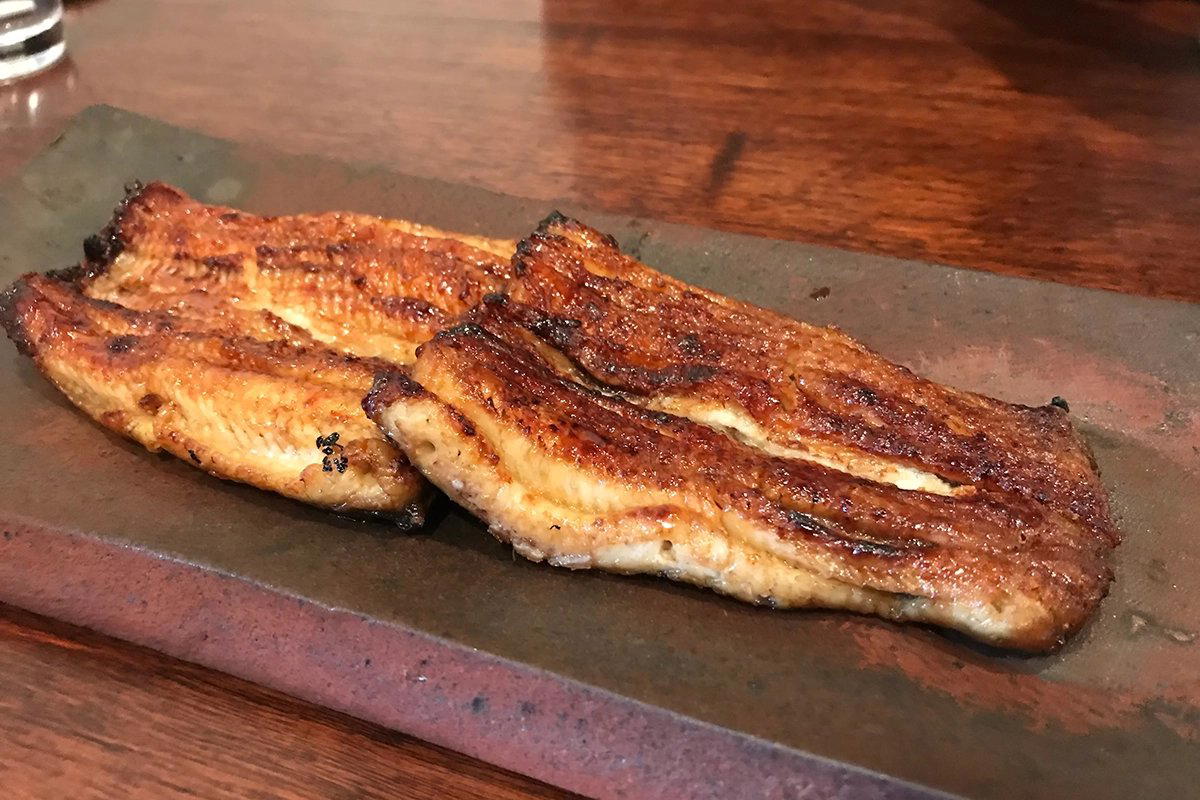
A Focused Room in Matsumoto's Ote Quarter
Japan's premium unagi circuit is dominated by Tokyo houses and the historic eel towns of the Tokai region, where the Nagoya-style kabayaki tradition runs deep. Against that backdrop, a small specialist in the Nagano city of Matsumoto earning consecutive Tabelog Bronze Awards is worth taking seriously. The Ote district, a short walk from the old castle grounds, carries the kind of low-key civic dignity common to Japan's castle towns: wide enough streets, a mix of commerce and residence, and a general absence of the visitor-facing theatrics found closer to Matsumoto's main sightseeing corridors.
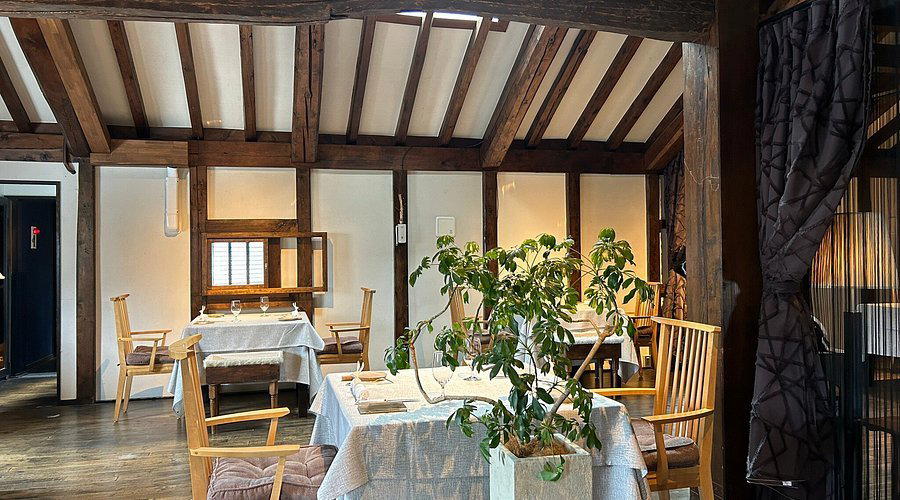
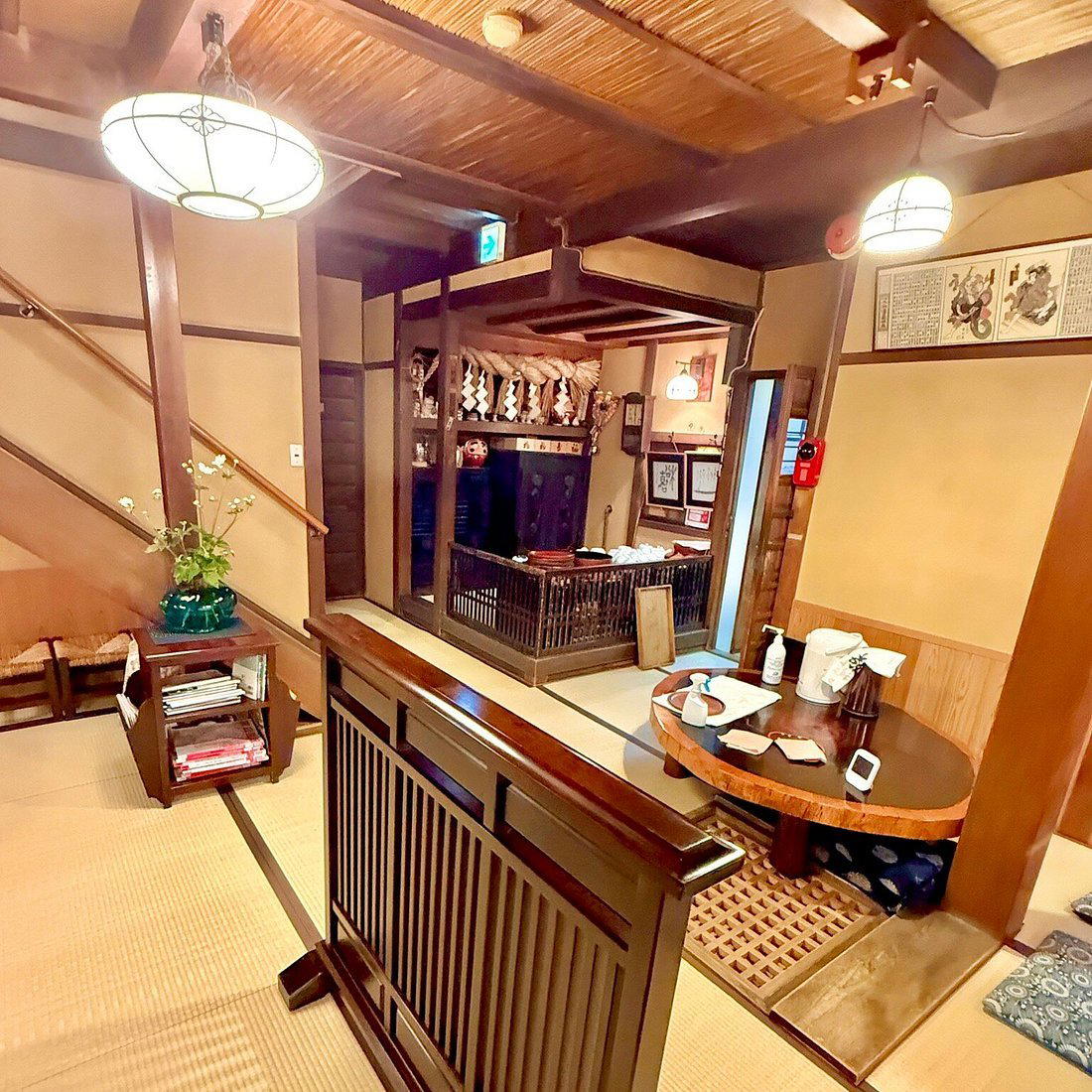
Yamasei relocated to its current Ote address in April 2023, moving away from the more central commercial cluster. That decision placed it in a quieter setting, with 13 seats split between a five-seat counter and eight table seats. At this scale, the room functions the way Japan's leading specialist counters do: the number of covers is low enough that service operates at a deliberate pace, and the distance between kitchen and guest is short enough to make the counter genuinely informative rather than merely scenic. Private rooms are not available, and the space does not accommodate private hire, which keeps every service tied to a shared, open dynamic.
The Tabelog Signal and What It Means in Context
Yamasei carries a Tabelog score of 4.17 as of 2026, which placed it among the 516th-ranked restaurants in the Tabelog Bronze cohort for that year. It held Bronze in 2025 as well, and was named to the Tabelog Unagi 100 list in 2024, a category-specific selection covering the hundred most-reviewed and highest-rated eel restaurants across Japan. These are not minor credentials. Tabelog's scoring system compresses heavily in the upper range, and a score above 4.0 in a competitive regional city carries real peer-set weight. Within Matsumoto's dining scene, where award-bearing restaurants across all categories include Kikuzushi for sushi and Fogliolina della Porta Fortuna for Italian, Yamasei represents the highest-decorated specialist in its own category by some distance.
For context on how this regional recognition compares to Japan's broader fine-dining tier, the country's most decorated restaurants include Harutaka in Tokyo, HAJIME in Osaka, and Gion Sasaki in Kyoto. Yamasei operates in a different register, as a focused regional specialist rather than a multi-course kaiseki operation, but its sustained Tabelog recognition signals a level of execution that goes well beyond the average prefectural eel house.
Pricing and the Category's Broader Tier Structure
Unagi dining in Japan spans a wide price band. At the entry tier, a donburi lunch at a mid-range chain runs under JPY 2,000. At the leading end, specialist houses in Tokyo's Asakusa or Minami-Senju districts charge JPY 15,000 to JPY 25,000 per head for a multi-course eel progression. Yamasei's dinner pricing, which Tabelog's award data places at JPY 20,000 to JPY 29,999 per head (with reviewer-reported averages trending toward JPY 30,000 to JPY 39,999 for dinner), positions it firmly within that upper specialist bracket. Lunch is priced separately at JPY 6,000 to JPY 7,999, which is a meaningful entry point for the Tabelog 100 tier without requiring a full evening commitment.
This pricing structure matters for understanding the room's composition on any given evening. Guests at this spend level in a 13-seat room are not walk-ins or casual visitors to the area. They have reserved, they have come with intent, and the service dynamic reflects that. Among Matsumoto's broader restaurant scene, this price bracket sits above Chinese Sai Muen and most of the city's mid-range options, placing Yamasei in a smaller cluster alongside Bleston Court Yukawatan and ca'enne at the higher end of local dining ambition.
The Service Triangle: Counter, Floor, and Wine Program
The editorial angle that makes Yamasei worth examining beyond its awards record is the apparent attention given to the wine program inside a category that rarely bothers with it. Tabelog's venue data flags the drink offering as "Wine, Particular about wine" — an unusual designation for an unagi specialist, where the conventional pairing logic runs toward sake, shochu, or beer. Premium unagi restaurants in Japan have begun to incorporate wine more deliberately over the past decade, but it remains far from standard practice, and the designation here suggests a front-of-house commitment that goes beyond a token list.
In a 13-seat room operating across a counter and table configuration, the interplay between kitchen output and floor management becomes unusually visible. The counter seats offer the most direct reading of that dynamic: five guests in close proximity to the preparation, with a service team managing both table and counter simultaneously. At dinner, which runs by reservation only through Table Check, the rhythm of the room is set by the kitchen and reinforced by whoever is managing the floor. The wine program adds a third layer to that conversation, suggesting that pairings and recommendations are part of the service proposition rather than an afterthought.
This kind of coordination, between a technically demanding preparation tradition, a constrained physical format, and a wine offering that requires its own expertise, is what distinguishes the better small specialists from the merely competent ones. The Tabelog score and the 100 list selection are the external validation; the wine focus is the internal signal that something more considered is happening at the service level.
Unagi as a Category: What the Tradition Demands
Kanto-style unagi preparation, dominant in eastern Japan, involves steaming the eel before grilling, producing a softer, more yielding result. Kansai style skips the steam and grills directly, yielding firmer flesh and a more pronounced exterior char. Nagano sits geographically between these two traditions, and regional eel restaurants sometimes navigate between them or develop hybrid approaches suited to local ingredients and preference.
For readers comparing unagi against Japan's other precision-demanding fish traditions, the concentration required in eel preparation rivals the knife work of a sushi counter. The scoring, skewering, and precise grill management involved in high-end kabayaki cooking is a craft that takes years to develop, which is why the leading unagi restaurants in Japan tend to be small, specialist-only operations rather than broad-menu houses. Yamasei's format, Tabelog 100 selection, and sustained award record all point to a kitchen operating at the technical level the category requires.
Planning Your Visit
Yamasei operates Wednesday through Sunday, with lunch from noon to 14:00 and dinner from 18:00 with a last order at 21:00. Monday and Tuesday are closed. The address is 4 Chome-6-10-2 Ote, Matsumoto, which Tabelog's data places approximately 17 minutes on foot from JR Matsumoto Station, at roughly 1,073 meters. There is no parking on site. Dinner reservations are required and are made through Table Check.
Major credit cards are accepted, including Visa, Mastercard, JCB, American Express, and Diners. QR code payments are also accepted. Electronic money is not. The room is non-smoking throughout. With 13 seats and no private dining option, this is not a venue suited to large groups or celebrations requiring separation from the main room.
For broader planning across Matsumoto and the wider Nagano prefecture, see our full Nagano restaurants guide, Nagano hotels guide, Nagano bars guide, Nagano wineries guide, and Nagano experiences guide. For comparison with specialist restaurants at a similar award level elsewhere in Japan, akordu in Nara and Goh in Fukuoka represent the kind of regionally grounded precision cooking that Yamasei belongs alongside, even across different categories. Those researching high-end dining in other Japanese cities or beyond may also find 1000 in Yokohama, Le Bernardin in New York City, and Atomix in New York City useful reference points for the tier of cooking this kind of specialist-format operation sits within globally.
Frequently asked questions
Would Yamasei be comfortable with kids?
Families planning a lunch visit, where spend runs JPY 6,000–7,999, would be in a more manageable price bracket, but the intimate scale means noise and pace are factors worth considering before booking.
What kind of setting is Yamasei?
Yamasei occupies a small room in Matsumoto's Ote quarter with 13 seats total: five at the counter and eight at tables. It relocated to its current address in April 2023, and the wine program — described as wine-focused in a category where sake typically dominates — gives the space a character that sits outside the standard unagi-house template. Dinner is reservation-only, booked through Table Check.
What awards or recognition does Yamasei have?
Yamasei has received recognition including: {"Year":"2026","Award Source":"Tabelog","Award Type":"The Tabelog Award","Award Group":"bronze","Award Group Rank":"516","Restaurant Name":"Yamasei","Score":"4.17","Budget":"Dinner: JPY 20,000 - JPY 29,999; Lunch: JPY 6,000 - JPY 7,999","Bu….
What dish is Yamasei famous for?
Yamasei is a specialist unagi (freshwater eel) restaurant, which is the sole cuisine category listed in its Tabelog record and the basis for its selection in the Tabelog Unagi 'Tabelog 100' 2024. That recognition places it among the 100 most highly regarded eel restaurants in Japan by Tabelog's reviewer base, alongside its Tabelog Bronze Awards for 2025 and 2026.
What are the opening hours for Yamasei?
Hours at Yamasei: Wed, Thu, Fri, Sat, Sun 12:00 - 14:00 18:00 - 21:00 L.O. 21:00.
What It’s Closest To
Comparable venues nearby, for context on price, style, and recognition.
| Venue | Cuisine | Price | Awards | Notes |
|---|---|---|---|---|
| YamaseiThis venue — the venue you are viewing | Traditional Japanese Unagi and Suppon | Not listed | Tabelog Bronze #516 | Not listed |
| Grill The Butcher Nagano (グリル ザ ブッチャー 長野) | Shinshu Beef Steakhouse | $20–30 | Not listed | Nagano Station |
| Nagano Meijitei (明治亭) | Nagano Sauce Katsudon | $10–20 | Not listed | Nagano Station |
| 蕎麦処 そばの実 | Togakushi Soba | $20–30 | Tabelog 100 #53 | Togakushi |
| Aoitou | Japanese Sauce Katsudon | $10–20 | Not listed | 西箕輪 |
| Chinese Sai Muen | Sichuan Chinese Dim Sum | $30–50 | Tabelog Bronze #292 | Ina |
Recognition history
Dated appearances from independent guides and award organizations, with the underlying list record or original source where available.
Tabelog Bronze #516
Tabelog
Full recognition history (3 entries)
Tabelog Bronze
Tabelog
Tabelog 100 #7 · No. 7
Tabelog · Tabelog 100 - Unagi - 2024
Continue exploring
More in Nagano
Restaurants in Nagano
Browse all →
Bars in Nagano
Browse all →
Hotels in Nagano
Browse all →

Details
- Quiet
- Classic
- Elegant
- Intimate
- Standalone
- Pescatarian Friendly
Current opening hours
- Monday
- Closed
- Tuesday
- Closed
- Wednesday
- 12–2 PM, 6–9 PM
- Thursday
- 12–2 PM, 6–9 PM
- Friday
- 12–2 PM, 6–9 PM
- Saturday
- 12–2 PM, 6–9 PM
- Sunday
- 12–2 PM, 6–9 PM
Hours can change for holidays and private events. Last verified .
Serene and tranquil, with Japanese elegance and subtle modern touches.