
Tabelog Bronze #264
Our verdict
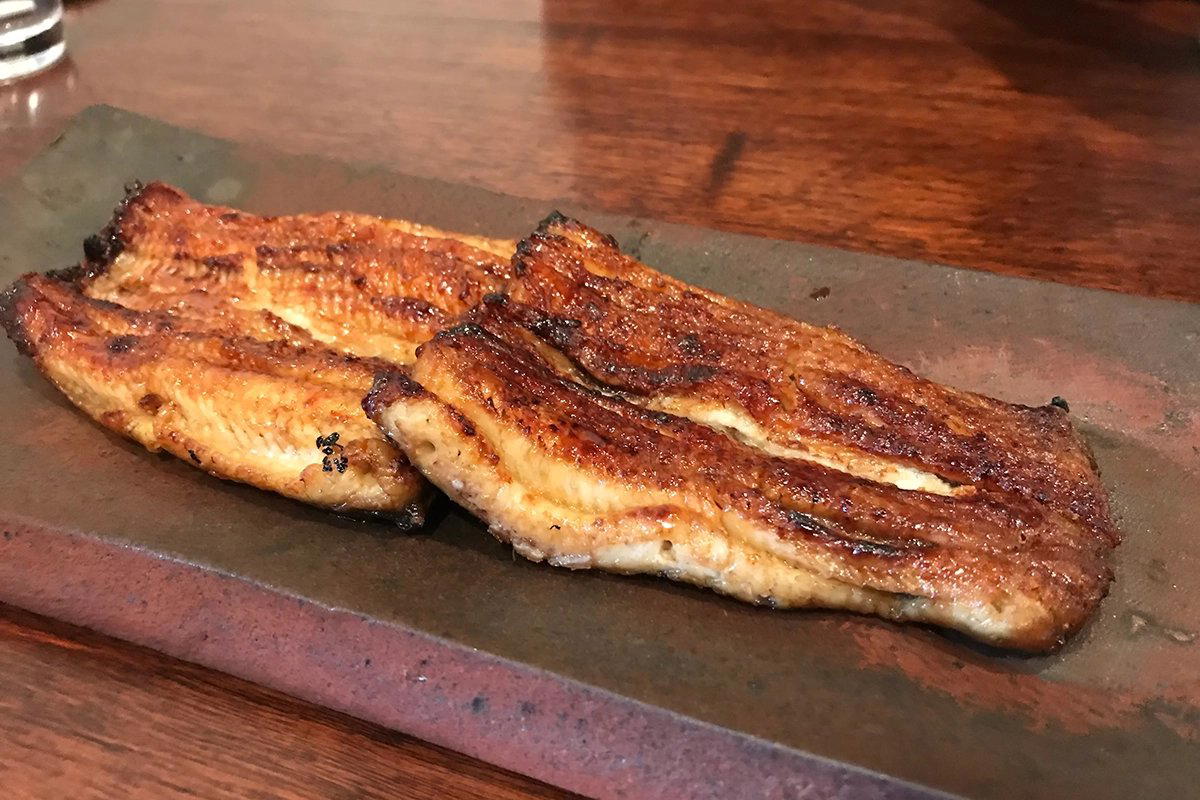
Matsuka puts Matsumoto’s unagi culture in a serious national frame: Tabelog Award Bronze in 2026 and 2025, plus repeated selection for Tabelog Unagi 100. The appeal is not luxury theatre but ingredient-led specialization, with eel treated as the point of the meal rather than one item among many.

Pearl is the En Primeur Club membership app — saves, bookings, and concierge access live there. Same editors, same standards.
- Address
- 3 Chome-2-29 Central, Matsumoto, Nagano 390-0811, Japan
- Phone
- +81 263-32-0747
- Website
- tabelog.com
- Directions
- Get directions
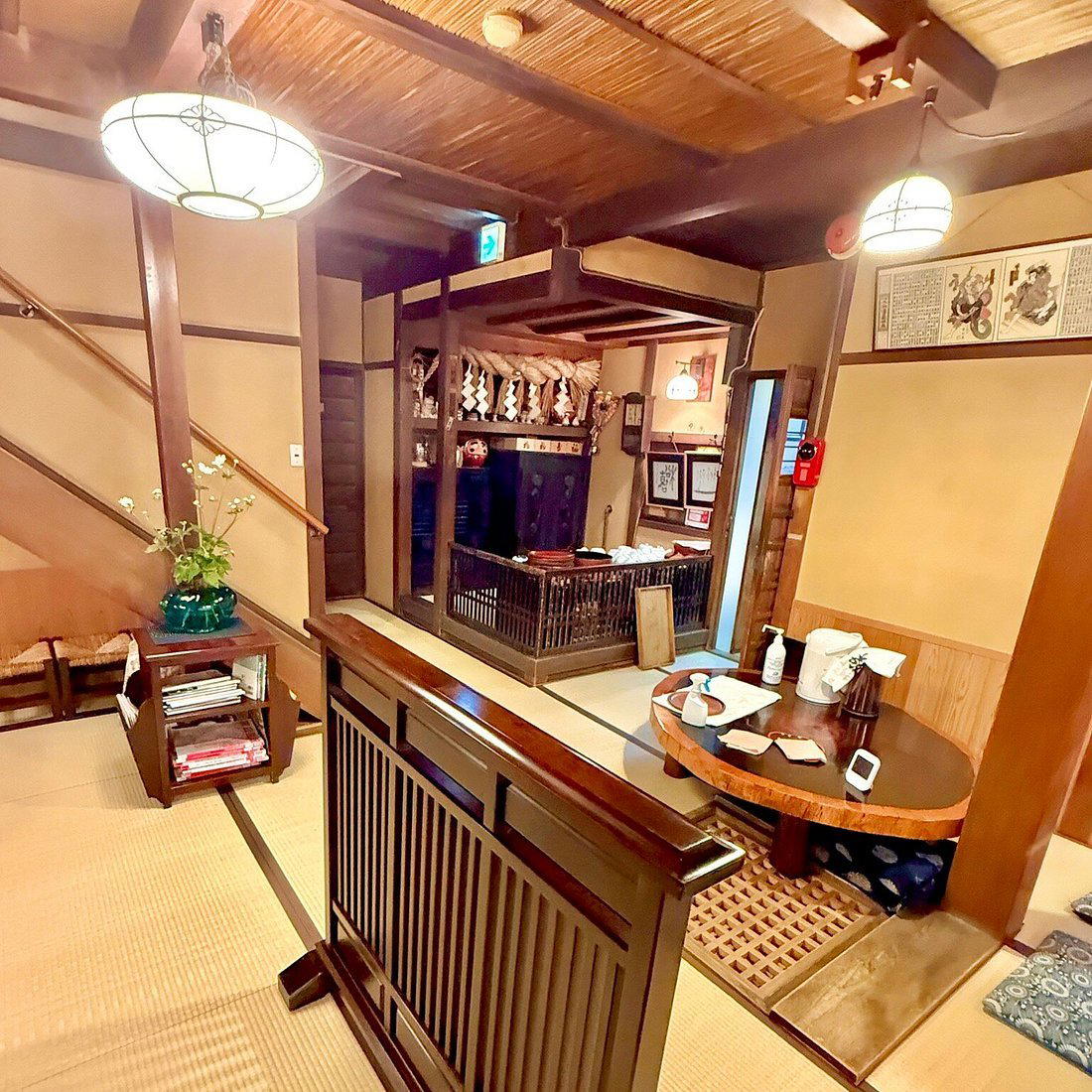
Approaching a dedicated unagi house in Matsumoto is a different proposition from choosing another lunch stop near the castle-side streets. The rhythm is older and more decisive: eel as the meal, not as garnish, not as seasonal flourish, and not as a luxury cue borrowed from kaiseki. Matsuka belongs to that Japanese category where specialization carries more weight than breadth, and where the value of the table depends on a single ingredient being handled with discipline.
Unagi has always sat at an interesting crossroads in Japanese dining. It is everyday comfort in format, ceremonial in technique, and often priced more gently than its labour suggests. In inland Nagano, that tension becomes sharper. Matsumoto’s restaurant scene includes coffee institutions, soba rooms, yoshoku counters, izakaya cooking, and small French-leaning addresses; eel occupies a narrower lane. For a broader read on the city’s dining range, Our full Matsumoto restaurants guide gives the useful map, with local reference points such as Coffee Marumo, French Natural Restaurant SAI, Furin Kazan, Hikariya Higashi, and Alpenrose.
Eel as a single-ingredient discipline, not a broad menu play
The sourcing question matters because unagi is unforgiving. Unlike a multi-course restaurant that can shift emphasis across vegetables, fish, rice, broth, and wagyu, an eel specialist has little room to hide. The ingredient carries the table. Its fat content, size, handling, and cooking sequence determine whether the meal feels heavy, clean, smoky, soft, or slack. That is why Japan’s serious unagi rooms are judged less by novelty than by repetition: the ability to produce a familiar form with control, day after day.
Matsuka’s national recognition places it above the level of a merely local address. The restaurant received Tabelog Award Bronze in 2026 and 2025, and has appeared in Tabelog Unagi 100 in 2024, 2022, 2019, and 2018. Those signals matter in this category because unagi is not driven by tasting-menu fashion. Recognition tends to reward durability, ingredient handling, and consistency rather than design vocabulary or imported luxury codes.
The pricing bracket reinforces that point. Listed lunch and dinner budgets sit in the JPY 3,000 to JPY 3,999 range, a band that keeps the restaurant in the realm of focused regional dining rather than special-occasion formality. Compared with Matsumoto’s lower-priced cafés and casual rooms such as Coffee Marumo or Masamura, this is a more ingredient-dependent spend; compared with broader dinner formats in the city, it is direct and tightly defined. The decision is less “where should dinner happen?” than “is eel the reason for the meal?”
Matsumoto's food scene makes specialization feel sharper
Matsumoto rewards travellers who separate atmosphere from substance. The castle, kura storehouses, mountain air, and craft-shop streets can make almost any dining room feel charming from the outside. The stronger restaurants, however, reveal a more practical city: compact menus, long-running formats, early demand, and a clientele that treats meal planning seriously. Eel fits that culture well because it is both local in behaviour and national in standard. A traveller may come to Matsumoto for soba, sake, or mountain produce, but a nationally ranked unagi room changes the itinerary from regional sampling to category eating.
That distinction is useful when comparing across Japan. In Tokyo or Nagoya, unagi often competes inside a dense field of specialists; in Matsumoto, the category has more space around it. The result is not a lesser benchmark, but a clearer one. A restaurant with repeated Unagi 100 selection in a regional city tells the reader that diners are not rewarding convenience alone. They are placing the room inside a national conversation about eel cookery.
The room format also keeps expectations grounded. Tatami-only seating and a non-smoking policy point toward a traditional, sit-down meal rather than a counter performance. Sake is part of the drinks picture, and take-out exists, but the editorial argument remains the same: this is ingredient-first dining in a city where the stronger meals often favour restraint over spectacle. Travellers building a longer Matsumoto stay can pair that lunch or early meal with the city’s wider hospitality and drinking circuit through Our full Matsumoto hotels guide, Our full Matsumoto bars guide, Our full Matsumoto wineries guide, and Our full Matsumoto experiences guide.
How to read the recognition without overreading the room
Tabelog’s Bronze and Unagi 100 designations are useful because they identify sustained attention in a specific category. They do not turn the meal into a luxury tasting format, and that is the point. Japan’s great single-subject restaurants often resist the international shorthand of prestige: no sprawling menu narrative, no long chef biography required, no need to frame the experience as discovery. The credibility comes from a narrow promise fulfilled with enough consistency to draw national notice.
For EP Club readers, Matsuka is strongest as a precision choice inside Matsumoto, not as a catch-all recommendation. It suits travellers who understand that ingredient sourcing and handling can be the entire story. If the plan is a lingering, multi-stop evening with snacks and drinks, the city has other rhythms. If the plan is to let eel define the meal, the restaurant’s awards history, category focus, and price bracket make a clear case.
Travellers extending the comparison beyond Nagano should avoid treating all Japanese comfort formats as interchangeable. A sukiyaki specialist such as -Grilled beef Sukiyaki- KAMAKURA TANUKIAN 鎌倉 たぬき庵 in Kamakura, a charcoal-and-tuna address such as. 鮪と炭火焼き うお炭 秋葉原店 in Tokyo, or a rice-led casual format such as Onigiri Time in Pasadena answers a different craving. The same applies to café, curry, sake-bar, and Vietnamese categories represented by.cafe in Osaka.know in Kumamoto, (Shoku) Vietnam in Kawasaki, [Curry Senmon Ten] Maruyama Kyoju. in Sapporo, and Jōdo Saké Bar in Los Angeles. Matsuka’s argument is narrower and stronger for being narrow: come for unagi, judge it as unagi, and let Matsumoto’s broader pleasures sit around it rather than compete with it.
Frequently asked questions
Is Matsuka good for families?
Matsuka can suit families that are comfortable with a tatami-only room and a set unagi focus. The 59-seat dining room and take-out service make it more practical than formal, and the JPY 3,000–3,999 range keeps it accessible for a city meal in Matsumoto.
Is Matsuka better for a quiet night or a lively one?
It reads as a quieter room, not a lively one. Matsuka has 59 tatami seats, no private rooms, and no-smoking seating in Matsumoto, so the mood is structured around service and turnover rather than late-night energy.
When can I go to Matsuka?
Hours at Matsuka: ■Business hours11:30 - Until sold out*Entry is available from around 10:30.■Closed onMondays, Tuesdays, and Thursdays.
Where exactly is Matsuka?
Matsuka is located in Matsumoto.
What's the signature at Matsuka?
The focus is unagi, and the restaurant’s Tabelog Bronze award in 2026 plus repeated Tabelog Unagi 100 selections point to that specialization. With reservations unavailable and entry from around 10:30 for a 11:30 opening, the draw is the eel itself, not a broad menu.
Comparison Snapshot
Comparable venues by cuisine and price in the same metro.
| Venue | Cuisine | Price | Awards | Notes |
|---|---|---|---|---|
| MatsukaThis venue — the venue you are viewing | Traditional Japanese Unagi | $30–50 | Tabelog Bronze #264 | Not listed |
| Sushi Inukai | Edomae Omakase Sushi | $150–200 | Tabelog 100 #90 | / Shimauchi |
| Tobira Onsen Myojinkan | French-inspired Kaiseki | Not listed | We're Smart World 3 Radishes · Relais Chateaux Award | Iriyamabe |
| Sanjiro | Traditional Soba Set Menu | $20–30 | Tabelog 100 #44 | Ote |
| Usagiya | Seasonal Shinshu Izakaya | $30–50 | Tabelog 100 #66 | Chuo |
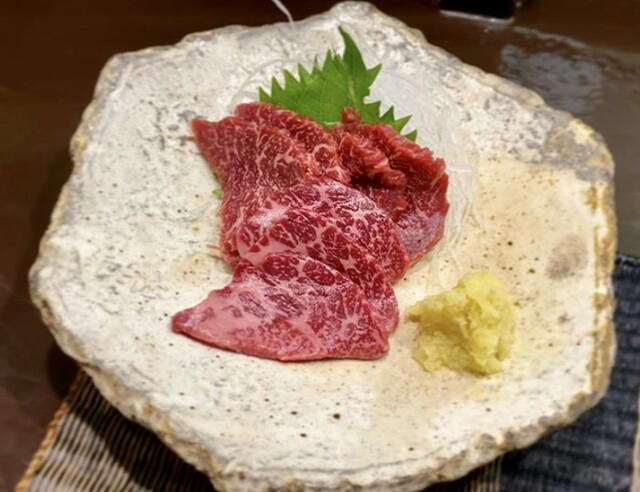
| Kiku Zou | Seasonal Japanese & regional cuisine with horse sashimi and hot‑pot courses | $50–100 | Tabelog 100 #90 | near Matsumoto Castle / Higashikouji |
Recognition history
Dated appearances from independent guides and award organizations, with the underlying list record or original source where available.
Tabelog Bronze #264
Tabelog
Full recognition history (3 entries)
Tabelog Bronze
Tabelog
Tabelog 100 #99 · No. 99
Tabelog · Tabelog 100 - Unagi - 2024
Continue exploring
More in Matsumoto
Restaurants in Matsumoto
Browse all →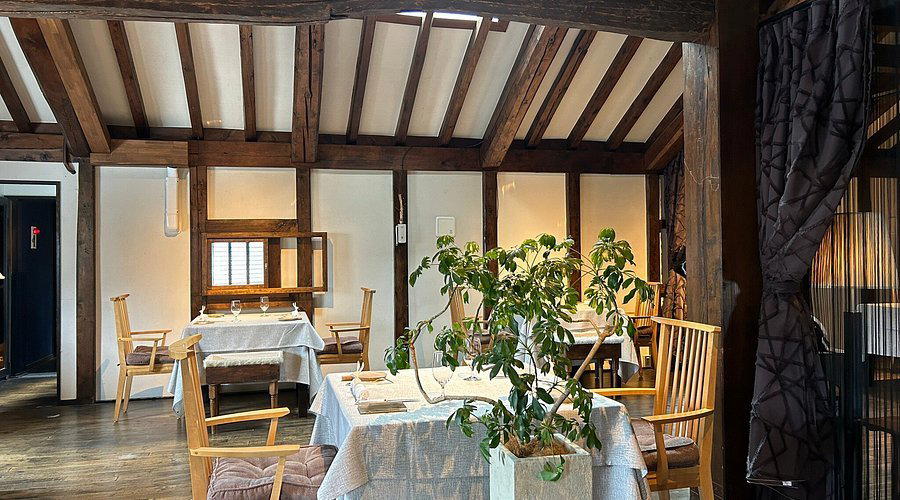
Bars in Matsumoto
Browse all →
Hotels in Matsumoto
Browse all →

Details
- Classic
- Cozy
- Intimate
- Solo
- Special Occasion
- Historic Building
- Sake Program
- A La Carte
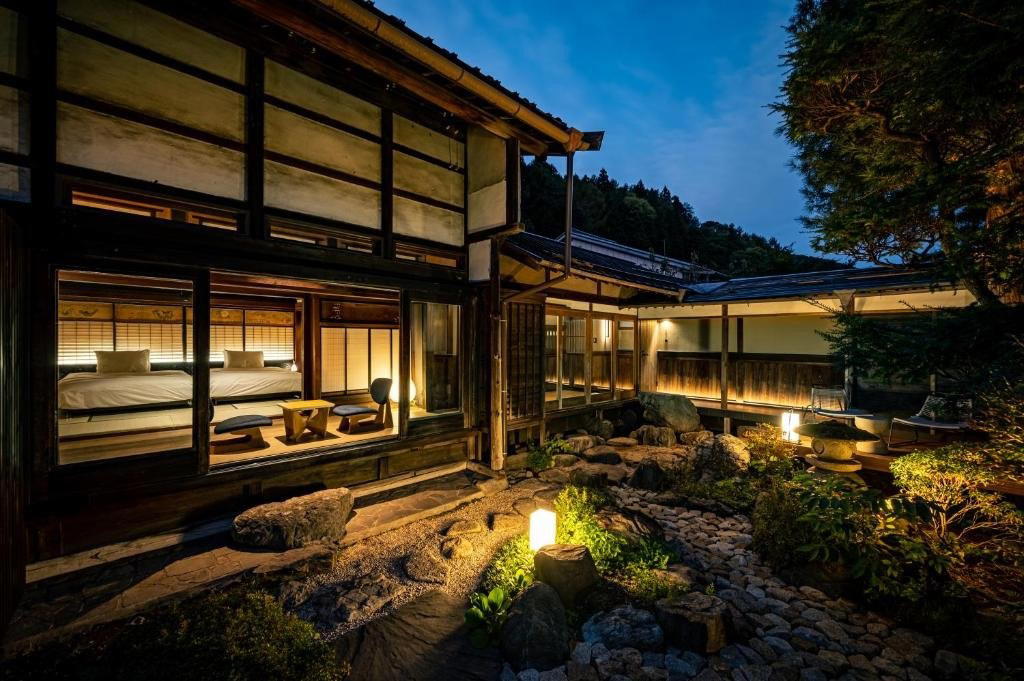
Traditional Japanese ambiance with tatami mats, wooden beams, and a ryokan-like atmosphere.