








3 Michelin Stars · World's 50 Best #21 · La Liste Top Restaurants
Our verdict
Sazenka sits in Tokyo’s rarefied Chinese dining tier, where high-heat technique is filtered through Japanese seasonality and formal restraint. Chef Tomoya Kawada’s room carries major recognition, including The Tabelog Award 2026 Gold, La Liste 2026 at 99 points, and placement on major Japan and Asia restaurant lists, making it a serious choice for diners tracking Chinese cuisine at Tokyo’s luxury end.

Pearl is the En Primeur Club membership app, where members save venues, book tables and use the concierge.
The menu
What to order
- Sichuan Pepper Pigeon
- Pheasant Wonton Soup
- Jellyfish Salad
Sazenka is a Chinese restaurant in Tokyo from chef-owner Tomoya Kawada. With a listed price level of ¥¥¥¥ and evening operating hours on Tuesday through Saturday, it belongs in the city’s premium dining conversation rather than the casual end of Chinese dining.
For diners comparing Chinese restaurants, natural reference points may include Ippei Hanten, NISHIAZABU SHANGU, ShinoiS, Ji-Cube, and Kyuu. The useful question is how Sazenka’s confirmed Chinese identity, Tokyo location, chef-owner, price level, and schedule fit the occasion you are planning.
Confirmed essentials for Sazenka
Sazenka’s verified category is Chinese cuisine, and Tomoya Kawada is the chef-owner associated with the restaurant. Beyond that, the safest way to approach the restaurant is through the confirmed essentials: it is a high-priced Tokyo Chinese restaurant with smart-casual dress guidance and evening hours on its operating days.
Chinese fine dining in Tokyo can be discussed in broad terms as a meeting point between technique, pacing, and hospitality. Sazenka sits within that broader category, but specific claims about menu format, sourcing, beverage pairings, room configuration, or service style should be confirmed directly with the restaurant before planning a visit.
Its price level is listed as ¥¥¥¥, so diners should treat it as a special-occasion booking. The verified hours are Monday closed, Tuesday through Saturday 4–11 pm, and Sunday closed, which means the available public information supports evening dining rather than lunch service.
Why this restaurant matters in Tokyo's Chinese dining scene
Tokyo has a broad Chinese dining scene, ranging from everyday restaurants to more formal destinations. Sazenka matters within that landscape because it is a Chinese restaurant in the city associated with a named chef-owner and a high listed price tier.
When comparing options, it helps to separate confirmed facts from reputation. Sazenka is verified as Chinese, led by Tomoya Kawada, priced at ¥¥¥¥, and located in Tokyo.
For diners mapping Chinese restaurants, compare options by confirmed basics: cuisine, price level, schedule, and the kind of occasion you are planning. Ippei Hanten, Kyuu, NISHIAZABU SHANGU, ShinoiS, and Ji-Cube can provide useful points of contrast for people looking across premium Chinese dining options.
The practical framing is direct. Sazenka is a Tokyo Chinese restaurant for diners comfortable with a premium price level and smart-casual dress.
How to judge the meal, and where to keep looking
The useful test is whether the restaurant’s Chinese cooking and overall dining experience justify its premium positioning for the occasion you have in mind.
Practical planning should begin with the confirmed schedule: Sazenka is closed Monday and Sunday, and open Tuesday through Saturday from 4–11 pm. Dress guidance is smart casual. No verified lunch hours are listed, so diners should not assume lunch availability.
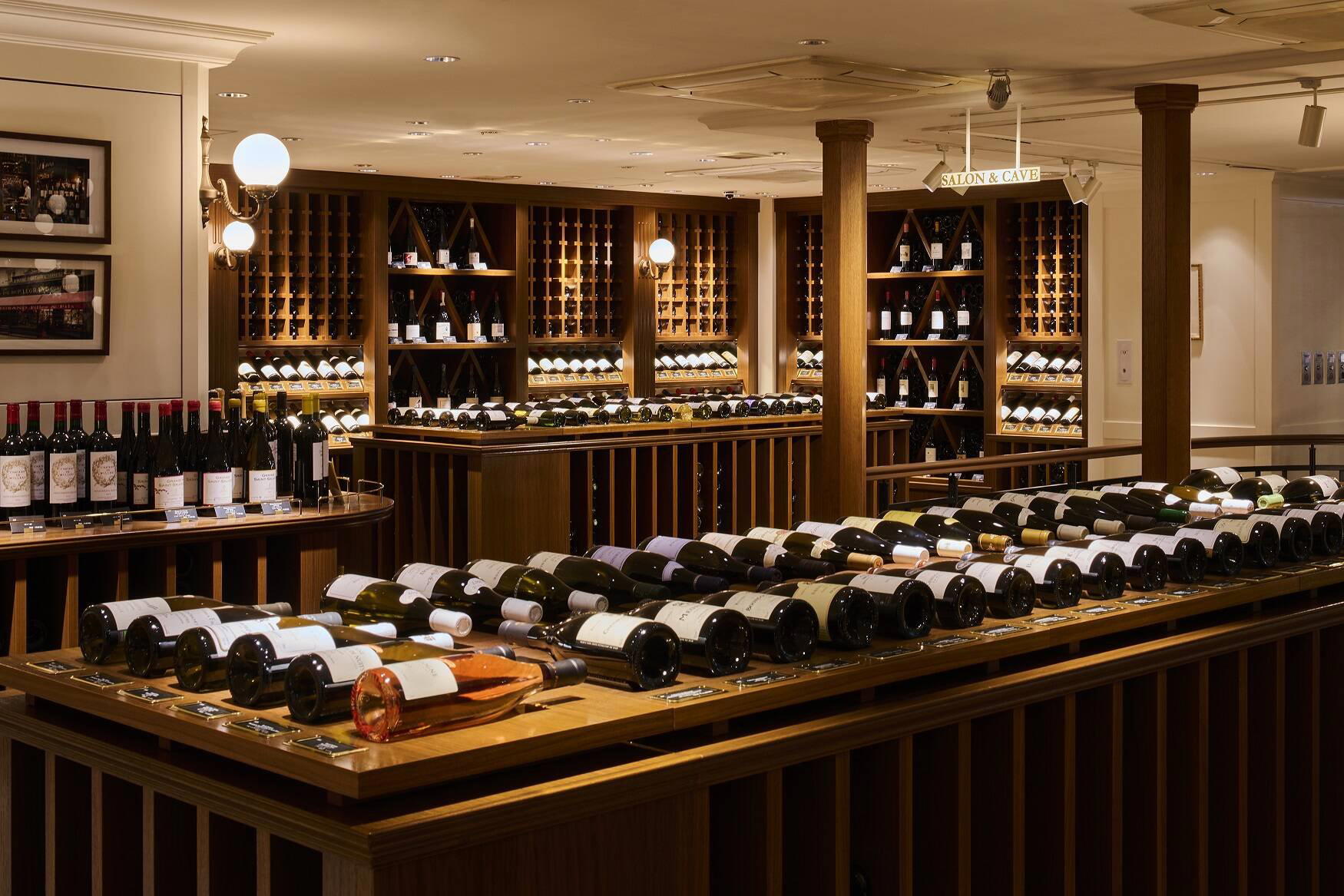
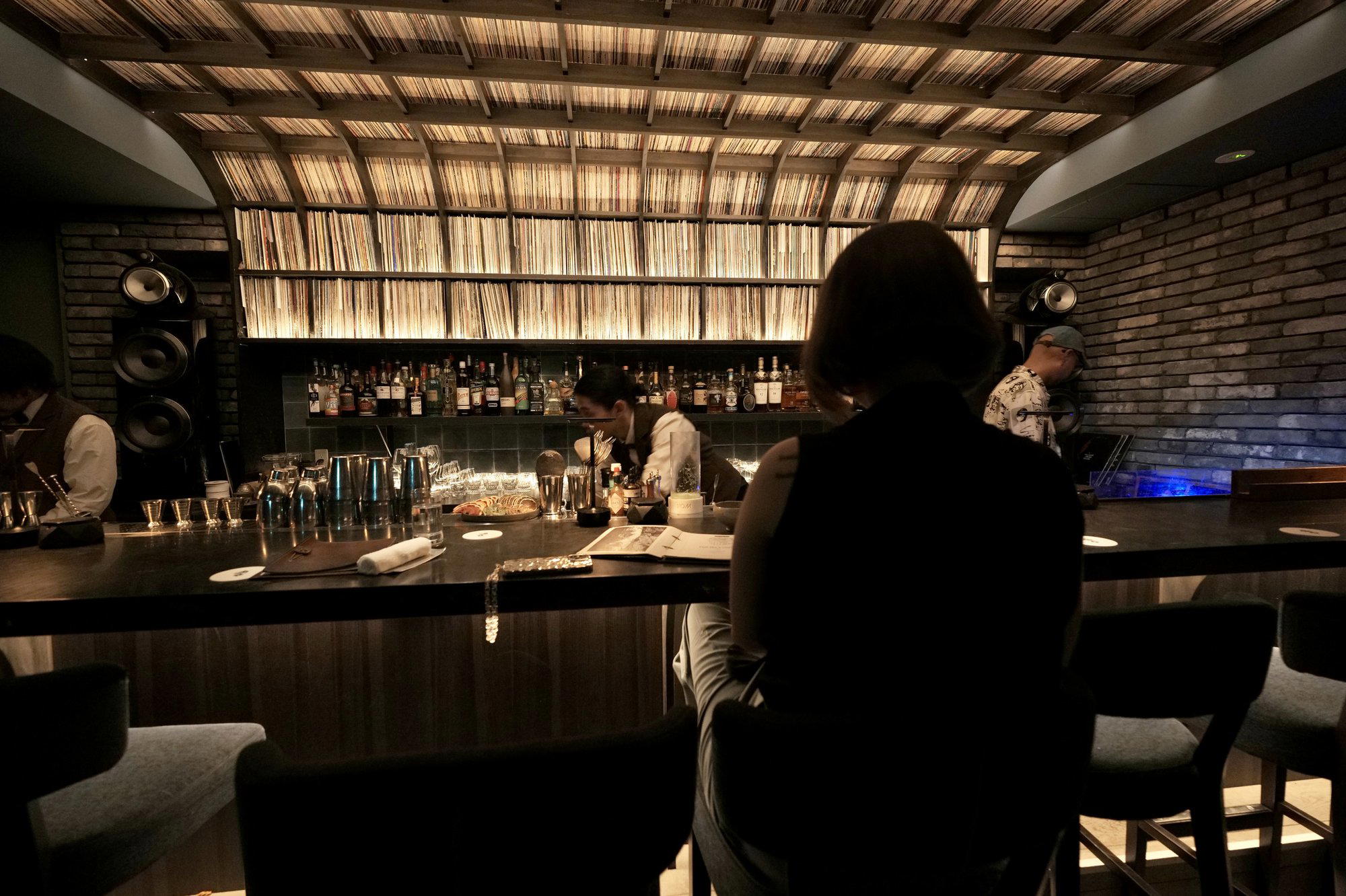
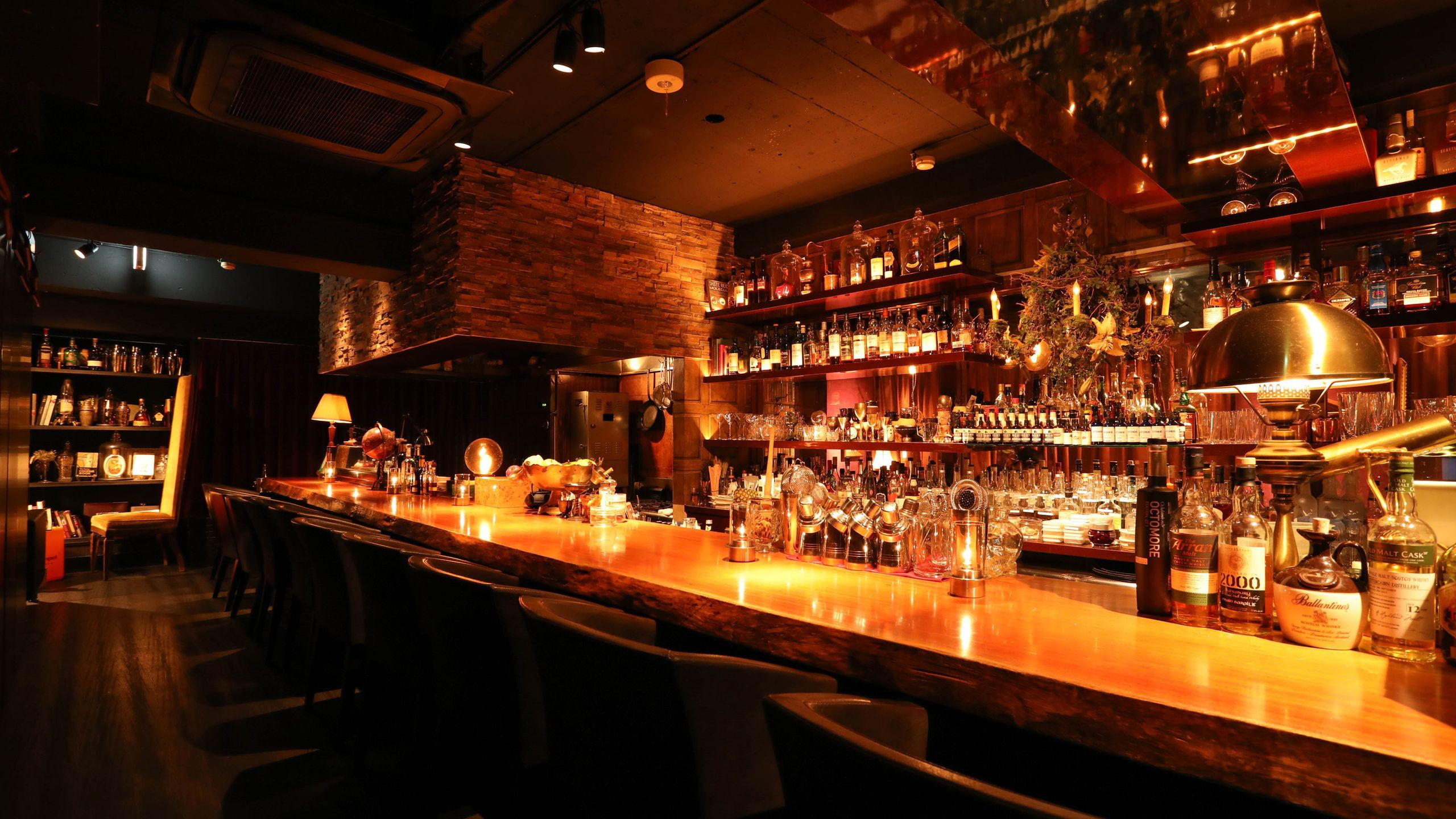
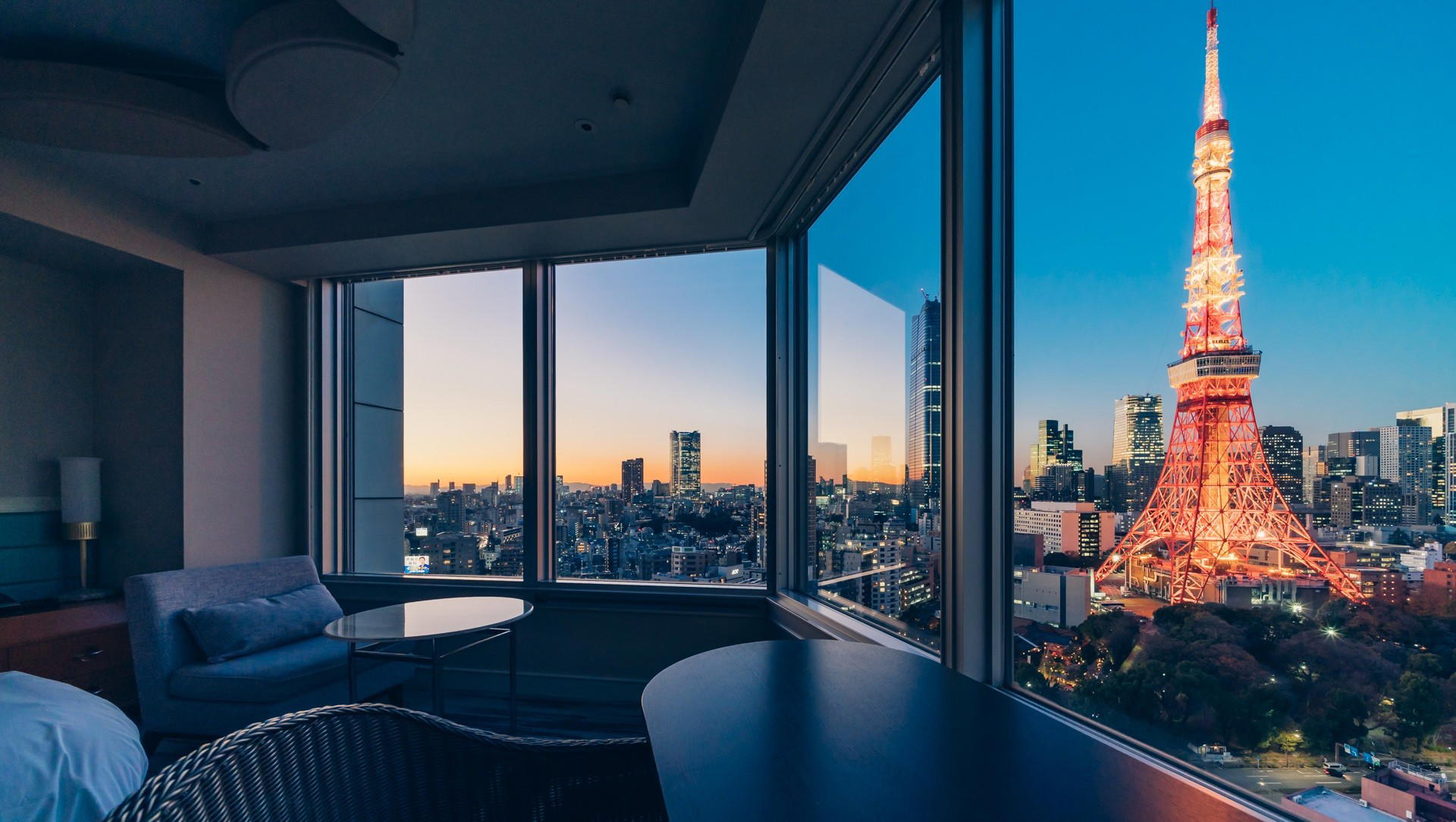
For a wider view, start with Our full Tokyo restaurants guide, then compare Sazenka with other Chinese dining options such as Ippei Hanten, NISHIAZABU SHANGU, ShinoiS, Ji-Cube, and Kyuu. The broader Tokyo trip can also be planned through the site’s Tokyo hotel, bar, winery, and experience guides.
Readers tracking Japanese dining beyond the capital can widen the lens by comparing Sazenka with other dining rooms in Japan and with Chinese restaurants in other cities. The point is to understand how context changes expectations around Chinese cuisine, pricing, and service.
The editorial case is simple: Sazenka is a premium Chinese restaurant in Tokyo led by Tomoya Kawada. For diners who know the city’s sushi, kaiseki, and other high-end dining circuits, it offers a Chinese point of reference within the same broader special-occasion landscape.
Frequently asked questions
What are the opening hours for Sazenka?
Hours at Sazenka: Monday closed, Tuesday 4–11 pm, Wednesday 4–11 pm, Thursday 4–11 pm, Friday 4–11 pm, Saturday 4–11 pm, Sunday closed.
Who is the chef at Sazenka?
The chef-owner associated with Sazenka is Tomoya Kawada.
What should I expect cuisine-wise at Sazenka?
Sazenka serves Chinese cuisine.
How much does it cost to eat at Sazenka?
Pricing at Sazenka is listed as ¥¥¥¥.
In Context: Similar Options
Comparable options at the same price tier.
| Venue | Cuisine | Price | Awards |
|---|---|---|---|
| SazenkaThis venue (the venue you are viewing) | Modern Chinese Fine Dining | $300–500 | 3 Michelin Stars · World's 50 Best #21 |
| Ippei Hanten | Modern Cantonese Omakase | $300–500 | 1 Michelin Star · Tabelog 100 #48 |
| Ji-Cube | Seasonal Sichuan Omakase | $50–100 | Michelin Plate · Tabelog 100 #19 |
| NISHIAZABU SHANGU | Modern Cantonese Fine Dining | $200–300 | Michelin Plate |
| Kyuu | Modern Japanese Omakase and Robatayaki | $100–150 | Michelin Plate |
| ShinoiS | Modern Chinese Omakase | $300–500 | 1 Michelin Star · Tabelog 100 #97 |
Recognition history
Dated appearances from independent guides and award organizations, with the underlying list record or original source where available.
Michelin 3 Stars
Michelin
World's 50 Best Asia's Best Restaurants #21
World's 50 Best
La Liste Top Restaurants
La Liste
Black Pearl 2 Diamond
Black Pearl
Opinionated About Dining Top Restaurants in Japan Ranked #76
Opinionated About Dining
Full recognition history (23 entries)
Tabelog Chef's Gold #9
Tabelog
Tabelog 100 #28 · No. 28
Tabelog · Tabelog 100 - Chinese cuisine - TOKYO - 2026
Tabelog Gold #26
Tabelog
Chinese Restaurant Awards — Top 30 Honouree Asia: Top 30 Honouree Asia
Chinese Restaurant Awards
La Liste Top Restaurants
La Liste
Michelin 3 Stars
Michelin
Opinionated About Dining Top Restaurants in Japan Ranked #38
Opinionated About Dining
Tabelog Gold
Tabelog
Tabelog Chef's Gold
Tabelog
Tatler Listed in Best Restaurants Asia-Pacific
Tatler
The Best Chef Three Knives
The Best Chef
World's 50 Best Asia's Best Restaurants #34
World's 50 Best
World's 50 Best Restaurants #71
World's 50 Best
Michelin 3 Stars
Michelin
Opinionated About Dining Top Restaurants in Japan Ranked #18
Opinionated About Dining
World's 50 Best Restaurants #93
World's 50 Best
Opinionated About Dining Top Restaurants in Japan Ranked #16
Opinionated About Dining
World's 50 Best Restaurants #83
World's 50 Best
Continue exploring
More in Tokyo
Restaurants in Tokyo
All restaurants in Tokyo →






Details
- Elegant
- Sophisticated
- Intimate
- Quiet
- Classic
- Special Occasion
- Date Night
- Business Dinner
- Private Dining
- Historic Building
- Sake Program
- Extensive Wine List
- Tasting Menu
- Set Menu
- Sake Program
- Wine
Current opening hours
- Monday
- Closed
- Tuesday
- 4–11 PM
- Wednesday
- 4–11 PM
- Thursday
- 4–11 PM
- Friday
- 4–11 PM
- Saturday
- 4–11 PM
- Sunday
- Closed
Hours can change for holidays and private events. Hours as of .
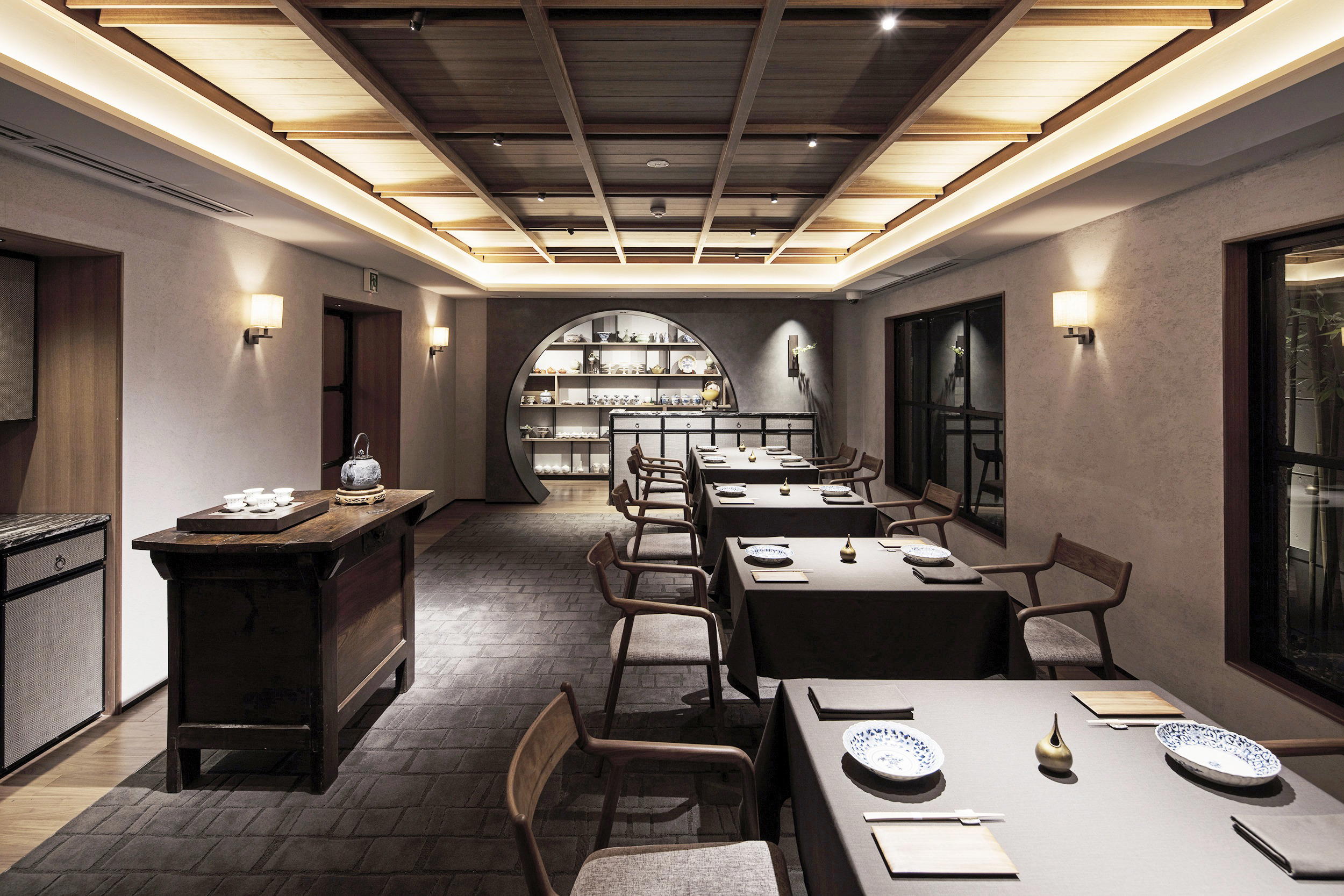
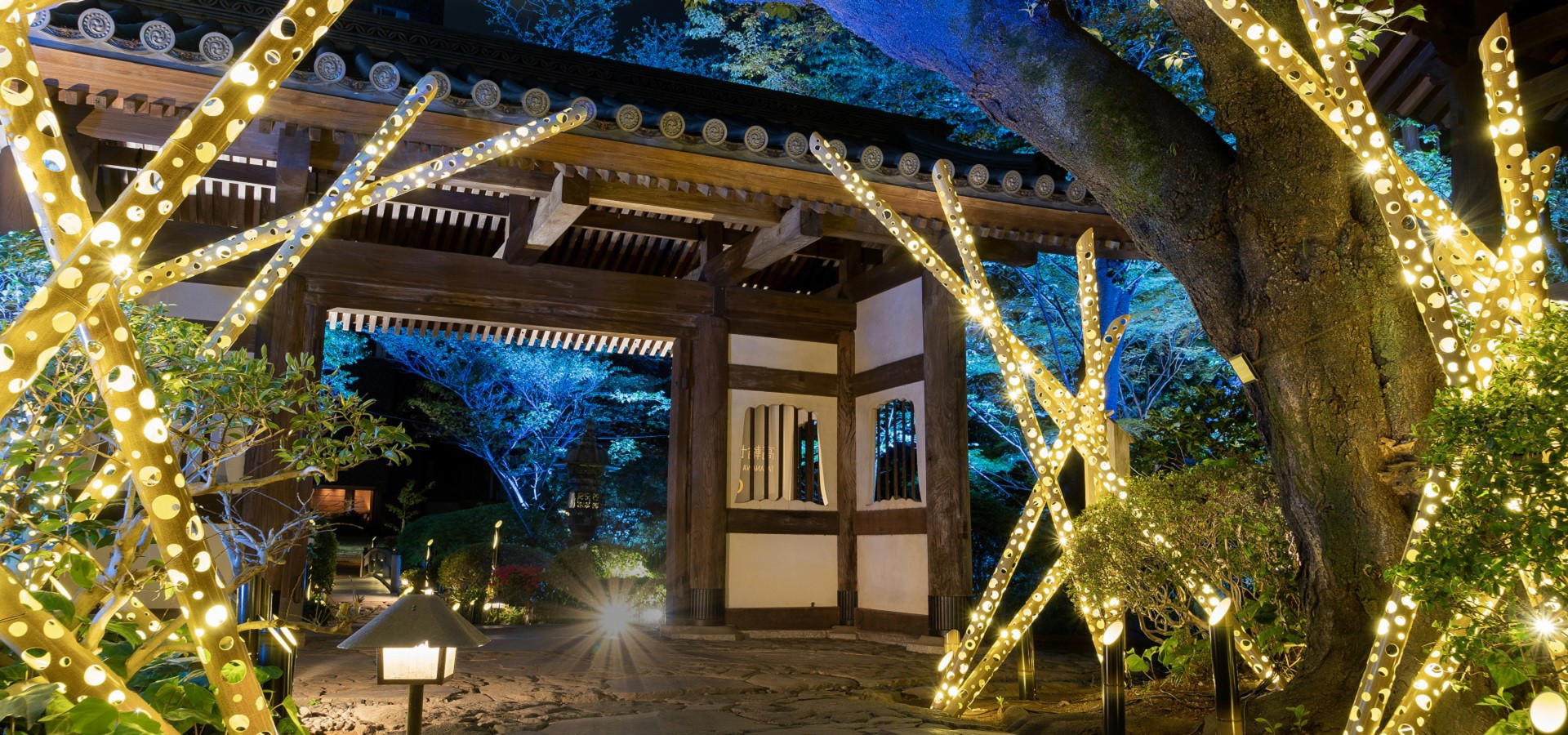
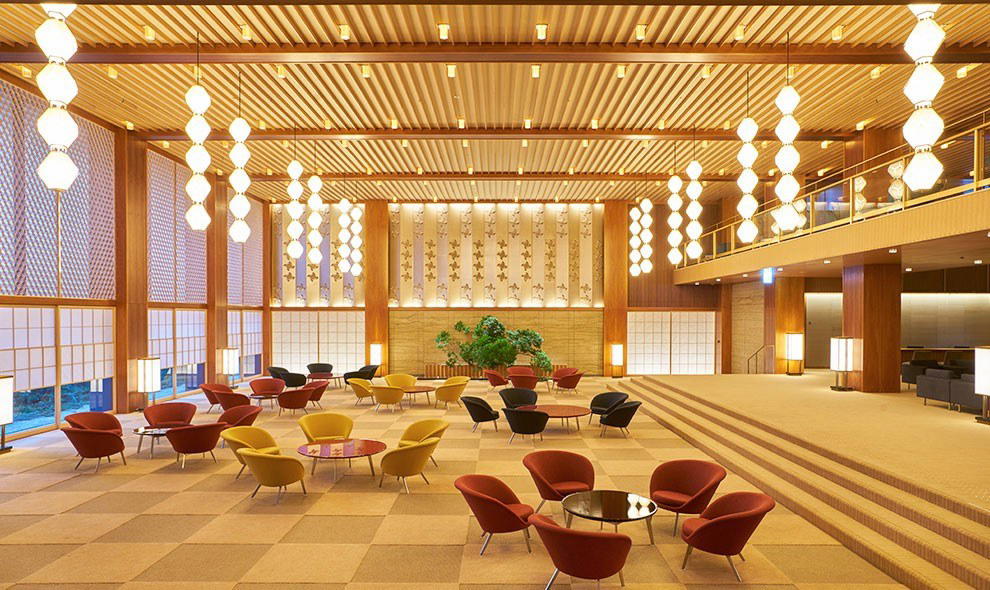
Intimate and relaxing atmosphere in a remodeled historic diplomatic residence with polished wood, light and shadow play, stylish and peaceful like a classic Chinese tea house hidden behind bamboo trees.