
World's 50 Best #46
The property, visible from the cherry tree of Ippongi Park, represents the serious end of Japan's domestic wine production — a working winery where terroir is the primary argument, not tourism theatre.

Pearl is the En Primeur Club membership app — saves, bookings, and concierge access live there. Same editors, same standards.
- Address
- 146-2 Nagase, Ueda, Nagano 386-0407
- Phone
- +81 268-75-8790
- Website
- chateaumercian.com
- Directions
- Get directions
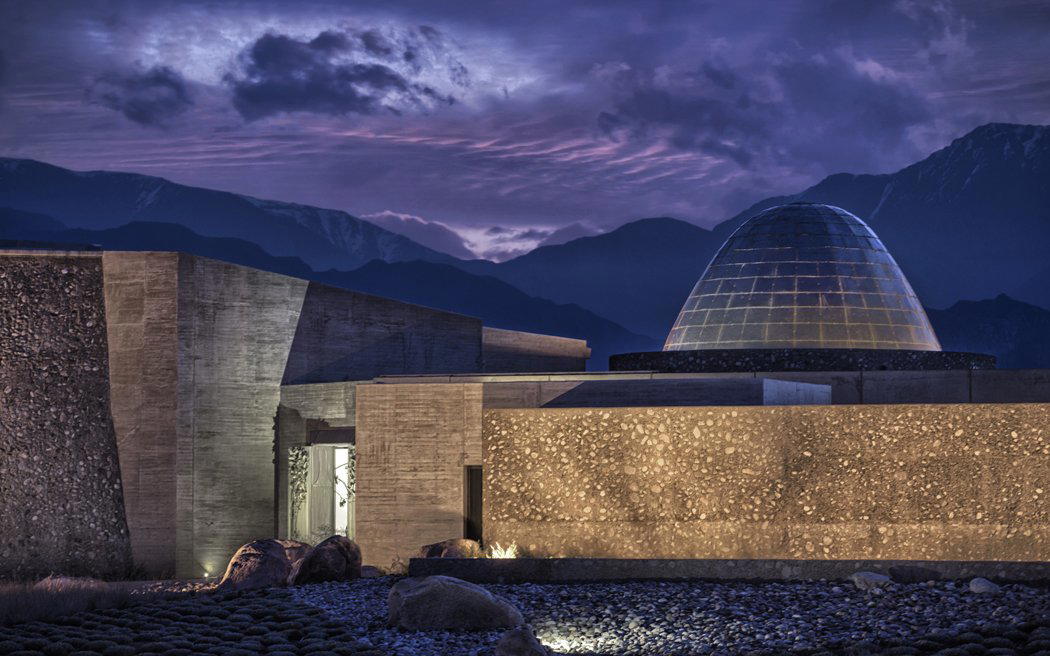
Where Nagano's Volcanic Soils Make Their Case
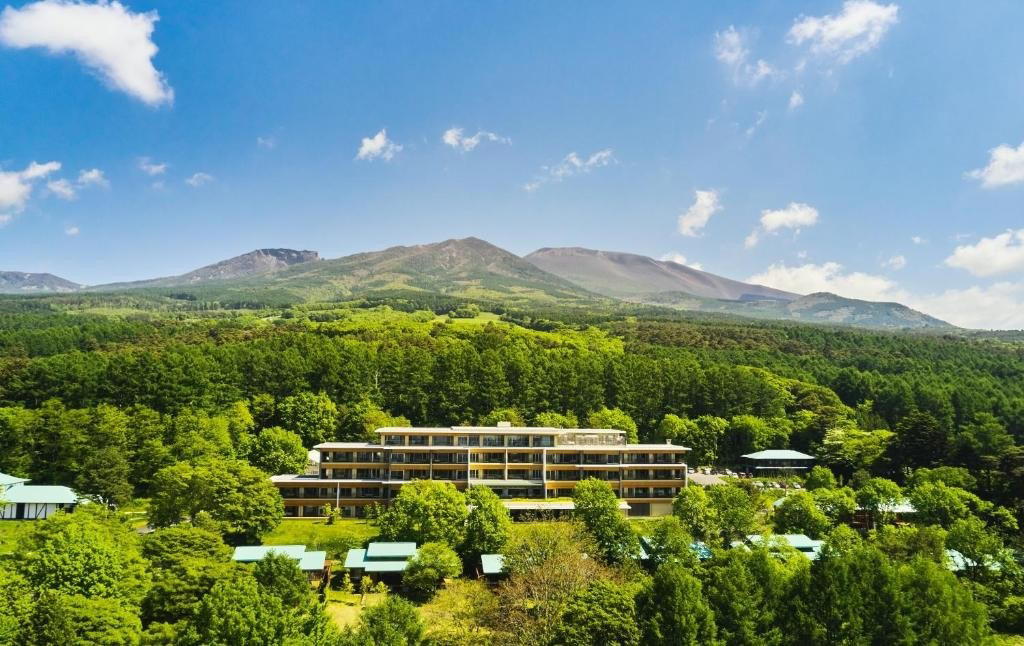
Approach the Mariko Winery from Ippongi Park and the setting does the positioning work before you've stepped through the gate. The giant cherry tree that anchors the park frames a view of the winery buildings and vine rows beyond, a composition that situates this place firmly within Japan's inland wine country rather than the coastal-inflected rice and sake geography most visitors associate with the country. Nagano Prefecture sits at altitude, with the kind of diurnal temperature swings — warm days, cold nights — that slow ripening, extend hang time, and concentrate flavour in the grape skin rather than diluting it into sugar volume. That climatic logic underpins everything produced here.
Château Mercian as an operation traces its roots to Japan's first private wine company, a heritage that gives the Mariko site a place in the longer arc of Japanese viticulture rather than positioning it as a recent lifestyle project. That lineage matters when assessing what the winery represents: not an experiment in terroir expression, but a sustained attempt to read what Nagano's specific soil and climate conditions can produce when taken seriously over decades.
The Nagano Wine Argument
Japan's domestic wine scene has clarified considerably over the past fifteen years. The distinction that now operates most meaningfully is between wineries producing from imported concentrate or bulk juice, a legal and historically common practice in Japan, and estate-focused producers who grow their own fruit and treat site specificity as a non-negotiable variable. Château Mercian's Mariko operation sits in the latter category, which places it alongside a small cohort of producers pushing for appellation-level credibility in a country that is still building the regulatory and cultural infrastructure to support that kind of claim.
Nagano's wine geography is anchored in several sub-zones, and the Mariko area brings its own soil character to the conversation. Volcanic influence in the subsoil intersects with alluvial deposits from the surrounding mountain watershed, creating a drainage profile that keeps vine roots working and stresses the plant in the productive rather than damaging sense. Wines from this kind of site tend toward structure over opulence, a profile that aligns with the restraint-oriented direction that Japan's better wine producers have been pursuing in international markets. For context on how Japanese craft beverage producers more broadly handle site-specific ambitions, the Mars Shinshu Distillery in Miyada offers a parallel example from the spirits side, operating at altitude in the same general mountain prefecture geography.
In the context of a domestic wine category that remains underrepresented in international ratings, a Prestige-level designation carries more weight than a comparable score might in, say, Napa or Burgundy, where the rating infrastructure is dense and the competition is structured over centuries. Here, the rating signals that the winery is operating at a level where the wines warrant serious attention from buyers and visitors who track quality rather than novelty.
For EP Club readers building a broader Japan spirits and wine itinerary, the comparison set is worth mapping. Properties like Yoichi (Nikka) in Yoichi and Miyagikyo (Nikka) in Sendai demonstrate how Japan's premium producers use specific site conditions as a central quality argument, the same logic that drives Mariko's wine identity. The Hakushu (Suntory) in Hokuto property, also operating in mountainous Yamanashi-adjacent terrain, makes a similar case for altitude and water source as flavour determinants.
The Terroir in Practice
What Nagano's conditions specifically impose on the vine is worth understanding before visiting. The prefecture sits inland, shielded from maritime moderation, which means seasonal extremes are more pronounced than in coastal wine regions. Winters are cold enough to affect vine management decisions in ways that softer climates don't demand. The growing season compression that results tends to reward varieties with natural acidity retention, a quality profile that positions Nagano wines closer to European cool-climate benchmarks than to the riper, fruit-forward styles associated with warmer Japanese regions.
Château Mercian's investment in the Mariko site reflects the producer's assessment that this terroir has a specific voice worth amplifying over time. The winery buildings and vineyard infrastructure visible from Ippongi Park are not decorative; they represent the working apparatus of an estate that treats its geographic coordinates as a primary input rather than a backdrop. For visitors oriented around wine as a place-based argument, this is the distinction that makes Mariko worth a dedicated trip rather than a passing stop.
Planning a Visit to Mariko
The winery is located at 146-2 Nagase, Ueda, Nagano 386-0407, which positions it within accessible range of Ueda city and the Nagano Shinkansen corridor, a practical advantage for visitors arriving from Tokyo. Ueda Station is served by the Hokuriku Shinkansen, making a day trip viable, though the surrounding wine country justifies an overnight stay for anyone serious about covering multiple producers. Seasonal timing influences the visit experience: the cherry blossom period in spring activates the Ippongi Park setting in a way that makes the visual approach to the winery particularly atmospheric, but autumn harvest timing aligns better with winery activity and cellar visits if operational access is the priority.
For a broader itinerary across Japan's premium beverage producers, our full Nagano Prefecture restaurants guide maps the region's food and drink options in depth. Producers worth pairing with a Mariko visit in the wider region include 98Wines in Yamanashi and Shizuoka in Shizuoka, both working the inland mountain-to-coast terroir spectrum from different angles.
For visitors extending the itinerary further, Fuji Gotemba Distillery in Gotemba, Chichibu in Chichibu, Kanosuke in Kagoshima, Eigashima (White Oak) in Akashi, Yamazaki (Suntory) in Shimamoto, Aberlour in Aberlour, Accendo Cellars in St. Helena, and Achaia Clauss in Patras each represent different national contexts for how site-specific producers communicate terroir through their products.
In Context: Similar Options
Comparable venues nearby, for context on price, style, and recognition.
| Venue | Cuisine | Price | Awards | Notes |
|---|---|---|---|---|
| Château Mercian Mariko WineryThis venue — the venue you are viewing | Merlot, Chardonnay | $30–50 | World's 50 Best #46 | Not listed |
| 98Wines | Koshu, Muscat Bailey A | $20–30 | World's 50 Best #20 | Koshu Shi |
| Shizuoka | Petit Verdot, Cabernet Sauvignon | $50–100 | Not listed | Izu City |
| Mars Shinshu Distillery | Yama Sauvignon | Not listed | Not listed | Miyada Village, Kamiina District |
| Fuji Gotemba Distillery | Winery | Not listed | Not listed | Gotemba |
| Hakushu (Suntory) | Yamanashi | $10–20 | Not listed | Hakushu-cho |
Recognition history
Dated appearances from independent guides and award organizations, with the underlying list record or original source where available.
World's 50 Best Vineyards #46
World's 50 Best
Full recognition history (4 entries)
World's 50 Best Vineyards #38
World's 50 Best
World's 50 Best Vineyards #33
World's 50 Best
World's 50 Best Vineyards #30
World's 50 Best
Continue exploring
More in Nagano
Wineries in Nagano
Browse all →
Bars in Nagano
Browse all →
Restaurants in Nagano
Browse all →
Details
- Scenic
- Elegant
- Rustic
- Sophisticated
- Romantic Getaway
- Wine Education
- Special Occasion
- Vineyard Tour
- Panoramic View
- Private Tasting
- Sustainable
- Mountain
- Vineyard
- Merlot
- Chardonnay
- Syrah
- Sauvignon Blanc
- Cabernet Franc
- Cabernet Sauvignon
- Petit Verdot
- Pinot Noir
- Still Red
- Still White
- Still Rosé
- Cave Tasting
- Private Tasting
- English
- Japanese
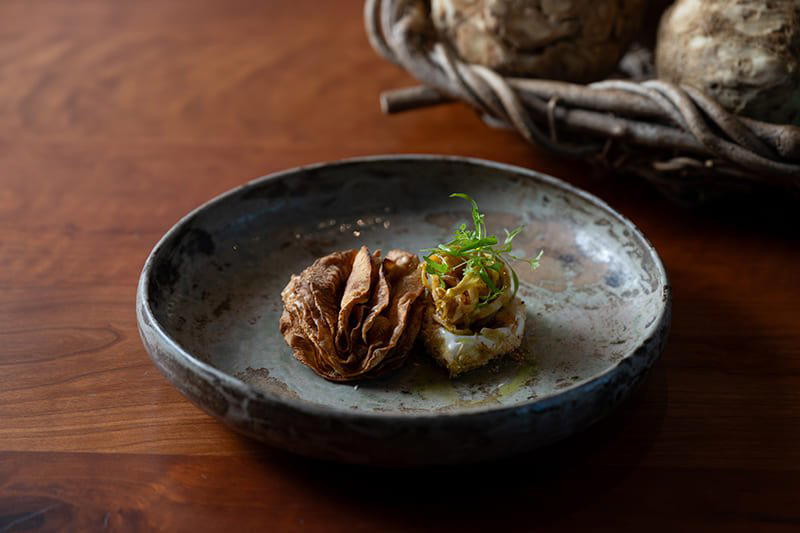
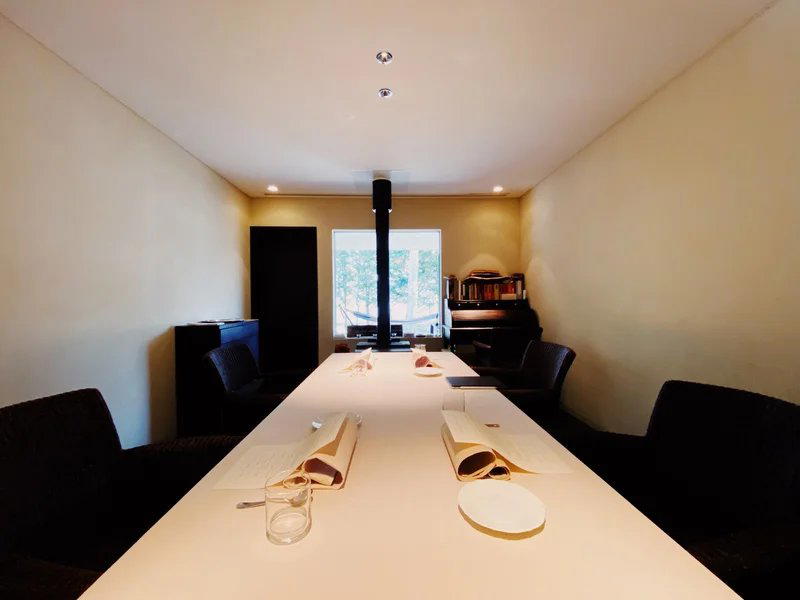
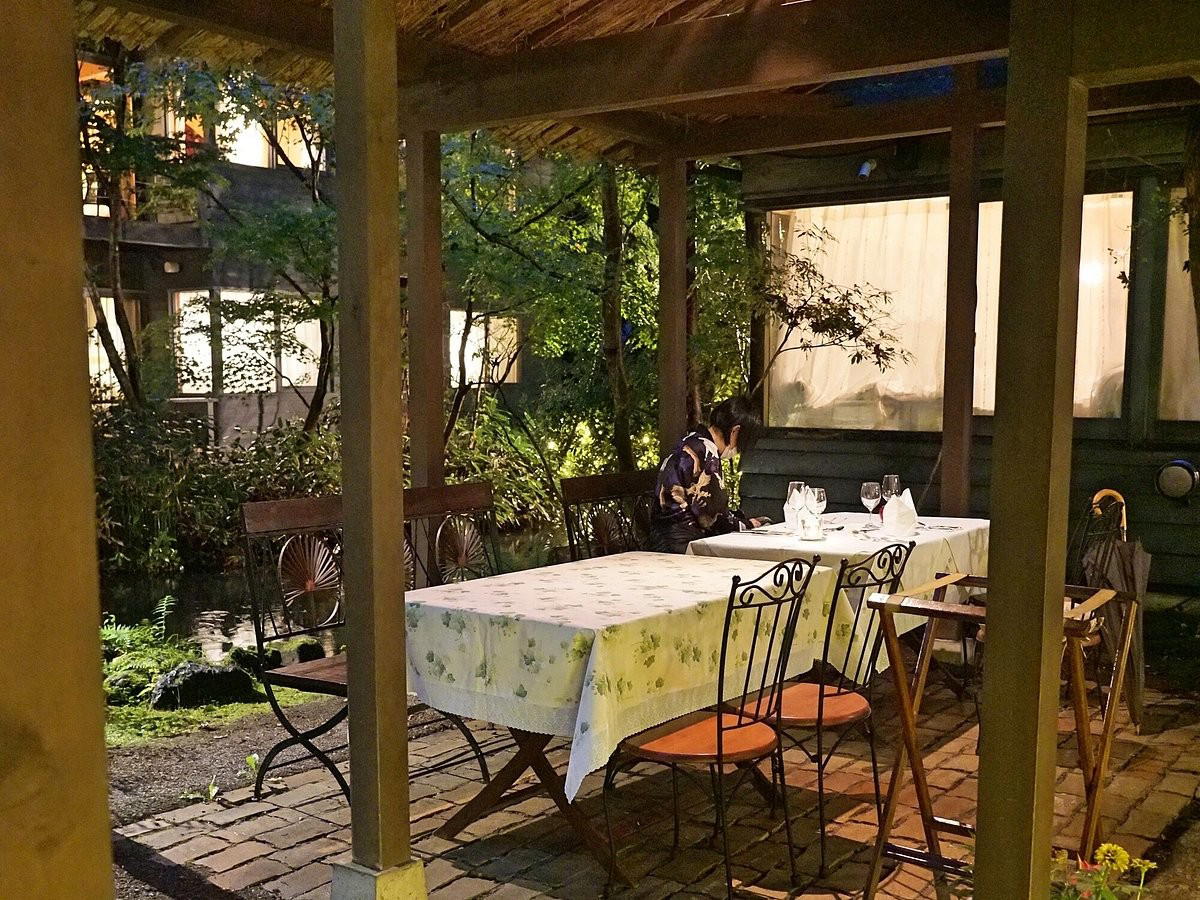
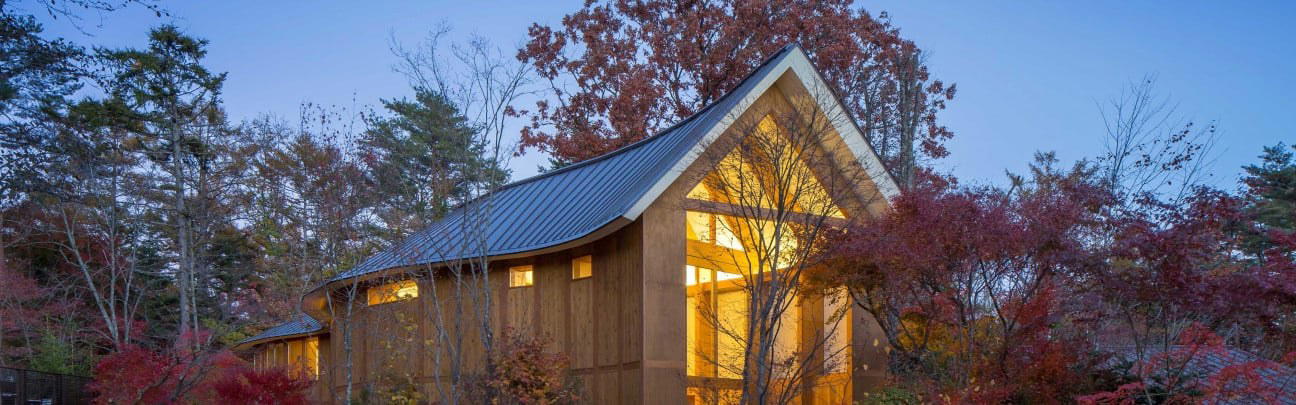
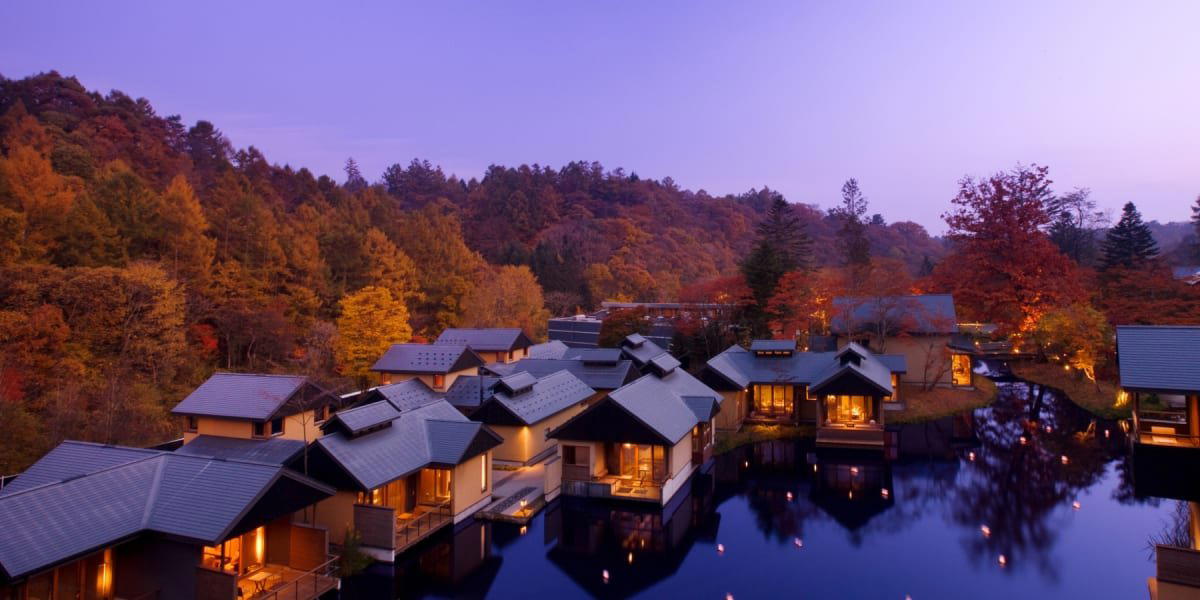
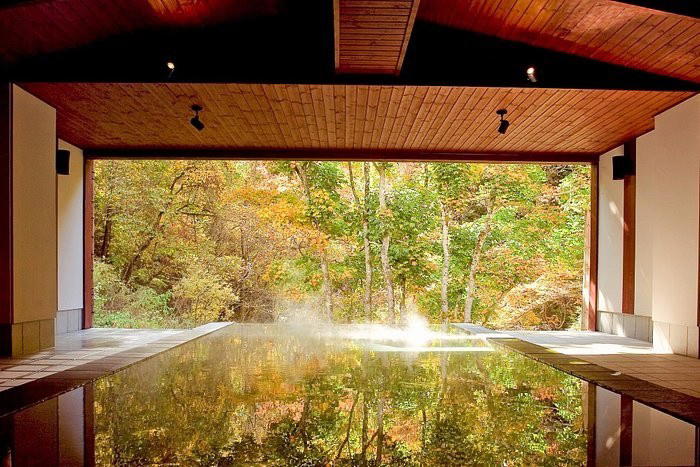
Modern white concrete and glass architecture with serene mountain and vineyard vistas, providing a tranquil and elegant tasting atmosphere.