Set within Yamanashi's Minami Alps, Hakushu is Suntory's high-altitude distillery and one of Japan's most distinctive whisky-making environments. The combination of forest air, snowmelt water, and cool temperatures produces a profile markedly different from lowland Japanese distilleries..

Pearl is the En Primeur Club membership app — saves, bookings, and concierge access live there. Same editors, same standards.
- Address
- 2913-1 Hakushūchō Torihara, Hokuto, Yamanashi 408-0316
- Phone
- +81 551-35-2211
- Website
- suntory.co.jp
- Directions
- Get directions
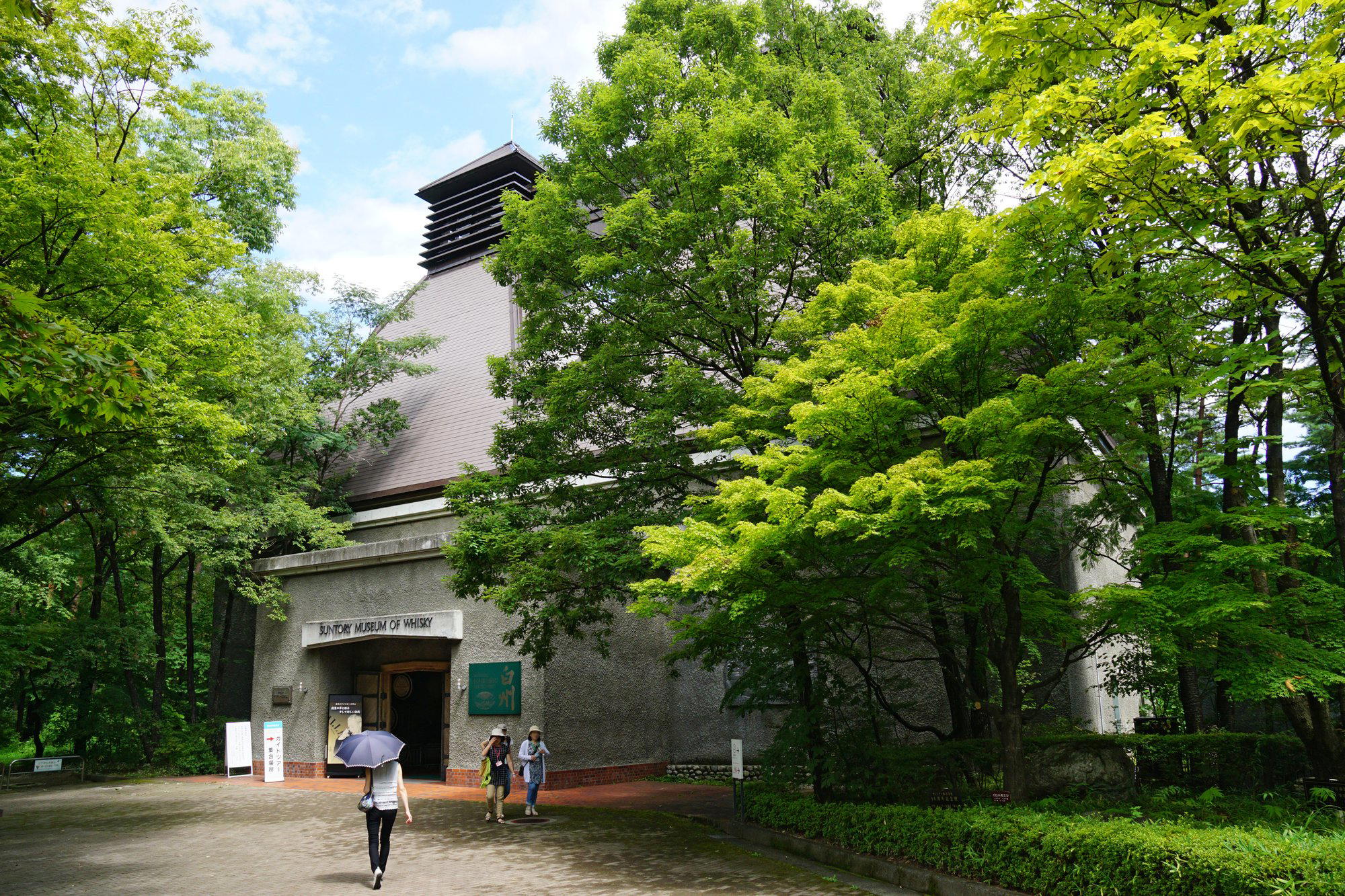
Altitude, Forest, and the Distinctive Logic of Mountain Whisky
There is a particular quality to the air at elevation in the Southern Alps of Yamanashi Prefecture. At roughly 700 metres above sea level, the Suntory Hakushu distillery sits within a forested environment where temperatures stay cooler than the lowland cities for most of the year, snowmelt from the surrounding peaks feeds the water supply, and the pace of evaporation in the warehouses follows a different rhythm than at sea-level peers. That environmental specificity is not incidental to what ends up in the bottle. It is, by most serious assessments of the distillery's output, the primary explanation for it.
Japanese whisky has a well-established tradition of treating geography as a production variable. Where Scotch distillers tend to cluster within defined regional appellations, Japan's major distilleries were sited with deliberate attention to microclimatic variation, each environment selected to produce a distinct house character. Hakushu's position in the Minami Alps places it firmly in the mountain-terroir category, a tier that distinguishes it from coastal or lowland operations like Eigashima (White Oak) in Akashi or the river-valley character associated with Miyagikyo (Nikka) in Sendai.
What the Environment Actually Does
The case for terroir in whisky is more contested than in wine, but Hakushu offers some of the cleaner evidence for the argument. Three environmental factors converge here in ways that measurably affect production. First, the water: drawn from snowmelt filtered through granite and forest floor, it carries very low mineral content, which influences yeast activity during fermentation and the texture of the new-make spirit. Second, temperature: the cool alpine summers reduce the rate of maturation compared with distilleries in warmer prefectures, which allows more time for wood interaction without the aggressive tannin extraction that heat accelerates. Third, humidity and air composition: the dense surrounding forest means the distillery operates within a microclimate that many distillers describe as unusually consistent, which stabilises the aging environment in the warehouses.
The result, across the distillery's range, is a whisky profile characterised by a freshness and herbal quality that sits at some distance from the heavier, peat-forward styles of northern Japan or the richer, more tropical character associated with warmer-climate maturation. Comparisons with Yoichi (Nikka) in Yoichi, which operates in a cooler but coastal and deliberately peat-influenced environment, illustrate how different the endpoints can be even within the same national tradition. Both distilleries occupy serious tiers of Japanese whisky production, but they are making genuinely different arguments about what the spirit can be.
Hakushu in the Context of Suntory's Portfolio
Suntory operates two flagship malt distilleries: Hakushu in the mountains of Yamanashi and Yamazaki (Suntory) in Shimamoto, near Osaka, which holds its own position as Japan's oldest operating malt distillery. The two sites were not conceived as duplicates. Yamazaki occupies a humid river-valley site where the maturation climate is warmer and more variable, producing a richer, more fruit-forward character. Hakushu was developed to produce something structurally different: lighter, greener, with that altitude-derived freshness at its core. Operating both within a single blending inventory gives Suntory access to a wider spectrum of flavour components than any single-site operation could provide.
Within the broader Japanese craft and independent distillery expansion of the 2010s and 2020s, Suntory's legacy operations like Hakushu hold a specific position. Newer distilleries such as Chichibu in Chichibu and Kanosuke in Kagoshima have built strong reputations in a short period, but they are working with relatively young stock. Hakushu's depth of aged inventory, accumulated across decades of operation, represents a resource that newer entrants will not be able to replicate for a generation.
The Yamanashi Context: A Region Built for Precision Production
Yamanashi Prefecture occupies an unusual position in Japan's artisanal production geography. The same combination of mineral-rich snowmelt water, protected mountain climate, and clean alpine air that benefits whisky maturation also underpins a growing reputation for wine production. Producers like 98Wines in Yamanashi work within the same broad environmental logic, applying it to viticulture rather than grain distillation. The proximity of serious wine and whisky production within a single prefecture is not coincidental. The conditions that reward patience and precision in one category tend to do so across others.
Hokuto city, where Hakushu is addressed, sits at the northern edge of the Kofu Basin within Yamanashi. The address, 2913-1 Hakushūchō Torihara, places the distillery well into the forested highlands rather than the more accessible valley floor. Visitors approaching from Tokyo typically use the JR Chuo Line to Kobuchizawa Station, from which the distillery is accessible by road. The journey from Tokyo runs to approximately two hours by limited express, making it a realistic day trip or the anchor of a longer Yamanashi itinerary that might also include winery visits or hiking in the Minami Alps. Advance planning is worth the effort: distillery tours and tasting experiences at major Japanese facilities tend to book at capacity during peak autumn and spring seasons, and Hakushu's profile ensures consistent demand.
Where Hakushu Sits in the Japanese Whisky Conversation
The broader Japanese whisky market has undergone significant pressure over the past decade. Global demand, particularly from collectors and export markets, has drawn down aged stock at several producers, leading to age-statement releases becoming scarcer or more expensive across the category. Mars Shinshu Distillery in Miyada, another alpine-environment distillery in Nagano, operates within this same constrained supply environment. The response across producers has varied: some have leaned into no-age-statement releases, while others have rationed aged expressions through allocation systems.
Hakushu's position within Suntory's infrastructure gives it some resilience within this dynamic. The scale of Suntory's operation, and the depth of stock held across its distilleries, means that key expressions in the Hakushu range remain accessible in ways that smaller or newer producers cannot always sustain.
For travellers building a Japan whisky itinerary, Hakushu and Yamazaki together represent the historical spine of Japanese malt whisky, from which the broader contemporary scene branched. Placing either or both alongside visits to craft distilleries or to the wine-producing regions of Yamanashi and Château Mercian Mariko Winery in Nagano Prefecture builds a coherent picture of how Japan's artisanal beverage production relates to its physical geography. The mountain distilleries, in particular, make the environmental argument more legibly than almost anywhere else in the category. See our full Hokuto restaurants and experiences guide for context on the wider destination.
Comparable Spots, Quickly
Comparable venues nearby, for context on price, style, and recognition.
| Venue | Cuisine | Price | Notes |
|---|---|---|---|
| Hakushu (Suntory)This venue — the venue you are viewing | Yamanashi | $10–20 | Not listed |
| Yamazaki (Suntory) | Yamazaki | $20–30 | Not listed |
| Fuji Gotemba Distillery | Winery | Not listed | Gotemba |
| Mars Shinshu Distillery | Yama Sauvignon | Not listed | Miyada Village, Kamiina District |
| Chichibu | Merlot, Muscat Bailey A | Not listed | Yoshida district, Chichibu City |
| Eigashima (White Oak) | malted barley | Not listed | Akashi |
Continue exploring
More in Hokuto
Wineries in Hokuto
Browse all →

Bars in Hokuto
Browse all →
Restaurants in Hokuto
Browse all →
Details
- Scenic
- Rustic
- Quiet
- Elegant
- Wine Education
- Solo Exploration
- Group Outing
- Barrel Room
- Estate Grounds
- Panoramic View
- Mountain
- Distillery Tour
- Guided Tasting
- Japanese
- English
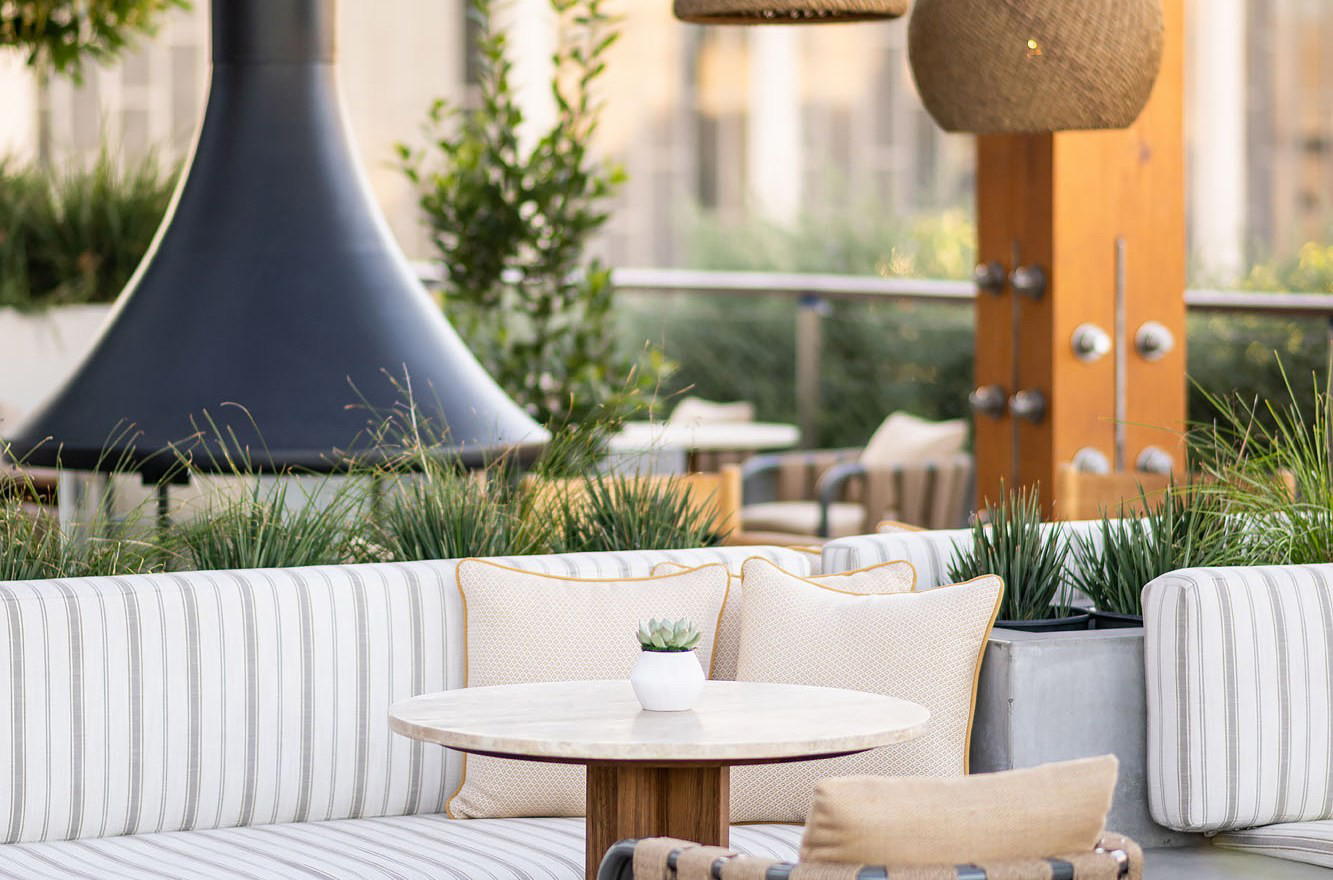
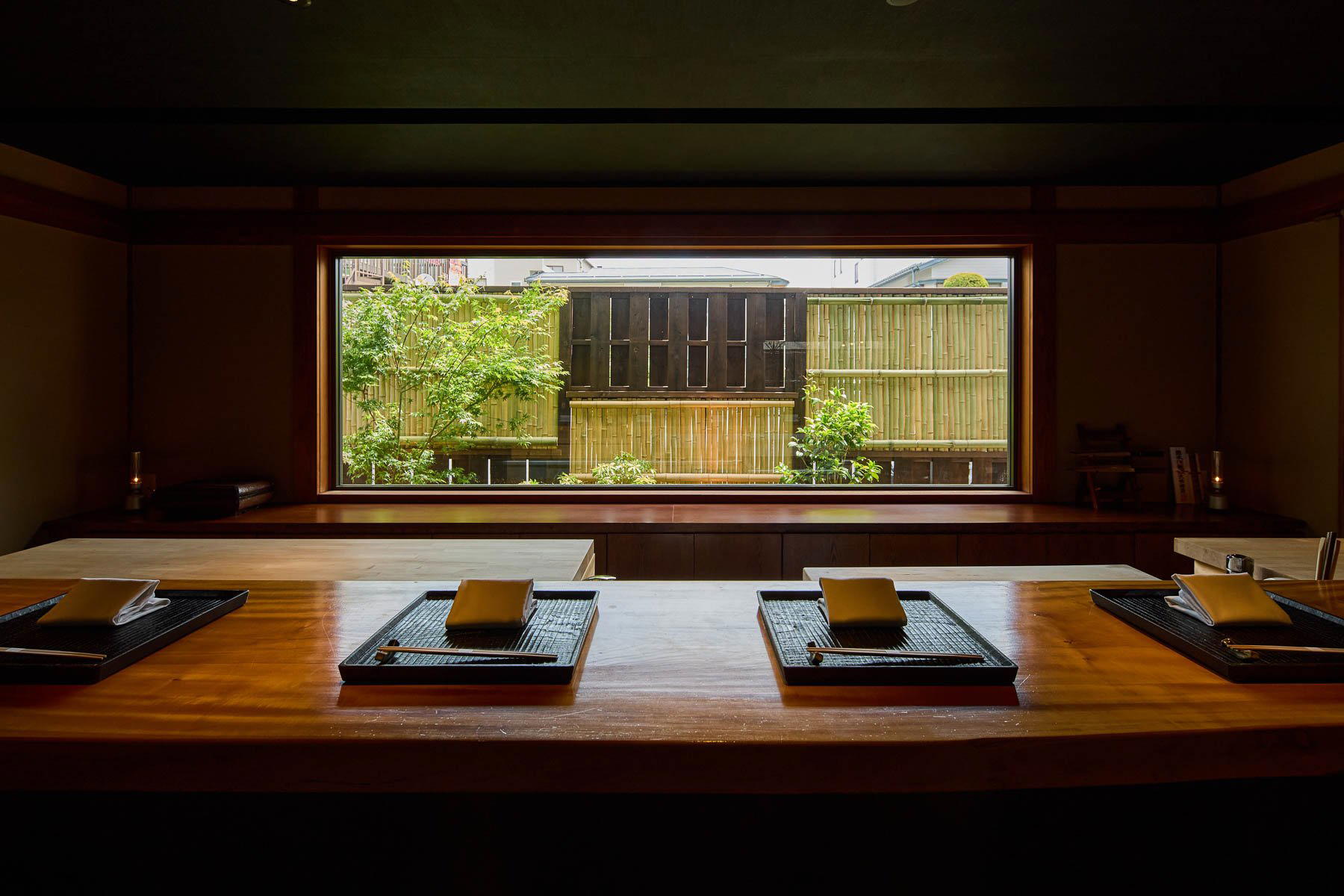
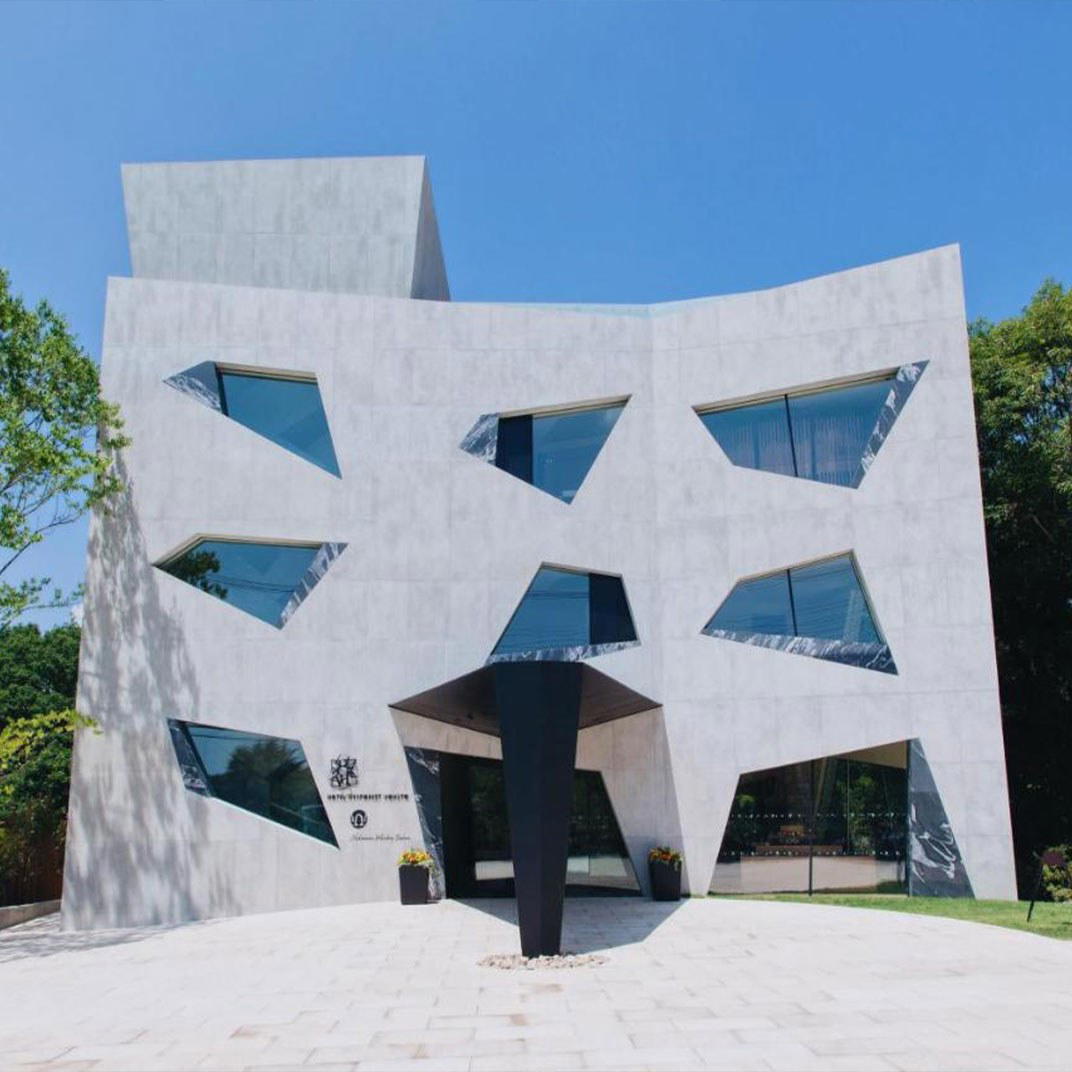
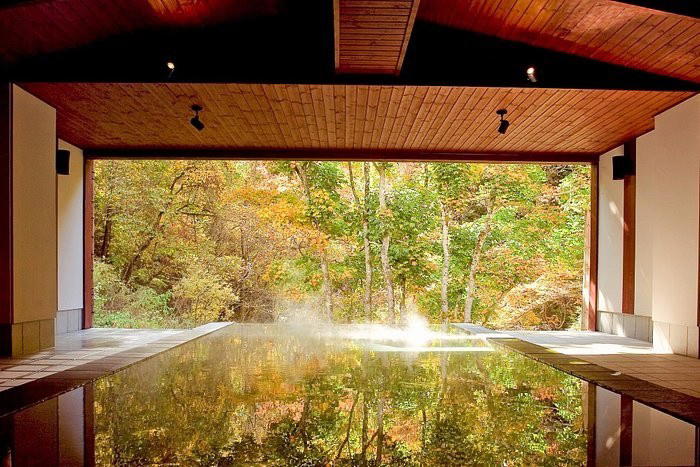
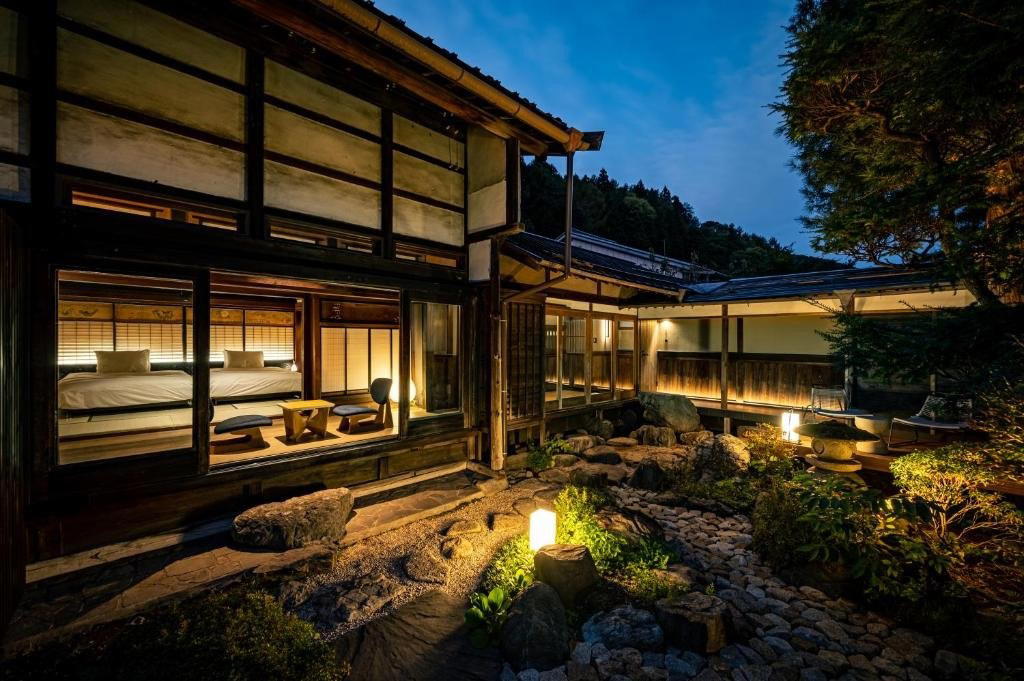
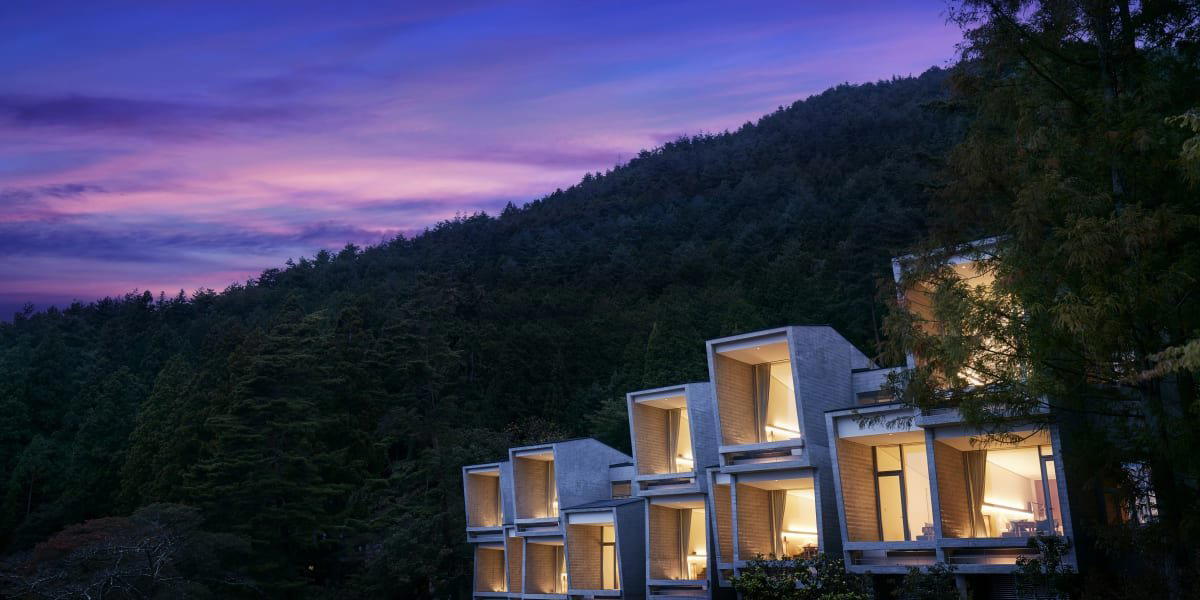
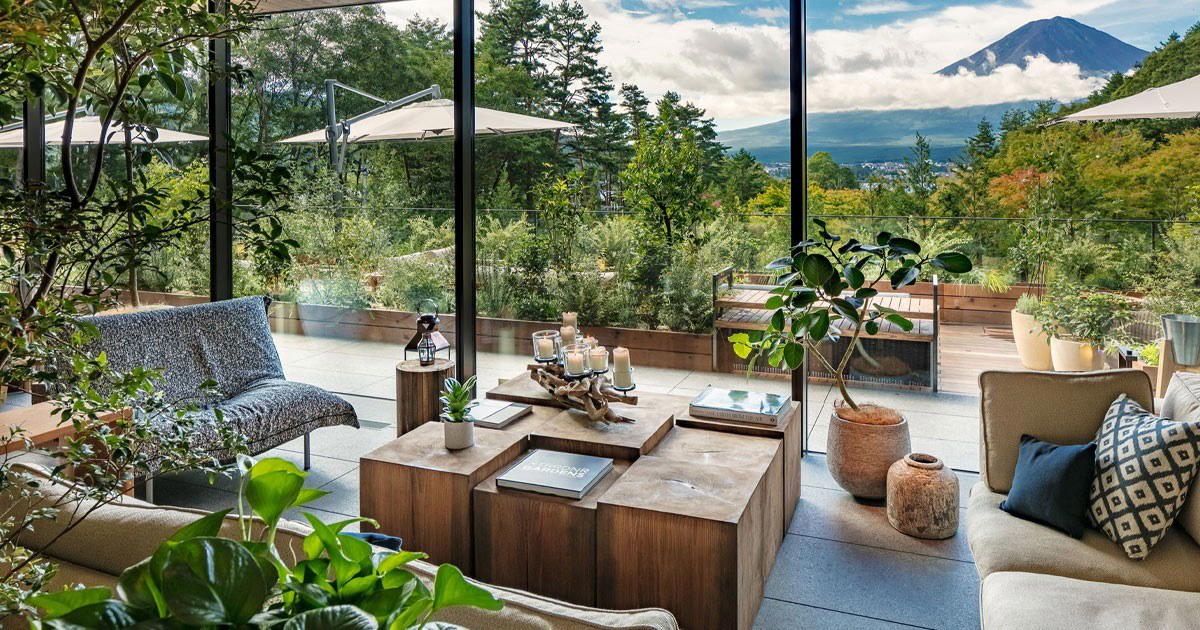
Serene forest atmosphere amidst lush greenery and mountains, with natural light and a peaceful, immersive production environment.