
1 Michelin Key
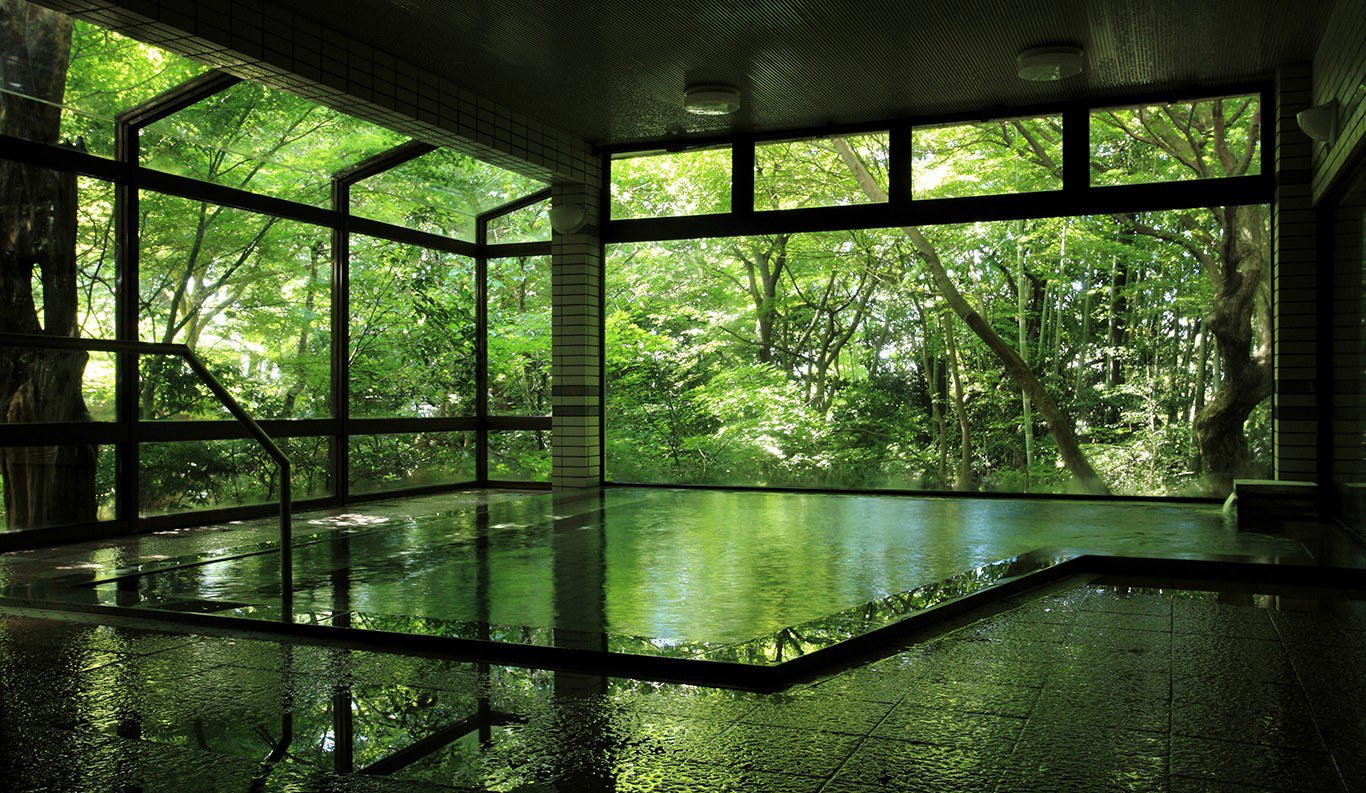
Built on the ashes of a 140-year-old inn destroyed by fire in 2018, Beniya Kofuyuden is a 17-room ryokan in Awara, Fukui, designed by architect Tetsuo Kobori to carry the form's traditions into contemporary practice. Awara's hot springs feed the onsen baths, in-room tubs, and underfloor heating. Rates start at $735 per night, and the property holds a Michelin 1 Key (2024).

Pearl is the En Primeur Club membership app, where members save venues, book tables and use the concierge.
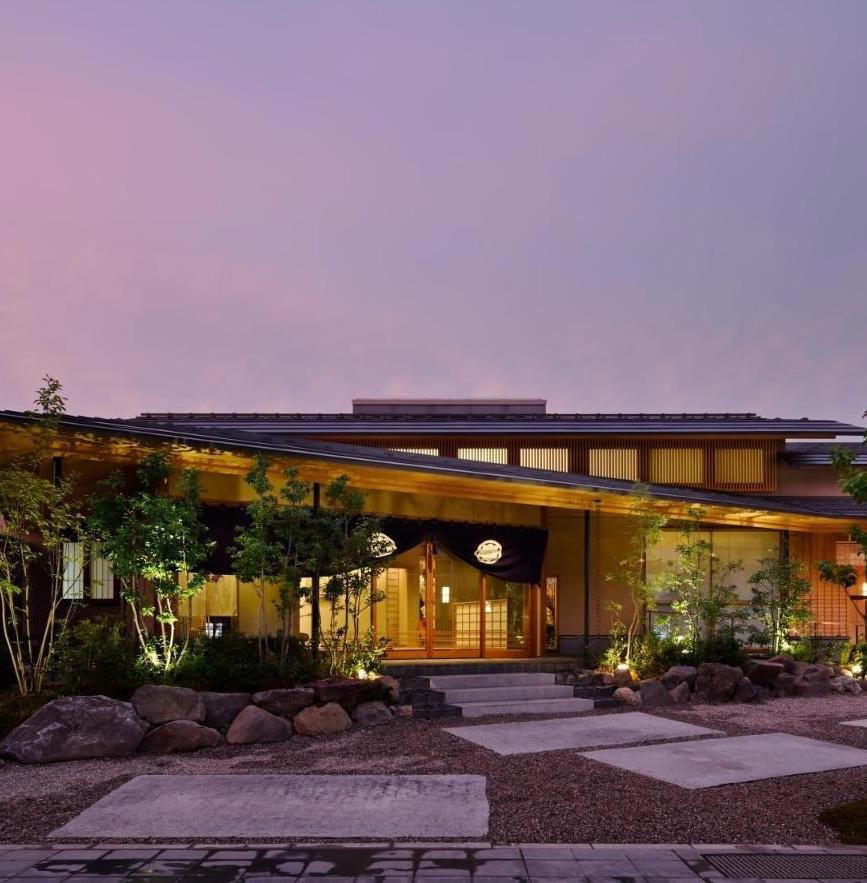
A New Building, a Long Memory
The Awara onsen district in Fukui Prefecture sits at a remove from the better-trafficked ryokan belts of Hakone or Kinosaki. That distance is partly what makes it interesting. Our full Awara guide maps the town's thermal geography and accommodation options, but Beniya Kofuyuden occupies a specific position even within that smaller scene: it is the property that was rebuilt rather than merely renovated, and the story of that rebuild defines almost everything about what the place has become.
The original Beniya operated on this site from 1884. In 2018, a fire ended a 134-year run. The decision to rebuild rather than sell or redevelop was a commitment to continuity, but it also created an architectural opportunity that most ryokan owners never encounter: the chance to design a traditional inn from scratch, with full knowledge of what the form demands and the freedom to address it with contemporary methods. Architect Tetsuo Kobori was commissioned to do exactly that.
The Architecture: Deliberate Rather Than Decorative
Kobori's approach at Beniya Kofuyuden is notable for what it refuses to do. Post-fire rebuilds at prestigious heritage sites often fall into one of two traps: nostalgic reproduction (a building that looks old but performs poorly) or aggressive modernism (a building that severs all connection to its precedents). The 17-room structure at Awara steers between both.
The building's orientation was chosen to capture prevailing breezes, providing natural cooling without mechanical intervention, a decision rooted in pre-industrial Japanese building logic that happens to align with contemporary sustainability thinking. This is not passive design; it requires precise siting and an understanding of local wind patterns that standardised international hotel construction rarely engages with. Among the new generation of architect-designed ryokan, properties like Zaborin in Kutchan and ENOWA Yufu in Yufu represent a similar impulse: contemporary structure, traditional discipline, local environmental logic.
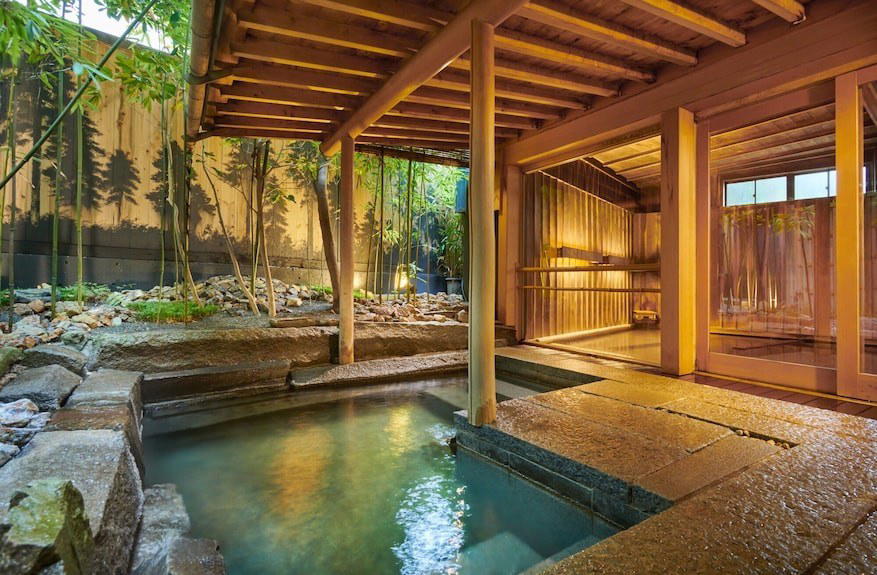
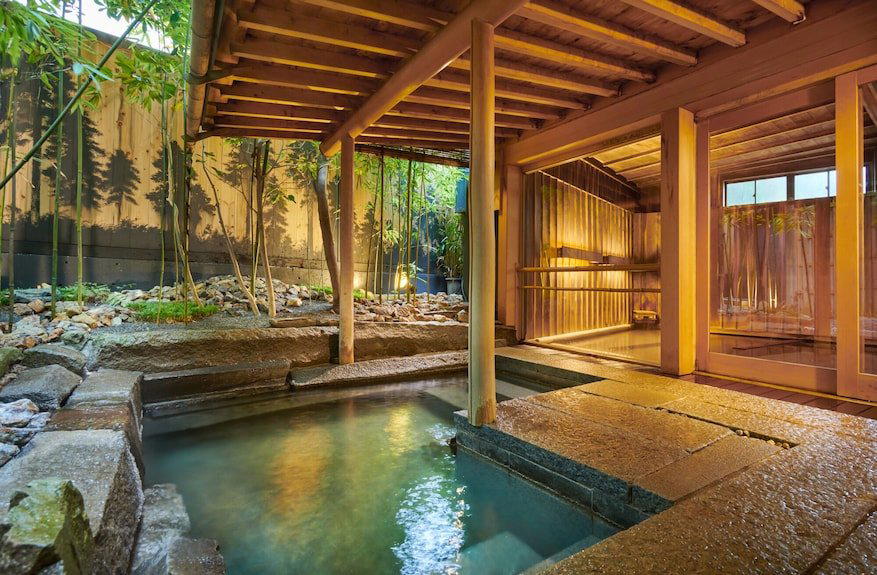
The hot spring infrastructure at Beniya Kofuyuden is more thoroughly integrated than at most properties. Awara's geothermal water feeds the communal baths, but it also supplies the in-room tubs and the underfloor heating system. That last detail matters: underfloor heating in a ryokan is not unusual, but using onsen water to power it is a meaningful technical choice that keeps the thermal experience consistent across every part of the property, rather than reserving the hot spring encounter for designated bathing moments. It also means the floors are warm in a way that radiant electric systems do not fully replicate.
Seventeen Rooms and What That Means
A 17-room property in the ryokan category occupies a considered position. It is large enough to support a full kaiseki kitchen and staffing structure, but small enough that room-to-guest ratios remain generous. Comparable small-format onsen properties, such as Araya Totoan in nearby Kaga and Nishimuraya Honkan in Kinosaki, operate at similar scales. In each case, the constraint of a small room count shapes the service model: staff-to-guest ratios are higher, and the capacity for personalised sequencing of bathing, dining, and rest is meaningfully greater than at larger resort-scale properties.
Rates at Beniya Kofuyuden begin at $735 per night, positioning the property within the mid-to-upper tier of the post-rebuild ryokan category. For context, properties like Gora Kadan in Hakone and Asaba in Izu operate in comparable price territory, both carrying Michelin recognition and kaiseki dining as standard inclusions.
Kaiseki and the Snow Crab Calendar
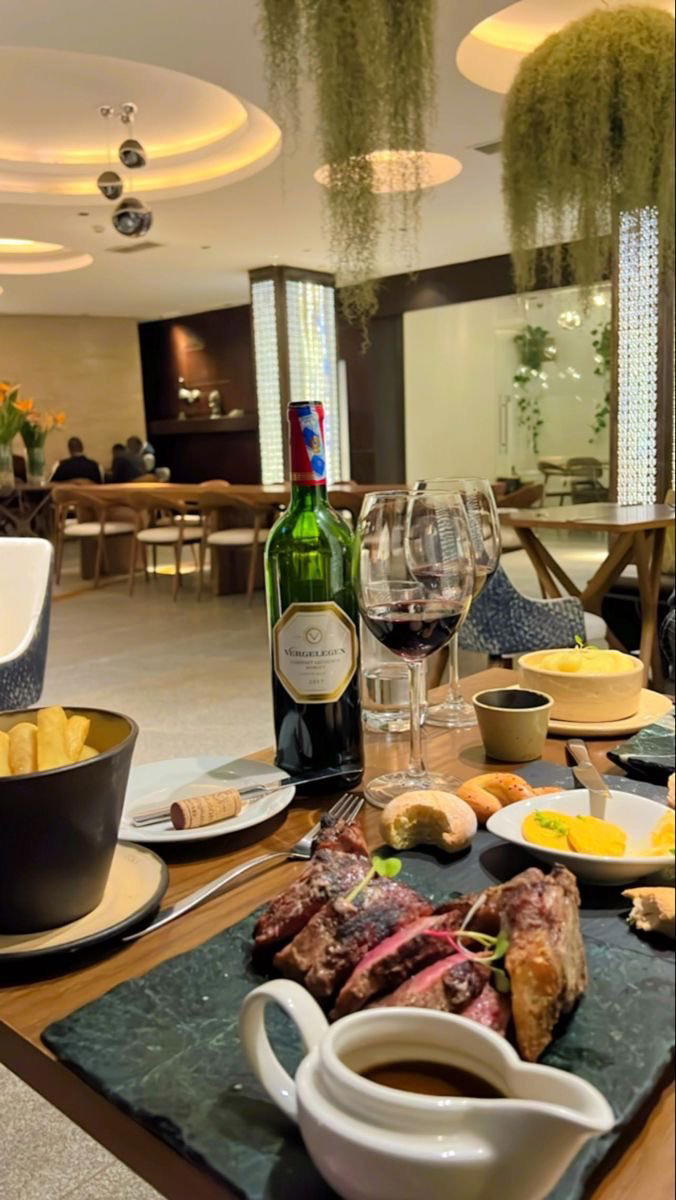
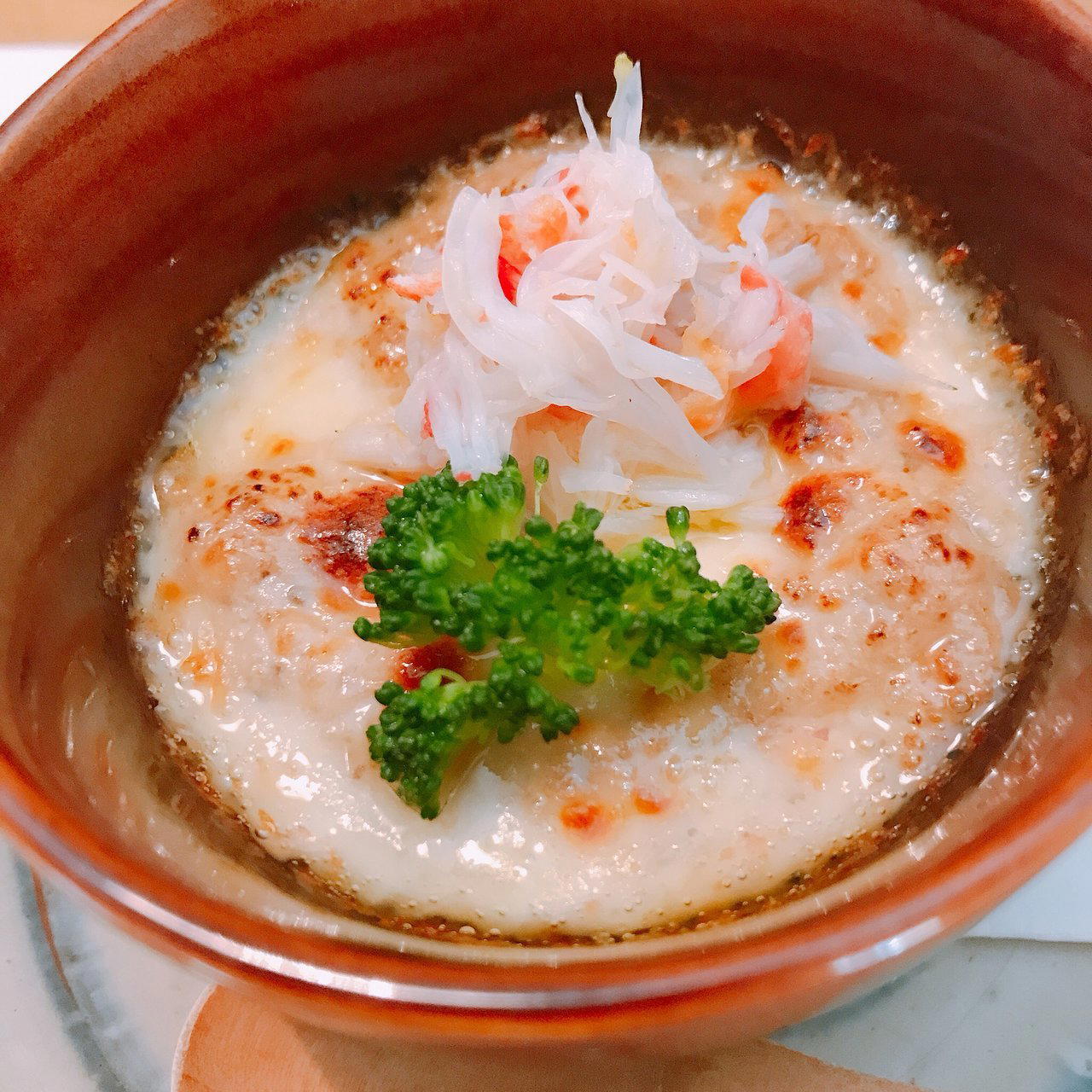
Traditional kaiseki dinner is included as a matter of course at Beniya Kofuyuden, in keeping with standard ryokan practice at this price level. What gives the dining programme its seasonal specificity is the snow crab, which features prominently when in season. The Echizen coast, close to Awara, is one of Japan's most closely watched sources for this ingredient: Echizen crab (a regional designation applied to male snow crab caught in Fukui Prefecture's waters) commands attention from kaiseki kitchens across the country, but properties in Fukui itself have the shortest supply chain. The crab season runs roughly from November through March, making winter the period when the dining at Beniya Kofuyuden connects most directly to what the surrounding region produces.
This kind of ingredient-driven seasonality is not incidental to the kaiseki format. It is structural. The traditional kaiseki sequence was designed to make seasonal produce the primary event, with technique and presentation serving the ingredient rather than obscuring it. At a property that was purpose-built to honour that tradition, the alignment of architecture, setting, and dining calendar is coherent rather than assembled from separate decisions.
Awara in Context
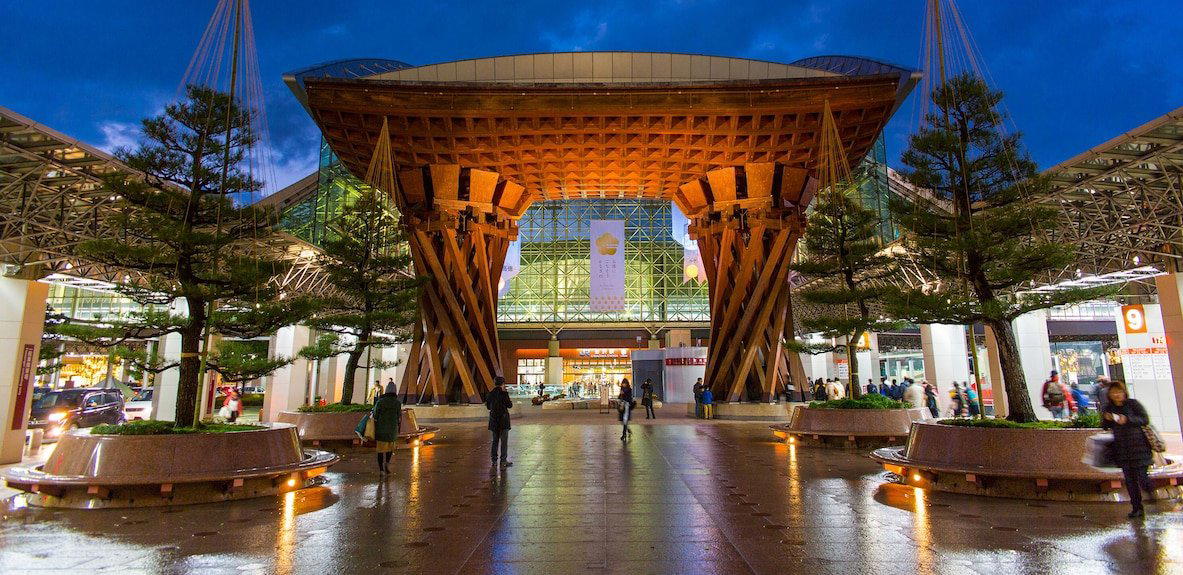
Awara is a smaller onsen town than its counterparts in Hakone, Beppu, or Kinosaki. That relative obscurity affects the travel logic around Beniya Kofuyuden in practical terms: guests arriving here are making a deliberate choice rather than following an established circuit. Fukui Prefecture has historically been harder to access than Kyoto or Tokyo, but the 2024 extension of the Hokuriku Shinkansen to Fukui changed that. The new connection has already begun to shift travel patterns in the region, bringing Fukui within reach of Tokyo in under two and a half hours and making a Beniya Kofuyuden stay viable as part of a broader Hokuriku route that might also include Kanazawa or the Noto Peninsula.
Guests arriving via the shinkansen would typically transfer to the Echizen Railway's Mikuni Awara line to reach the onsen district. It is a short connection, and the overall travel time from Tokyo is now competitive with the journey to more established ryokan destinations like Hakone. For those building a Japan itinerary that already includes HOTEL THE MITSUI KYOTO in Kyoto or Bvlgari Hotel Tokyo, Awara now sits at a plausible geographic midpoint rather than a detour.
Other properties in the wider Hokuriku and Sea of Japan coastal region worth considering in the same planning window include Bettei Otozure in Nagato, Sekitei in Hatsukaichi, and BYAKU Narai in Narai, each representing a different version of the architect-engaged, tradition-conscious small inn format that has become a distinct category within Japanese luxury accommodation. Those travelling further afield might also look at Amanemu in Mie or Benesse House in Naoshima for properties where architecture and setting are similarly foregrounded.
Planning a Stay
Beniya Kofuyuden requires reservations to be confirmed through a customer service process rather than standard online booking, given the level of pre-arrival information the property requests from guests. EP Club's team handles this directly. Rates start at $735 per night, and winter stays during the snow crab season are the most in-demand period, which makes early planning advisable for that window. The Michelin 1 Key recognition (2024) places Beniya Kofuyuden within a nationally assessed peer group, useful context when comparing it against better-known options like Fufu Kawaguchiko or Fufu Nikko.
Side-by-Side Snapshot
Comparable venues nearby, for context on price, style, and recognition.
| Venue | Cuisine | Price | Awards | Notes |
|---|---|---|---|---|
| Beniya KofuyudenThis venue (the venue you are viewing) | Modern reconstruction of a historic ryokan preserving traditional Japanese elegance. | $500–750 | 1 Michelin Key | Not listed |
| Oyado The Earth | Luxury Japanese onsen ryokan blending tradition with modern comfort | $500–750 | 1 Michelin Key · World Luxury Hotel Awards WLHA Continent Winner | Ijika-cho |
| The Tower Hotel Nagoya | Historic tower blended with contemporary Japanese elegance | $200–300 | 1 Michelin Key · Small Luxury Hotels of the World Member | Naka |
| Nasu Mukunone | Contemporary nature-integrated resort with AUBERGE suite villas and B&B options | $500–750 | 1 Michelin Key | Nasu |
| Beniya Mukayu | Contemporary ryokan perched on a sacred hill, harmonizing minimal architecture with wild forest garden. | Not listed | 1 Michelin Key · Relais Chateaux Award | Yamashiro Onsen |
| Hiiragiya | Traditional Japanese ryokan blending Edo-Meiji heritage with modern comforts | $500–750 | 1 Michelin Key | Nakagyō |
Recognition history
Dated appearances from independent guides and award organizations, with the underlying list record or original source where available.
Michelin 1 Key
Michelin
Full recognition history (3 entries)
Michelin 1 Key
Michelin
Michelin 1 Key
Michelin
Continue exploring
More in Awara
Details
- Elegant
- Quiet
- Scenic
- Intimate
- Sophisticated
- Classic
- Honeymoon
- Romantic Getaway
- Anniversary
- Wellness Retreat
- Garden
- Historic Building
- Wi Fi
- Spa
- Garden
- Air Conditioning
- Room Service
- Garden
- Wheelchair Accessible
Tranquil and elegant atmosphere with natural light, gentle breezes, and serene garden views, enhanced by warm attentive service.