
1 Michelin Key
Occupying a collection of restored Edo-era buildings on the Nakasendo Road in Narai-juku, BYAKU Narai converts an old sake brewery, guesthouse, and temple fragment into 16 rooms that hold traditional Japanese craftsmanship at their centre. A Michelin Key recipient in 2024, the property pairs an on-site brewery and bar with a Japanese restaurant and public baths, bringing considered hospitality back to a post town that had largely fallen silent.

Pearl is the En Primeur Club membership app — saves, bookings, and concierge access live there. Same editors, same standards.
- Address
- 551 Narai, Shiojiri, Nagano 399-6303
- Phone
- +81 264-34-3001
- Website
- byaku.site
- Directions
- Get directions
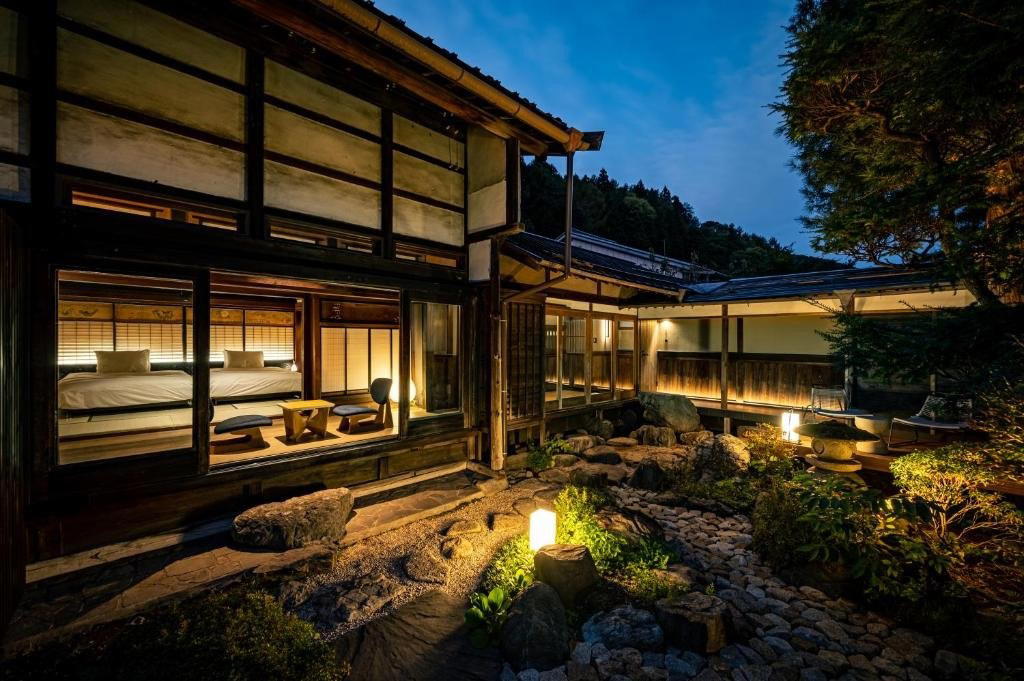
Where the Nakasendo Slows Down
Narai-juku sits roughly halfway along the old Nakasendo Road, the Edo-period overland route that once carried merchants, pilgrims, and government envoys between Kyoto and Edo. At its peak, this post town was the most prosperous stage on the Kiso Valley stretch, its two-kilometre main street lined with inns, sake houses, and lacquerware workshops. Then the railway bypassed it. A century of quiet followed, and a significant portion of the historic building stock fell into vacancy. BYAKU Narai is, in structural terms, a response to that vacancy — not a new construction dropped into a heritage streetscape, but a reclamation of the specific buildings that defined the town's original commercial life.
The result is a hotel that reads more like a neighbourhood than a single property. Guests move between a former sake brewery, a restored guesthouse, and a wing salvaged from a temple structure — buildings that each carry a different spatial logic. The sake brewery opens into generous ceiling heights and the residual geometry of a production building; the guesthouse holds the compressed proportions of Edo-era hospitality architecture; the temple fragment introduces a different scale entirely. Across all three, the design discipline is consistent: preserve what the structure offers rather than overwrite it with a uniform hotel aesthetic. This places BYAKU Narai in a specific tier of Japanese boutique hospitality, properties where the architecture is the primary argument, and where comfort is delivered through craft rather than through volume or amenity lists.
The Architecture as Argument
Japan has a well-developed tradition of adaptive reuse at the high end of hospitality, from repurposed machiya townhouses in Kyoto to converted fishing villages on the Seto Inland Sea. See, for instance, the approach at Azumi Setoda in Onomichi, which similarly anchors its identity in a reclaimed island community. What distinguishes the approach at Narai is the specificity of the source material: not a generic historic building type, but the particular institutions of a Nakasendo post town. A sake brewery, a wayfarers' inn, a temple. These were the infrastructure of movement and rest in Edo Japan, and their reactivation as a hotel has a legibility that generic heritage restoration often lacks.
The 16 rooms vary considerably in configuration. Some hold the intimate scale of the original structures, with cosy footprints that reflect how little space Edo travellers expected to occupy. Others spread across two floors with multiple sleeping areas, using the vertical geometry of the brewery or the compound structure of the guesthouse. The Michelin Key awarded in 2024, part of the guide's relatively new hospitality recognition programme, which evaluates hotels independently from its restaurant ratings, signals that this variability in room character is a feature rather than an inconsistency. Michelin's Key designation specifically recognises properties where staying is itself a meaningful travel experience, not merely a functional requirement between activities.
Rates from $870 per night position BYAKU Narai in a bracket comparable to other Kiso Valley and central Nagano luxury properties, and above the entry-level ryokan tier that Narai-juku also supports. The comparison set is not the post town's budget guesthouses, but properties like Gora Kadan in Hakone or Asaba in Izu, where architecture and tradition carry the rate rather than room size or urban convenience. For travellers calibrating value at this price point, the question is whether the building itself, its history, its specificity, its craft, justifies the spend, and here the answer leans clearly toward yes.
Sake, Kitchen, and the Public Bath
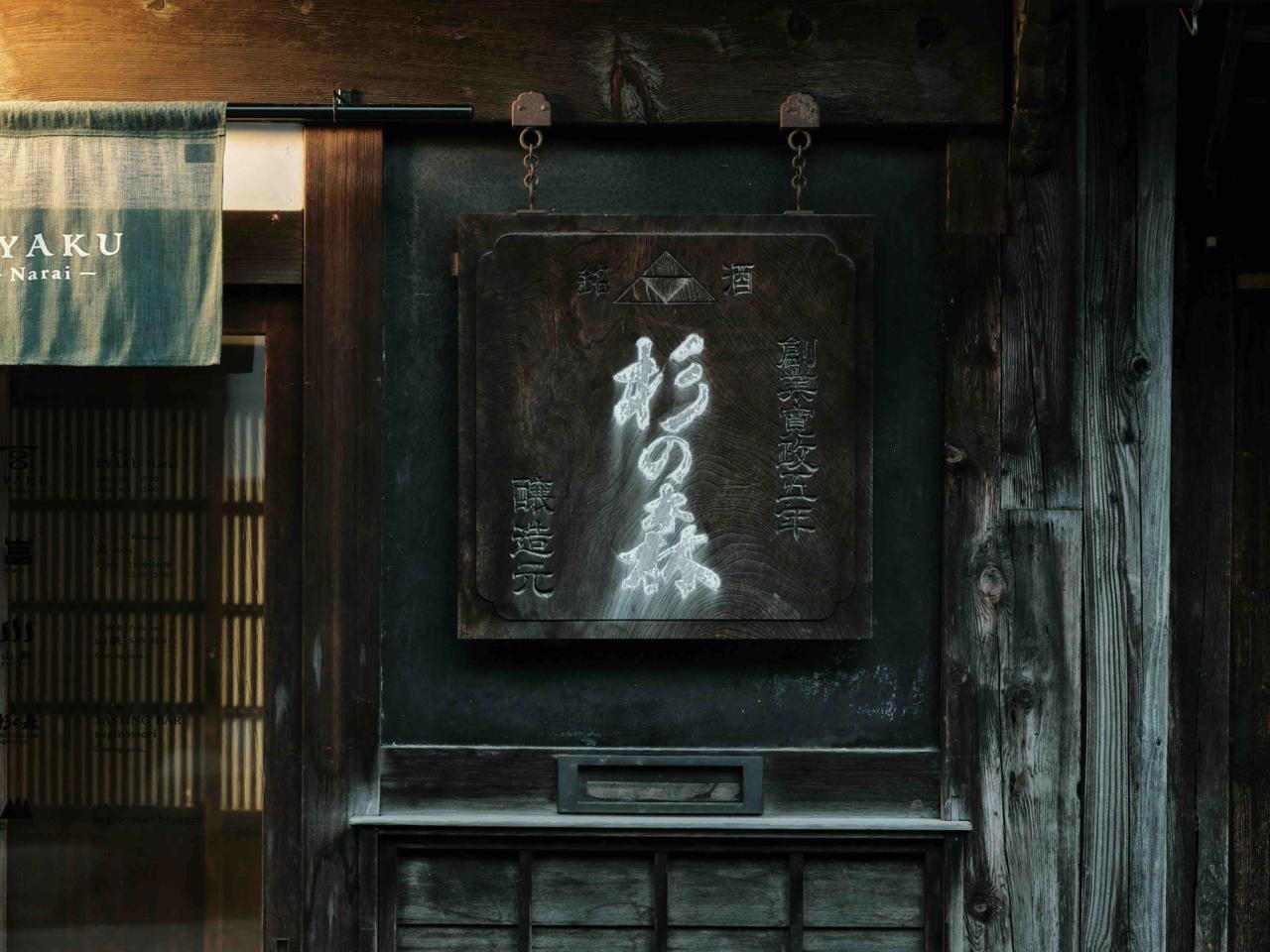
The sake-brewing tradition of the original building does not simply appear as decorative reference in the lobby. The hotel operates a working brewery and bar, which means the fermentation culture that once made this address commercially significant continues in functional form. This is rare even among Japan's adaptive reuse properties: most heritage hotels fold the history into storytelling while the original function disappears. At BYAKU Narai, guests encounter the brewing process as a live element of the property rather than as an exhibit.
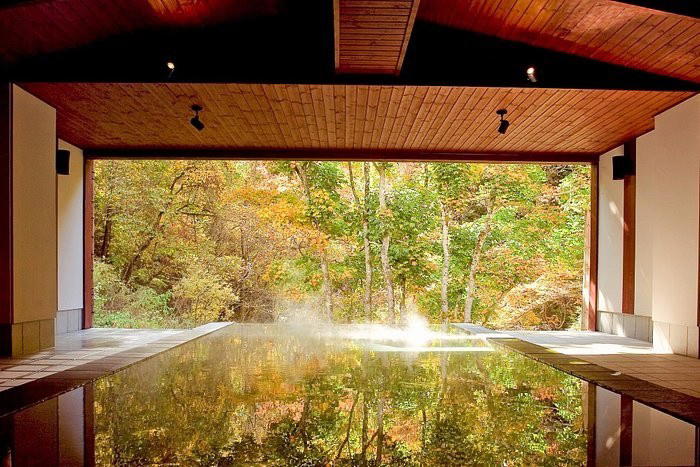
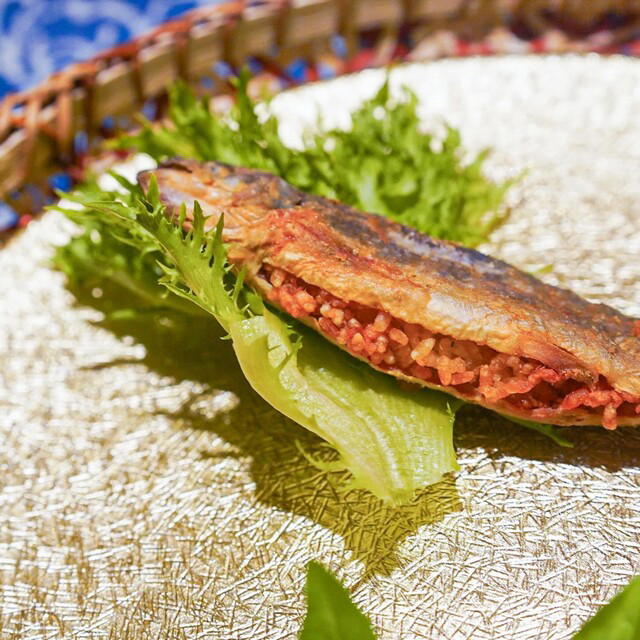
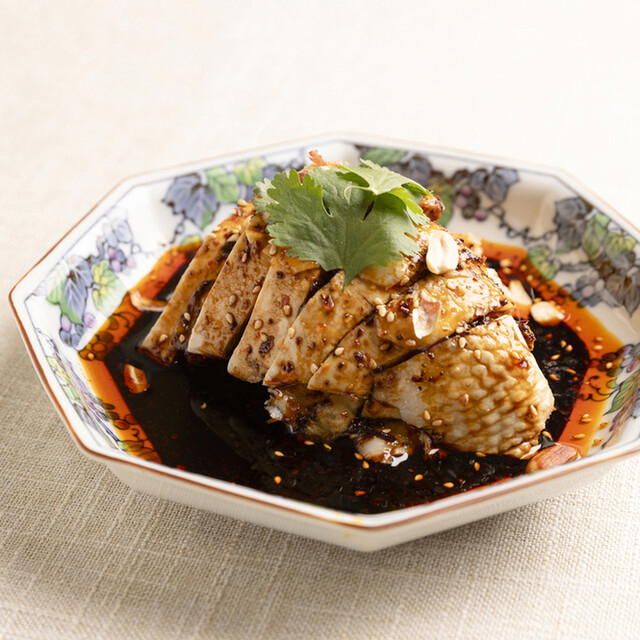
The Japanese restaurant extends that relationship with local tradition into the kitchen. Narai-juku and the wider Kiso Valley have their own culinary identity, rooted in mountain ingredients, preserved foods, and the cooking practices of a region that once fed thousands of travellers moving through on foot. The restaurant does not need to import its conceptual framework from Tokyo or Osaka; the post-town context supplies it directly. Public baths complete the communal offer, following the ryokan model of shared bathing as a social and restorative practice rather than treating the bath as purely private infrastructure. Together, brewery, restaurant, and baths give the property a density of programme that most boutique hotels of 16 rooms do not attempt.
Getting There and When to Go
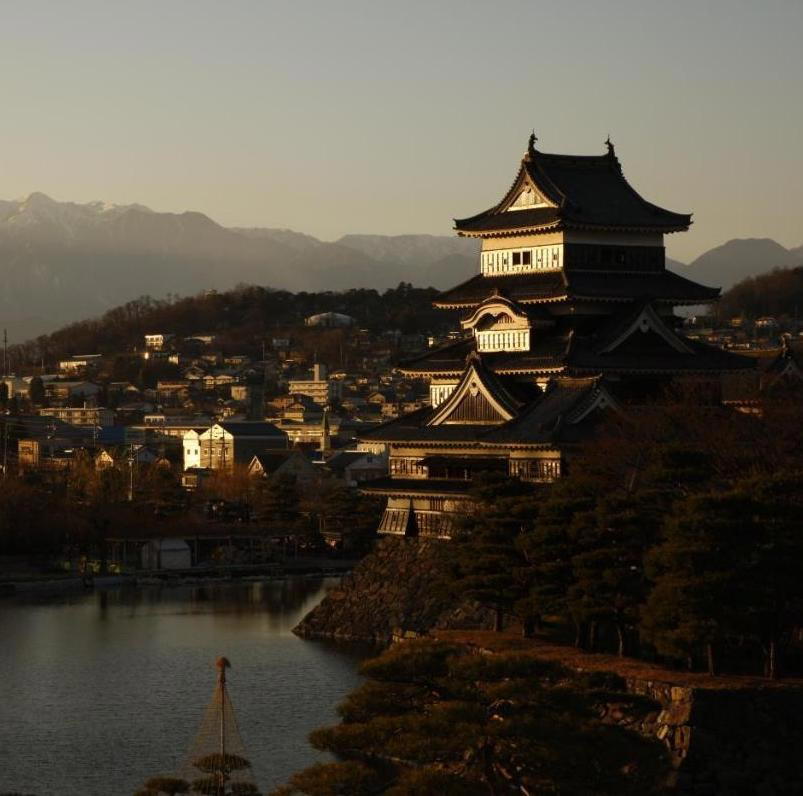
Narai station sits on the JR Chuo Line, accessible from Matsumoto in under an hour and from Nagoya in approximately two hours. The station is a short walk from the main street, and the hotel's position within the preserved townscape means arrival on foot is both practical and appropriate, the street is designed for pedestrian movement, and approaching it by car would miss the spatial sequence entirely. The Kiso Valley draws visitors across seasons: autumn colour in October and November tends to attract the largest numbers, while winter brings a quieter, colder version of the townscape that suits the enclosed architecture of the historic buildings. Spring, when the post town is less photographed, offers reasonable availability relative to autumn peaks.
Booking for a 16-room property at this recognition level, Michelin Key, featured across international travel media, should be approached with lead time. The autumn window in particular compresses availability quickly. Travellers considering Narai alongside other Nagano or central Japan itinerary points will find the Kiso Valley most efficiently reached from Matsumoto, which also serves as a gateway to the northern Japanese Alps. For broader orientation across Japan's premium small-property tier, our full Narai restaurants guide covers the wider post-town context in detail.
Where This Sits in Japan's Boutique Hotel Conversation
Japan's premium small-hotel market has diversified considerably over the past decade. The traditional ryokan model, exemplified by properties like Nishimuraya Honkan in Kinosaki-cho or Araya Totoan in Kaga, remains the reference category for multi-generational operated inns with kaiseki dining. A second tier has emerged around design-forward properties that use contemporary architecture to frame natural settings, as at Zaborin in Kutchan or ENOWA Yufu in Yufu. BYAKU Narai occupies a third position: historically specific adaptive reuse, where the building stock of a particular place and period becomes the primary design material. It has more in common with Benesse House on Naoshima, where art and architecture are the proposition, than with a conventional ryokan or a nature-retreat property, despite sharing surface characteristics with both.
That positioning also sets it apart from Japan's urban flagship hotels, where properties like Bvlgari Hotel Tokyo or HOTEL THE MITSUI KYOTO compete on brand, location, and amenity depth. BYAKU Narai competes on none of those terms. Its argument is the Nakasendo, the brewery, the 16 rooms, and what it means to spend two nights in a post town that has been pulled back from silence.
How It Stacks Up
Comparable venues nearby, for context on price, style, and recognition.
| Venue | Cuisine | Price | Awards | Notes |
|---|---|---|---|---|
| BYAKU NaraiThis venue — the venue you are viewing | Restored Edo-era ryokan with traditional Japanese elegance and modern comforts | Not listed | 1 Michelin Key | Not listed |
| The Hiramatsu Hotels & Resorts Atami | Traditional Sukiya-zukuri ryokan converted into a gourmet auberge | Not listed | 1 Michelin Key | Atami |
| The Windsor Hotel Toya Resort & Spa | Luxury mountain resort with premium and casual accommodations overlooking Lake Toya. | $100–200 | Michelin Selected | Toyako-cho |
| Hyatt Regency Tokyo (ハイアットリージェンシー東京) | Contemporary urban luxury with Shinjuku-inspired reinvention | $300–500 | Not listed | Nishi-Shinjuku |
| Ryokan Kurashiki | Traditional Japanese ryokan in historic merchant storehouses | $500–750 | Michelin Selected | Bikan Historical Quarter |
| InterContinental Tokyo Bay | Luxury waterfront high-rise | Not listed | World Luxury Hotel Awards WLHA Continent Winner | Minato |
Recognition history
Dated appearances from independent guides and award organizations, with the underlying list record or original source where available.
Michelin 1 Key
Michelin
Full recognition history (3 entries)
Michelin 1 Key
Michelin
Michelin 1 Key
Michelin
Details
- Quiet
- Elegant
- Cozy
- Scenic
- Intimate
- Sophisticated
- Minimalist
- Honeymoon
- Romantic Getaway
- Anniversary
- Weekend Escape
- Historic Building
- Panoramic View
- Private Villa
- Garden
- Wi Fi
- Public Bath
- Restaurant
- Bar
- Room Service
- Mountain
- Garden
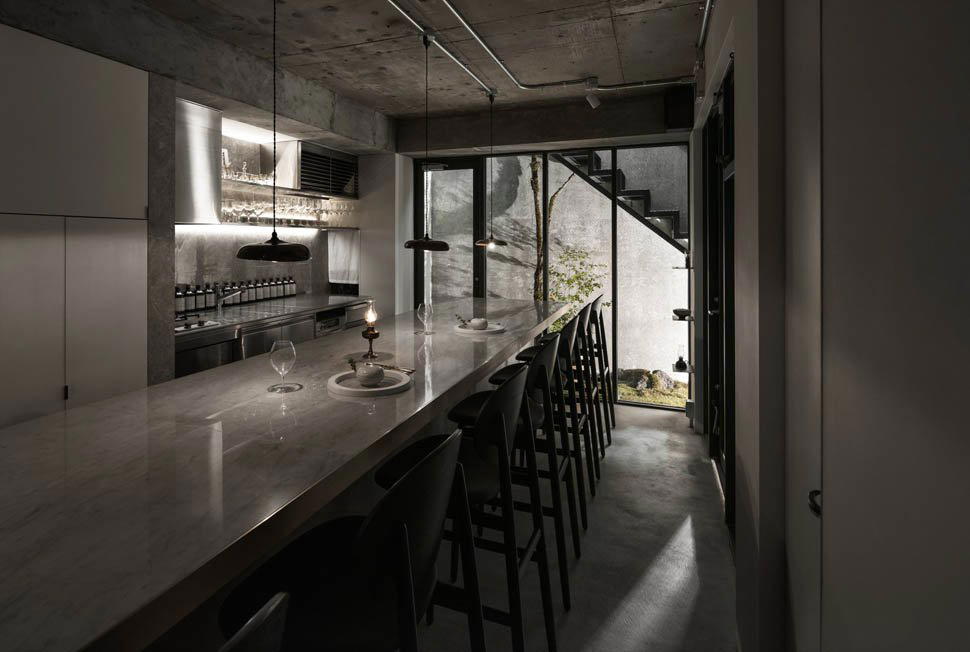
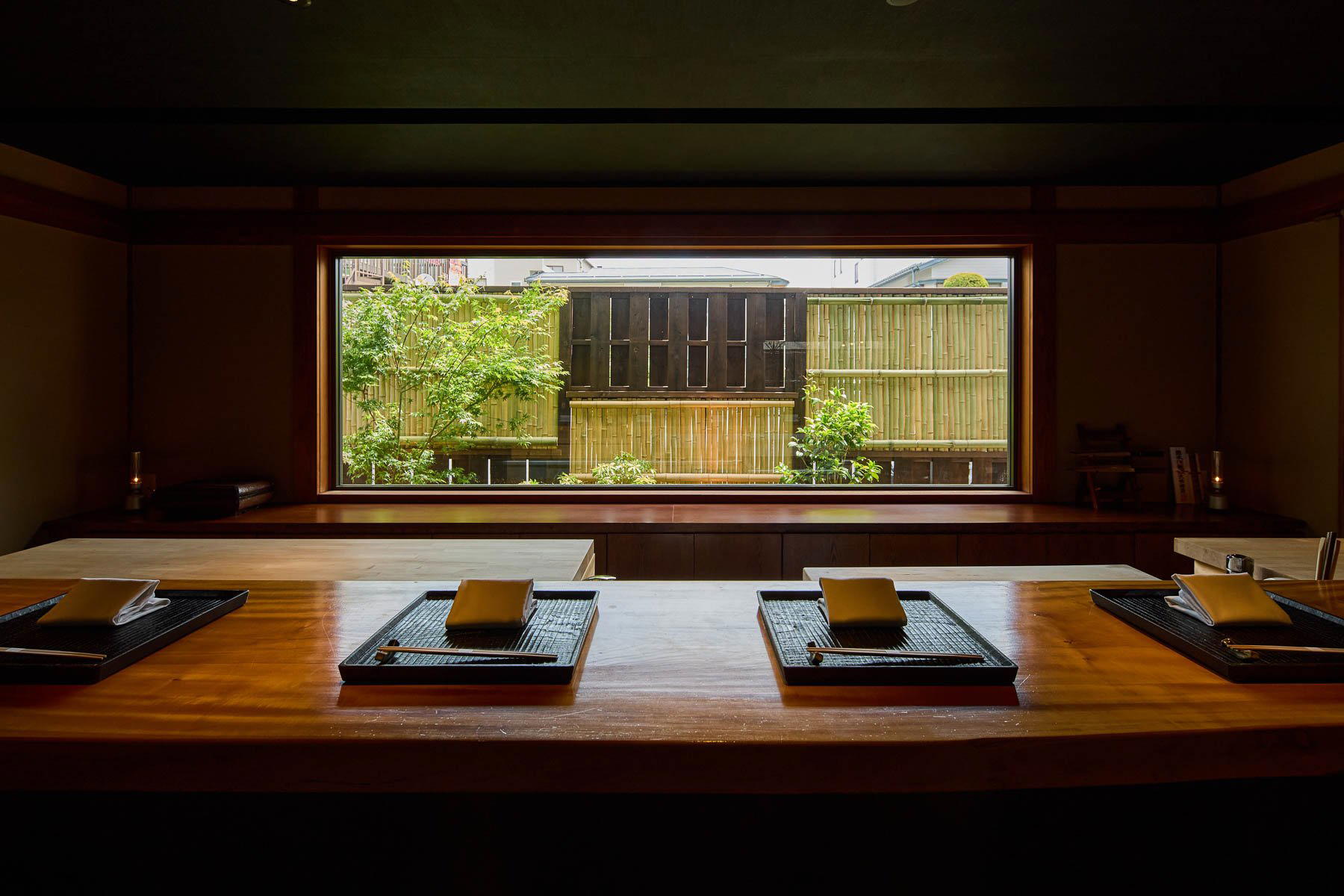
Serene and elegant with traditional Japanese craftsmanship, high beamed ceilings, wood floors, and a peaceful atmosphere blending history and modern luxury.