
Michelin Selected
A Michelin Selected ryokan in Matsumoto's Asama Onsen district, Matsumoto Jujo sits within a thermal spring quarter that has served mountain travellers for centuries. The property occupies a category of Japanese inn where architectural character and onsen access matter more than room count or resort scale, placing it alongside a small cohort of regionally significant stays in the Japan Alps corridor.

Pearl is the En Primeur Club membership app — saves, bookings, and concierge access live there. Same editors, same standards.
- Address
- 3 Chome-13-1 Asamaonsen, Matsumoto, Nagano 390-0303, Japan
- Phone
- +81 263-87-8606
- Website
- matsumotojujo.com
- Directions
- Get directions
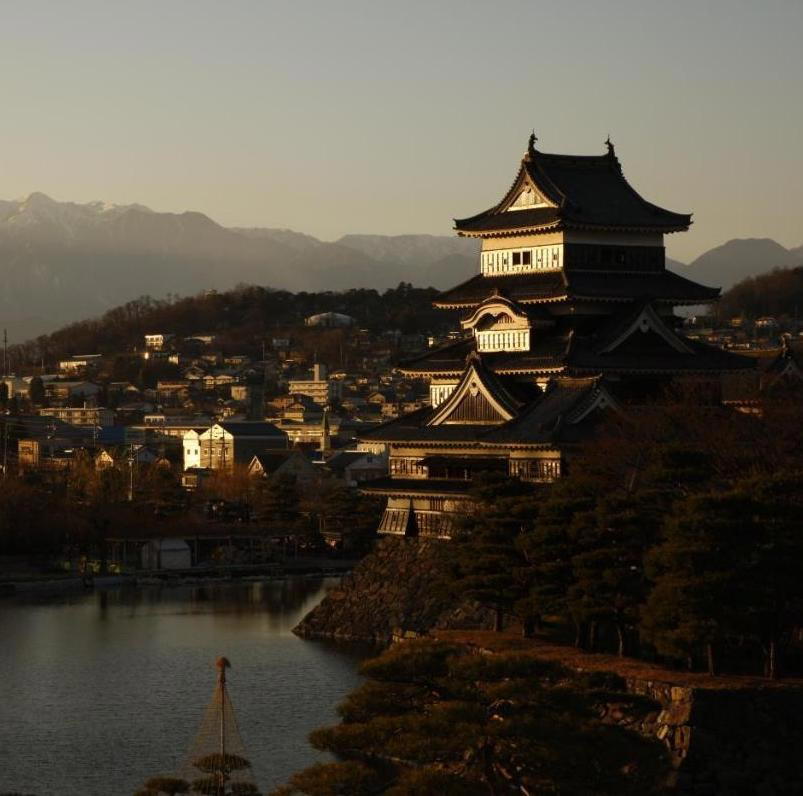
Asama Onsen and the Architecture of the Mountain Inn
Asama Onsen sits at the base of the Japan Alps, a few kilometres northeast of Matsumoto's castle district, and has functioned as a thermal resort since at least the medieval period. The onsen quarter here is not a purpose-built resort zone but an accumulated settlement: inns, bath houses, and narrow lanes that have been added to and subtracted from over generations. The architectural character of the area reads accordingly — older timber-frame structures alongside mid-century renovation work, with the leading properties maintaining a coherence between their physical envelope and the thermal, mountainous context they occupy. Matsumoto Jujo, addressed at 3-15-17 Asama Onsen, sits inside this district rather than apart from it, which places it in a different register from resort-style ryokan properties that occupy isolated hillside plots.
This positioning matters because the experience of an onsen inn is inseparable from its relationship to place. Properties that read as architecturally embedded in their neighbourhood — where the approach through narrow streets is part of the arrival sequence, tend to offer a more layered stay than those designed around a self-contained campus model. Asama's urban-ish grain means the transition from Matsumoto city to the inn involves a gradual shift in atmosphere rather than a sudden remove, which suits travellers who want proximity to the city's other attractions alongside the thermal retreat. For comparison, Tobira Onsen Myojinkan, the other notable onsen property in the wider Matsumoto area, occupies a more remote mountain position with a correspondingly different spatial logic.
Michelin Selection and What It Signals in the Ryokan Category
Matsumoto Jujo carries a Michelin Selected distinction in the 2025 Michelin Hotels guide, a recognition tier that sits below the star awards but above general listing. In the context of Japan's ryokan category, Michelin hotel selection functions as a quality signal rather than a ranking, indicating that the property meets a threshold of hospitality craft, spatial quality, and overall consistency. The guide applies this designation across a range of property types and price points, so selection alone does not specify where a ryokan sits within the premium tier. What it does confirm is that the property has been assessed and found to meet editorial standards in a country where the competition among traditional inns is substantial.
Japan's Michelin-selected ryokan cohort includes properties at very different positions in the market. At one end sit properties comparable to Gora Kadan in Hakone or Asaba in Izu, which occupy a long-established luxury tier with high room rates and extensive kaiseki dining programs. At the other are smaller, more intimate inns where the value proposition is spatial authenticity and access to genuine thermal infrastructure rather than resort-scale amenities.enprimeurclub.com/hotels/zaborin-hokkaido-hotel) or Amanemu in Mie.
The Onsen Stay as a Design Experience
In Japan's ryokan tradition, the design of the bathing infrastructure is as deliberate as the design of the guest rooms. Asama Onsen's thermal water has historically been classified as a sodium bicarbonate spring, a type associated with a smooth skin feel and moderate temperature that suits long immersions. Properties in the district draw from this source, and how they translate it architecturally, in the choice of stone, timber, or tile for the bath surrounds, in the relationship between the indoor bath space and any outdoor components, in the sequencing from changing area to soaking pool, determines much of the character of the thermal experience. For a property like Matsumoto Jujo, the spatial quality of these bath elements is likely a more differentiating factor than room count or lobby scale.
The broader pattern in Japan's premium onsen inn category has been a move toward in-room bath access, with properties adding private rotenburo (outdoor baths) as either standard features or upgrade options. This shift reflects both changing guest expectations and a design interest in extending the thermal experience into the private space rather than concentrating it in communal facilities. Properties such as Fufu Nikko in Nikko and Fufu Kawaguchiko in Fujikawaguchiko have built their recent market positioning substantially around this format.
Matsumoto as Context for the Stay
Asama Onsen's proximity to central Matsumoto is one of its structural advantages over more remote onsen destinations. The city holds one of Japan's few remaining original castles, a concentration of craft and sake culture, and a classical music festival of national significance in August. For travellers building a Japan Alps itinerary, a base at Asama allows day access to Matsumoto's cultural layer without requiring a city-centre hotel. This dual-access quality, thermal retreat plus urban programme, is harder to replicate from more isolated onsen properties and gives Asama-based stays a different utility. See our full Matsumoto restaurants guide for dining options that extend the stay into the city's independent food scene.
Within the broader Japan Alps and Nagano Prefecture travel circuit, Matsumoto connects efficiently to both the alpine resort area around Hakuba and the Kiso Valley heritage towns to the south. The shinkansen does not serve Matsumoto directly, but the limited express Azusa service from Shinjuku covers the route in roughly two and a half hours, making the city accessible as part of a wider Japan itinerary that might include Tokyo-based properties like Bvlgari Hotel Tokyo in Tokyo or Kyoto stops such as HOTEL THE MITSUI KYOTO in Kyoto.
Travellers who respond to the Asama Onsen format, thermally active, architecturally grounded, positioned within a living neighbourhood rather than an isolated resort zone, will also find relevant comparisons in properties like Nishimuraya Honkan in Kinosaki-cho, Satoyama-Jujo in Niigata, and Kamenoi Besso in Yufu, all of which occupy a similar niche of Michelin-recognised, regionally embedded onsen hospitality. For those whose interests extend to properties where art and architecture are the explicit program, Benesse House in Naoshima represents a distinct but adjacent category. Further afield in the premium Japanese inn space, Atami Izusan Karaku in Atami, Nasu Mukunone in Nasu, and Fufu Kyu-Karuizawa Restful Forest in Karuizawa offer useful reference points for how Michelin-selected mountain and onsen properties price and position themselves in different regional contexts.
Planning the Stay
Matsumoto Jujo is located at 3-15-17 Asama Onsen, within the established onsen quarter a short taxi or bus ride from Matsumoto Station. Booking through the property directly or via a specialist Japan travel agent is advisable for onsen properties of this type, where room selection and meal arrangement typically benefit from advance communication. August visits should account for the Saito Kinen Festival, which draws international visitors and tightens accommodation across the city. The shoulder seasons of late spring and autumn tend to offer the most favourable balance of weather, foliage, and room availability in the Japan Alps region.
A Quick Peer Check
Comparable venues nearby, for context on price, style, and recognition.
| Venue | Cuisine | Price | Awards | Notes |
|---|---|---|---|---|
| Matsumoto JujoThis venue — the venue you are viewing | Revitalized historic hot spring inn with contemporary social hub elements including bookstore and local dining. | Not listed | Michelin Selected | Not listed |
| 扉温泉 明神館 | Traditional Japanese ryokan with modern renovations | $300–500 | Not listed | 入山辺 |
| Tobira Onsen Myojinkan | Historic ryokan blending traditional Japanese and modern comforts | Not listed | 1 Michelin Key · Relais Chateaux Award | Iriyamabe |
| Gora Kadan | Contemporary ryokan blending traditional Japanese architecture with modern luxury, set within a historic Imperial retreat. | Not listed | 3 Michelin Keys · La Liste Top Hotels | Gora, Hakone-machi |
| Satoyama Jujo | Renovated traditional Japanese folk house with modern luxury. | $500–750 | 1 Michelin Key · Design Hotels Member | Minami-uonuma |
| The Ritz-Carlton, Kyoto | Contemporary ryokan-inspired urban resort blending traditional Japanese elements with modern luxury. | $500–750 | 1 Michelin Key · La Liste Top Hotels | Gion |
Recognition history
Dated appearances from independent guides and award organizations, with the underlying list record or original source where available.
Michelin Selected
Michelin
Continue exploring
More in Matsumoto
Hotels in Matsumoto
Browse all →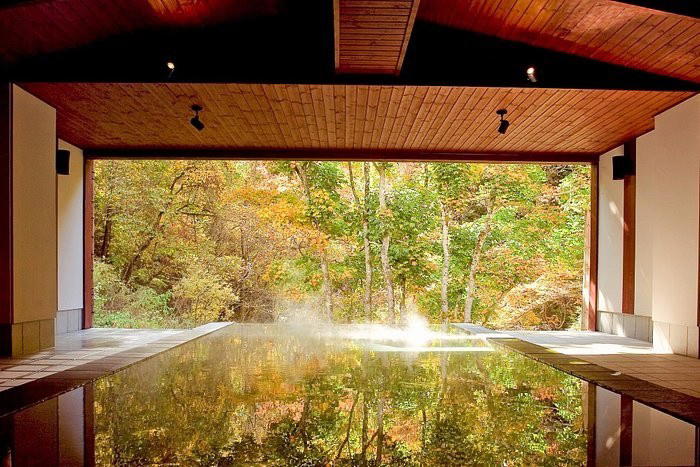

Bars in Matsumoto
Browse all →
Restaurants in Matsumoto
Browse all →
Details
- Modern
- Historic
- Cozy
- Scenic
- Romantic Getaway
- Family Vacation
- Wellness Retreat
- Historic Building
- Panoramic View
- Garden
- Terrace
- Wi Fi
- Massage
- Restaurant
- Concierge
- Air Conditioning
- Room Service
- Spa
- Mountain
- Garden
- Wheelchair Accessible
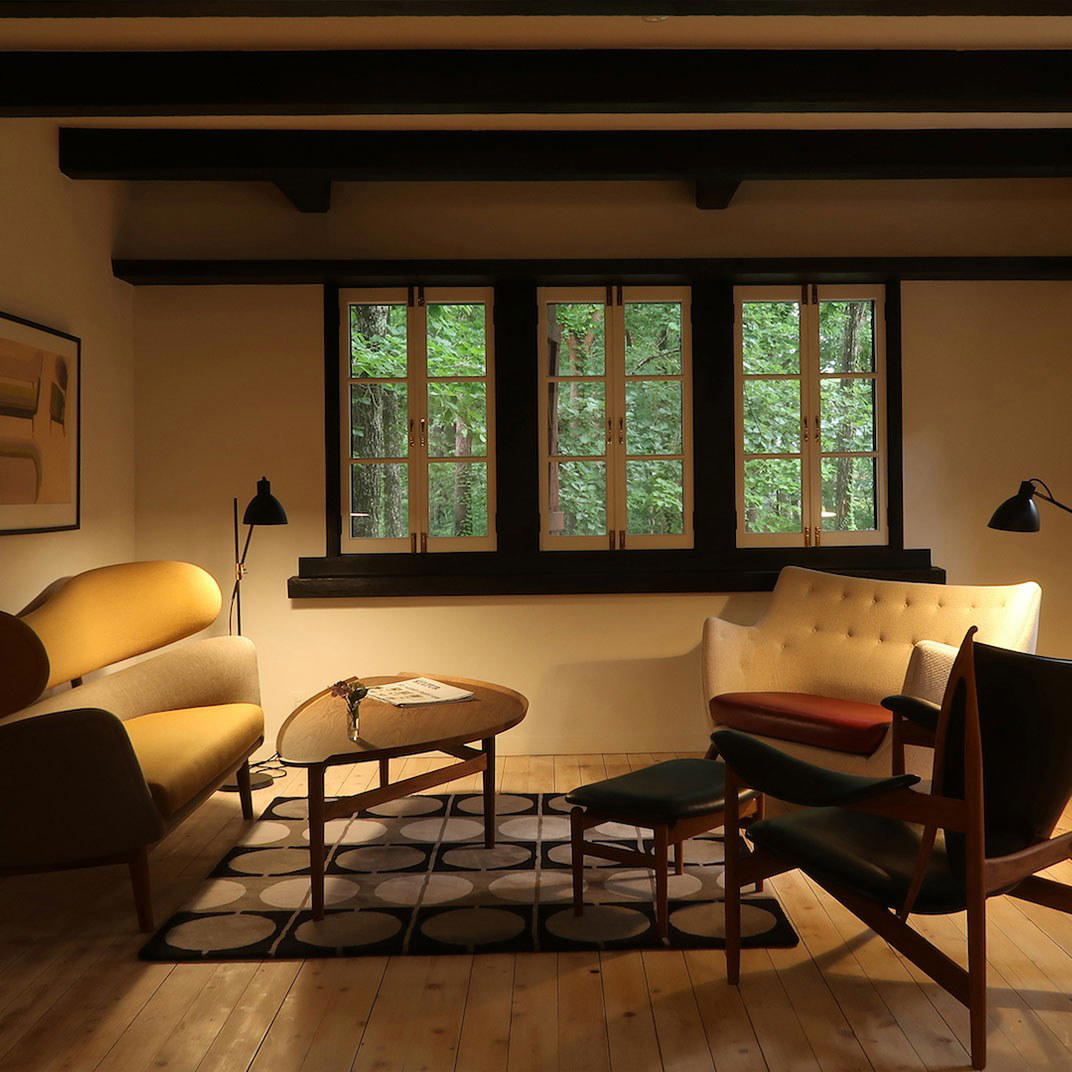
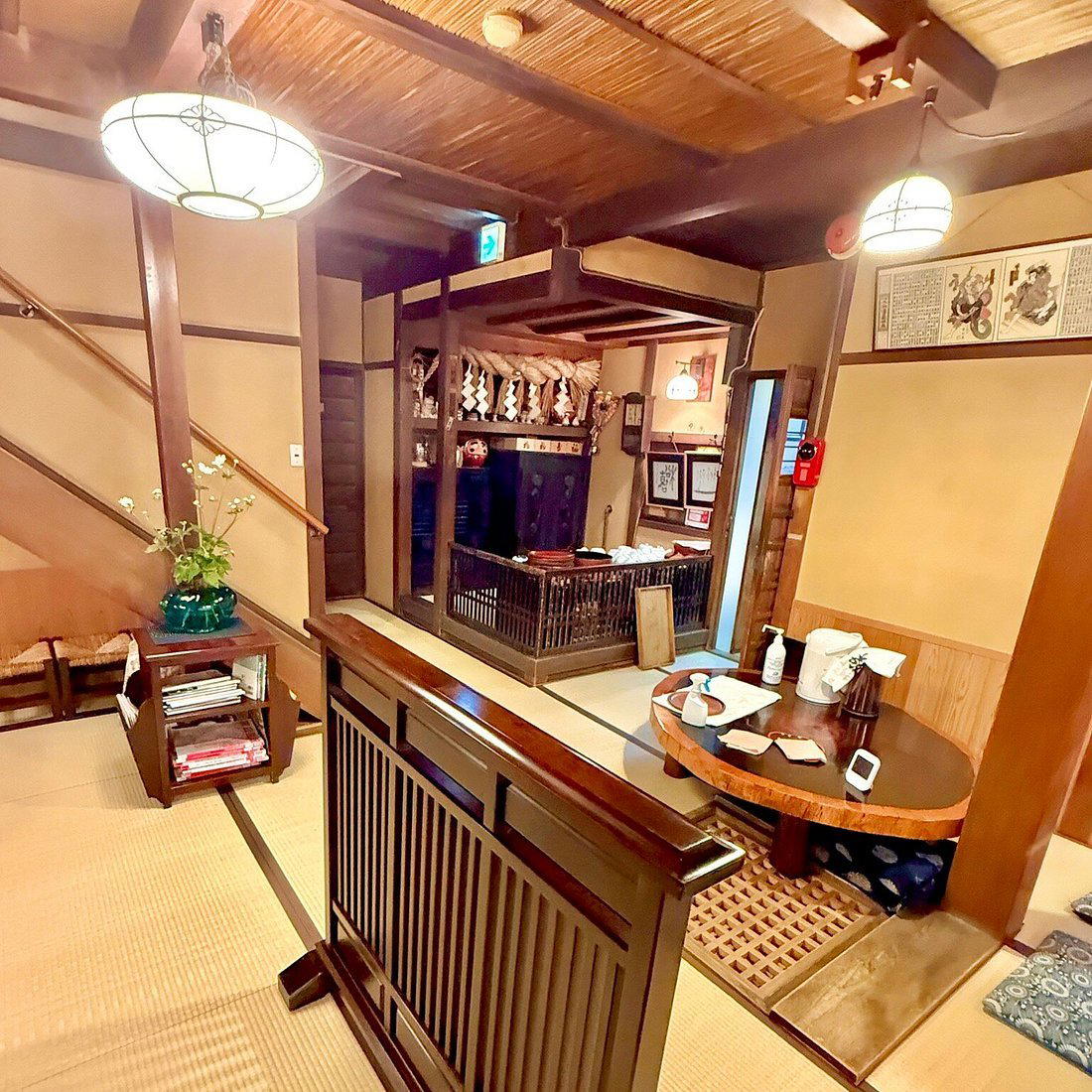
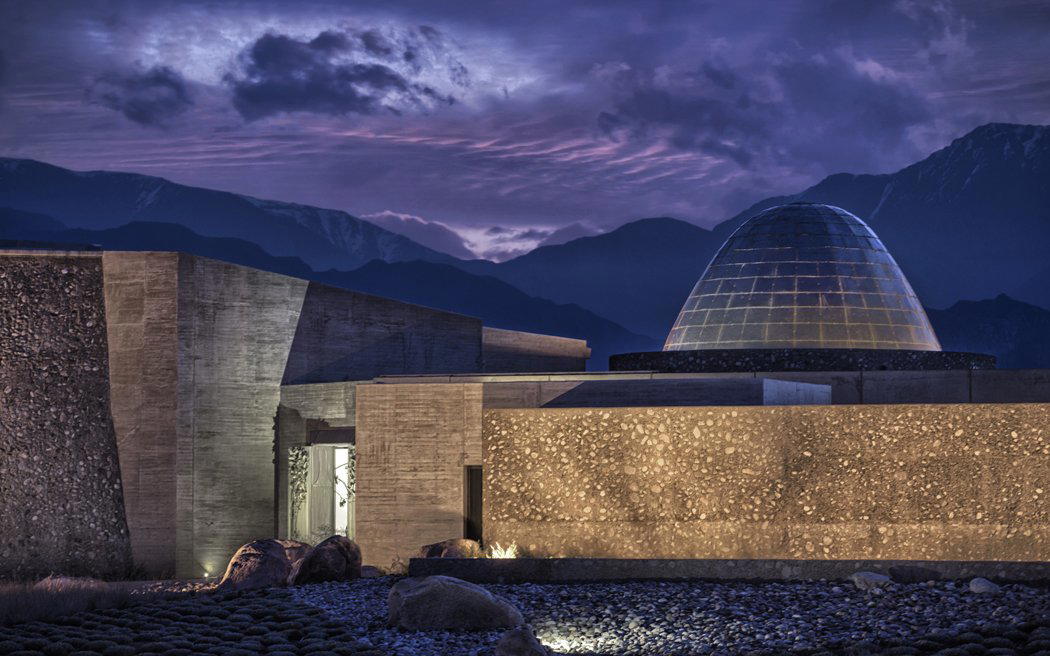
Refined and tranquil atmosphere blending modern design with preserved historic materials, low furniture, exposed concrete, and massive windows framing mountain and town views.