
Sanjiro belongs to Matsumoto’s serious soba circuit: quiet, adult, and tightly focused on buckwheat rather than menu breadth. Its Tabelog 100 Soba EAST 2025 selection, 20-seat room, zaru soba course format, sake emphasis, and no-photo, no-device rules place it in the disciplined end of Nagano dining, where restraint matters more than variety.
Pearl is the En Primeur Club membership app — saves, bookings, and concierge access live there. Same editors, same standards.
- Address
- 3 Chome-3-5 Ote, Matsumoto, Nagano 390-0874, Japan
- Phone
- +81 263-35-0234
- Website
- sanjiro.info
 Saves & bookings on Pearl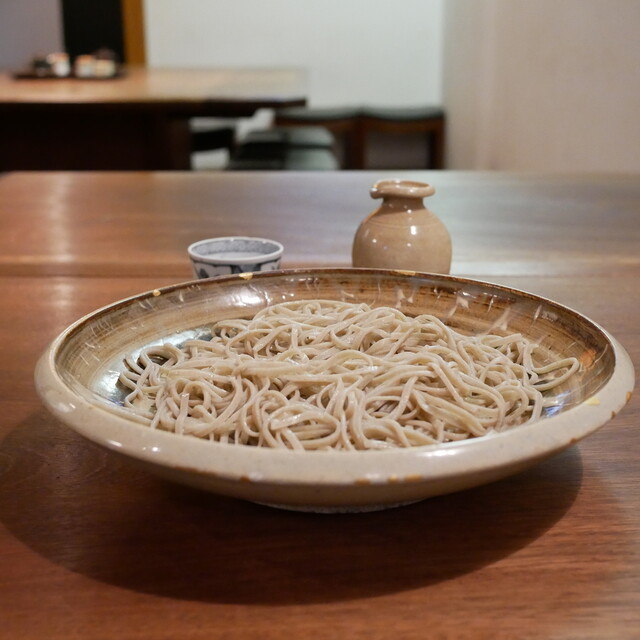
Ote is close enough to Matsumoto’s castle quarter to feel civic rather than rural, but soba changes the tempo. The useful restaurants here do not need spectacle; they rely on buckwheat, water, milling, cutting, and timing. Sanjiro sits in that tradition with a notably controlled room: no smoking, no private rooms, no children’s-family positioning, and a stated ban on photography and mobile-device use. In a city where soba can be a casual lunch, this is the quieter, stricter version of the form.
Nagano’s claim to soba is not decorative. The prefecture’s climate, mountain water, and buckwheat culture have made the noodle one of its defining foods, and Matsumoto gives visitors a compact way to read that tradition without leaving the city centre. Sanjiro’s inclusion in Tabelog 100 Soba EAST 2025, alongside prior selections in 2024 and 2022, matters because soba recognition in Japan often rewards consistency rather than theatre. The signal here is not luxury in the Western tasting-menu sense; it is narrowness, repetition, and control.
A zaru soba course in a city that takes buckwheat seriously
The format is unusually clear: there is no broad menu, only the zaru soba course. That matters. Zaru soba strips the meal back to cold noodles, dipping sauce, condiments, and the judgment of texture. There is little room to hide behind garnish or a procession of seasonal plates. For travellers using our full Matsumoto restaurants guide, this is the kind of stop that explains why Nagano soba is discussed as craft rather than comfort food alone.
Ingredient sourcing is the relevant lens. Soba depends on buckwheat quality and handling more than on an elaborate kitchen vocabulary. In Japan, serious soba restaurants are judged by aroma, cut, firmness, and how the noodle carries the dipping sauce. Sanjiro does not need a long list of named dishes to make its point; the single-course structure says the restaurant wants attention on the noodle itself. The price band also keeps the experience in lunch-specialist territory rather than luxury dining, which is part of its appeal: the spend is modest, but the expectations are not.
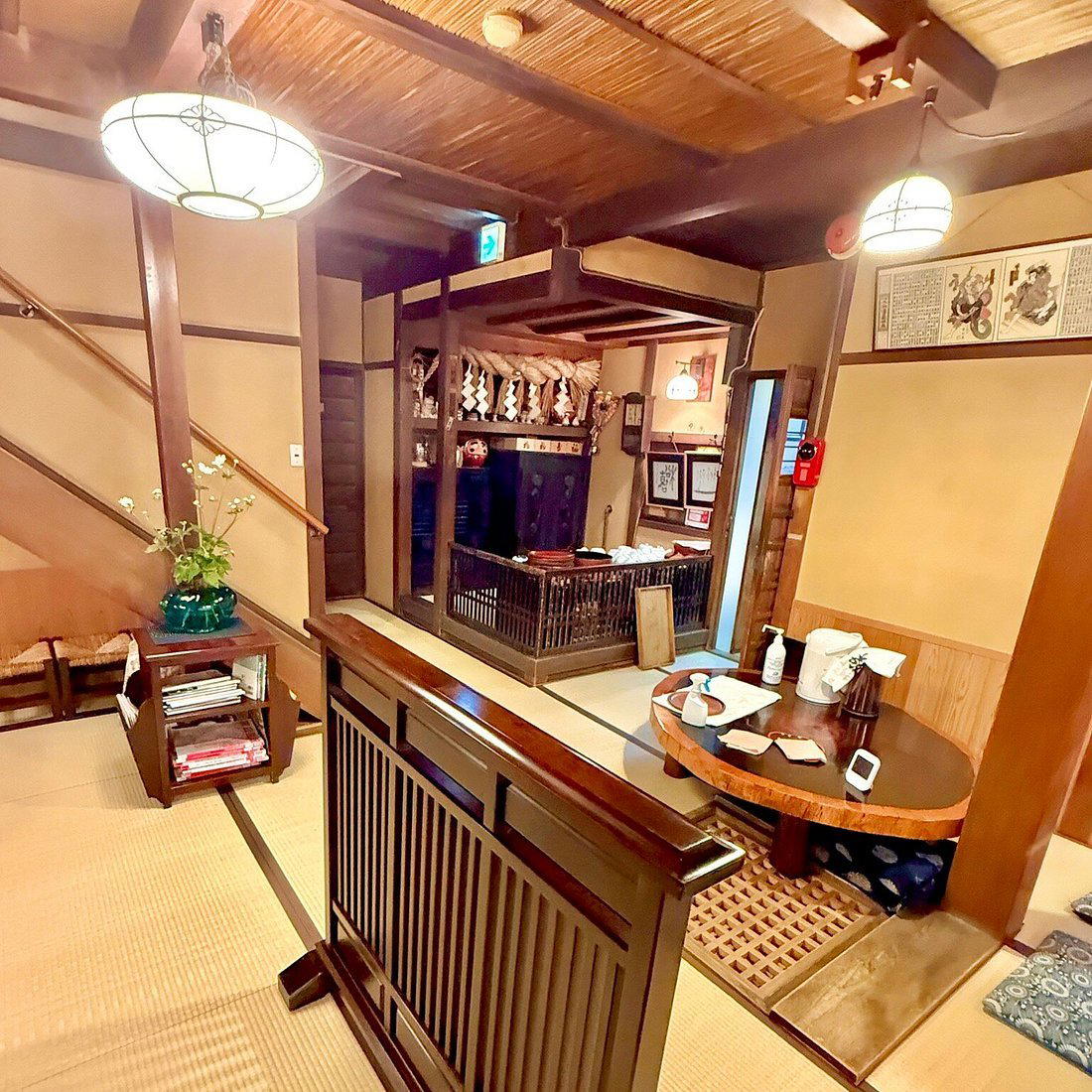
Compared with Matsumoto peers, the positioning is precise. Nomugi sits in a lower price band, while Soba Club Sasaki is listed higher. Coffee Marumo belongs to a different rhythm entirely, useful for the city’s kissaten culture rather than soba craft. That makes Sanjiro a middle-weight choice financially but a more disciplined one experientially. The room count reinforces the point: 20 seats, arranged across three four-person tables and one eight-person table, is small enough that table behaviour affects the meal.
The room rewards quiet, not performance
Japan’s serious noodle rooms often have their own etiquette, and this one is explicit. Photography is strictly prohibited, and phones, tablets, and PCs are also prohibited. That is not a cute retro affectation; it changes the meal. The absence of screen behaviour puts pressure back on pace, conversation, and the handling of the soba. It also means this is a poor fit for travellers who treat lunch as content capture. The stronger match is a small adult group, especially one willing to sit through a restrained format without asking the restaurant to become more flexible.
The sake note is also useful. Sake appears as a drinks focus, which places the meal in a familiar soba-house pattern: noodles first, alcohol as a supporting structure rather than a cocktail-bar detour. Matsumoto’s wider dining scene covers more than buckwheat, from the European-leaning cooking at Alpenrose and French Natural Restaurant SAI to the local Japanese register at Hikariya Higashi and the izakaya direction of Furin Kazan. Sanjiro’s value is different: it gives the city’s buckwheat tradition a concentrated reading.
The relocation note adds a useful historical wrinkle. The restaurant moved from Kojimachi in Chiyoda Ward in October 2006, which helps explain why it does not read as a purely local newcomer. Tokyo soba culture and Nagano soba culture are not interchangeable; the former often prizes urban polish and lineage, while the latter carries the authority of place and ingredient. In Matsumoto, that collision can be productive. The serious visitor is not coming for a broad regional survey, but for a narrow lesson in how cold soba can carry an entire meal.
How to place it within a Matsumoto itinerary
Timing is lunch-led, and the city rewards planning around that fact. A soba meal in Ote pairs naturally with a castle-quarter day rather than a late-night dining plan. Afterward, the old-city café register at Coffee Marumo offers a different view of Matsumoto’s preservation culture: wood, coffee, and slower afternoon pacing rather than noodle precision. Visitors building a fuller stay should pair the restaurant list with our full Matsumoto hotels guide, then use our full Matsumoto bars guide, our full Matsumoto wineries guide, and our full Matsumoto experiences guide to avoid treating the city as a single-meal stop.
For broader Japan planning, Sanjiro is a reminder that the country’s compelling meals are not always built around omakase counters or high-ticket dining rooms. The same itinerary logic can include beef-focused dining such as -Grilled beef Sukiyaki- KAMAKURA TANUKIAN 鎌倉 たぬき庵 in Kamakura, urban seafood grilling at. 鮪と炭火焼き うお炭 秋葉原店 in Tokyo, café stops like.cafe in Osaka, and regional cooking at.know in Kumamoto. Outside Japan, the comparison becomes even clearer: Jōdo Saké Bar in Los Angeles and Onigiri Time in Pasadena translate parts of Japanese food culture abroad, while (Shoku) Vietnam in Kawasaki and [Curry Senmon Ten] Maruyama Kyoju. in Sapporo show how specialised formats can carry a meal without menu sprawl.
The editorial call is simple: choose Sanjiro when the point of lunch is soba itself. The restaurant’s award history, single-course structure, small room, and device-free etiquette all point in the same direction. This is not the flexible option for mixed-age groups or travellers who want many dishes on the table. It is a controlled Nagano soba meal in Matsumoto, and that control is the reason to go.
Side-by-Side Snapshot
Comparable venues by cuisine and price in the same metro.
| Venue | Cuisine | Price | Awards | Notes |
|---|---|---|---|---|
| SanjiroThis venue — the venue you are viewing | Traditional Soba Set Menu | $$ | , | |
| Sake to yuki | Nagano Izakaya with Local Sake | $$ | , | Ōte |
| Furin Kazan | Shinshu izakaya with local sake | $$ | , | Chuo |
| Sushi Inukai | Edomae Omakase Sushi | $$$ | , | / Shimauchi |
| Sora-no-Kanata | Japanese Cuisine | $$$ | , | central |
| Kiku Zou | Seasonal Japanese & regional cuisine with horse sashimi and hot‑pot courses | $$$ | , | near Matsumoto Castle / Higashikouji |
Continue exploring
More in Matsumoto
Restaurants in Matsumoto
Browse all →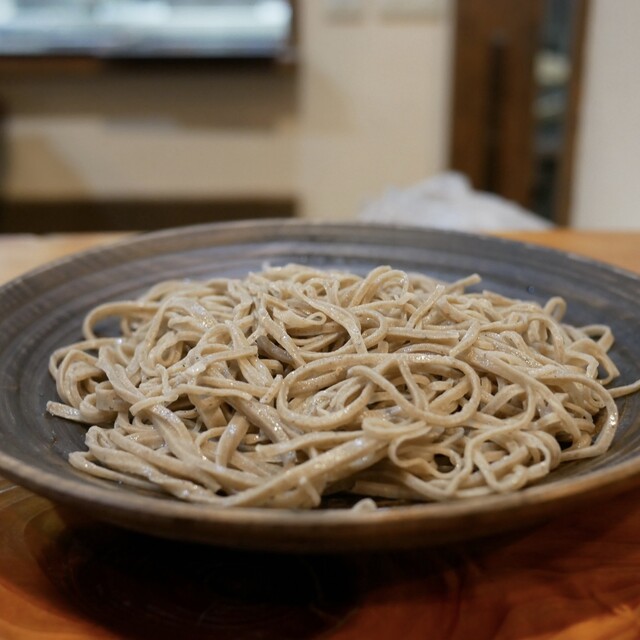
Hotels in Matsumoto
Browse all →
At a Glance
- Quiet
- Classic
- Cozy
- Hidden Gem
- Solo
- Date Night
- Family
- Casual Hangout
- Standalone
- Historic Building
- Sake Program
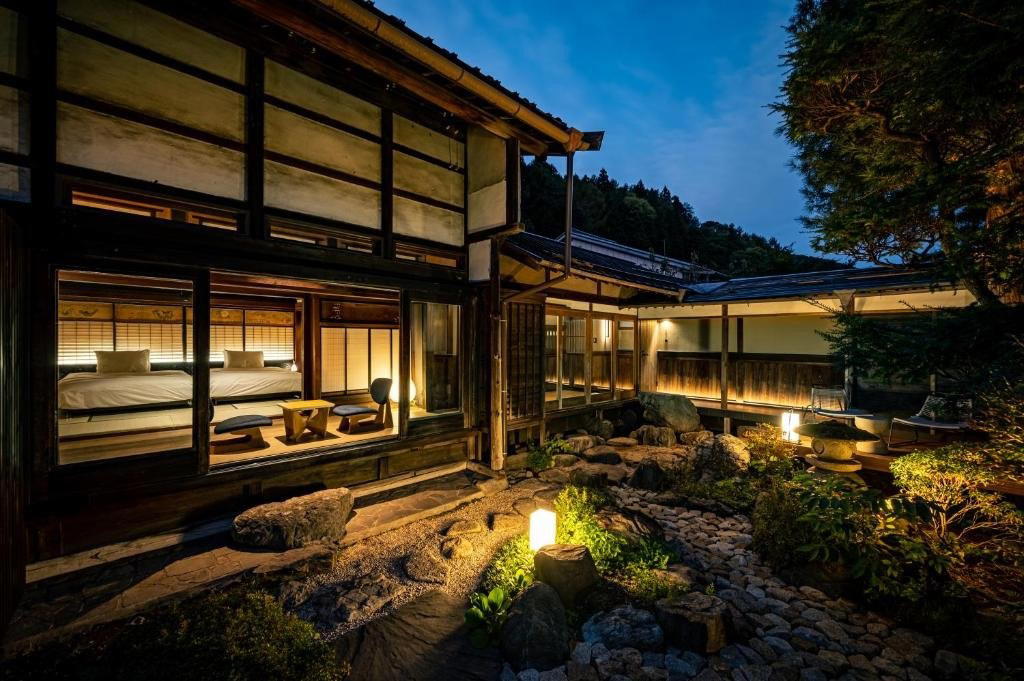
The atmosphere is calm and restrained, with a small tatami-style dining room, simple traditional decor, and a quiet, almost reverent mood that focuses attention on the soba rather than conversation or photography (which is prohibited).