
1 Michelin Key
Eight rooms added onto a celebrated destination restaurant on the shores of Ago Bay, Kashikojima operates at the intersection of French culinary tradition and Japanese rural hospitality. A Michelin 1 Key property (2024) with rates from $1,037 per night, it frames the famously winding Mie coastline through a Western aesthetic while maintaining the attentive, place-rooted ethos of a ryokan.

Pearl is the En Primeur Club membership app, where members save venues, book tables and use the concierge.
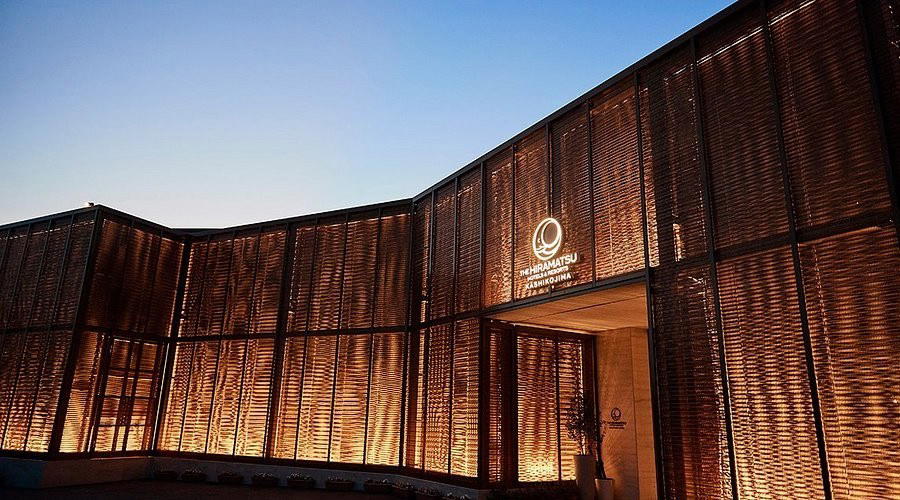
Where Ago Bay Does the Architecture
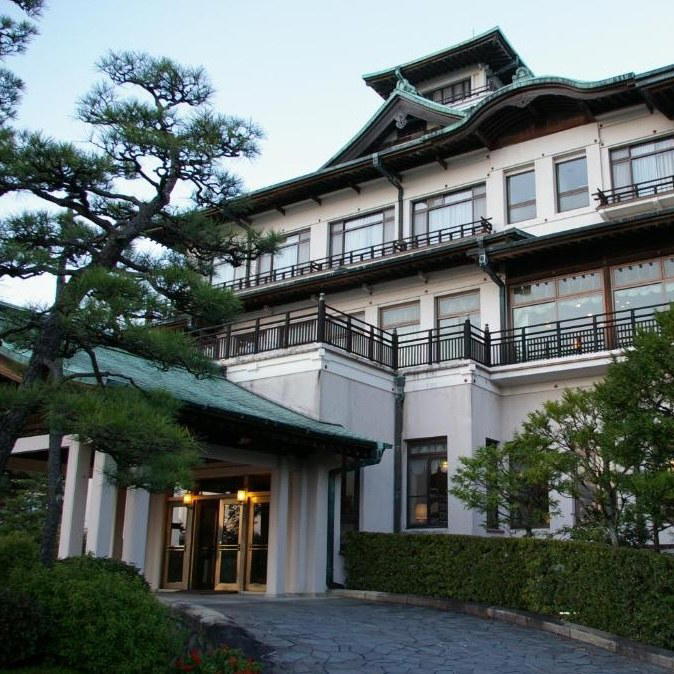
The most consequential design decision at this eight-room property on Kashikojima was not made by an interior decorator. It was made by geography. Ago Bay, one of the Mie Peninsula's most photographed natural formations, delivers its winding coastline, pearl-farm silhouettes, and shifting tidal light directly to the property's sightlines. The built environment here functions as a frame rather than a statement: a Western visual idiom applied with enough restraint that the bay remains the dominant presence in every room, every corridor, every approach. That is a harder editorial trick to pull off than it sounds, and the fact that it works is what places this property in a different register from most coastal retreats in the region.
The concept the Hiramatsu group describes as a "western ryokan" is now a recognisable format in Japan's premium accommodation sector. Properties like Gora Kadan in Hakone and Asaba in Izu have long demonstrated that Japanese hospitality traditions do not require tatami-and-shoji aesthetics to remain intact. What the western ryokan format tests is whether the underlying philosophy, attentiveness calibrated to the individual guest, an orientation toward the surrounding landscape, a pace that resists urgency, survives the visual translation. At Kashikojima, the answer appears to be yes, as confirmed by its Michelin 1 Key designation in 2024, the guide's recognition of hotels that deliver exceptional hospitality rather than merely comfortable accommodation.
Eight Rooms, One Bay
Scale is worth dwelling on. Eight rooms is not a marketing positioning; it is a structural commitment to a certain kind of guest experience. At this count, the ratio of staff to guest approaches something closer to a private house than a hotel, and the logistical decisions that fill larger properties, managing peak-period bottlenecks at breakfast, coordinating spa timing across dozens of guests, largely disappear. Japan has refined the small-count ryokan model over centuries, and properties operating in this register, from Zaborin in Kutchan to Araya Totoan in Kaga, share the understanding that scarcity of rooms is not a constraint but a design parameter.
At rates from $1,037 per night, Kashikojima prices in line with the upper bracket of Japan's design-led small hotels. That figure is comparable to other Michelin Key properties in rural Mie and neighbouring prefectures, including Amanemu, which sits within the same Ise-Shima National Park region. The difference in competitive positioning is format: where Amanemu operates as a destination spa resort with broader programming, Kashikojima anchors its identity to a destination restaurant, using the accommodation to extend a dining occasion into a full overnight experience.
The Spa and the Sea
The spa's thalasso pool, filled with seawater drawn from the waters around Kashikojima, is the clearest expression of the property's relationship with its location. Thalassotherapy as a format has deeper roots in the French coastal spa tradition than in Japanese onsen culture, which makes its appearance here a purposeful signal about the property's hybrid register. It also requires proximity to genuinely clean coastal water, which Ago Bay, sheltered, tidal, relatively protected from industrial run-off by its geography, provides.
Select rooms at Kashikojima include private spring-fed baths, which places them in a tier occupied by some of Japan's most sought-after onsen accommodation. Properties like Nishimuraya Honkan in Kinosaki-cho, Bettei Otozure in Nagato, and Beniya Kofuyuden in Awara have established that the private in-room bath is among the most prized features in Japanese premium accommodation, not for ostentation but for the control it gives over timing, temperature, and solitude. At Kashikojima, these rooms represent the more immersive choice within an already intimate property.
The Restaurant as Foundation
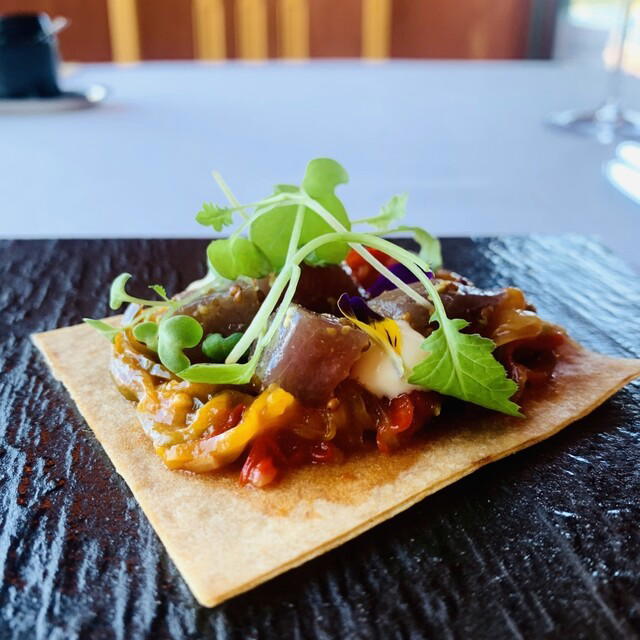
The accommodation at Kashikojima was added to an existing destination restaurant, and that sequencing matters. The kitchen is not the hotel's amenity; the hotel is the kitchen's extension. This is a format that Japan's culinary geography has produced before: a restaurant of sufficient draw that guests travel significant distances and require somewhere to stay, at which point the accommodation becomes the natural next step. The result is a property whose food program carries genuine conviction rather than the completeness-by-obligation that hotel dining so often produces.
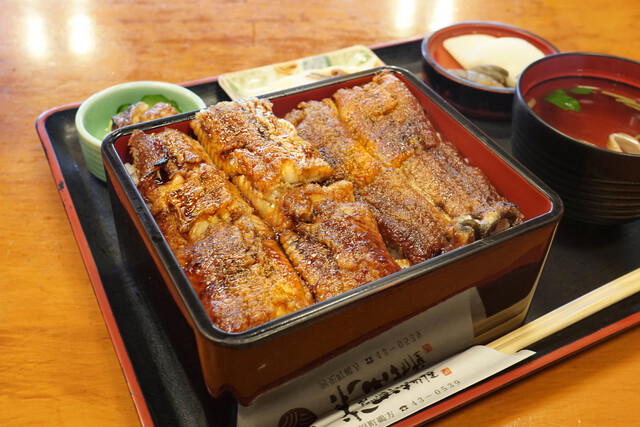
French culinary tradition applied to Shima's coastal ingredients is a combination that makes geographic sense. Mie Prefecture is one of Japan's most productive seafood regions, supplying pearl oysters, spiny lobster, abalone, and fish from the Kuroshio-influenced waters of the Kii Peninsula coast. French technique, with its emphasis on extraction, reduction, and fat-based enrichment, engages differently with these ingredients than Japanese methods, and the contrast is precisely the point. This kind of cross-traditional cooking is now a recognised discipline in Japan's premium restaurant sector; for broader context on the dining scene in the region, see our full Shima restaurants guide.
At eight rooms, the reviewer base is small and largely self-selecting: guests who make the journey to Kashikojima have already opted into the format. That the score holds at 4.6 nonetheless suggests consistent delivery.
Getting to Kashikojima
Kashikojima sits at the far end of the Kintetsu Shima Line, the private railway that runs from Nagoya and Osaka through the Ise-Shima peninsula. The terminus station is Kashikojima, which places the property within reach of both cities without requiring a car, though the drive along the peninsula's coastal roads adds its own logic to the approach. The Ise-Shima region is most visited in spring and autumn, when the light on Ago Bay is at its most legible and the seafood calendar is at its fullest, but the property's small scale means availability is constrained year-round rather than seasonally. Advance planning is advisable regardless of when you intend to travel.
Benesse House in Naoshima, Azumi Setoda in Onomichi, and ENOWA Yufu in Yufu represent comparable commitments to place, scale, and program integrity. Further afield, Fufu Kawaguchiko, Fufu Nikko, Jusandi in Ishigaki, Halekulani Okinawa, Sekitei in Hatsukaichi, Bettei Senjuan in Minakami, Atami Izusan Karaku, and ANA InterContinental Beppu Resort and Spa round out the broader category of Japanese properties where landscape, hospitality, and a clearly defined food program reinforce each other.
For those travelling from Tokyo with an urban luxury baseline, Bvlgari Hotel Tokyo and HOTEL THE MITSUI KYOTO represent the metropolitan end of Japan's premium accommodation spectrum. International comparisons might extend to Aman Venice, Aman New York, or The Fifth Avenue Hotel for readers calibrating the format against global peers.
A Quick Peer Check
Comparable venues nearby, for context on price, style, and recognition.
| Venue | Cuisine | Price | Awards | Notes |
|---|---|---|---|---|
| The Hiramatsu Hotels & Resorts KashikojimaThis venue (the venue you are viewing) | European ryokan with simple modern decor reflecting sacred natural location | $750–1,000 | 1 Michelin Key | Not listed |
| Amanemu | Modern ryokan-inspired luxury resort blending contemporary architecture with traditional Japanese tranquility | Not listed | 3 Michelin Keys · La Liste Top Hotels | Ise Shima National Park |
| TIAD, Autograph Collection | Contemporary luxury boutique hotel with Biophilia Nest design philosophy integrating natural elements and Japanese cultural aesthetics into modern architecture. | $1–100 | 1 Michelin Key | Naka |
| Wanosato | traditional Gassho-zukuri ryokan | $500–750 | 1 Michelin Key | Takayama-shi |
| Fufu Nara | Contemporary luxury resort blending modern comfort with traditional Japanese design, featuring natural materials and local artisanal craftsmanship throughout. | $750–1,000 | 1 Michelin Key | Nara |
| Six Senses Kyoto | Modern luxury ryokan-inspired with Heian period reinterpretations and Tale of Genji folklore. | $1,000–1,500 | 1 Michelin Key · Mr & Mrs Smith Seal of Approval | Higashiyama |
Recognition history
Dated appearances from independent guides and award organizations, with the underlying list record or original source where available.
Michelin 1 Key
Michelin
Full recognition history (3 entries)
Michelin 1 Key
Michelin
Michelin 1 Key
Michelin
Continue exploring
More in Shima
Hotels in Shima
All hotels in Shima →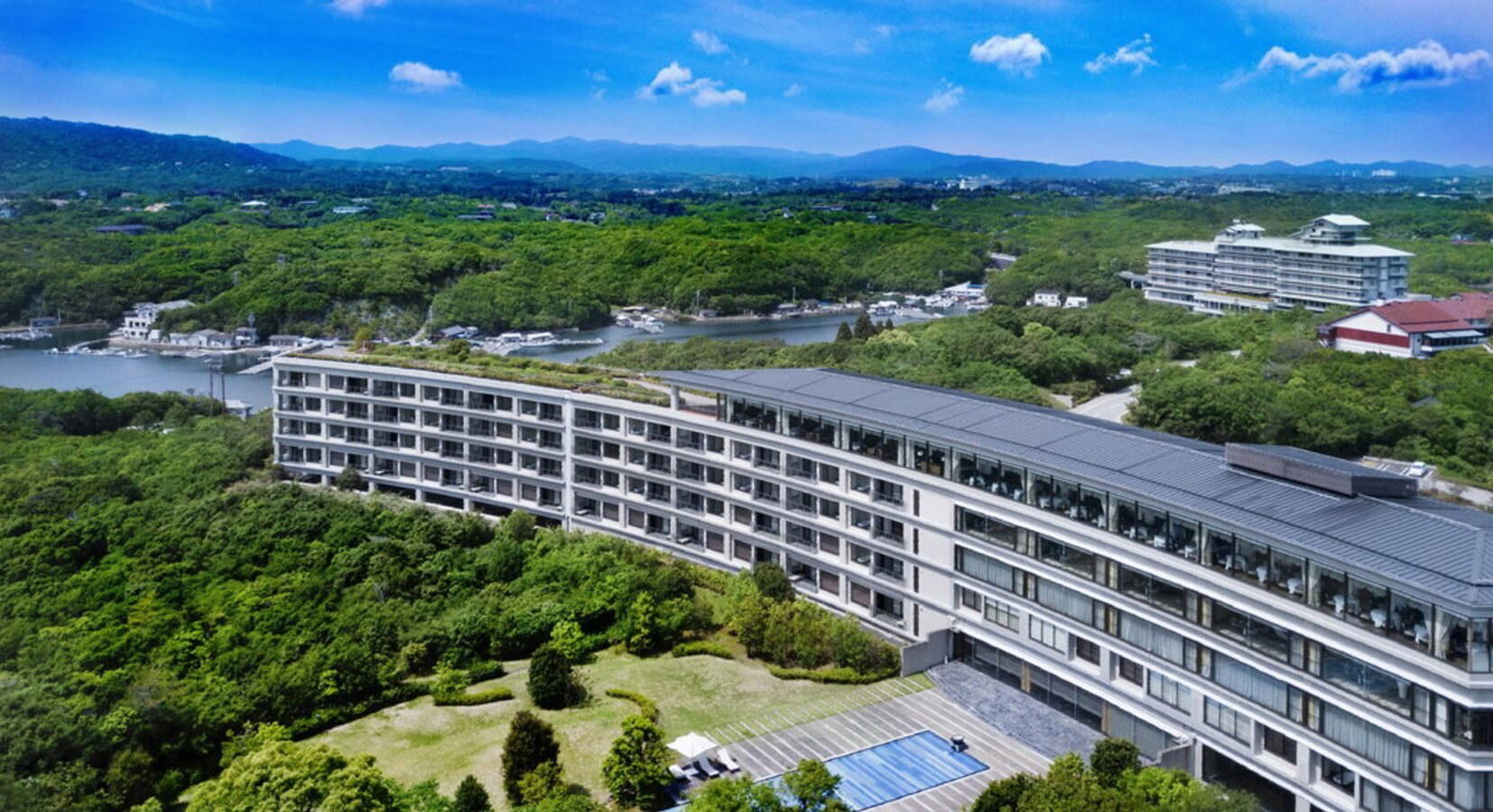
Details
- Elegant
- Scenic
- Sophisticated
- Quiet
- Intimate
- Honeymoon
- Romantic Getaway
- Anniversary
- Wellness Retreat
- Panoramic View
- Private Villa
- Waterfront
- Terrace
- Spa
- Room Service
- Concierge
- Wi Fi
- Restaurant
- Massage
- Valet Parking
- Pool
- Waterfront
- Step Free Entrance
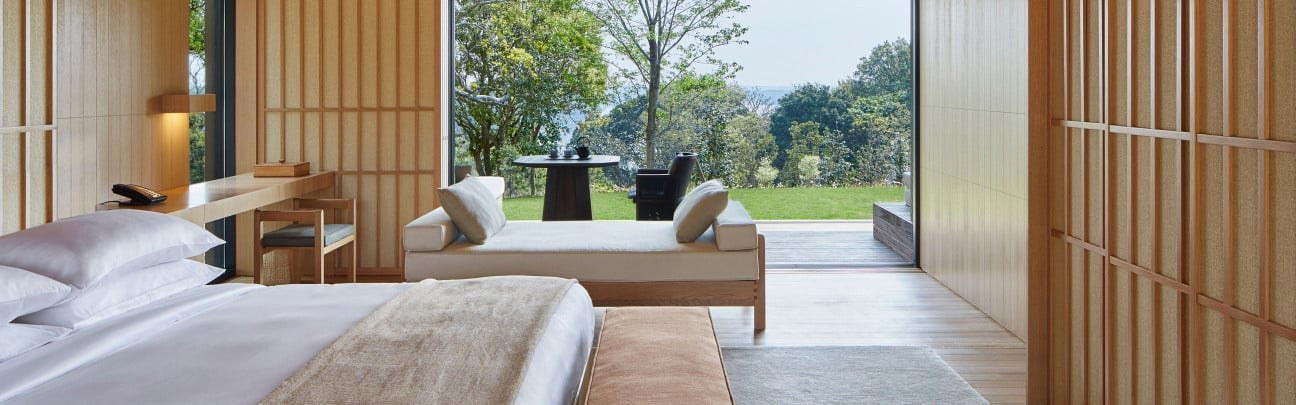
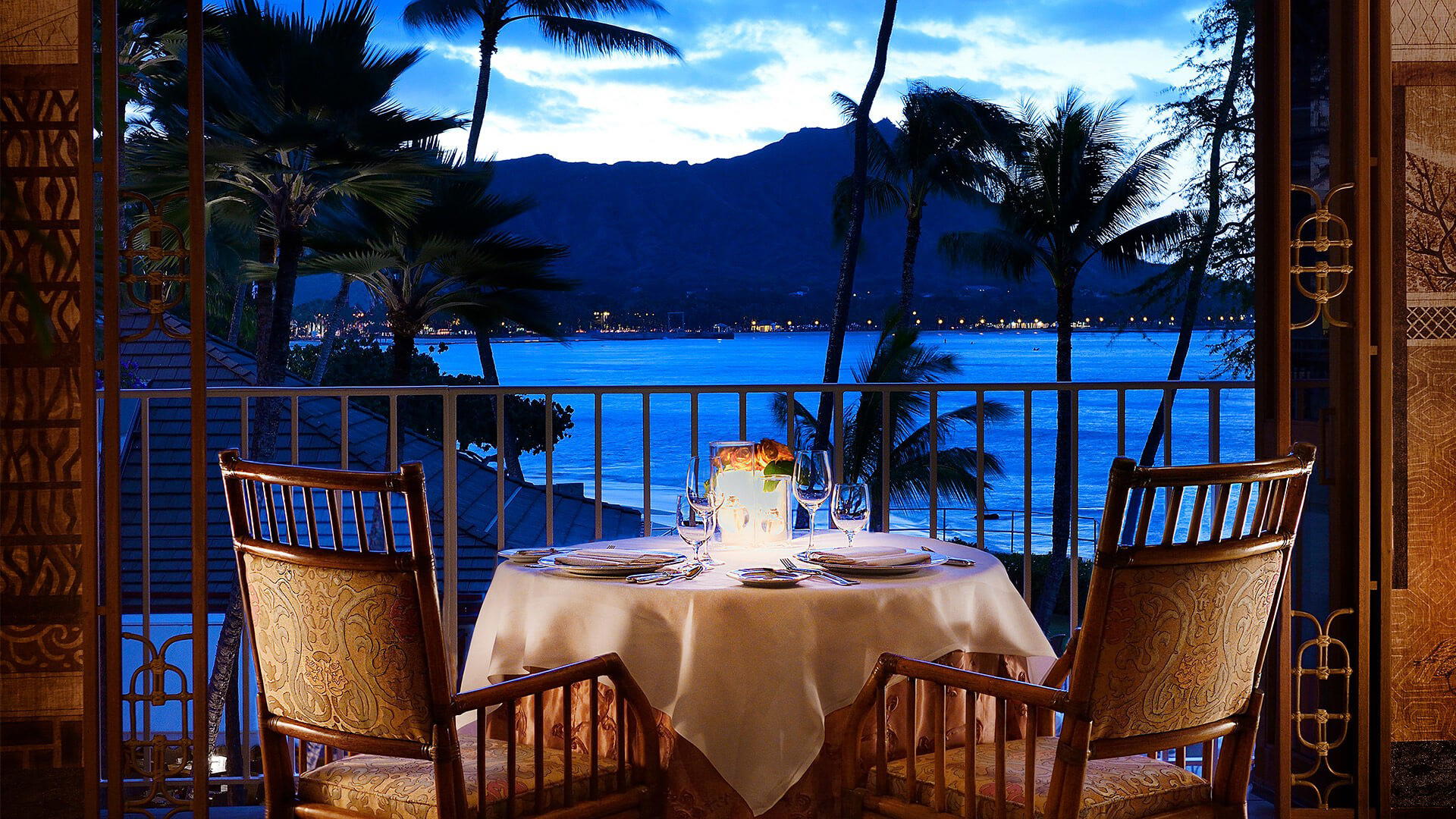
Calm and restful with warm wood interiors, soft natural light from floor-to-ceiling windows framing Ago Bay views, and a serene, sacred atmosphere enhanced by contemporary art and Japanese paintings.