
Michelin Selected
Selected by the Michelin Guide Hotels 2025, Gamagori Classic Hotel occupies a coastal position in Gamagori, a small city on Mikawa Bay in Aichi Prefecture. The property sits within a tier of Japanese hotels where architectural heritage and bay-facing setting carry more weight than brand affiliation. For travellers approaching from Nagoya, it represents a measured step outside the major city circuit.

Pearl is the En Primeur Club membership app — saves, bookings, and concierge access live there. Same editors, same standards.
- Address
- Japan, 〒443-0031 Aichi, Gamagori, Takeshimacho, 15−1 ホテル本館 2階
- Phone
- +81 533-68-1111
- Website
- gamagori-classic-hotel.com
- Directions
- Get directions
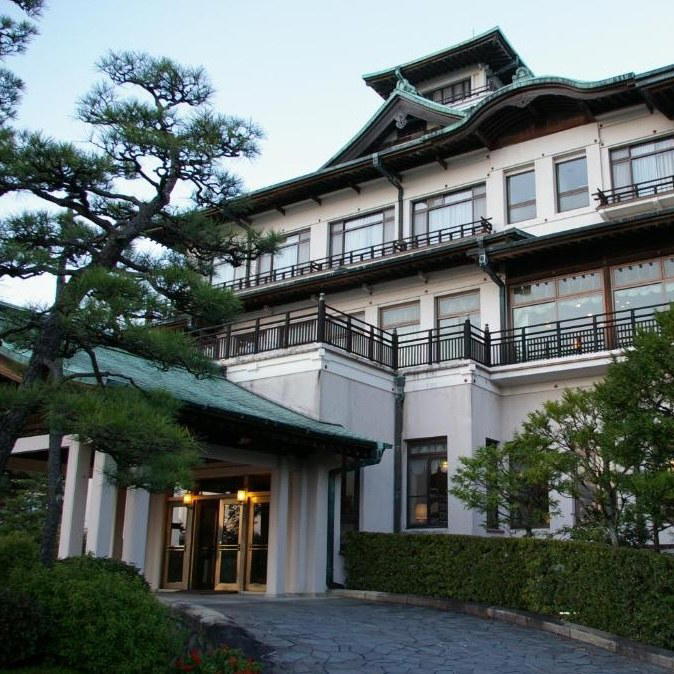
A Coastal Hotel in the Classical Japanese Tradition
Japan's premium hotel market has fractured in predictable ways. On one end sit the international luxury brands anchored in Tokyo and Osaka, properties like Bvlgari Hotel Tokyo that compete on metropolitan address and international recognition. On the other end, a quieter tier of regionally significant hotels holds its ground through architectural character, local setting, and a guest relationship with place rather than with a brand. Gamagori Classic Hotel belongs to that second category: a Michelin Selected property in a small coastal city that most international itineraries skip entirely.
Gamagori sits on Mikawa Bay in Aichi Prefecture, roughly 60 kilometres southeast of Nagoya by rail or road. The bay is sheltered, the light different from the Pacific-facing coasts further south. It is the kind of setting that rewards travellers who have already visited Kyoto's celebrated ryokan circuit — properties like HOTEL THE MITSUI KYOTO — and are now searching for something with less foot traffic and more regional specificity.
Architecture as the Argument
The name signals the intent clearly. In Japan, the word "classic" attached to a hotel does real architectural work: it typically indicates a building from the Meiji or Taisho era, or a deliberate stylistic reference to that period, when Western structural forms were absorbed into Japanese institutional buildings in ways that produced something genuinely hybrid. That era of Japanese architecture carries a specific visual grammar, symmetrical facades, pitched roofs adapted from European prototypes, covered entrance drives, that sits in obvious contrast to the spare minimalism of contemporary ryokan design.
That heritage register matters when placing Gamagori Classic Hotel in its peer context. The property is not competing with the stripped-concrete-and-cedar aesthetic of Zaborin in Kutchan or the art-integrated approach of Benesse House in Naoshima. Its architectural identity is more legible through comparison with properties like Gora Kadan in Hakone or Nishimuraya Honkan in Kinosaki-cho, places where the physical structure is a primary reason for the visit, and where that structure connects guests to a period of Japanese cultural history that newer builds cannot replicate.
Classical-era hotels in Japan also tend to hold a particular relationship with their sites. They were often sited deliberately for views, for proximity to significant landscapes, or for access to thermal or coastal resources that gave them civic as well as commercial importance. In Gamagori's case, the bay setting and the presence of Takeshima Island, accessible on foot via a causeway, provide that sense of locational purpose. The address on Takeshima-cho places the hotel in the immediate vicinity of this landmark, which has defined Gamagori's identity as a resort destination since the Meiji period.
Michelin Selection and What It Implies
The Michelin Guide Hotels programme, which expanded its Japan coverage significantly in recent years, applies selection criteria that emphasise quality of experience over scale or international brand recognition. A Michelin Selected designation, as carried by Gamagori Classic Hotel in the 2025 guide, places the property in a category that includes some of Japan's most considered smaller hotels alongside a handful of larger classical properties. It is a curatorial signal rather than a star rating, but it carries weight precisely because the Michelin team evaluates properties across categories that include comfort, atmosphere, and the coherence of the guest experience.
In a regional city like Gamagori, that designation does specific work. Travellers who use Michelin's hotel selections as a planning filter, particularly those moving through Japan's secondary cities in Aichi, Shizuoka, or Mie, will find Gamagori Classic Hotel appearing alongside properties like Amanemu in Mie and Asaba in Izu, two properties that anchor their respective coastal regions in a comparable way.
Placing Gamagori in a Broader Japanese Hotel Circuit
Japan's regional hotel network rewards sequential travel. The country's rail infrastructure makes it possible to move between quite different environments in short journeys, and the pattern of premium hotels along the coastal and mountain corridors radiating from Nagoya is well established. From Gamagori, the Ise-Shima coast, home to Amanemu, is accessible in under two hours. The Izu Peninsula, with Asaba and Atami Izusan Karaku, sits to the northeast.
For travellers building a Japan itinerary around architectural heritage and coastal settings rather than metropolitan dining and shopping, a circuit anchored in properties like Fufu Nikko, Fufu Kawaguchiko, and Satoyama-Jujo in Niigata has genuine internal logic. Gamagori Classic Hotel fits that circuit as the Aichi node, giving travellers a way into a prefecture better known for its automotive industry than its hospitality heritage.
For context at the international scale, the classical grand hotel tradition that Gamagori Classic Hotel represents has clear equivalents: Badrutt's Palace Hotel in St. Moritz and Hôtel de Paris Monte-Carlo both occupy a similar position in their respective resort traditions, buildings whose age and architectural identity are part of what the guest is purchasing. The comparison is not about price tier or service model; it is about the specific kind of cultural weight that only accumulates over decades of continuous operation in a significant setting.
Planning Your Visit
Gamagori is served by the Tokaido Main Line and the Aichi Loop Railway, with connections from Nagoya at Okazaki or Toyohashi. The journey from Nagoya takes approximately 45 to 60 minutes by local train, making the hotel viable as a one- or two-night extension from the city rather than a standalone destination requiring a long detour. The bay area sees its most active visitor period in warmer months, when the island shrine at Takeshima draws day visitors from across the region, so guests seeking a quieter experience with greater room to move through the property and its surroundings may prefer the shoulder season in late autumn or early spring.
For specific room categories, rates, and current availability, direct contact with the hotel is the appropriate step. The Michelin Guide listing at guide.michelin.com carries current information. Travellers planning a wider regional stay can also reference our full Gamagori guide for additional context on the city and its dining options.
How It Stacks Up
Comparable venues nearby, for context on price, style, and recognition.
| Venue | Cuisine | Price | Awards | Notes |
|---|---|---|---|---|
| Gamagori Classic HotelThis venue — the venue you are viewing | Classic heritage hotel with castle-like architecture and large gardens | $200–300 | Michelin Selected | Not listed |
| Tsuruko | Traditional Japanese ryokan with contemporary hospitality standards | $200–300 | 1 Michelin Key | Downtown Kanazawa |
| Mitsui Garden Hotel Ginza Premier | Modern luxury tower hotel polished above Ginza with panoramic city views. | $200–300 | Michelin Selected | Ginza |
| Node Hotel | Contemporary boutique hotel inspired by a private art collector's residence, blending hospitality with curated contemporary art. | $100–200 | Michelin Selected | Shijo Nishinotoin, Nakagyo-ku |
| 別邸仙寿庵 | Modern luxury ryokan fusing contemporary architecture with traditional Japanese hospitality | Not listed | Not listed | Tanigawa |
| Gosoku no Kutsu | Traditional Japanese ryokan with detached villas | $200–300 | Michelin Selected | Asakusa-machi |
Recognition history
Dated appearances from independent guides and award organizations, with the underlying list record or original source where available.
Michelin Selected
Michelin
Continue exploring
More in Gamagori
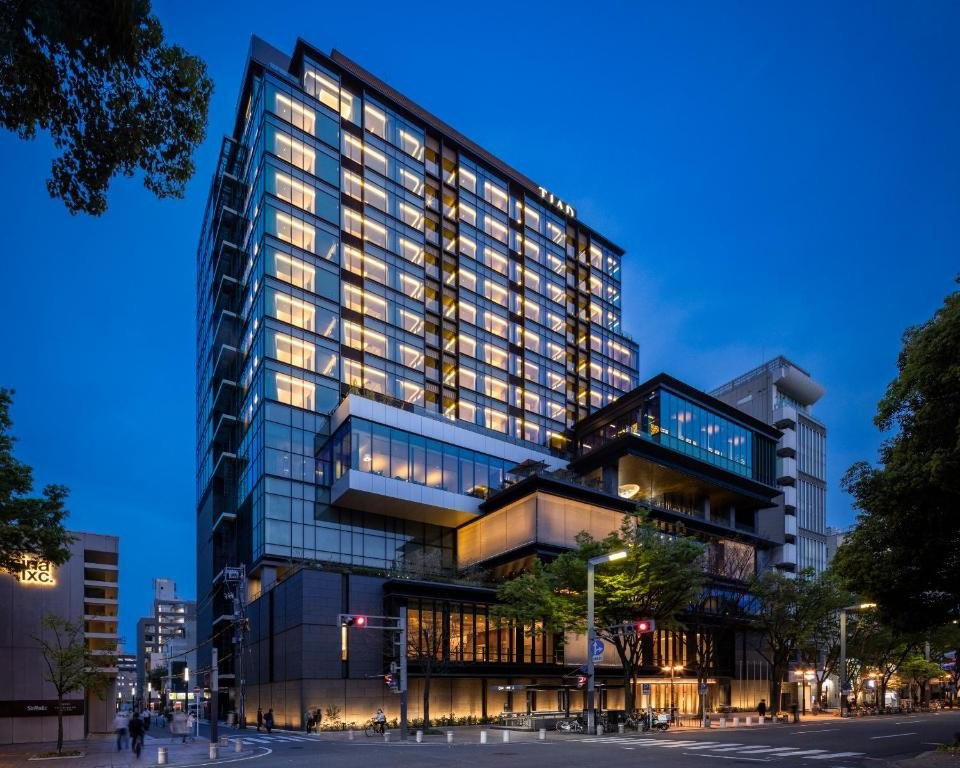
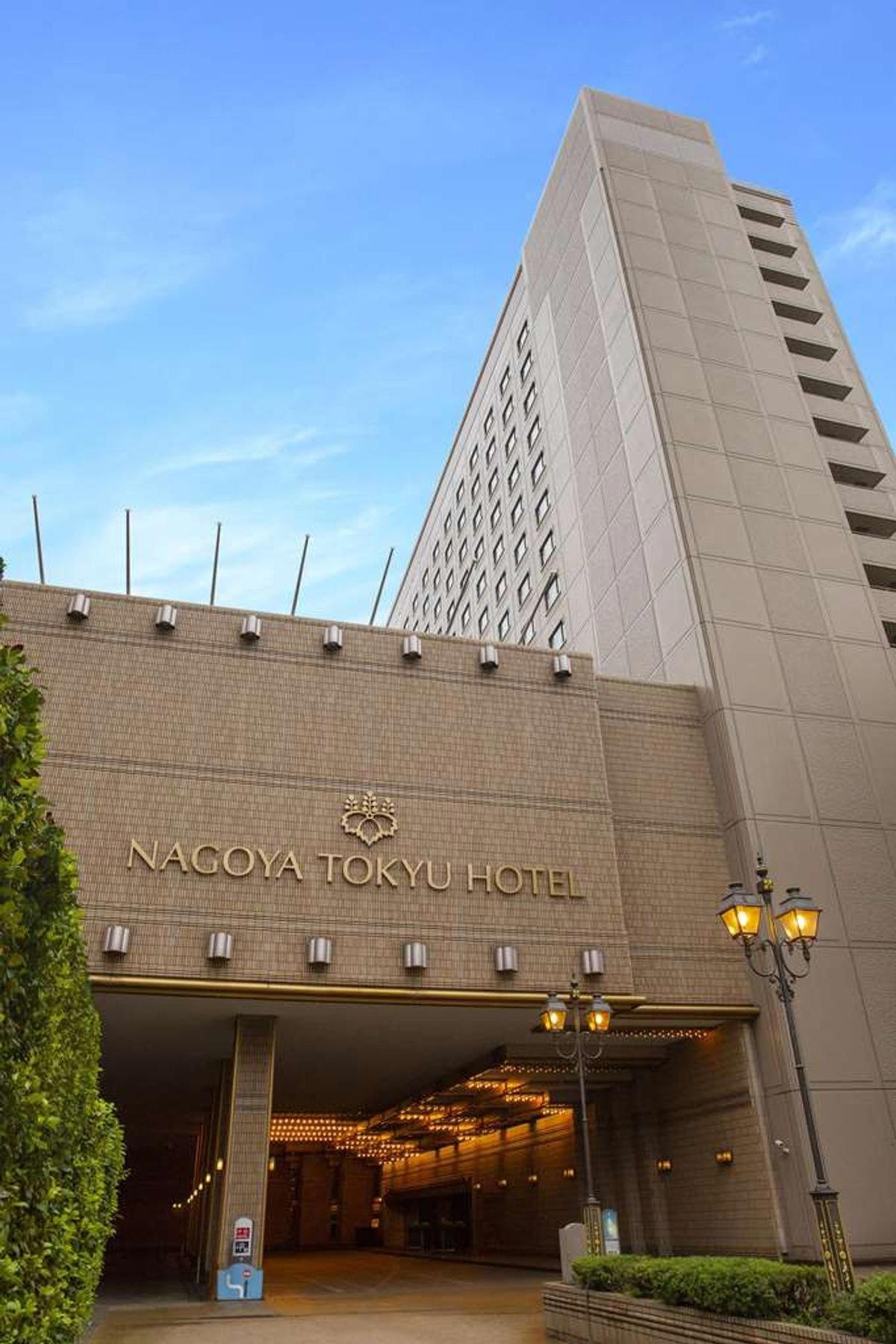
Hotels in Gamagori
Browse all →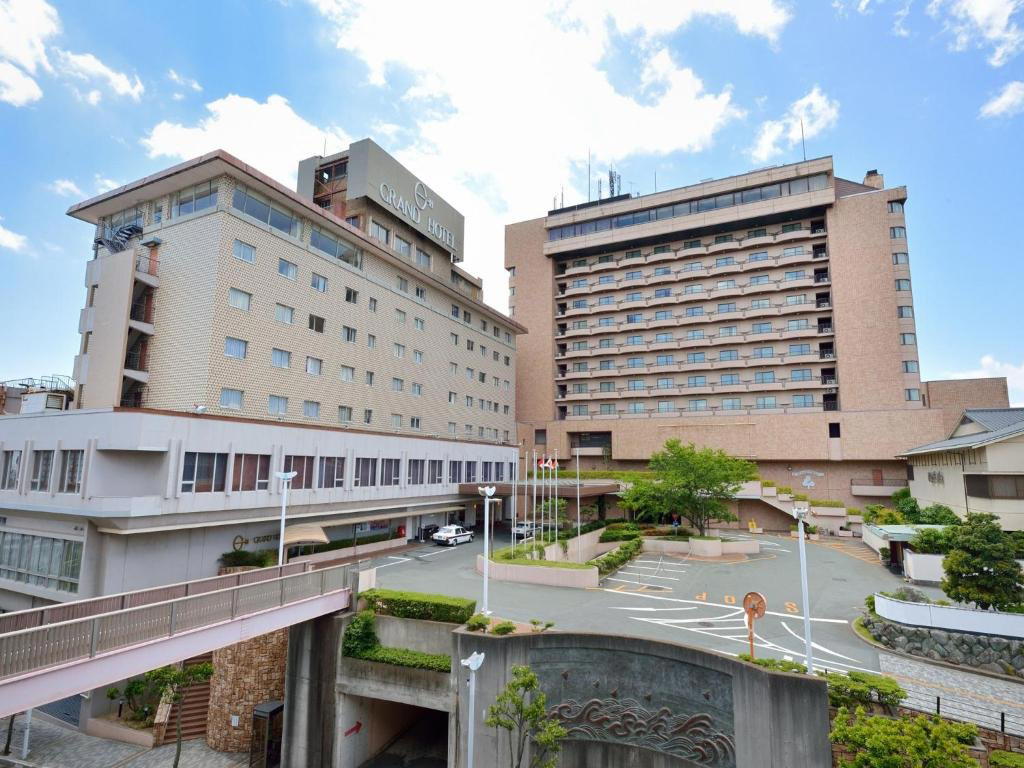

Bars in Gamagori
Browse all →
Restaurants in Gamagori
Browse all →
Details
- Classic
- Elegant
- Scenic
- Quiet
- Historic
- Romantic Getaway
- Anniversary
- Weekend Escape
- Waterfront
- Historic Building
- Panoramic View
- Garden
- Terrace
- Wi Fi
- Room Service
- Concierge
- Garden
- Waterfront
- Mountain
- Wheelchair Accessible
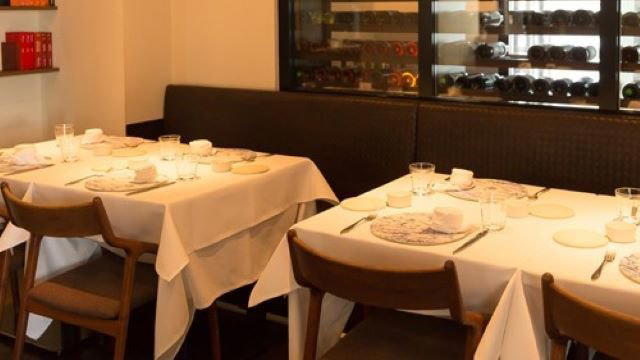
Serene and tranquil with preserved Art Deco elements like chandeliers, offering panoramic sea views and a regal, elegant atmosphere.