
Isuzugawa Cafe makes sense as a quiet Ise stop rather than a destination meal: a kissa-style café in Okage Yokocho, close to the river and shaped by coffee, sweets, and short daytime pauses. Its 2025 Tabelog 100 Cafe WEST selection gives it more credibility than the average shrine-area refreshment stop, while the mood stays casual and low-cost.
Pearl is the En Primeur Club membership app — saves, bookings, and concierge access live there. Same editors, same standards.
- Address
- 12 Ujinakanokiricho, Ise, Mie 516-8558, Japan
- Phone
- +81 596-23-9002
- Website
- okageyokocho.com
 Saves & bookings on Pearl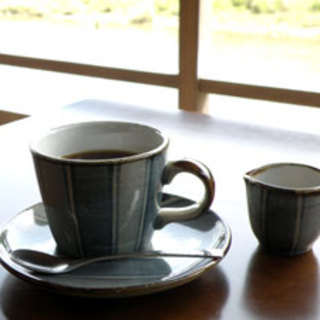
The approach to Ise’s shrine district changes the scale of appetite. Around Okage Yokocho, eating is often brief, local, and threaded between walking, prayer, souvenir buying, and the slow pull of the Isuzugawa River. In that setting, the café format has a specific role: it is not trying to compete with a full lunch counter or a formal sweets house. It gives the day a pause, preferably with coffee, something sweet, and enough quiet to reset before the next lane fills again.
Isuzugawa Cafe belongs to that Ise rhythm. Its identity sits between café and kissa, the Japanese coffee-shop tradition where the room matters as much as the order. The Tabelog 100 Cafe WEST 2025 selection places it in a stronger regional bracket than the average tourist-path stop, but the appeal is less about ceremony than fit. This is a 27-seat café in a town where food often works in compact portions and short stops, and that size keeps the experience closer to a neighbourhood room than a high-volume rest point.
Coffee and sweets in a town built around short pauses
Ise’s food culture around the Naiku approach is unusually compressed. Visitors may move from red-bean sweets at Akafuku Honten to beef croquettes or sukiyaki-leaning comfort food at butasute Wakayanagi, then onward to casual counters such as Gyoza no Misuzu. The café category has to work differently from those stops. It is about pacing: a drink, a sweet, a chair, and a view, not a table held for a long meal.
The sourcing angle here is simple but important. The café’s stated focus is coffee brewed from selected beans, with traditional cloth-filter preparation, alongside homemade cakes. In a shrine-town setting, that matters because so much visitor-facing food can become portable and repetitive. Cloth-filter coffee belongs to an older Japanese coffee culture, slower than machine espresso and less theatrical than contemporary pour-over counters. It suits a room where the point is not novelty but control: extraction, texture, and a softer landing after walking through the district.
That places the café closer to the kissa lineage than to the newer dessert-café model found across Japan’s larger cities. A city café might chase seasonal parfaits, designer interiors, or a queue built on one photogenic item. Ise’s stronger café stops tend to work when they respond to the local day: morning arrivals, shrine traffic, families, solo visitors, and the need for a calm seat near the river. Isuzugawa Cafe’s recognition on Tabelog’s 2025 Cafe WEST list confirms that this modest format can still earn regional attention when the basics are handled with care.
Okage Yokocho rewards restraint more than spectacle
Okage Yokocho is not a neutral backdrop. It shapes how restaurants and cafés are read. The district’s recreated Edo- and Meiji-period atmosphere encourages small-scale eating, local sweets, tea, coffee, and casual meals rather than long tasting formats. In that context, the café’s river-facing character and house-restaurant feel are not decorative extras; they are part of the reason the stop works. A café here needs to absorb foot traffic without feeling like a transit lounge.
The comparison set in Ise is revealing. Ace Burger Cafe points toward a more contemporary casual-café appetite, while Ichigetsu Ya sits in the broader local dining map rather than the coffee-and-cake lane. Isuzu Chaya Honten, Akafuku Honten, and similar sweets-led names carry a more explicit confectionery association. Isuzugawa Cafe occupies the softer middle ground: coffee-led, sweet-friendly, relaxed, and useful when the day calls for a seated break rather than another specialist food queue.
The room format supports that role. Counter seating, tatami space, and an open terrace give different kinds of visitors different ways to use the café, from solo coffee to family pause. Children are welcome, take-out is available, and pets are allowed outside only, which fits the mixed visitor pattern of the shrine district. The non-smoking interior is another practical distinction in a traditional café category that, in Japan, has not always been smoke-free.
For travellers building an Ise eating day, the mistake is treating every stop as a headline meal. The sharper approach is to alternate categories: a local sweet, a café pause, a casual savoury stop, then dinner elsewhere. For wider planning, Our full Ise restaurants guide maps the city’s dining range, while Our full Ise hotels guide, Our full Ise bars guide, Our full Ise wineries guide, and Our full Ise experiences guide help separate shrine-area convenience from the rest of the trip.
How to read this café against Japan's broader casual dining map
Japan’s casual dining range is wide enough that a small Ise café should not be judged by the same criteria as an urban specialist counter. A coffee stop in Okage Yokocho has a different job from.cafe in Osaka,.know in Kumamoto, or a city-format restaurant such as. 鮪と炭火焼き うお炭 秋葉原店 in Tokyo. The useful question is not whether it offers a destination tasting experience. It is whether it improves the middle of an Ise day.
On that measure, the evidence is clear enough. The café has been open since 2007, operates in the coffee-shop category rather than a broader restaurant category, and earned a 2025 regional café selection from Tabelog. It is small, daytime-oriented, and built for a pause rather than a long sitting. That gives it a cleaner purpose than many visitor-area cafés, especially in a town where the difference between a worthwhile rest stop and a forgettable one can define the pace of the afternoon.
Travellers comparing Japanese casual formats can place it beside different examples: beef-led dining at -Grilled beef Sukiyaki- KAMAKURA TANUKIAN 鎌倉 たぬき庵 in Kamakura, Vietnamese cooking at (Shoku) Vietnam in Kawasaki, curry specialization at [Curry Senmon Ten] Maruyama Kyoju. in Sapporo, or Japanese drinking-food culture abroad at Jōdo Saké Bar in Los Angeles and Onigiri Time in Pasadena. The Ise café belongs to a quieter category, but that is exactly why it earns its place: coffee, sweets, river proximity, and a room calibrated for the spaces between larger meals.
At-a-Glance Comparison
Comparable venues by cuisine and price in the same metro.
| Venue | Cuisine | Price | Awards | Notes |
|---|---|---|---|---|
| Isuzugawa CafeThis venue — the venue you are viewing | Japanese Café | $$ | , | |
| Ichigetsu Ya | Traditional Japanese Izakaya & Seafood | $$ | , | Miyamachi |
| Sazanami Ise ten | Japanese fried shrimp & seafood | $$ | , | Jinkyu |
| Akafuku Honten | Traditional Japanese sweets & tea house | $ | , | Oharaimachi |
| Ace Burger Cafe | American-style Burger Cafe | $ | , | .null |
| Mukai Sake no Mise | Seafood-focused Japanese izakaya with strong sake program | $$ | , | Miyago, Ise |
Continue exploring
More in Ise
Restaurants in Ise
Browse all →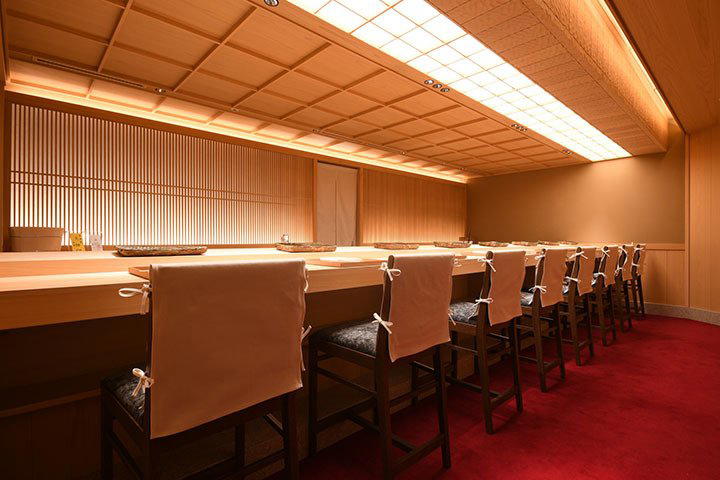
At a Glance
- Scenic
- Quiet
- Classic
- Cozy
- Hidden Gem
- Solo
- Casual Hangout
- Family
- Brunch
- Waterfront
- Historic Building
- Standalone
- Beer Program
- Local Sourcing
- Waterfront
Calm, traditional, and scenic, with a relaxing atmosphere centered on river views and a leisurely coffee break.