

Michelin Selected · Small Luxury Hotels of the World Member
The site of Japan's 2016 G7 Summit, Shima Kanko Hotel The Bay Suites occupies a water-side position on the Ago Bay peninsula in Mie Prefecture, combining two celebrated restaurants and Japan's first Clarins spa within a property whose architecture frames the sea at every turn. The rooms are the argument: every guest receives treatment that positions the hotel firmly inside Japan's premium resort tier.

Pearl is the En Primeur Club membership app — saves, bookings, and concierge access live there. Same editors, same standards.
- Address
- 731 Agochō Shinmei, Shima, Mie 517-0502
- Phone
- +81 599-43-2111
- Website
- miyakohotels.ne.jp
- Directions
- Get directions
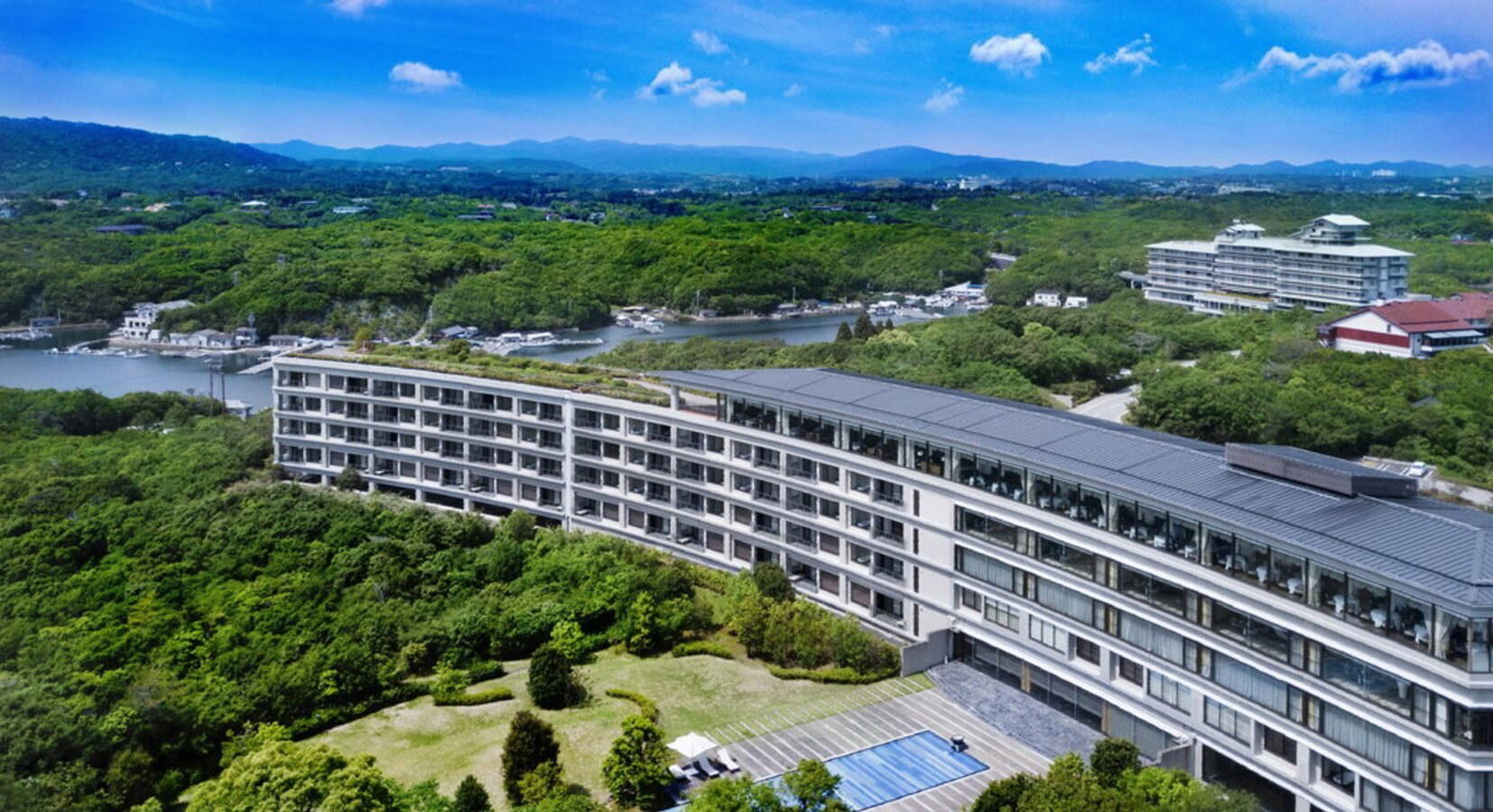
Where Ago Bay Does the Decorating
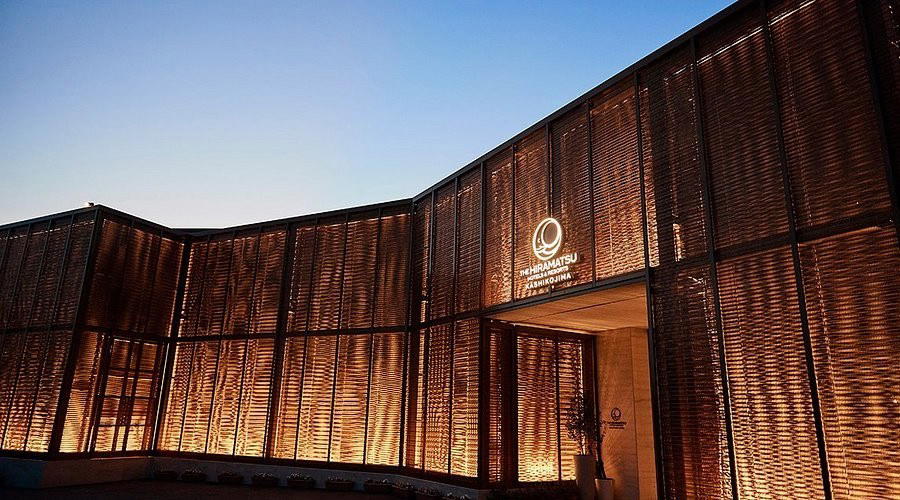
Ise-Shima's premium accommodation market sits at an interesting intersection: traditional ryokan culture, international resort formats, and a handful of properties that don't fit neatly into either category. Shima Kanko Hotel The Bay Suites belongs to the third group. Its position on Ago Bay is not incidental to the design — the water is the design. From approach to check-in to the geometry of the guest rooms, the architecture is organised around a single directive: keep the bay visible, keep it central, keep it present. This is a more disciplined editorial decision than it sounds, because Ise-Shima's landscape is genuinely complex, with pine-covered inlets and pearl-farming rafts competing for the sightline at every angle. The building channels rather than obscures that complexity.
Japan's western Mie coast has produced a particular style of premium hospitality that differs from Hakone's onsen formalism or Kyoto's courtyard restraint. Here, the sea drives the programme. Properties like Amanemu have established the template for high-specification, nature-forward retreats in this region, and The Bay Suites operates in the same geographic conversation, though with a different ownership lineage and a more conference-capable scale. That scale is historically significant: the hotel served as the venue for the 2016 G7 Summit, a credential that places it in a very narrow cohort of Japanese properties asked to host heads of state and their security apparatus — a logistical and reputational test that few resort hotels anywhere pass.
The Architecture of a State-Level Property
What a G7 hosting credential signals, beyond the obvious political symbolism, is a physical plant capable of meeting international protocol standards: controlled perimeters, sight-line management, rooms that can be isolated or connected depending on delegation requirements, and public spaces that project authority without aggression. For the leisure traveller, these structural decisions translate into something more useful: generous proportions, considered views, and a building that does not feel provisional or hastily scaled. The bay-facing orientation is consistent across the property in a way that suggests deliberate planning rather than lucky positioning.
This positions The Bay Suites in a peer group that includes properties like Benesse House on Naoshima and Halekulani Okinawa, resort hotels where the architectural relationship to a specific natural environment is the primary identity marker rather than a secondary amenity. The comparison is useful because it helps calibrate expectations. This is not a property whose draw is urban proximity or neighborhood density, as one might expect from Bvlgari Hotel Tokyo or HOTEL THE MITSUI KYOTO. The draw is seclusion, water, and the particular stillness that Ago Bay generates in the late afternoon when the pearl boats have returned and the light drops low across the inlet.
The Rooms as the Central Argument
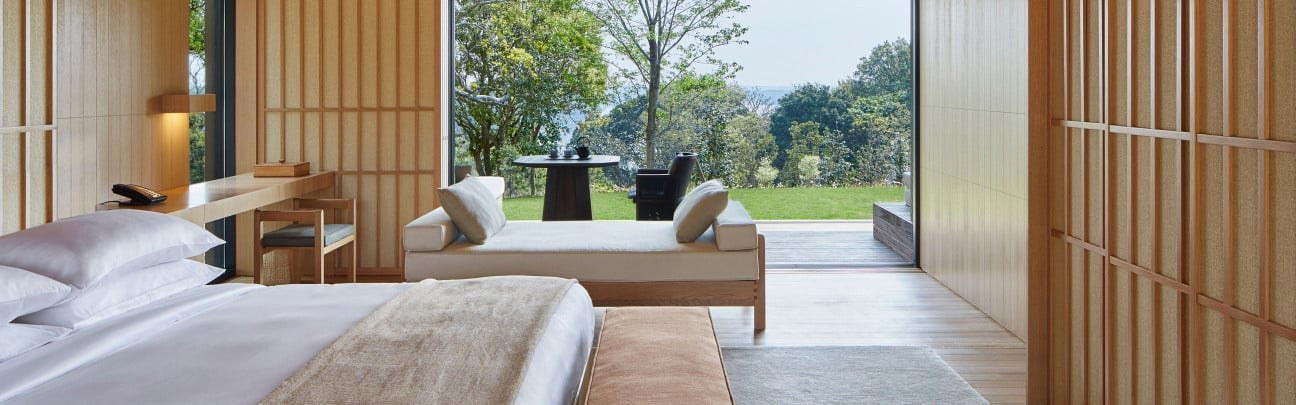
The property's own framing is direct on this point: the rooms are the primary draw. In the premium resort segment, that claim is easy to make and frequently hollow, but The Bay Suites pairs it with the G7 credential and a bay-orientation policy that gives the claim structural support. Every guest is treated, and the implication of the hotel's own positioning is that treatment at this address is consistent rather than tiered by room category or booking channel. In a market where Japanese hospitality norms already set a high baseline for attentiveness, a property that makes this claim explicitly is positioning itself at the ceiling of that baseline rather than somewhere in the middle.
The room-first logic also connects to a broader pattern in Japan's premium resort category. Properties like Gora Kadan in Hakone, Asaba in Izu, and Zaborin in Kutchan each make the guest room the core of the experience rather than a function of the dining or spa program. The Bay Suites follows this logic while adding the G7 provenance and the bay-facing architecture as differentiating context. For travellers comparing across this tier, those distinctions matter.
Two Restaurants and Japan's First Clarins Spa
Beyond the rooms, the property runs two restaurants that are described as celebrated within its own positioning, a typical pairing in Japanese resort hotels of this scale, where a Japanese-format dining room and a Western or teppanyaki alternative give guests range across a stay of two or three nights. What the pairing signals is a commitment to keeping the dining program in-house rather than directing guests outward, which makes sense given Shima's relative remoteness from urban restaurant density. For context on how Ise-Shima's dining options sit relative to one another, our full Ise-Shima restaurants guide maps the broader field.
The spa credential is more specific and verifiable: Shima Kanko Hotel The Bay Suites houses Japan's first Clarins spa. In the context of Japanese luxury hospitality, international spa brand firsts carry real weight because the domestic market was slow to adopt them, giving early adopters a meaningful differentiation that persisted long after the brand extended its presence elsewhere. A Clarins first in Japan places this property in a small cohort of hotels that moved early on Western wellness infrastructure, alongside properties in Tokyo and Kyoto that absorbed international spa brands in their first phase of regional expansion.
Planning a Stay in Ise-Shima
Ise-Shima is reached from Nagoya via the Kintetsu line to Kashikojima, a journey of roughly ninety minutes on the limited express service. From Osaka, the same Kintetsu network connects with a change at Tsu or Matsusaka, extending the journey to around two and a half hours. The region is most visited during the warmer months, when Ago Bay's water is navigable for boat excursions and the Ise Grand Shrine's surrounding cedar forests are at their most atmospheric. The shrine itself, Shinto's most sacred site, is a short distance north of the hotel's peninsula location and draws significant visitor volume in spring and during the New Year period, when the area becomes considerably busier and advance booking across all premium properties tightens substantially.
For travellers building a broader Mie Prefecture itinerary, Amanemu represents the other major high-specification option in the region, with a different format and ownership profile. Those extending into the wider Kansai and western Japan circuit might also consider Nishimuraya Honkan in Kinosaki-cho, Sekitei in Hatsukaichi-shi, or Azumi Setoda in Onomichi as natural extensions of a premium Japan circuit. For those drawn to traditional ryokan formats, Araya Totoan in Kaga and Beniya Kofuyuden in Awara offer comparable cultural weight in different regional settings.
Side-by-Side Snapshot
Comparable venues nearby, for context on price, style, and recognition.
| Venue | Cuisine | Price | Awards | Notes |
|---|---|---|---|---|
| Shima Kanko Hotel The Bay SuitesThis venue — the venue you are viewing | luxury all-suite resort | Not listed | Michelin Selected · Small Luxury Hotels of the World Member | Not listed |
| Portom International Hokkaido | Modern Japanese art hotel in airport terminal | Not listed | Michelin Selected | New Chitose Airport |
| Ishigaki Hills | Modern villas blending architecture with nature for immersive island retreats | $500–750 | Michelin Selected | Miyara |
| 佳松園 | Traditional Japanese ryokan with modern updates including private onsen rooms | Not listed | 5-Star | 湯本 |
| Akan Tsuruga Bessou Hinanoza | Contemporary classic luxury ryokan blending traditional Japanese hospitality with modern comfort and design. | Not listed | Michelin Selected | Akanko Onsen |
| Fufu Tokyo Ginza | Small luxury resort blending Japanese onsen tradition with urban Ginza location | $750–1,000 | 1 Michelin Key · TIME 2026 TIME World's Greatest Places | Ginza |
Recognition history
Dated appearances from independent guides and award organizations, with the underlying list record or original source where available.
Michelin Selected
Michelin
Small Luxury Hotels of the World Member
Small Luxury Hotels of the World
Details
- Romantic
- Quiet
- Elegant
- Scenic
- Sophisticated
- Honeymoon
- Romantic Getaway
- Anniversary
- Wellness Retreat
- Panoramic View
- Waterfront
- Rooftop Pool
- Wi Fi
- Pool
- Spa
- Fitness Center
- Room Service
- Concierge
- Sauna
- Restaurant
- Bar
- Garden
- Bicycle Rental
- Waterfront
- Wheelchair Accessible
- Elevator
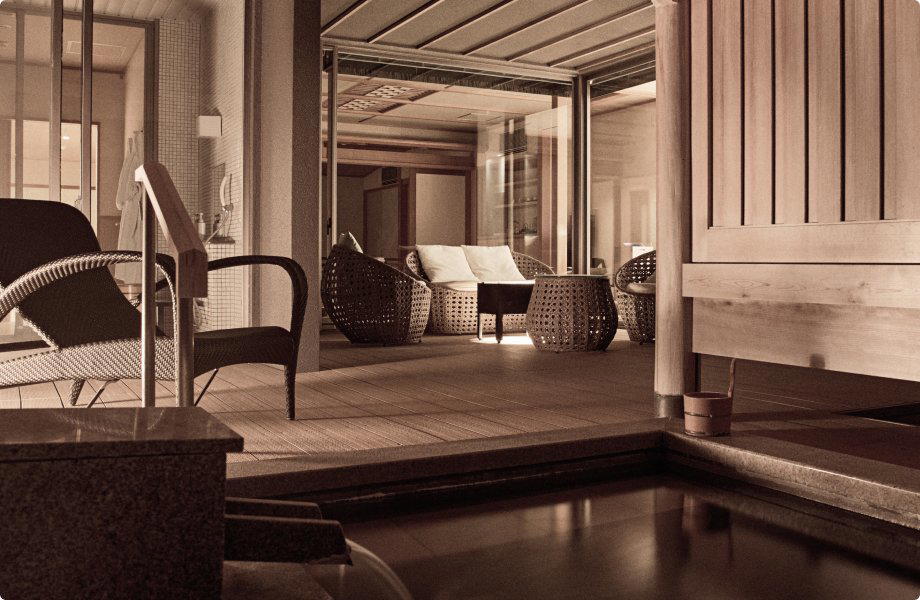
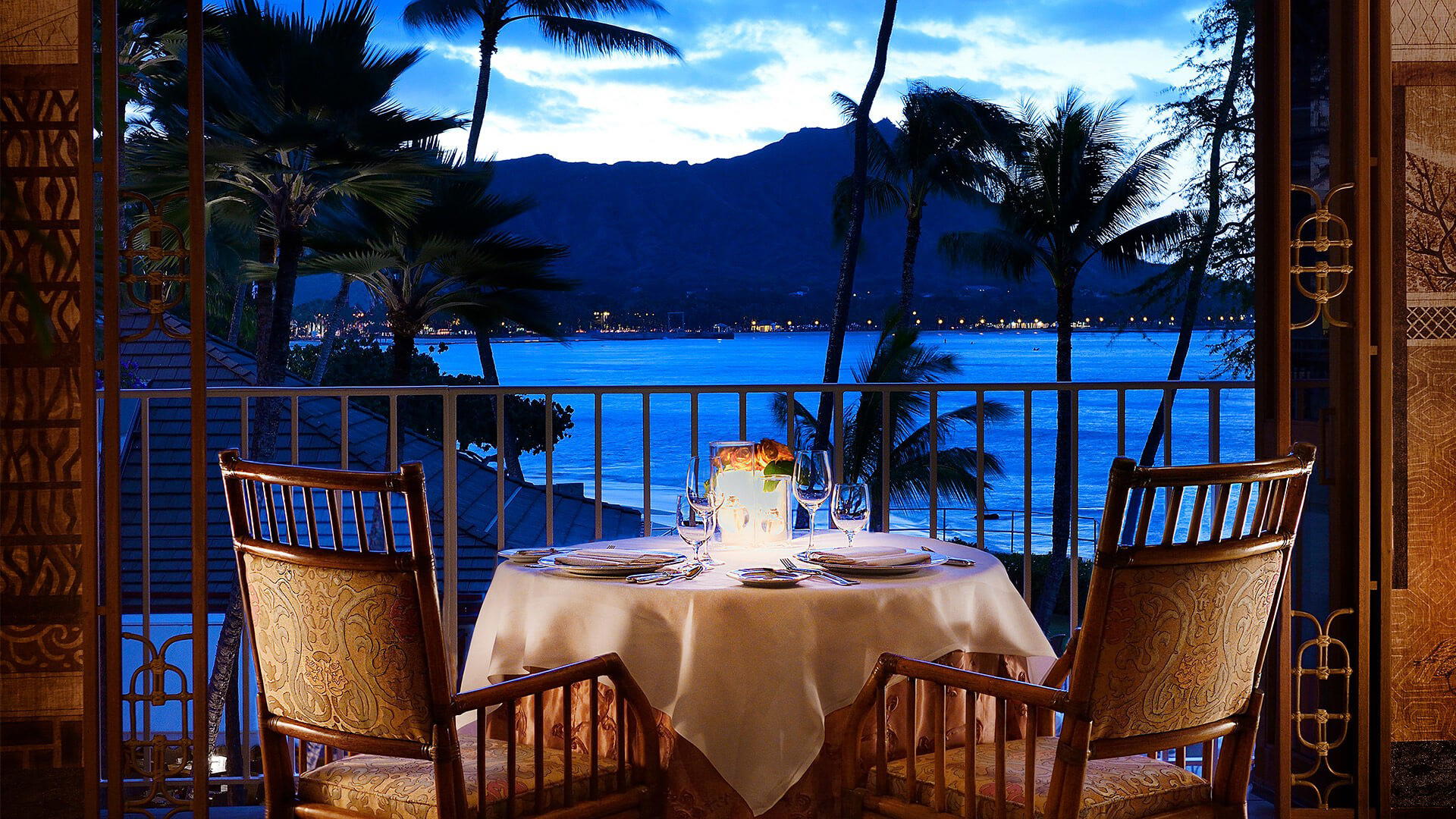
Restrained contemporary design with serene, peaceful atmosphere enhanced by dramatic bay sunsets and lush national park surroundings.