
Tabelog 100 #2
Our verdict
Tempura Tobari gives Shima’s dining scene a serious tempura address rather than another seafood-first resort meal. The draw is the counter format, the Ise-Shima ingredient context, and repeated selection for Tabelog 100 Tempura in 2022, 2023, and 2025, with budgets sitting in the premium local bracket rather than Tokyo trophy-counter territory.

Pearl is the En Primeur Club membership app — saves, bookings, and concierge access live there. Same editors, same standards.
- Address
- 三重県志摩市阿児町鵜方1091-1
- Phone
- +81599773864
- Website
- tempratobari.com
- Directions
- Get directions
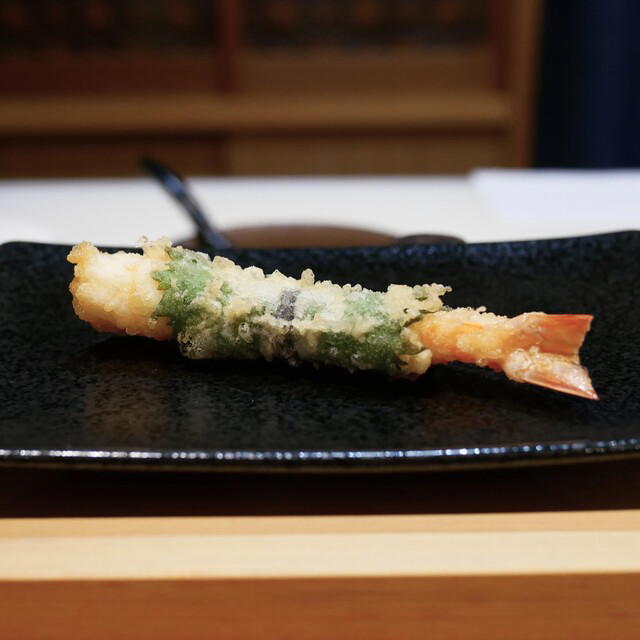
The menu
What to order
- Tempura course
- Sashimi
- Tempura 10–14 seasonal items
- Tempura with Okinawan salt
Approaching Tempura Tobari in Shima changes the rhythm of a meal before the first course appears. Shima is not built like a dense restaurant district; it is a coastal city where meals often sit within broader travel plans rather than a single compact dining zone. In that setting, tempura reads differently. The format is intimate by nature, but here it also carries the geography of Shima: the sense of place comes through the meal without needing to turn local supply into a decorative footnote. The Tabelog 100 Tempura selections in 2022, 2023, and 2025 give this address a useful trust signal in a category where Michelin coverage is uneven outside major cities.
Japan’s serious tempura counters often ask diners to pay attention to sequence, oil management, batter, and timing rather than spectacle. That matters in Shima because the city’s dining reputation is often pulled toward resort meals and seafood-led itineraries. Tempura Tobari sits in a narrower lane: tempura and Japanese cuisine, with a price band that places dinner at JPY 15,000 to JPY 19,999 and lunch at JPY 10,000 to JPY 14,999. For a city where many visitors arrive expecting a broad coastal dining experience, this is a more focused proposition.
Tempura in Shima works when the sourcing does the talking
Shima’s advantage is not simply proximity to the sea. It is the mix of regional dining habits and a restaurant culture accustomed to serving travelers without losing its local base. Tempura benefits from that ecosystem because the technique is unforgiving: batter can hide little, oil can flatten nuance, and timing determines whether a piece feels precise or tired. The better tempura meal is less about abundance than control, moving through ingredients while keeping each piece distinct.
The Tabelog Hyakumeiten recognition for 2025 gives this restaurant a useful trust signal in a category where major-guide coverage can be uneven outside larger cities. Tabelog’s genre lists are not a global awards stage; their value is narrower and more practical, pointing to restaurants that Japanese diners already treat seriously within a defined category. In Shima, that recognition carries weight because the competitive field is not crowded with high-price tempura counters.
The local comparison is instructive. Sumibiyaki Unagi Higashiyama Bussan speaks to another Japanese single-specialty tradition. La Mer The Classic belongs to a different part of Shima’s higher-end dining landscape. RIAS by Kokotxa occupies a premium but different lane, while ラ・メール reinforces how varied the city’s dining identity can be. Tempura Tobari is valuable because it gives the city a Japanese counterpoint rather than another version of the same resort grammar.
A focused meal rather than a resort dining room
A specialist tempura format keeps the experience closer to a focused restaurant than a grand hotel room. That distinction matters for tempura. The meal follows the fryer’s tempo, and the category depends on short windows of serving rather than long-held presentation. The format also changes how visitors should read the price: this is not casual regional dining, but it is also not framed like the highest Tokyo tempura counters, where reputation, scarcity, and urban rent can push the meal into a different bracket.
Shima’s geography makes planning more consequential than in Tokyo or Osaka. The restaurant is in Shima rather than along a dense nightlife strip, so it suits travelers who are deliberately building meals into a broader peninsula itinerary. For visitors moving through the area, the practical point is simple: treat Tempura Tobari as a planned stop, not as an incidental walk-in option.
The available listing details point to a polished but compact proposition: tempura and Japanese cuisine, a Tabelog score of 3.72, and published budget ranges for both lunch and dinner. Those facts are enough to place the restaurant clearly in the city’s dining map. It is serious enough for a destination lunch or dinner, without needing to be read as a banquet-room substitute or a resort dining room.
Where it fits in a Shima itinerary
For travelers building a Shima dining plan, the sharper question is not whether to eat tempura, but what role the meal should play. A dinner here makes sense when the itinerary already includes other Shima dining and needs a Japanese technique-led experience. Lunch is the more strategic slot for diners balancing cost, movement around Shima, and an evening reserved for another planned meal.
The broader city rewards category mixing. Use Our full Shima restaurants guide to place the meal alongside other Shima dining; Our full Shima hotels guide for the accommodation side of the trip; Our full Shima bars guide for drinking options; Our full Shima wineries guide where wine planning matters; and Our full Shima experiences guide for non-restaurant days around the peninsula.
Across Japan, single-specialty restaurants are often the meals that clarify a place better than broader menus. That might mean an unnamed counter built around one technique, a casual room devoted to one dish, or another regional restaurant that puts a narrow format ahead of breadth. Shima’s tempura case is quieter: the point is not novelty, but how a coastal city gives a disciplined frying counter something specific to work with.
Frequently asked questions
What's the address for Tempura Tobari?
Tempura Tobari is located in Shima.
What should I budget for a meal at Tempura Tobari?
Budget for Tempura Tobari is listed as Dinner: JPY 15,000 - JPY 19,999; Lunch: JPY 10,000 - JPY 14,999.
Do I need a reservation for Tempura Tobari?
For a 2025 Tabelog Hyakumeiten selection in Shima, planning ahead is sensible, especially for dinner at JPY 15,000–JPY 19,999.
What is Tempura Tobari known for?
Tempura Tobari is known for tempura and Japanese cuisine in Shima, with 2025 Tabelog Hyakumeiten recognition, a listed score of 3.72, and published lunch and dinner budget ranges.
Snapshot
Nearby venues at a similar price tier for orientation.
| Venue | Cuisine | Price | Awards | Notes |
|---|---|---|---|---|
| Tempura TobariThis venue — the venue you are viewing | Japanese Tempura Omakase | Not listed | Tabelog 100 #2 | Not listed |
| Sumibiyaki Unagi Higashiyama Bussan | Traditional charcoal-grilled unagi | $30–50 | Tabelog 100 #26 | Agocho Ugata |
| RIAS by Kokotxa | New Basque fine dining by Michelin-starred Kokotxa | Not listed | Tabelog 100 #69 | Shima Mediterranean Village |
| Amanemu Restaurant | Seasonal Japanese Fine Dining | $500+ | Not listed | Hamajima-cho |
| La Mer The Classic | Traditional French seafood fine dining | $150–200 | Tabelog 100 #59 | Agocho Shinmei |
| ラ・メール | Seafood French Cuisine | $150–200 | Not listed | Kashikojima |
Recognition history
Dated appearances from independent guides and award organizations, with the underlying list record or original source where available.
Tabelog 100 #2 · No. 2
Tabelog · Tabelog 100 - Tempura - 2025
Details
- Quiet
- Intimate
- Sophisticated
- Elegant
- Classic
- Date Night
- Business Dinner
- Celebration
- Special Occasion
- Private Event
- Chefs Counter
- Design Destination
- Standalone
- Sake Program
- Local Sourcing
- Omakase
- Prix Fixe
- Counter Dining
- Sake
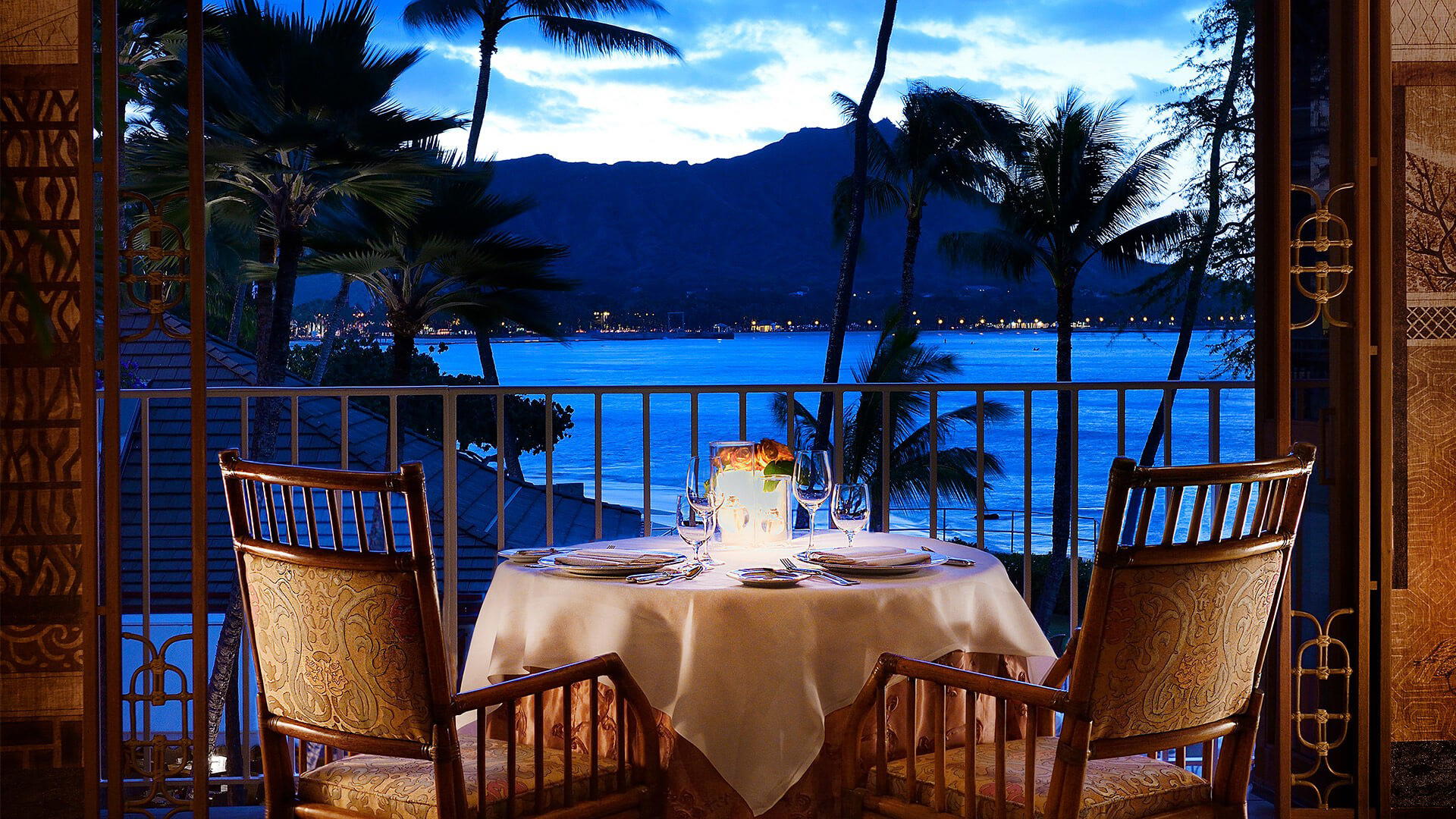
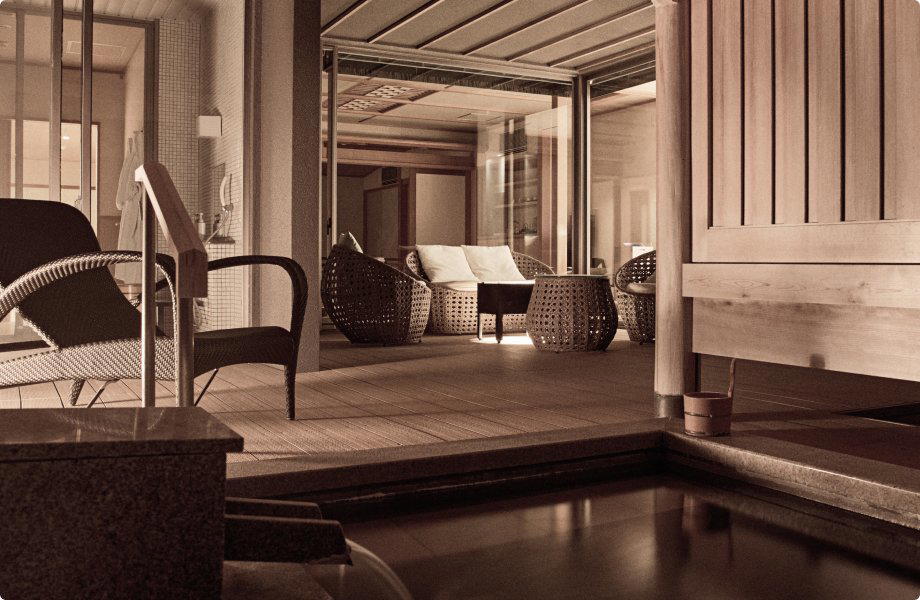
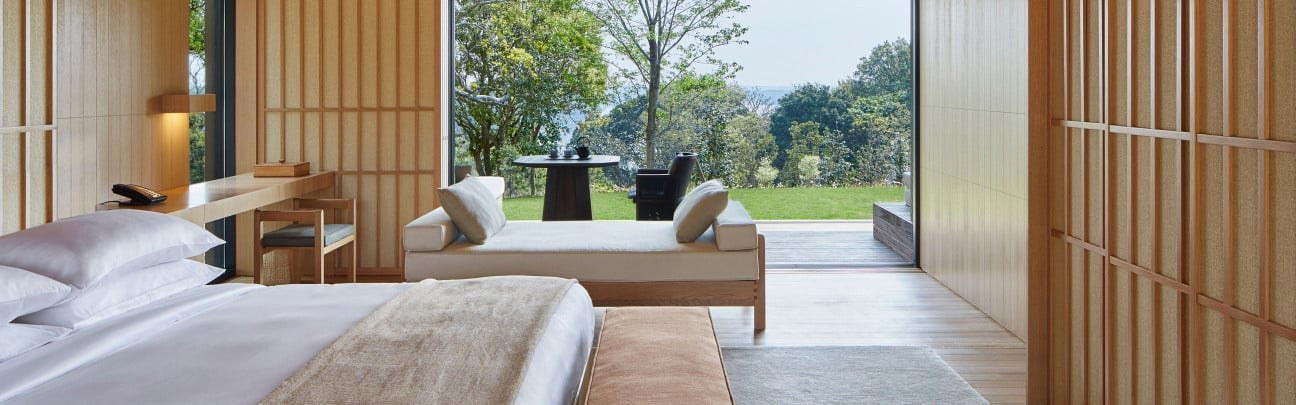
A calm, traditional Japanese interior with a hinoki one-board counter, kumiko lighting, and a warm wood-filled atmosphere focused on relaxed dining.