
La Mer The Classic is the Shima dining room to choose when Ise-Shima’s seafood identity matters as much as French technique. Its Tabelog French WEST 100 selection in 2025, Tabelog Award Bronze history, fish-focused kitchen, sommelier service, and hotel setting put it in a higher-priced, destination-restaurant tier rather than the casual coastal bracket.
Pearl is the En Primeur Club membership app — saves, bookings, and concierge access live there. Same editors, same standards.
- Address
- 731 Agocho Shinmei, Shima, Mie 517-0502, Japan
- Phone
- +81 599-43-1211
- Website
- miyakohotels.ne.jp
- Directions
- Get directions
 Saves & bookings on Pearl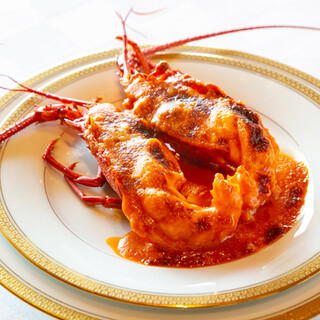
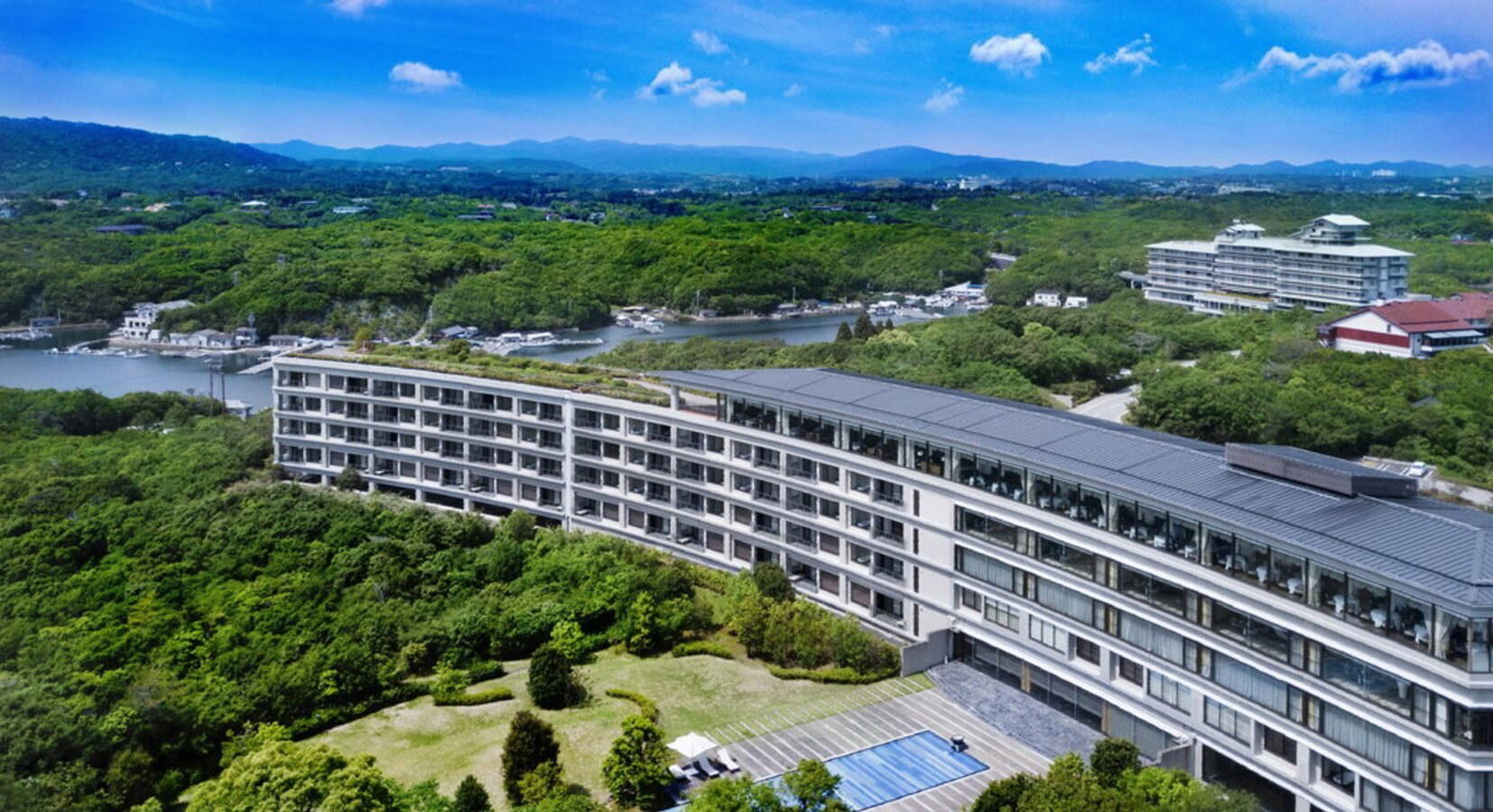
Approaching the dining room at Shima Kanko Hotel The Classic, the context is clear before the menu appears: this is Ise-Shima, a coast where seafood is not regional decoration but the reason many serious diners come. The room belongs to the hotel-restaurant tradition rather than the small counter culture that dominates much of Japan’s destination dining. The meal is framed by polish, space, wine service, and a view-led resort rhythm, not chef-facing theatre or rapid turnover.
Shima’s dining identity is unusually tied to geography. The peninsula faces Ise Bay and the Pacific, and the broader region has long been associated with seafood, culture, and resort travel. A French restaurant here faces a sharper question than one in Tokyo or Kyoto: does it treat the coast as ingredient source, or merely scenery? La Mer The Classic sits on the serious side of that divide. Its public positioning is French, focused on fish, wine, sake, and shochu, placing it in a hybrid Japanese luxury register: French structure, local seafood logic, and hotel-level service infrastructure.
Ise-Shima seafood through a French hotel lens
Read this restaurant not as generic resort-hotel French, but as part of Japan’s older grand-hotel dining lineage. These rooms often preserve a style younger tasting-menu restaurants have left behind: larger capacity, formal service cues, wine-driven pacing, and a kitchen built for occasions as much as culinary pilgrims. La Mer The Classic lists 196 seats, with reduced seating in operation, so expectations should differ from an eight-seat counter or chef’s table. The scale changes the energy: composed, less confessional, and suited to families, celebrations, and guests wanting French technique without a hushed micro-restaurant format.
The awards profile supports that reading. Selection for Tabelog French WEST 100 in 2025 places it within a regional French category, not only Shima’s local dining circuit. Its Tabelog Award Bronze history, including 2026 and multiple earlier years, is a stronger trust signal than the usual hotel-restaurant claim of refinement. In Japan, where Tabelog scores and award lists carry real influence among domestic diners, that recognition suggests durability across seasons and judging cycles, not a single burst of attention.
Ingredient sourcing is the core reason to pay attention. Ise-Shima gives French cooking a different center of gravity: sauces, reductions, and wine pairings must work around marine sweetness, texture, and seasonality rather than red-meat grandeur. The fish emphasis and drinks program, with wine alongside sake and shochu, point to a seafood-led progression. That is not accidental in Mie. Sake and shochu can sit closer to shellfish and lighter fish than heavy, oak-led wines, while a sommelier on staff means the room can still operate in classical French mode when needed.
Where it fits in Shima's dining circuit
Shima rewards diners who separate coastal dining into categories. Casual seafood, eel, tempura, and hotel French are not interchangeable, even when they share a regional appetite. Sumibiyaki Unagi Higashiyama Bussan sits in a far lower price band, with eel as the organizing idea. Tempura Tobari is a focused Japanese format, where batter, oil, and timing define the meal. RIAS by Kokotxa gives Shima another refined comparison point at a lower listed spend. Against those, La Mer The Classic is the formal French-hotel choice: higher dinner pricing, broader service apparatus, and a stronger awards footprint in the French category.
There is also a local naming wrinkle for readers comparing options online. ラ・メール appears as a related Shima listing, so check the Japanese and English naming carefully when matching the restaurant to the hotel setting. The Classic in the name is not just branding; it signals a more traditional dining proposition than the newer wave of tightly edited counter restaurants shaping Japan’s fine-dining conversation.
The higher spend changes the recommendation. This is not the Shima meal for a quick regional lunch between trains, nor the place to reduce Ise-Shima to a single seafood bowl. It is better as a polished dinner for travellers already staying nearby, or diners building an Ise-Shima itinerary around seafood and formal service. The family-friendly policy, children’s menu, non-smoking status, and lack of private rooms create a specific balance: accessible for multigenerational hotel dining, but governed by the etiquette and pacing of serious French service.
Planning the wider Shima table
For a restaurant-led trip, Shima works better as a small circuit than a single reservation. Use Our full Shima restaurants guide to compare French, tempura, eel, and hotel dining, then pair the table with lodging from Our full Shima hotels guide. The city is quieter after dinner than Japan’s major dining capitals, so Our full Shima bars guide, Our full Shima wineries guide, and Our full Shima experiences guide help build the rest of the day rather than assume a late-night crawl.
Readers extending a Japan food itinerary can compare Shima with different regional formats: -Grilled beef Sukiyaki- KAMAKURA TANUKIAN 鎌倉 たぬき庵 in Kamakura for beef-led sukiyaki, 鮪と炭火焼き うお炭 秋葉原店 in Tokyo for tuna and charcoal cooking.cafe in Osaka for a lighter urban stop.know in Kumamoto for Kyushu context, (Shoku) Vietnam in Kawasaki for Vietnamese cooking in the Tokyo orbit, [Curry Senmon Ten] Maruyama Kyoju. in Sapporo for specialist curry, and [ki:] in Kyoto for a Kyoto counterpoint. For readers moving onward to California, Jōdo Saké Bar in Los Angeles and Onigiri Time in Pasadena show how Japanese drinking and rice formats translate abroad.
The final judgment is clear: choose the restaurant when dinner means Ise-Shima seafood interpreted through formal French service, not when the brief is speed, intimacy, or low-key local eating. The awards record gives credibility; the hotel setting gives scale; the fish focus gives it a reason to exist in this specific coastal city.
Side-by-Side Snapshot
Comparable venues by cuisine and price in the same metro.
| Venue | Cuisine | Price | Notes |
|---|---|---|---|
| La Mer The Classic | Traditional French seafood fine dining | $$$$ | Agocho Shinmei |
| ラ・メール | Seafood French Cuisine | $$$$ | Kashikojima |
| Amanemu Restaurant | Seasonal Japanese Fine Dining | $$$$ | Hamajima-cho |
| Tempura Tobari | Japanese Tempura Omakase | $$$ | Ugata |
| RIAS by Kokotxa | New Basque fine dining by Michelin-starred Kokotxa | $$$ | Shima Mediterranean Village |
| Sumibiyaki Unagi Higashiyama Bussan | Traditional charcoal-grilled unagi | $$ | Agocho Ugata |
Recognition history
Dated appearances from independent guides and award organizations, with the underlying list record or original source where available.
Tabelog 100 #59 · No. 59
Tabelog · Tabelog 100 - French - WEST - 2025
At a Glance
- Classic
- Elegant
- Scenic
- Romantic
- Sophisticated
- Well Known
- Special Occasion
- Celebration
- Date Night
- Business Dinner
- Group Dining
- Waterfront
- Panoramic View
- Hotel Restaurant
- Historic Building
- Design Destination
- Private Dining
- Extensive Wine List
- Local Sourcing
- Sustainable Seafood
- Waterfront
Current opening hours
- Monday
- 7–10 AM, 11:30 AM–2:30 PM, 5:30–9:30 PM
- Tuesday
- 7–10 AM, 11:30 AM–2:30 PM, 5:30–9:30 PM
- Wednesday
- 7–10 AM, 11:30 AM–2:30 PM, 5:30–9:30 PM
- Thursday
- 7–10 AM, 11:30 AM–2:30 PM, 5:30–9:30 PM
- Friday
- 7–10 AM, 11:30 AM–2:30 PM, 5:30–9:30 PM
- Saturday
- 7–10 AM, 11:30 AM–2:30 PM, 5:30–9:30 PM
- Sunday
- 7–10 AM, 11:30 AM–2:30 PM, 5:30–9:30 PM
Hours can change for holidays and private events. Last verified .
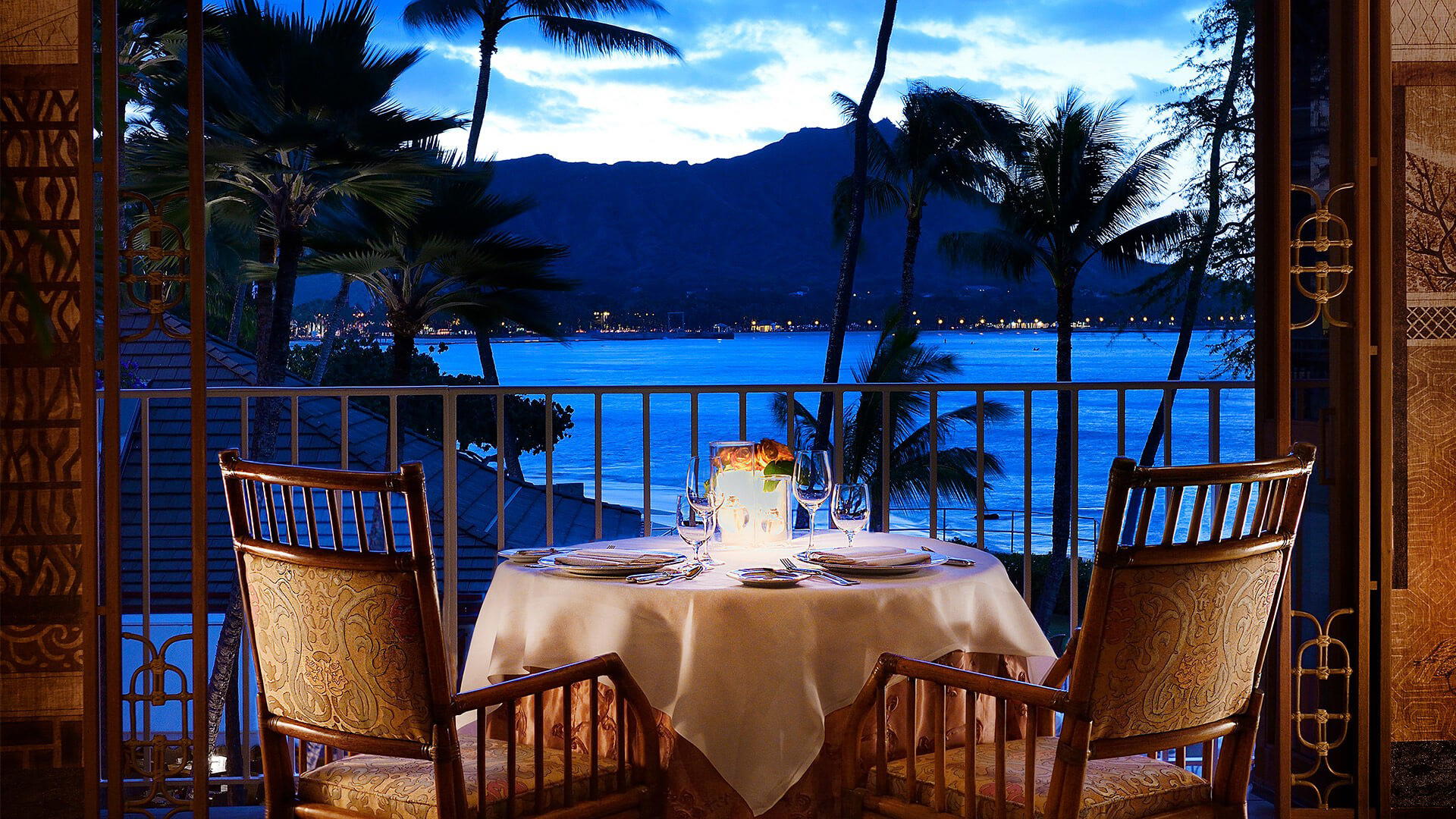
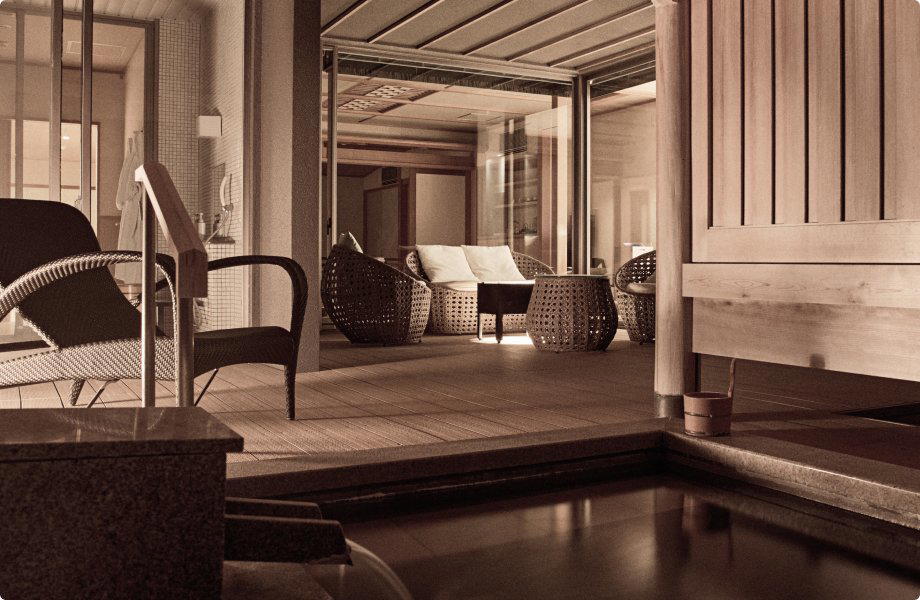
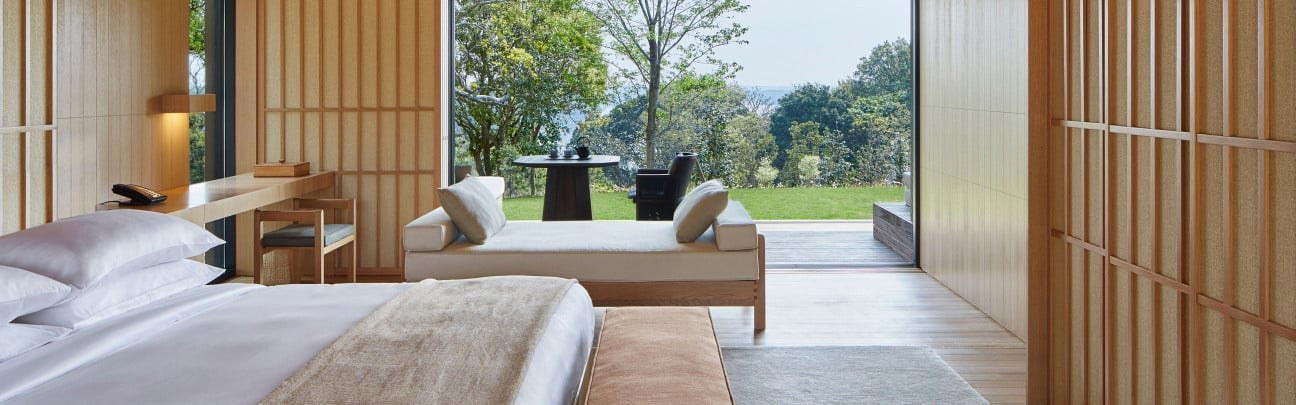
A grand, classical hotel dining room with a refined, formal feel, soft lighting, and large windows overlooking the shimmering waters of Ago Bay, ideal for leisurely, special-occasion meals rather than casual dining.