
Amanemu sits on a sheltered bay within Ise-Shima National Park, drawing the architecture and ritual of onsen ryokan culture into the Aman vocabulary of low-density seclusion. Awarded Three MICHELIN Keys in 2025, it occupies a narrow tier of Japanese resort hospitality where thermal bathing, forest setting, and spatial restraint are the primary currency. Few properties in Mie Prefecture compete at this level.
Pearl is the En Primeur Club membership app — saves, bookings, and concierge access live there. Same editors, same standards.
- Address
- Hamajima-cho, 2165 Hamajimacho Hazako, Shima, Mie 517-0403, Japan
- Phone
- +81 599-52-5000
- Website
- aman.com
 Saves & bookings on Pearl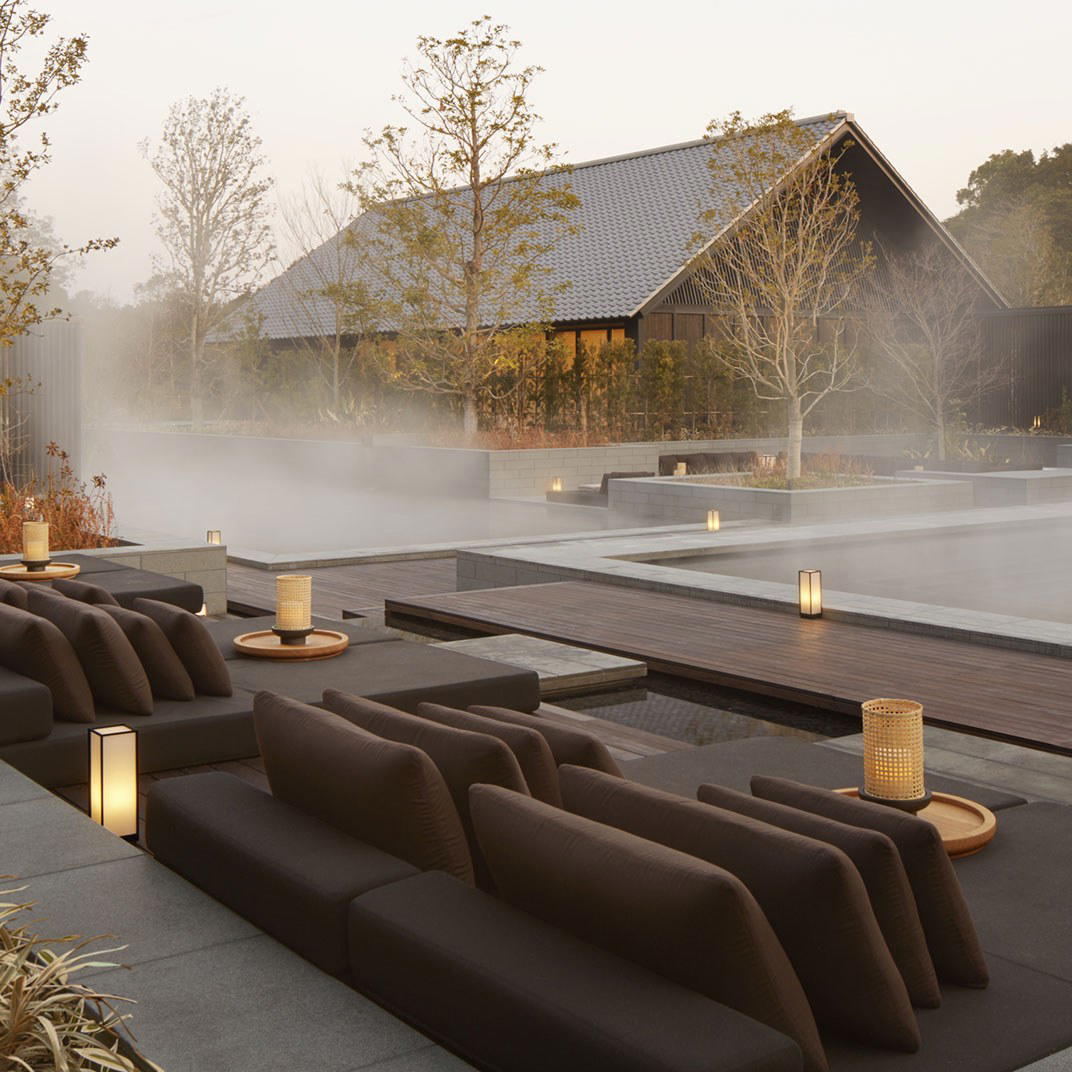
Where the Kumano Coast Meets the Aman Formula
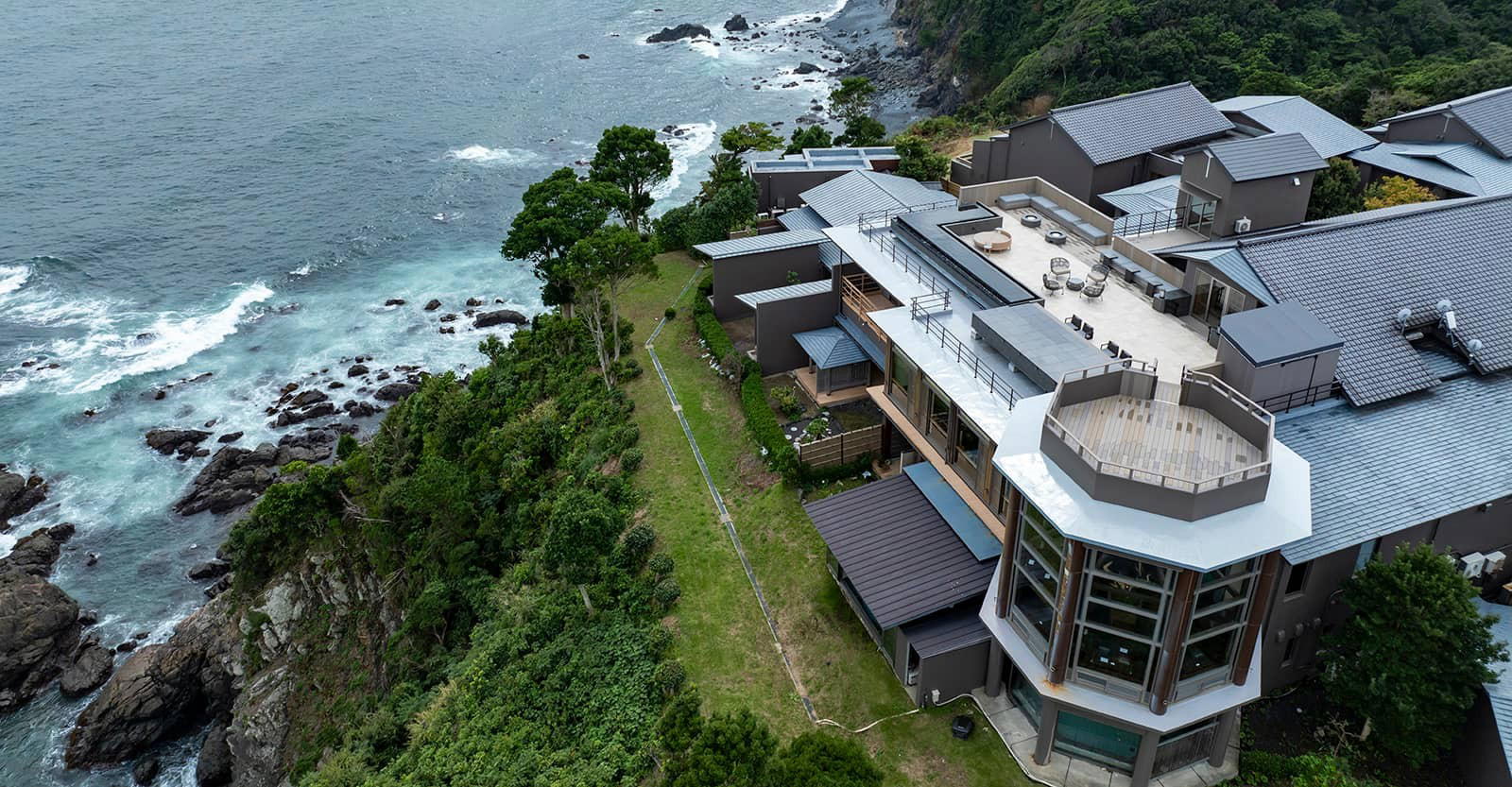
Amanemu is a 5-star hotel in Shima, Japan, with 32 rooms and nightly rates from about USD 1,378. On one side sit the great urban Aman addresses, properties like Bvlgari Hotel Tokyo and the various Aman city flagships that trade on density, cultural access, and verticality. On the other side is a quieter category: forest and coastal retreats where the distance from the city is itself the amenity. Amanemu belongs decisively to the second group. Positioned on a sheltered inlet within Ise-Shima National Park in Mie Prefecture, it draws from the tradition of the Japanese onsen ryokan while translating that tradition into the Aman spatial vocabulary of low walls, open sky, and radical calm.
Ise-Shima is not incidental to the property's identity. The national park surrounds Ago Bay, a body of water historically associated with Ama divers, the free-diving women who harvest pearls and shellfish along the Shima coast. The Shima Peninsula itself anchors the approach to the Grand Shrines of Ise, among the most sacred sites in Shinto practice, which draws millions of visitors annually. Amanemu sits within this geography intentionally, offering proximity to cultural and natural sites that have no equivalent elsewhere in Japan. For context on the wider area's accommodation and dining options, see our full Shima restaurants guide.
Architecture as the Core Proposition
The design language at Amanemu draws from sukiya-zukuri, the refined residential architecture historically associated with Japanese teahouses and the finest ryokan. Low-pitched rooflines, deep overhangs, and materials that weather into the landscape characterize this tradition. What makes the Aman interpretation notable is how it sustains sukiya restraint at a scale most traditional ryokan never attempt: individual suites rather than shared corridors, private outdoor soaking tubs fed by the property's onsen water, and pavilion structures separated enough from one another that the density reads as near-zero even at capacity.
The spatial grammar rewards guests who arrive expecting compression and find instead a property that breathes. Paths between structures move through planted gardens that reference the satoyama aesthetic, the cultivated intermediate zone between human settlement and wild forest that appears throughout Japanese landscape design. Stone, timber, and shoji screens handle the interior transitions. The palette stays close to the materials of the hillside it sits within, which is a deliberate choice shared by the best-performing properties in Japan's design-led ryokan sector. Gora Kadan in Hakone and Zaborin in Kutchan apply comparable logic in their respective settings, where the architecture defers to the natural surround rather than competing with it.
Onsen here draws from the local Shirahama thermal source, an alkaline sodium bicarbonate water considered beneficial by traditional Japanese therapeutic standards. Onsen-centred architecture has its own discipline: the relationship between indoor and outdoor bathing spaces, the management of light and steam, the positioning of soaking areas relative to the view. At Amanemu, both communal and suite-level bathing facilities follow this discipline with the same seriousness applied to the architecture overall.
The MICHELIN Recognition and What It Signals
2025 MICHELIN Three Keys designation places Amanemu among the small number of Japanese properties that MICHELIN's hotel inspectors consider to meet the highest standard across architecture, service, and guest experience combined. The Three Keys award, distinct from the MICHELIN star system applied to restaurants, is the guide's leading hotel recognition and is given sparingly. In 2025, the list for Japan runs short. That Amanemu appears on it confirms what this signals that the hotel is evaluated against international resort benchmarks.
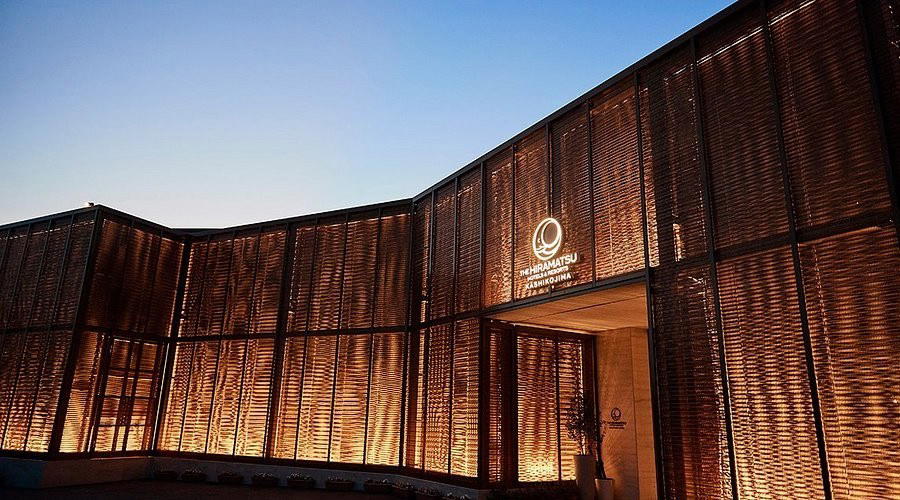
Within Japan's premium lodging hierarchy, the comparison set is instructive. HOTEL THE MITSUI KYOTO operates in a different register, urban and heritage-focused. Asaba in Izu and Nishimuraya Honkan in Kinosaki-cho represent the finest traditional ryokan form, where wooden architecture and kaiseki service have been refined over generations. Amanemu sits between these worlds, applying contemporary spatial ambition to a deeply traditional Japanese hospitality model. Nearby, The Hiramatsu Hotels and Resorts Kashikojima offers a different interpretation of Shima's premium accommodation tier, with French-influenced dining at its centre. Elsewhere in the region's broader luxury circuit: Halekulani Okinawa, Jusandi in Ishigaki, and Benesse House in Naoshima each occupy specialist niches within Japan's design-conscious resort category, but none replicate the onsen-and-national-park combination that defines Amanemu's position.
The Guest Experience in Practice
The Aman model globally operates at low occupancy by design. The suite count at any Aman property is kept deliberately small, which means the service experience is shaped by the resort's scale. Amanemu follows this pattern, and the property functions as a low-density retreat. Activities centre on the landscape and cultural geography: guided access to the Ise Grand Shrines, bay excursions, and onsen bathing as a daily ritual rather than an amenity.
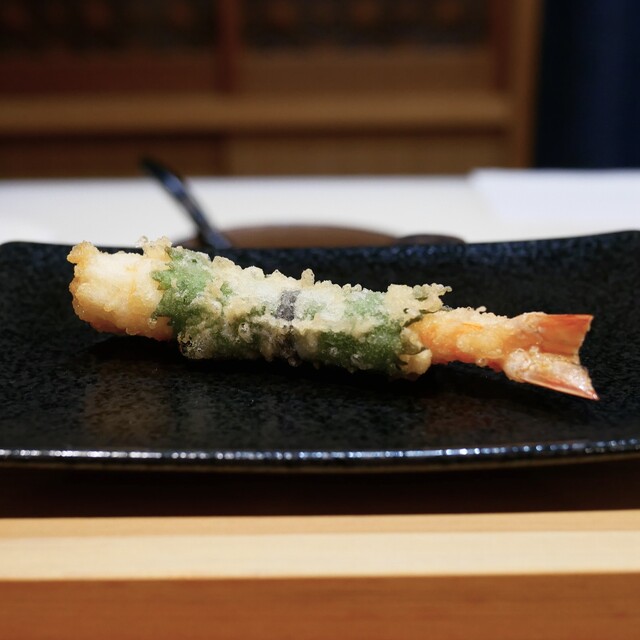
Dining at Amanemu reflects the kaiseki and washoku traditions appropriate to its Mie location, a prefecture with serious food credentials anchored by Ise-ebi spiny lobster, abalone from the Ama divers, and Matsusaka beef from the interior. Mie's ingredient quality means the kitchen has strong raw material to work with, and the dining program at this level of property is expected to engage those local sources directly.
Planning a Stay
Access from Tokyo requires approximately two and a half to three hours by shinkansen to Nagoya, then onward by limited express train to the Shima coast, or alternatively a direct flight from Haneda or Osaka to Chubu Centrair International Airport followed by a ground transfer. The Aman reservation process applies globally: direct booking through Aman's reservation team is standard, with lead times for high-season weeks, particularly late spring cherry blossom periods and autumn, running several months ahead. Spring and autumn represent the most photogenic seasons for the national park setting, while summer offers access to the bay for water activities. Winter strips the landscape back but intensifies the onsen experience considerably.
For travelers assembling a Japan itinerary that includes both urban and resort chapters, the logical anchors at the city end are properties such as Fufu Nikko or Fufu Kawaguchiko for mountain settings, or Kamenoi Besso in Yufu and Satoyama-Jujo in Niigata for properties that also operate in the onsen-and-landscape register. For those prioritizing the Mie region specifically, the broader Mie context is worth reviewing alongside the Shima-specific options. Globally, the architecture-first resort category that Amanemu represents has counterparts in properties like Badrutt's Palace Hotel in St. Moritz and Hôtel de Paris Monte-Carlo, where the built environment carries as much weight as the service program, though the Japanese forest-and-thermal context is not replicated elsewhere.
In Context: Similar Options
Comparable venues nearby, for context on price, style, and recognition.
| Venue | Cuisine | Price | Awards | Notes |
|---|---|---|---|---|
| AmanemuThis venue — the venue you are viewing | Modern ryokan-inspired luxury resort blending contemporary architecture with traditional Japanese tranquility | $$$$ | 5-Star | |
| The Hiramatsu Hotels & Resorts Kashikojima | European ryokan with simple modern decor reflecting sacred natural location | $$$$ | Michelin 1 Key | Kashikojima |
| Takefue (竹ふえ) | Traditional farmhouse-style ryokan scattered across expansive bamboo forest grounds. | $$$$ | 5-Star | Minamioguni |
| Portom International Hokkaido | Modern Japanese art hotel in airport terminal | $$$$ | 5-Star | New Chitose Airport |
| 倭乃里 (Wanosato) (Wanosato) | Traditional Japanese luxury ryokan with preserved heritage architecture | $$$$ | 5-Star | Ichinomiya |
| Sengokubara COCON | Renovated traditional Japanese company facility into modern luxury ryokan | $$$$ | 5-Star | Sengokuhara |
Continue exploring
More in Shima
Hotels in Shima
Browse all →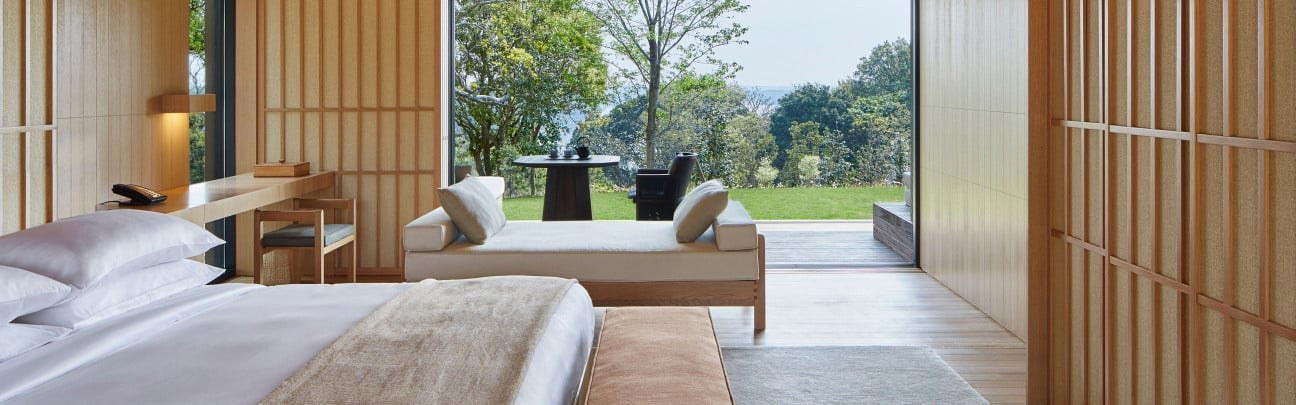
At a Glance
- Quiet
- Elegant
- Scenic
- Sophisticated
- Intimate
- Opulent
- Honeymoon
- Romantic Getaway
- Wellness Retreat
- Anniversary
- Weekend Escape
- Destination Spa
- Private Villa
- Panoramic View
- Infinity Pool
- Spa
- Pool
- Fitness Center
- Onsen
- Room Service
- Concierge
- Free Parking
- Wifi
- Waterfront
- Garden
- Mountain
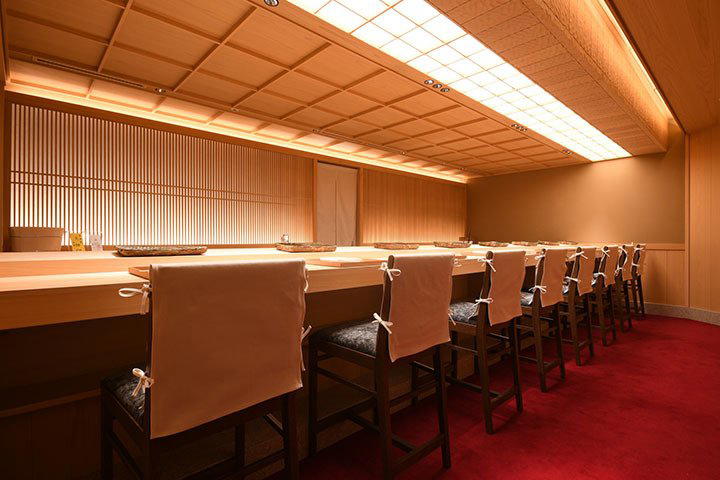
Tranquil and serene atmosphere with natural materials, soft lighting from wooden interiors, and panoramic views fostering pure tranquility and relaxation.