
Michelin Selected
A Michelin Selected hotel in Kyoto's Shimogyo ward, MOKU KYOTO occupies a location that places it within easy reach of the city's historic mercantile core near Nishiki Market. The property sits in a tier of independently minded Kyoto accommodation recognised for character over scale, offering a grounded alternative to the city's larger international hotel footprints.

Pearl is the En Primeur Club membership app — saves, bookings, and concierge access live there. Same editors, same standards.
- Address
- Japan, 〒600-8009 Kyoto, Shimogyo Ward, Kankobokocho, 77
- Phone
- +81 50-1807-3013
- Website
- moku-kyoto.com
- Directions
- Get directions
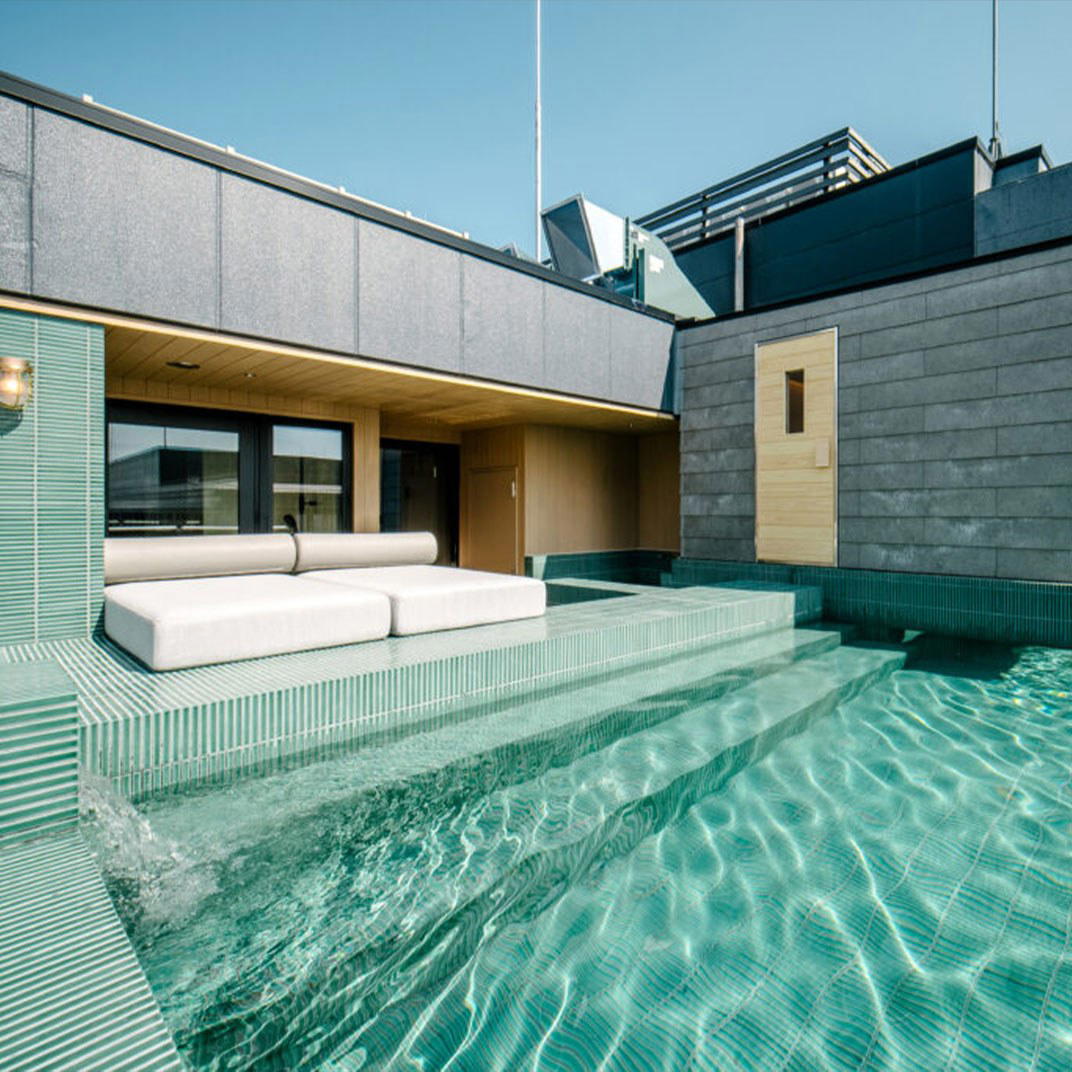
Where Shimogyo's Street Grid Meets Considered Hospitality
Kyoto's Shimogyo ward doesn't announce itself the way Higashiyama does. There are no lantern-lit stone paths, no queues outside temple gates at dawn. Instead, the neighbourhood operates on a different register: the morning tofu deliveries to restaurant back doors, the sound of Nishiki Market stallholders setting out before the tourist wave arrives, the narrow machiya frontages along streets like Nishinotōindōri that have housed tradespeople, craftspeople, and small inns for centuries. MOKU KYOTO sits on that street, at an address that places it inside Kyoto's working downtown rather than its heritage showcase — a positioning choice with real implications for how a guest experiences the city.
This part of Shimogyo is where Kyoto's ingredient economy has long concentrated. Nishiki Market, a few blocks east, functions less as a tourist attraction and more as the city's larder: dried kelp from Hokkaido, Kyoto-grown kamo eggplant in season, tofu at textures that have no equivalent in supermarket refrigerators, pickled vegetables whose recipes have remained in family hands for generations. A hotel at this address puts guests within walking distance of that supply chain — which, for anyone paying attention to where Japanese ingredients originate and how they move, is a more interesting orientation point than a mountain view or a temple gate.
The Michelin Selection and What It Signals
MOKU KYOTO carries a Michelin Selected designation from the 2025 Michelin Hotels guide, a recognition that sits below the star tier but above the general listings, applied to properties that meet defined criteria for quality, character, and consistency. In Kyoto, that peer group includes properties across a range of formats and price points, from large international brands to smaller independently operated inns. The selection places MOKU KYOTO in conversation with that broader set without collapsing the distinctions between them.
Kyoto's hotel market has expanded considerably over the past decade, with international groups adding properties in Higashiyama, Okazaki, and the Sanjo corridor. In that context, the Michelin Hotels selection functions as a sorting mechanism for travellers dealing with an increasingly crowded field. Properties like HOTEL THE MITSUI KYOTO, Aman Kyoto, SOWAKA, Park Hyatt Kyoto, and The Shinmonzen each carry their own editorial or brand authority. MOKU KYOTO's selection sits alongside that cohort as a property that has met an external standard, even if the scale and positioning differ. For travellers who want a Michelin-endorsed base without the rates that accompany the city's most prominent luxury addresses, that distinction is worth noting.
Ingredient Geography and the Shimogyo Advantage
The editorial angle on accommodation in Kyoto increasingly focuses on proximity, not just to shrines and temples, but to the food systems that define the city's culinary identity. Kyoto cuisine (Kyo-ryori) is defined as much by its ingredients as by its techniques: the Kyoto vegetables (Kyo-yasai) protected under regional designation, the dashi traditions built on kombu and katsuobushi sourced from specific producers, the seasonal kaiseki progression that mirrors what's coming out of local mountain and river ecosystems rather than what's available on global supply chains.
A hotel address in Shimogyo, close to Nishiki and the Karasuma corridor, means that the city's ingredient geography is navigable on foot. Guests can move from the hotel to the market, from the market to a neighbourhood restaurant, from a neighbourhood restaurant back through streets lined with the shops that supply those restaurants, a circuit that reveals more about how Kyoto actually functions, at table level, than any single high-end kaiseki sitting would on its own.
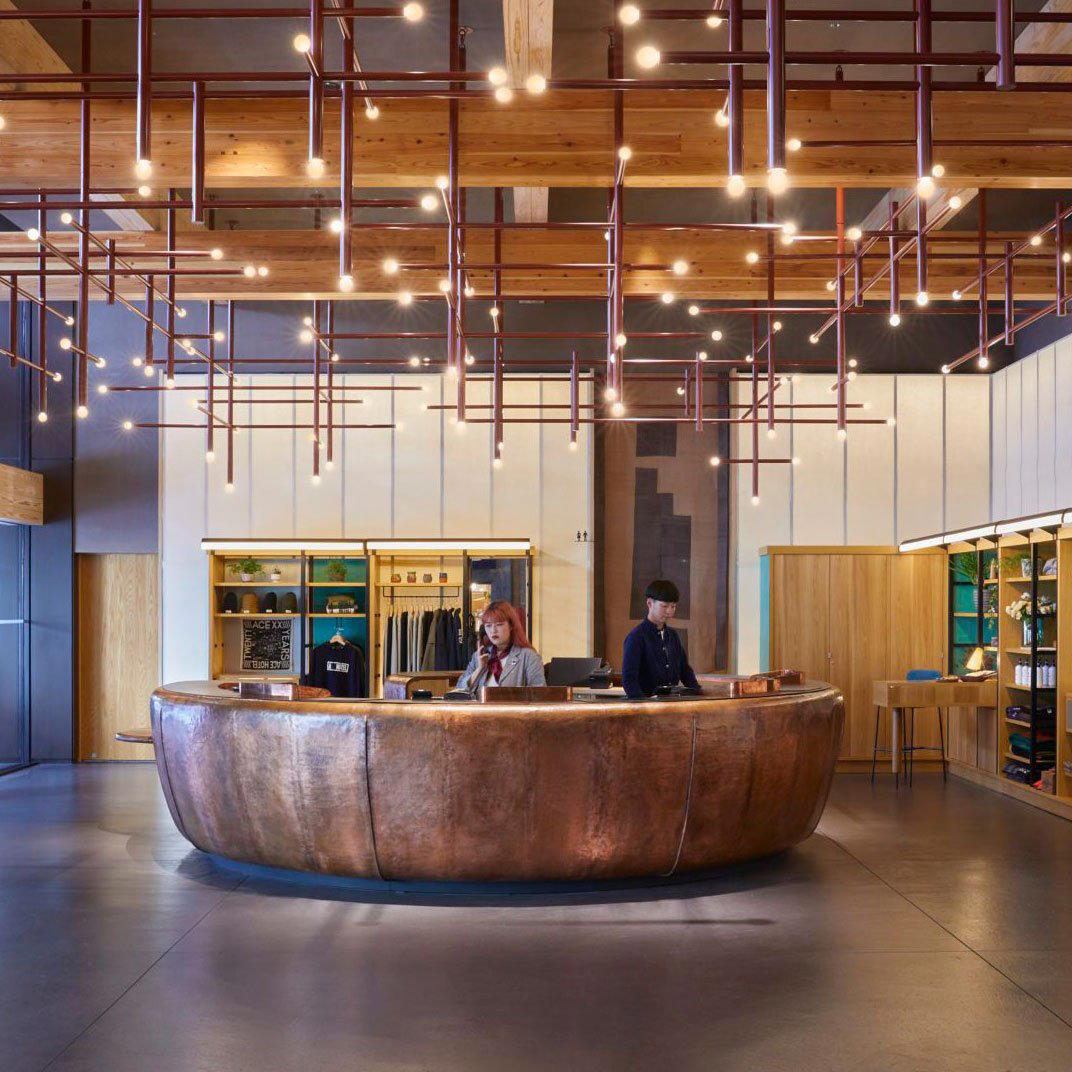
This is particularly relevant for travellers comparing MOKU KYOTO against properties in more scenic but less central locations. The Four Seasons Hotel Kyoto in Higashiyama positions its guests against the backdrop of Sanjusangendo and traditional craft corridors. Ace Hotel Kyoto in the Kyoto Shimbun building brings a design-forward aesthetic to the Karasuma-Oike area. Dusit Thani Kyoto delivers a specific version of Southeast Asian-inflected luxury in a city where international brand formats are multiplying. MOKU KYOTO's address in Shimogyo occupies a different spatial logic from all of them, one organised around the city's commercial and culinary core.
The Broader Japan Stay Context
For travellers building a longer Japan itinerary, Kyoto functions as an anchor point from which the country's ryokan culture becomes accessible. Properties like Gora Kadan in Hakone, Amanemu in Mie, Zaborin in Kutchan, and Nishimuraya Honkan in Kinosaki-cho represent the kaiseki-and-onsen format at its most refined. Asaba in Izu, Fufu Nikko in Nikko, Fufu Kawaguchiko in Fujikawaguchiko, and Kamenoi Besso in Yufu extend that format across different regional terrains. Benesse House in Naoshima, Sekitei in Hatsukaichi-shi, Jusandi in Ishigaki, and Halekulani Okinawa in Okinawa push further into Japan's geographic and cultural periphery. MOKU KYOTO, as a Michelin-selected city property in the country's most culinarily significant city, serves as a practical and logistically sound base from which to connect to that wider network.
For travellers also routing through Tokyo, Bvlgari Hotel Tokyo represents a different tier of the Japanese luxury hotel market, brand-driven, high-specification, and priced accordingly. The pairing of a Tokyo property at that level with a Michelin-selected Kyoto address like MOKU KYOTO makes itinerary sense for those who want external validation at each stop without replicating the same hotel format twice.
Planning a Stay
MOKU KYOTO's address on Nishinotōindōri in Shimogyo-ku places it within walking distance of Karasuma-Oike station and the Hankyu Karasuma line, making access from Kyoto Station and connections to Osaka direct by public transit. Given the growing volume of visitors to Kyoto, particularly during the spring cherry blossom period (late March to early April) and autumn foliage season (mid-November), reservations at any Michelin-recognised property in the city warrant advance planning, typically several weeks ahead for off-peak periods and two to three months ahead for peak windows.
For further context on where MOKU KYOTO sits within Kyoto's accommodation and dining options, see our full Kyoto guide. For global comparison points, properties like The Fifth Avenue Hotel in New York City, Badrutt's Palace Hotel in St. Moritz, and Hôtel de Paris Monte-Carlo in Monte Carlo illustrate how Michelin's hotel recognition operates across very different market contexts.
Cuisine Lens
| Venue | Price | Awards |
|---|---|---|
| MOKU KYOTOThis venue — the venue you are viewing | $300–500 | Michelin Selected |
| Aman Kyoto | Not listed | 2 Michelin Keys · World's 50 Best #74 |
| Park Hyatt Kyoto | $500–750 | 1 Michelin Key · World's 50 Best #37 |
| The Ritz-Carlton, Kyoto | $500–750 | 1 Michelin Key · La Liste Top Hotels |
| Four Seasons Hotel Kyoto | $1,000–1,500 | 1 Michelin Key · La Liste Top Hotels |
| Ace Hotel Kyoto | $200–300 | 1 Michelin Key · Mr & Mrs Smith Seal of Approval |
Recognition history
Dated appearances from independent guides and award organizations, with the underlying list record or original source where available.
Michelin Selected
Michelin
Continue exploring
More in Kyoto
Hotels in Kyoto
Browse all →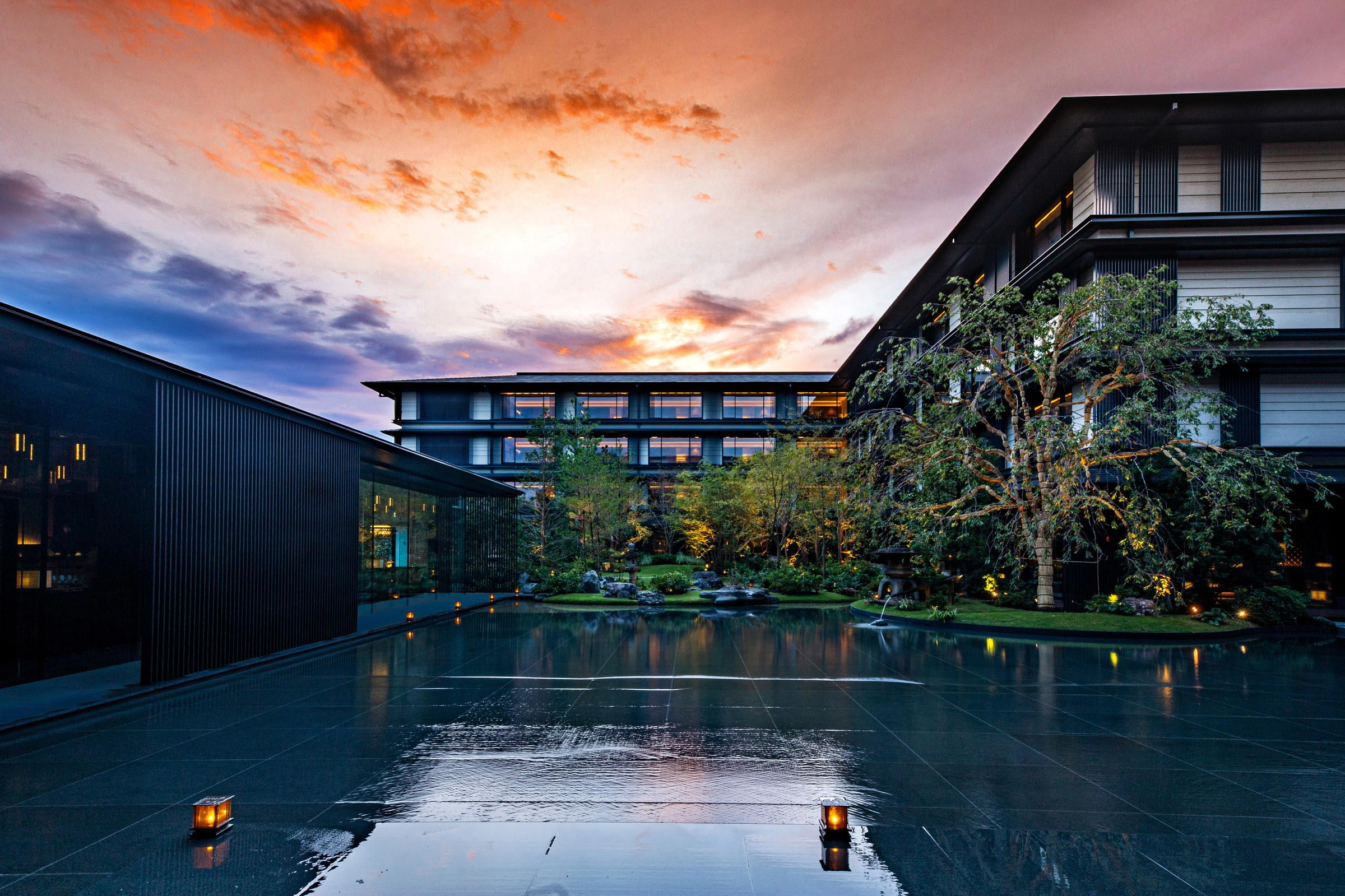
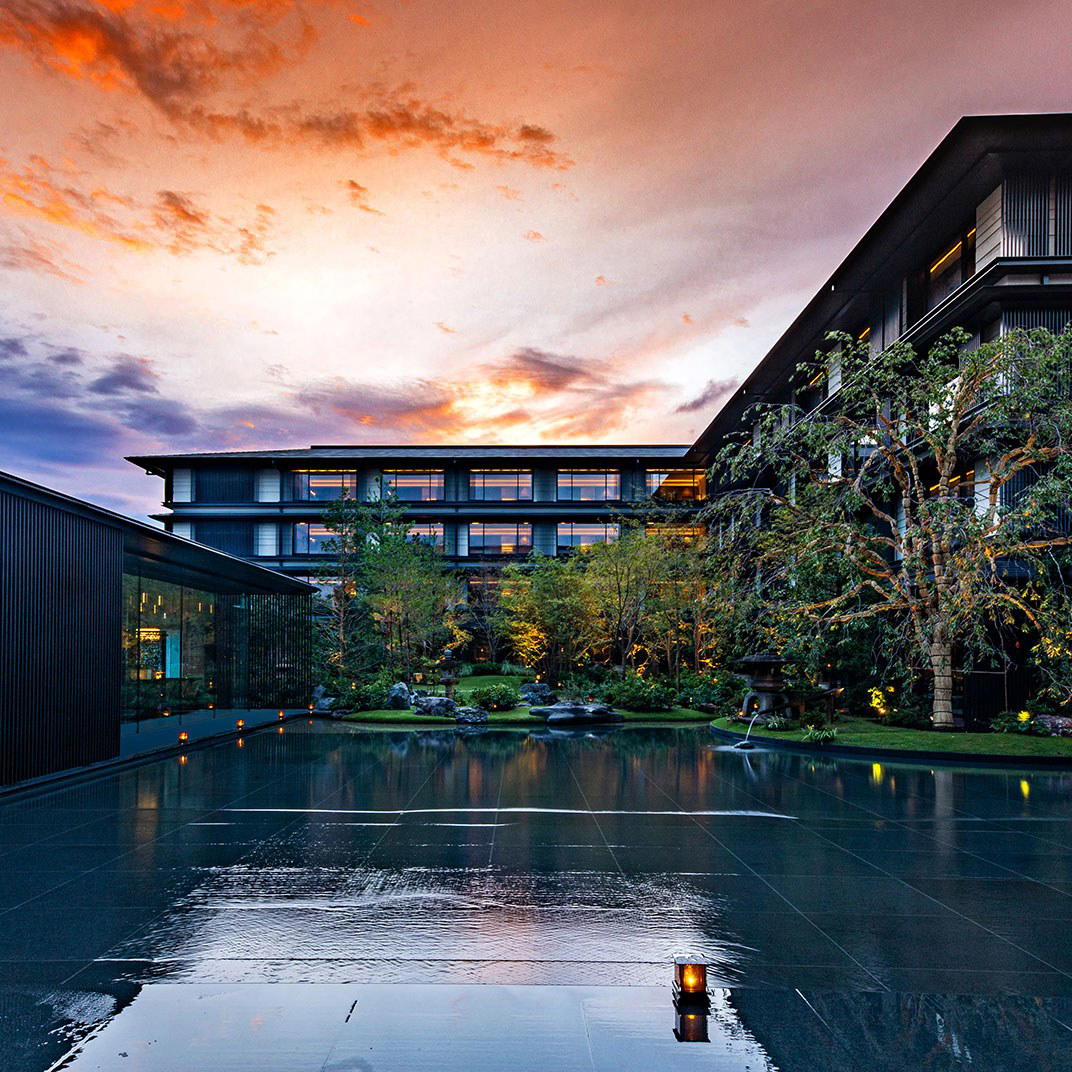
Bars in Kyoto
Browse all →
Restaurants in Kyoto
Browse all →
Wineries in Kyoto
Browse all →
Details
- Minimalist
- Quiet
- Modern
- Elegant
- Sophisticated
- Romantic Getaway
- Weekend Escape
- Wi Fi
- Air Conditioning
- Infinity Pool
- Sauna
- Concierge
- Pool
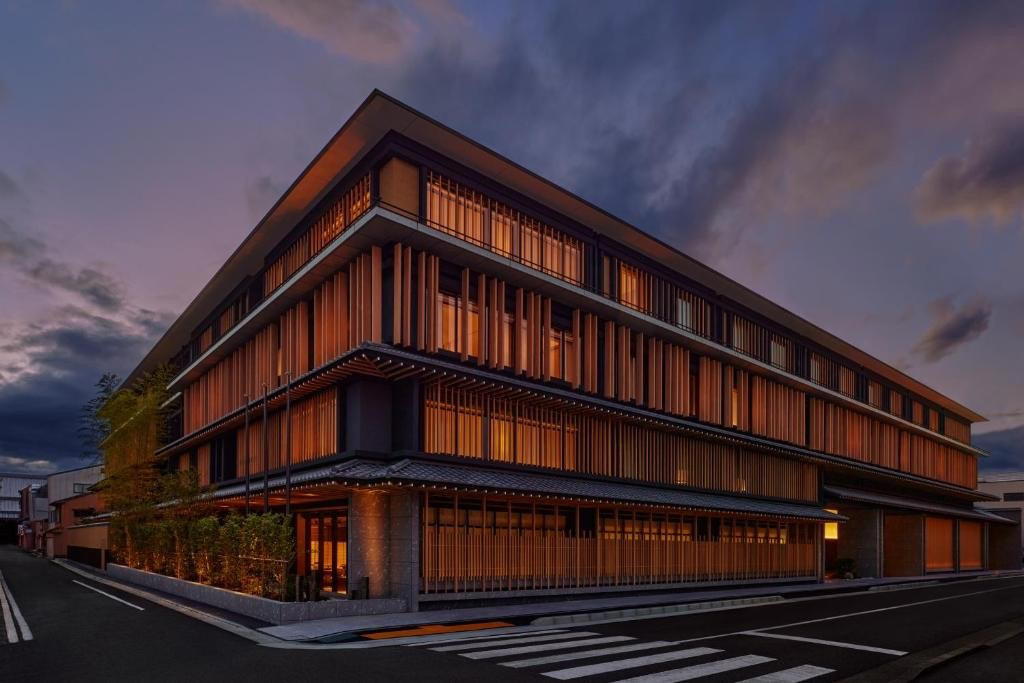
- Street Scene
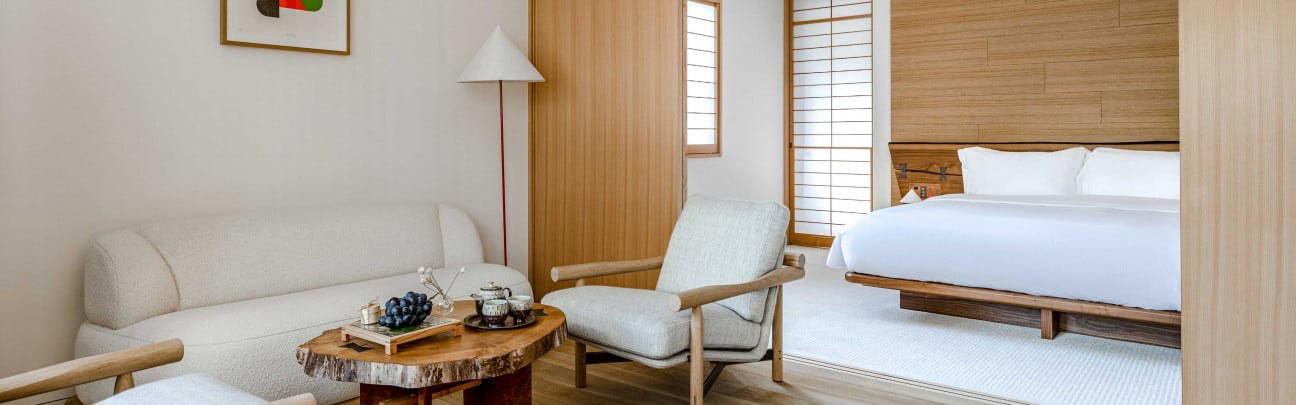
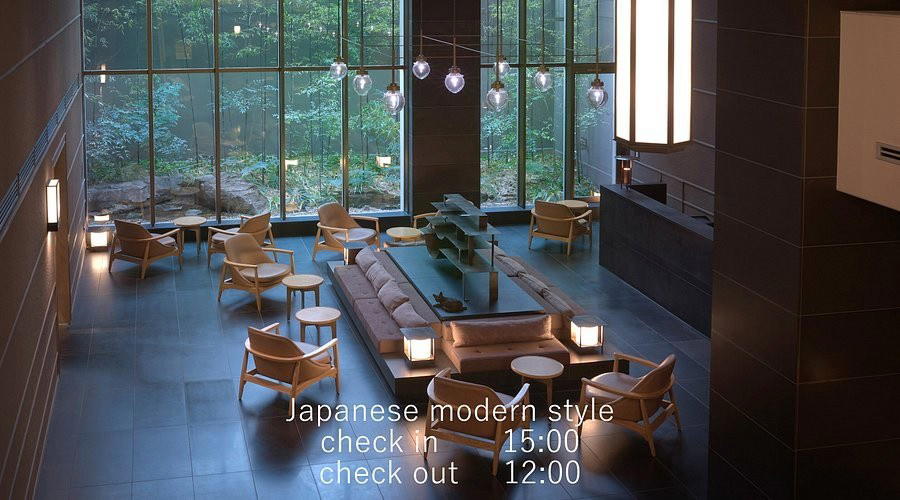
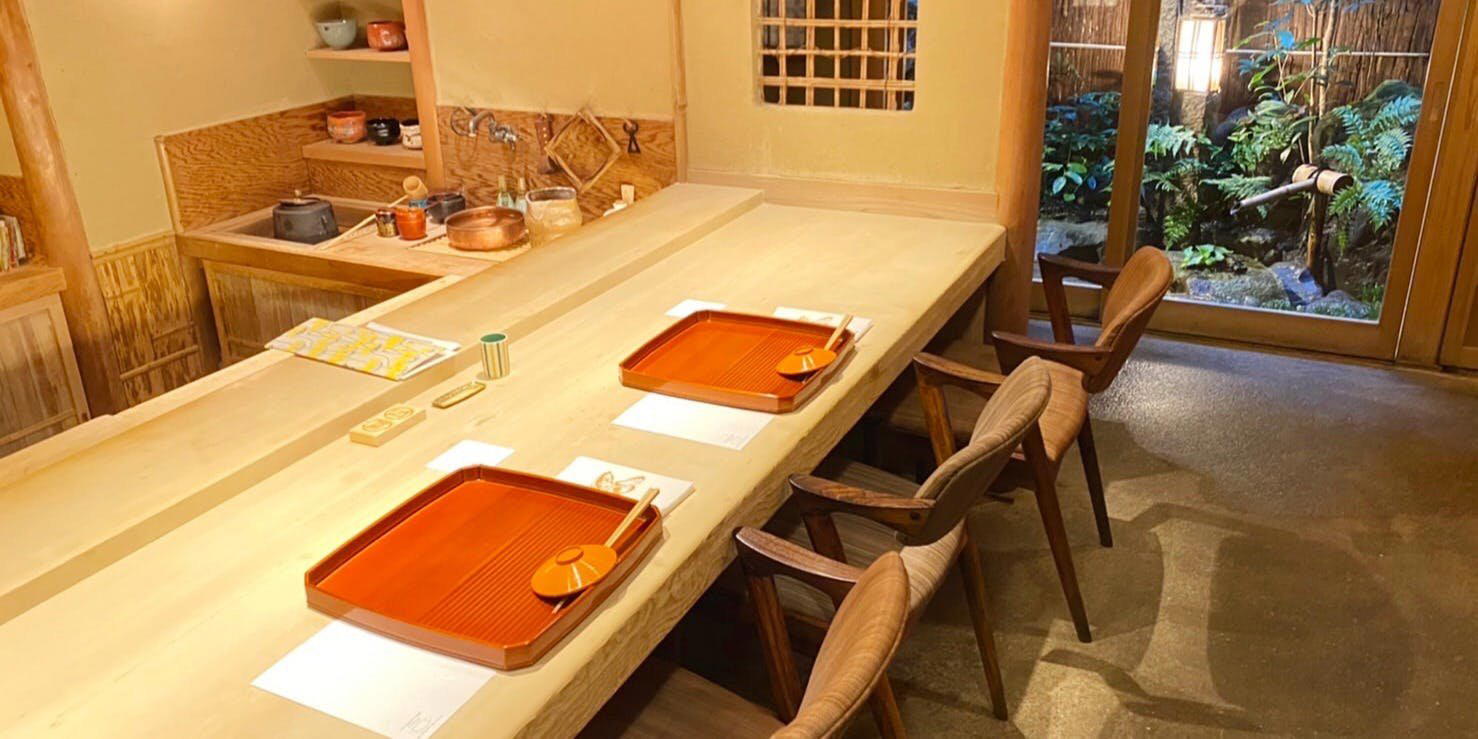
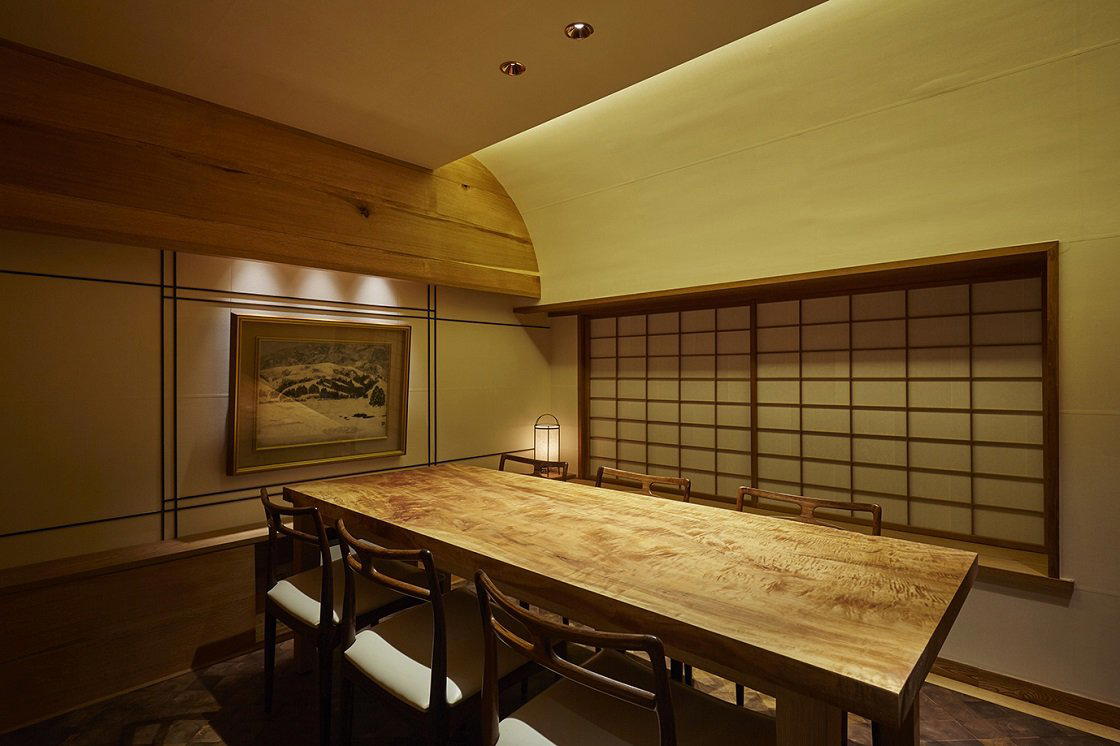
Serene and tranquil with minimalist interiors, natural accents, and a quiet atmosphere blending modern design with traditional Japanese elements.