



1 Michelin Key · La Liste Top Hotels · Forbes 4-Star
Opened in 2023 in Shimogyo Ward, Dusit Thani Kyoto brings Thai hospitality traditions into direct conversation with Kyoto's ceremonial culture, earning a Michelin Key, La Liste recognition, and Global Winner status for sustainable luxury. With 147 rooms, two distinct dining concepts, and a wellness floor drawing on both Japanese and Thai practice, it occupies a specific tier among the city's international luxury hotels.

Pearl is the En Primeur Club membership app, where members save venues, book tables and use the concierge.
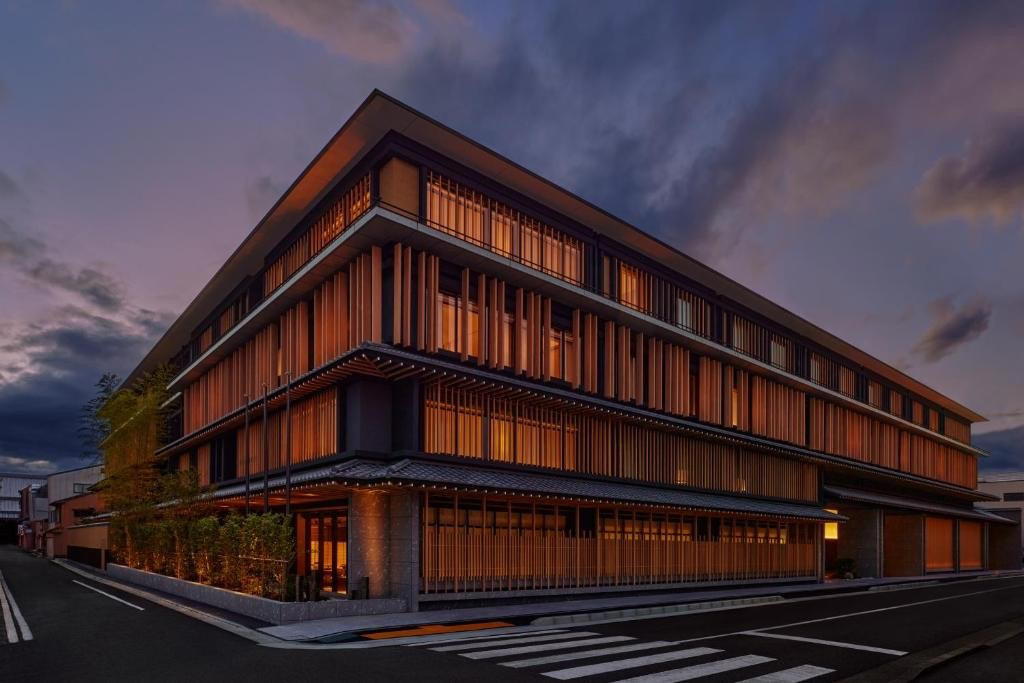
Where Two Ceremonial Cultures Meet
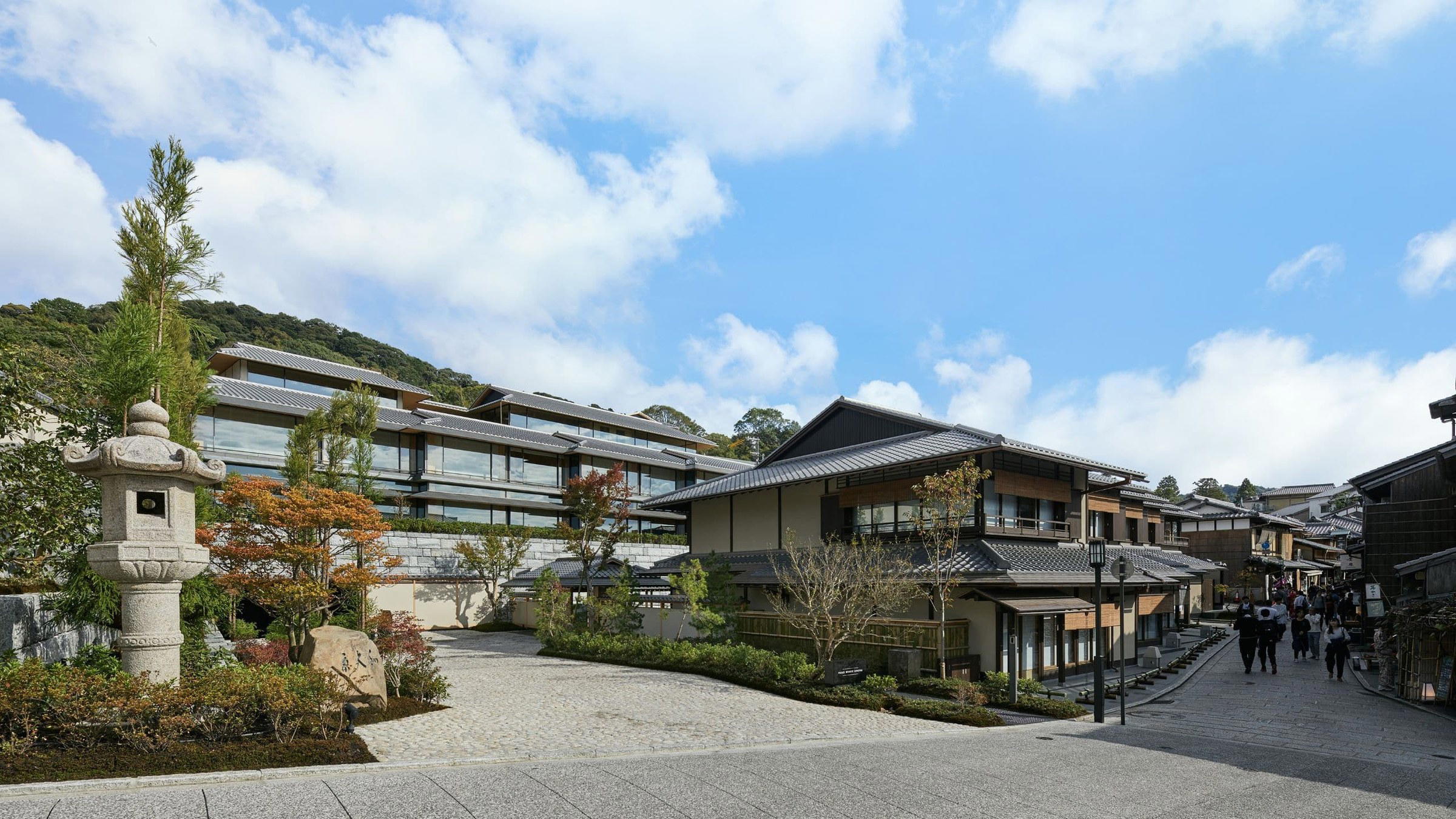
The approach to Dusit Thani Kyoto along Nishinotōin Street in Shimogyo Ward does not prepare you for what waits inside. The street is quiet in the way that streets near Kyoto Station rarely are, five minutes on foot from one of Japan's busiest transit hubs, yet oddly removed from its momentum. The building itself reads as discreet. What distinguishes the property is not its façade but the considered cultural argument it makes from the moment you step through the entrance.
Overhead in the lobby, lengths of blue ribbon hang like traditional Thai garlands, referencing indigo dyeing traditions shared across both Japan and Thailand. Below them, the floor plan traces the silhouette of a five-story Buddhist pagoda, a gojū-no-tō, worked into the lobby lounge as a subtle motif. Thailand-based design firm PIA composed these layers with a precision that avoids easy East-meets-East cliché: hinoki wood sculptures depict Thailand's national flower, while hemp imagery, a Japanese symbol of longevity, repeats across the property. The effect is not fusion but dialogue, two ceremonial traditions placed alongside each other with enough structural care that neither overwhelms the other.
That balance is significant in the context of Kyoto's luxury hotel market. The city's premium tier has been reshaped considerably since 2019, when international operators arrived in force. Aman Kyoto established the case for deep integration with natural landscape. Park Hyatt Kyoto anchored itself to Higashiyama's hillside address and historic neighbourhood grain. Four Seasons Hotel Kyoto drew on a 800-year-old pond garden. Dusit Thani's proposition is different: rather than foreground a singular Kyoto heritage asset, it stages a cross-cultural encounter, and earns its position through the rigour with which that encounter is executed.
A 2023 Opening With a Specific Set of Credentials
Dusit Thani Kyoto opened in 2023, making it among the newer entrants in the city's competitive luxury tier. Its credentials have accumulated quickly. The property holds a Michelin Key (awarded 2024), placing it within Michelin's recognised set of hotels offering a stay experience worthy of specific travel. La Liste's 2026 rankings awarded 93 points, alongside three category wins: Global Winner for Luxury Sustainable Hotel, Regional Winner for Luxury Wellness Hotel, and Country Winner for Luxury Leisure Hotel. These awards position the property not just as a Kyoto option but as a benchmark within specific categories across Japan and the region.
For comparison, peers such as HOTEL THE MITSUI KYOTO, SOWAKA, and The Shinmonzen each operate with distinct identities, heritage conversion, boutique intimacy, and art-led curation respectively. Dusit Thani occupies a different axis: 147 rooms make it larger than most design-led independents in the city, while its award profile signals a level of programming discipline that goes beyond scale alone.
The Dining Architecture
Rather than attempting a hybrid Thai-Japanese format, the property separates its dining concepts with deliberate clarity. Ayatana, the signature Thai fine-dining venue, is described as a multi-course, multi-sensory format conceived by Bo.lan chefs Bo Songvisava and Dylan Jones. The experience is structured progressively: it begins in the garden with Thai incense, moves through a hand-washing ritual in the adjacent lounge Kati, continues with an amuse-bouche in a small buffet room, and culminates in the main dining room. The design cites the Japanese art of kintsugi as its visual reference, most directly in a wall mural depicting Thai batik prints stitched together with veins of gold fabric.
That structural choice, beginning a Thai fine-dining sequence in a Japanese garden, threading ceremony borrowed from both traditions, is not accidental. It mirrors the broader argument the property makes about how two deeply ritualistic cultures can coexist without collapsing into each other.
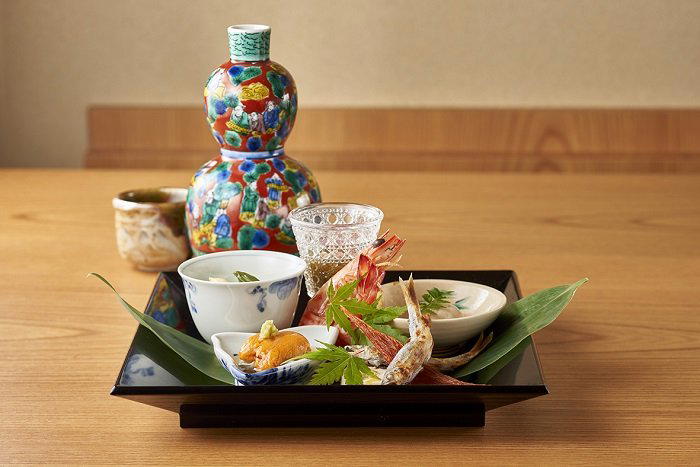
Kōyō, the second restaurant, takes a different approach entirely. Rather than Thai cuisine, it works within a concept structured around Kyoto's 24 micro-seasons, the traditional Japanese calendar system that divides the year into periods of approximately 15 days, each marking a specific shift in flora, temperature, or agricultural rhythm. For a city that has organised its festivals, cuisine, and temple rituals around seasonal precision for centuries, this is not a marketing concept but a genuine operational framework. The seasonal emphasis connects the restaurant to a deep current in Kyoto culinary culture, placing Kōyō within a tradition that runs from kaiseki through to contemporary Kyoto-style Japanese cooking.
Kati, the Thai dessert bar, functions as a third distinct space. Afternoon service offers a range of sweet preparations, and the lounge's back wall features an installation of intricate wooden rice cake presses that serve as decoration. The bar named Den Kyoto has interiors designed to mimic the inside of a wine barrel, a detail that reads as architectural wit rather than thematic statement.
Wellness Below, Culture Above
The wellness floor occupies the basement level and draws its design language from kyudo, the Japanese martial art of archery, an art form defined by the relationship between stillness, breath, and precision. Devarana Wellness offers a range of treatments, including a signature Thai massage conducted in a dedicated suite. The dual-tradition approach mirrors the property's broader positioning: Japanese architectural vocabulary, Thai therapeutic practice.
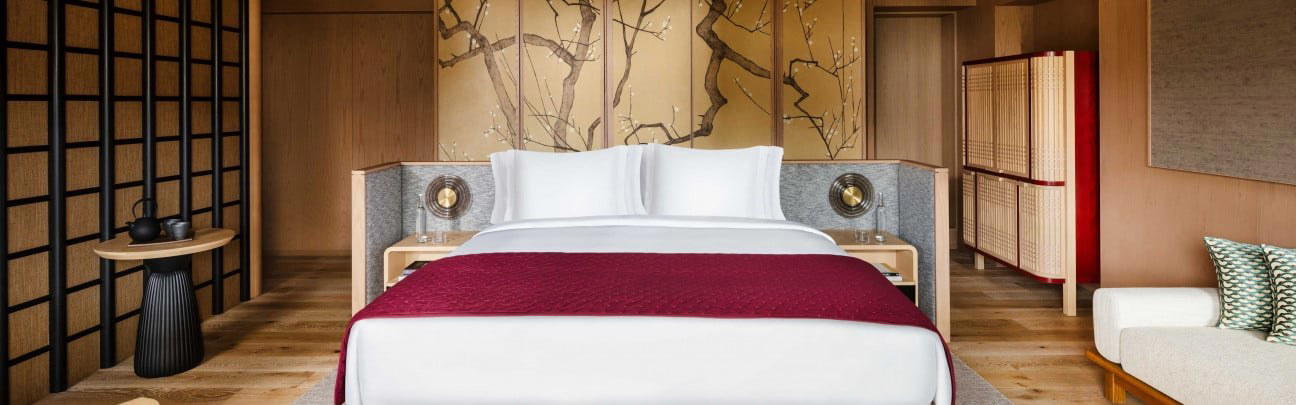
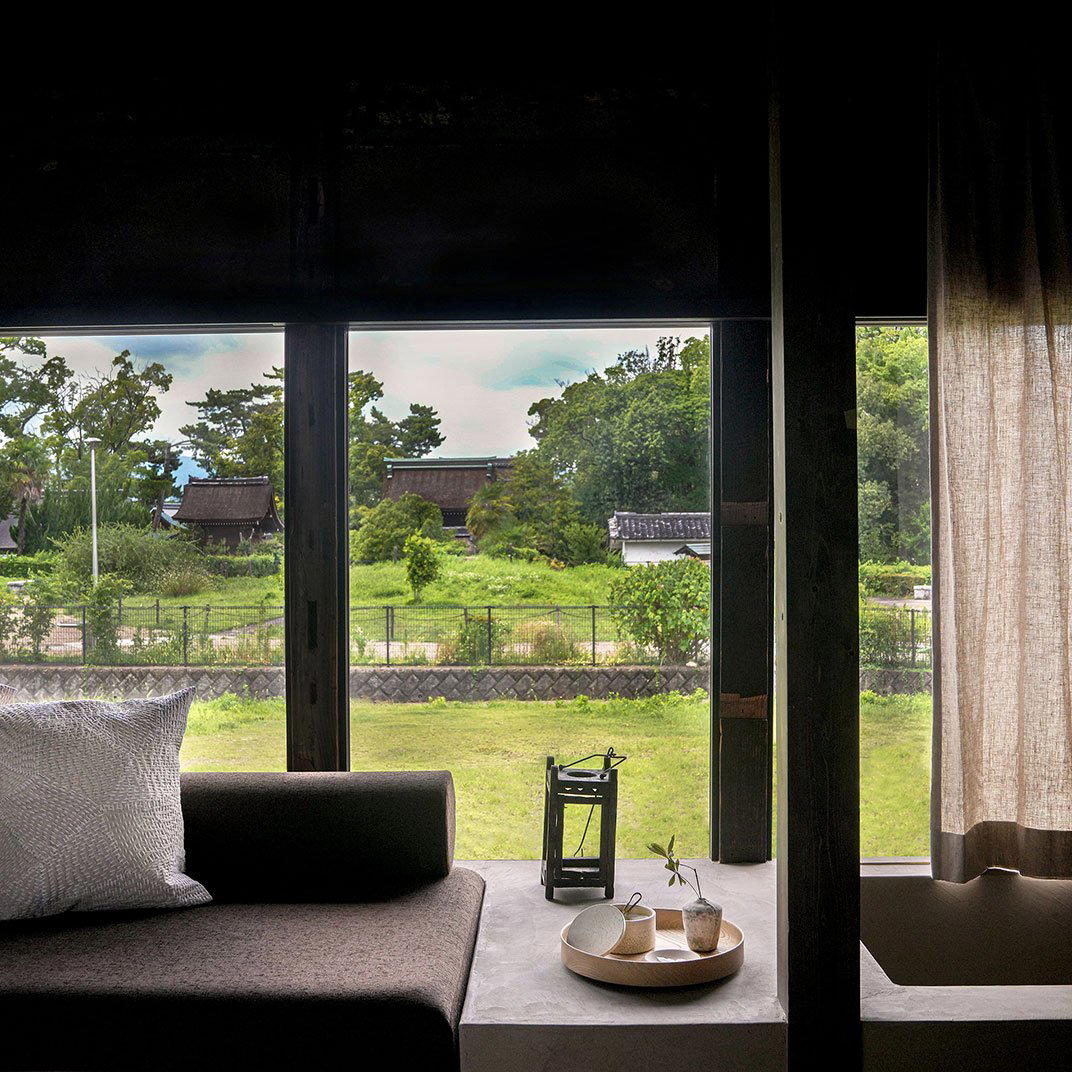
Ground-floor rooms are positioned by the property as offering the most direct engagement with the garden, tranquil garden views framed by a privacy wall, with interiors in grey tones and light wood. For guests whose priority is atmosphere over altitude, the ground-floor allocation offers a specific kind of experience that higher floors with city views do not replicate.
The cultural programming extends well beyond spa treatments. The hotel offers tea ceremonies, maiko dance workshops, and kintsugi classes. For guests who want proximity to broader Kyoto attractions, the location provides it: Nishiki Market and Fushimi Inari Taisha are both within practical reach of the Shimogyo Ward address.
Kyoto's Luxury Hotel Tier: Where This Property Sits
Kyoto's premium hotel market now spans a wide range of formats. At one end, properties like Ace Hotel Kyoto and Fufu Kyoto represent distinct design and operator philosophies. At the other, large-format international flagships offer the depth of amenity that comes with scale. Dusit Thani sits closer to the latter in terms of room count (147 keys) but differentiates through its award-validated sustainability and wellness positioning, and through a dining programme with genuine culinary ambition rather than all-day hotel convenience food.
For travellers considering Kyoto against other Japanese destinations, the city's luxury tier now competes with properties like Bvlgari Hotel Tokyo, Amanemu in Mie, Gora Kadan in Hakone, and Zaborin in Kutchan, each offering a version of luxury rooted in specific Japanese landscape or tradition. Dusit Thani's case is that cross-cultural design executed at this level of craft is itself a form of authenticity, not a dilution of it.
Room rates from $394 per night place the property in the mid-to-upper tier of Kyoto luxury options, below the most exclusive limited-key properties but above the standard international business hotel bracket. See our full Kyoto restaurants and hotels guide for context on how the city's broader accommodation landscape compares. Guests planning to dine at Ayatana should treat that as a separate reservation to organise alongside the room booking, given the format's structured progression and the limited capacity that a multi-course fine-dining experience of that kind implies.
Nearby-ish Comparables
Comparable venues nearby, for context on price, style, and recognition.
| Venue | Cuisine | Price | Awards | Notes |
|---|---|---|---|---|
| Dusit Thani KyotoThis venue (the venue you are viewing) | Urban luxury sanctuary fusing Thai and Japanese design | $1,000–1,500 | 1 Michelin Key · La Liste Top Hotels | Not listed |
| The Hotel Seiryu Kyoto Kiyomizu | Renovated historic school building blending Japanese heritage with contemporary luxury | Not listed | 1 Michelin Key · La Liste Top Hotels | Higashiyama |
| The Ritz-Carlton, Kyoto | Japanese-inspired urban resort | $500–750 | 1 Michelin Key · La Liste Top Hotels | Nakagyō |
| ROKU KYOTO, LXR Hotels & Resorts | Mountain resort blending Japanese artisanship with modern luxury | Not listed | 1 Michelin Key · La Liste Top Hotels | Kita |
| Genji Kyoto | Contemporary Japanese sanctuary inspired by the Tale of Genji | $500–750 | 1 Michelin Key · Design Hotels Member | Shimogyō |
| Four Seasons Hotel Kyoto | Contemporary luxury resort anchored by historic Japanese heritage, featuring modern amenities integrated with traditional design elements and cultural programming. | $1,000–1,500 | 1 Michelin Key · La Liste Top Hotels | Higashiyama |
Recognition history
Dated appearances from independent guides and award organizations, with the underlying list record or original source where available.
Michelin 1 Key
Michelin
La Liste Top Hotels
La Liste
Forbes 4-Star
Forbes
World Luxury Hotel Awards WLHA Regional Winner
World Luxury Hotel Awards
Full recognition history (9 entries)
Forbes 4-Star
Forbes
Michelin 1 Key
Michelin
World Luxury Hotel Awards WLHA Country Winner
World Luxury Hotel Awards
World Luxury Hotel Awards WLHA Global Winner
World Luxury Hotel Awards
Michelin 1 Key
Michelin
Continue exploring
More in Kyoto
Hotels in Kyoto
All hotels in Kyoto →
Bars in Kyoto
All bars in Kyoto →
Restaurants in Kyoto
All restaurants in Kyoto →
Wineries in Kyoto
Browse all →
Details
- Elegant
- Serene
- Sophisticated
- Modern
- Romantic Getaway
- Wellness Retreat
- Business Trip
- Garden
- Historic Building
- Wi Fi
- Pool
- Spa
- Fitness Center
- Room Service
- Concierge
- Valet Parking
- EV Charging
- Garden
- Street Scene
- Wheelchair Accessible
- Elevator
- Step Free Entrance
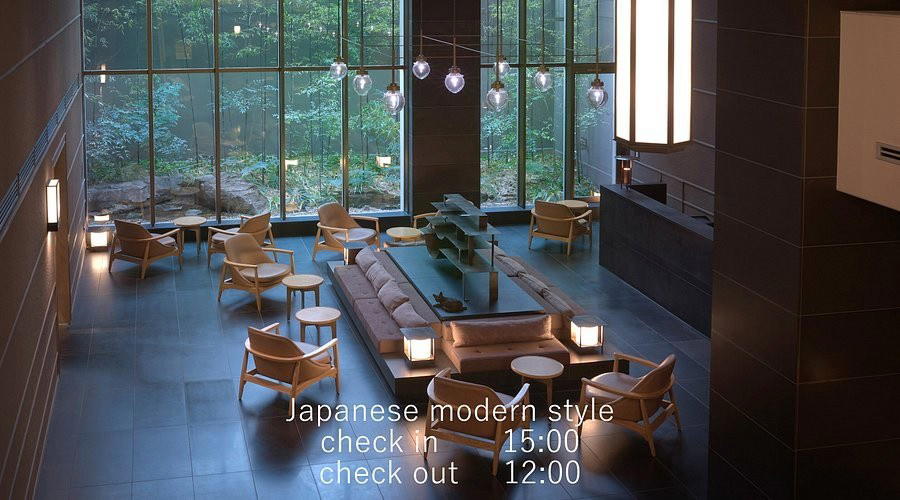
Calm and refined public spaces with soft lighting, wooden finishes, and a fusion of Thai warmth and Japanese serenity, praised as tranquil and peaceful.