

2 Michelin Keys · Relais Chateaux Award
A five-generation family ryokan in a 19th-century Nakagyo townhouse, Kanamean Nishitomiya runs seven tatami rooms around a Japanese garden and a Michelin-starred kaiseki dinner. Rates from US$507 per night place it in Kyoto's serious independent tier, well above the city's converted guesthouses but below the international luxury chains. The Michelin Key recognition it earned in 2024 confirms its standing as one of the city's most credible small lodgings.

Pearl is the En Primeur Club membership app, where members save venues, book tables and use the concierge.
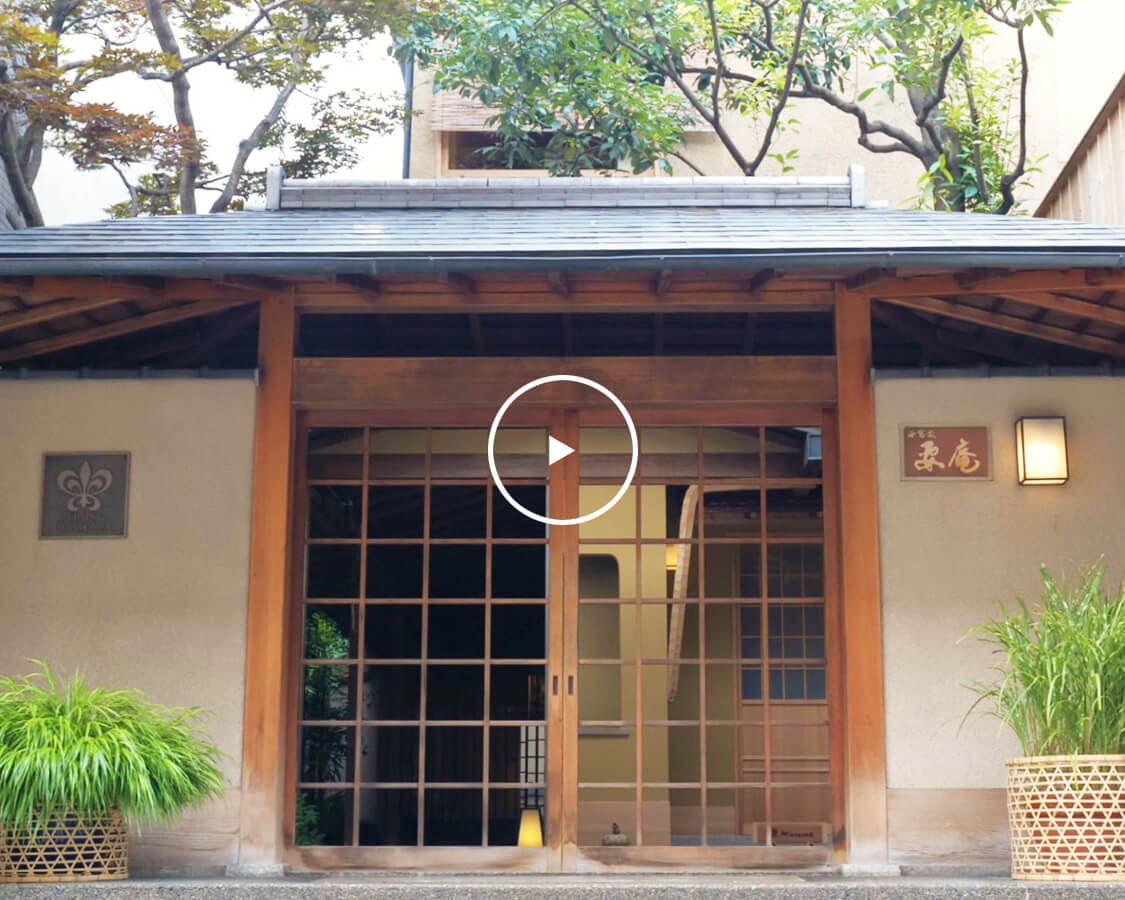
A 19th-Century Townhouse in the Heart of Nakagyo
The crossing of Tominokoji Street and Rokkaku Street sits at the centre of downtown Kyoto, surrounded by the kind of neighbourhood density that makes most travellers assume traditional accommodation must lie further out, in quieter residential pockets. Kanamean Nishitomiya challenges that assumption. The building, a 19th-century machiya townhouse at 562 Honeyanochō, occupies a position rare in Kyoto's central wards: a genuinely old structure that survived the fires and redevelopments that erased most of its contemporaries. The exterior reads as a study in urban Japanese vernacular, the kind of architecture that shaped the city's character well before international hotel brands arrived. Step through the entrance and the city's noise drops away with a finality that urban ryokan in Kyoto rarely deliver.
In the wider category of Japanese fine lodging, the machiya format sits at an interesting remove from the mountain onsen ryokan, which dominates most travellers' ideas of what traditional Japanese hospitality looks like. Properties such as Gora Kadan in Hakone or Asaba in Izu deliver the full thermal ritual in landscape settings that frame withdrawal from everyday life as the central gesture. Kanamean Nishitomiya offers something structurally different: immersion in Kyoto's downtown grain, with a 19th-century building doing the work of separation that mountain properties achieve through geography alone.
Seven Rooms, Seven Individual Spaces
Ryokan with seven rooms occupy a specific position in Japan's hospitality hierarchy. The format is small enough that the property cannot function as a hotel with ryokan aesthetics applied on leading; it has to commit to the guest-to-host ratio that traditional hospitality demands. At this scale, staffing, sequencing, and spatial curation all become more consequential than at larger properties, and the physical design of each room carries more editorial weight as a result.
All seven rooms at Kanamean Nishitomiya use tatami flooring, which anchors them firmly in the ryokan tradition. The distinction here lies in the layering on top of that foundation. The owners have furnished the house with contemporary pieces alongside what the building's age provides naturally, and the library of books running through the interior introduces a residential quality that differs from the careful blankness of many preserved ryokan. The result is a space that reads less like a museum of Edo-period life and more like an inhabited townhouse that happens to have been in continuous family use for five generations.
Each of the seven rooms has a distinct layout and décor arrangement. In practice, this means no two booking experiences at Kanamean Nishitomiya are identical, and the character of a particular room shapes the stay as decisively as the broader property context. The modern artworks placed through the house function not as decoration in the conventional hospitality sense, but as evidence of an active curatorial eye, one that treats the 19th-century building as a container still open to dialogue with the present. This approach sits within a broader shift across Japan's premium small-property segment, where the tension between preservation and livability has replaced wholesale restoration as the dominant design question. Properties like ENOWA Yufu in Yufu and Zaborin in Kutchan move through the same question in different geographical contexts, but the machiya format carries specific constraints around ceiling height, room proportion, and natural light that make Kanamean Nishitomiya's spatial choices more tightly consequential.
The Garden as Structural Element
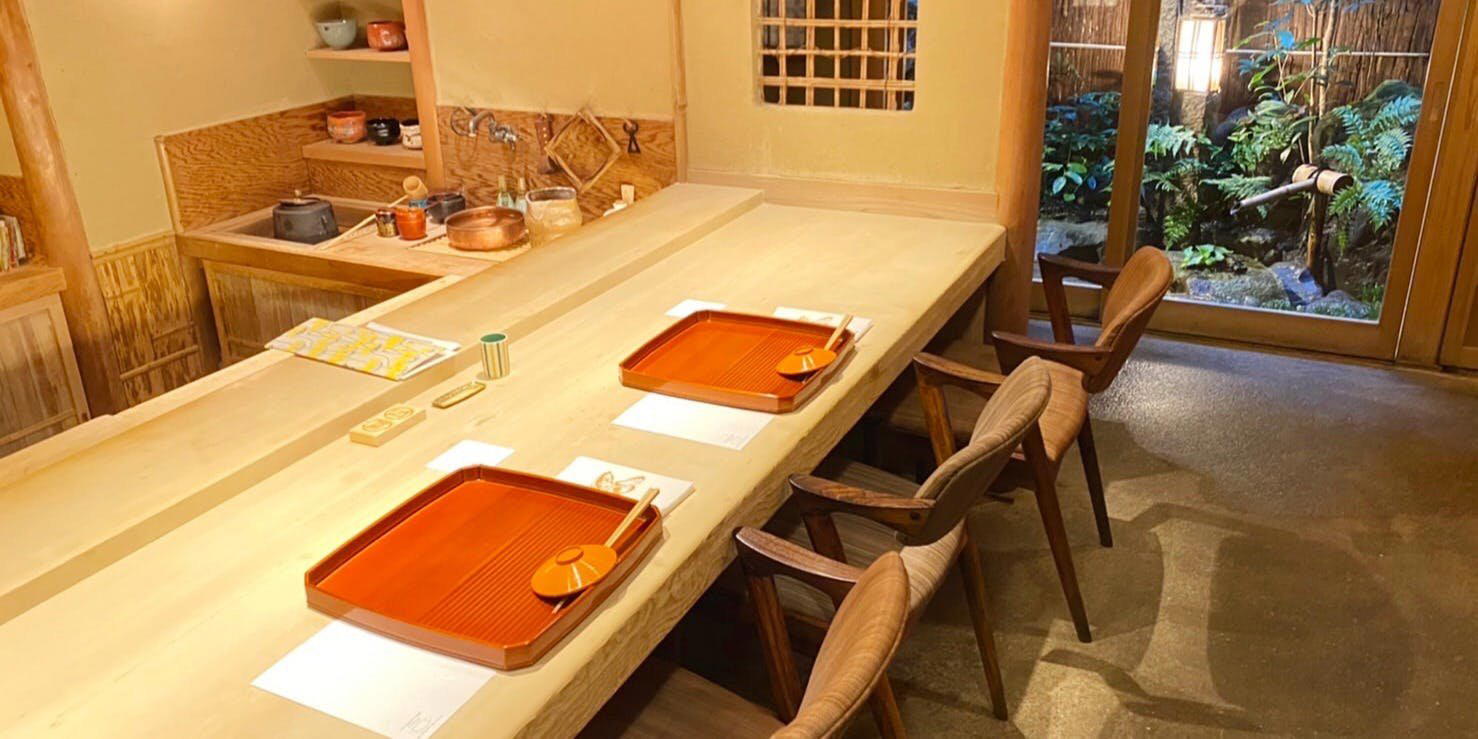
In the machiya plan, the garden typically occupies a narrow corridor of space between the street-facing structure and the rear rooms. At Kanamean Nishitomiya, this interior garden functions as the property's primary spatial transition, the point at which the townhouse's urban address gives way to something closer to stillness. Japanese garden design at this scale is less about horticultural display and more about framing, controlling sightlines so that even a compact space creates a sense of depth and remove. In a central Kyoto property, where external views are by definition urban and often cluttered, the inward-facing garden becomes the window that matters most.
The interplay between the 19th-century structure and its garden represents the kind of spatial intelligence that downtown Kyoto's machiya culture developed over centuries, and Kanamean Nishitomiya preserves it without freezing it. That combination of authentic structure, restrained contemporary layering, and inward garden orientation is what places this property in a different competitive set from Kyoto's larger international hotels, including Four Seasons Hotel Kyoto, Park Hyatt Kyoto, or HOTEL THE MITSUI KYOTO, all of which offer luxury through scale and brand infrastructure rather than spatial authenticity.
Dinner and the Michelin Recognition Behind It
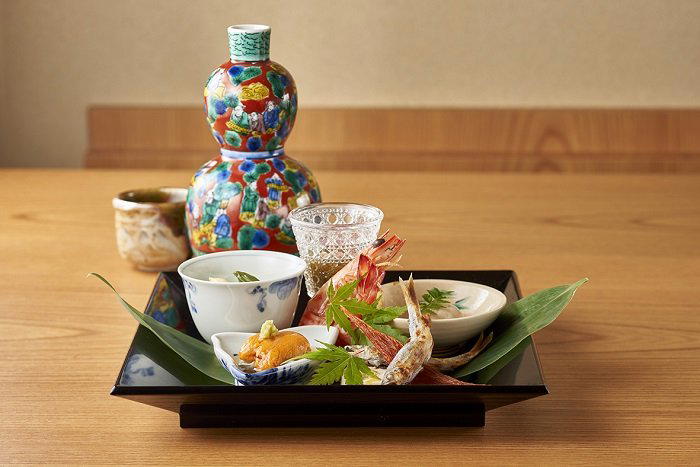
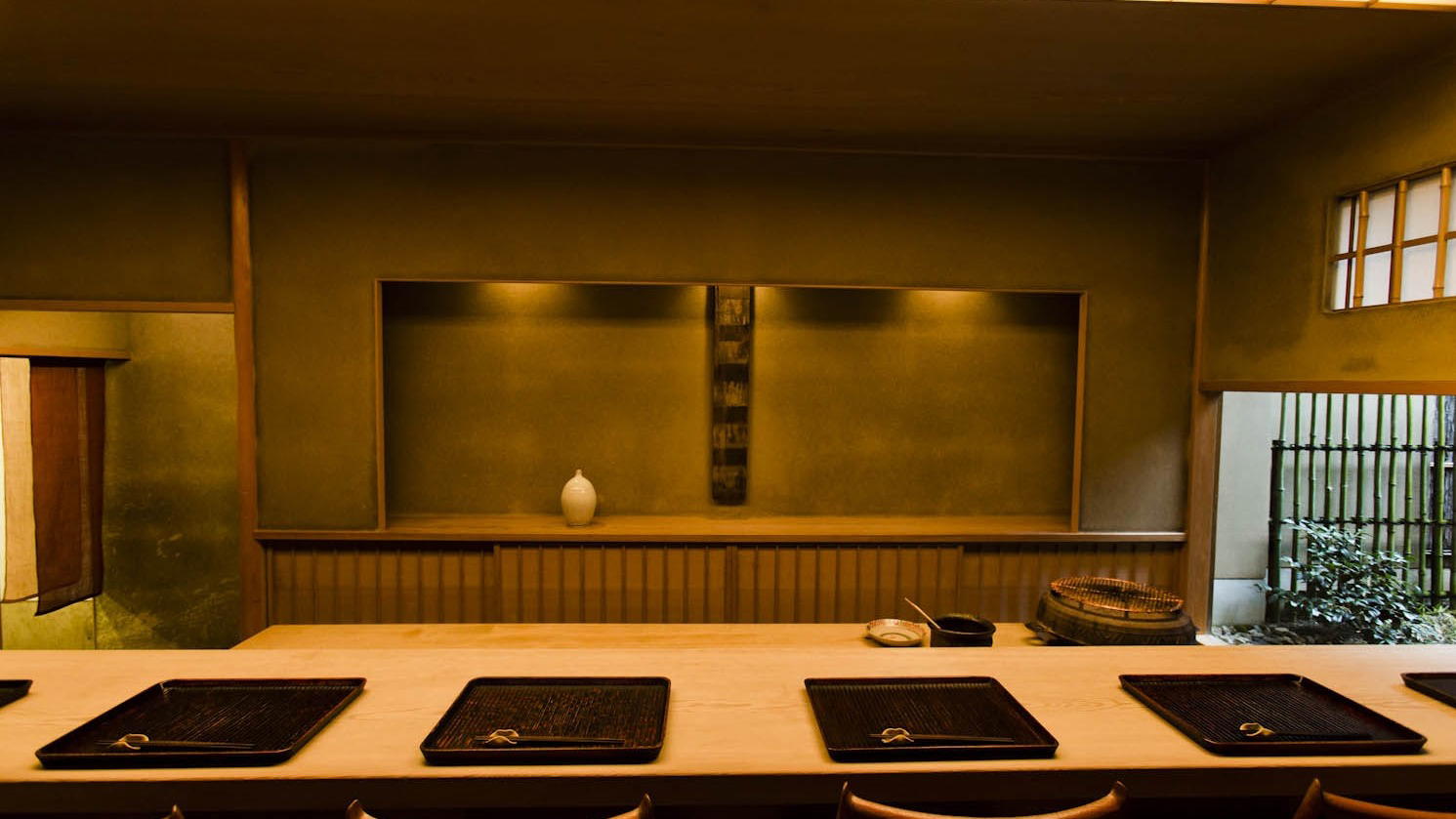
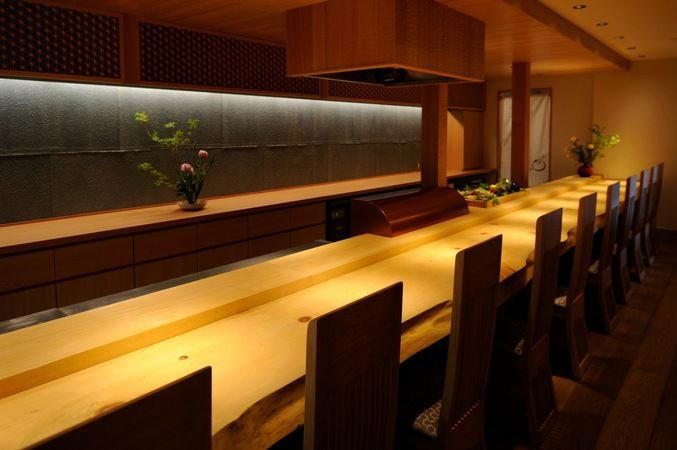
In the ryokan format, dinner is not an optional add-on. The multi-course evening meal, served in traditional attire and following a structured sequence, is the event around which the rest of the stay is organised. At Kanamean Nishitomiya, this dinner has been recognised with a Michelin star, a significant credential for a family-run property operating at seven rooms. Michelin's evaluation of ryokan kaiseki considers the precision of technique, the quality of seasonal ingredient sourcing, and the coherence of the course sequence, and a star at this scale indicates that the kitchen meets standards being held against dedicated restaurant operations, not just comparable lodging. The property also holds a Michelin Key (2024), recognition that covers the lodging experience as a whole.
For context within Japan's premium ryokan segment, Michelin-recognised in-house kaiseki at a property with fewer than ten rooms is relatively uncommon. Properties like Nishimuraya Honkan in Kinosaki-cho and Fufu Kawaguchiko in Fujikawaguchiko operate at a similar intersection of traditional hospitality format and serious culinary credentials, though each in different geographical and architectural circumstances. For those approaching Kyoto from a food-led perspective, the dinner at Kanamean Nishitomiya represents a credentialled point of entry into kaiseki that is structurally different from booking a standalone restaurant, because the ritual of dress, sequence, and setting is built into the accommodation rather than existing as a separate appointment.
Position in Kyoto's Lodging Spectrum
Kyoto's premium lodging market has widened considerably over the past decade. The arrival of properties like Aman Kyoto, with its forest-edge setting and high price ceiling, and more design-oriented options like The Shinmonzen and SOWAKA has created a richer spread across size, setting, and character. Within that spread, Kanamean Nishitomiya occupies a position defined by what it is structurally rather than what amenities it lists: a five-generation family-run machiya, operating at intimate scale, with Michelin-recognised food and a central address that makes it walkable to Nishiki Market, the Gion district, and the main shopping corridors of Nakagyo Ward.
Rates from USD 507 per night place it in the mid-to-upper bracket for Kyoto ryokan, though below the ceiling set by resort-format properties or those with larger footprints. JR Kyoto Station sits approximately 3 kilometres away, and Osaka International Airport is 52 kilometres distant, making logistics for international arrivals standard. The property is a one-minute walk from the Tominokoji-Rokkaku crossing, which serves as the practical landmark for anyone arriving by taxi or on foot.
For travellers considering how Kanamean Nishitomiya fits within a broader Japan itinerary, the property pairs naturally with rural or coastal ryokan stays elsewhere in the country. A sequence that includes Amanemu in Mie for its onsen and coastal setting, or Jusandi in Ishigaki for a subtropical counterpoint, would bracket Kanamean Nishitomiya's urban, downtown character with landscape-driven alternatives. Travellers whose Japan itinerary extends to Tokyo might also consider Bvlgari Hotel Tokyo as a contrast point at the opposite end of the traditional-contemporary axis, or Benesse House in Naoshima for a design-led experience in a very different register. See our full Kyoto restaurants and hotels guide for further options across the city's range. Properties such as Ace Hotel Kyoto, Dusit Thani Kyoto, Sekitei in Hatsukaichi-shi, and Fufu Nikko in Nikko round out the regional comparisons for travellers mapping options across different price points and formats. For international context on intimate heritage lodging, Aman Venice occupies a structurally similar position in its own city: a historic building, few rooms, and a setting that urban geography makes quietly exceptional. Aman New York and The Fifth Avenue Hotel in New York City represent the contrast of large-city luxury at scale, and Halekulani Okinawa offers a useful Pacific counterpoint within Japan itself.
Side-by-Side Snapshot
Comparable venues nearby, for context on price, style, and recognition.
| Venue | Cuisine | Price | Awards | Notes |
|---|---|---|---|---|
| Kanamean NishitomiyaThis venue (the venue you are viewing) | Traditional family-owned ryokan blending 19th-century wooden architecture with contemporary luxury. | $500–750 | 2 Michelin Keys · Relais Chateaux Award | Not listed |
| Maana Kamo | Restored traditional machiya townhouse designed for quiet reflection. | $750–1,000 | Michelin Selected | Higashiyama |
| The Hotel Higashiyama by Kyoto Tokyu Hotel, A Pan Pacific Hotel | Blends traditional ryokan hospitality with contemporary luxury inspired by Kyoto's feudal-era Higashiyama district. | $300–500 | Michelin Selected | Higashiyama |
| MOGANA | Modernist reimagination of traditional Japanese aesthetics with contemporary European design influences, positioned as an intimate design-focused luxury boutique hotel. | Not listed | Michelin Selected | Nakagyō |
| Higashiyama Shikikaboku | Contemporary ryokan blending modern architecture with traditional Kyoto craftsmanship | $300–500 | Michelin Selected | Higashiyama |
| Hotel Utano Kyoto Bessho | Historic Japanese-Western hybrid residence from the early 20th century, meticulously renovated to blend traditional architecture with contemporary luxury. | Not listed | Michelin Selected | Ukyō |
Recognition history
Dated appearances from independent guides and award organizations, with the underlying list record or original source where available.
Michelin 2 Keys
Michelin
Relais Chateaux Award
Relais Chateaux
Full recognition history (5 entries)
Michelin 1 Key
Michelin
Relais Chateaux Award
Relais Chateaux
Michelin 1 Key
Michelin
Continue exploring
More in Kyoto
Hotels in Kyoto
All hotels in Kyoto →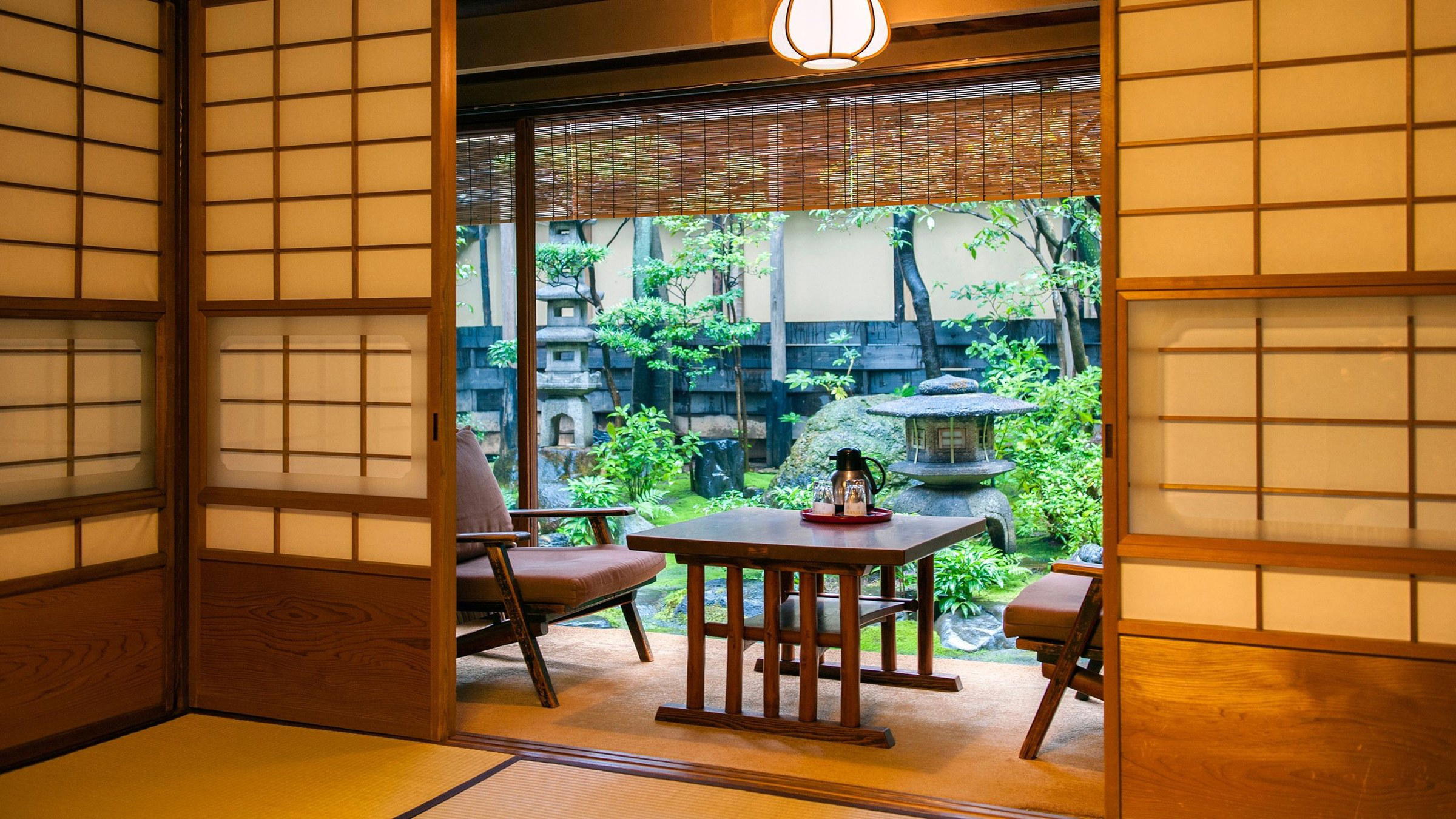
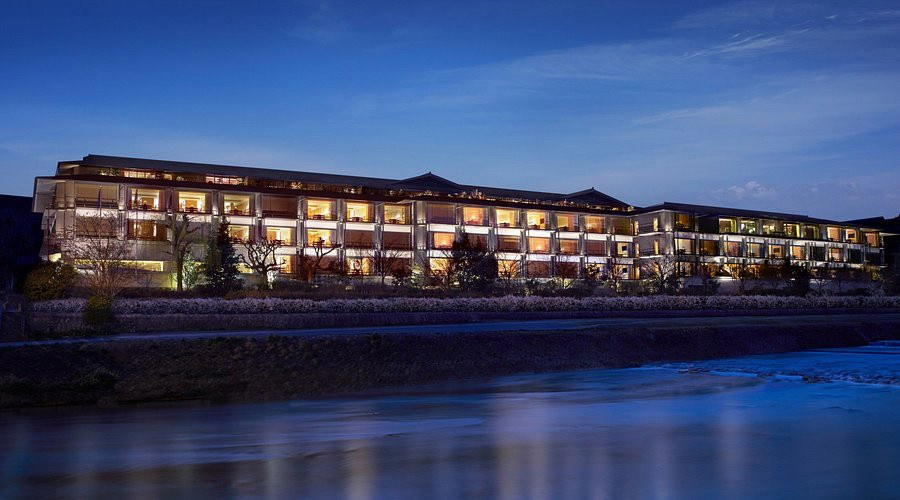
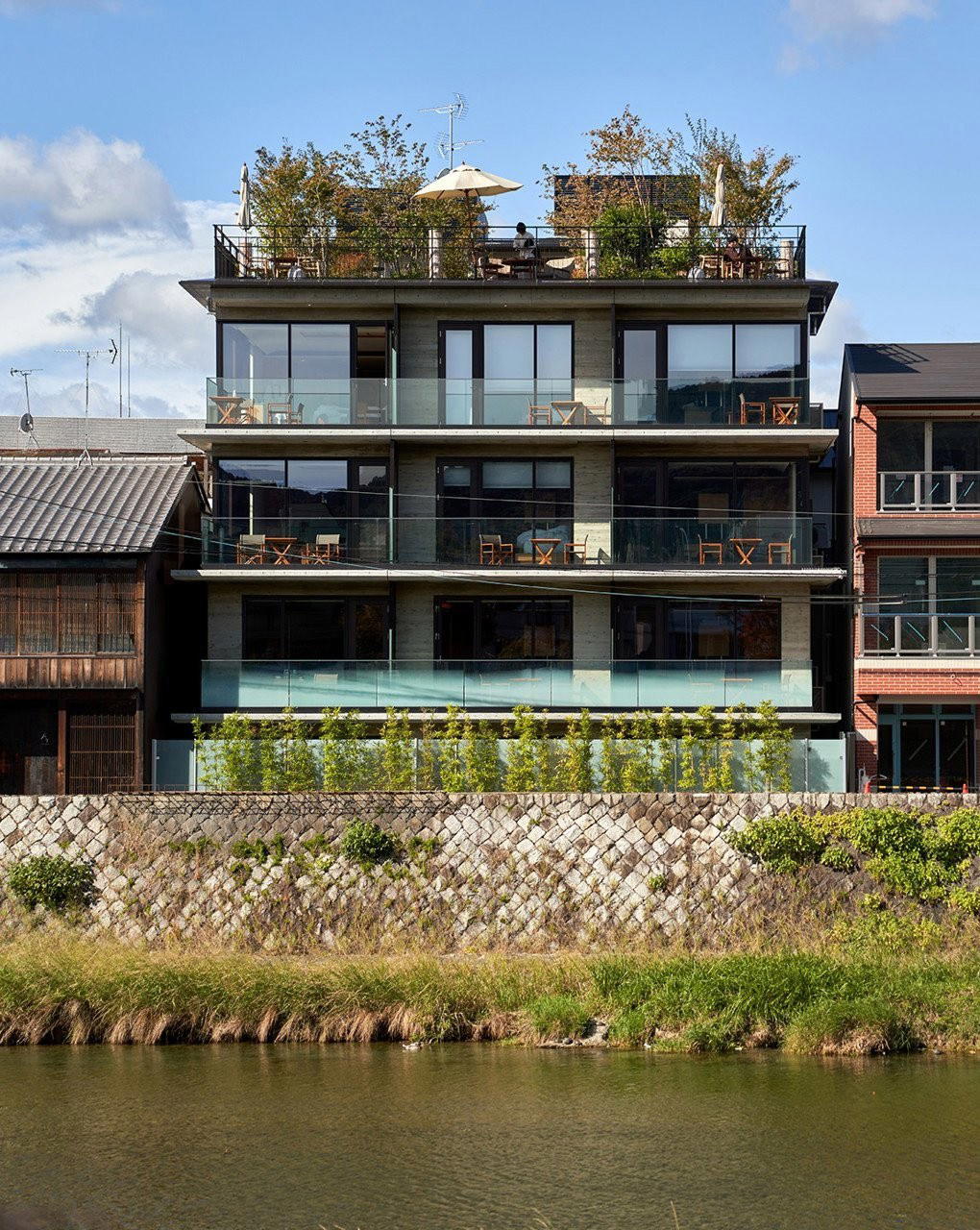
Bars in Kyoto
All bars in Kyoto →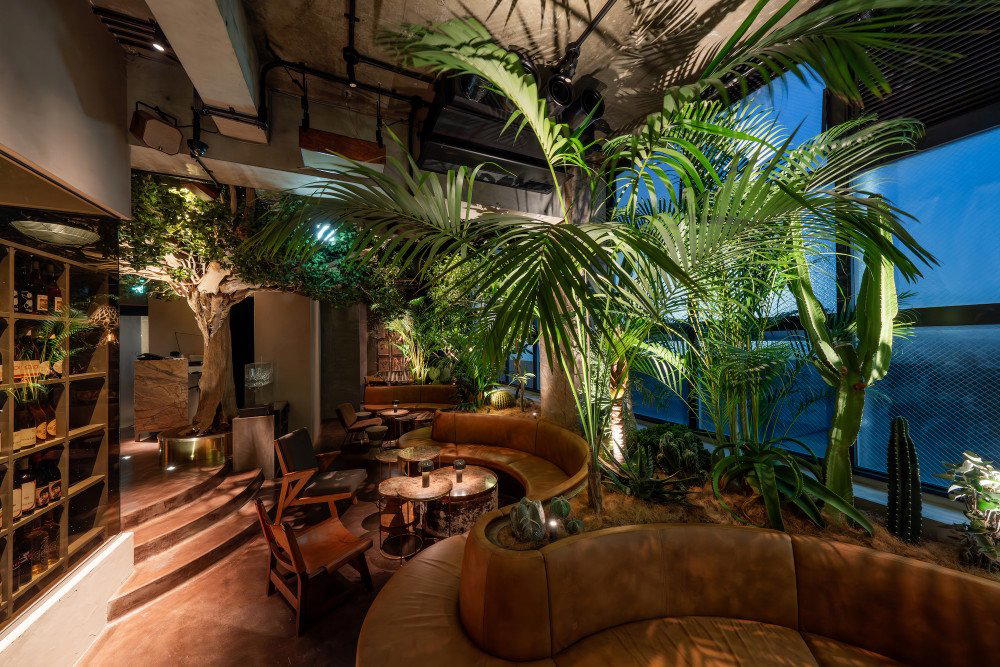
Restaurants in Kyoto
All restaurants in Kyoto →
Wineries in Kyoto
Browse all →
Details
- Quiet
- Elegant
- Intimate
- Classic
- Cozy
- Romantic Getaway
- Honeymoon
- Anniversary
- Garden
- Historic Building
- Wi Fi
- Concierge
- Room Service
- Garden
Serene and sophisticated with tatami mats, futons, cypress wood bathtubs, shoji screens, and a tranquil Japanese garden; guests describe quiet mornings with whispers on tatami and relaxing wooden baths.