



1 Michelin Key · La Liste Top Hotels · Virtuoso Luxury Hotel Partner
Four Seasons Hotel Kyoto occupies a carefully preserved position in the Higashiyama historic district, built around the 12th-century Shakusui-en pond garden at its centre. With 180 rooms from approximately $1,299 per night, a Michelin One Key designation (2024), and a Travel + Leisure World's Best Awards ranking (No. 100, 2023), it delivers full-service international luxury within one of Kyoto's most historically significant neighbourhoods.

Pearl is the En Primeur Club membership app, where members save venues, book tables and use the concierge.
Where Higashiyama's History Meets International Scale
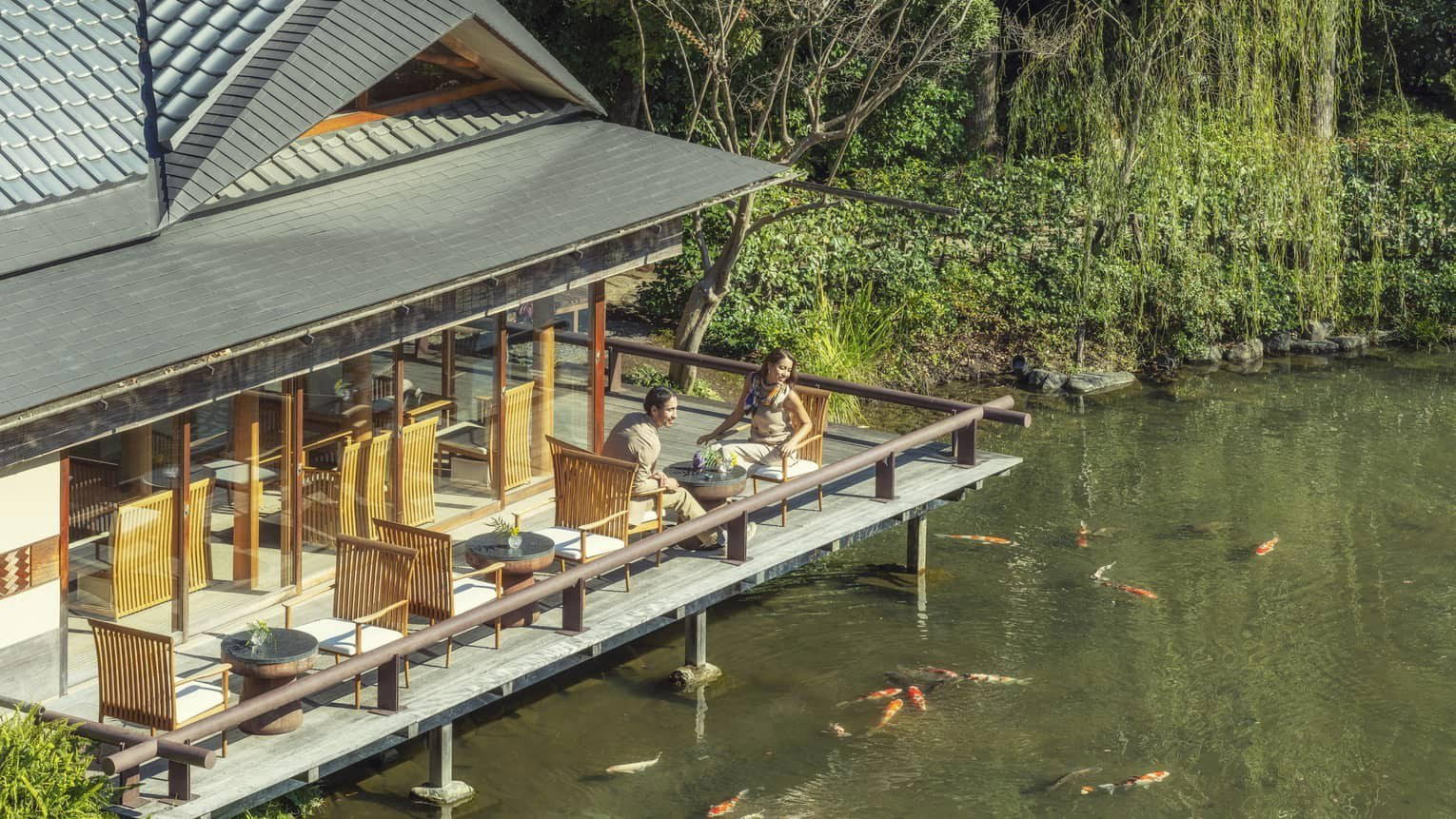
Approaching the Four Seasons Hotel Kyoto from Myohoin Maekawachyo, the shift from street to property is abrupt in the way that Kyoto's leading historic districts tend to be: cobblestone gives way to composed stillness, the ambient noise of the Higashiyama ward drops, and ahead of you the Shakusui-en pond garden opens across the property's interior. The garden dates to the 12th century, and the hotel is built around it rather than beside it, which means the water, the manicured pines, and the seasonal changes in foliage are visible from corridors, public spaces, and the majority of guest rooms. Double-height windows in many of the 180 rooms and suites frame this view with deliberate precision, giving the light a particular quality in the mornings that no amount of interior design specification can replicate.
Higashiyama is one of Kyoto's most carefully preserved historic wards, home to a concentration of temples, shrines, and traditional machiya townhouse architecture that places it in a different register from the city's central commercial districts. The Four Seasons operates here at a scale most comparable properties in the ward cannot match, 180 keys and a full amenity footprint, while still maintaining enough visual coherence with its surroundings to avoid the incongruity that large international hotels sometimes produce in heritage districts. That balance, between institutional scale and local restraint, is what the Higashiyama location both demands and, in this case, broadly delivers.
The Garden as Organising Principle
Japan's premium hospitality sector has long used garden integration as a differentiator. Ryokans in Kinosaki, Hakone, and the Izu peninsula, including properties like Asaba in Izu and Gora Kadan in Hakone, build their identity around the relationship between accommodation and landscape. The Four Seasons Kyoto applies a comparable logic at international hotel scale. The Shakusui-en garden functions as the property's spatial and atmospheric centre of gravity. Breakfast on the garden terrace, the in-house chashitsu tea house seated within the garden's perimeter, and the visual axis that the pond creates through the building's public spaces all follow from a design decision to treat the 800-year-old garden not as an amenity but as infrastructure.
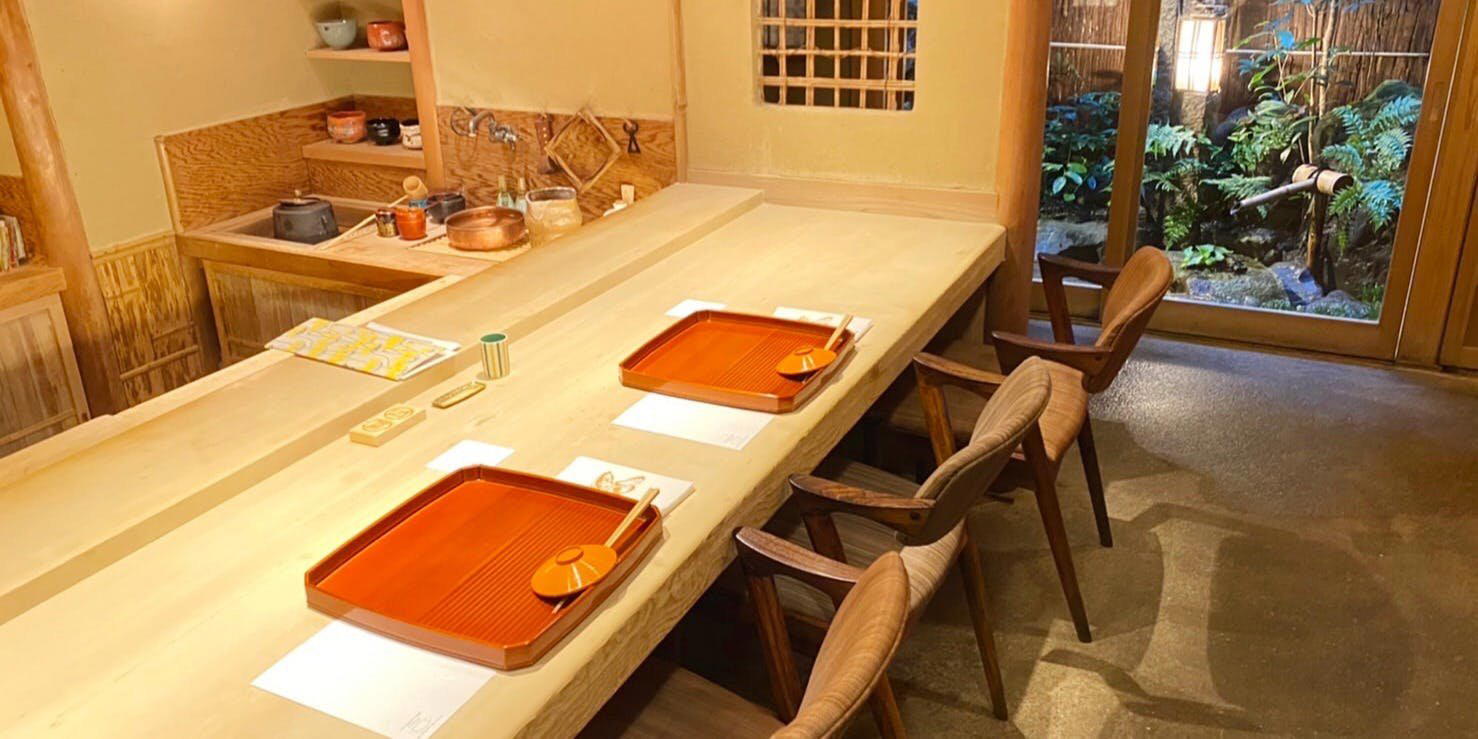
The tea house merits specific mention because it is not a decorative gesture. Ceremonies are conducted by an experienced tea master and take place within the Shakusui-en garden itself. Kyoto is historically the centre of Japan's formal tea culture, and access to a private chashitsu within a heritage garden setting represents a level of contextual authenticity that most internationally managed hotels in the city cannot provide with the same degree of specificity. For guests arriving outside the main tourism peaks, the sessions carry a sense of quiet and concentration that the more popular temple tea experiences in the city rarely sustain.
Rooms Built for the Higashiyama Setting
Guest rooms at the Four Seasons Kyoto draw on the spatial logic of a traditional Kyoto machiya, with long entrance hallways and a pronounced sense of layered interior depth. Washi-paper lamps, bonsai and cherry blossom motifs, and dark hardwood floors signal local material vocabulary without producing the pastiche effect that sometimes results when international brands attempt regional design gestures at scale. Rooms face either the Shakusui-en garden or the temples and shrine rooflines of the surrounding Higashiyama district, a distinction worth specifying at booking.
The room count of 180 places the property in a larger tier than several of Kyoto's design-led competitors. The Shinmonzen and SOWAKA operate with far fewer keys and a correspondingly more intimate scale. At 180 rooms, the Four Seasons competes more directly with Hotel The Mitsui Kyoto and Park Hyatt Kyoto, where the value proposition is full-service infrastructure and room size rather than boutique seclusion. Rooms here are described consistently as among the more spacious in the city at this tier, and the 55-inch LCD screens, iPad-controlled hotel services, and remote-controlled curtains keep the practical specification current.
Rack rates begin at approximately $1,299 per night, placing the Four Seasons at the upper tier of Kyoto's luxury accommodation market. This is consistent with the property's positioning against peers like Aman Kyoto, which operates at similarly premium price points but with a smaller footprint and a more remote setting in the northern Takagamine area. The two properties serve overlapping but distinct guest profiles: Aman draws guests prioritising extreme seclusion, the Four Seasons those who want heritage-district access alongside full-service delivery.
Sustainability and Environmental Stewardship in Context
In Kyoto's premium accommodation sector, sustainability commitments are increasingly a differentiator rather than a baseline. The challenge specific to Higashiyama is that operating within a heritage district imposes its own discipline: the visual language of the property, its scale relative to the street, and its relationship to the adjacent Shakusui-en garden are all constrained by the sensitivity of the surroundings. Maintaining the integrity of an 800-year-old pond garden within a functioning luxury hotel requires active horticultural management and a long-term stewardship posture that is distinct from the sustainability reporting frameworks most international brands apply to urban properties.
Four Seasons as a group has formalised environmental commitments at the brand level, including energy and water reduction targets across its portfolio. At the Kyoto property specifically, the garden's visibility throughout the building means that its condition functions as an ongoing, publicly readable signal of the property's environmental priorities. The seasonal changes in the Shakusui-en, from spring cherry blossom through summer green depth to autumn foliage and winter austerity, are not simply aesthetic shifts: they represent the sustained output of responsible land management in a dense urban heritage context. Guests paying at this price tier are, in effect, contributing to the maintenance of a publicly significant historical landscape in one of Japan's most visited cultural districts. Among comparable properties in Japan, Zaborin in Kutchan and Benesse House in Naoshima represent different models of responsible luxury, Zaborin through landscape immersion in Hokkaido's natural environment, Benesse House through the integration of contemporary art with protected island ecology. The Four Seasons Kyoto operates in a third register: the stewardship of urban heritage at international hospitality scale.
Wellness, Access, and What the Concierge Delivers
The spa includes whirlpools, a large indoor swimming pool, sauna and steam rooms, and a fitness centre, a full wellness amenity suite by international standards. In Kyoto's luxury tier, spa access of this scope is not universal: smaller properties like Fufu Kyoto offer more intimate onsen-adjacent experiences, while Dusit Thani Kyoto sits at a different price and service tier. The Four Seasons positions its wellness offering alongside full concierge capacity, and the concierge function here is worth addressing as a practical matter. The team organises cultural programming that ranges from Kiyomizu pottery-making sessions to private Zen meditation with temple monks, categories of access that Higashiyama's proximity to major temple and shrine clusters makes logistically viable in ways that more remote properties cannot replicate as easily.
The Higashiyama district is traversable on foot. The concentration of shrines, temples, and traditional streetscapes within walking range of the hotel's entrance is the location's primary practical asset. The property also facilitates bicycle rental for guests who want to extend their range into adjacent districts. Staff are trained in the expectations-management conventions of Japanese hospitality, and the children's amenity programme, where room preparation is tailored to the names and ages of younger guests, reflects the Four Seasons brand standard at its most operationally specific.
Recognition and Peer Position
Property holds a Michelin One Key designation (2024) and ranked at position 100 in Travel + Leisure's World's Leading Awards 2023. La Liste's 2026 Leading Hotels assessment awarded 95 points. These three signals together place the Four Seasons Kyoto inside a recognised tier of Japan's internationally rated luxury accommodation, though the property sits below the leading cluster of Japan's most celebrated smaller ryokans and design-led hotels in those same ranking frameworks. For context within Japan's broader premium accommodation set, properties like Nishimuraya Honkan in Kinosaki-cho, ENOWA Yufu in Yufu, Halekulani Okinawa, and Jusandi in Ishigaki serve distinct geographic and experiential niches. For guests prioritising Kyoto specifically, the awards record substantiates the Four Seasons as a credible choice within the city's top tier, without the boutique scarcity of its smaller competitors.
For those comparing across Japan's international luxury hotel segment, Bvlgari Hotel Tokyo and Amanemu in Mie represent adjacent price-tier comparators with different design and brand philosophies. Further afield, Fufu Kawaguchiko and Fufu Nikko offer the ryokan-adjacent model for guests whose itineraries extend beyond Kyoto. A broader look at Kyoto's dining and accommodation options is available in our full Kyoto restaurants guide.
The Four Seasons Hotel Kyoto is located at 445-3 Myohoin Maekawachyo, Higashiyama Ward, Kyoto, 605-0932. At a starting rate of approximately $1,299 per night across 180 rooms and suites, booking should be arranged well in advance for peak spring and autumn foliage seasons, when Higashiyama demand compresses availability across the entire district. The hotel accommodates children with tailored amenities and operates a full concierge service for cultural activity bookings throughout the year.
Price and Recognition
Comparable venues nearby, for context on price, style, and recognition.
| Venue | Cuisine | Price | Awards | Notes |
|---|---|---|---|---|
| Four Seasons Hotel KyotoThis venue (the venue you are viewing) | Not listed | $1,000–1,500 | 1 Michelin Key · La Liste Top Hotels | Not listed |
| The Ritz-Carlton, Kyoto | Nakagyō, Japanese-inspired urban resort | $500–750 | 1 Michelin Key · La Liste Top Hotels | Not listed |
| ROKU KYOTO, LXR Hotels & Resorts | Not listed | Not listed | 1 Michelin Key · La Liste Top Hotels | Kita, Mountain resort blending Japanese artisanship with modern luxury |
| Suiran, a Luxury Collection Hotel, Kyoto | Not listed | Not listed | 1 Michelin Key · La Liste Top Hotels | Ukyō, Traditional Japanese luxury ryokan blended with modern amenities |
| The Hotel Seiryu Kyoto Kiyomizu | Not listed | Not listed | 1 Michelin Key · La Liste Top Hotels | Higashiyama, Renovated historic school building blending Japanese heritage with contemporary luxury |
| Hotel The Celestine Kyoto Gion | Not listed | $200–300 | 1 Michelin Key | Higashiyama, Modern interpretation of Kyoto's historic charm with contemporary comforts. |
Recognition history
Dated appearances from independent guides and award organizations, with the underlying list record or original source where available.
Michelin 1 Key
Michelin
La Liste Top Hotels
La Liste
Forbes 4-Star
Forbes
Virtuoso Luxury Hotel Partner
Virtuoso
Full recognition history (7 entries)
Forbes 4-Star
Forbes
Michelin 1 Key
Michelin
Michelin 1 Key
Michelin
Four Seasons Hotel Kyoto
Featured Guides
Continue exploring
More in Kyoto
Hotels in Kyoto
All hotels in Kyoto →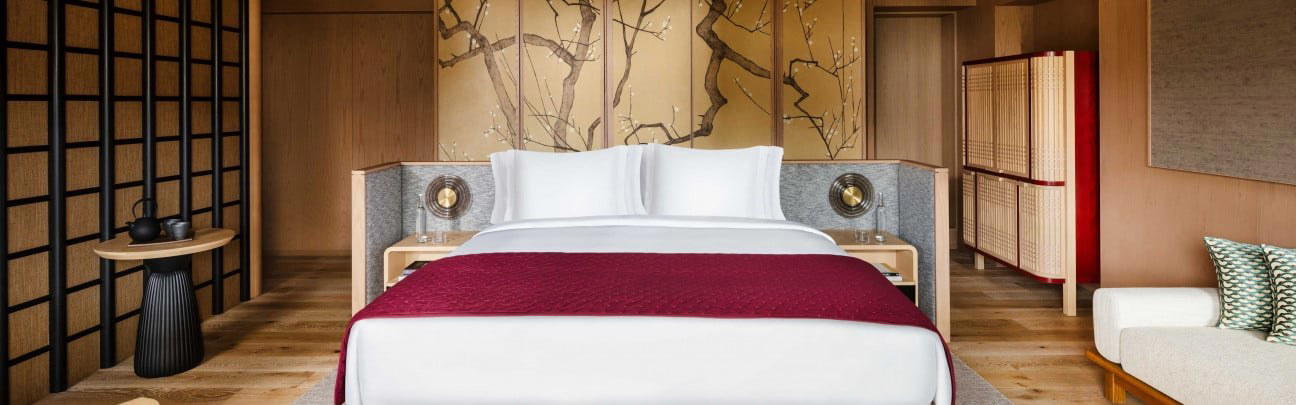
Bars in Kyoto
All bars in Kyoto →
Restaurants in Kyoto
All restaurants in Kyoto →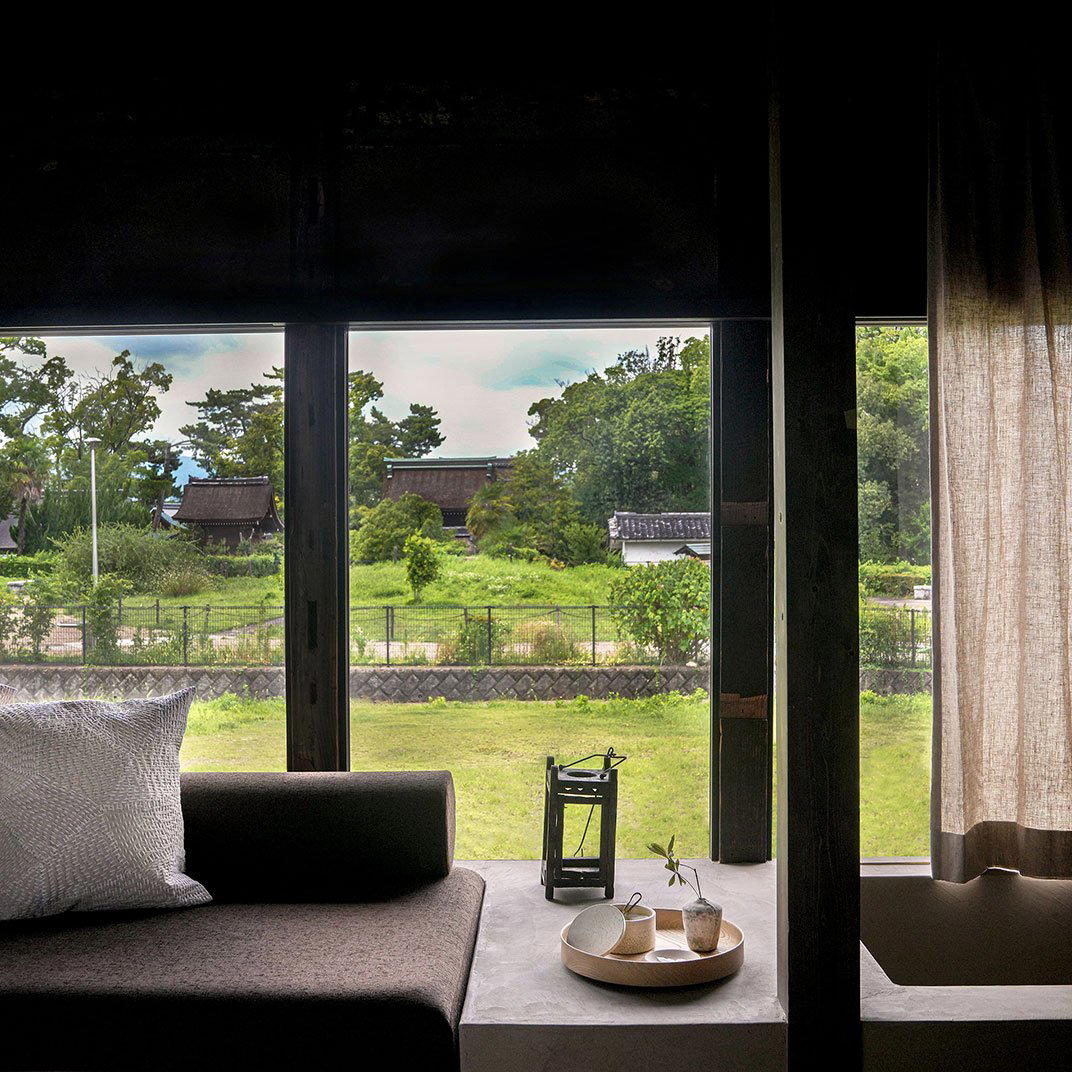
Wineries in Kyoto
Browse all →
Details
- Elegant
- Quiet
- Sophisticated
- Scenic
- Romantic Getaway
- Wellness Retreat
- Anniversary
- Family Vacation
- Garden
- Historic Building
- Destination Spa
- Panoramic View
- Private Dining
- Terrace
- Wi Fi
- Pool
- Spa
- Fitness Center
- Room Service
- Concierge
- Restaurant
- Bar
- Garden
- Wheelchair Accessible
- Elevator
- Accessible Restroom
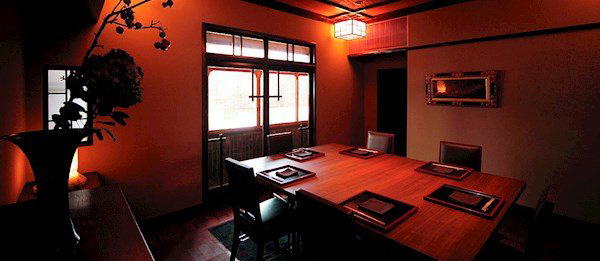
Serene and tranquil with contemporary luxury design blended with traditional Japanese aesthetics; natural light throughout public spaces with low-slung velvet furnishings and glossy marble flooring; peaceful garden views create a meditative atmosphere despite urban location.