Google: 4.6 · 2,452 reviews

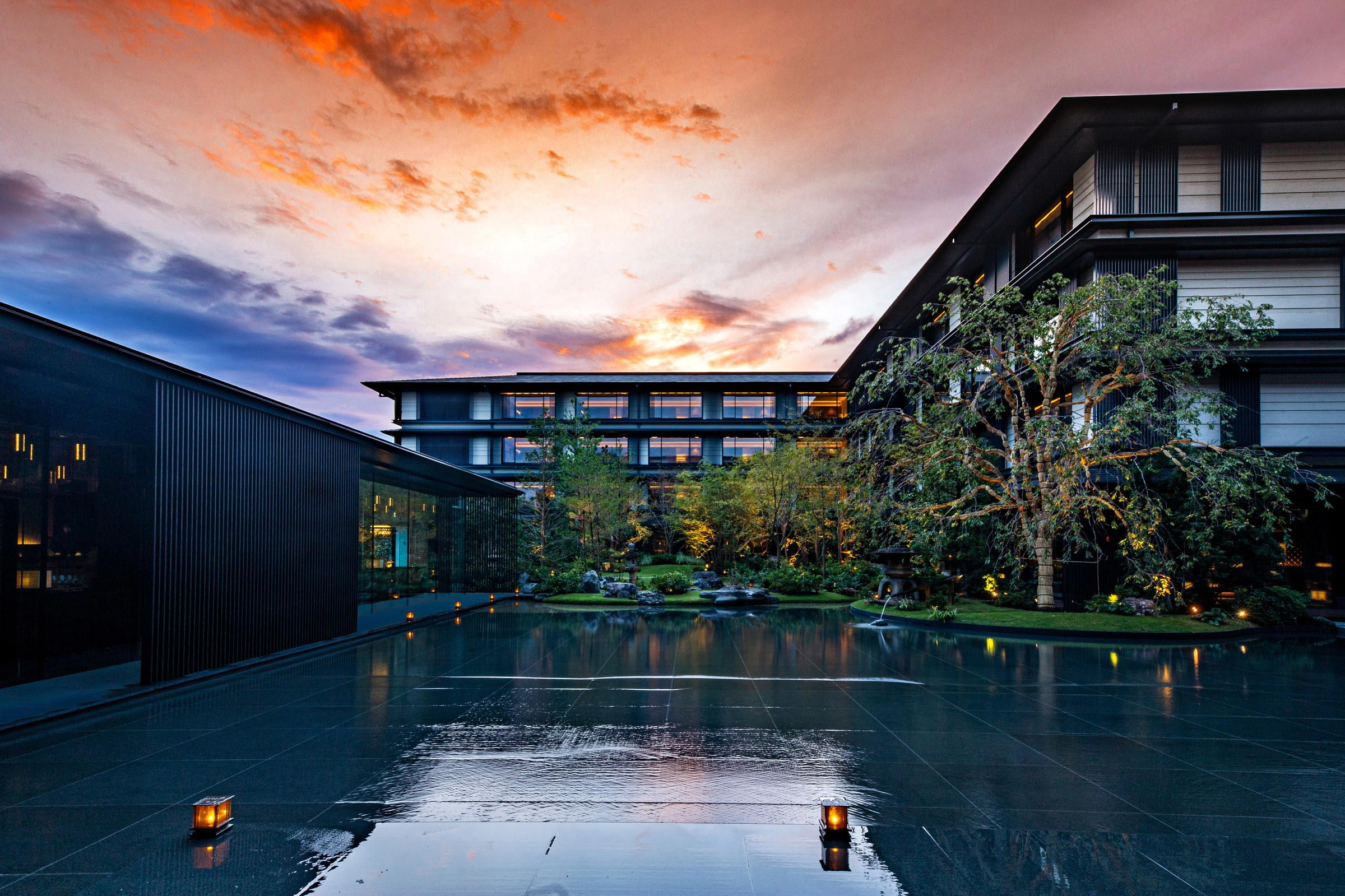
Positioned on the western bank of the Kamogawa River in Nakagyo-ku, the Ritz-Carlton Kyoto holds a One MICHELIN Key distinction in the 2025 guide, placing it among a small tier of internationally branded luxury hotels that the guide considers noteworthy for the stay itself. The address puts guests within reach of Nishiki Market, Gion, and the city's eastern temple corridors, making it a logistically coherent base for serious Kyoto itineraries.
 Discover on Pearl
Pearl is the En Primeur Club membership app — saves, bookings, and concierge access live there. Same editors, same standards.
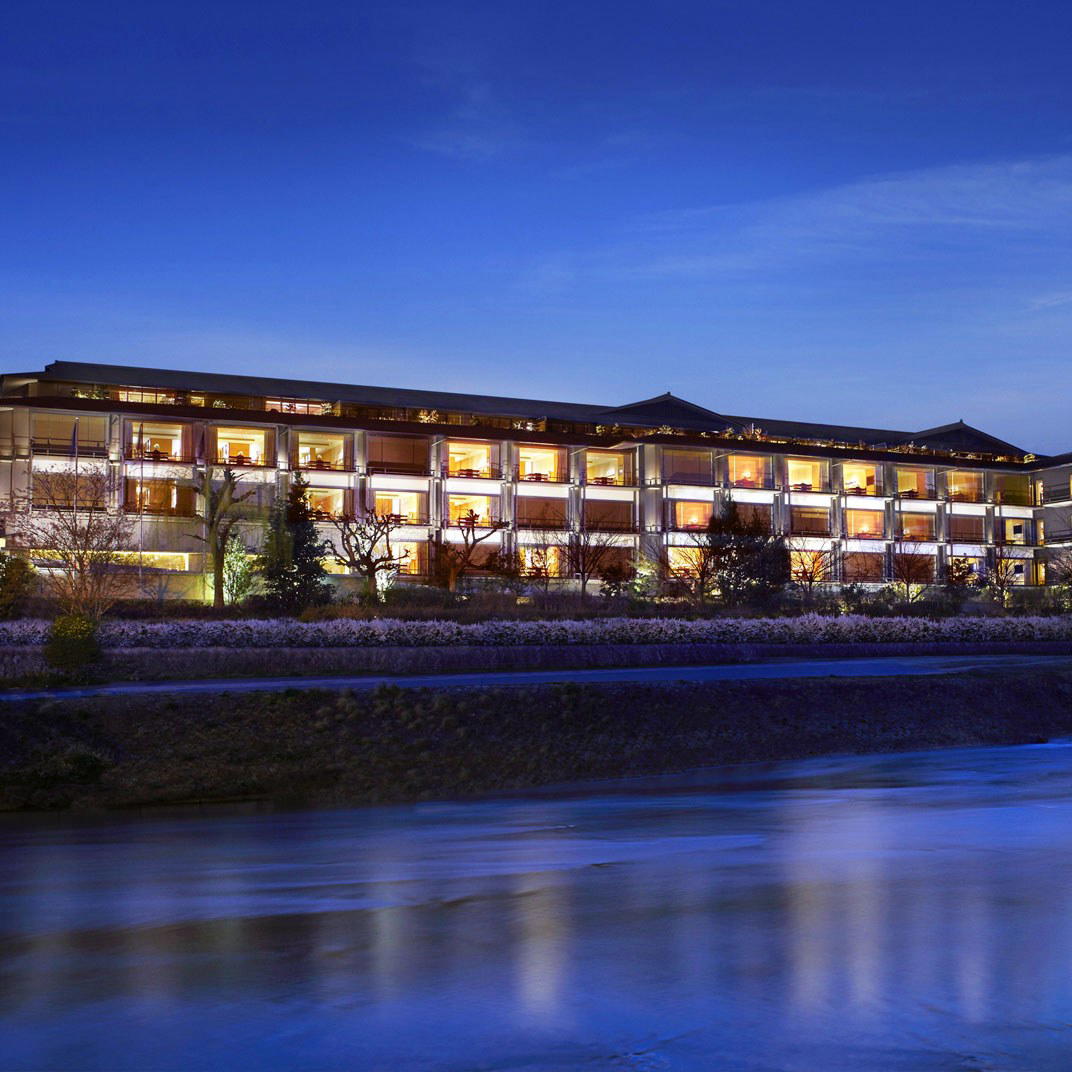
Where International Brand Luxury Meets the Kamogawa
Kyoto's luxury hotel market has bifurcated sharply over the past decade. On one side sit the design-led, locally rooted properties — ryokan-adjacent operations like Hoshinoya Kyoto or intimate machiya-style houses like Higashiyama Shikikaboku — that trade on spatial restraint and deep cultural embedding. On the other side sit the international luxury brands, which bring global service infrastructure, multiple dining outlets, and a formality that appeals to a different kind of traveller. The Ritz-Carlton Kyoto, at 543 Hokodencho in Nakagyo-ku, occupies a prominent position in that second category, with the Kamogawa River running immediately to its east and the central commercial corridors of Karasuma and Kawaramachi within walking distance.
The hotel's 2025 One MICHELIN Key recognition places it in a cohort the guide considers worth the stay on its own terms, not merely as a base of operations. In Kyoto Prefecture, that distinction carries weight: the Michelin Hotels guide applies the same rigour to accommodation that the restaurant guide applies to food, evaluating architecture, service consistency, and the quality of the overall experience. Holding that key in a city with competitors as deliberately composed as Aman Kyoto or Four Seasons Hotel Kyoto signals that the Ritz-Carlton is being measured and found credible in serious company.
The Address and What It Gives You
Nakagyo-ku is not the most atmospheric of Kyoto's wards , that argument goes to Higashiyama , but it is arguably the most functional for a first or second visit. The Nishiki Market, the Kyoto Imperial Palace grounds, and the Gion district's northern reaches are all reachable on foot or within a short taxi ride. Karasuma-Oike Station, where the Karasuma and Tozai subway lines intersect, sits nearby, giving direct access to both Fushimi Inari to the south and Nijo Castle to the west without navigating Kyoto's notoriously complicated bus grid.
For comparison, properties like Hotel Kanra Kyoto or eph KYOTO trade centrality for a quieter neighbourhood register. The Ritz-Carlton trades in the opposite direction: the location is deliberate, placing guests at the city's operational centre rather than at its contemplative edges.
Daytime Versus Evening: How the Rhythm Changes
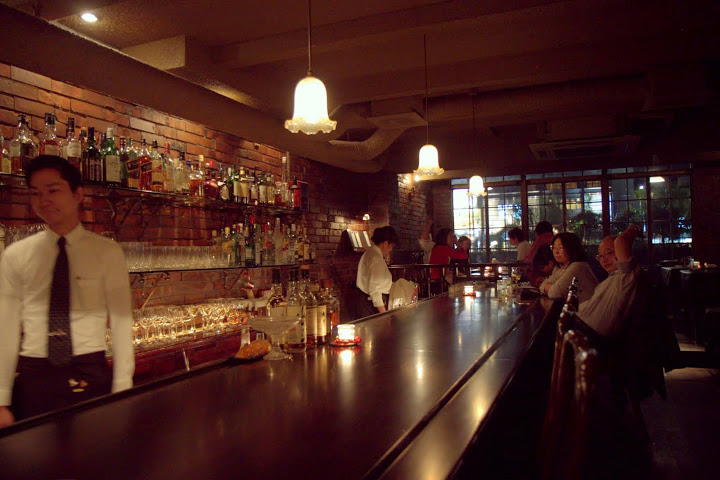
One of the defining characteristics of internationally branded luxury hotels in Japanese cities is how differently their public spaces behave between lunch and dinner service. In the daytime, the scale works in the guest's favour. Lobby restaurants and lounge areas that might feel formal in the evening take on a more relaxed quality during lunch hours, when natural light off the Kamogawa shifts the atmosphere considerably. In Kyoto specifically, this matters: the city's light in the late morning and early afternoon, particularly in autumn and spring, has a quality that interior architects at properties along the river have historically tried to capture through east-facing glazing.
Dinner service at properties in this tier tends toward a more structured register: longer tasting formats, formal wine service, and the kind of extended evening pacing that suits guests who have spent the day walking Fushimi Inari's thousand torii or the Philosopher's Path. The daytime meal carries different logic , lighter, faster, more likely to be used as a mid-itinerary anchor than as an occasion in itself. For travellers building a tight Kyoto schedule, treating the hotel's food and beverage offering as a lunch resource rather than a dinner destination can represent meaningful value, freeing evening hours for the city's neighbourhood restaurants, where the competition with dedicated kaiseki houses or specialist counters is less one-sided.
This lunch-versus-dinner dynamic is one the Ritz-Carlton brand manages across its Japanese properties, including at Bvlgari Hotel Tokyo in the capital, where daytime service often draws a different, more local clientele than the evening programming. At the Kyoto property, the Kamogawa-facing position creates a natural draw for midday visitors who want a comfortable, well-serviced pause without committing to a full evening format.
Seasonal Considerations for Booking
Kyoto operates on two tourism peaks that function almost like separate markets. Cherry blossom season, concentrated in late March and early April depending on the year's temperatures, and autumn foliage season, typically mid-November, compress demand so tightly that rooms at this tier book months in advance. The Ritz-Carlton's riverside position means that both seasons arrive with particular visual force: the Kamogawa's cherry-lined banks in spring are among the city's most photographed stretches, and the autumn colour along the eastern hills, visible from upper floors facing east, follows closely behind.
Outside those two peaks, Kyoto in early June , before the full rainy season humidity settles in , and late January offer the most practical access to the city with the least friction. Prices compress, museums are quieter, and the temple gardens operate at a more contemplative pace. For a hotel at this positioning, the off-peak periods also tend to allow more flexibility around room category and length of stay. Travellers considering a multi-property itinerary across Japan might pair the Ritz-Carlton Kyoto with other MICHELIN-recognised properties: Gora Kadan in Hakone, Amanemu in Mie, or Zaborin in Kutchan represent the kind of sequenced itinerary that the hotel's global brand infrastructure is well-positioned to support.
Where It Sits in the Kyoto Field
The Kyoto luxury hotel market has never been more crowded with serious options. HOTEL THE MITSUI KYOTO occupies a historically rooted site near Nijo Castle with a precision of cultural storytelling that is hard to match. Aman Kyoto operates at the northern edge of the city, inside a forest setting that positions it almost as a retreat rather than a hotel. Smaller-scale properties like Candeo Hotels Kyoto Karasuma Rokkaku and GRANBELL HOTEL KYOTO occupy a value tier below, offering centrality at lower price points.
The Ritz-Carlton Kyoto's competitive position is clearest for travellers who want the reliability of a globally consistent brand , predictable service standards, multilingual staff, loyalty program integration , combined with a Kyoto-specific physical context that smaller boutique properties cannot replicate at scale. It is a different proposition from the ryokan-adjacent intimacy of Higashiyama Shikikaboku or the forest remove of Hoshinoya Kyoto, and it does not try to be. For a broader view of where this property sits within the city's full accommodation range, the full Kyoto Prefecture guide maps the competitive field in detail.
Internationally, travellers who use this type of city-centre luxury flagship as part of longer journeys will find the Ritz-Carlton Kyoto a recognisable format: the same model that places The Fifth Avenue Hotel in New York City or Hôtel de Paris Monte-Carlo in Monte Carlo in a specific tier of urban luxury operates here, adjusted for Kyoto's spatial sensibility and cultural register.
Planning Details
The hotel sits at 543 Hokodencho, Nakagyo-ku, in central Kyoto. The nearest subway access is Sanjo-Keihan Station or Kyoto-Shiyakusho-mae on the Tozai Line. Given Kyoto's taxi availability and the compactness of the central wards, the address works for guests without Japan Rail Pass infrastructure, though the Shinkansen connection via Kyoto Station requires a short cab or subway ride south. Booking lead times for the peak foliage and cherry blossom windows should be treated as a minimum of three months, with six months more reliable for upper-category rooms. The 2025 One MICHELIN Key recognition from the Michelin Hotels guide provides an external benchmark for the property's standing in the current market.
Comparable Spots
A small set of peers for context, based on recorded venue fields.
| Venue | Cuisine | Price | Notes |
|---|---|---|---|
| The Ritz-Carlton\u002c Kyoto | This venue | ||
| Nazuna Kyoto Gosho | |||
| Nohga Hotel Kiyomizu Kyoto | |||
| Yoshida Sanso | |||
| KIKOKUTEI Bekkan | |||
| Maana Kiyomizu |
At a Glance
- Elegant
- Sophisticated
- Quiet
- Opulent
- Honeymoon
- Romantic Getaway
- Family Vacation
- Anniversary
- Garden
- Historic Building
- Spa
- Pool
- Room Service
- Concierge
- Valet Parking
- Mountain
- Garden
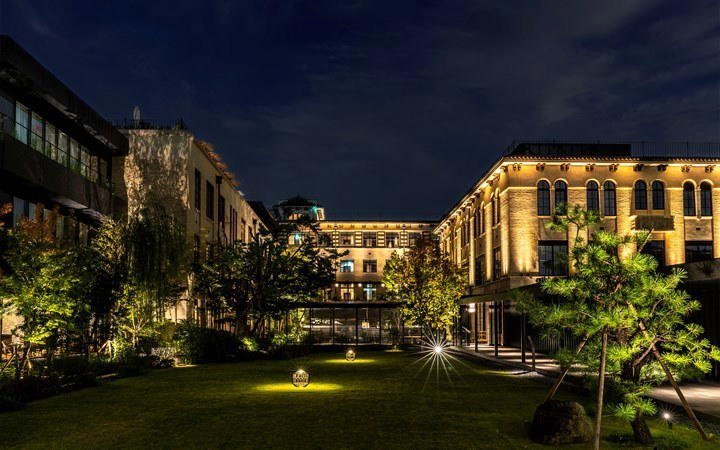
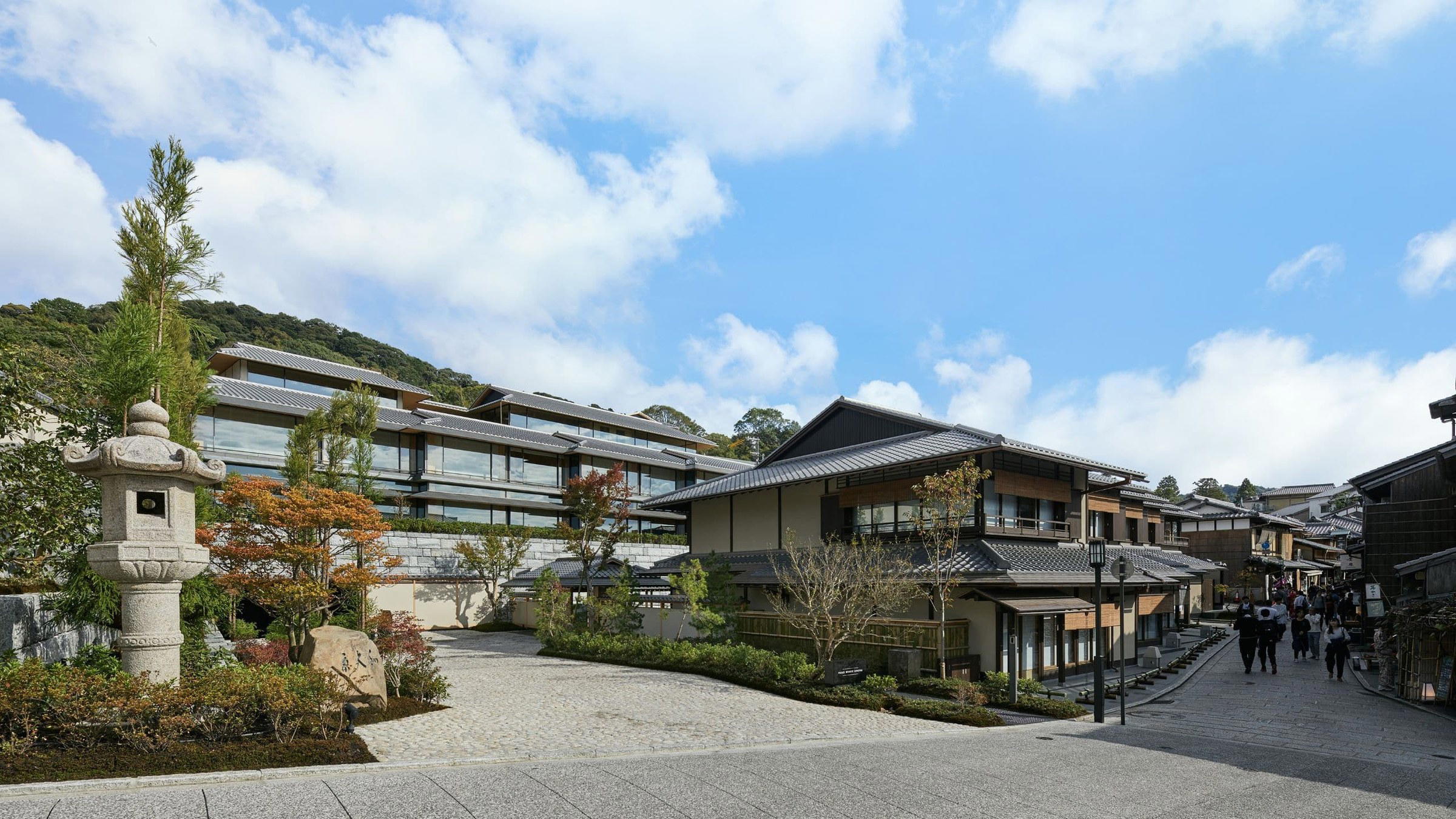
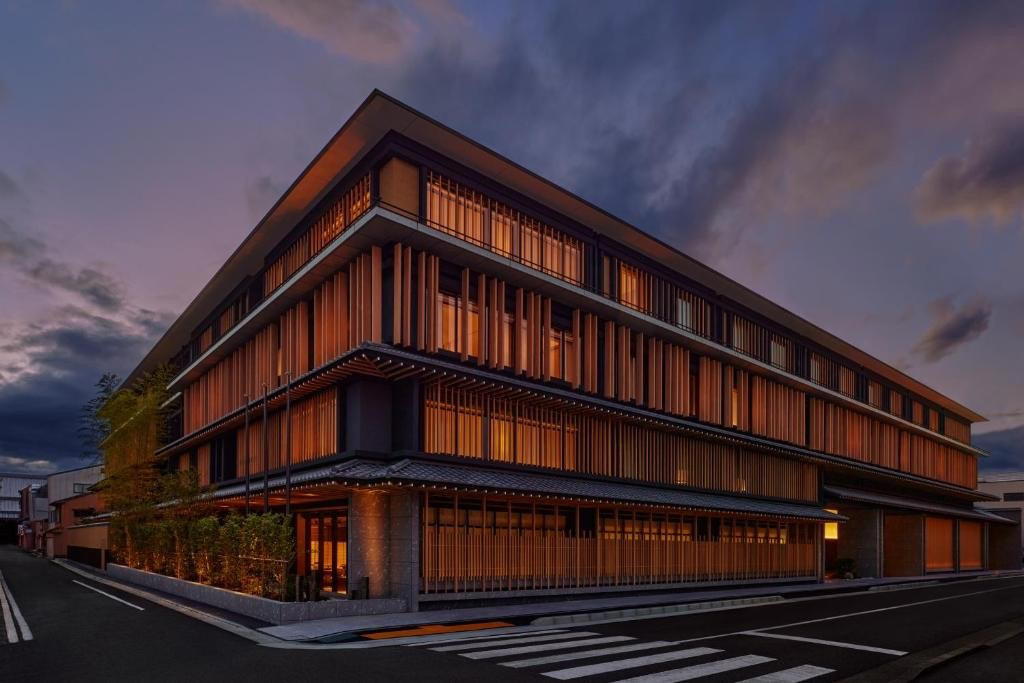
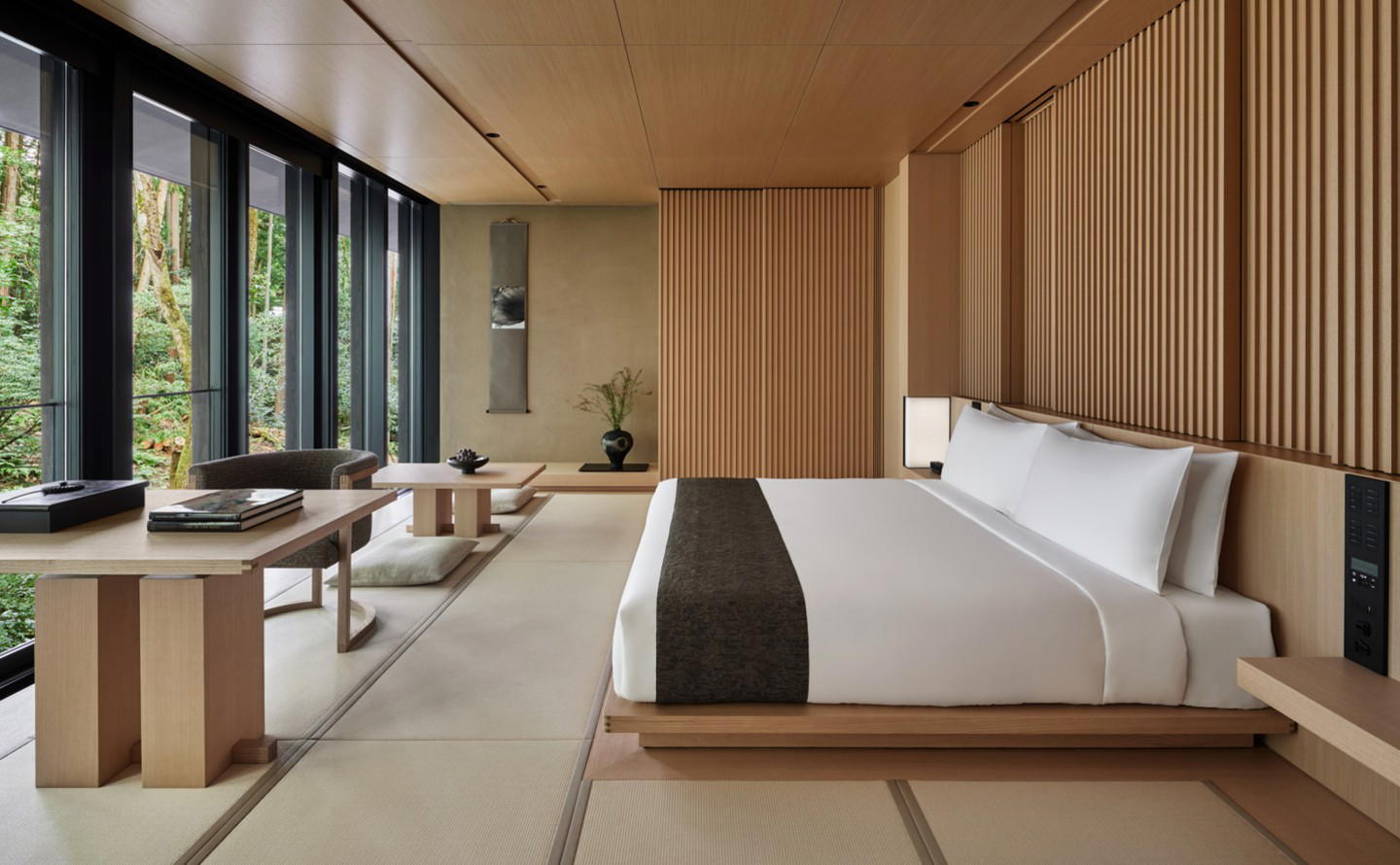
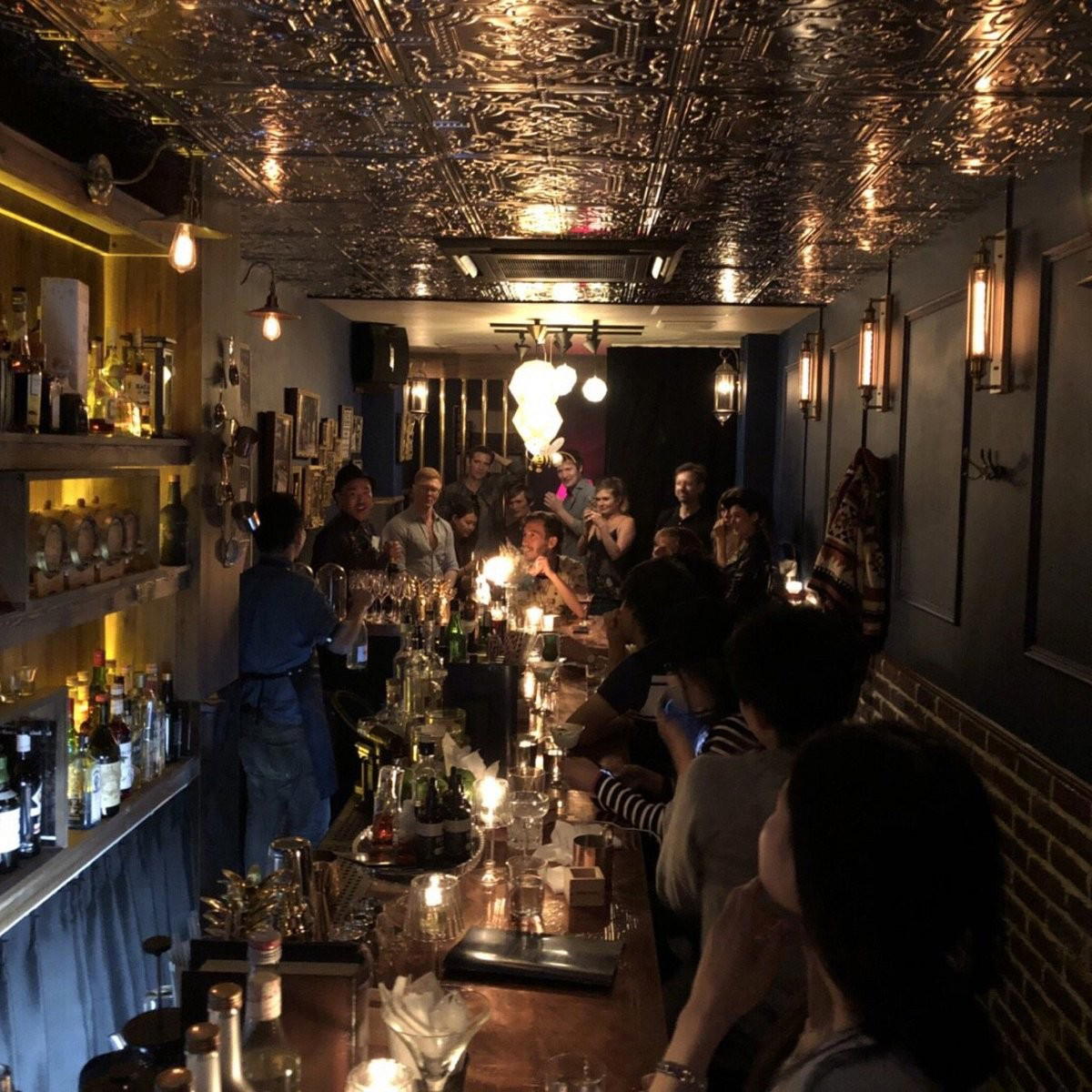
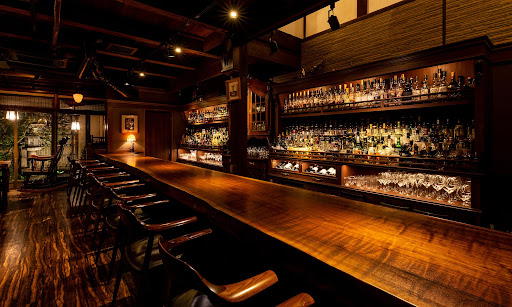
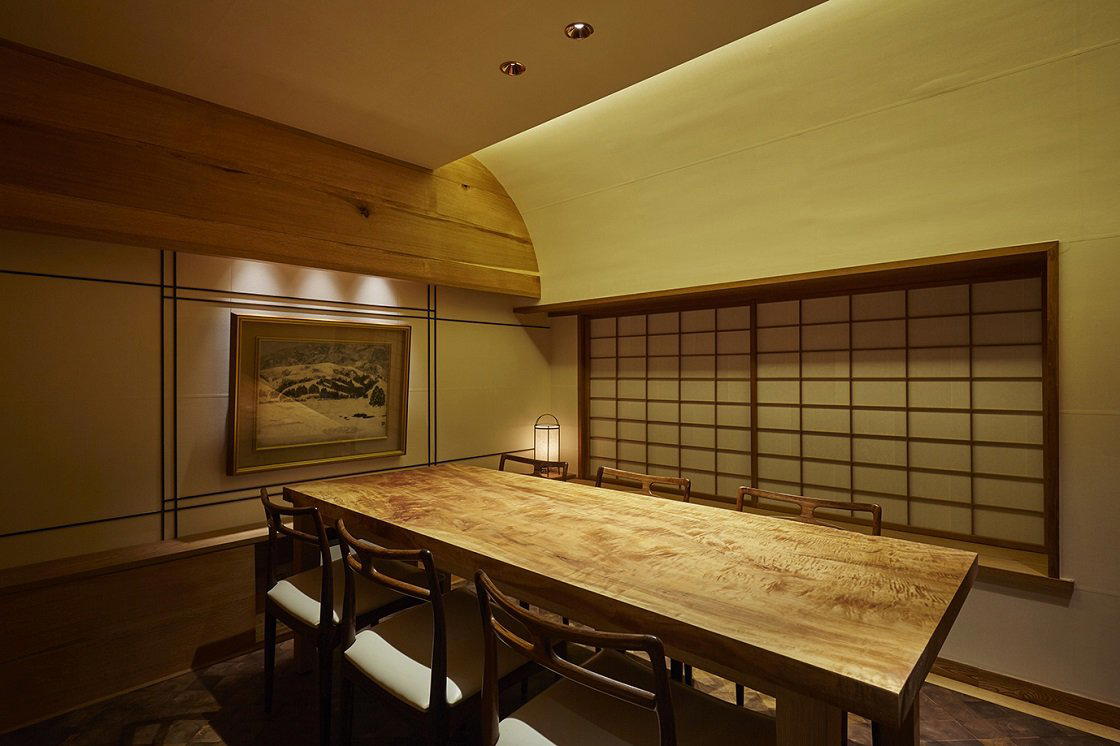
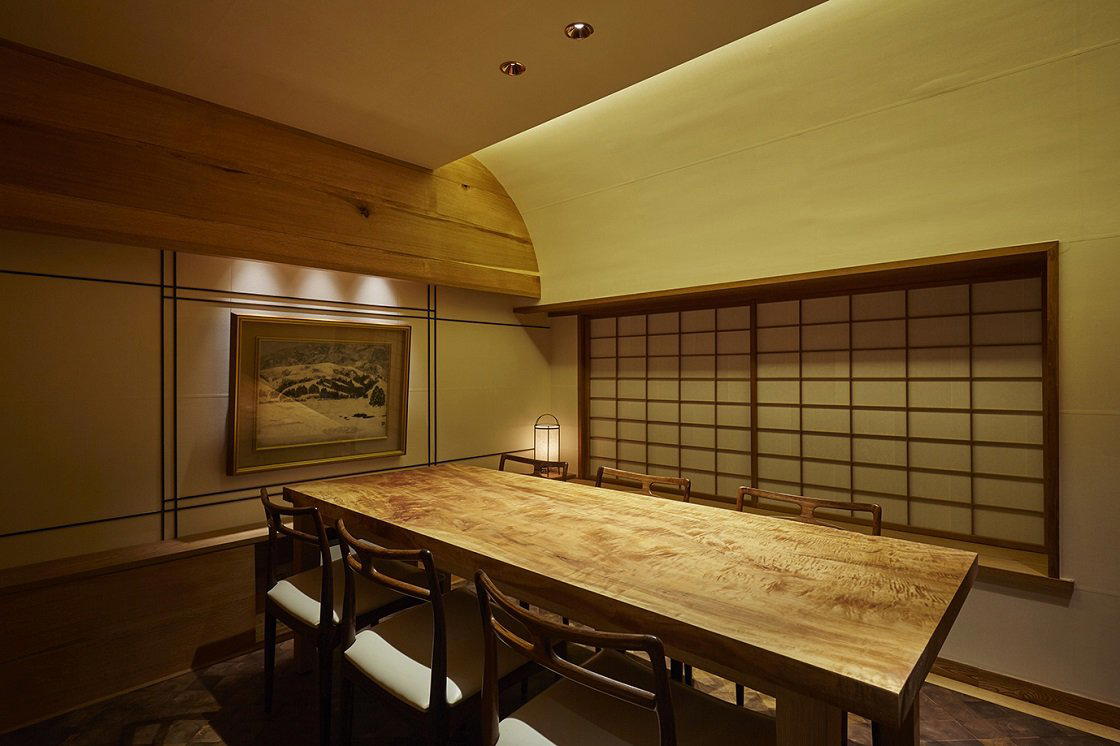
Serene and elegant with natural light, flowing water features, neutral tones, light wood furnishings, and harmonious Japanese motifs creating a peaceful, sophisticated atmosphere.