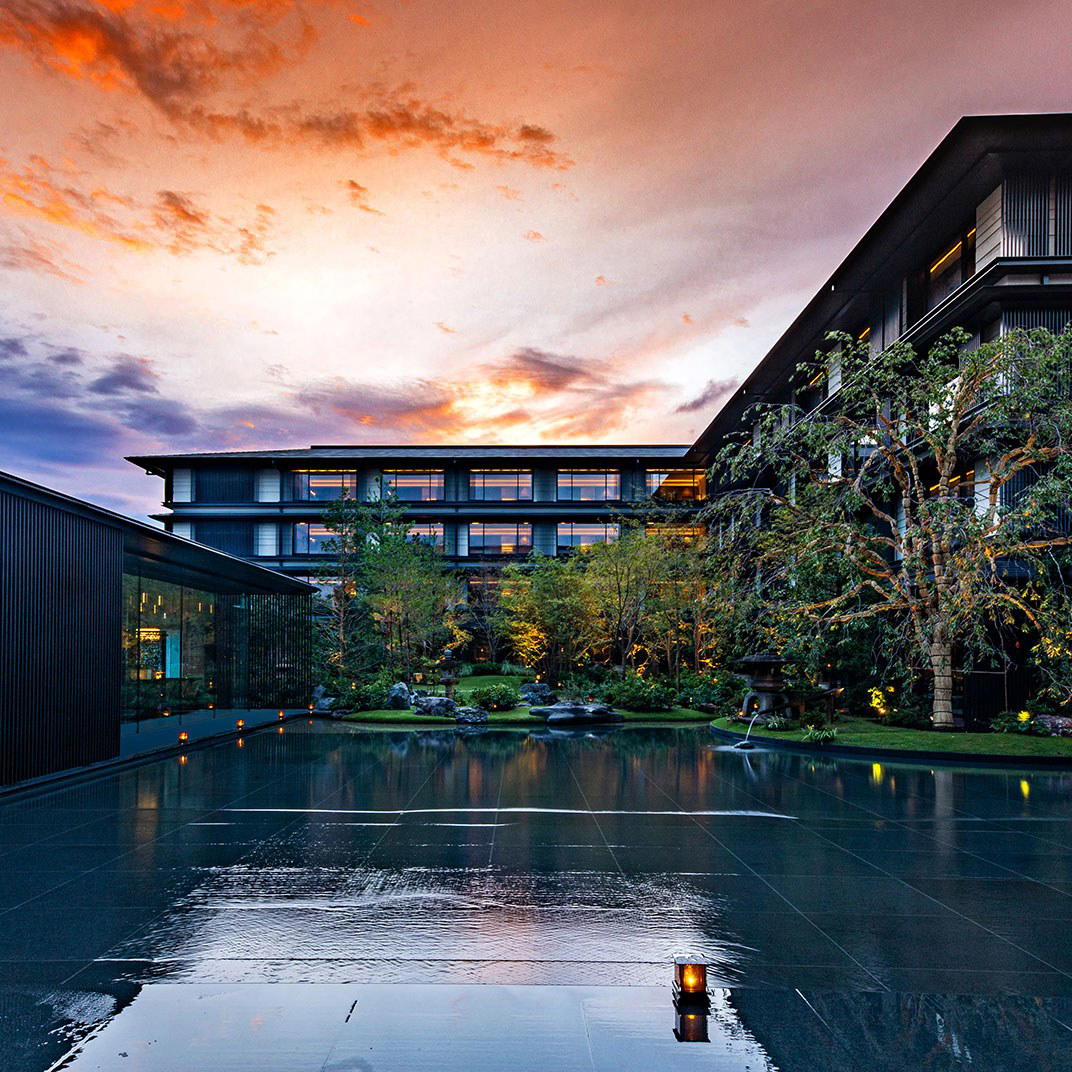
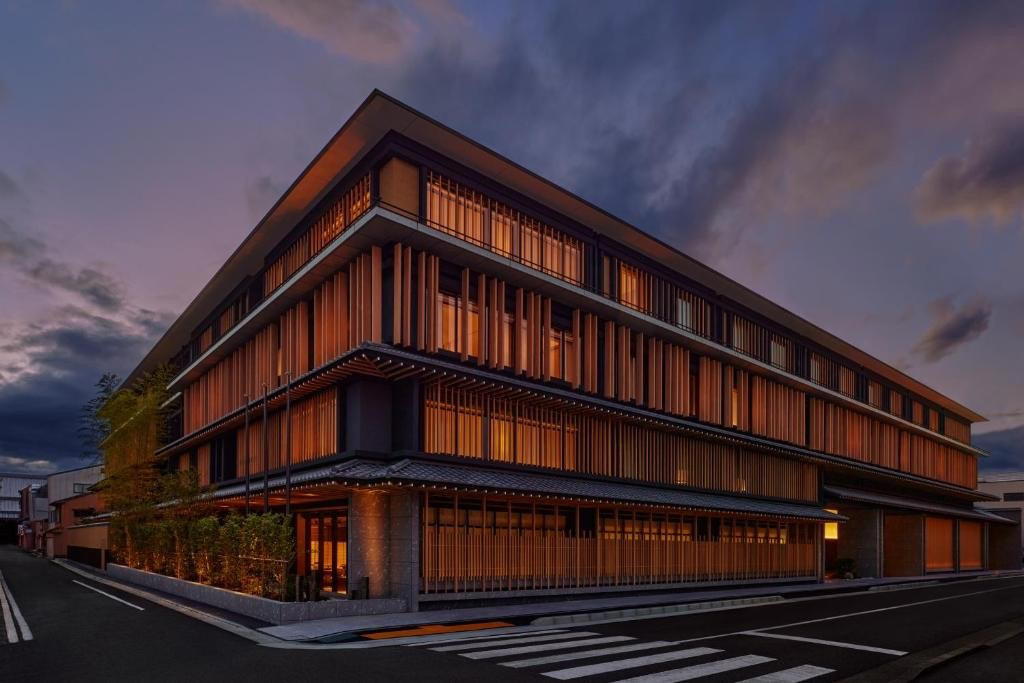
Mitsui Garden Hotel Kyoto Shijo sits on Nishitoin-dori just south of Shijo, placing guests within walking distance of Nishiki Market, the Kawaramachi entertainment strip, and the main Gion approach roads. The property belongs to Mitsui's city-hotel tier, a format that prioritises central access and clean, functional design over resort-scale amenity. It reads as a practical, well-located base for visitors who want Kyoto's central wards without the premium rate of the city's flagship luxury addresses.

Pearl is the En Primeur Club membership app — saves, bookings, and concierge access live there. Same editors, same standards.
- Address
- 下京区妙伝寺町707-1 (西洞院通四条下る), 京都市, 京都府, 600-8472
- Directions
- Get directions
Where Shijo's Grid Meets the Garden Hotel Format
Kyoto's accommodation market has consolidated around two distinct positions: the ultra-low-capacity ryokan and machiya tier on one side, and the branded city-hotel on the other. The space between those poles, which once belonged to mid-century business hotels, has been gradually occupied by domestic chains applying consistent design standards and central locations to fill the gap. Mitsui Garden Hotel Kyoto Shijo sits squarely in that middle register, on Nishitoin-dori just south of Shijo, a block arrangement that puts the Nishiki Market arcade, the Kawaramachi and Gion corridors, and Shijo-Karasuma's transit hub all within a walkable radius. The address, 下京区妙伝寺町707-1, places the hotel in Shimogyo Ward, the commercial heart of central Kyoto, and that geography is arguably the property's defining asset.
The Mitsui Garden brand operates on a principle common to Japan's better city-hotel operators: invest in location and structural quality, keep the aesthetic restrained, and let the city supply the drama. That approach makes the property a different proposition from the flagship Kyoto addresses in the upper tier. Properties like HOTEL THE MITSUI KYOTO or Aman Kyoto compete on enclosed sanctuary and highly curated in-house experience. The Garden Hotel tier makes the opposite bet: the city is the amenity, and the hotel's job is to put you inside it efficiently.
The Dining Context for Shijo-Area City Hotels
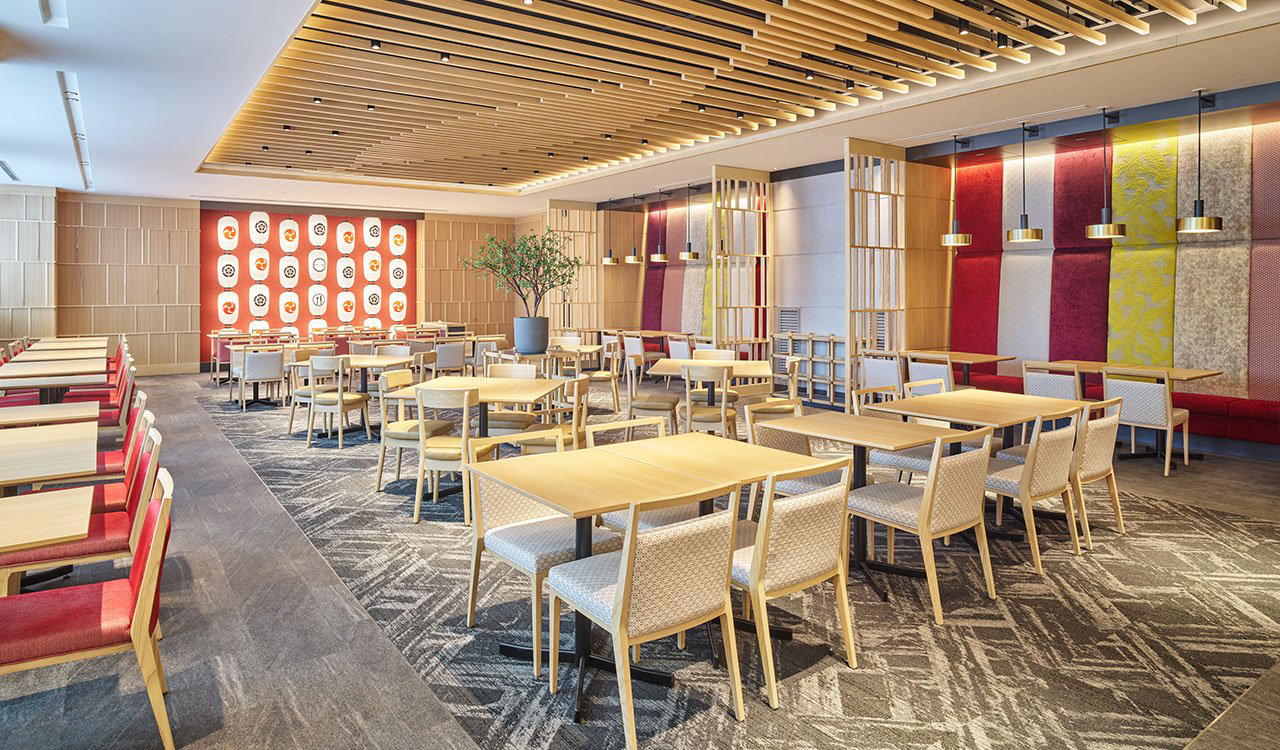
Hotels in the Shijo corridor face a structural question that shapes their food and beverage programming: guests staying here are almost always within a ten-minute walk of some of the densest dining in Japan, which makes heavy investment in on-site restaurants a questionable return. Nishiki Market alone runs a dense corridor of prepared foods, pickles, tofu specialists, and street-format eating just blocks north. The streets between Shijo and Gojo hold izakaya, soba shops, and kaiseki rooms at every price point. That context explains why city hotels in this zone tend to programme modest but functional breakfast offerings and minimal evening dining, rather than the destination restaurant formats found at properties with more geographic isolation.
At the luxury end of the Kyoto market, hotels justify destination dining partly because their locations demand it. Park Hyatt Kyoto, positioned on the Higashiyama slopes, operates at a deliberate remove from the central dining grid, making its own restaurants a practical necessity as well as a prestige signal. Four Seasons Hotel Kyoto takes a similar approach from its Higashiyama base. The Shijo city-hotel format, by contrast, delegates much of that dining function to the neighbourhood, which is not a weakness in a city like Kyoto, where streets outside the hotel can outperform most on-site kitchens at a fraction of the cost.
For travellers whose food programme is self-directed, the Shijo location functions as a culinary staging ground. The evening pattern for guests here often involves a kaiseki booking in Gion or Pontoche, a Nishiki walkthrough in the morning, and izakaya for late-night eating, with the hotel supplying a clean breakfast and a reliable base rather than a complete dining circuit.
Positioning Within the Kyoto City-Hotel Tier
The Mitsui Garden brand sits below the prestige-market properties and above the budget business hotels that cluster around Kyoto Station. That middle tier is competitive in Kyoto, with several operators running well-designed, central product. Ace Hotel Kyoto occupies a distinct cultural-programming niche in the Karasuma area, while Dusit Thani Kyoto brings an international chain framework to the Kyoto market. The Mitsui Garden Shijo property competes on a combination of location precision, brand consistency, and value-relative-to-position: three factors that matter more to return visitors and itinerary-focused travellers than to first-timers selecting on prestige.
Internationally, the city-hotel format that Mitsui Garden represents has strong analogues across Japan's major urban centres. The same calculation, central address, consistent standards, and competitive rate, applies to properties like Bvlgari Hotel Tokyo at the opposite price extreme, and to the broader spectrum of options a traveller building a Japan itinerary would compare. For those extending beyond Kyoto, ryokan-style alternatives such as Gora Kadan in Hakone, Asaba in Izu, or Nishimuraya Honkan in Kinosaki-cho offer a format contrast that many itineraries pair deliberately with a city-hotel stay in Kyoto or Osaka.
The Shijo Ward and When to Book
Kyoto's peak demand periods are well documented: cherry blossom season in late March through early April, autumn foliage from mid-November through early December, and the Gion Matsuri festival in July all drive occupancy across every price tier. During those windows, the Shijo corridor, which is closer to central festival and foliage activity than the outlying luxury properties, sees particularly compressed availability. The practical implication is that advance booking matters more at peak periods than in shoulder months, when central Kyoto's city-hotel inventory opens up and rates moderate.
The hotel's Shimogyo Ward address also places it within easy reach of Kyoto's subway and bus network. Shijo station on the Karasuma line sits nearby, connecting directly to Kyoto Station to the south and Kitaoji to the north, which covers most of the city's main temple and garden circuits without requiring a taxi. For day trips to Amanemu in Mie or properties further afield, Kyoto Station's shinkansen access is roughly ten minutes by subway from Shijo.
For a broader orientation to where the Mitsui Garden Shijo property sits within Kyoto's full hospitality spectrum, from this mid-tier city-hotel format through to the high-capacity luxury flagships and intimate machiya conversions, the EP Club Kyoto guide maps the complete picture. Additional context on the prestige end of the market is covered in the profiles for SOWAKA and The Shinmonzen, both of which occupy the boutique-luxury tier above the Garden Hotel format.
Planning Your Stay
The hotel is located on Nishitoin-dori, south of Shijo, in Shimogyo Ward, central Kyoto, postal code 600-8472. As a city-format property in a walkable central zone, it suits travellers who intend to spend most of their time in the city's streets, markets, and temple districts rather than within a resort perimeter. The surrounding neighbourhood offers immediate access to Nishiki Market, the Kawaramachi dining corridor, and the main Gion approach, making the location self-sufficient for most visitor agendas. Booking through the Mitsui Garden central reservation system or standard hotel booking platforms is the standard approach; as with all central Kyoto properties, locking dates early during peak foliage and blossom seasons avoids availability problems rather than solving them later.
Booking and Cost Snapshot
| Venue | Price | Awards |
|---|---|---|
| Mitsui Garden Hotel Kyoto Shijo (三井ガーデンホテル京都四条)This venue — the venue you are viewing | $1–100 | Not listed |
| Aman Kyoto | Not listed | 2 Michelin Keys · World's 50 Best #74 |
| Park Hyatt Kyoto | $500–750 | 1 Michelin Key · World's 50 Best #37 |
| Ace Hotel Kyoto | $200–300 | 1 Michelin Key · Mr & Mrs Smith Seal of Approval |
| Four Seasons Hotel Kyoto | $1,000–1,500 | 1 Michelin Key · La Liste Top Hotels |
| Six Senses Kyoto | $1,000–1,500 | 1 Michelin Key · Mr & Mrs Smith Seal of Approval |
Continue exploring
More in Kyoto
Hotels in Kyoto
Browse all →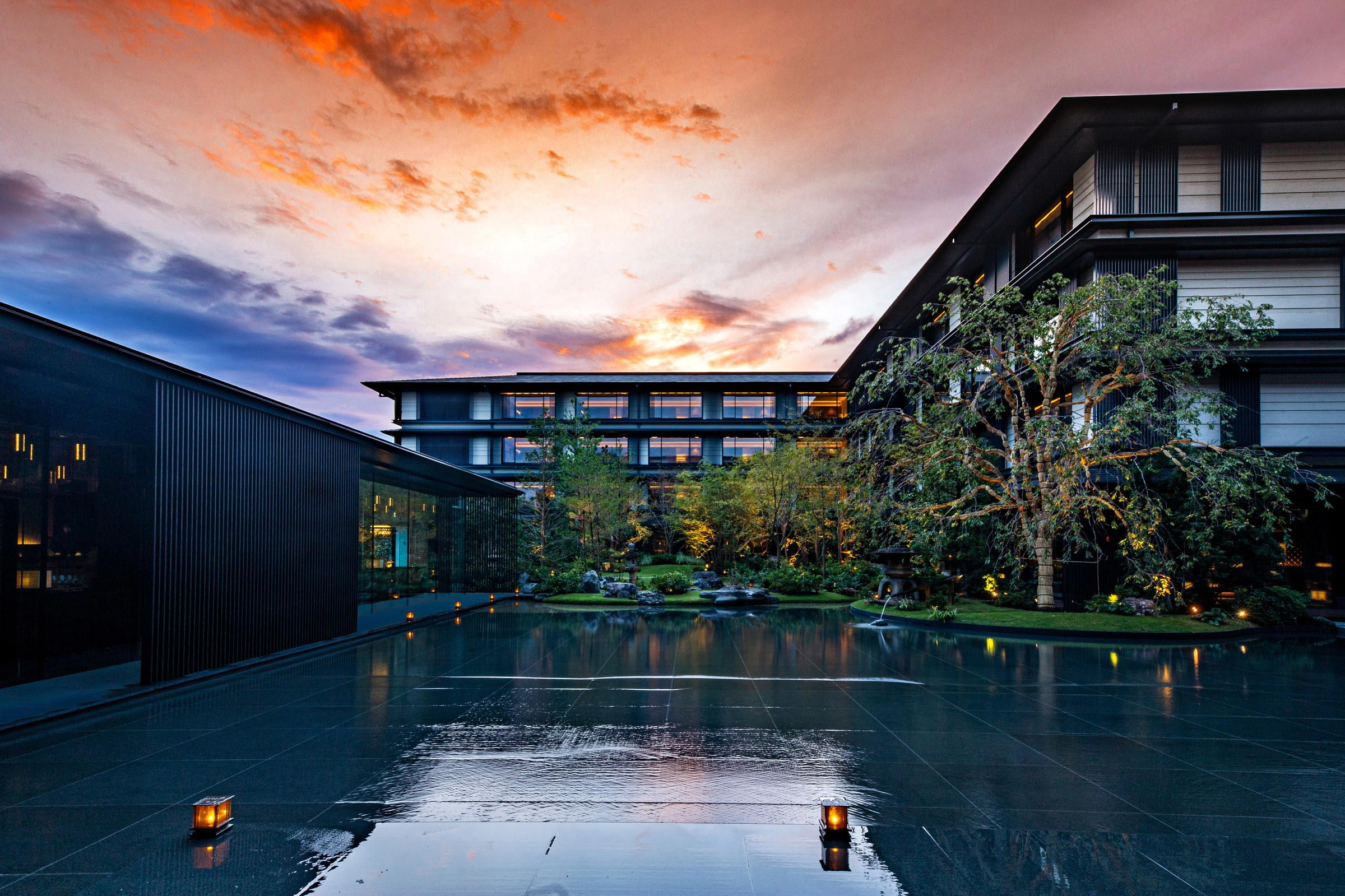
Bars in Kyoto
Browse all →
Restaurants in Kyoto
Browse all →
Wineries in Kyoto
Browse all →
Details
- Modern
- Elegant
- Quiet
- Minimalist
- Family Vacation
- Business Trip
- Weekend Escape
- Garden
- Wi Fi
- Public Bath
- Restaurant
- Air Conditioning
- Garden
- Elevator
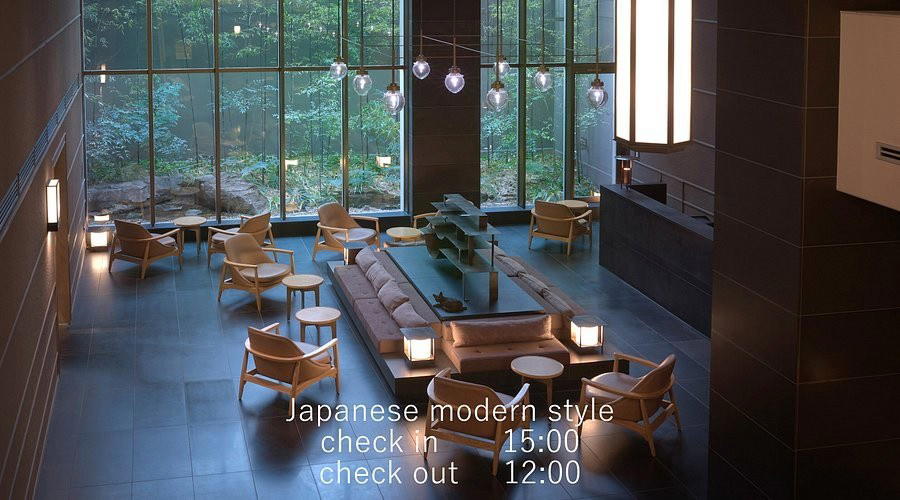
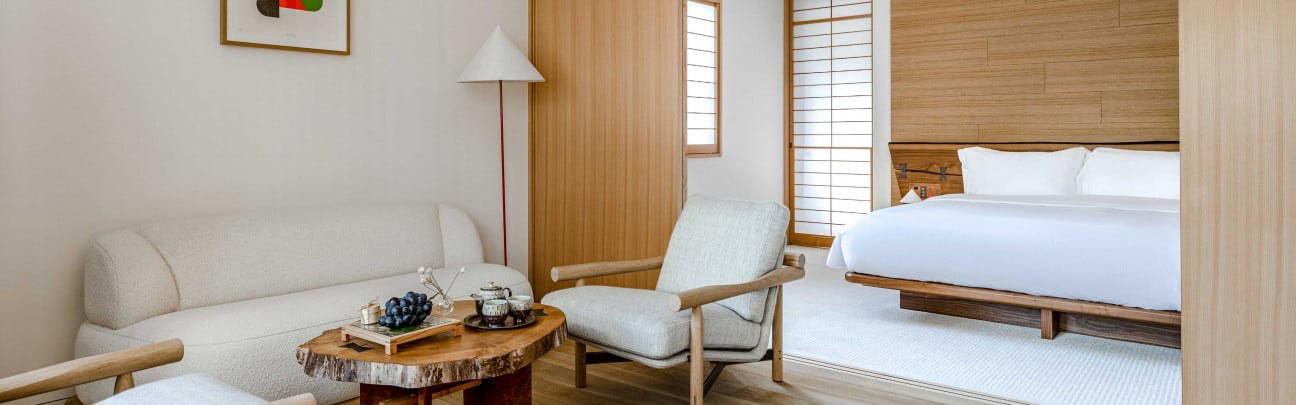
Bright modern Japanese-style interior with minimalist rooms using natural materials and soft tones, complemented by a serene garden and relaxing public bath.