
Michelin Selected
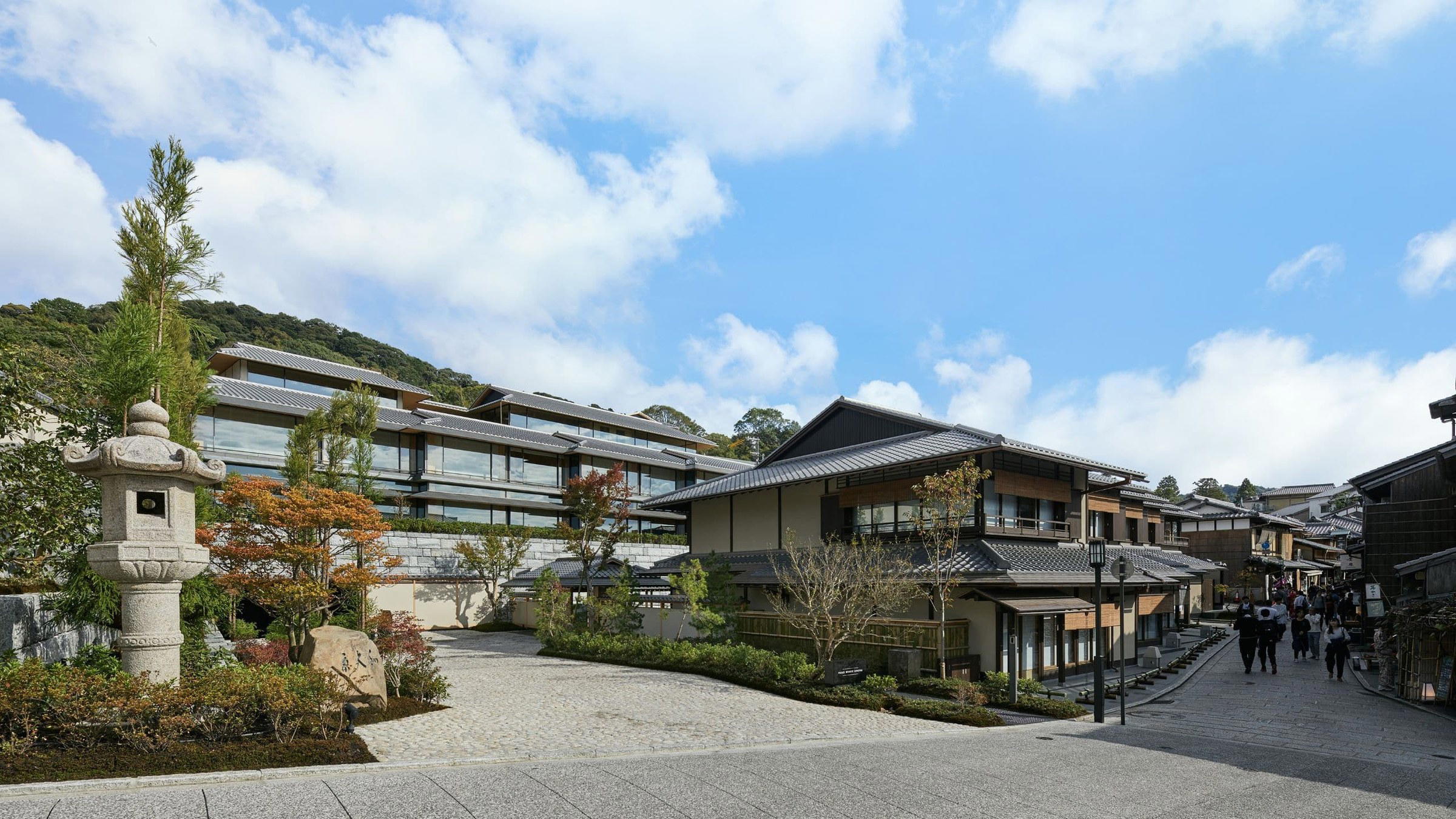
A Michelin Selected property in Kyoto's Higashiyama district, Maana Kiyomizu occupies a position within the city's smaller, design-led accommodation tier, where proximity to temple precincts and a retreat-oriented format matter more than scale. The address, steps from Kiyomizudera's approach, places guests inside one of Japan's most historically layered neighbourhoods.

Pearl is the En Primeur Club membership app — saves, bookings, and concierge access live there. Same editors, same standards.
- Address
- 427-18, Myohoin Maekawacho, Higashiyama Ward, Kyoto, 605-0932, Japan
- Phone
- +81 90-8228-7209
- Website
- maanahomes.com
- Directions
- Get directions
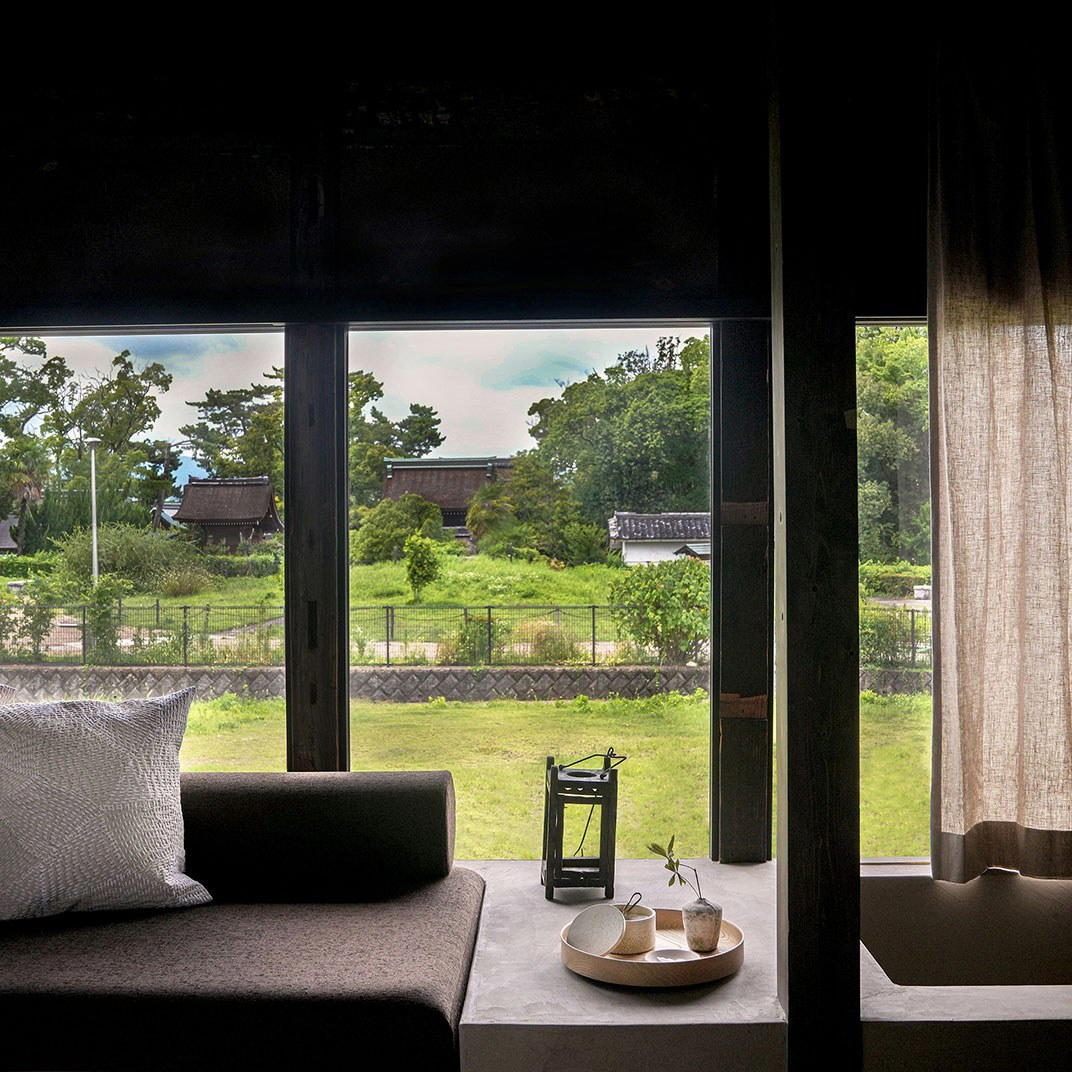
Higashiyama and the Architecture of Stillness
Kyoto's Higashiyama district operates on a different register from the city's central hotel corridors. The neighbourhood's stone-paved lanes, temple gates, and preserved machiya streetscapes create a physical separation from the commercial density of Karasuma and Shijo, and that separation is precisely why a certain tier of accommodation concentrates here. Properties in this pocket tend toward restraint in scale and deliberate in design, positioning themselves against the retreats and ryokan of the inner city rather than the larger international brands. Maana Kiyomizu, carrying a Michelin Selected distinction in the 2025 hotels guide, sits within that cohort at 427-18 Myohoin Maekawacho, Higashiyama-ku, an address that places it on the eastern slope of the city, close to the approach to Kiyomizudera.
The Michelin hotel selection process, which the guide extended formally to Japan in recent years, applies criteria that weight atmosphere, service consistency, and a sense of place alongside physical comfort. A Michelin Selected designation in this competitive context, among Kyoto's dense and experienced accommodation field, functions as a signal that the property has cleared a credibility threshold that many comparable addresses in the district have not. For the wellness and retreat traveller specifically, that credibility matters: the selection implies a baseline of quietude and care that makes the property worth examining seriously.
The Retreat Logic of Higashiyama
Japan's premium ryokan and small hotel tradition treats the act of staying as a practice rather than simply a service exchange. The rituals of check-in, the spatial logic of rooms designed for horizontal rest rather than upright activity, the relationship between interior and exterior views, and the rhythm of bathing versus dining versus sleeping, all of these work together as a coherent programme for decompression. Higashiyama's density of temples, meditation gardens, and forested hillside paths makes it one of the more credible backdrops in Japan for this kind of retreat logic. Properties in this area benefit from proximity to Chion-in, Shoren-in, and the forested ascent toward Nanzenji in a way that hotels on the Karasuma grid simply do not.
Within that neighbourhood context, a property operating at Maana Kiyomizu's tier competes not primarily on amenity count or room square footage, but on the coherence of atmosphere it generates. The comparison set here is closer to Higashiyama Shikikaboku or smaller format ryokan than to the full-service international model represented by the Four Seasons Hotel Kyoto, which brings a larger programme of spa, dining, and event infrastructure. Both are valid approaches; they serve different retreat orientations.
Wellness in the Japanese Small Hotel Format
Japan's onsen and bathing tradition gives even modest properties a wellness dimension that many Western equivalents must manufacture from scratch. The availability of quality bathing, whether communal or in-room, the discipline of kaiseki or carefully paced meal service, and the design emphasis on natural materials, sliding screens, and garden views have been embedded in the hospitality culture for centuries. Small properties in the Michelin Selected tier in Kyoto tend to preserve these elements even where they lack the dedicated spa suites of larger competitors like Aman Kyoto, whose forest-edge setting and extensive wellness programming represent the upper end of the Kyoto retreat market.
For the traveller whose wellness priority is immersive environment rather than treatment menus, the Higashiyama small hotel format often delivers more effectively than its larger counterparts. The morning walk through temple precincts before the tourist groups arrive, the evening quiet of a neighbourhood that largely shuts its commercial lanes by early evening, and the spatial intimacy of a property with limited keys all function as a wellness programme in themselves. Properties like Hoshinoya Kyoto have built an international reputation on this logic, arriving by river boat and removing guests from the road network entirely. Maana Kiyomizu operates in urban Higashiyama rather than deep nature, but the neighbourhood's capacity for morning stillness is genuine.
Japan's broader ryokan circuit offers useful comparisons for understanding where Kyoto's small retreats sit regionally. Properties like Gora Kadan in Hakone and Amanemu in Mie anchor the upper end of nature-immersive wellness formats outside major cities. Within Kyoto itself, the competition includes Hotel Kanra Kyoto and eph KYOTO, both of which approach the city's hospitality from distinct design positions. The HOTEL THE MITSUI KYOTO takes an entirely different path, converting a historic Mitsui family compound into a full-service luxury address with a correspondingly different scale and price tier.
Timing, Season, and the Case for Shoulder Periods
Kyoto's visitor calendar compresses dramatically around cherry blossom season in late March and early April and the autumn foliage peak in November. During these windows, the Higashiyama lanes operate at maximum density, and the neighbourhood's characteristic quietude is essentially unavailable. For the retreat-oriented traveller, the late January to mid-February period, and again the weeks of late May and early June before the summer humidity sets in, offer the neighbourhood at closer to its functional leading: cold but clear in winter, temperate and green in early summer, with visitor volumes that allow the temple gardens and stone lanes to function as the contemplative spaces they are designed to be.
Booking a Michelin Selected small property in Kyoto during peak periods requires either significant lead time or flexibility on room category. The shoulder periods carry better availability and, often, more attentive service ratios, as properties are not operating at maximum guest load. This is worth considering specifically for guests whose retreat intention depends on the quality of interaction with staff, the pacing of meal service, and access to the property's quieter corners.
Planning Your Stay
Maana Kiyomizu sits at 427-18 Myohoin Maekawacho in the Higashiyama district, walkable from the main Kiyomizudera approach and within reach of the broader temple circuit on foot. The address is Michelin Selected for 2025, placing it in a recognised tier within Kyoto's accommodation field. For pricing, room availability, and booking, the property should be contacted or checked through current reservation platforms, as rate and inventory data shift with season. Travellers considering this part of Higashiyama alongside other Kyoto addresses may find useful comparison in Candeo Hotels Kyoto Karasuma Rokkaku and GRANBELL HOTEL KYOTO, both of which operate in different parts of the city at different price registers. For the full picture of the city's accommodation and dining options, the EP Club Kyoto Prefecture guide covers the broader field.
Japan's small retreat format at this tier also rewards comparison with properties elsewhere in the country. Zaborin in Kutchan, Asaba in Izu, Nishimuraya Honkan in Kinosaki-cho, and Kamenoi Besso in Yufu each represent distinct regional expressions of the same tradition Maana Kiyomizu draws from in Higashiyama. For those extending a Japan itinerary toward the outer islands, Benesse House in Naoshima, Jusandi in Ishigaki, and Halekulani Okinawa offer useful reference points across very different landscape and format registers. International equivalents at the design-led small luxury end include Badrutt's Palace Hotel in St. Moritz and Hôtel de Paris Monte-Carlo, though neither shares the retreat philosophy that defines Higashiyama's accommodation culture.
Credentials Lens
Comparable venues nearby, for context on price, style, and recognition.
| Venue | Cuisine | Price | Awards | Notes |
|---|---|---|---|---|
| Maana KiyomizuThis venue — the venue you are viewing | Restored machiya townhouses with contemporary minimalist interiors | $300–500 | Michelin Selected | Not listed |
| The Hotel Higashiyama by Kyoto Tokyu Hotel, A Pan Pacific Hotel | Blends traditional ryokan hospitality with contemporary luxury inspired by Kyoto's feudal-era Higashiyama district. | $300–500 | Michelin Selected | Higashiyama |
| Higashiyama Shikikaboku | Contemporary ryokan blending modern architecture with traditional Kyoto craftsmanship | $300–500 | Michelin Selected | Higashiyama |
| Hotel Utano Kyoto Bessho | Historic Japanese-Western hybrid residence from the early 20th century, meticulously renovated to blend traditional architecture with contemporary luxury. | Not listed | Michelin Selected | Ukyō |
| Aman Kyoto | Contemporary ryokan-inspired pavilions integrated into a forested landscape. | Not listed | 2 Michelin Keys · World's 50 Best #74 | Kita |
| Nohga Hotel Kiyomizu Kyoto | Contemporary lifestyle hotel emphasizing art, music, and local crafts | Not listed | Michelin Selected | Higashiyama |
Recognition history
Dated appearances from independent guides and award organizations, with the underlying list record or original source where available.
Michelin Selected
Michelin
Continue exploring
More in Kyoto
Hotels in Kyoto
Browse all →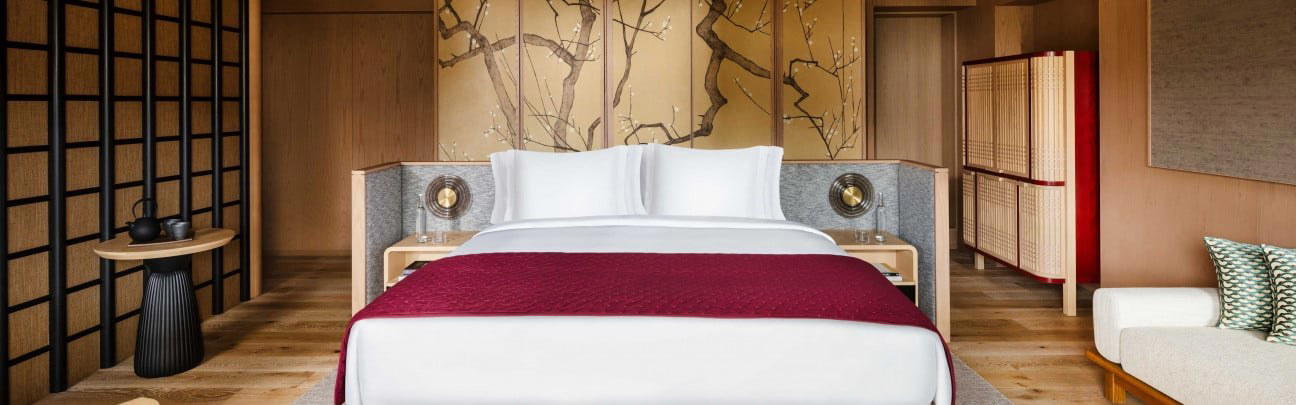
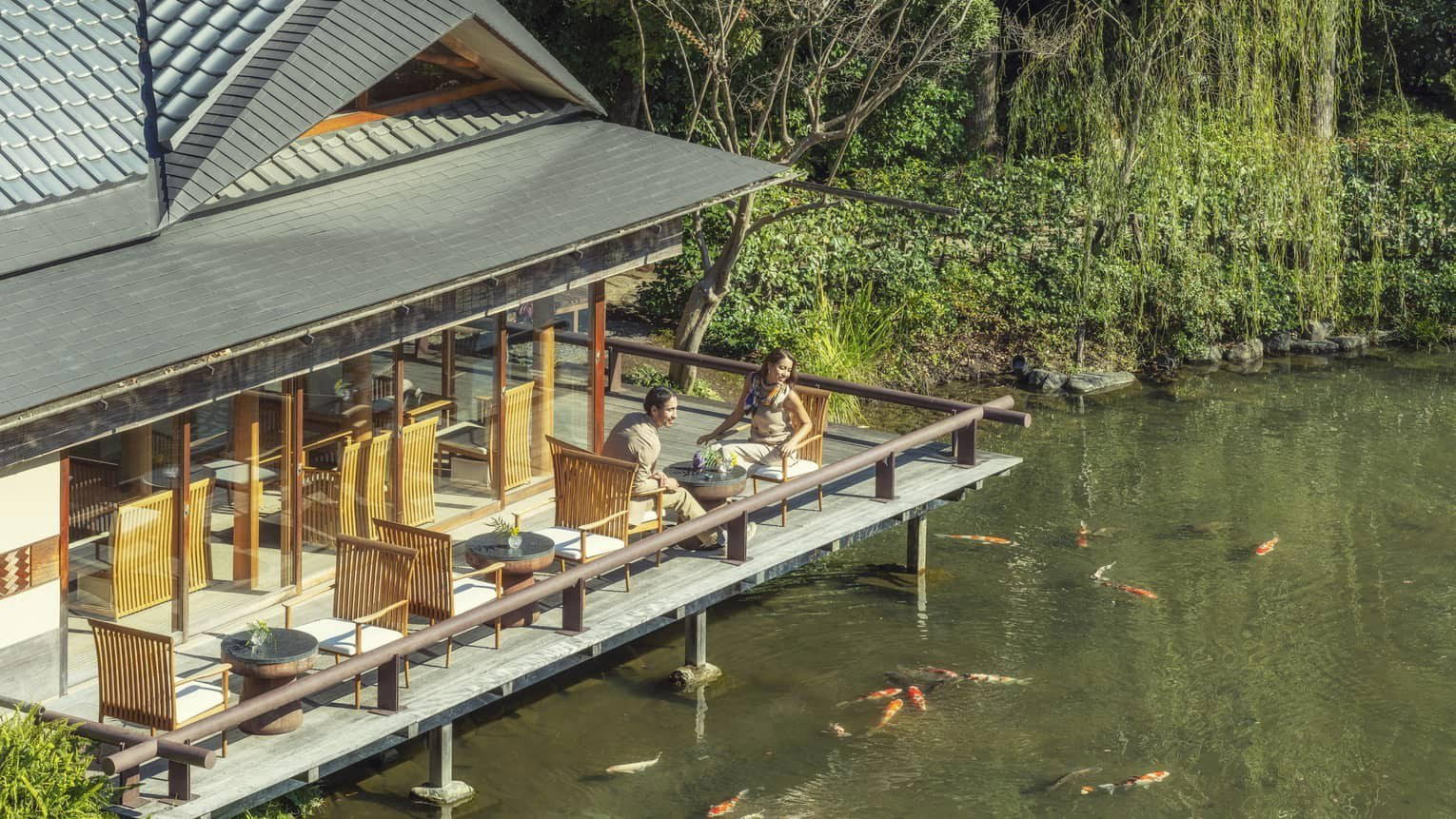
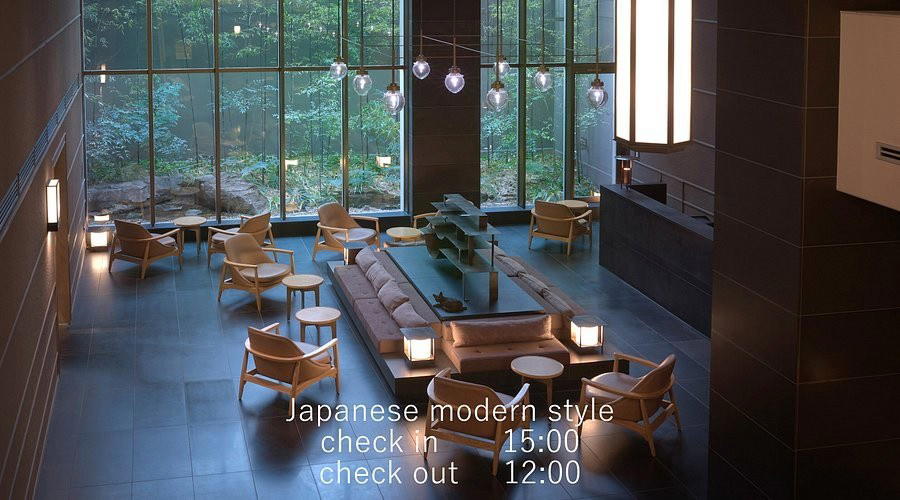
Bars in Kyoto
Browse all →
Restaurants in Kyoto
Browse all →
Wineries in Kyoto
Browse all →
Details
- Quiet
- Minimalist
- Elegant
- Scenic
- Intimate
- Romantic Getaway
- Wellness Retreat
- Anniversary
- Historic Building
- Design Destination
- Wi Fi
- Hot Tub
- Concierge
- Garden
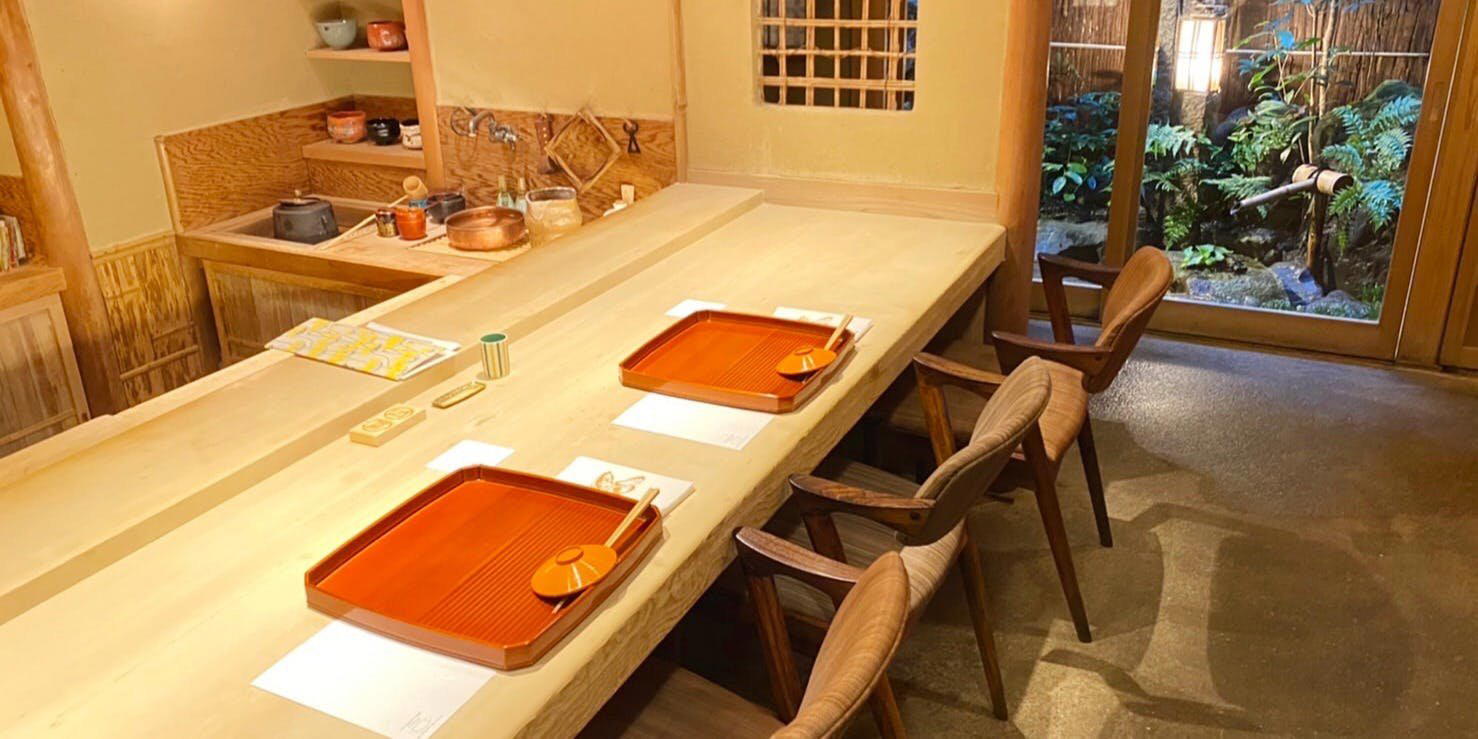
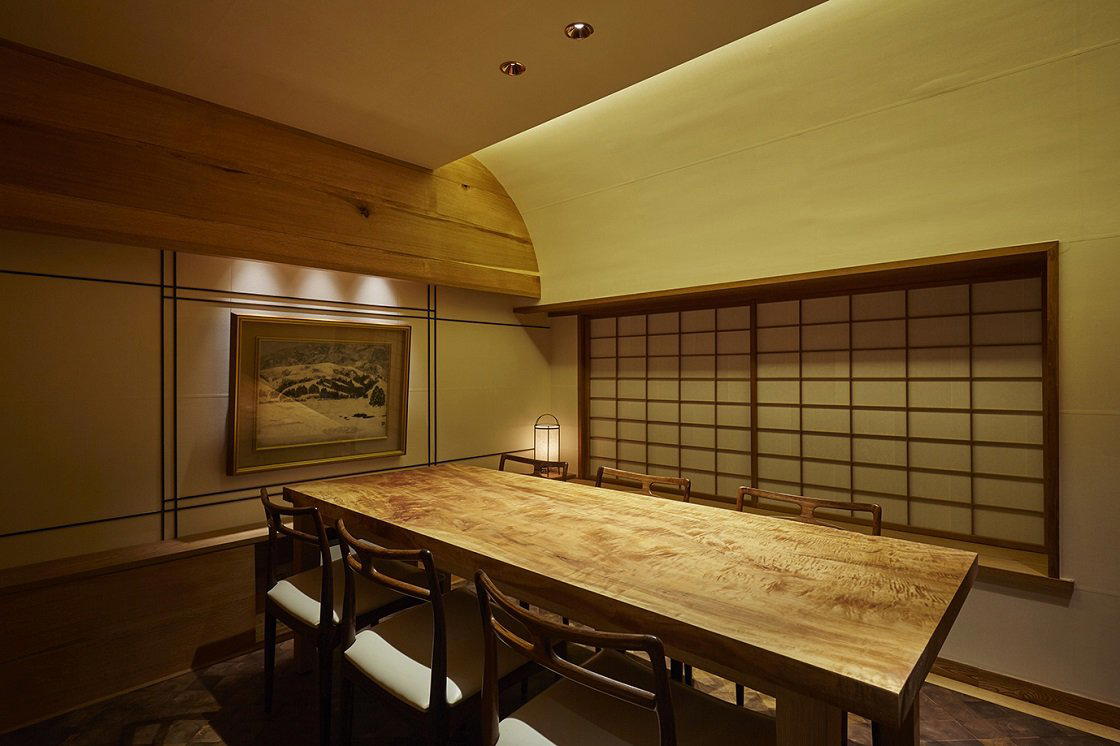
Tranquil and serene with natural light from skylights, soft curves, light-toned palette, and harmonious integration of traditional and contemporary elements.