
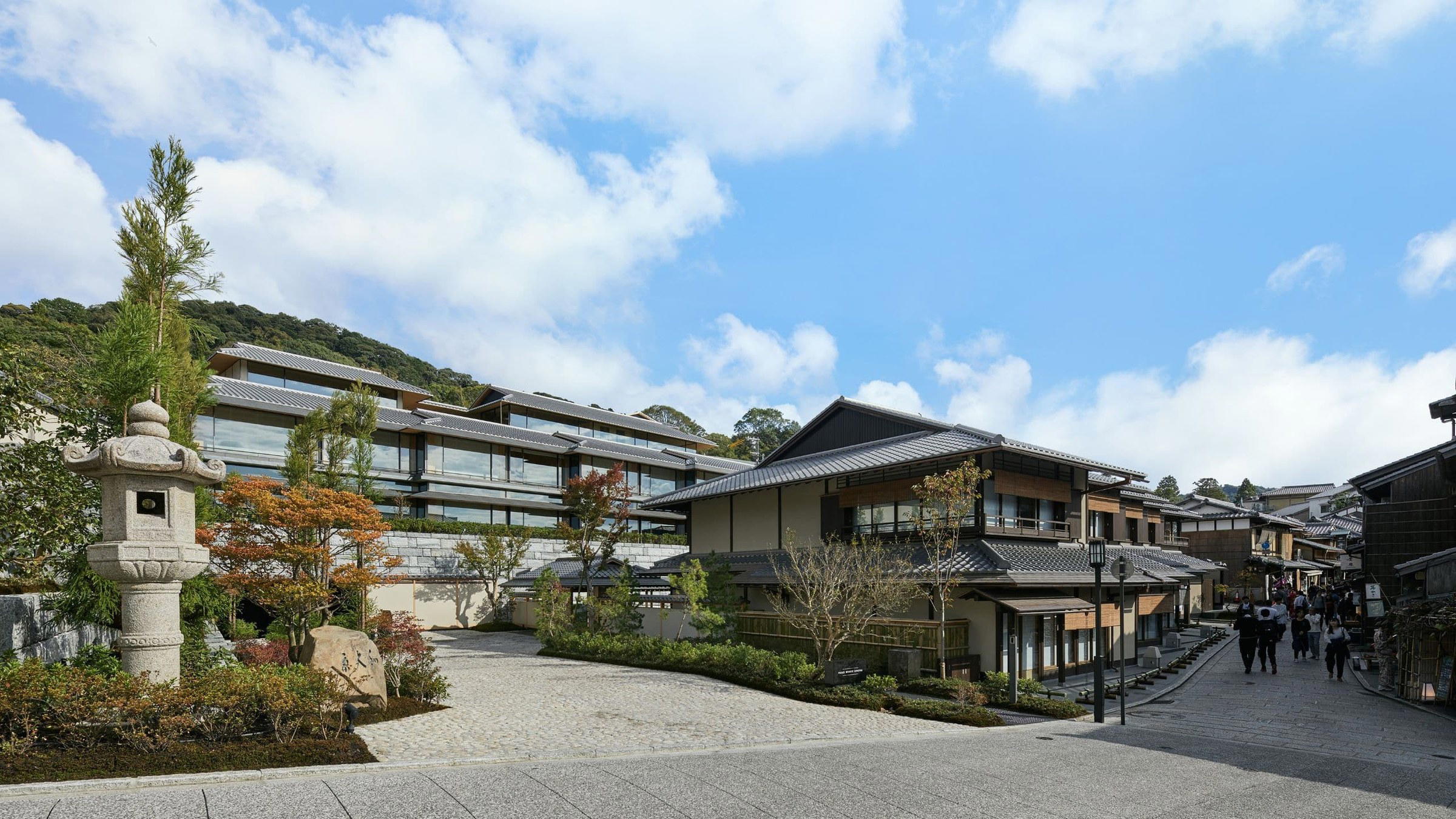
Positioned in Higashiyama-ku against a centuries-old pond garden, Four Seasons Hotel Kyoto holds a One MICHELIN Key (2025), placing it among a select tier of internationally operated luxury hotels recognised for exceptional hospitality standards in Japan. The address puts guests within walking distance of Sanjusangendo and the broader Higashiyama temple corridor, anchoring a global brand in one of Kyoto's most historically dense neighbourhoods.
 Discover on Pearl
Pearl is the En Primeur Club membership app — saves, bookings, and concierge access live there. Same editors, same standards.
- Address
- 445-3 Myohoin Maekawacho, Higashiyama Ward, Kyoto, 605-0932, Japan
- Phone
- +81 75-541-8288
- Website
- fourseasons.com
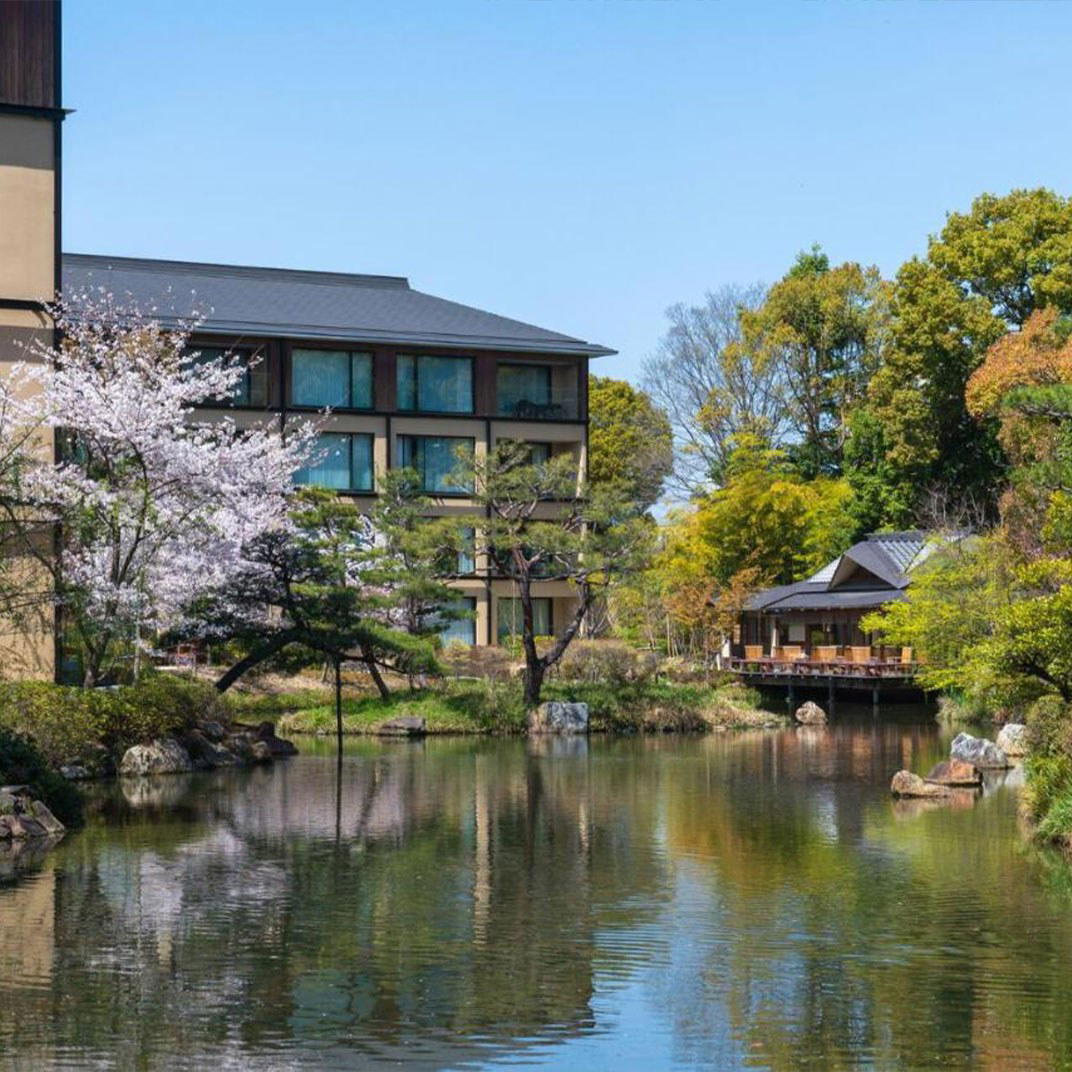
Where Higashiyama's Temple Corridor Meets International Hotel Operations
Approaching the Higashiyama-ku address at Myohoin Maekawacho, the density of Kyoto's eastern cultural district is immediately apparent. The neighbourhood holds some of the city's most significant Buddhist temple complexes, and the cumulative effect of walking this corridor is one of sustained historical weight rather than scenic backdrop. International hotel groups operating in Kyoto face a structural challenge that doesn't apply in the same way in Tokyo or Osaka: the city's planning culture, its UNESCO-adjacent heritage zones, and the expectations of its most discerning travellers all push against the kind of generic luxury signature that travels well elsewhere. The properties that work here tend to engage with place rather than impose upon it.
Four Seasons Hotel Kyoto, situated on a site that incorporates a restored 800-year-old Shakusui-en garden, sits within this tension productively. The garden is not a decorative amenity, it is the organising principle of the property's relationship to Kyoto's landscape tradition, and it shapes sightlines, circulation, and the spatial logic of the building in ways that distinguish the property from a typical urban Four Seasons footprint. The 2025 One MICHELIN Key recognition signals that this calibration has landed credibly within the international hospitality assessment framework.
The MICHELIN Key in the Context of Kyoto's Luxury Hotel Field
The MICHELIN Key designation for hotels, introduced in the 2025 cycle, applies criteria around architecture, service, and the coherence of a property's identity, not restaurant performance alone. In Kyoto, a city where the hotel field includes ryokan operating at the highest tier of Japanese hospitality tradition alongside newer international entrants, holding a MICHELIN Key positions Four Seasons alongside properties that have passed a credibility threshold with a European-origin assessment body that has deep roots in the Japanese market.
For comparative context within the Kyoto international luxury tier, Aman Kyoto operates with a smaller key count and a forest-garden orientation in the northern hills, while HOTEL THE MITSUI KYOTO anchors itself around a former Mitsui clan residence near Nijo Castle. Each of these properties makes a different argument about how international capital should engage with Kyoto's built and cultural heritage. Four Seasons' argument is rooted in the Shakusui-en garden and the Higashiyama location, an area of the city with one of the highest concentrations of historically significant sites per square kilometre.
Travellers comparing this property against Hyatt Regency Kyoto, also in the Higashiyama district, will find that the two hotels occupy adjacent geography but different market positioning. The Four Seasons operates at a higher price tier with a more explicit heritage-integration argument, while the Hyatt Regency functions as a more accessible international standard property in the same culturally rich neighbourhood.
The Higashiyama Location as Cultural Infrastructure
In Kyoto, where a hotel sits is not merely a logistical consideration, it is a cultural statement. Higashiyama-ku runs along the eastern foothills from Fushimi Inari in the south to Nanzenji and Heian Shrine in the north, passing through Sanjusangendo, Kiyomizudera, Chion-in, and Shoren-in along the way. This is not a neighbourhood that requires effort to find culture; the culture is embedded in the street pattern itself. A hotel address in this district means that temple grounds, moss gardens, and traditional machiya streetscapes are accessible on foot, without the transit transitions that characterise access from central Karasuma-area hotels.
This geography also means seasonal Kyoto, cherry blossom season in late March and early April, autumn foliage from mid-November, is experienced at closer range. The pressure on room availability in these windows is among the most acute of any Japanese city. Properties in Higashiyama book out earlier than counterparts in other Kyoto districts during peak periods, and Four Seasons' position in the international luxury tier means its rooms attract both direct and travel-advisor-led bookings well in advance of those dates.
For travellers whose Japan itinerary extends beyond Kyoto, the regional context includes several properties worth noting for extended stays or side trips: Gora Kadan in Hakone represents the premium ryokan tradition at its most refined in the Fuji-viewing mountain resort belt, while Amanemu in Mie anchors itself around onsen and the Ise Jingu pilgrimage circuit, roughly two hours southeast of Kyoto by train. For those extending into Kyushu, Kamenoi Besso in Yufu and Zaborin in Kutchan in Hokkaido each operate in the premium onsen-integrated tradition that sits alongside, rather than in competition with, the international hotel model Four Seasons represents.
Planning a Stay: What to Know Before Booking
For travellers weighing this property against the wider Kyoto field, Hoshinoya Kyoto offers a river-access ryokan experience in Arashiyama that serves a meaningfully different brief, boat arrival, no road access, deep immersion in traditional Japanese hospitality forms, while Hotel Kanra Kyoto provides a smaller-scale alternative with machiya-influenced design at a lower price point in the central city. Higashiyama Shikikaboku sits closer to the boutique end of the eastern district's accommodation options.
Travellers whose itineraries include multiple Japanese destinations will find useful reference points at Bvlgari Hotel Tokyo for ultra-luxury urban positioning in the capital, and at Nishimuraya Honkan in Kinosaki-cho for a historic onsen town ryokan that represents the traditional hospitality inheritance Four Seasons operates alongside but not within.
A Tight Comparison
Comparable venues nearby, for context on price, style, and recognition.
| Venue | Price | Notes |
|---|---|---|
| Four Seasons Hotel KyotoThis venue — the venue you are viewing | $$$$ | |
| Maana Kiyomizu | $$$$ | Higashiyama, Restored machiya townhouses with contemporary minimalist interiors |
| Imperial Hotel Kyoto | $$$$ | Higashiyama, Boutique heritage hotel in restored cultural landmark |
| Maana Kamo | $$$$ | Higashiyama, Restored traditional machiya townhouse designed for quiet reflection. |
| Kanamean Nishitomiya | $$$$ | Nakagyō, Traditional family-owned ryokan blending 19th-century wooden architecture with contemporary luxury. |
| Fufu Kyoto | $$$$ | Sakyō, Modern ryokan with Japanese garden and private onsens |
Continue exploring
More in Kyoto
Hotels in Kyoto
Browse all →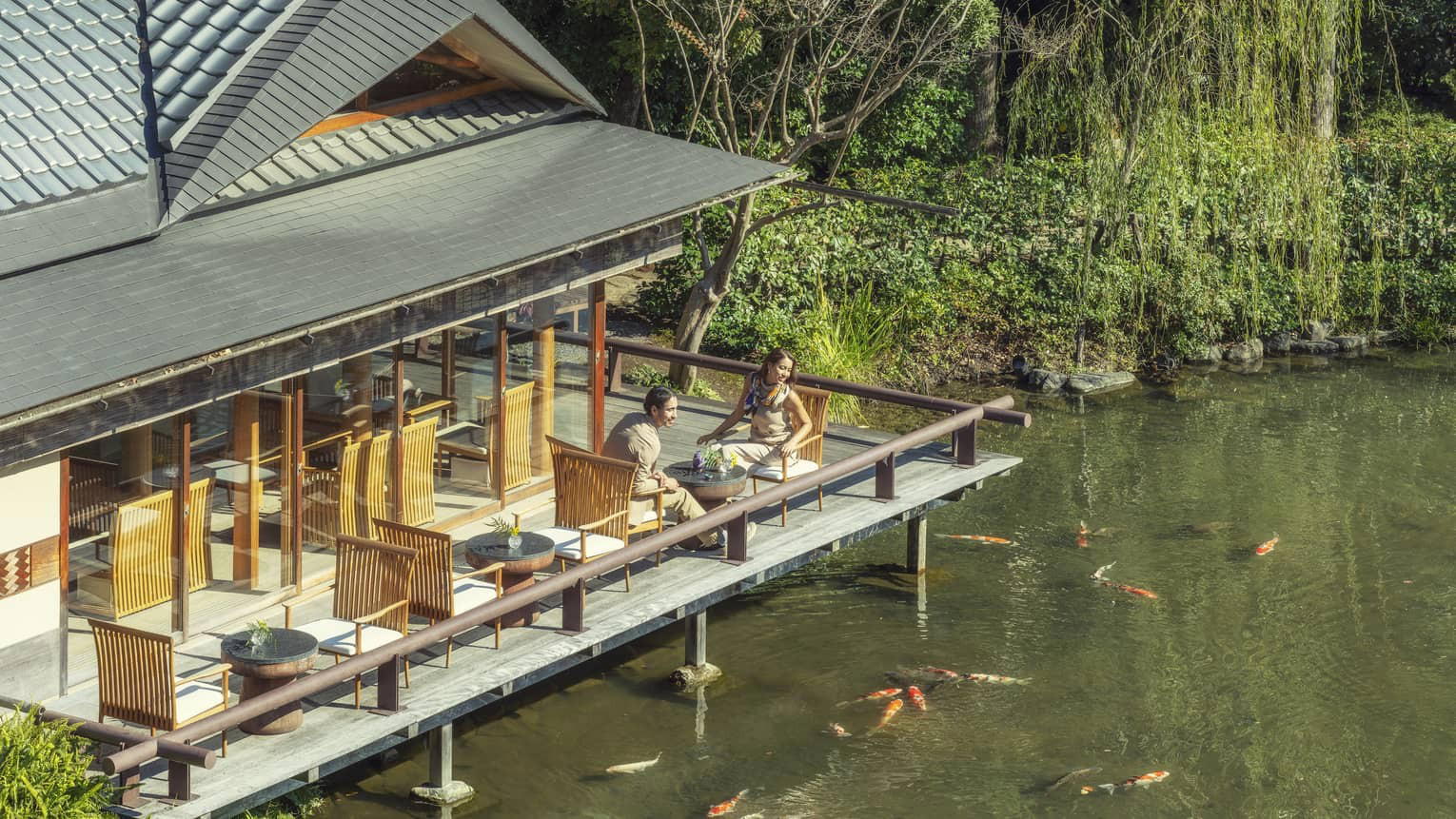
Bars in Kyoto
Browse all →

Restaurants in Kyoto
Browse all →
Wineries in Kyoto
Browse all →
At a Glance
- Elegant
- Quiet
- Sophisticated
- Scenic
- Romantic Getaway
- Family Vacation
- Wellness Retreat
- Anniversary
- Garden
- Historic Building
- Pool
- Spa
- Fitness Center
- Room Service
- Concierge
- Valet Parking
- Garden
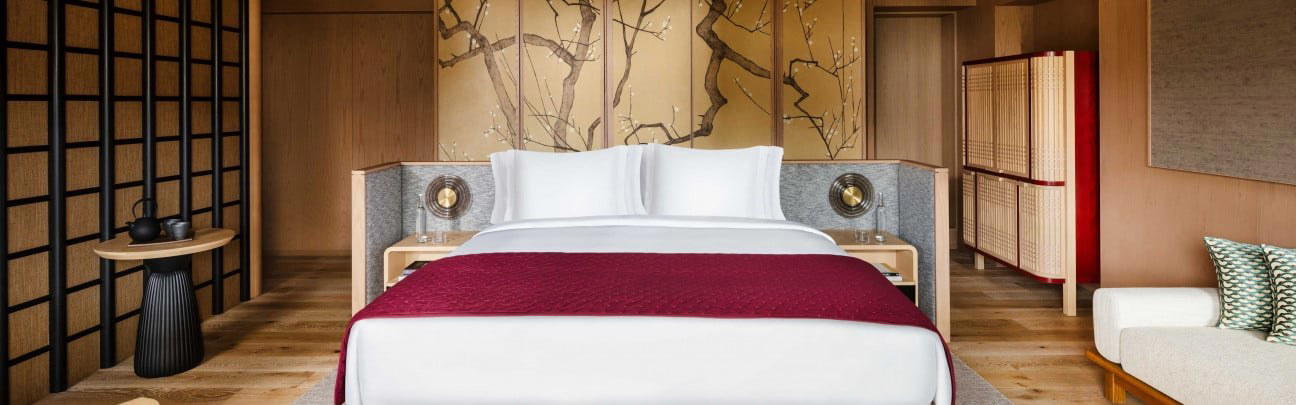
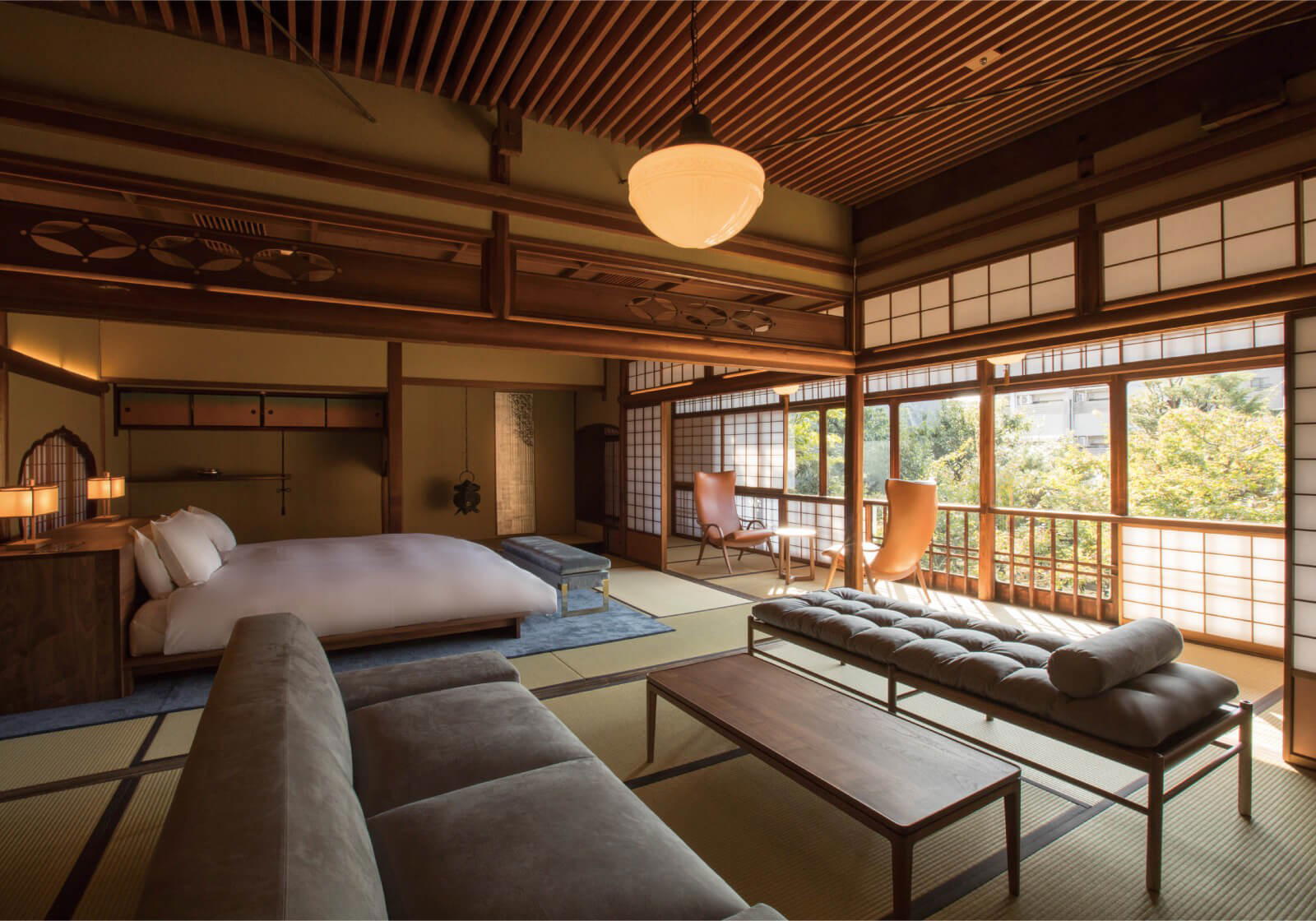
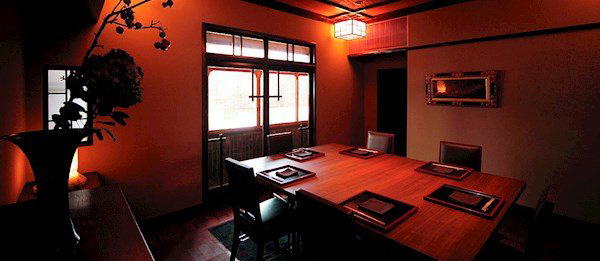
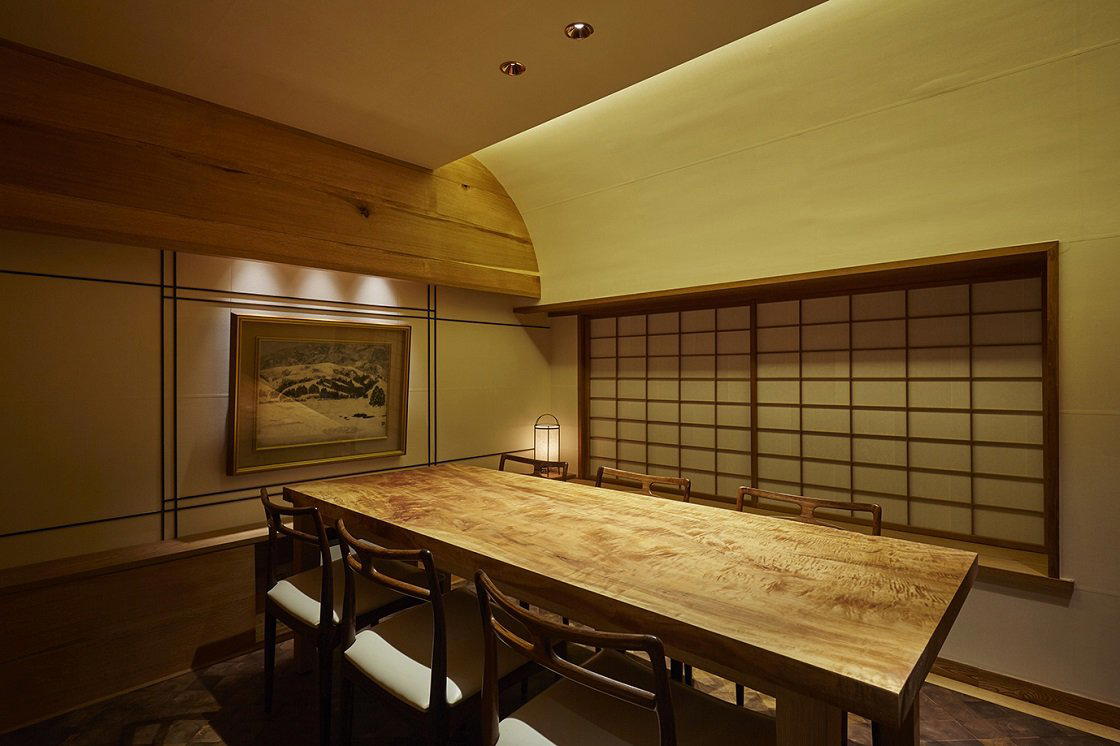
Zen-inspired with natural light flooding spacious rooms through double-height windows, neutral tones, dark hardwood floors, and garden views creating a tranquil and elegant atmosphere.