



Six Senses Kyoto sits in Higashiyama Ward, one of the city's most historically layered districts, with the Toyokuni Shrine on its doorstep and the Kyoto National Museum a short walk away. The 81-room property earned a Michelin One Key in 2024 and appears on Tatler's Best Hotels Asia-Pacific 2025 list. Its dining programme, anchored by the ultra-seasonal restaurant Sekki and the cocktail bar Nine Tails, holds its own against the city's strongest luxury hotel food offers.
 Discover on Pearl
Pearl is the En Primeur Club membership app — saves, bookings, and concierge access live there. Same editors, same standards.
- Address
- 431 Myōhōin Maekawachō, Higashiyama Ward, Kyoto, 605-0932
- Phone
- +81 75-531-0700
- Website
- sixsenses.com
Higashiyama's Luxury Hotel Tier, and Where Six Senses Sits Within It
Kyoto's upper tier of luxury hotels has become one of the more competitive fields in Asian hospitality. In the past decade, international brands have moved into the historic city with considerable ambition: Four Seasons Hotel Kyoto anchors the Higashiyama fringe near Sanjusangendo, Aman Kyoto retreats into a private forest garden in the northern temple district, and Park Hyatt Kyoto occupies an refined position on Higashiyama hill with direct sightlines to Kodaiji Temple. Six Senses Kyoto is a 5-star hotel in Higashiyama Ward, Kyoto, with a Michelin Key in 2024 and rates from $1,083 per night. The hotel has 81 rooms. Six Senses Kyoto, in Higashiyama Ward at 431 Myōhōin Maekawachō, plays a different game from most of them. The brand built its reputation on remote resort properties, island wellness retreats, Himalayan lodges, so placing a Six Senses inside a dense urban ward, within walking distance of the Kyoto National Museum and Sanjusangendo Buddhist Temple, was a deliberate repositioning. The result earned a Michelin Key in 2024.
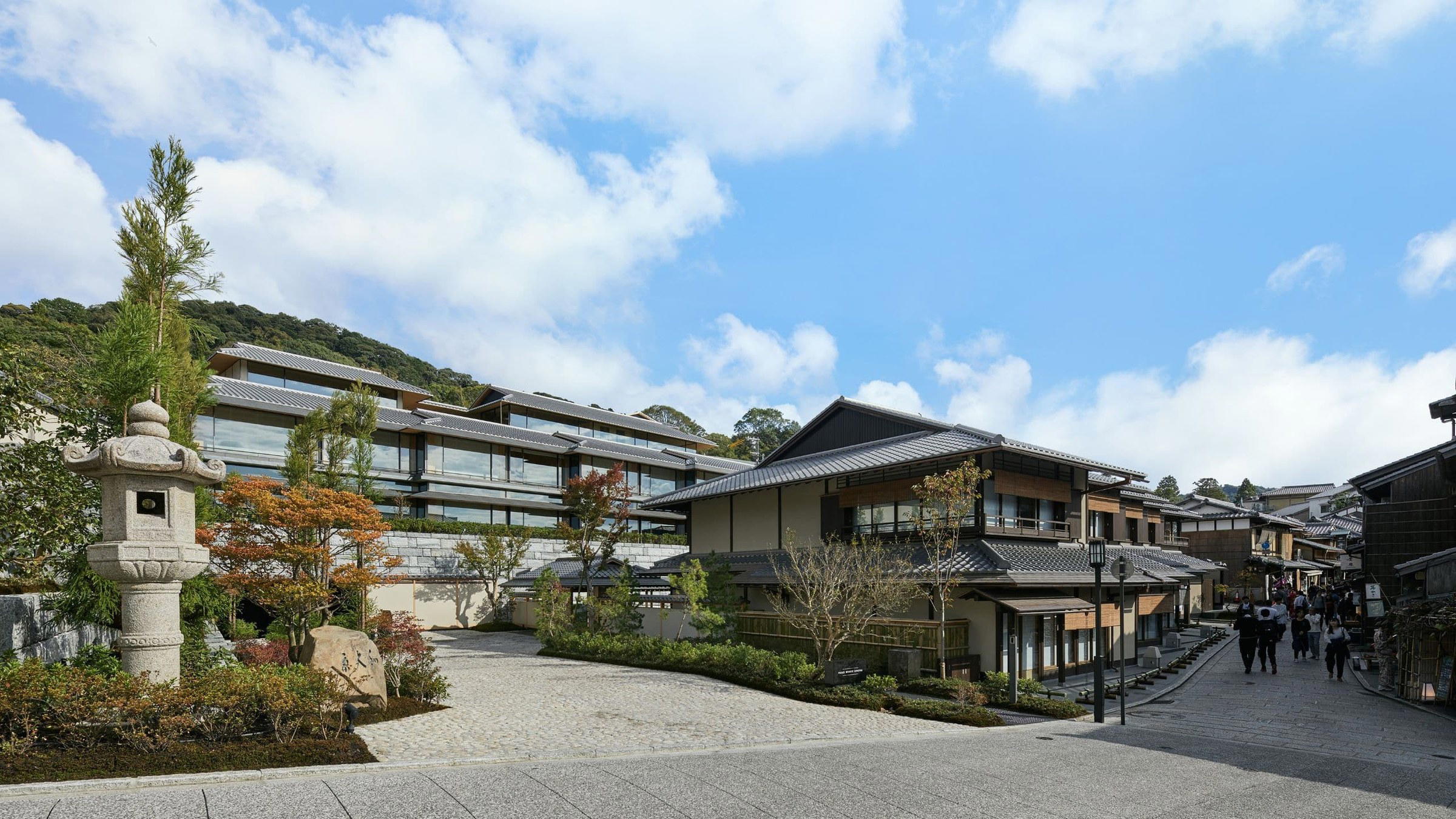
What distinguishes Six Senses Kyoto from comparably priced competitors is the density of cultural context outside its doors. Myoho-in Temple is an easy walk. The 16th-century Toyokuni Shrine sits directly opposite the hotel, and some of the 81 rooms and suites face its grounds. That adjacency to working religious architecture is harder to manufacture than a rooftop pool, and it shapes the atmosphere of the place in ways that floor count and lobby design cannot replicate.
The Dining Programme: Sekki, Cafe Sekki, and Nine Tails
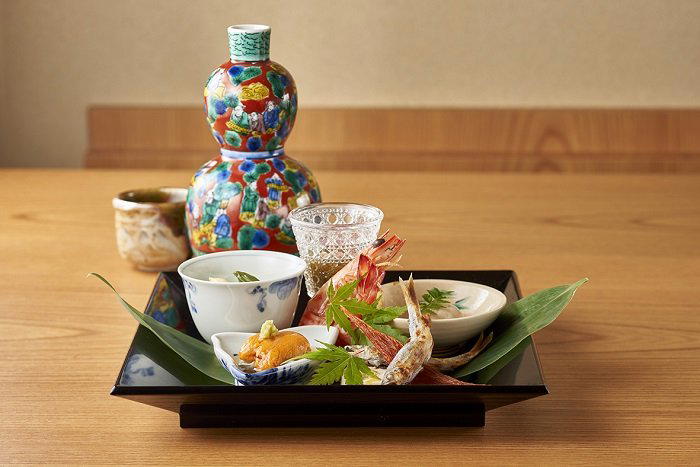
Six Senses Kyoto's food and drink offer is organised under an umbrella philosophy the brand calls Eat With Six Senses, which prioritises ultra-seasonal sourcing and local provenance. In a city where kaiseki has defined seasonal cooking for centuries, that positioning is not merely a branding choice but a structural commitment to the way Kyoto has always cooked.
Sekki, the hotel's all-day dining restaurant, is the centrepiece. The name references the Japanese agricultural calendar's 24 seasonal divisions, which signals clearly that the menu rotates by season rather than by chef whim. In a hotel dining context across Asia, all-day restaurants frequently compromise between international accessibility and local specificity. Sekki leans toward the local end of that spectrum, rooted in the sustainable sourcing principles that Six Senses applies consistently across its properties.
Cafe Sekki extends the Sekki identity into a lighter format, with aromatic teas and pastry-led offerings. For a hotel in a district this heavily trafficked by temple visitors and museum-goers, a cafe-format venue serves a practical function beyond the guest room base, and it fits the rhythm of a Higashiyama day, where guests return from shrine visits with a clear appetite for something that doesn't require a full reservation.
Nine Tails, the hotel's cocktail bar, operates at the intersection of Eastern and Western flavour traditions. The name draws on Japanese folklore, a nine-tailed fox appearing as a recurring figure in the country's mythological canon. That reference isn't decorative: the bar's brief is to apply similar cultural duality to its drinks, a format that has become more common in Tokyo's leading cocktail bars but remains less explored in Kyoto's hospitality sector. For guests comparing Kyoto's hotel bar scene across properties, Nine Tails represents a more developed cocktail identity than many comparable hotel bars in the city, which tend toward sake and whisky lists with modest cocktail ambition.
The hotel's Michelin Key recognition in 2024 affirms that the food and drink offer has earned broad confidence. That distinction matters in Kyoto, where the independent dining scene sets a high baseline and hotel restaurants are held to the same standard.
Design Language and Room Configuration
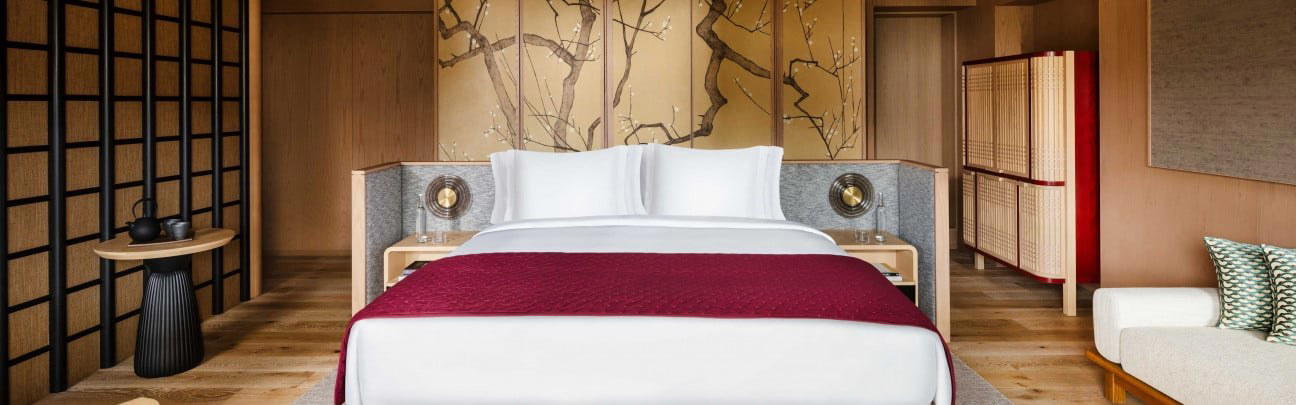
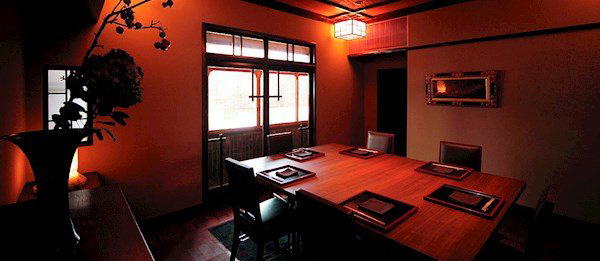
The interiors draw on two reference points: the Tale of Genji, the 11th-century literary work widely considered a foundational text of Japanese culture, and broader motifs from the Heian period's aesthetic philosophy of Miyabi, which encompasses elegance, refinement, and sensitivity to natural beauty. These are not surface references. The Heian period was the era in which Kyoto, then called Heiankyō, was Japan's imperial capital, so embedding those aesthetic codes into the hotel's design connects it to the city's founding identity rather than to its more widely marketed temple-and-geisha image.
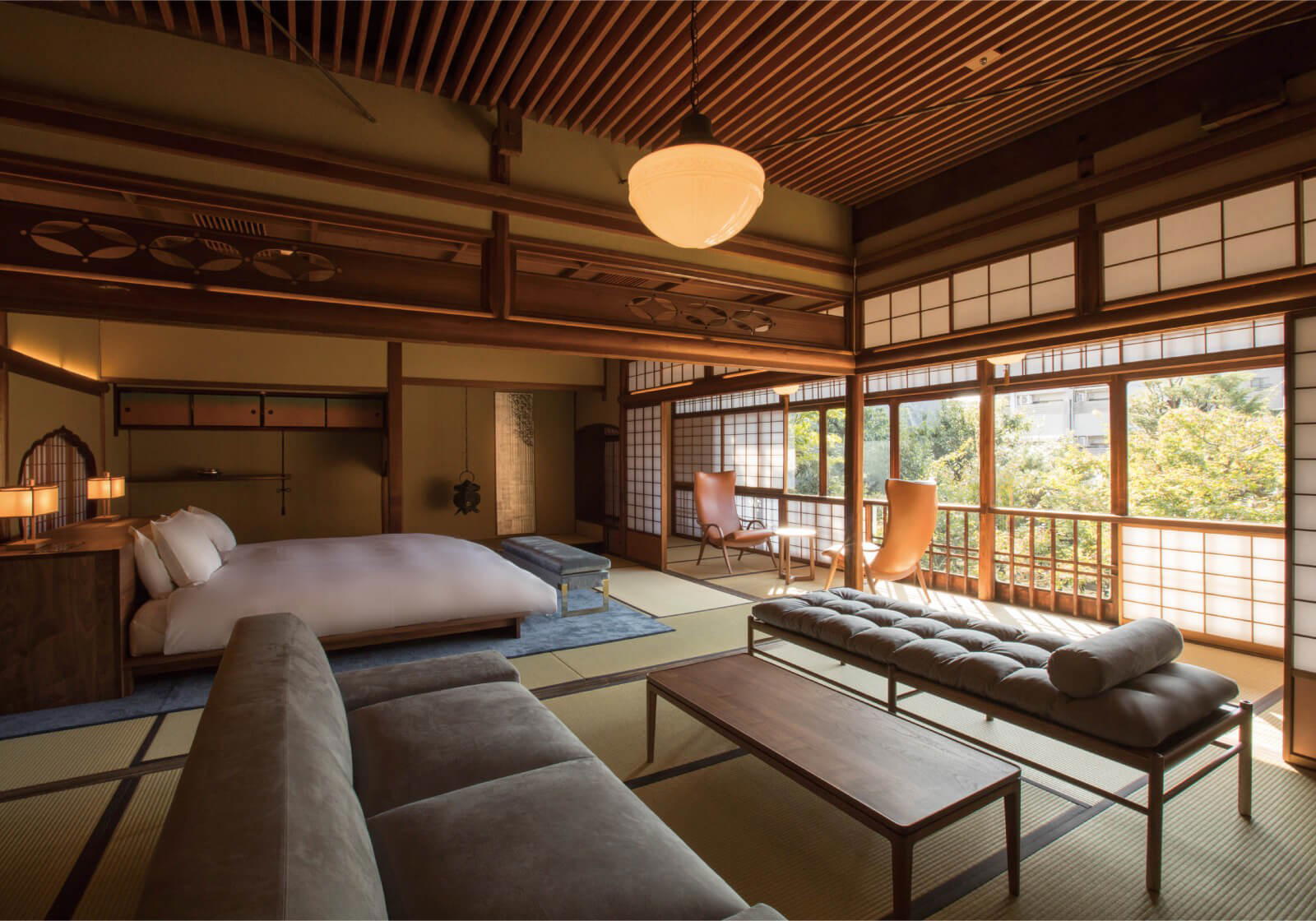
81 rooms and suites offer a choice of three orientations: the central courtyard garden, the cityscape, or the grounds of the Toyokuni Shrine. That tripartite view structure gives the room selection meaningful differentiation. Guests drawn to historical adjacency will preference the Shrine-facing rooms; those prioritising the green interior calm will choose the courtyard. The rooms are contemporary updates on classic Japanese inn configurations, equipped with practical comforts without foregrounding them over the aesthetic framework.
Rates from $1,083 per night place the property in the same tier as Hotel The Mitsui Kyoto and SOWAKA, both of which draw from Kyoto's traditional architecture vocabulary for their design language. The Shinmonzen and Dusit Thani Kyoto represent further options at this price level, while Ace Hotel Kyoto targets a different demographic with a design-culture rather than wellness-culture orientation.
The Spa Programme and Six Senses' Broader Japan Context
The Six Senses Spa is the brand's core product in every property it operates. In Kyoto, it deploys smart technology alongside traditional healing methods and Zen cultural practices. That pairing of technical biometric monitoring with ancient Japanese therapeutic frameworks is consistent with how the brand has approached wellness in its other Asia properties, and it reflects a broader shift in premium wellness hospitality: programmes that can be tracked and measured carry more weight with the guest demographic than purely experiential offerings.
For travellers specifically seeking Six Senses' wellness approach in Japan, the Kyoto property sits alongside notable alternatives further afield: Amanemu in Mie, which operates Japan's most cited onsen-led luxury spa, and traditional ryokan options such as Gora Kadan in Hakone, Asaba in Izu, and Nishimuraya Honkan in Kinosaki-cho. What Six Senses Kyoto offers that those properties cannot is urban density: cultural institutions and walkable temples. Zaborin in Kutchan, ENOWA Yufu in Yufu, and Benesse House in Naoshima each offer a different form of Japanese immersion, but none place the guest within a 10-minute walk of three significant Buddhist and Shinto sites and a national museum.
For the Six Senses brand specifically, the Kyoto property represents a proof of concept for urban wellness that Higashiyama provides. Bvlgari Hotel Tokyo operates in a comparable register for Japan's other main city, though its identity centres on Italian luxury rather than wellness programming.
Planning Your Stay
The hotel address is 431 Myōhōin Maekawachō, Higashiyama Ward, Kyoto 605-0932. The hotel carries a Michelin Key in 2024. Fufu Kawaguchiko in Fujikawaguchiko, Fufu Nikko in Nikko, Halekulani Okinawa, Jusandi in Ishigaki, or Sekitei in Hatsukaichi-shi for regional contrast.
A Tight Comparison
Comparable venues nearby, for context on price, style, and recognition.
| Venue | Price | Notes |
|---|---|---|
| Six Senses KyotoThis venue — the venue you are viewing | $$$$ | |
| The Hotel Seiryu Kyoto Kiyomizu | $$$$ | Higashiyama, Renovated historic school building blending Japanese heritage with contemporary luxury |
| Banyan Tree Higashiyama Kyoto | $$$$ | Higashiyama, Contemporary Japanese luxury ryokan with natural hot springs |
| Suiran, a Luxury Collection Hotel, Kyoto | $$$$ | Ukyō, Traditional Japanese luxury ryokan blended with modern amenities |
| Genji Kyoto | $$$$ | Shimogyō, Contemporary Japanese sanctuary inspired by the Tale of Genji |
| ROKU KYOTO, LXR Hotels & Resorts | $$$$ | Kita, Mountain resort blending Japanese artisanship with modern luxury |
Continue exploring
More in Kyoto
Hotels in Kyoto
Browse all →

Bars in Kyoto
Browse all →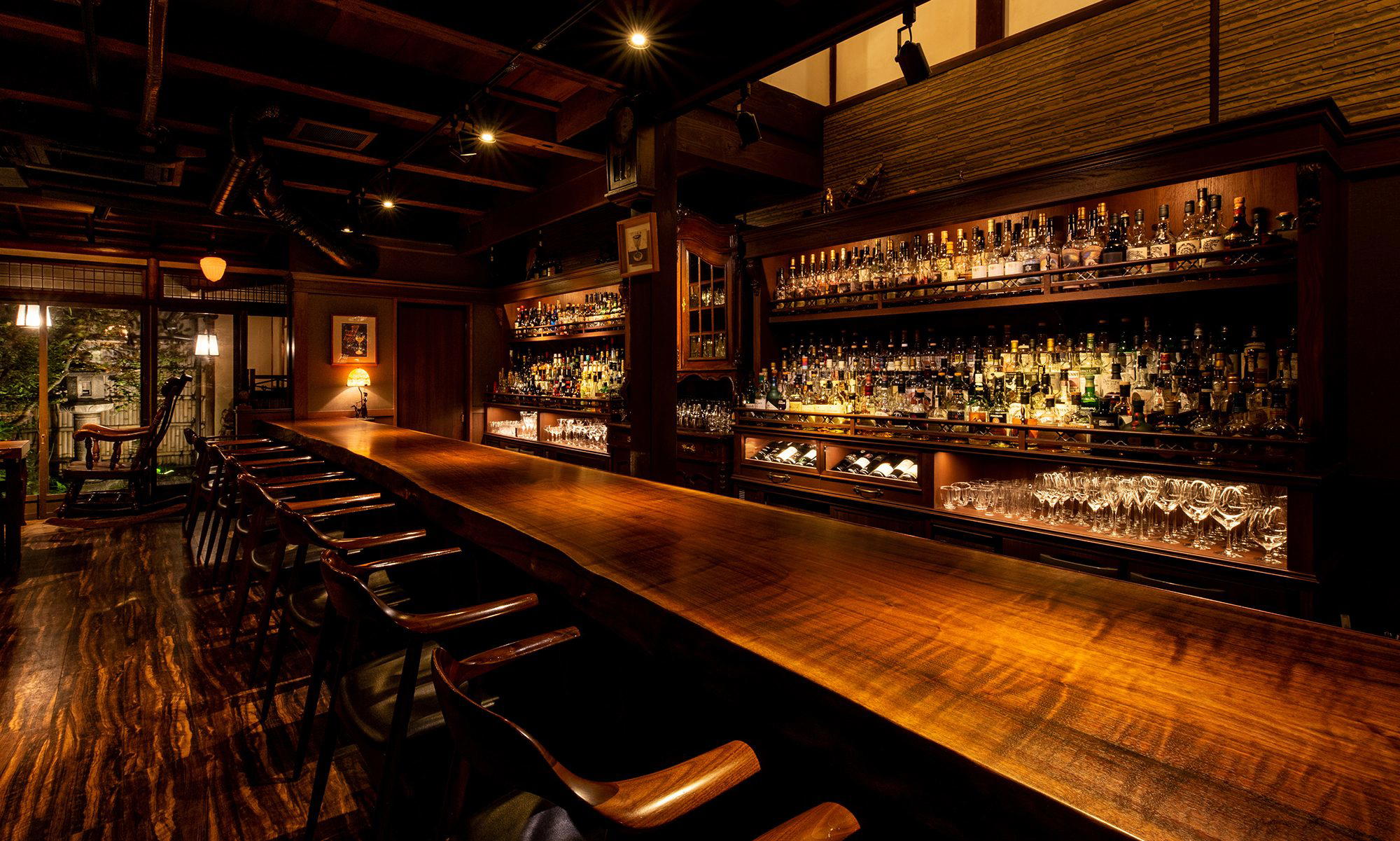



Restaurants in Kyoto
Browse all →
Wineries in Kyoto
Browse all →
At a Glance
- Quiet
- Elegant
- Sophisticated
- Modern
- Cozy
- Wellness Retreat
- Romantic Getaway
- Honeymoon
- Family Vacation
- Destination Spa
- Garden
- Spa
- Pool
- Fitness Center
- Room Service
- Concierge
- Wifi
- Sauna
- Yoga Classes
- Garden
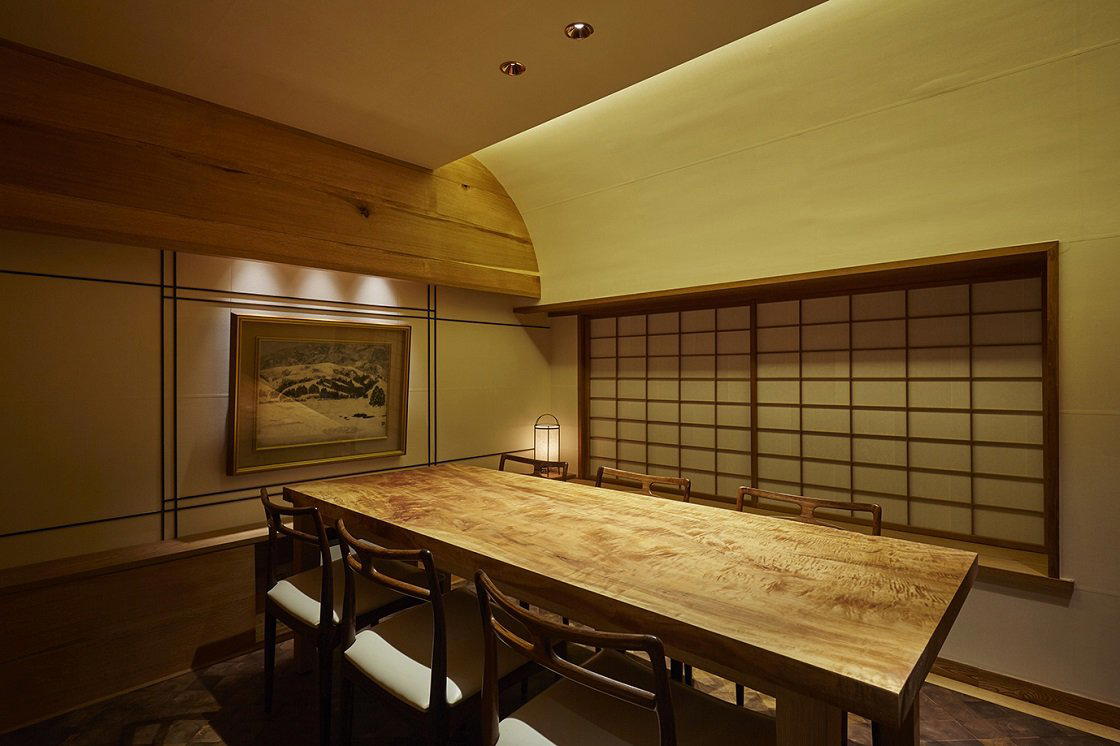
Quiet, wood-scented atmosphere with soothing neutral tones, soft organic shapes, and feel-good textiles promoting relaxation and well-being.