
A wine bar four minutes from Kyoto Station's Hachijoguchi exit, ALKAA opened in 2022 in a part of Minami Ward that has been quietly accumulating serious drinking options. The bar sits in the southern approach to the city, operating as a counterpoint to the sake-forward rooms and tourist-facing cocktail spots that cluster further north.
Pearl is the En Primeur Club membership app — saves, bookings, and concierge access live there. Same editors, same standards.
- Address
- 15-7 Higashikujo Nishisannocho, Minami Ward, Kyoto, 601-8003, Japan
- Phone
- +81 70-9017-1507
- Website
- instagram.com
- Directions
- Get directions
 Saves & bookings on Pearl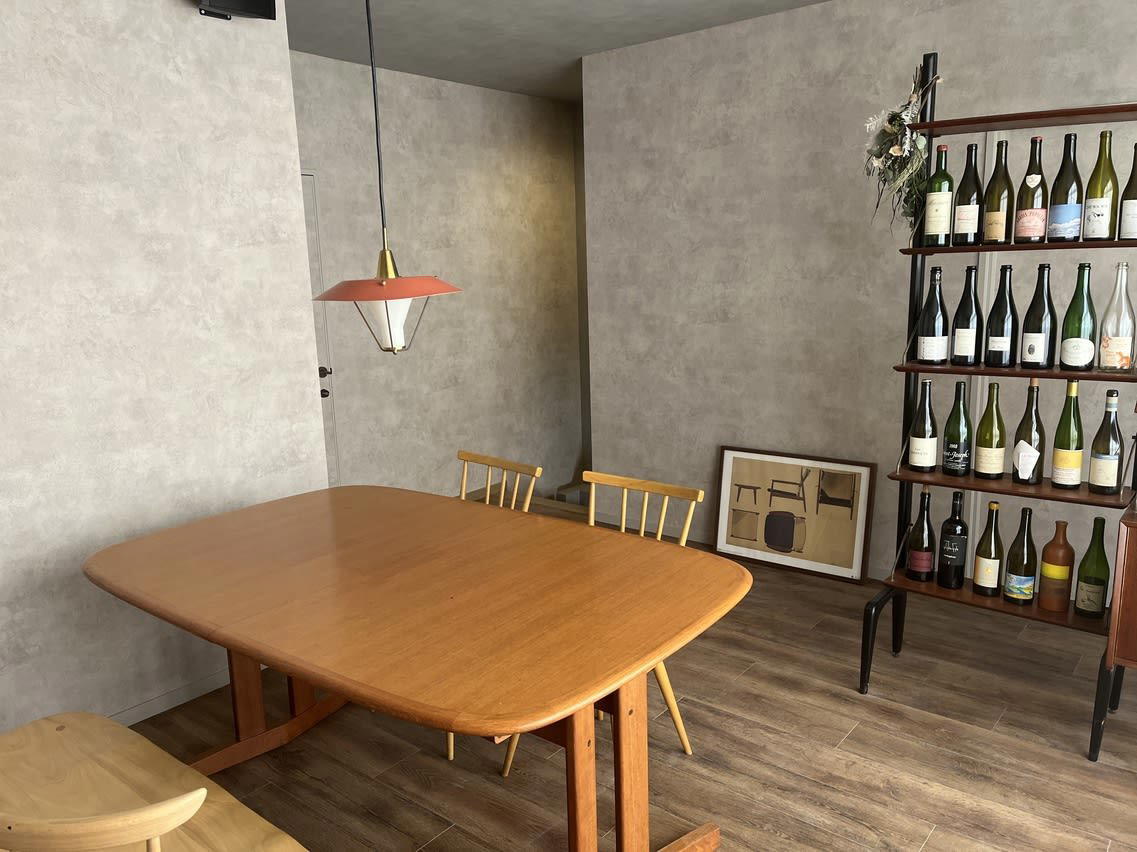
The southern exit of Kyoto Station, Hachijoguchi, does not draw the same attention as the grand northern face with its towers and department stores. What it does offer is access to a strip of bars and restaurants that has been developing its own density since the early 2020s, drawing a local clientele more interested in drinking well than in proximity to temple circuits. ALKAA, a wine bar in Minami Ward, Kyoto, opened in 2022, sits four minutes from that exit on foot, at 15-7 Higashikujo Nishisannocho in Minami Ward. The address positions it firmly in this newer southern cluster rather than in the established drinking corridors of Pontocho or Gion.
The Southern Approach to Kyoto Drinking
Kyoto's bar culture has long been concentrated in its historic districts, where atmospheric lanes and wood-fronted facades do a lot of the work. The Hachijoguchi corridor operates on different logic: proximity to the station and a younger, more local crowd have encouraged a category of venue that competes on program rather than setting. Wine bars, in particular, have emerged here as a distinct format, sitting between the city's kaiseki-adjacent sake rooms and the cocktail counters that anchor the nightlife in Kawaramachi. ALKAA belongs to this wine-focused tier that has been filling in Kyoto's drinking map from the south.
What the Wine Bar Format Means Here
Wine bars in Japan have evolved considerably over the past decade. The format that took hold in Tokyo, where natural wine programs and small-plate menus displaced the older whisky-and-bar-snack template, migrated to Osaka and Kyoto with modifications suited to each city's pace and clientele. In Kyoto, the format has tended toward restraint, both in volume and in the theatrical elements that sometimes accompany wine programming in larger cities. ALKAA, established in 2022, sits within this more considered, post-pandemic phase of wine bar development in the Kansai region.
The comparison set for a bar in this position is instructive. Kyoto's more established cocktail venues, such as Bee's Knees, APOTHECA, Bar Cordon Noir, and Bar K6, operate with mature programs and established reputations built over many years. A wine bar that opened in 2022 occupies a different tier in terms of track record. Across the wider Kansai and Kyushu region, bars like Bar Nayuta in Osaka and Yakoboku in Kumamoto represent the craft-focused end of the spectrum; Lamp Bar in Nara, just 35 minutes from Kyoto by train, shows how seriously the region takes its bar culture even in smaller cities.
Menu Architecture as Editorial Stance
A wine bar's menu functions as a statement of intent. The ratio of wines by the glass to bottles, the presence or absence of food pairings, the degree to which the list skews toward natural or conventional producers: each of these choices signals who the venue thinks its audience is and how serious it is about wine as the primary proposition. In venues that opened around the same period as ALKAA, 2021 to 2023, there has been a noticeable shift away from the catch-all wine-and-cocktail hybrid toward programs with clearer editorial logic. A bar that opens specifically as a wine bar, rather than as a bar that also has wine, makes a different kind of promise to the drinker.
The food offering at wine bars in this part of Japan also tends to function as support rather than as a standalone draw. The pairing logic matters: small plates that work with a range of styles, nothing that competes with or overshadows the glass in front of you. This structural choice, common across the better wine bars in Osaka and Kyoto, keeps the focus on the drink and the conversation rather than on the meal itself. It also keeps service lean, which suits venues in the Hachijoguchi corridor where the model requires efficiency given the transient nature of some of the custom.
Placing ALKAA in Kyoto's Drinking Map
Kyoto's drinking options span a considerable range, from hotel bars in international properties near the station to intimate counter seats in Gion alleys. For visitors who want to move between these registers, understanding the geography helps. The area around Kyoto Station Hachijoguchi, where ALKAA sits, functions as a practical hub that has grown more interesting since 2020. It lacks the romance of the historic districts but compensates with accessibility and a more local atmosphere.
The Kyoto Tower Sando, a short walk from the northern exit of the same station, captures a different kind of visitor, one oriented toward curated commercial experiences. The southern side, where ALKAA operates, draws a crowd less interested in that kind of packaging. Comparisons with venues farther afield, such as Bar Benfiddich in Tokyo or Bar Leather Apron in Honolulu, illustrate how seriously craft drinking rooms take their programs globally; ALKAA's position in this evolving southern Kyoto cluster is a local expression of the same broader shift toward specialist, program-led venues. Similarly, anchovy butter in Osaka represents the kind of intimate, food-forward wine bar format that has been shaping expectations in the Kansai region.
Planning a Visit
ALKAA's location four minutes on foot from Kyoto Station Hachijoguchi makes logistics simple for anyone arriving by shinkansen or leaving by the same route. Minami Ward is not a walking neighbourhood in the way that Nakagyo or Higashiyama are, so the visit functions leading as a targeted stop rather than part of a broader stroll. Given that the bar opened in 2022 and the surrounding area has been growing in terms of eating and drinking options, it fits naturally into an evening that might begin or end at the station.
Where the Accolades Land
Comparable venues nearby, for context on price, style, and recognition.
| Venue | Cuisine | Price | Notes |
|---|---|---|---|
| ALKAAThis venue — the venue you are viewing | wine_bar | $$ | Not listed |
| Hello Dolly Bar | lounge | $$$ | Nakagyō |
| 藝_ueru | wine_bar | $$$ | Nakagyō |
| Rocking chair | cocktail_bar | $$$ | Shimogyō |
| Bar Rocking Chair | cocktail_bar | $$$ | Shimogyō |
| Bar K6 | cocktail_bar | $$$ | Nakagyō |
Recognition history
Dated appearances from independent guides and award organizations, with the underlying list record or original source where available.
Star Wine List
Star Wine List
Continue exploring
More in Kyoto
Bars in Kyoto
Browse all →

Restaurants in Kyoto
Browse all →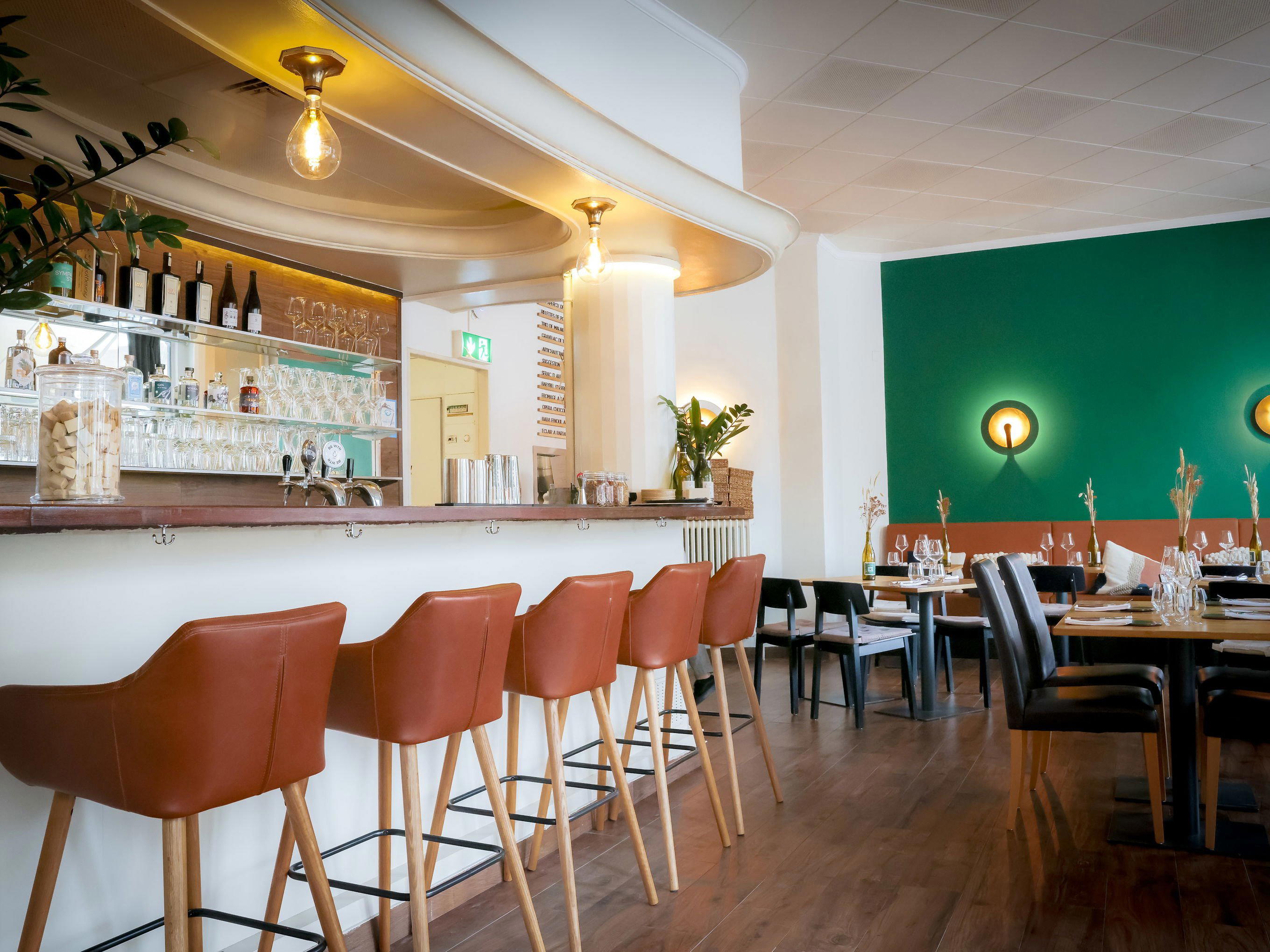
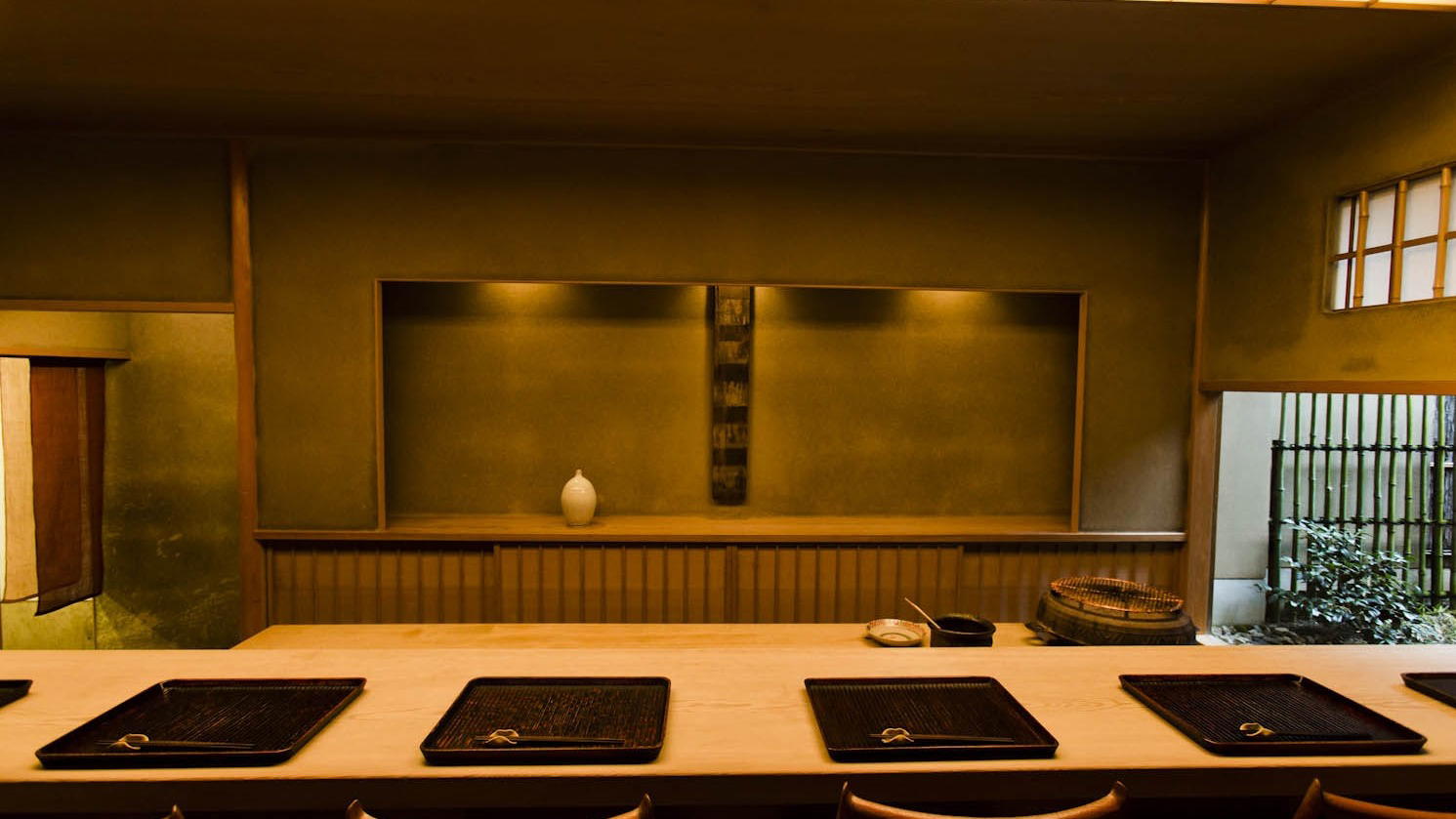
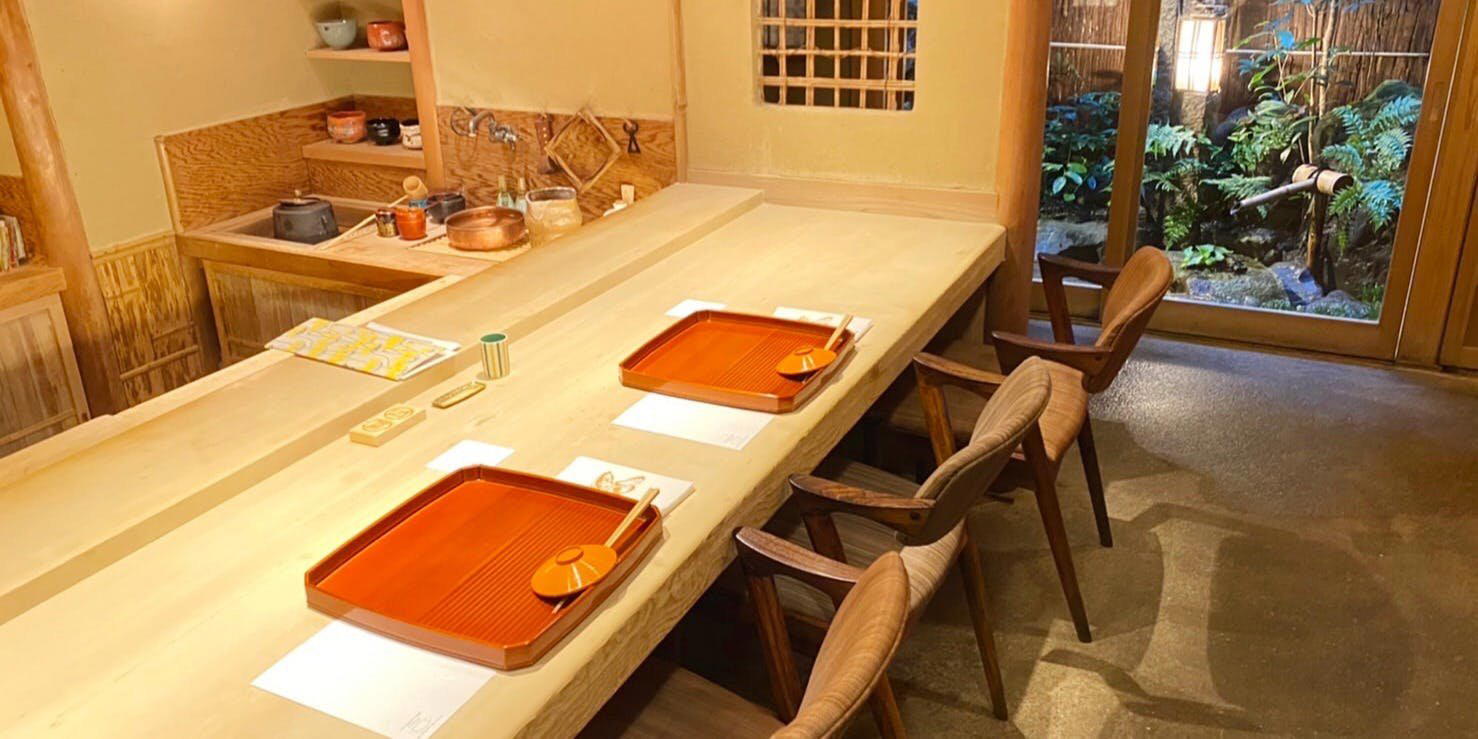
Hotels in Kyoto
Browse all →
Wineries in Kyoto
Browse all →
At a Glance
- Cozy
- Elegant
- Intimate
- Sophisticated
- Date Night
- Casual Hangout
- Standalone
- Counter Only
- Seated Bar
- Natural Wine
Current opening hours
- Monday
- Closed
- Tuesday
- Closed
- Wednesday
- 6 PM–12 AM
- Thursday
- 3 PM–12 AM
- Friday
- 6 PM–12 AM
- Saturday
- 3 PM–12 AM
- Sunday
- 3 PM–12 AM
Hours can change for holidays and private events. Last verified .
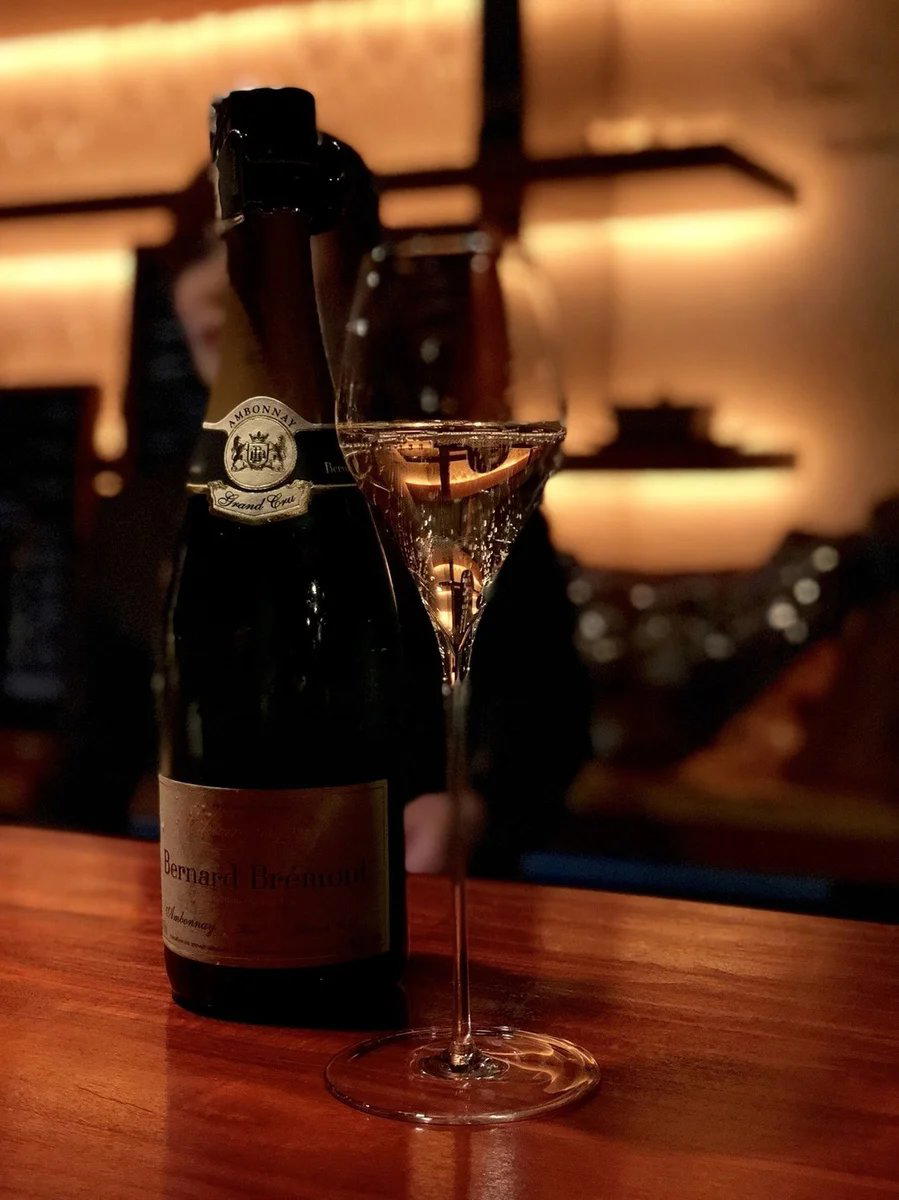
Cozy and relaxed with a stylish, sepia-toned interior, counter seating on the first floor, tables on the second, and a welcoming sweet aroma.