
Michelin Selected
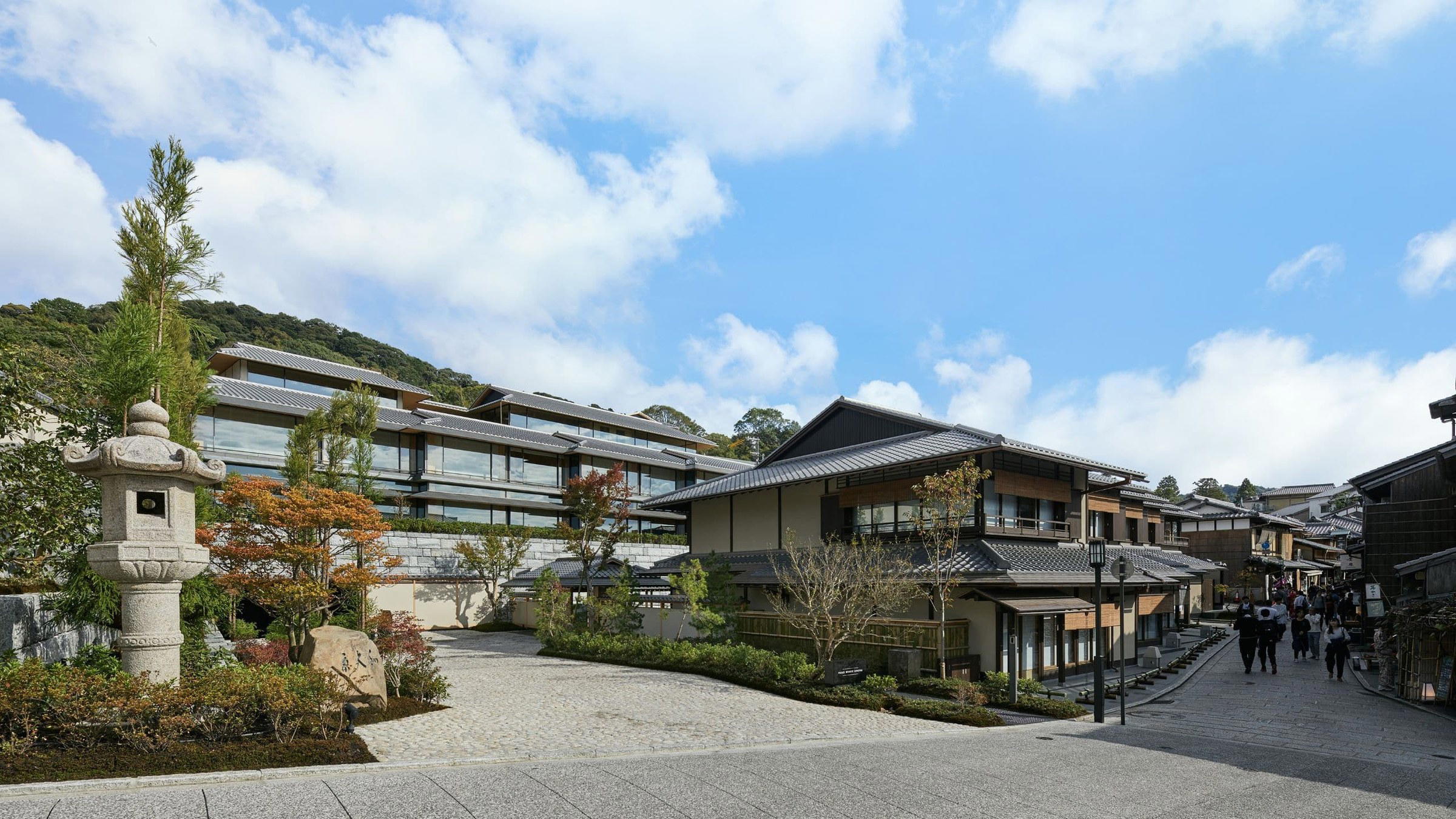
Michelin Selected for 2025, Nohga Hotel Kiyomizu Kyoto occupies the Higashiyama district at the foot of the stone-paved lanes leading toward Kiyomizudera. The property sits in the design-conscious tier of Kyoto's mid-to-premium hotel market, combining contemporary Japanese interiors with a location that places guests within walking distance of the city's most storied temple precincts.

Pearl is the En Primeur Club membership app — saves, bookings, and concierge access live there. Same editors, same standards.
- Address
- 4 Chome-450-1 Gojobashihigashi, Higashiyama Ward, Kyoto, 605-0846, Japan
- Phone
- +81 75-323-7120
- Website
- nohgahotel.com
- Directions
- Get directions
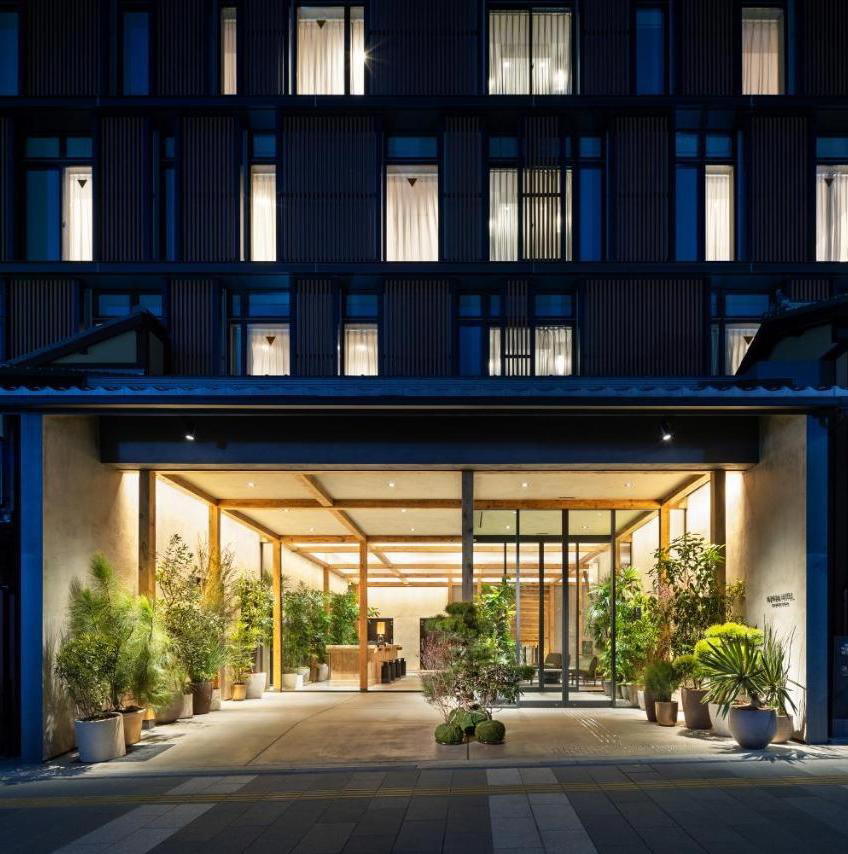
Where Higashiyama Meets Contemporary Hospitality
The streets below Kiyomizudera follow a particular logic: narrow stone lanes crowded with lacquerware shops and tofu vendors give way, near the Gojo bridge, to a quieter residential grain. It is here, at 4-450-1 Gojohashihigashi in Higashiyama-ku, that Nohga Hotel Kiyomizu Kyoto is addressed. The immediate surroundings lack the tourist density of Ninenzaka and Sannenzaka higher up the hill, which means the approach to the hotel carries a different register — less souvenir, more neighbourhood. That positioning is deliberate, and it reflects a broader pattern in how a certain tier of Kyoto hotels have chosen their sites in recent years: close enough to the celebrated precincts to be useful, far enough to feel considered rather than opportunistic.
Kyoto's hotel market has stratified considerably over the past decade. At one end sit the grand international flagships — properties like the Four Seasons Hotel Kyoto and Aman Kyoto, which compete on scale, garden, and price at the upper boundary of what the city commands. At the other end, the ryokan tradition continues through properties like Higashiyama Shikikaboku and Hoshinoya Kyoto, which anchor their offer in kaiseki rhythms and tatami formats. Nohga Hotel Kiyomizu Kyoto occupies neither of those poles. It belongs to the cohort of design-forward properties that address a traveller who wants contemporary spatial quality and a specific urban address without committing to the full ceremonial apparatus of a ryokan stay. In that respect, it shares a competitive tier with properties like Hotel Kanra Kyoto and eph KYOTO.
Michelin Recognition and What It Signals
The Michelin Selected designation, confirmed in the 2025 hotels guide, places Nohga Hotel Kiyomizu Kyoto within a curated tier that the guide uses for properties meeting quality thresholds across comfort, service, and character without necessarily reaching the starred accommodation categories. For a hotel in Kyoto's Higashiyama district, a part of the city where the supply of notable addresses is dense and the editorial competition substantial, the recognition carries genuine weight. It positions the property within the same frame of reference as Michelin's wider Kyoto hotel recommendations, which lean heavily toward properties with either strong cultural credentials or clear design discipline. That the Nohga earns the designation speaks to a consistent delivery rather than a single headline feature.
For context within Japan's broader Michelin hotel map, the designation connects Nohga Hotel Kiyomizu Kyoto to a national conversation about which hotel formats the guide considers worthy of international visitor attention. Properties like Gora Kadan in Hakone and Nishimuraya Honkan in Kinosaki-cho operate at the upper end of that national ryokan recognition tier, while newer design hotels like Nohga represent the guide's acknowledgment that contemporary formats are establishing their own credibility alongside traditional inn culture.
The Dining Programme and Culinary Context
Kyoto's dining identity is among the most defined of any Japanese city. The kaiseki tradition, multi-course seasonal cooking built around restraint, technique, and local ingredient sourcing, sets the register against which almost all hotel food and beverage is measured. Hotels in the Higashiyama area operate in a district where some of Kyoto's most celebrated independent kaiseki houses are within walking distance, which creates both an opportunity and a challenge for in-house dining programmes. The opportunity is that guests arrive with calibrated palates and genuine interest in what the city produces. The challenge is that any hotel restaurant competing directly with the city's kaiseki establishment faces a credibility gap that only years of consistent kitchen performance can close.
The Nohga brand, which operates multiple properties across Japan, has generally positioned its food and beverage offer toward approachable Japanese cooking with contemporary inflection rather than attempting to replicate the kaiseki format. This approach aligns with a segment of Kyoto's hospitality market that recognises not every guest wants a formal multi-course dinner after a day of temple walking, and that a hotel dining room that delivers clean, seasonally aware cooking at a readable format serves a different, and legitimate, need. For guests who do want to engage with Kyoto's kaiseki register while based at the hotel, the neighbourhood geography assists: the Higashiyama district places serious independent restaurants within a short walk or brief taxi ride.
Guests considering how this property's dining compares across the Kyoto hotel spectrum should note that properties in the ultra-premium tier, HOTEL THE MITSUI KYOTO, for instance, maintain in-house restaurants with their own Michelin recognition. The Nohga's competitive claim is not on that axis; it is on location specificity and design character, with dining functioning as a quality-of-stay support rather than a destination draw in its own right.
Higashiyama as a Base
Higashiyama-ku is Kyoto's eastern cultural spine. Kiyomizudera at the north of the walk, Kennin-ji to the south, and the preserved machiya streetscapes of Ninenzaka and Sannenzaka in between define a district that concentrates more of Kyoto's listed heritage per square kilometre than anywhere else in the city. A hotel address at the Gojo bridge end of this corridor sits at the southern entry point, which means Kiyomizudera and the main shopping lanes require a ten-to-fifteen minute uphill walk, manageable, and with the advantage that the hotel's immediate environs are quieter at dusk and dawn than those at the heart of the tourist circuit. The Gion district, with its ochaya and seasonal Gion Matsuri presence, is accessible on foot heading northwest. Fushimi Inari, a different register entirely, requires a train or taxi south.
For travellers building a Japan itinerary across multiple hotel tiers and regions, a Higashiyama stay pairs naturally with departures toward properties like Amanemu in Mie or Benesse House in Naoshima for a broader cultural circuit. Within the city, guests arriving from Zaborin in Kutchan or Fufu Nikko in Nikko will find Kyoto's density of heritage sites a different kind of engagement entirely. See our full Kyoto Prefecture restaurants and hotels guide for neighbourhood-level breakdowns across the city.
The Higashiyama district is most in demand during cherry blossom season (late March to mid-April) and the autumn foliage period (mid-November), when lead times for quality addresses across the area extend significantly. Planning for those windows three to four months ahead reflects standard practice for this part of Kyoto's hotel market.
A Pricing-First Comparison
Comparable venues nearby, for context on price, style, and recognition.
| Venue | Price | Awards | Notes |
|---|---|---|---|
| Nohga Hotel Kiyomizu KyotoThis venue — the venue you are viewing | Not listed | Michelin Selected | Not listed |
| Nazuna Kyoto Gosho | $300–500 | Michelin Selected | Nakagyō, Modern luxury ryokan preserving traditional Kyoto architectural heritage with contemporary amenities and refined hospitality. |
| Kifune Ugenta | Not listed | 1 Michelin Key | Sakyō, luxury ryokan blending traditional Japanese and modern design |
| THE HIRAMATSU Kyoto | Not listed | Michelin Selected | Nakagyō, Historic machiya townhouse blending 120 years of Kyoto architecture with contemporary comfort |
| Aman Kyoto | Not listed | 2 Michelin Keys · World's 50 Best #74 | Kita, Contemporary ryokan-inspired pavilions integrated into a forested landscape. |
| Rakuro Kyoto by THE SHARE HOTELS | $200–300 | Michelin Selected | Nakagyo-ku, Contemporary lifestyle hotel sharing with locals |
Recognition history
Dated appearances from independent guides and award organizations, with the underlying list record or original source where available.
Michelin Selected
Michelin
Continue exploring
More in Kyoto
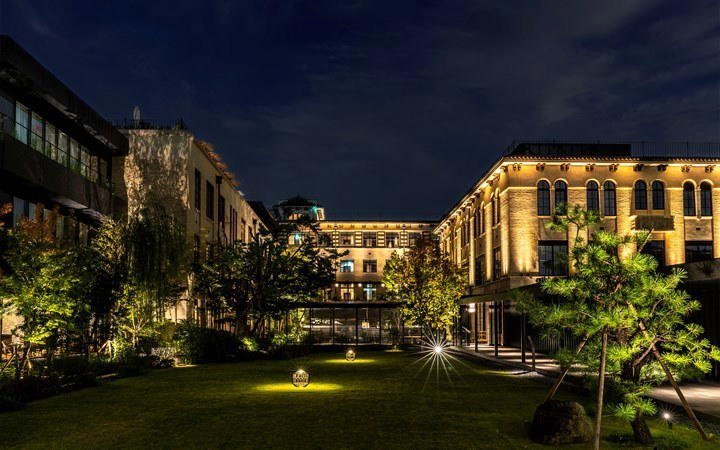
Hotels in Kyoto
Browse all →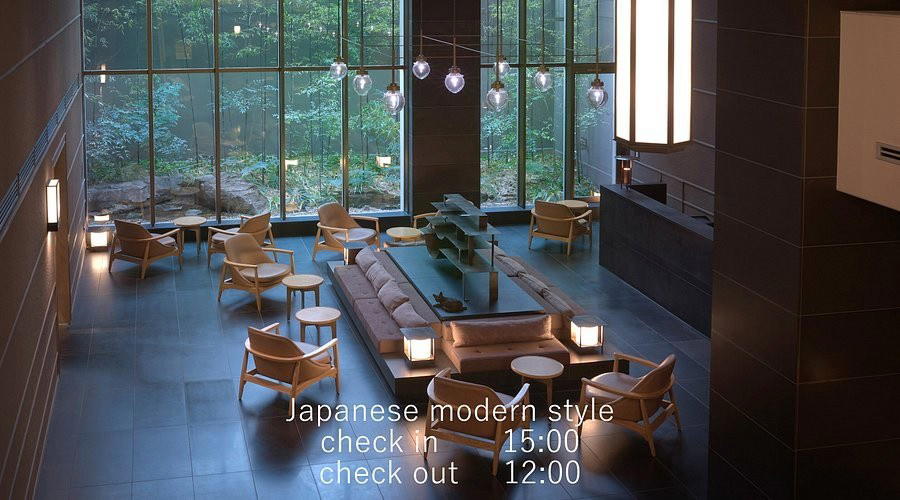
Bars in Kyoto
Browse all →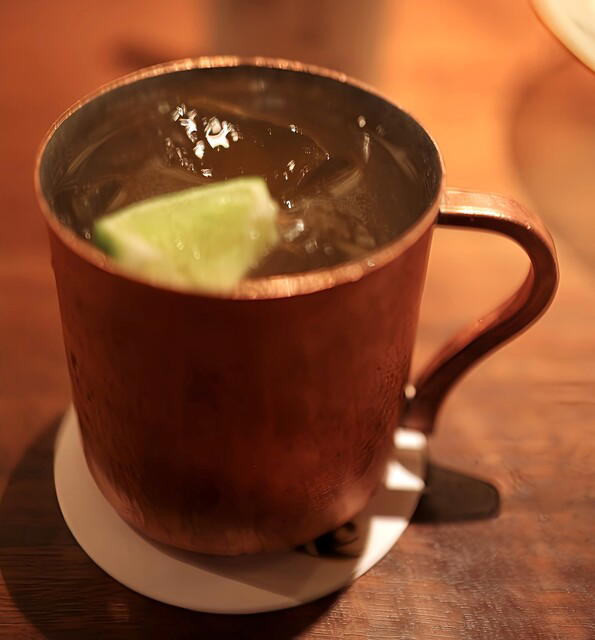
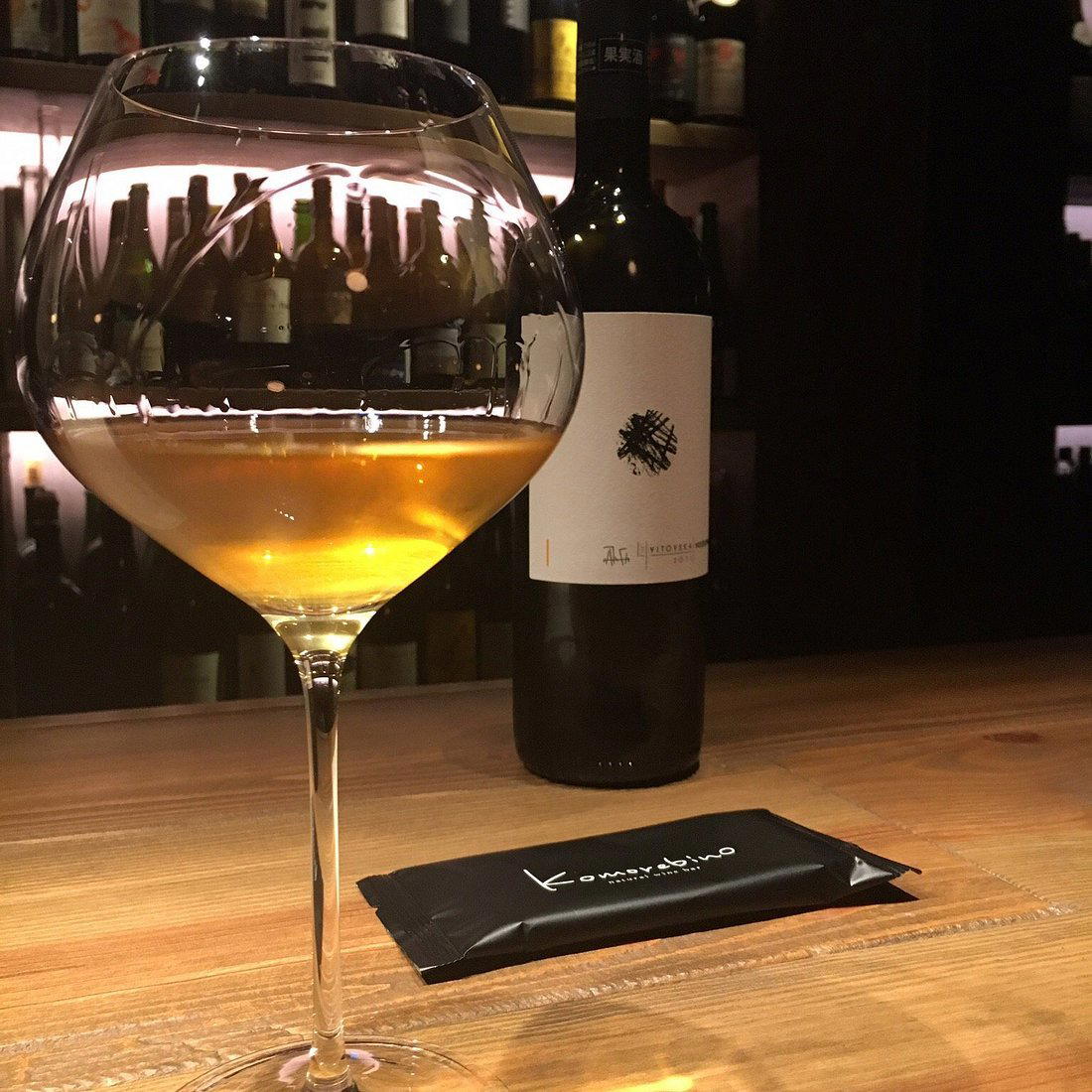
Restaurants in Kyoto
Browse all →
Wineries in Kyoto
Browse all →
Details
- Modern
- Elegant
- Sophisticated
- Minimalist
- Romantic Getaway
- Wellness Retreat
- Weekend Escape
- Historic Building
- Design Destination
- Terrace
- Wi Fi
- Fitness Center
- Restaurant
- Concierge
- Street Scene
- Wheelchair Accessible
- Elevator
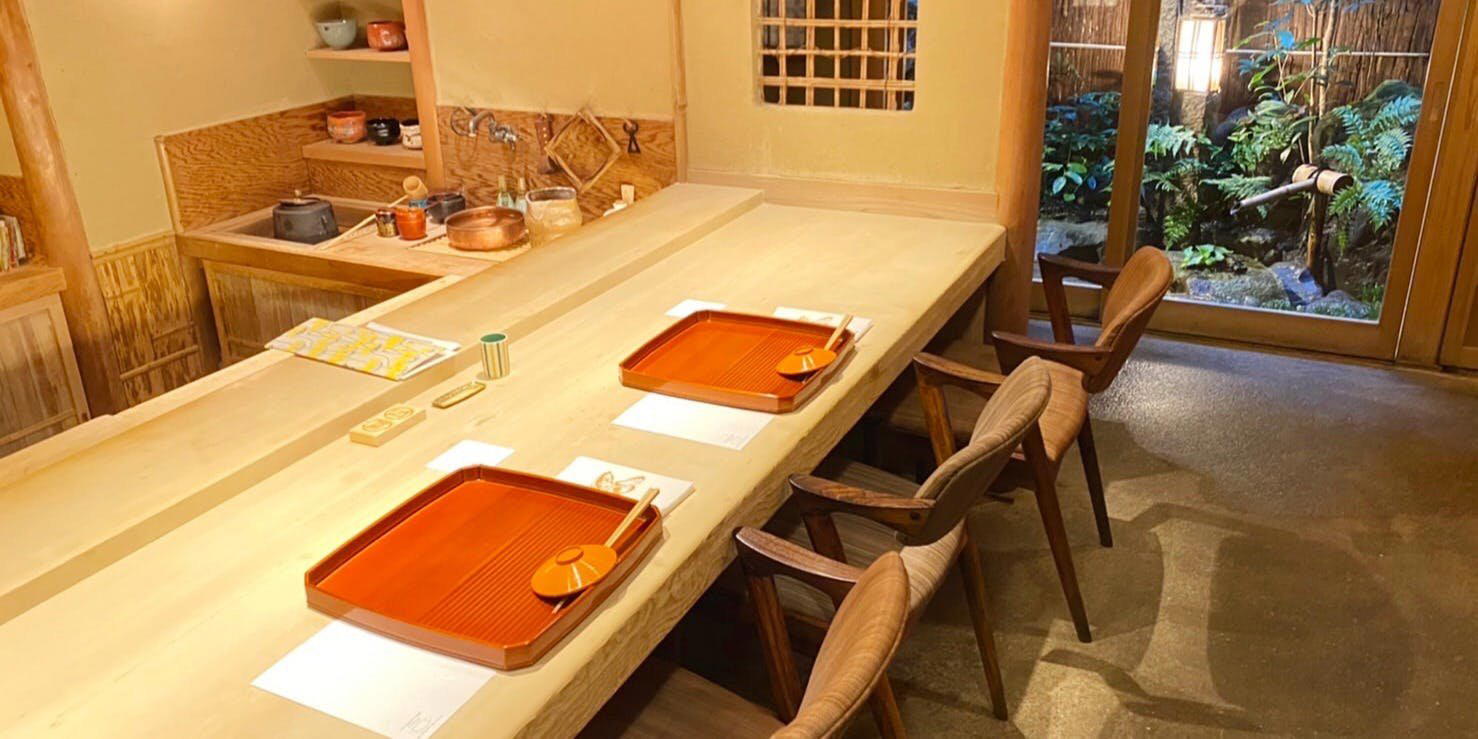
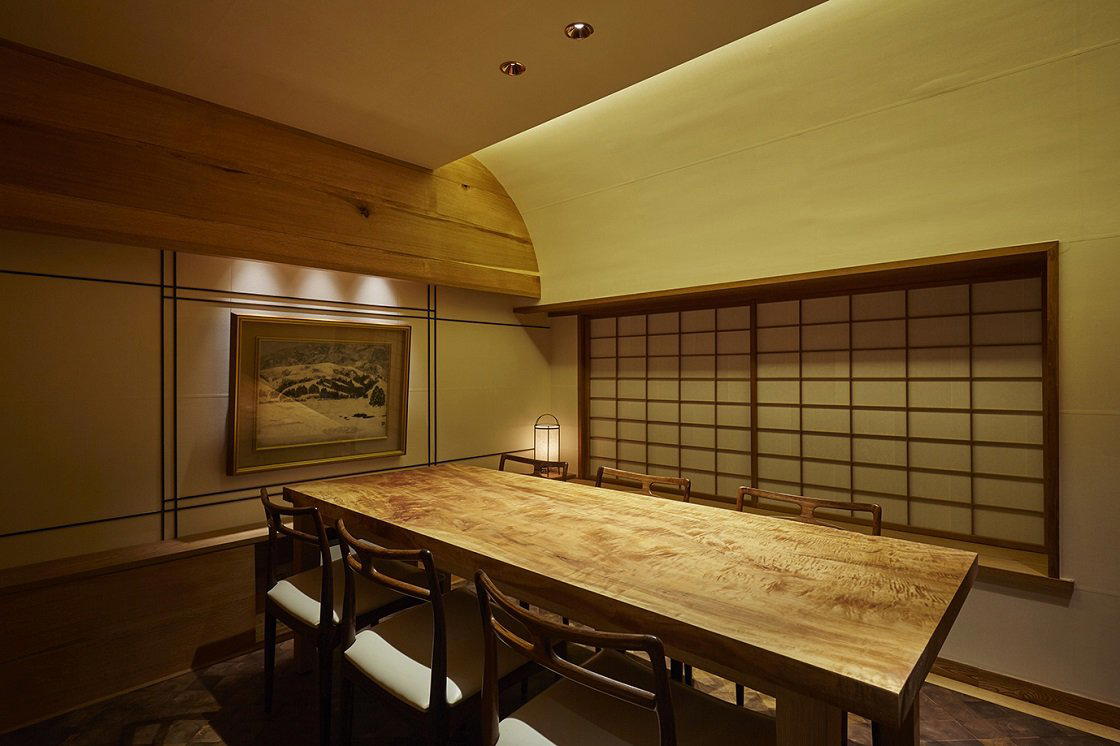
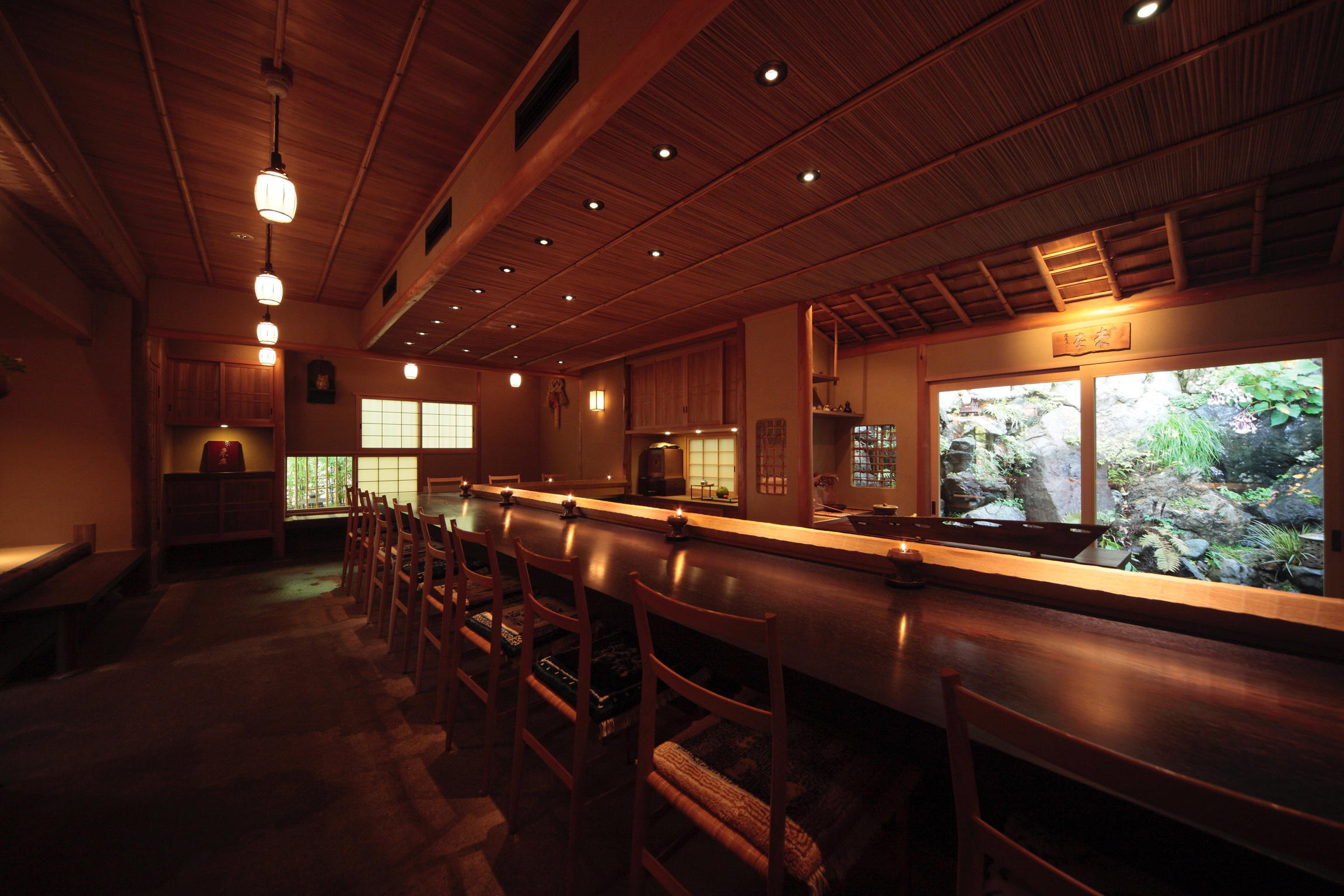
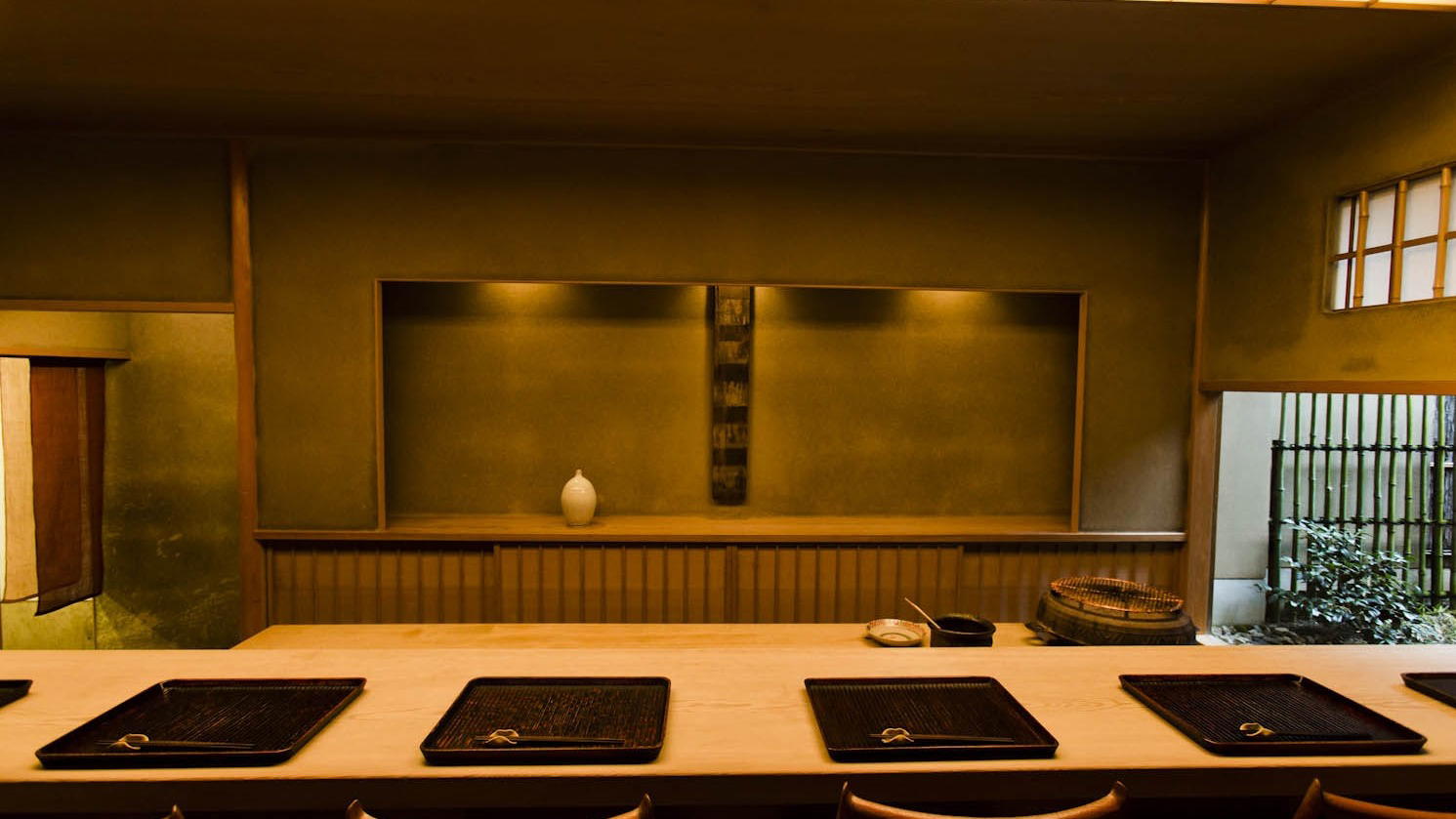
Clean, minimalist with a modern, lively atmosphere, lively lobby, and tranquil lounge.